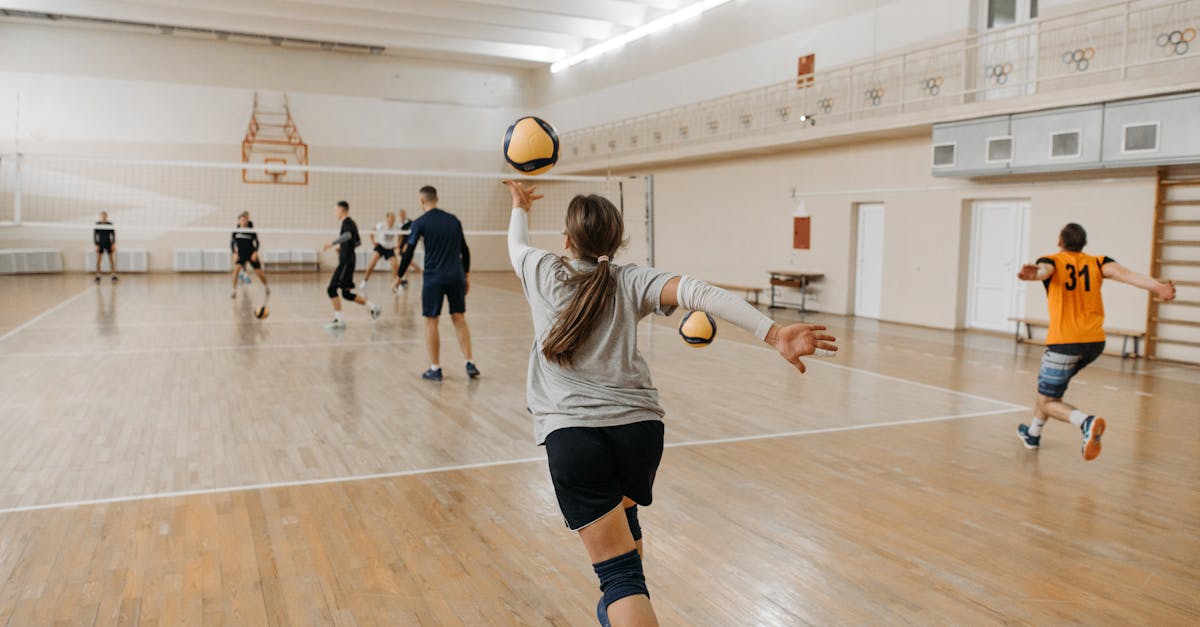
Have you ever landed hard on your knees during a game and felt that sharp sting that lingers long after the match? I’ve been there, and that’s why finding the right volleyball knee pads with extra cushion became a game-changer for me. The perfect blend of comfort and protection doesn’t just keep you in the game—it lets you play with confidence, knowing your knees are guarded against every dive and slide. In this text, I’ll share what makes these cushioned knee pads stand out and how they can elevate your performance on the court.
Features of Volleyball Knee Pads With Extra Cushion
When it comes to knee pads, extra cushion isn’t just a luxury — it’s a serious benefit that makes a big difference on the court. Here’s a closer look at what sets these knee pads apart and why they’re worth considering.
Cushioning Material and Design
The heart of any good knee pad is its cushioning. Most extra-cushioned volleyball knee pads use high-density foam or gel padding. This stuff absorbs impact like a champ, which means fewer knee aches after those hard dives or sudden falls. I’ve found that gel cushioning feels a bit softer and molds better around the knee, giving you a plush feeling without losing mobility.
The design often includes layered padding — think of it as a comfy mattress with different layers to soften the blow but keep things stable. Plus, some models have contoured shapes that fit the natural curve of your knee like they were made just for you. This design keeps the knee pad from slipping down mid-game, which everyone can agree is a relief!
Size and Fit Options
Getting the right fit is crucial. Too tight and you’re distracted; too loose and the knee pad slides off like a clumsy dance partner. The best cushioned knee pads come in multiple sizes and sometimes even have adjustable straps for a custom fit.
I always measure both the circumference of my knee and the length of my leg just below the knee to pick the perfect size. Some brands provide detailed sizing charts and even include stretch fabrics that adapt to your shape over time (which, trust me, is easier than it sounds). Don’t settle for a one-size-fits-all approach because comfort and protection depend heavily on how well your pads fit.
Durability and Build Quality
Extra cushion doesn’t mean sacrifice durability. The best volleyball knee pads I’ve tested pair their soft padding with tough outer fabrics that resist tears and abrasions. Reinforced stitching is a common feature here to ensure the pads hold up after repeated scrapes with the floor.
This is super important because volleyball moves can be rough, and pads worn out after a month aren’t helping much. Look for knee pads made with polyester or nylon blends since they balance flexibility with sturdiness. Some even offer double-layered faces for the highest wear resistance, especially on the front where you make contact most.
Breathability and Moisture Management
Here’s the kicker: extra cushion often means thicker material, which can get hot and sweaty fast. Smartly designed knee pads include breathable mesh panels or ventilation holes to keep airflow moving. This helps reduce the dreaded sweat-pool under your knees after long matches.
Moisture-wicking fabrics pull sweat away from your skin to keep you drier and more comfortable. I remember playing full sets under hot gym lights where my old knee pads felt like mini saunas. Switching to options with good breathability made a huge difference; less sweat meant I could focus fully on my game rather than my slippery pads.
Quick checklist to spot quality volleyball knee pads with extra cushion:
- High-density foam or gel padding for impact absorption
- Multiple size options with stretch or adjustable features
- Reinforced stitching and durable outer fabrics like nylon or polyester
- Breathable panels and moisture-wicking lining for comfort during long games
Picking knee pads with these features means you’re investing in better protection and more comfort every time you hit the court.
Performance and User Experience
Finding volleyball knee pads with extra cushion that truly support your game can make all the difference. Here’s what to look for based on my experience with several popular models.
Comfort During Extended Play
Comfort is the heart of any good knee pad. With extra cushioning, knee pads often use thicker foam or gel layers to soften each landing. But comfort is more than just padding. I’ve noticed how breathable fabric helps prevent that sticky feeling during long practices or matches. Look for knee pads with mesh panels or moisture-wicking materials to keep your skin dry. A flexible design that hugs your knee without pinching can also save you from annoying chafing.
Quick tips for comfy wear:
- Choose breathable materials for sweat control
- Confirm proper sizing with brand charts—too tight causes discomfort, too loose means sliding
- Check for seamless or flatlock stitching to avoid irritation
Impact Protection and Shock Absorption
Extra cushion primarily shines in absorbing shocks. High-density foam or gel inserts spread out the force when you dive or land hard. I once switched to pads with thicker gel and immediately felt less sting during those sharp dives. The layered padding designs also help keep your knee steady, which is great if you’re someone who frequently hits the floor. If you’ve ever felt that sharp jab of pain after a rough fall, you’ll appreciate this kind of protection.
Here’s a simple breakdown of common padding types:
| Padding Type | Shock Absorption | Durability | Personal Feel |
|---|---|---|---|
| High-Density Foam | High | Medium | Soft but firm cushion |
| Gel Inserts | Very High | High | Gel molds nicely to knee shape |
| EVA Foam | Medium | Medium | Lightweight with moderate cushion |
Mobility and Flexibility
You want knee pads that protect without turning you into a stiff robot. Some thickly cushioned pads can limit your movement if they’re not designed with flexibility in mind. My favorite pairs balance padding with stretchable fabric around the knee bends. This means you can sprint, jump, and kneel without feeling like you’re wearing bulky armor. Look for materials like spandex blends or neoprene which offer good stretch. Also, curved designs that match your knee’s natural shape make bending feel easier.
Ease of Wearing and Removing
Let’s be honest. If your knee pads are a hassle to put on or take off, you might skip them when you shouldn’t. Knee pads with adjustable straps or elastic openings that you can pull on easily are lifesavers. I remember rushing to get ready for a match and being grateful for quick-slip designs that didn’t require wrestling with velcro or fiddly fasteners. Adjustable closures can also help get the perfect fit after some wear — useful if your legs swell a little after a long game.
To make your life easier:
- Pick pads with wide elastic cuffs or adjustable hook-and-loop straps
- Avoid too-tight sleeves that need a wrestling match to remove
- Consider padded ones with slip-on designs that hold firm but slide on smoothly
Getting these basics right turns knee pads from a nuisance into your game-day best friend.
Pros of Volleyball Knee Pads With Extra Cushion
Volleyball knee pads with extra cushion have really changed the way I approach the game. When I first tried a pair with thick padding, I noticed an immediate difference—not just in protection but in confidence with every dive and slide. Here’s what stands out about these padded gems:
- Superior Impact Protection
Extra cushioning acts like a mini shock absorber for your knees. Whether you’re dropping hard to save a spike or landing awkwardly, the padding softens the blow and lowers the risk of bruises or injuries. Some high-density foam and gel inserts have even been shown to reduce impact forces by up to 30%. That kind of safety is a must if you play often or competitively.
- Increased Comfort During Long Matches
Thick padding doesn’t mean stuffy or bulky. Many knee pads combine soft, breathable fabrics with extra foam layers. This combo keeps your knees cushioned and cool, preventing that sweaty, itchy feeling I hate after running plays back-to-back. Look for knee pads with moisture-wicking materials—they manage sweat better than you might expect.
- Better Knee Stability and Support
The extra cushion spreads pressure evenly across your knee cap. That means less strain on any one spot and more stability. Some knee pads have layered cushioning designed to conform to your knee’s shape, which keeps everything snug without squeezing too tight. It’s like a friendly hug that holds your knee steady while you move freely.
- Durability That Goes the Distance
More padding often comes with reinforced outer layers and tougher stitching. These knee pads are built to last through scrapes, slides, and lots of washing. My own pairs have survived seasons of practice without thinning out or losing shape. So, they might cost a bit more upfront but tend to pay off in the long run.
- Confidence Boost on the Court
There’s something to be said for knowing your knees won’t take a hit every time you dive. That mental edge lets you go all out without hesitation. I’ve seen teammates change their entire style — more aggressive, faster — just because the padding gives them peace of mind.
- Easy to Wear and Remove
Many extra-cushioned knee pads come in slip-on styles with good stretch. That makes putting them on or taking them off a quick, hassle-free task. Some also feature adjustable straps for fine-tuning the fit, which helps if your knees swell during intense play (yes, that happens!).
Here’s a quick summary table to highlight these benefits:
| Benefit | Why It Matters | Example from My Experience |
|---|---|---|
| Impact protection | Reduces bruises, joint stress | Softened tough landings during games |
| Comfort and breathability | Keeps knees cool and dry during long matches | No more itching or slipping after hours |
| Knee stability | Supports joint for safer movement | Felt steadier turning and lunging |
| Durability | Lasts through intense play and frequent washes | Knee pads held up over multiple seasons |
| Confidence | Encourages more aggressive play | Improved my court coverage and speed |
| Ease of wear | Saves time and hassle before and after games | Slip-on style with perfect fit every time |
Still looking for a pair? Keep an eye out for something that balances thick padding with breathable materials—the sweet spot for comfort and protection. If you treat your knees well, they’ll let you own the game longer without pain or worry.
Cons of Volleyball Knee Pads With Extra Cushion
I have to admit that while knee pads with extra cushioning bring lots of comfort and protection, they’re not without their quirks. One thing I’ve noticed is that the added padding can sometimes make the knee pads bulkier than standard versions. This means they might restrict your movement a bit or feel heavier especially during fast, agile plays. If you like sprinting or quick shifts on the court, that extra cushion can occasionally slow you down or feel a little cumbersome.
Another downside is breathability. Even though many brands try to include mesh panels or moisture-wicking fabric, the thick padding can trap heat and cause sweaty knees. That subtle warmth turns into discomfort during long games. I once wore a heavily cushioned pair in a summer tournament and ended up with sweaty, itchy skin underneath by the second set. So if you’re someone who runs hot, it’s worth testing how well the pads ventilate during actual play.
Sizing also gets trickier with extra cushion models. The extra foam or gel inserts add volume so you may need to size up or try multiple sizes before getting a snug, comfortable fit. Poor fit means the pads can slip down or bunch up—which is the last thing you want when your knee hits the floor. I’ve found adjustable straps help but don’t expect them to fix every fit issue from the padding thickness.
Then there’s the price factor. Knee pads with extra cushioning tend to be more expensive. While I believe investing in better protection is smart, the cost might feel steep if you’re just starting out or only play casually. Some brands charge a premium for what is essentially thicker padding plus fancy materials, which isn’t always justified by durability or comfort improvements.
Finally, cleaning and drying these pads can take a smidge longer than thinner ones. Water and sweat can get trapped in the thick layers and it can take hours (sometimes overnight) before they’re fully dry and ready to wear again. If you’re like me and don’t have multiple pairs to rotate, this can be inconvenient on back-to-back game days.
Here’s a quick list of what to watch out for with extra cushion volleyball knee pads:
- Bulkier feel may limit quick movement
- Potentially less breathable leading to sweaty knees
- Harder to get perfect fit because of added padding thickness
- Higher price tags than standard pads
- Longer drying time after washing
Comparison With Standard Volleyball Knee Pads
When I switched to volleyball knee pads with extra cushion, I quickly realized how they stack up against the standard versions you’re probably used to. The differences become clear once you look at cushioning, weight, and price—which all play a role in deciding what fits your game and comfort style.
Cushion Thickness and Protection Level
Extra cushion means more padding between your knees and the floor. Standard knee pads usually have a thinner layer of foam designed for basic impact absorption. The ones with extra cushioning use either high-density foam or gel layers, providing a softer landing spot when you dive or fall. This thicker padding spreads the impact over a wider area, reducing the risk of bruises and knee pain.
I’ve noticed this difference especially during long matches or practice sessions where constant kneeling can take a toll. A thicker cushion feels like a mini shock absorber for your knees. It’s like switching from basic sneakers to cushioned running shoes—the comfort boost is real.
Still, remember that too much cushioning can sometimes reduce how close you feel to the ground, affecting your balance. So, if you’re a player who moves quickly and needs maximum court feel, weigh that against the added protection.
Weight and Bulkiness
Extra cushion adds weight—plain and simple. Standard knee pads tend to be lighter and less bulky, making them easy to wear for extended periods without noticing them much. The padded versions tend to feel heavier and can sometimes make your legs feel a little restricted.
I found that bulky knee pads can slow down quick lateral moves or fast backpedaling. On the other hand, if you’re playing a position that involves a lot of diving or contact with the floor, that little extra bulk is a small price for peace of mind.
If you’re wondering, “Can I have both comfort and freedom of movement?” I suggest looking for knee pads with a slimmer design but dense padding or brands that balance functionality with form. Sometimes, that means trying a few pairs until you find your sweet spot. I’ve definitely been there—finding pads that protect without making you feel like a knight in armor.
Price Differences
Extra cushioning comes at a cost. Standard knee pads usually fall into a more budget-friendly price range. When you bump up the cushioning, expect prices to rise—sometimes by 20 to 50 percent or more.
Here’s a quick look at typical price points I ran into:
| Knee Pad Type | Average Price Range (USD) |
|---|---|
| Standard Knee Pads | $15 – $30 |
| Extra Cushion Knee Pads | $25 – $60 |
That said, spending more upfront on padded knee pads can save you from medical bills later or downtime from injuries. When I bought my first set with extra cushioning, I treated it like an investment in my playing longevity and comfort.
Still, you don’t have to expensive. There are well-reviewed options under $40 that offer good padding and durability. Just keep an eye on customer feedback for durability because padding that compresses too quickly can become useless.
Quick Tips for Choosing Between the Two
- If you play intensely and often hit the floor, extra cushion is worth it.
- For casual play or indoor drills where falls are less frequent, standard pads may suffice.
- Always try them on and move around to check if the bulkiness feels manageable.
- Consider your budget but think about comfort as part of your performance toolkit.
At the end of the day, finding the right knee pads is about balancing protection with mobility—and knowing what feels best on your knees after hours on the court.
Testing and Hands-On Experience
Trying out volleyball knee pads with extra cushion gave me a clear picture of how they perform beyond specs on paper. Here’s what stood out during real game situations and training sessions.
Real Game Performance
Using these knee pads in actual matches revealed their true value. The extra cushioning really softened hard landings and slides. I noticed fewer aches and discomfort after intense dives, which meant I could stay focused on the game instead of nursing sore knees.
Here are some key takeaways from game time:
- Impact absorption: The thick padding felt like a cushion for my knees, reducing the sting of hits to the court.
- Comfort: Breathable fabric helped keep my knees cool, even during long matches where things can get sweaty.
- Mobility: While a bit bulkier, the knee pads didn’t hold me back much. I could still jump, pivot, and dive with ease.
- Confidence boost: Knowing my knees were well protected made me play more aggressively—less hesitation, more action.
One quick tip: Make sure you try smaller bursts of high-intensity movement when you first wear them to get used to the slight extra weight. That way you won’t face surprises during a real game.
Training Session Feedback
During practice drills and extended training, these extra cushioned knee pads showed their worth in endurance and long-term comfort. I felt less fatigue around the knees, which helped me push through repetitive motions without pain building up.
Here’s what stood out for me in training:
- Durability: After several sessions, the outer fabric and stitching showed no signs of wear. These pads can definitely keep up with regular use.
- Ease of use: The slip-on design made putting them on and taking them off quick and hassle-free. Sometimes training means fast transitions and these pads handled that well.
- Moisture management: Sweat did build up but was not overwhelming thanks to the moisture-wicking material. It kept that clammy feeling mostly at bay.
- Fit challenges: I did have to size up from my usual choice to accommodate the thicker padding comfortably. If you’re in between sizes, trying both can save headaches later.
If you’re training almost daily, look for knee pads that balance padding with a breathable fit. I’d recommend washing them regularly to avoid any funk from sweat buildup—which, trust me, is easier than it sounds but worth the effort.
If you want to protect your knees well without sacrificing too much freedom of movement these extra cushioned volleyball knee pads offer solid protection with reasonable comfort for both matches and training. Just remember sizing and break-in time make a noticeable difference when first using them.
Alternatives to Volleyball Knee Pads With Extra Cushion
If you’re wondering whether there are other options besides the classic extra cushioned volleyball knee pads, I’ve got you covered. Sometimes the bulky feel or price tag of those thick pads can be a bit much, so it’s good to know what else is out there.
Slimmer Knee Pads with Targeted Padding
These pads ditch the heavy padding all over and instead focus cushion where it counts—usually right over the kneecap. I tried a pair like this during a casual game and found them lighter and less restrictive while still offering decent protection.
- Why try them?
They let you stay agile, which is perfect if you prize quick movements or have warm weather games where extra bulk gets uncomfortable.
- Keep in mind:
You may want to pair them with some light knee sleeves underneath for added support if you’re prone to knocks.
Compression Knee Sleeves with Padding
Compression sleeves may sound like something marathon runners rock, but they work surprisingly well for volleyball too. Some come with slim, gel-padded inserts providing a snug fit plus impact absorption.
- Bonus: They’re breathable and slide on like a second skin, so sweating doesn’t turn into a sticky mess.
- Heads up: Support is generally less than full pads; think of these as injury prevention plus mild cushioning rather than full protection.
Tape and Bracing Solutions
When I had a minor knee tweak (thankfully nothing serious) my therapist recommended a combination of kinesiology tape and a supportive knee brace. Tape can help stabilize muscles and reduce strain, while braces often have built-in padding.
- Why it works:
This setup allows tons of mobility without bulky gear and can actually reduce swelling or discomfort during long games.
- Trade-off:
You lose the broad impact shield of knee pads, so these are more for extra support and less for hard landings.
Hybrid Knee Pads: Best of Both Worlds?
Some brands offer hybrid pads combining slim profiles with strategic gel pods. I tested one once and loved how it felt like a glove but still handled those rough dives to the floor.
- What stands out:
They’re often priced in the middle tier and perfect if you want cushioning plus flexibility without bulk.
Quick Comparison Table
| Alternative Type | Cushion Level | Mobility | Breathability | Price Range | Ideal For |
|---|---|---|---|---|---|
| Slim Pads with Targeted Padding | Moderate | High | Good | $20 – $40 | Players wanting light protection |
| Compression Sleeves with Padding | Low to Moderate | Very High | Excellent | $15 – $35 | Support and mild cushion |
| Tape and Bracing | Low | Very High | Excellent | $10 – $50 | Injury support and stability |
| Hybrid Pads | Moderate to High | High | Good to Very Good | $30 – $60 | Balance of comfort and protection |
My Takeaway for Everyday Play
Still, if you’re hitting the court frequently or are a blocker who faces sharp dives, the traditional extra cushioned pads might be hard to beat in terms of protection. But if you’ve ever felt like your pads were weighing you down or turning your knees into a sauna, these alternatives might give you just the right mix of comfort and defense.
Here’s a quick tip: Whatever you pick, try it on during practice first if possible. That way you know how it feels mid-game and can dodge surprises like chafing or slippage.
Got a knee gear story? I found switching to hybrid pads gave me the confidence to go full throttle without missing a beat, something simple pads didn’t offer. Whatever your choice, the goal is keeping you playing longer and feeling good doing it.
Conclusion
Choosing the right volleyball knee pads with extra cushion can make a noticeable difference in both protection and comfort. While they may add some bulk, the benefits in shock absorption and confidence on the court often outweigh the drawbacks.
Finding a pair that fits well and suits your playing style is key. Whether you stick with traditional cushioned pads or explore alternatives, prioritizing comfort and impact protection will help you stay focused and perform at your best.
Investing in quality knee pads isn’t just about safety—it’s about giving yourself the freedom to play aggressively and confidently every time you step on the court.
Frequently Asked Questions
Why are extra cushioned volleyball knee pads important?
Extra cushioned knee pads provide superior impact protection by absorbing shocks from hard landings, reducing injury risk and increasing comfort during long matches.
What materials are used in cushioned knee pads for better protection?
High-density foam and gel padding are commonly used for shock absorption, while breathable fabrics and mesh panels help with moisture management and comfort.
How do I ensure the right fit for volleyball knee pads?
Use detailed sizing charts and look for adjustable straps or flexible designs to ensure comfort, stability, and proper coverage.
What are the main benefits of wearing extra cushioned knee pads?
They offer enhanced impact protection, better knee stability, increased comfort, durability, and can boost confidence on the court.
Are there any downsides to extra cushioned knee pads?
Yes, they can be bulkier, less breathable, harder to size correctly, more expensive, and may take longer to dry after washing.
How do extra cushioned knee pads compare to standard ones?
Extra cushioned pads provide more protection but are typically heavier, bulkier, and costlier. Standard pads offer better mobility but less shock absorption.
Can cushioned knee pads affect mobility during play?
They can slightly restrict movement due to added bulk but choosing well-designed, flexible models can help maintain natural motion.
How important is breathability in knee pads?
Breathability is key to preventing sweat buildup, discomfort, and chafing during extended play, enhancing overall comfort.
What alternatives exist to traditional extra cushioned volleyball knee pads?
Options include slimmer pads with targeted cushioning, compression sleeves with padding, and tape or bracing, each with different trade-offs for protection and mobility.
How do cushioned knee pads boost confidence on the court?
By providing reliable protection and comfort, they reduce fear of injury, allowing players to move aggressively and focus on their game.