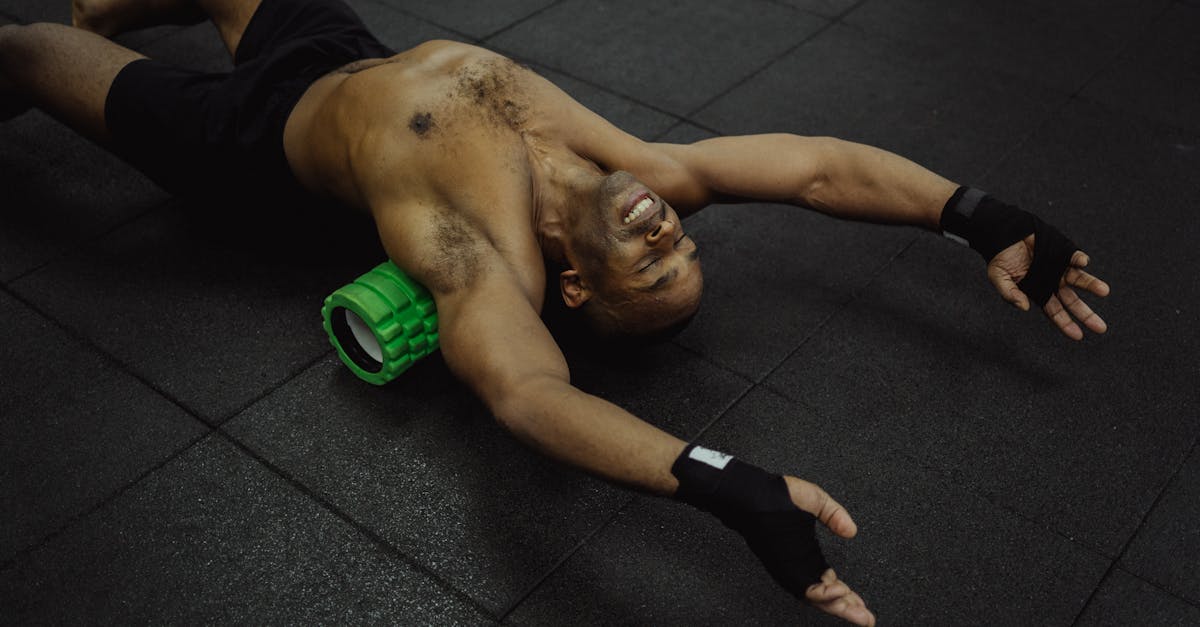
Have you ever felt that satisfying release when a tight muscle finally lets go? That’s the magic I’ve found with foam rollers. They’re more than just fitness tools—they’re my secret weapon for speeding up muscle recovery and easing soreness after tough workouts.
Rolling out tension feels like giving your muscles a deep, soothing massage without leaving your living room. In this text, I’ll share why foam rollers have become essential in my recovery routine and how they can transform yours too. Whether you’re a seasoned athlete or just starting out, understanding the right way to use foam rollers can make all the difference.
Overview of Foam Rollers for Muscle Recovery
Foam rollers are simple yet effective tools that help ease muscle soreness and speed up recovery after physical activity. Think of them as your personal masseuse—but one you control, helping you roll away tension and tight spots whenever you need.
At their core, foam rollers are cylindrical tubes made from varying densities of foam. This design lets you apply pressure to your muscles to break up knots and increase blood flow. That increase in blood flow helps bring fresh oxygen and nutrients to tired muscles, which can reduce stiffness and improve flexibility.
Here’s why foam rollers have earned a spot in my routine:
- Variety of densities: Soft rollers are great for beginners or sensitive areas, while firmer ones pack more punch for deeper muscle work.
- Different textures: Smooth rollers offer gentle relief, while those with bumps or ridges target stubborn knots and mimic massage techniques.
- Portability: Most foam rollers are lightweight and fit in a gym bag, so recovery doesn’t have to wait until you’re home.
Using a foam roller is straightforward, but there’s a right way to go about it. Rolling slowly over muscles and pausing on tender spots for 20 to 30 seconds (or until tension eases) makes a huge difference. I’ve found that rushing through a session misses the point and leaves muscles less relaxed.
Did you know that a study published in the Journal of Athletic Training found that foam rolling after exercise can reduce delayed onset muscle soreness (DOMS) by up to 30%? That was a win for me personally since I’ve noticed less tightness after a tough workout.
Here are a few practical tips to get the most out of your foam roller:
- Start with 5 to 10 minutes of rolling after workouts or during rest days to aid recovery.
- Focus on major muscle groups like calves, quads, hamstrings, and back.
- Avoid rolling directly over joints or bones to prevent discomfort.
- Breathe deeply and relax your muscles while rolling to help the release process.
Still unsure if foam rolling fits your day? I treated myself to one after a long spell of weekend hikes. It was like giving my legs a reset button. That quiet moment of relief made me a believer—plus it’s easy to work into my morning stretch routine.
If muscle recovery is part of your self-care or fitness plan, foam rollers offer a low-cost, hands-on way to soothe aches. Keep rolling, and you might just find it becomes a daily ritual you look forward to.
Features of Foam Rollers
Let’s talk about what makes a foam roller actually work for you. From how it’s built to the tiniest bumps on its surface every detail plays a role in how helpful it can be for muscle recovery.
Material and Build Quality
The material of a foam roller really sets the stage for its performance. Most rollers are made from high-density foam which means they’re firm enough to apply pressure without losing shape. I’ve tried both soft and super-firm rollers and found that those with medium to high density hit the sweet spot between comfort and effectiveness.
Durability is key here. A low-quality foam roller can soften or dent after a few sessions making your massage less satisfying. Look for rollers made of EVA foam or polyethylene foam – these types tend to hold up better over time. Some models include a hollow core with a sturdy plastic or PVC tube inside which adds extra support and can withstand more intense rolling without giving in.
Quick tip: If you plan on using your roller daily or packing it around, invest in one with a hard plastic core. It keeps its shape and feels solid under your weight.
Size and Portability
Foam rollers come in different shapes and sizes and the right one depends on how and where you plan to use it. The classic size is about 12 to 18 inches long and 5 to 6 inches in diameter – perfect for targeting large muscle groups like your quads and back.
Smaller rollers (around 6 to 12 inches) are great if you want something that fits your bag easily or targets specific spots like the calves or shoulders. On the flip side longer rollers give you better stability if you’re rolling over a bigger area.
I’ve carried a compact roller in my gym bag and it was a real lifesaver on busy days. Still, if you’re mostly using it at home, a standard full-size roller gives more surface for comfortable back rolls.
Surface Texture and Design
Here’s the kicker: the texture of your foam roller can make a big difference. Some have a smooth surface while others come with ridges, bumps, or a grid pattern designed to mimic the feeling of a deep tissue massage.
Smooth rollers feel gentler and are perfect for beginners or sensitive areas. If you’re battling stubborn knots or heavy muscle tightness, textured rollers can help by digging into the muscle more effectively to break up adhesions (those annoying tight muscle spots that feel like little knots).
I personally started with a smooth roller to get comfortable but soon graduated to a textured one. While it’s a bit more intense it helped me work deeper into tight spots after long runs.
Here’s a quick look at what to expect:
| Surface Type | Best for | User Tip |
|---|---|---|
| Smooth | Beginners, sensitive muscles | Roll slowly to avoid discomfort |
| Ribbed or Grid | Deep tissue massage feeling | Use on day 2 or 3 after intense workouts |
| Knobby or Bumpy | Targeting knots and trigger points | Apply moderate pressure |
Regularly changing up the texture or alternating rollers can prevent your muscles from getting too used to one sensation – keeping recovery fresh and effective.
Benefits of Using Foam Rollers for Muscle Recovery
Foam rollers have become my go-to for speeding up muscle recovery after workouts. Here’s why they’re worth keeping close by — whether you’re a weekend warrior or someone who’s at the gym regularly.
Better Blood Flow and Faster Healing
One huge perk I noticed right away is how foam rolling boosts circulation. When you roll over sore muscles you’re actually encouraging blood to flow, which brings oxygen and nutrients that help repair tissue. Think of it as giving tired muscles a little wake-up call after heavy use. Studies have shown foam rolling can reduce the severity of muscle soreness by up to 30%, which means less downtime before your next workout.
Breaking Up Knots Without Paying for a Massage
Muscle “knots” or trigger points can feel like a tiny storm inside your muscles. Foam rollers work by applying pressure that helps ease these knots, breaking up tight bands of muscle tissue. It’s like having a mini deep-tissue massage at home but without shelling out loads of cash or waiting for an appointment.
When I first tried it, rolling slowly and focusing on tense spots made a noticeable difference by the second day. Plus, the effect lasts. It’s worth pointing out that rolling too fast won’t achieve the same results—slow and steady wins this race.
Flexibility and Range of Motion Improvement
Here’s the kicker: foam rolling doesn’t just reduce soreness it also helps improve flexibility. After a few sessions, I found it easier to stretch and move without feeling tight or restricted. That means better performance during workouts and lower risk of injury.
Easy to Fit into Daily Life (Even on a Busy Schedule)
You don’t need a lot of time or fancy equipment to benefit from foam rollers. A quick 10-minute roll session either post-workout or even before bed can make a world of difference. I keep mine by the couch for those “after a long day” moments. That momentum of routine really helped me stay consistent.
Portable and Budget-Friendly Recovery Tool
Foam rollers come in various sizes and densities, which makes them easy to tailor to your space and budget. Mine travels in my gym bag, perfect for unpacking in a hotel room after a day full of meetings. It’s a small investment that packs quite a punch for muscle care.
Quick Tips to Get the Most from Your Rolling Session
- Roll slowly (about 1 inch per second) for deeper muscle massage.
- Spend 20-30 seconds on each tight spot, then move on.
- Avoid rolling directly over bones or joints.
- Combine foam rolling with light stretching for best results.
- Use a softer roller if you’re new or sensitive, then move to firmer textures.
If you’re looking to reduce soreness and improve how you feel after exercise foam rolling is one of the easiest tools to add to your recovery toolkit. Just remember that consistency is key—regular use makes the difference.
Performance and User Experience
When it comes to foam rollers for muscle recovery, how they perform in real life can be surprisingly personal. Over time, I’ve learned what works best for me and why the experience can differ from one roller to another.
Ease of Use
I’ve found foam rolling isn’t complicated once you get a feel for it. Most rollers are straightforward: place them under the target muscle, apply pressure using your body weight, and roll slowly. Still, some rollers win extra points by being lightweight and easy to grip—making them much less intimidating for beginners like myself.
Here’s what I look for to keep things user-friendly:
- Size and weight: Smaller rollers are great for travel but may require more balance. Larger ones cover more muscle quickly but can be bulky.
- Surface texture: Smooth rollers feel gentler while textured ones dig deeper into sore spots.
- Material firmness: Softer foam is more forgiving but less effective on tight knots; firmer rollers provide intense relief but might hurt initially.
Quick tip: Start with a softer, smooth roller if you’re new, then upgrade as your muscles get used to the pressure. Consistency beats intensity here.
Effectiveness in Muscle Recovery
Using foam rollers regularly has been a surprisingly effective way to cut down muscle soreness after workouts. You might’ve heard of delayed onset muscle soreness or DOMS—that tightness or stiffness that shows up a day or two after exercise. Studies suggest foam rolling can reduce DOMS by about 30%, which I can personally vouch for.
From my experience:
- Rolling increases blood flow to tired muscles, helping nutrients and oxygen reach tissue faster.
- It helps break up muscle knots or adhesions that can feel like little roadblocks to flexibility.
- I notice quicker recovery times and less tightness when I roll after upper body workouts or long runs.
One user story stuck with me: A friend dreaded her post-run stiffness until she added 10 minutes of foam rolling. She told me it made a real difference to her mobility and workout comfort.
Comfort and Pain Relief
Let’s talk about the fine line between discomfort and relief. Foam rolling can be a bit painful if your muscles are super tight—think of it like a gentle wake-up call rather than a full-on punishment.
Here’s what worked for me to keep things comfy:
- Move slowly over sore spots so you can control pressure.
- Avoid rolling directly over joints or bones, which can feel sharp or irritating.
- Use a soft to medium-density roller at first to ease into the sensation before trying firmer models.
And a little heads-up: Sometimes it stings a bit, especially on trouble spots, but that’s often a sign those muscles need attention. Still, pain shouldn’t force you to stop—adjust your pressure and listen to your body.
If you’re feeling too much ouch, try rolling over surrounding muscles instead of the hotspot directly. Over time your tolerance builds, and you’ll get a deeper release without the discomfort.
Actionable Takeaways:
- Start slow and choose a roller that feels right for you—not too hard or too soft.
- Aim for 5-10 minutes of rolling after your workouts to keep soreness in check.
- Focus on large muscle groups like quads, hamstrings, calves, and back before hitting the smaller or more sensitive areas.
- Listen to your body—rolling might sting but shouldn’t force you to stop altogether.
Foam rolling easily fits into my daily routine, often while watching TV or listening to a podcast. It’s like a mini self-care moment that pays off in better movement and less muscle soreness. If you’re curious, give it a try—you might find you actually look forward to that post-workout roll out.
Pros of Foam Rollers for Muscle Recovery
Using foam rollers for muscle recovery has become a favorite part of my post-workout routine, and it’s easy to see why. These simple tools come packed with benefits that really help your muscles bounce back faster and feel less tight. Here’s a quick rundown of why I swear by foam rolling and why it might just make a perfect addition to your recovery habits.
Easy to Use Anytime, Anywhere
One of the biggest wins with foam rollers is how straightforward they are to use. Whether you’re winding down after a gym session or taking a break at home, all you need is a few minutes and your roller. No fancy gadgets or appointments needed.
- Roll over sore muscles slowly.
- Focus on major groups like calves, quads, and back.
- Avoid joints or bony areas to keep it comfortable.
Trust me, this routine is like having a mini massage session on demand. It’s this portability and ease that makes foam rolling a real no-brainer for me and many others.
Speeds Up Muscle Recovery
What really stands out with foam rolling is how it helps muscles recover faster. Studies have shown that foam rolling can reduce delayed onset muscle soreness (DOMS) by up to 30%. For those not familiar, DOMS is that stiffness and soreness you feel 24 to 72 hours after exercise.
When you roll your muscles, you’re helping to increase blood flow. More blood means more oxygen and nutrients get delivered to tired muscles, which helps clear out waste products and reduces stiffness. It’s like giving your muscles a gentle wake-up call after a tough workout.
Breaks Up Muscle Knots Like a Pro
Ever get those little tight spots that feel like a knot in your muscle? Foam rollers help break these up so your muscles can relax. Think of it as self-massage that targets those trouble areas. This is a great budget-friendly alternative if you can’t swing regular professional massages.
Keep in mind, choosing the right foam roller texture helps; softer options ease you in while firmer, textured rollers hit deeper knots. My personal favorite? A medium-density roller with some subtle ridges — just enough to work the muscle without feeling like a medieval torture device.
Improves Flexibility and Range of Motion
Stretching is great, but when you add foam rolling to the mix, you often get better results. Foam rolling loosens up tight muscles and fascia — that’s the connective tissue surrounding muscles — which helps increase your flexibility and range of motion.
Improved flexibility means less chance of injuries and more ease in your workouts and daily activities. After a few weeks of rolling regularly, I noticed my hamstrings stopped complaining when I bent over to tie my shoes (which trust me was a relief).
Affordable and Low Maintenance
When you compare foam rollers to other recovery tools, they come out as a friendly option for your wallet. You get durable materials that last for years, and there’s nothing complicated about taking care of them. Just wipe clean occasionally, and you’re good to go.
For the price, you’re essentially investing in a tool that can save you money on massages, physical therapy visits, and downtime from lingering soreness.
Quick Takeaway Tips for Foam Rolling Success:
- Start with softer foam rollers if you’re new to avoid excess pain.
- Spend 1-2 minutes per muscle group rolling slowly and deliberately.
- Use foam rolling as a warm-up or cool-down tool for best results.
- Pay attention to how your body feels—rolling should ease tension not cause sharp pain.
Foam rollers fit right into busy schedules too. I’ve rolled in front of the TV, between meetings, and even on vacation when soreness hit. It’s a simple self-care habit that makes a surprisingly big difference. If you’re looking to recover faster, stay flexible, and keep muscles happy without fuss, foam rolling deserves serious consideration.
Cons and Potential Drawbacks
While foam rollers are fantastic for muscle recovery, I’ve learned they’re not without their quirks and limitations. Here’s the honest scoop so you can set your expectations right.
Not Always Comfortable at First
Let’s be real: foam rolling can feel a bit like rubbing a cactus when you first try it. If you pick a high-density or textured roller right off the bat, the pressure might be too intense for sensitive muscles or beginners. I remember my first session left me a bit sore—not the fun kind, more the “What did I just do to myself?” kind. Starting with a softer, smoother roller helps ease that discomfort.
Can Be Tricky to Use Correctly
You might think it’s as simple as rolling around until it hurts less. But improper technique can actually make things worse. For example, rolling directly over joints or bones can be painful and might cause bruising. It takes a little practice to learn how to find the “sweet spots” on your muscles. Watching some quick tutorial videos or getting tips from a physical therapist can make a big difference.
Size and Portability Trade-Offs
Some foam rollers, especially longer or firmer ones, aren’t exactly travel-friendly. I once bought a full-length roller to use at home and then regretted not having a smaller, lightweight version for the gym or trips. On the flip side, tiny rollers sometimes don’t provide enough surface area to effectively target larger muscles like your quads or back.
| Foam Roller Type | Size/Weight | Ideal Use Case | Downsides |
|---|---|---|---|
| Full-length (36”) | Heavier | Home, full body rolls | Not portable |
| Mid-size (18-24”) | Moderate weight | Gym or home | May miss some areas |
| Mini/Travel | Light and small | On-the-go recovery | Limited muscle coverage |
Can Feel Too Painful If Overdone
Foam rolling is supposed to help with soreness, but spending too much time pressing too hard can cause irritation or inflammation. I’ve felt this firsthand after an overenthusiastic session. It’s tempting to “push through,” but your body needs breaks too. A good rule of thumb: sessions should last 10–20 minutes, focusing on each muscle group gently — not to the point of full-on pain.
Durability Concerns with Cheaper Models
Some budget foam rollers might crush down or lose shape after a few months. I’ve seen friends’ rollers wobble or flatten quickly, which makes the massage less effective and a bit frustrating. Spending a bit more on a high-density foam or a roller with a sturdy core usually pays off in the long run.
Not a Replacement for Professional Care
While foam rollers work wonders for easing muscle tightness, they’re no substitute for professional treatments like physical therapy or massage when you have serious injuries. Foam rolling helps maintain muscle health, but if pain lingers, seeing a healthcare provider is crucial.
Quick tips to avoid some common foam roller pitfalls:
- Start slow and choose softer rollers if you’re new.
- Avoid rolling directly over joints or bones.
- Don’t spend more than 2 minutes per muscle group.
- Consider multiple sizes for different needs.
- Replace rollers if they start losing firmness.
Comparison with Other Muscle Recovery Tools
When it comes to easing muscle soreness and speeding up recovery, foam rollers stand strong but they’re just one option in a lineup of recovery tools. Here’s a look at how foam rollers stack up against other favorites like massage balls and percussion massagers.
Foam Rollers vs Massage Balls
Foam rollers offer broad coverage, making them perfect for rolling out larger muscle groups like the quads, hamstrings, and back. I’ve found that they really help spread pressure evenly, which means less discomfort across wider areas. On the flip side, massage balls provide pinpoint precision. They’re great for targeting stubborn knots or trigger points where a foam roller might feel too blunt or awkward.
If you’re dealing with a knot that feels like a tiny alarm bell, a massage ball can hit that exact spot and help release it faster. Plus, their compact size makes them easy to stash in your gym bag or even your desk drawer.
Here’s a quick rundown of where each tool shines:
| Feature | Foam Roller | Massage Ball |
|---|---|---|
| Coverage | Large muscle groups | Targeted spots and trigger points |
| Portability | Moderate (larger size) | High (small and lightweight) |
| Ease of use | Simple, but can feel intense | Requires precision, takes practice |
| Ideal for | General muscle soreness | Specific knots and tight spots |
| Price range | $15 – $50+ | $10 – $25 |
For me, the choice depends on the situation. After a full-leg workout I’ll grab my foam roller for a good all-over release. But if a tight spot hangs around (and it often does!), the massage ball becomes my best friend.
Quick takeaway: Combine both tools in your recovery kit to cover all bases. Start with the foam roller to warm up the muscles and finish off with a massage ball to tackle any stubborn trouble spots.
Foam Rollers vs Percussion Massagers
Percussion massagers are those handheld gadgets that vibrate and pulse deep into your muscles. They often feel like a mini professional massage squeezed into your palm. They can deliver quick relief and are fantastic for getting into those really tight muscles without needing to roll or apply your own body weight.
Still, here’s the kicker: percussion massagers tend to be pricier and require charging or batteries (which means they’re not always ready when you are). Foam rollers, by contrast, are always ready to roll—literally. No batteries, no noise, and super low maintenance.
Another thing worth mentioning is the learning curve. Foam rolling is straightforward—you just need to know where to roll and roughly how to apply pressure. Percussion massagers, but, sometimes come with multiple heads and speed settings that can feel a bit overwhelming at first.
Here’s how they compare:
| Feature | Foam Roller | Percussion Massager |
|---|---|---|
| Mechanism | User body weight pressure | Vibrations/pulsations |
| Convenience | Always ready | Needs charging/batteries |
| Portability | Easy to carry but bulky | Compact but requires power |
| Cost | Affordable ($15 – $50+) | Usually more expensive ($80 – $300) |
| Ease of use | Simple | Requires learning settings |
| Intensity Control | User controls pressure | Device controls intensity |
From my experience, percussion massagers are excellent when you want fast targeted relief after tough workouts or long days of sitting. But foam rollers offer a more affordable and low-tech way to keep muscles loose on a daily basis. Sometimes I use both, swapping percussion devices for quick post-run tension, and foam rolling for a longer, more controlled recovery session.
Pro tip: If budget or portability is a concern, start with a foam roller. If you want to invest in a power tool for recovery, look for percussion massagers with customizable speed settings and ergonomic handles to make the experience really comfortable.
When it comes down to it, these tools aren’t about replacing each other. They each have special benefits that work better in some moments and less in others. For me, a combo approach fits best—kind of like having different tools in a kitchen. You might not slice every veggie with the same knife, right? Keeping foam rollers, massage balls, and maybe a percussion massager in your recovery lineup helps me get the job done no matter what my muscles need that day.
Hands-on Experience and Testing
When I first started using foam rollers, I wasn’t sure what to expect. Would it feel like a gentle massage or more like a medieval torture device? Luckily, it leaned closer to the former—though I won’t lie, the first few sessions felt a bit intense, especially on tighter muscles. Over time, I noticed my muscle soreness faded faster after workouts, and flexibility improved, which made me a fan pretty quickly.
How They Felt and Performed in Real Life
Testing different foam rollers showed me that firmness and texture really change the experience:
- Softer Foam Rollers: These felt like a gentle hug for my muscles. Perfect for beginners or those with sensitive spots. I used these right after light cardio or yoga days.
- High-Density Rollers: Definitely tougher on the body but more effective at targeting deep knots. It’s like upgrading from a squeeze to a focused pressure point massage. If you’re used to soreness or harder workouts, these do the trick.
- Textured Rollers: The ridges and bumps mimic the hands of a massage therapist. I found these best when I needed a deep recovery session and had some extra time to dedicate.
One thing I quickly learned—rolling slowly over muscles, rather than rushing, makes a huge difference. I treat it like chatting with a cranky neighbor: go gentle at first, then work your way in. Overdoing it can lead to bruising or frustration, so I keep sessions to 10-15 minutes tops.
Durability and Portability in Everyday Use
Some foam rollers I’ve tested felt like they’d collapse after a few months of regular use (cheap foam can be a regret). Others—especially the high-density ones—held up well even when I packed them in my gym bag weekly. What’s cool is that a mid-sized roller fits in most backpacks without taking up the whole space. That really helps when traveling or squeezing sessions into busy days.
Still, if you’re looking for an on-the-go option, stick with lighter versions. I once lugged a heavier roller on a hike—not fun. Lesson learned.
How Different Rollers Stack Up
Here’s a quick snapshot from my tests and some user feedback to help you pick what fits your groove:
| Foam Roller Type | Best For | Ease of Use | Durability | Portability | Price Range |
|---|---|---|---|---|---|
| Soft Foam Roller | Beginners, sensitive muscles | Very easy | Moderate | High | $15 – $25 |
| High-Density Roller | Intense workouts, deep knots | Moderate (can be tough) | High | Moderate | $25 – $45 |
| Textured Roller | Targeted deep tissue massage | Moderate to advanced | High | Moderate | $30 – $50 |
| Travel Size Roller | Convenience & light use | Very easy | Moderate | Very high | $20 – $30 |
Quick Tips From My Foam Rolling Routine
- Start with a soft roller if you’re new or feeling tender.
- Aim for 30 seconds to 1 minute on each major muscle group.
- Roll slowly and breathe—no need to rush.
- Avoid bones and joints; focus on muscles only.
- Replace your roller if it gets squishy or cracked; worn foam won’t do the job.
Tips for Choosing the Right Foam Roller
Picking the perfect foam roller can feel a bit like searching for the comfiest pair of shoes—comfort and fit matter a lot. From my experience, getting the right roller makes all the difference in how enjoyable and effective your recovery feels.
Size Matters: Find What Fits Your Needs
Foam rollers come in various sizes, typically ranging from about 12 to 36 inches. Here’s the scoop:
- Short rollers (12-18 inches): Great for targeting specific muscles like calves or arms. Plus, they’re super portable—perfect if you want to toss one in your gym bag.
- Standard rollers (24-36 inches): Ideal for rolling out larger areas such as your back or legs. They offer stability for exercises where you need to balance.
If you’re just starting out, I’d recommend a medium-sized roller around 18-24 inches. It’s versatile without being hard to handle.
Density: How Firm Should You Go?
You’ll see foam rollers advertised as soft, medium, or high-density—this refers to how firm the foam feels.
- Soft rollers: Gentle pressure, easier on sore muscles, and beginner-friendly.
- Medium density: Good balance of comfort and effectiveness.
- High-density: Firmer for deeper muscle work but can be tough if your muscles are sensitive or if you’re new.
When I first started rolling, the softer roller felt more welcoming and helped me stick with the habit. That said, firmer rollers can really break up those persistent knots once you’re used to the sensation.
Surface Texture: Smooth or Textured?
Rollers come in smooth and textured options. Textured rollers have knobs or ridges designed to mimic the feel of a massage therapist’s hands.
- Smooth rollers: Provide even pressure and are usually preferred by beginners.
- Textured rollers: Great if you want to target tight knots but might feel intense if you’re sensitive.
I keep a smooth roller for everyday use and have a textured one for days when my muscles feel extra tight (like after a long hike).
Material and Durability: What’s It Made Of?
Choose rollers made of high-density EVA foam or molded plastic cores—they last longer and retain shape better. Cheaper foam can break down quickly, becoming less effective and a bit smelly after a couple of months of use.
One pro tip? If you’re investing in a foam roller, go for a model that’s easy to clean. Sweaty workout days happen, and having a cleaner roller feels way better.
Portability: Can You Take It Anywhere?
If you travel or like working out in different places, consider a lightweight and compact roller. Some models fold or come with travel bags, which can be a lifesaver (speaking from my own weekend getaway experience when I forgot my foam roller—it really saved me when I forgot my entire afternoon plan).
Price Point vs. Quality
Foam rollers usually range from $15 to $60. Higher price often means better durability and quality, but here’s the trick: you don’t need to expensive.
I recommend spending a bit more for a solid roller that holds up, rather than constantly replacing cheap ones. Usually, spending around $30-$40 gets you a reliable model that lasts and performs well.
Quick Checklist for Picking Your Roller
- Consider your muscle groups and where you want to focus (big vs. small muscles)
- Start with softer and medium-density if you’re new
- Decide if you want smooth for gentle rolling or textured for deeper release
- Look for durable materials and easy cleaning
- Think about size and portability based on your lifestyle
- Balance price and quality with your long-term use in mind
Still hesitant? Give a few rollers a try if you can. Almost like shoes, the right foam roller just feels ‘right’ when you roll with it.
Conclusion
Foam rolling has become an essential part of my recovery routine because it’s simple, effective, and fits seamlessly into daily life. Finding the right roller that matches your needs makes all the difference in comfort and results.
Consistency is key—regular sessions help reduce soreness, improve flexibility, and keep muscles primed for action. Whether you’re a beginner or seasoned athlete, foam rolling offers a practical way to support your body’s healing process without very costly.
Investing a little time and care into foam rolling can pay off with faster recovery and better performance. It’s a tool I trust to keep my muscles feeling their best and ready for whatever comes next.
Frequently Asked Questions
What are the benefits of using a foam roller for muscle recovery?
Foam rollers help reduce muscle soreness, break up knots, increase blood flow, improve flexibility, and speed up recovery after workouts.
How do I use a foam roller correctly?
Roll slowly over muscles, focus on major muscle groups, and avoid direct pressure on joints. Consistency and proper technique are key.
Which foam roller density is best for beginners?
Beginners should start with softer foam rollers for a gentler massage and gradually progress to firmer rollers as they get used to the sensation.
Can foam rolling replace professional massages?
Foam rolling is a cost-effective alternative for general muscle relief but should not replace professional care for serious or chronic injuries.
How often should I use a foam roller?
For best results, incorporate foam rolling into your routine daily or after workouts, allowing muscles to recover faster and reduce soreness.
Are foam rollers portable for travel?
Yes, many foam rollers are lightweight and compact, making them convenient for on-the-go recovery, though some larger models may be less travel-friendly.
What size foam roller should I choose?
A medium-sized roller is versatile for most users, but size can depend on personal needs; smaller rollers target specific areas, larger ones cover broad muscle groups.
What is the difference between smooth and textured foam rollers?
Smooth rollers provide even pressure ideal for beginners, while textured rollers offer deeper massage and better target muscle knots for experienced users.
Can foam rolling help with flexibility?
Yes, foam rolling increases blood flow and reduces muscle stiffness, which helps improve flexibility and range of motion over time.
Are there any risks or drawbacks to foam rolling?
Improper use can cause discomfort, bruising, or irritation. Avoid rolling over joints, start slow, and replace worn rollers to minimize risks.