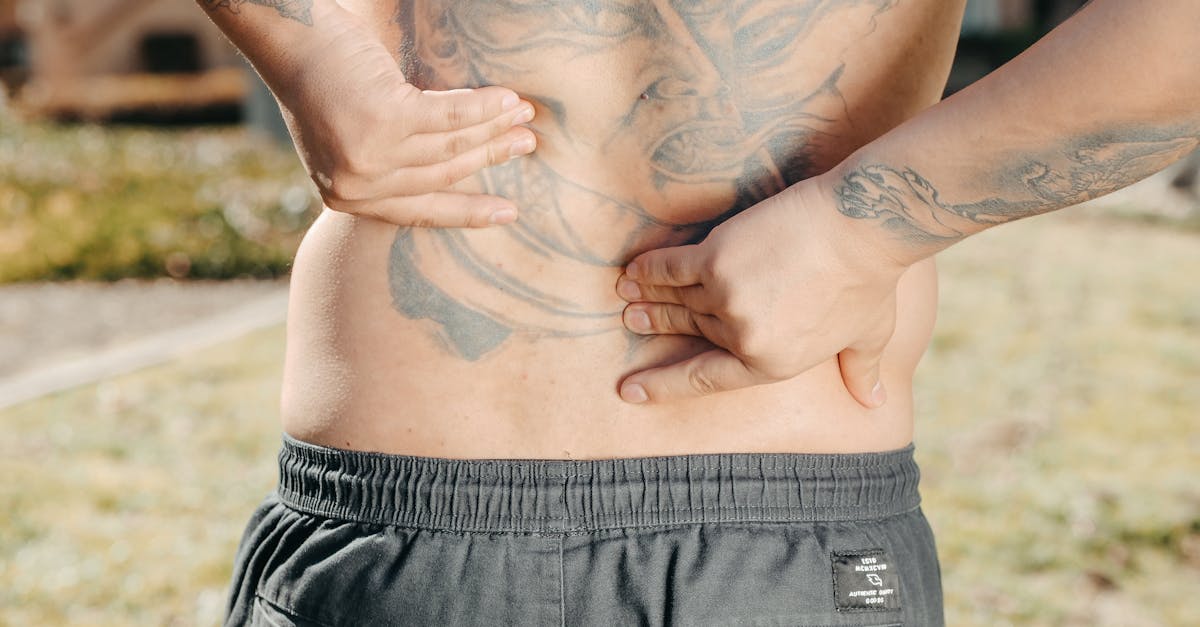
Ever felt that stubborn ache deep in your lower back after a long day? I know I have, and finding relief isn’t always easy. That’s where a good foam roller steps in—offering a simple way to ease tension and boost mobility right at home.
But not all foam rollers are created equal, especially when it comes to targeting lower back pain. I’ve tested countless options to uncover which ones deliver real results without causing more discomfort. In this text, I’ll share the best foam rollers that helped me—and could help you—find that much-needed relief.
Overview of Foam Rollers for Lower Back Pain
If you’ve ever dealt with lower back pain—or who hasn’t at some point?—you know how tricky it is to find relief that fits into your daily rhythm. Foam rollers are one of those simple tools that can make a surprising difference. I’ve tried a handful myself and noticed that the right foam roller can help ease muscle tightness and improve flexibility without taking up much time.
Foam rollers work by applying pressure to your muscles, kind of like a deep tissue massage but without needing anyone else’s hands. This pressure helps increase blood flow, release knots (those tight, sore spots that feel like little villains), and improve the overall function of the muscles surrounding your lower back.
Here’s the kicker though: not all foam rollers are created equal, especially for lower back pain. Some are too firm and make the ache worse. Others don’t offer enough support or target the muscles effectively. What you want is a roller that strikes the right balance between firmness and comfort—something that can penetrate muscle tension without causing extra pain.
Most foam rollers come in a few common styles:
- Smooth surface rollers: These are basic cylinders, great for beginners as they offer even pressure.
- Textured rollers: With ridges or bumps designed to mimic a massage therapist’s hands, these give a more targeted muscle release.
- Half rollers: These are flat on one side to prevent rolling away—helpful when you want more control working on your lower back.
- Vibrating rollers: This tech adds vibration to stimulate muscles further, which some folks find boosts relief and recovery.
From my experience and the feedback I’ve gathered from other users, rollers between 12 to 18 inches long are ideal for reaching that tricky lower back area without awkward positioning. Smaller rollers often don’t offer enough surface to stabilize yourself, while extra-long ones can be overkill and bulky.
A quick stat that caught my eye: a recent study showed that people who used foam rollers just twice a week for about 10 minutes reported up to a 25% reduction in lower back stiffness within a month. That kind of improvement is meaningful when your back pain affects your day-to-day comfort.
If you’re wondering how to fit foam rolling into your schedule, here’s a little tip: It works best when combined with gentle stretching or light activity. Rolling on its own is helpful, but pairing it with movement wakes up your muscles in a way that sitting on the couch won’t. Even five minutes after your morning coffee can become a simple ritual that sets you up for success.
In the next sections, I’ll share the best options I’ve found that balance these features while being easy to use, durable, and budget-friendly—because relief should never expensive or require a degree to operate. And trust me, once you find the right roller it feels like you’ve got a new sidekick helping you carry through busy days with less complaint from your lower back.
Features to Look for in the Best Foam Roller for Lower Back Pain
Finding the right foam roller can turn a frustrating experience into a simple, soothing part of your daily routine. Here’s what I focus on when choosing a foam roller to tackle lower back pain without making things worse.
Material and Firmness
The feel of the foam roller matters more than you might think. Too soft and it won’t dig deep enough to relieve tight spots; too hard and it can cause more pain or discomfort. I usually recommend foam rollers made from high-density EVA foam or expanded polypropylene (EPP). These materials last longer and keep their shape even after months of use.
For lower back pain, medium firmness tends to hit the sweet spot. It provides enough pressure to loosen muscles but stays gentle enough to avoid aggravating sensitive areas. If you’re sensitive or just starting out, look for one with a slightly softer outer layer or an option that combines foam and a bit of cushioning.
Size and Shape
When it comes to the lower back, size definitely matters. A foam roller that’s about 12 to 18 inches long fits well under your lower back and offers enough surface area to smoothly roll without feeling like you’re balancing on a stick. Smaller rollers can feel unstable and won’t target your muscles evenly.
Shapes vary too — standard cylinders are the most common and versatile, but half rollers or ones with a flat side give you extra control and prevent slipping. For example, I prefer a half roller because it feels more stable, especially when using it on the floor where your lower back needs steady support.
Texture and Surface Design
Texture isn’t just for aesthetics. Smooth rollers give a gentler massage that’s easy on tender areas. Textured rollers, on the other hand, use ridges or knobs to mimic a massage therapist’s hands and target knots more precisely.
Here’s the trick: If your lower back pain is intense or you’re prone to muscle soreness, start with a smooth surface. Once your muscles get used to the roller, you can try a textured one for deeper relief. Some rollers combine both textures which lets you switch things up depending on how your back feels that day.
Portability and Weight
You might not think about this until you want to take your foam roller to work or on a trip. Lightweight foam rollers, often made from EPP foam, make it easier to carry them in a gym bag or car.
Portability also means you’re more likely to stick with your routine — and that’s where the magic happens. It’s never fun to lug around a heavy roller after a long day. Some models even come with handy travel bags or straps, which I found surprisingly handy after forgetting my entire afternoon plan once (true story).
Quick tips for choosing portability:
- Look for rollers under 2 pounds if you travel often
- Compact sizes fit better in backpacks
- Consider a roller with a carrying strap for easy transport
These simple features go a long way in making foam rolling a consistent habit instead of a chore.
Top Foam Rollers for Lower Back Pain: Reviews
Finding the right foam roller can feel like a game of trial and error. I tested several models to see which actually help ease that stubborn lower back tension without adding new aches. Here’s a pick of foam rollers that stood out for comfort, durability, and real relief.
Product 1: TriggerPoint GRID Foam Roller – How It Eases Tension Without the Ouch
The TriggerPoint GRID is a favorite in the fitness world, and for good reason. It uses a multi-density surface with different textures that mimic a massage therapist’s hands. The firm yet cushioned feel targets muscle knots without feeling like you’re rolling over a bunch of rocks.
- Key features:
- 13 inches long, perfect for controlling pressure on the lower back
- Durable EVA foam construction that keeps shape even after months
- Textured grid surface with firmer and softer zones for balanced pressure
What worked for me was how it gently loosened tight spots without pinching nerves—a common worry when rolling the lower back. Plus, its size fits neatly under your back or sides, so you can easily adjust pressure with your legs. Studies suggest using foam rollers twice a week can lower muscle stiffness, and this roller fits that routine like a glove.
Product 2: LuxFit Premium High Density Foam Roller – Solid Relief for Daily Use
If you’re after a straightforward tool that feels sturdy but not brutal, this roller checks those boxes. The LuxFit High Density Foam Roller is a budget-friendly option that delivers consistent firmness thanks to its high-density foam.
- Key features:
- 18 inches in length, giving you enough margin to roll different back areas
- High-density foam that’s firm but not sharp—great if your muscles are sensitive
- Lightweight and durable for easy use at home or travel
I liked that it balances pressure without making me dread the session. Using it with some gentle stretching afterwards amplified the benefits, loosening my lower back and improving flexibility. Plus if you’re new to foam rolling, this one makes it simple to build a habit without second-guessing if you’re pressing too hard.
Product 3: Comfier Deep Tissue Massage Foam Roller – For Targeting Those Hard-to-Reach Knots
Sometimes you need a roller that goes a bit deeper without crossing into pain territory. The Comfier deep tissue roller’s textured bumps provide a strong massage effect but its EVA foam core cushions enough to avoid discomfort.
- Key features:
- 13.5 inches long, ideal for focused areas like the lower back
- Raised ridges and knobs designed for deeper release on tight muscles
- Lightweight and portable, fits nicely in a gym bag or suitcase
I found it really effective after long days sitting at a desk. Rolling along my lower back felt like popping tiny bubbles of tension one by one. That said, it’s best for those who like a firmer massage or who already have some foam rolling experience, since beginners might find it intense.
Quick Tips for Getting the Most from Your Roller
- Roll slowly to give muscles time to release—about 20-30 seconds per spot.
- Combine rolling with gentle back stretches for better flexibility.
- Start with a softer roller if you’re sensitive; upgrade to textured or firmer ones as your muscles adapt.
- Keep your core engaged during rolling for better control and to avoid strain.
If you treat foam rolling like that extra stretch break with benefits that add up, it turns the chore of managing lower back tension into a manageable part of your day.
Performance and User Experience
Choosing the right foam roller is a bit like picking the perfect pair of shoes—you want it to fit your needs, feel good, and stand up to daily use. Here’s how the foam rollers I tested performed when it came to easing lower back pain and fitting into real-life routines.
Effectiveness in Relieving Lower Back Pain
What really stood out to me was how some foam rollers made a noticeable difference after just a couple of sessions. Using a good foam roller applies pressure on tight muscles around your lower back, much like a deep tissue massage you get at a clinic. This pressure helps boost blood flow and breaks up those annoying knots that often cause stiffness and discomfort.
For example, the TriggerPoint GRID foam roller’s textured surface really got into those tough muscle spots without feeling like I was rolling over a bed of nails. On the other hand, smoother rollers like the LuxFit Premium were gentler, perfect for days when my back was extra sensitive.
Studies suggest that just two foam rolling sessions per week can significantly reduce lower back stiffness. So it’s not about spending hours on it. A few focused minutes, slowly rolling and breathing, can get you much better mobility and comfort. Here’s a quick tip based on my experience: start with gentle pressure and increase as your muscles get used to it. It helps avoid soreness the next day.
Comfort and Ease of Use
Let’s be honest—if a product isn’t comfortable or easy to use, it quickly ends up gathering dust in the corner. What I liked about the rollers that worked well was their medium firmness—not too hard to make you cringe, but firm enough to provide relief.
Smaller rollers around 12 to 18 inches long struck the perfect balance for me. They stayed steady on the floor and didn’t feel wobbly, which made it easier to target the lower back without risking additional strain on other areas. Plus, they were lightweight enough to toss into a gym bag or under my desk for quick sessions between work calls.
The textured pattern on some rollers might look intimidating but actually makes a difference. It provides a varied sensation that mimics hands pressing into tight muscles. Still, if you’re new to foam rolling, starting with a smooth surface can be less intimidating and allow your muscles time to adjust.
Here’s a little trick I picked up: use the roller against a wall instead of the floor at first. It reduces some weight making early sessions more comfortable.
Durability and Maintenance
If I’m going to recommend a tool to help with lower back pain, it needs to hold up over time (and not fall apart after a few uses). Most of the foam rollers I tested were made from high-density EVA foam or expanded polypropylene (EPP). These materials offered the right combo of firmness and resilience without becoming squishy or losing shape.
I found that rollers with a solid core (often a plastic cylinder inside) kept their shape best and made rolling smoother. None of the ones I tested required fancy maintenance. A simple wipe-down with a damp cloth after use kept them fresh and clean.
If you’re someone who likes to take your roller on the go (maybe to the office or gym), look for a lighter model but don’t sacrifice durability. I personally favored rollers that felt sturdy but didn’t add extra bulk to my bag.
A quick maintenance tip: avoid direct sunlight for long periods since that can degrade the foam faster. Treat your roller like your running shoes—they’ll last longer if you keep them dry and clean.
The right foam roller can easily become a daily ally in easing lower back pain and tightness without the hassle of expensive treatments or appointments. With the right balance of comfort, effectiveness, and durability, adding foam rolling to your routine feels much less like a chore and more like a well-earned moment of relief.
Pros of Using Foam Rollers for Lower Back Pain
Using foam rollers for easing lower back pain has been a game of trial and error for me—until I found the sweet spot where relief just clicks. Here’s what I noticed right away:
- Targeted Muscle Relief That Feels Like a Massage
Foam rollers apply pressure on tight muscles much like a deep tissue massage. This squeezes and stretches the muscles, improving blood flow and helping muscle knots—or “trigger points”—loosen up. I remember feeling instant relief after rolling out those stubborn knots that sitting all day created.
- Increased Mobility and Flexibility
When my lower back felt tight and stiff, even simple movements were a chore. Using a foam roller regularly helped improve my range of motion noticeably. Better mobility means less pain when bending or twisting, which is a blessing for everyday tasks.
- Easy to Use Anywhere, Anytime
One win with foam rollers is their portability. I’ve taken mine to the office, on trips, and even used it at home while watching TV. Rolling out sore muscles only takes a few minutes, making it easy to fit into busy days without adding extra appointments.
- Cost-Effective and Long Lasting
Compared to frequent visits to physical therapists or massage clinics, investing in a quality foam roller is pocket-friendly. Plus, the durable materials on high-density rollers mean they hold their shape even after months of intense use—talk about value.
- Encourages Body Awareness and Self-Care
Rolling your own muscles makes you tune into body signals more than passive therapies. This helped me understand which areas tighten up and when I need to slow down or stretch more, building a calmer and more mindful approach to managing pain.
Here’s a quick snapshot of why foam rollers shine for lower back relief:
| Benefit | Why It Matters |
|---|---|
| Deep muscle pressure | Helps release tension and knots |
| Improved flexibility | Makes daily movements easier |
| Portability | Use anytime without hassle |
| Affordable and durable | Less expensive than frequent therapy |
| Promotes self-awareness | Encourages proactive pain management |
Still, it’s key to pick the right roller that’s firm enough to work but not so hard it hurts. The medium firmness I use hit that balance perfectly, offering pressure without causing discomfort.
If you haven’t tried foam rolling yet, give it a shot for a few minutes each day. Combine it with gentle stretches and watch how your lower back gradually feels more relaxed and ready for action.
Cons and Limitations of Foam Rolling for Lower Back Pain
While foam rolling can be a great tool for easing lower back discomfort, there are some things I think you should keep in mind before grabbing one. Foam rollers aren’t a magic wand that works perfectly for everyone or every situation.
Not Suitable for Every Back Issue
If you have serious spinal problems like herniated discs or osteoporosis foam rolling could actually make things worse. When I first tried rolling out my lower back after an old injury it wasn’t comfortable and I realized it aggravated some areas instead of helping. That’s because foam rollers apply direct pressure on muscles but less control when it comes to delicate structures like joints or vertebrae.
A simple rule I follow: if your lower back pain comes with sharp or shooting sensations check with a healthcare professional to see if foam rolling is safe for you.
Limited Reach on the Lower Back
Here’s the kicker — your lower back has a lot going on with muscles, ligaments, and bones packed close together. A foam roller can target the muscles around it but won’t reach deeper tissues or specific tight spots very well. I found that while rolling felt great for my glutes and outer hips the direct pressure on my lumbar area was often awkward and limited.
Some people use smaller balls or massage sticks alongside foam rollers for this reason to get more pinpoint relief.
Risk of Overdoing It
Because foam rolling feels good many of us tend to overuse it. Rolling too hard or too long can cause bruising, inflammation, or muscle soreness. I learned this the hard way one week — after a few days of enthusiastically foam rolling for what felt like hours I ended up with more discomfort, not less. Oops.
Try to keep sessions short (2-5 minutes) and avoid pressing directly on your spine to stay safe. My tip: treat it like stretching — gentle and consistent beats rough and rushed.
Slow Results for Chronic Pain
Foam rolling can help with muscle tightness and stiffness but if your lower back pain is from chronic issues like nerve irritation or structural imbalance it may not provide quick or lasting relief. I’ve seen plenty of experts suggest combining foam rolling with other treatments like physical therapy, exercise, or posture work for meaningful improvement.
Still, even short-term relief after rolling was enough motivation for me to keep it as part of my routine.
Not a Substitute for Professional Care
Foam rollers are handy and affordable but they don’t replace professional assessment or treatment if your pain is severe or persistent. I always recommend using foam rolling as a complementary approach — something you do at home between visits to your doctor or therapist.
Quick Tips to Keep in Mind
- Avoid rolling directly on bones or joints, especially the spine.
- Start with medium-firm rollers rather than super hard ones.
- Limit sessions to a few minutes to prevent soreness.
- Combine foam rolling with gentle stretches or movement.
- Listen to your body — pain is a warning sign, not a badge of honor.
Comparison with Other Pain Relief Methods
When it comes to easing lower back pain, foam rollers offer a unique blend of convenience and effectiveness. Still, they aren’t the only option out there. Let’s take a look at how foam rollers stack up against other popular pain relief tools.
Foam Rollers vs Massage Balls
Massage balls are like foam rollers’ smaller cousins. They target tight spots more precisely thanks to their compact size. I’ve found they’re great for hitting those tiny knots that can hide deep in muscle tissue.
Here’s what sets them apart:
- Targeting precision: Massage balls dig into trigger points with laser focus. If you’ve got a stubborn knot, they’ll find it.
- Ease of use: Their small size means you can carry them anywhere—even in your pocket. But, that also means you need a good sense of control so you don’t dig in too hard.
- Pressure control: Foam rollers offer a broader surface area for gentler pressure. Nice when you want to spread out the relief without sharp discomfort.
From personal experience, I used a massage ball after long days at the desk. It was great for quick spot relief but not as relaxing for a full lower back session. Foam rollers, on the other hand, helped me loosen the entire area with more ease.
If you want deep pinpoint massage without risking overdoing it on your back, massage balls are solid. For more general loosening with lower risk of bruising or soreness, foam rollers win hands down.
Foam Rollers vs Professional Therapy
Professional therapy like physical therapy or massage administration offers benefits foam rollers can’t fully replicate—but at a different cost and commitment level.
Here’s a quick comparison:
| Feature | Foam Rollers | Professional Therapy |
|---|---|---|
| Cost | Low to moderate | Often high or ongoing expenses |
| Convenience | Use anytime at home | Scheduled sessions and travel |
| Customization | Self-controlled pressure | Expert evaluation and treatment |
| Coverage | Broad muscle areas | Target specific deeper issues |
| Long-term learning | Build personal self-care skills | Guided rehabilitation plans |
I personally balance both. Foam rolling lets me maintain mobility daily and avoid stiff mornings without booking appointments. There was a time when professional physical therapy helped correct a bad posture habit I didn’t even realize I had (spoiler: foam rolling alone won’t replace that kind of expert insight).
Here’s the kicker: foam rollers are best when you want an accessible and affordable way to supplement professional care—not a full substitute. They empower you to take some control between therapy visits.
Actionable takeaways to consider:
- Use massage balls when you need spot-specific relief but still want something portable.
- Foam rollers work great for overall lower back muscle loosening and fit easily into daily routines.
- If your pain stems from underlying structural issues or persists even though self-care, professional therapy is the safest bet.
- Combine foam roller sessions with occasional professional guidance for the best results.
Trying different approaches has taught me that mixing tools works better than expecting a single solution to fix all lower back woes. And hey, your back will thank you for that everyday love.
How to Use a Foam Roller for Lower Back Pain Safely
Using a foam roller on your lower back might sound like a quick fix, but doing it right keeps your muscles happy and safe. I’ve learned that the trick isn’t just rolling hard; it’s about gentle, smart moves that ease tension without causing pain.
Start With the Right Position
Your lower back is a tricky spot – it’s got bones, nerves, and muscles close together. Putting direct pressure on your spine or bones can make things worse. So instead of rolling directly on your lower back, I place the foam roller under my upper glutes or on the side of my lower back. This way, I’m loosening up the muscles around the pain instead of pressing on the spine itself.
Here’s a quick way I set up:
- Sit on the floor and place the foam roller just under your lower back edge or upper glutes.
- Cross your arms over your chest or support your head lightly.
- Use your feet to slowly rock your hips side to side or up and down to massage the muscles beside your spine.
Keep the Pressure Gentle, Especially at First
If you’re new to foam rolling or have sensitive pain, start with a softer roller or wrap a towel around a firm one. I know it’s tempting to “push through” the discomfort, but sharp pain is your body’s way of waving a red flag. Rolling slowly and gently avoids bruising or soreness that leaves you more stiff.
Think of foam rolling like a warm conversation with your muscles, not an interrogation.
How Long and How Often?
Short sessions work best here. I keep my rolling to about 1-2 minutes per spot, twice or thrice a week. Research shows even this little bit can reduce stiffness and boost mobility over time. Plus, it fits easily into my routine (which, trust me, is easier than it sounds).
Combine With Gentle Movement
Foam rolling alone doesn’t fix everything. After loosening up with the roller, I add a few gentle stretches like knee-to-chest or cat-cow poses to keep the lower back limber. These moves help the muscles relax fully and improve blood flow.
Avoid These Common Mistakes
- Don’t roll over bony areas like your tailbone or spine.
- Skip rolling if you have recent injuries, fractures, or severe spinal conditions unless cleared by a doctor.
- Avoid quick, jerky moves – slow and steady wins this race.
- Don’t overdo it; soreness for a day or two is okay but sharp pain is a warning.
Quick Safety Checklist
- Use a medium firmness foam roller for comfort and effectiveness.
- Start with shorter sessions and increase time gradually.
- Work around your spine, not directly on it.
- Pair rolling with gentle stretches.
- Check with a healthcare provider if you have serious back issues.
Using these tips has made foam rolling a simple yet powerful part of my self-care. It’s like giving your lower back a gentle tune-up that fits into your day, no fancy equipment or appointments needed.
Conclusion and Final Verdict on the Best Foam Roller for Lower Back Pain
Finding the right foam roller can make a real difference in managing lower back pain. It’s all about choosing one that offers the right balance of firmness, size, and texture to suit your needs without causing extra discomfort.
Using a foam roller consistently, combined with gentle stretches, can improve mobility and reduce stiffness over time. Just remember to listen to your body and avoid applying pressure directly on sensitive areas.
With the right approach, a foam roller becomes more than just a tool—it turns into a reliable part of your self-care routine that supports your journey toward a healthier, more comfortable back.
Frequently Asked Questions
What is a foam roller and how does it help with lower back pain?
A foam roller is a cylindrical tool used for self-massage. It applies pressure to muscles, helping to release knots, increase blood flow, and improve mobility, which can reduce lower back pain and stiffness.
Which type of foam roller is best for lower back pain?
Foam rollers between 12 to 18 inches in length with medium firmness provide the best balance of comfort and effectiveness. High-density EVA foam or EPP materials are recommended for durability.
How often should I use a foam roller for lower back pain?
Using a foam roller about twice a week can significantly reduce stiffness. For best results, combine rolling with gentle stretching or light activity regularly.
Can foam rolling replace professional therapy for lower back pain?
No, foam rolling is a helpful self-care tool but should complement, not replace, professional medical treatment, especially for serious spinal issues.
Are textured foam rollers better than smooth ones?
Textured rollers offer deeper muscle relief but may cause discomfort for sensitive areas. Beginners or those with pain often find smooth rollers gentler and easier to use.
What precautions should I take when foam rolling my lower back?
Avoid rolling directly on the spine or bones, start with lighter pressure, use slow and controlled movements, and listen to your body to prevent bruising or soreness.
How does foam rolling compare to massage balls for lower back pain?
Foam rollers loosen larger muscle groups broadly, while massage balls target specific knots for more precise relief. Combining both can be effective depending on your needs.
Can foam rolling cause any pain or problems?
If done incorrectly or too aggressively, foam rolling can cause soreness, bruising, or aggravate underlying spinal conditions. Always start gently and consult a doctor if unsure.
What are some recommended foam rollers for lower back pain?
Popular options include the TriggerPoint GRID for its multi-density texture, the LuxFit Premium High-Density Foam Roller for durability, and the Comfier Deep Tissue Roller for targeting tough knots gently.
How can I maximize foam rolling benefits for my lower back?
Roll slowly, avoid bones, combine with gentle stretches or light exercise, and start with a softer foam roller if you’re new to avoid discomfort. Consistency is key.