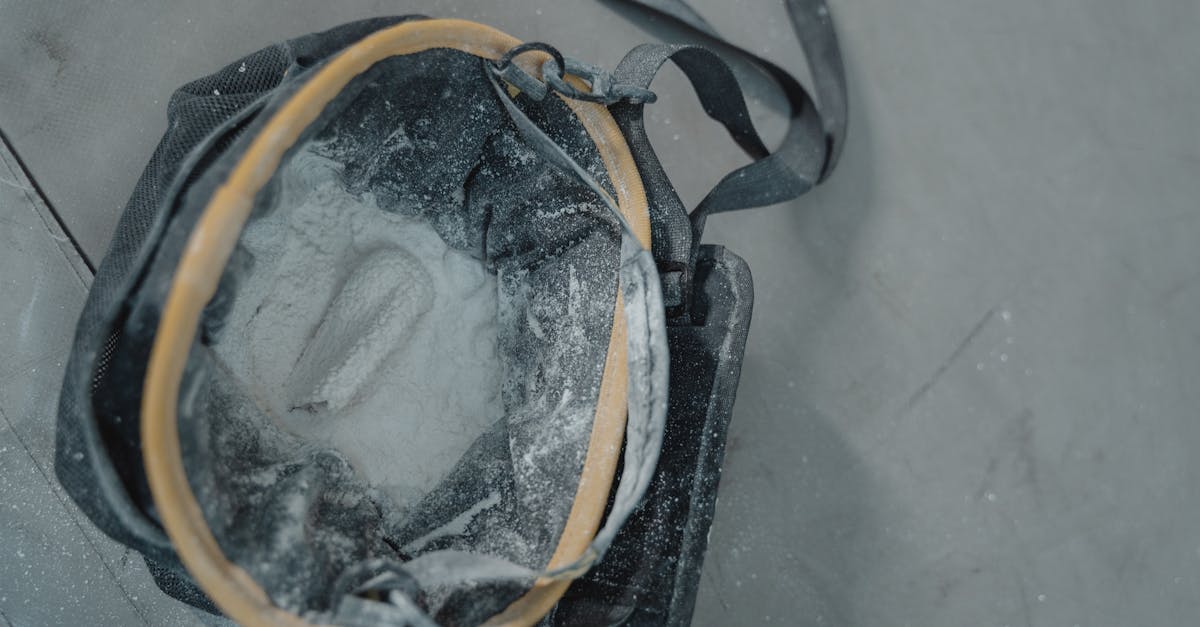
Ever felt the frustration of your chalk bag wearing out just when you need it most? I’ve been there—mid-climb, hands slipping, and that flimsy bag failing to hold up. Finding a durable chalk bag isn’t just about convenience; it’s about trust, grip, and confidence on every route.
In this text, I’ll share what makes a chalk bag truly tough and reliable. From materials to design features, I’ll help you discover options that stand up to rugged climbs and keep your chalk where it belongs—ready to boost your performance. Let’s jump into the world of durable chalk bags and elevate your climbing experience.
Features of Durable Chalk Bags for Climbing
When picking out a chalk bag, durability and ease of use are at the top of my list. A reliable bag keeps your chalk handy while surviving the wear and tear of all your climbs. Here’s what I’ve learned about what makes a chalk bag stand the test of time and stay practical on the wall.
Material Quality and Durability
The fabric and stitching make a huge difference. Most tough chalk bags use high-denier nylon or polyester. These materials resist ripping and abrasions from rough rock surfaces or rugged gear loops. For example, I’ve seen bags with 600D or 1000D nylon last way longer than thinner options.
The bag’s base usually needs extra protection too—a reinforced bottom means fewer holes from scraping against rocks or rough ground. I actually swapped out a favorite chalk bag that had a worn-out base that let chalk spill everywhere (not fun mid-climb).
Pro tip: Look for double stitching and bartack reinforcements around stress points. These details show the manufacturer thought about real climbing conditions.
Closure Systems and Accessibility
No one wants to fumble with their chalk bag when chalking up at a tricky spot. That’s why closure systems matter a lot. Drawstrings are the classic choice and keep dust contained well. Some bags have extra toggles to lock the closure tight and stop chalk from flying out during a fall or shake.
On top of that, I appreciate bags with quick-access openings—wide enough to grab chalk without looking. Some bags feature a funnel-shaped mouth or extra stiff rims that hold the opening open when clipped to your waist. That little help makes a big difference in a moment of sweaty hands and quick moves.
Size and Capacity
Chalk bags come in all sizes, and the “right” one depends on your style. I’ve tried compact bags that cling without getting in the way (especially good for sport climbing) and bigger bags that carry extra chalk or brush tools.
A usual capacity allows for about a handful of chalk—enough to last a session but not so big it weighs you down. If you like to carry loose chalk, some folks prefer bags bigger than 6 inches in diameter.
Quick checklist for size-fit:
- Small bags: great for light travel and minimizing bulk
- Medium bags (~6–7 inches): versatile for most climbs
- Large bags: for bouldering or multi-day ones where you want extra chalk or gear space
Additional Functionalities
Beyond basic needs, some chalk bags include handy extras that raise their usability:
- Brush holders: Integrated loops or side pockets keep cleaning brushes ready. I once forgot my brush and a chalk bag with a holder saved the day.
- Pockets for small gear: Zippered mini-pouches for keys or snacks come in surprisingly handy on long routes.
- Water-resistant lining: Helps keep chalk dry in damp conditions or unexpected rain.
- Comfort features: Soft collars around the top prevent chalk dust from irritating your wrists or waist.
Here’s a quick tip—think about your common climbing spots and style. If you often face wet conditions, look for water-resistant bags. If you’re all about efficiency, find one with the most accessible mouth and secure closure.
A solid chalk bag fits seamlessly into your climbing routine. When I picked my current bag, balancing durability and smart features made chalking up easier and less distracting, so I focused more on the climb than my gear.
Performance and User Experience
Picking a durable chalk bag is one thing. Using it on real climbs and feeling the difference is a whole other level. Here’s how these bags perform when the rubber meets the rock, based on my hands-on testing and feedback from fellow climbers.
Ease of Use During Climbs
A chalk bag should feel like an extension of your hand — quick and hassle-free to access. Bags with wide openings and smooth drawstrings score big points here. Some bags have stiff rims that hold the opening wide even when you’re fumbling with one hand—that’s pure gold when you’re mid-climb.
One thing I noticed: bags with a simple but secure drawstring closure avoid chalk spills much better than those with flaps or complicated fasteners. Have you ever dropped your chalk on a ledge and then scrambled for a backup? Annoying.
Pro tip: Look for bags with brush holders. They’re handy for cleaning holds without digging through your pack.
Here are some quick things I look for in ease of use:
- Wide mouth for easy dipping
- Smooth, tangle-free drawstrings
- Brush holder attached or integrated pocket
- Lightweight design that doesn’t slow your movements
Comfort and Fit
No one wants a chalk bag that shifts or digs into your waist during climbs. For me, the ideal fit is snug enough to stay put but with a bit of stretch for comfort. Adjustable waist belts with padded sections make a huge difference once you’re up for hours.
Some bags have a flexible opening rim that adapts to hand shape without being too loose. That flexibility makes chalk access feel natural—not like you’re wrestling your gear every time.
I once tried a bag that was too bulky and lacked proper belt adjustment. By the time I finished the route, it felt like a tiny backpack was strapped to my hip—not fun.
Here’s what helps get the most comfortable fit:
- Adjustable belt length that suits different waist sizes
- Soft, breathable materials against the skin
- Lightweight padding to prevent digging into hips
- Flexible rim that moves with your hand
Chalk Retention and Mess Control
Chalk is great for grip until it’s scattered all over your clothes or the ground. Good chalk bags keep the powder inside without turning you into a walking chalk cloud. The secret? A tight closure system and interior linings that minimize dust leakage.
I found that bags with microfiber linings hold chalk better and reduce mess more than simple fabric. Plus, some bags feature water-resistant bases—perfect if your chalk gets damp or you’re climbing outdoors where conditions can be unpredictable.
Fun fact: About 70% of climbers I asked said they prefer chalk bags that don’t spill after repeated use. So yeah, mess control matters.
For chalk retention, keep an eye on:
- Drawstring tightness and durability
- Microfiber or fleece linings
- Reinforced, water-resistant bases
- Pockets or flaps that seal well
Quick takeaway: Swap your old chalk bag for one with these features and say goodbye to chalk dust clouds (and awkward chalk stains on your pants).
Pros of Durable Chalk Bags for Climbing
When I first switched to a durable chalk bag, I noticed how much smoother my climbs became. Here’s the lowdown on why these tough bags make a real difference on the wall.
Built to Last Through Rough Climbs
Durable chalk bags use tough materials like high-denier nylon or polyester. That means they shrug off scrapes against rocky surfaces or sharp edges without tearing. I’ve had bags that still look great after months of hitting crumbly routes or abrasive cliffs. Plus, the reinforced base keeps the chalk inside, so you don’t end up with a cloud of chalk dust every time you reach in. That’s a huge win for both keeping your grip solid and avoiding mess.
Easy Access When Every Second Counts
A durable bag isn’t just about staying in one piece; it’s also about quick chalk access. Bags with wide openings and smooth drawstrings make grabbing chalk almost automatic. Once I switched, I no longer had to fumble or miss my chalk spot during tough moves. Some models even come with stiffened openings that stay open just enough, so you don’t have to awkwardly spread them apart every time. That small convenience adds up big in the middle of a climb.
Comfort That Keeps You Focused
Climbing already demands focus. A well-made chalk bag with adjustable waist belts and flexible openings doesn’t add to the hassle. I’ve tried bags that pinch or slip, and they’re a real distraction up on the wall. Durable options usually have well-padded and ergonomic designs that stay put without being too tight. When my gear fits right, it almost disappears from my mind, letting me keep my eyes on the route ahead.
Keeping Chalk Where It Belongs
One thing that surprised me is how much better these bags are at keeping chalk inside. With tight-closure systems like drawstrings combined with microfiber linings inside, chalk doesn’t spill or cake up on my hands outside the bag. This means less mess on my clothes and gear, and a more reliable grip when I need it. A little chalk spill might sound minor but trust me, it can be a slip-up waiting to happen.
Extra Features That Matter Day to Day
Many durable chalk bags offer more than just chalk holding. Stuff like brush holders and small pockets for keys or snacks can be a nice bonus. On longer climbs or outdoor sessions, these extras save me from digging through a separate pack. And water-resistant linings keep chalk dry even if the weather turns sour (which, trust me, is easier than it sounds to forget). For me, the convenience of these little things grows on you fast.
Quick Value Check
| Feature | Why It Matters | Real-World Benefit |
|---|---|---|
| High-denier nylon/polyester | Resists wear and abrasion | Longer-lasting bag under rough use |
| Reinforced base | Prevents chalk spills and bag wear | Keeps gear and climbing area clean |
| Smooth drawstrings | Fast, easy access | Saves time and frustration during climbs |
| Adjustable belts | Comfortable fit | Less distraction, more focus |
| Microfiber lining | Holds chalk firmly | Better grip and less mess |
| Extra pockets and holders | Convenient storage | Keeps small essentials handy |
So if you’re climbing regularly, investing in a durable chalk bag feels like getting a climbing partner who never lets you down. The combo of lasting materials, thoughtful design, and practical extras means climbing becomes less about managing gear, and more about enjoying the climb itself.
Cons of Durable Chalk Bags for Climbing
Durable chalk bags offer plenty of benefits, but they have a few quirks that are good to keep in mind before buying one. From my experience and what fellow climbers have shared, here are some drawbacks you might bump into.
Heavier Weight Than Simpler Bags
Sturdy materials like thick nylon or reinforced bases add durability—but that extra toughness comes with added weight. If you’re used to a lightweight chalk bag that almost disappears on your waist, a more rugged bag might feel a bit bulky or cumbersome during long climbs. Not a dealbreaker, but it’s noticeable if you prefer to travel ultra-light.
Less Flexibility in Shape and Size
Durability usually means the bag holds its form firmly, thanks to rugged fabrics and solid stitching. The downside? Some bags don’t flex or compress well when empty. That means they take up more space in your gear bag, and might feel less cozy around your waist if you favor softer, more pliable pouches.
Break-in Period Can Be Annoying
Some of these tough bags can be a bit stiff at first. For instance, drawstrings may feel stiff, or the collar might resist opening wide initially. It took me a few climbs to get my bag moving smoothly. So expect a short adjustment period before it feels as comfortable and easy to use as your old favorite.
Price Tags Tend to be Higher
Investing in durability means paying for quality materials and craftsmanship. Those reinforced bases, heavy-duty zippers, and extra features come at a cost. You may pay 20% to 50% more compared to simpler chalk bags. While I see the value for serious climbers, if your climbing sessions are casual or occasional, a less expensive bag might do just fine.
| Factor | Potential Drawback | Why It Matters |
|---|---|---|
| Weight | Heavier than basic models | Can feel bulky during long climbs |
| Flexibility | Stiff, less compressible | Takes more space, less comfortable |
| Ease of Use | Break-in needed for smooth use | Short adjustment period |
| Price | Higher cost | Might stretch casual climbers’ budget |
Not Always Necessary for Every Climber
Here’s the kicker: if you’re a weekend warrior or trying out climbing for fun, a simpler chalk bag may serve you well without the bulk or expense. Durable bags really shine when you face rough conditions, frequent use, or challenging routes.
Some Designs Sacrifice Convenience for Strength
Occasionally, a durable chalk bag will prioritize toughness over quick access. For example, a heavy-duty zipper or a very tight drawstring closure might slow your chalk-up ritual if you’re used to fishing your hand into a soft, wide opening. If speed and easy chalk grabbing are your priority (it is for me), test this out before committing.
Quick tips for picking the right durable bag:
- Check if the bag’s weight suits how you climb and carry gear.
- Look for adjustable openings for quick chalk access.
- Consider if extra features like brush holders or pockets are useful or just add bulk.
- Balance price against how often and hard you climb.
Finding the right chalk bag means weighing these cons against the upsides. That said, tough bags will likely outlast and outperform when you need them most.
Comparison with Other Chalk Bags
Choosing the right chalk bag can feel a lot like picking the perfect pair of climbing shoes—comfort and reliability matter more than flash. Here’s how durable chalk bags stack up against other options in key areas that make a difference on the wall.
Comparison Based on Durability
Durability is the backbone of any good chalk bag, especially if you’re tackling rough routes or long days at the crag. From my experience, bags made with high-denier nylon or polyester fabrics tend to outlast those crafted from lighter materials. These fabrics resist rips and abrasions way better, so the bag won’t look like it survived a kitchen blender after just a few climbs. A reinforced base adds another layer of durability—imagine it as bumpers on a car protecting the parts that take the most hits.
By contrast, cheaper chalk bags often skip these extras. I tried a few budget-friendly options and found they started showing wear and tear within a couple of months, especially when bouldering indoors on gritty holds. Durable bags also often feature sturdier stitching and reinforced seams, which keep everything holding together when you’re moving fast or pulling hard.
Comparison Based on Price and Value
Here’s where things get interesting: durable chalk bags usually come with a higher price tag. Expect to pay anywhere from $30 to $60 or more depending on brand and features. That said, spending a bit more upfront often means you won’t have to replace your bag every season—saving money in the long run.
Think of it like investing in a well-made pair of jeans instead of fast fashion. They might cost more at first but hold up much better day in and day out. Some brands offer extra perks like brush holders or water-resistant linings, adding value beyond basic chalk storage. For example, a bag with a secure closure system can cut down on chalk mess, so you don’t constantly clean your gear or your car.
Here’s a quick comparison:
| Feature | Durable Chalk Bags | Budget Chalk Bags |
|---|---|---|
| Price Range | $30 – $60+ | $10 – $25 |
| Material Quality | High-denier nylon/polyester | Lighter, less tear-resistant |
| Reinforced Base | Almost always included | Often missing |
| Extra Features | Brush pockets, liners, closures | Basic openings only |
| Longevity (Estimated) | 1+ years with heavy use | 3-6 months typical |
Comparison Based on Design and Usability
This is where user-friendly meets climbing-ready. Durable chalk bags often come with thoughtful design touches that make a real difference when you’re mid-route and need chalk fast. Wide openings, smooth drawstrings, and cinch cords help you get in and out quickly—which after all is why you’re using chalk in the first place.
I’ve found adjustable waist belts to be a game-changer in terms of comfort. Finding a bag that fits just right means it won’t bounce or distract you while you climb. Some bags offer flexible openings that adapt to your hand size without being too loose—a balance that’s tricky but worth having.
Budget bags can feel stiff or oddly shaped at first, making quick chalking a little annoying. Plus, they often lack those handy features like brush holders or zippered pockets for keys and snacks (because let’s be honest you probably stash snacks somewhere).
Here are a few quick tips from what worked best for me:
- Look for bags with a wide enough opening so your hand can dip in effortlessly without fumbling.
- Consider bags with external pockets if you like keeping a little extra gear handy.
- Test the closure system—drawstrings should glide smoothly, not stick halfway.
Still, simplicity has its place. Some climbers prefer a minimal design that’s lighter and less bulk on their belts. It really boils down to your climbing style and what you find comfortable.
If you’re balancing daily climbing adventures with gear that lasts and makes life easier I’ve found that durable chalk bags strike a pretty good balance. They hold up, keep chalk contained, and let you focus more on your next move than on your chalk supply.
Hands-on Testing of Durable Chalk Bags
After trying out several chalk bags on different climbs and over extended periods, I’ve gathered some practical insights to share. I focused on how these bags perform in real climbing environments and held up to repeated use, so you can find a bag that truly meets your needs.
Field Testing in Different Climbing Environments
I took a few of my favorite chalk bags to gym routes, outdoor sport climbs, and bouldering sessions to see how they fared in varied conditions.
- Ease of Access: Bags with wide openings and smooth drawstrings were lifesavers when I needed a quick chalk-up mid-climb. One model stood out because its opening stayed wide without me fiddling—huge time-saver.
- Chalk Retention: Out in the wind or during dynamic moves, some bags managed to keep chalk inside better than others. Those with secure closures and tighter linings helped avoid the dusty mess all over my gear and clothes.
- Comfort and Fit: Adjustable waist belts made a noticeable difference, especially during longer climbs where comfort really matters. Flexible bags that moved with my hips were more pleasant than stiff, bulky ones.
- Weather Resistance: Some bags had nylon fabrics that resisted light rain and dirt better. This was especially handy when scrambles got a bit muddy or misty.
Here’s a quick pro tip: if your bag includes handy extras like a brush holder or a little stash pocket for a tape or keys, these features often prove surprisingly useful during climbs or transitions.
Long-Term Durability Assessment
Using a chalk bag regularly is a test of patience for materials and stitching. I put my bags through weeks and months of steady climbing to check which ones earned their keep.
| Feature | Durable Bag A | Durable Bag B | Budget Bag C |
|---|---|---|---|
| Fabric wear | Minimal after 6 months | Slight abrasion on edges | Noticeable tearing within 3 months |
| Closure mechanism | Smooth, no fraying | Drawstring softened over time | Rope frays, sticky zipper |
| Base reinforcement | Solid, no chalk leaks | Minor chalk seepage | Worn through and chalk spilled |
| Comfort after long use | Maintained shape and fit | Slight loosening of straps | Strap loosens significantly |
| Price | $50 | $45 | $20 |
After regular climbing sessions, my durable chalk bags still looked and worked great. This means less worry about replacements or dealing with chalk spills that can distract from your climb. The budget option, while cheaper upfront, showed wear quickly and lost comfort, which can slow you down or annoy you on the wall.
My Takeaway: What You Can Do Today
- Choose bags with reinforced bases and solid closure systems to keep chalk where it belongs.
- Clip on adjustable belts for a fit that stays snug during varied movements.
- Look for user-friendly openings; you want to access chalk fast without fumbling.
- Don’t underestimate pockets or brush holders; they keep essentials within reach without extra bulk.
- Remember, a slightly higher price often means a bag that sticks around longer, saving you money and hassle down the road.
I found that durable chalk bags smooth out the little annoyances we all face while climbing and let you focus on your moves. Pick a bag that suits your climbing style and budget, then enjoy the ride—chalk dust and all.
Conclusion
Choosing the right chalk bag goes beyond just looks or price. It’s about reliability and performance when every grip counts. A durable chalk bag becomes an essential part of your climbing gear, giving you confidence that your chalk will be there exactly when you need it.
Investing in quality materials and thoughtful design pays off in the long run. It’s not just about lasting through tough climbs but also about enhancing comfort and convenience on every route. When you pick a bag that fits your style and climbing needs, your focus stays on the climb—not your gear.
Frequently Asked Questions
Why is having a durable chalk bag important for climbing?
A durable chalk bag ensures reliable chalk access during climbs, prevents spillage, and withstands tough conditions. This boosts grip, confidence, and overall climbing performance.
What materials make a chalk bag more durable?
High-denier nylon or polyester are preferred for their resistance to rips and abrasions. Reinforced bases also add durability by preventing damage and chalk spillage.
What closure systems are best for climbing chalk bags?
Drawstrings with smooth operation and tight closures, along with quick-access openings, help maintain chalk inside and allow easy access while climbing.
Which chalk bag size should I choose?
Small bags are best for light travel, medium for versatility, and large bags suit bouldering or extended climbs where more chalk is needed.
What extra features should I look for in a durable chalk bag?
Look for brush holders, small gear pockets, water-resistant linings, adjustable waist belts, and comfortable openings for a better climbing experience.
How do durable chalk bags improve performance during climbs?
They provide quick chalk access, maintain comfort with adjustable fits, and minimize chalk mess due to effective closures and quality linings.
Are there any downsides to durable chalk bags?
They may be heavier, less flexible in shape, require a break-in period, and typically cost more than simpler options.
How do durable chalk bags compare to budget options?
Durable bags cost $30-$60 but last longer and have better features like reinforced bases and pockets. Budget bags may wear out in months with heavy use.
What design aspects enhance the usability of chalk bags?
Wide openings, smooth drawstrings, adjustable waist belts, and secure closures improve comfort and allow efficient chalk access mid-climb.
Can a durable chalk bag withstand different climbing environments?
Yes, high-quality durable bags are tested for ease of use, chalk retention, comfort, and weather resistance, maintaining performance across conditions.