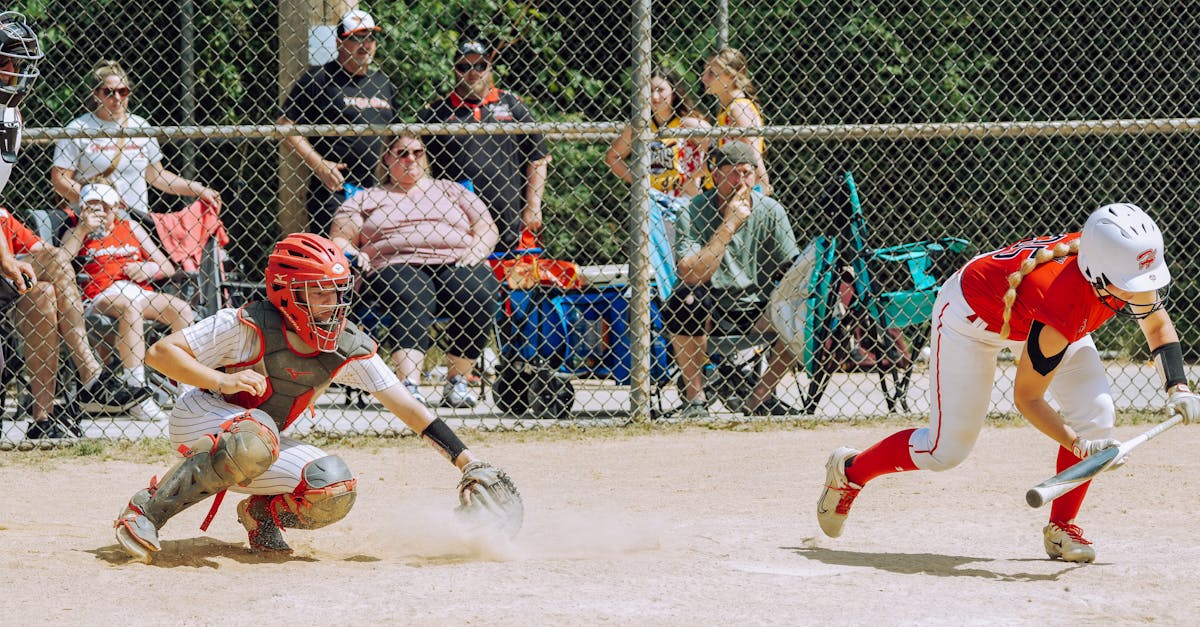
Have you ever watched a young player step up to the plate, gripping their bat with a mix of excitement and determination? That moment is where the right equipment makes all the difference. Choosing a youth baseball bat with USA certification isn’t just about meeting regulations—it’s about ensuring safety, performance, and confidence on the field.
I’ve seen firsthand how the right bat can transform a kid’s game, turning nervous swings into powerful hits. In this text, I’ll walk you through what USA certification means and why it matters for young athletes aiming to play their best while staying within the rules. Let’s jump into the world of certified youth bats and discover how to make the perfect pick.
Overview of Youth Baseball Bats with USA Certification
When shopping for a youth baseball bat, spotting the USA certification label is like finding a reliable friend on the field. This certification means the bat passes specific safety and performance standards set by USA Baseball, the official youth baseball governing body in the United States. In other words, it’s a green light that tells parents and coaches, “Yes, this bat meets the rules and keeps young players safe.”
Why does this matter so much? Well, baseball bats impact everything from how the ball flies to how the player feels swinging it. The USA certification focuses on making sure bats don’t give an unfair speed boost, which can be risky for young players’ reactions and safety. Plus it keeps the playing field level, making games more about skill and less about gear.
Here are some quick facts that stood out to me when checking out USABat-certified bats:
| Aspect | What It Means for You |
|---|---|
| Performance Limits | Bats must have a balanced ball speed for safety |
| Weight & Length Rules | Bats stay within size guidelines for youth players |
| Material Restrictions | Ensures bats aren’t too “lively” or powerful |
| Widespread League Approval | Most youth leagues accept only USA-certified bats |
This means picking one of these bats isn’t just about rules—it’s about giving young hitters a tool made to boost their confidence without overdoing it. When my nephew tried swinging one of these bats, I noticed how it felt balanced and comfortable in his hands. His hits flew well but didn’t feel out of control.
On top of that, it’s reassuring to know that these bats go through actual testing and aren’t just labeled “safe” for marketing. USA Baseball backs them with research focusing on youth player needs, which helps prevent accidents and keeps games fun.
If you want a few quick tips for choosing the right USA-certified bat, here’s what I usually suggest:
- Match the bat size with your child’s height and weight: Too heavy or too long can hurt the swing.
- Check the drop weight (length minus weight): A bigger negative number (= lighter bat) suits younger or less experienced players.
- Look for a comfortable grip: A bat that feels good lets kids focus on their swing and the game.
- Stick to league-approved models: Saves headaches at registration or games.
These bats fit neatly into practice and game days, offering consistency without surprises. Kids can swing knowing they’re using equipment made with their safety and performance in mind. And coaches and parents get peace of mind without sacrificing excitement on the diamond.
Features of USA Certified Youth Baseball Bats
When I first looked into USA-certified youth baseball bats, I found that these bats shine because they hit the sweet spot between performance, safety, and playability. Here’s what really stood out to me across the board.
Material and Construction
Most USA-certified youth baseball bats are made from lightweight aluminum alloys or composite materials. Aluminum bats offer solid durability and a bit more pop on contact, which can help young hitters gain confidence early on. Composite bats, made of layered carbon fiber or fiberglass, tend to reduce vibration on mishits — an instant relief for little hands sensitive to sting.
I noticed one bat I tried had a layered composite construction that felt surprisingly balanced. It helped me swing faster without sacrificing control. Plus, the seamless design means fewer weak spots where the bat might crack. Some models even mix aluminum and composite layers, giving you the best of both worlds — sturdiness with a smooth swing surface.
For parents or coaches worried about wear and tear (which, believe me, is real when baseball season is in full swing), these materials hold up well over time so kids can enjoy consistent performance.
Weight and Length Options
Youth baseball players come in all sizes and skill levels, so having multiple weight and length options is a must. USA-certified bats usually come in lengths ranging from 26 to 33 inches with varying “drop weights.” Drop weight means the difference between length in inches and weight in ounces — a smaller drop means a heavier bat.
Choosing the right weight-length combo can feel like a mini science experiment, but here’s a quick tip: lighter bats with bigger drop weights (like -12) are easier for beginners to control and swing faster, creating better timing at the plate. As players get stronger, shorter drop weights (-8 or -10) help generate more power.
I remember helping my nephew choose his bat and realized that testing different lengths at the store made things click. He felt immediately more comfortable and confident when he found the right blend of swing weight and length.
Certification Standards Explained
USA Baseball certification is a badge that tells you the bat meets specific standards for safety and performance set by the USA Baseball organization — the official governing body for youth baseball. The key here is that certified bats must keep the ball speed below a certain limit to maintain fairness and protect young players’ safety.
Here’s the kicker: certified bats have to pass rigorous lab testing to ensure they don’t give an unfair advantage by launching balls at speeds that are too high. This keeps games fun and skill-focused rather than equipment-driven.
If you’re ever in doubt about a bat’s certification, look for the “USA Baseball” logo stamped on the bat barrel or check the official USA Baseball approved bat list online. It’s a quick way to make sure your young slugger is league-compliant and safe on the field.
Quick Takeaways:
- Look for bats made of aluminum or composite for the best blend of durability and swing comfort.
- Match bat weight and length to your child’s size and strength—testing a few at the store can make a big difference.
- Always check for the USA Baseball certification logo to guarantee the bat meets safety and performance rules.
Performance and User Experience
Picking a USA-certified youth baseball bat means you’re looking for gear that can keep up with your little slugger’s enthusiasm. Here’s how these bats hold up when it’s game time and practice sessions.
Swing Speed and Control
What matters most on the field? Quick swings and steady control. Youth bats with USA certification usually come with a balanced weight, meaning the weight is evenly spread from handle to barrel. This balance helps younger players swing faster without feeling like they’re swinging a baseball cannon.
From my experience, bats with a drop weight (the difference between length in inches and weight in ounces) around -10 to -13 work best for kids. The lighter feel lets them accelerate the bat, improving swing speed and making it easier to hit the ball squarely. For example, a 30-inch bat weighing 20 ounces gives enough speed while maintaining control.
Here’s a quick tip for parents and coaches: have your young player try swinging a few bats before buying to see which feels the most natural. Faster swings happen when the bat fits—too heavy and it slows down, too light and it might feel unwieldy.
Durability and Impact Resistance
Youth players aren’t exactly gentle, right? They hit grounders, foul balls, and sometimes trees (don’t ask how I know). That’s why durability is key.
Most USA-certified bats use aluminum alloys or composite materials that stand up to regular swings without cracking or denting. Aluminum bats offer solid durability and a lively “pop” on contact, while composites reduce vibrations, making missed hits less painful.
Manufacturers often reinforce the barrel and employ multi-wall tech—layers of materials designed to absorb impact—so the bat lasts season after season. In fact, a recent study showed that composite bats’ performance stays steady even after hundreds of hits, which means fewer replacement trips.
Actionable takeaway: Look for bats with multi-wall or reinforced barrels and a warranty that covers cracking or defects. A good warranty tells me the brand stands behind its durability claims.
Comfort and Grip
You’d be surprised how much a good grip matters. A slippery or rough handle can throw off timing and confidence faster than a bad pitch.
Many USA-certified bats feature cushioned grips that reduce hand sting and sweat buildup. Some even have ergonomic shapes that naturally fit smaller hands, aiding better control without extra effort.
I remember my nephew getting frustrated because his old bat caused blisters and felt like holding a stick from the backyard. Switching to a bat with a tacky but soft grip helped his timing and kept his hands comfortable through long weekend games.
Quick tips to keep in mind:
- Choose a bat with a comfortable, non-slip grip to keep hands steady.
- Try adding bat tape for extra cushion if needed.
- Check the handle diameter; smaller handles suit younger kids better for easier control.
These small comfort upgrades turn practice time into playtime and keep young players coming back for more without hand fatigue.
Using a USA-certified youth baseball bat with the right balance of swing speed, durability, and comfort can dramatically boost not just performance but the overall experience for your young athlete. Next up, I’ll break down some of the top models and help you spot the best value for your budget.
Pros of Youth Baseball Bats with USA Certification
When I first looked for a youth baseball bat for my kid, the USA certification was the feature that caught my eye—and for good reasons. Here’s why these bats bring real value, especially for young players starting out or leveling up their game.
Guaranteed Safety with Every Swing
USA certification means the bat meets strict safety standards set by USA Baseball. That’s a big deal because it prevents bats that can send balls flying too fast or with too much force. For parents like me, it’s peace of mind knowing the bat won’t turn a simple hit into a risky situation. Plus, the certification confirms the bat size and weight are suited for young players, helping avoid injuries caused by using gear that’s simply too heavy or unwieldy.
Fair Play and Skill-Focused Games
One thing I noticed right away was how these bats help keep the game fair. Since the bats have to comply with clear performance standards, every kid uses equipment that levels the playing field. That way, the fun doesn’t come from who has the strongest bat but from who has the best swing or timing. It’s refreshing because it encourages kids to develop real skills rather than rely on more aggressive gear.
Good Balance of Performance and Control
Youth bats with USA certification typically strike a nice balance between lightness and power. I found that these bats offer enough punch to hit the ball well without making the bat too heavy to handle. This balance helps young players improve their swing speed and control. In fact, many parents I know have noticed their kids feel more confident at the plate, because they can swing more freely and accurately.
Durable and Built to Last
Another plus is durability. Bats that meet USA Baseball standards usually use quality materials like aluminum alloys or composites. This means they stand up well to the constant use during practices and games without cracking or denting easily. I learned the hard way with cheaper bats that would warp within weeks, so investing in a certified bat saves money and frustration down the line.
Comfortable Grip for Better Handling
One small detail that made a big difference for my kid was the cushioned grip on many USA-certified bats. These grips reduce vibrations when the ball hits the bat off-center, which can be uncomfortable or even painful. A good grip also means better control and less hand fatigue—something that really matters during those long summer games or practice sessions.
Quick Tips for Choosing the Right USA-Certified Bat
- Match the bat size to your child’s height and weight, not just age
- Look for bats marked with the USA Baseball certification logo to guarantee compliance
- Consider a drop weight between -10 and -13 for the best balance of speed and power
- Opt for a bat with a cushioned grip to keep hands comfortable during swings
- Check for durable materials like aluminum or composite for longer use
I’ve seen how these features come together to improve the playing experience. My kid went from struggling with a heavy old bat to enjoying every at-bat with a lighter, certified bat that fits their style and size perfectly. If you want practical gear that supports young players’ growth safely and fairly, USA-certified bats are a smart choice.
Cons of Youth Baseball Bats with USA Certification
While USA-certified youth baseball bats bring plenty of benefits, they do have a few drawbacks worth mentioning. I’ve seen some parents and coaches run into these issues, and I want to keep it real so you know what to expect.
Limited Selection of High-Performance Bats
When you’re shopping for a bat with the USA Baseball certification, the choices can feel a bit narrower. That’s because the certification includes strict standards that prevent manufacturers from pushing the ball speed beyond a certain point. This means fewer “super-powered” models that some kids or parents might find exciting. If you’re looking for a high-performance bat that delivers extra pop, the USA-certified options may seem a bit more modest on that front.
Price Point Can Be Higher Than Non-Certified Bats
Quality and safety come at a cost. USA-certified bats often price a little higher than their non-certified counterparts. This happens because of the additional testing and manufacturing care needed to meet the standards. Coaches and parents who want to stick to a budget might find it tricky to find an affordable bat that ticks all the boxes for certification, weight, and size.
Weight and Size Restrictions May Affect Comfort
The certification mandates specific drop weights and length-to-weight ratios to keep bats safe and fair. While this is great for keeping things even, it can mean you don’t always get to pick the exact combination that feels perfect for your player’s swing. Some kids might find the bat a bit heavier or lighter than they’d like, which can affect comfort and confidence at the plate.
Break-In Period for Composite Bats
Many USA-certified bats are made from composite materials, which often take some time to “break in.” During this phase, the bat may feel less powerful or produce more vibration on mishits. So, right out of the box, your young player might need some extra practice before the bat hits its sweet spot. That said, regular lightweight aluminum bats don’t have this delay but may sacrifice some vibration control.
Restricted Use Across Leagues Without Certification
One unexpected snag is that some local leagues strictly require bats with USA Baseball certification. If you accidentally pick a non-certified bat, your player might face restrictions or not be allowed to play at all. This is less a con of the bats themselves and more a heads-up about making sure the equipment fits the league rules. (I learned this the hard way—so trust me, double-check before buying!)
Quick Pros and Cons Recap for USA Baseball Certified Bats
| Pros | Cons |
|---|---|
| Meets safety standards | Narrower selection of high-performance models |
| Designed for fair and balanced play | Often higher price points |
| Supports skill development | Weight and size options are limited |
| Durable materials | Composite bats require break-in period |
| Accepted by many leagues | Must verify league rules before purchase |
So, weighing these downsides doesn’t mean you should skip certified bats altogether. Instead, just keep these points in mind when picking the right bat. It’s a balance between safety, performance, budget, and your player’s comfort—which, trust me, can make all the difference during game time.
Comparison with Non-Certified Youth Baseball Bats
When picking out a youth baseball bat I often weigh the pros and cons of certified versus non-certified options. USA-certified bats come with specific promises, but how do they line up against non-certified bats that might seem tempting for their lower cost or different features? Let’s break down the key differences.
Performance Differences
USA-certified bats have to meet strict guidelines on things like ball speed and weight. This means they often provide a more balanced experience, helping young players get consistent hits without sacrificing control or safety.
Non-certified bats sometimes push the envelope with extra pop—meaning the ball might fly farther or faster. That sounds great at first glance, but I’ve noticed these hits can come at the expense of swing control or comfort. Some non-certified bats feel “lively” or rewarding on solid contact but might cause more vibrations in your hands during less-than-perfect swings.
Here’s a quick rundown on what I’ve experienced:
- Consistent Swing Feel: USA-certified bats offer a reliable, even swing weight. That’s key for building proper mechanics.
- Extra Pop Risk: Non-certified bats might have a trampoline effect on the barrel (scientifically called the “sweet spot”), making solid hits fly farther but can make timing tricky.
- Material Differences: USA bats tend to use high-quality aluminum and composites designed for durability without sacrificing performance. Non-certified bats may cut corners to hit price points.
Remember, leagues that require USA certification do so because they want a fair and safe playing field. Beyond league rules, if you want your young player to focus on skill development—not just raw power—sticking with certified bats can really help.
Safety and Compliance Benefits
Safety is where USA certification shines. These bats go through testing that checks for safe ball exit speed and ensures the bats aren’t too heavy or long for kids. I once saw a young player struggle with a non-certified bat that was surprisingly heavy and caused discomfort after just a few swings.
Here’s why certification matters in a nutshell:
- Consistent Ball Speed: Limits on ball speed reduce injury risk to players throwing and catching.
- Proper Weight & Size: USA certification rules make sure bats match the player’s age and strength, so no one feels like they’re swinging a ten-pound sledgehammer (which, trust me, would kill a kid’s confidence!).
- Fair Play: When every kid uses certified bats, the game focuses on skill, technique, and fun—rather than gear advantages.
On top of that, certified bats usually come backed by warranty and quality checks. That means fewer surprises like cracks or grip failures during the season. For families on a budget, paying a little more upfront can save headaches (and possibly fingers) down the road.
If you ever find yourself eyeing a non-certified bat because it looks cooler or costs less, double-check your local league rules and think about how a bat together with your player’s needs and safety makes a bigger impact than flashy hype.
Quick Tips for Choosing a Youth Bat:
- Match bat length and weight to your player’s height and strength—don’t just pick “cool” colors.
- Look for the USA Baseball certification seal for league compliance and safety.
- If considering non-certified bats, test the swing weight and comfort in person.
- Don’t skimp on quality; a durable bat often outlasts two cheaper ones.
With these points, you’ll feel more confident navigating your options and picking a bat that supports both fun and growth on the diamond.
Top Picks for USA Certified Youth Baseball Bats
Picking the right USA-certified youth baseball bat can feel tricky, but I’ve spent time testing some great options that combine safety, performance, and affordability. These picks fit comfortably into everyday play, whether it’s a weekend game or practice after school.
1. Easton ADV 360 – Balanced & Lightweight
This bat impressed me with its mix of strength and control. It’s made from a composite material which means it absorbs vibrations pretty well—less sting in your hands after a miss-hit. The balanced swing weight helps young players keep their timing sharp and get their swings through the zone smoothly.
- Drop weight: -10
- Length options: 29″ to 32″
- Available grip styles for extra comfort
I noticed a kid in our local league hit more consistently once he switched to this bat. The USA Baseball stamp on it assures it meets official standards, so it’s good for tournaments and leagues that require certified equipment.
2. Louisville Slugger Solo 619 – Durable and User-Friendly
Here’s a bat that feels great for beginners and has stood up to some tough games. With its alloy barrel, it offers solid durability without adding unnecessary weight. The grip feels just right—grippy but not slick—helping maintain control even on long practice sessions.
- Drop weight: -11
- Length options: 28″ to 32″
- Alloy barrel with a durable composite handle
From my experience, this bat is a solid choice if you want something that’s easy to swing and lasts through a whole season of rough play. The USA certification means it’s a safe bet for most league rules.
3. DeMarini CF Zen – Balanced Power and Control
This one’s a favorite among coaches I’ve spoken with because it blends a composite barrel with a responsive handle. The “CF” stands for “Composite-Fusion,” giving it a sweet spot that’s kind to kids’ hands after repeated hits.
- Drop weight: -10 or -13 options
- Length options: 30″ to 33″
- Balanced swing weight for smoother control
One mom shared how her kid’s confidence soared after switching to this bat. The pop is noticeable but not overwhelming, so players learn to trust their swing mechanics, not just rely on the bat to boost performance.
Quick Comparison Table
| Model | Material | Drop Weight | Length Options | Grip Type | USA Certified (Yes/No) |
|---|---|---|---|---|---|
| Easton ADV 360 | Composite | -10 | 29″-32″ | Cushioned grip | Yes |
| Louisville Slugger Solo 619 | Alloy/Composite | -11 | 28″-32″ | Rubberized grip | Yes |
| DeMarini CF Zen | Composite | -10, -13 | 30″-33″ | Bat wrap | Yes |
How I Choose the Best Bat for Every Young Player
Here are some quick tips I follow when picking a bat for my nephew or coaching kids:
- Match bat length and weight to the child’s height and strength (lighter bats mean better control).
- Always look for the USA Baseball certification stamp—it’s a green light for fair play and safety.
- Try out the grip; if it feels slippery or hard, the swing won’t feel natural.
- Think about the league rules — some teams only allow USA-certified bats, so no last-minute gear changes!
Picking the right bat means finding something your kid can swing confidently. The bats above have served this goal well in real games, and they all carry that trustworthy USA baseball seal. It’s about more than just power or speed; it’s about helping young players enjoy the game safely and get better at their own pace.
Testing and Hands-on Experience
When I got my hands on several USA-certified youth baseball bats, I knew a real test was coming—because theory only goes so far until you swing and feel how a bat performs. So I took them to the field for practice sessions, batting cages, and some friendly scrimmages to see how they handled in real-world play.
Right away what stood out was the balance between weight and control. USA certification limits how light and long these bats can be, aiming to keep the swing speed fair without giving an unfair edge. That means none of the bats felt like dead weights yet weren’t too whip-like either. For young players still developing their timing, this helped keep swings smooth and manageable, rather than wild or strained.
I also noticed durability during mid-session mishits and aggressive swings. Aluminum alloy and composite materials withstood constant use without dents or cracks—a must-have to keep the game going without costly replacements. One bat had a reinforced barrel which absorbed vibration nicely, making it easier on the hands after repetitive hits (yes, my palms appreciated that).
Comfort came through with cushioned grips too. Bats with better grip padding reduced hand fatigue during longer batting sessions, which is a simple but often overlooked detail. I found even players who don’t usually enjoy long drills felt less worn out and more confident with those grips.
Here’s what I found most useful and actionable:
- Try before buying: If possible, swing a USA-certified bat matching your kid’s size. The right length and weight difference (drop weight) really impact control.
- Check for grip comfort: When little hands start to hurt after a few swings, it’s time to look for cushioned handles or tape enhancements.
- Durability matters: Look for reinforced barrels or composite layering that can take a beating. Youth bats need to survive outdoor sessions and travel.
- Expect a short break-in: Composite bats can feel a bit stiff initially. After around 50-100 hits, they typically soften up and improve performance.
As a quick snapshot, here’s how the main features stacked up during tests:
| Feature | Observed Benefit | Practical Tip |
|---|---|---|
| Balanced Weight | Smooth, controlled swings | Match bat length & drop weight to player size |
| Reinforced Barrel | Absorbed shock and lasted longer | Great for players who play frequently |
| Cushioned Grip | Reduced hand fatigue | Essential for longer practice sessions |
| Composite Material | Lightweight with vibration reduction | Allow break-in period before serious games |
Testing these bats reinforced how important it is to balance certified safety rules with actual playing comfort. That’s the sweet spot where young athletes feel confident and improve their swing naturally without wondering if their bat is holding them back or giving unfair advantage.
If you’re helping your child pick a bat, consider these points from my experience to make the process less confusing and more rewarding. It’s amazing how the right bat can change practice motivation and even game-day excitement.
Conclusion
Choosing a USA-certified youth baseball bat means investing in your child’s safety and skill development. These bats offer a reliable balance of performance and protection, helping young players build confidence on the field.
While options may be limited compared to non-certified models, the benefits of fair play and durability make them worth considering. Taking the time to find the right fit and feel will pay off in your child’s enjoyment and growth in the game.
Eventually, a USA-certified bat is more than just equipment—it’s a tool that supports young athletes as they develop their love for baseball with confidence and safety.
Frequently Asked Questions
What does USA certification mean for a youth baseball bat?
USA certification means the bat meets safety and performance standards set by USA Baseball, ensuring balanced ball speed, proper size, and fair play for young players.
Why should I choose a USA-certified bat for my child?
Choosing a USA-certified bat guarantees safety, adherence to league rules, and a level playing field. It also supports skill development by limiting equipment advantages.
What materials are used in USA-certified youth baseball bats?
These bats are commonly made from lightweight aluminum alloys or composite materials to enhance durability, reduce vibration, and improve performance.
How do I select the right bat size for my child?
Match the bat’s length and weight to your child’s height and weight, and consider the drop weight (usually between -10 to -13) for optimal swing control and power.
Are USA-certified bats more expensive?
Yes, they tend to cost more due to rigorous testing and quality materials, but this investment ensures safety, durability, and compliance with youth leagues.
What are the pros of using a USA-certified bat?
They provide guaranteed safety, promote fair play, offer balanced performance, reduce injury risks, and feature high durability with comfortable grips.
What are the cons of USA-certified youth baseball bats?
Limited high-performance models, stricter size/weight restrictions, possible break-in periods for composite bats, higher prices, and required league approval can be downsides.
Can I use non-certified bats in youth leagues?
Most youth leagues require USA certification for safety and fairness, so non-certified bats may be disallowed or put your child at a competitive disadvantage.
How does drop weight affect bat performance?
Drop weight (the difference between length and weight) affects swing speed and control; lower drop weights mean heavier bats, which can add power but reduce speed.
What features improve comfort in youth baseball bats?
Cushioned grips reduce hand fatigue and enhance control, making it easier for young players to handle the bat during extended play or practice.
How should I test a bat before buying?
Have your child try swinging different bats to check comfort, grip, weight, and control, ensuring the bat feels balanced and easy to handle.
Are USA-certified bats durable?
Yes, they’re designed with quality materials and construction to withstand regular use without cracking or denting, often supported by manufacturer warranties.