We’ve all been there—studies show that 60% of camping trips encounter unexpected weather shifts within a single day. We understand that feeling when you’re caught between sunshine and downpour, underdressed and frustrated. Here’s what we’ve learned through trial and error: the right clothing strategy isn’t about packing more stuff. It’s about smart layering and fabric choices that’ll keep you comfortable—and we’re about to show you exactly how.
Key Takeaways
- Pack moisture-wicking base layers in merino wool or synthetic fabrics to manage sweat effectively.
- Layer lightweight, quick-dry pieces including short and long-sleeve tops for flexible temperature adjustments.
- Bring a packable waterproof jacket and protective shell for sudden rain and wind changes.
- Include a beanie, gloves, and wide-brimmed hat for temperature extremes and sun protection.
- Choose breathable, loose-fitting clothing with mesh panels to prevent clammy sensations and aid airflow.
Understanding Unpredictable Weather Conditions
When you’re standing at your campsite at 6 a.m. shivering in shorts and a t-shirt because the forecast promised 72 degrees, you’ll understand why we pack for multiple weather scenarios. Unpredictable weather doesn’t care about predictions—it does what it wants.
We’ve learned that Mother Nature demands respect and flexibility. That’s why we bring clothing items designed for rapid shifts: lightweight layers we can shed or add within minutes.
We prioritize moisture-wicking fabrics that pull sweat away from skin, keeping us comfortable whether we’re hiking under intense sun or huddling in sudden cold snaps. These materials can dry up to four times faster than cotton, preventing the clammy, heavy feeling that comes from sweat-soaked clothing during unpredictable weather shifts.
Temperature swings of 30+ degrees happen regularly at elevation. We’re not being paranoid; we’re being prepared.
Layering strategically—think thin base layers, insulating midlayers, and protective shells—gives us freedom to adapt without hauling excessive gear.
Essential Clothing Items for Weather Variability
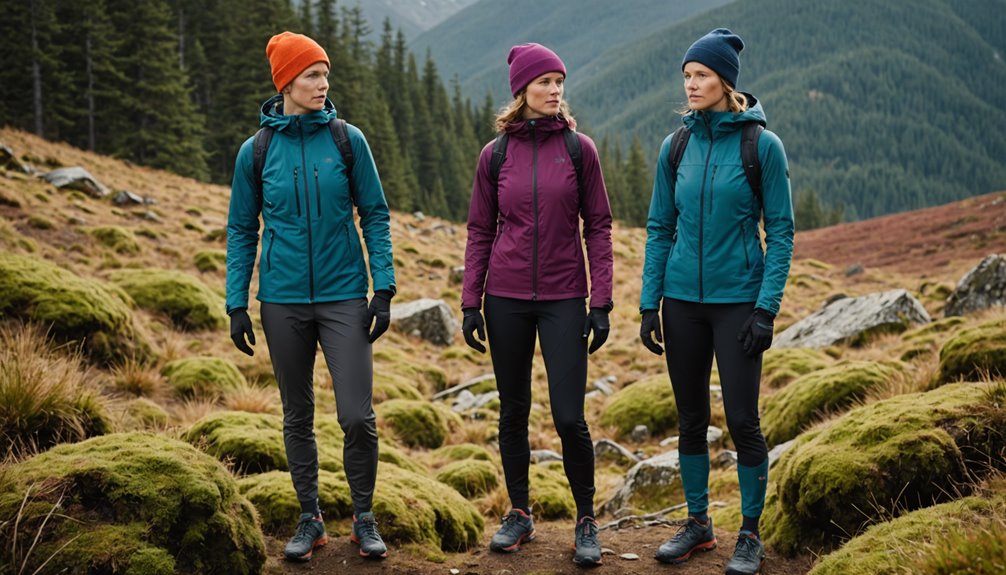
Since we’ve learned that versatility beats volume every time, we start with moisture-wicking base layers—think merino wool or synthetic fabrics designed to pull sweat away from your skin rather than trapping it like cotton does.
We’ve all experienced that clammy feeling, and it’s miserable.
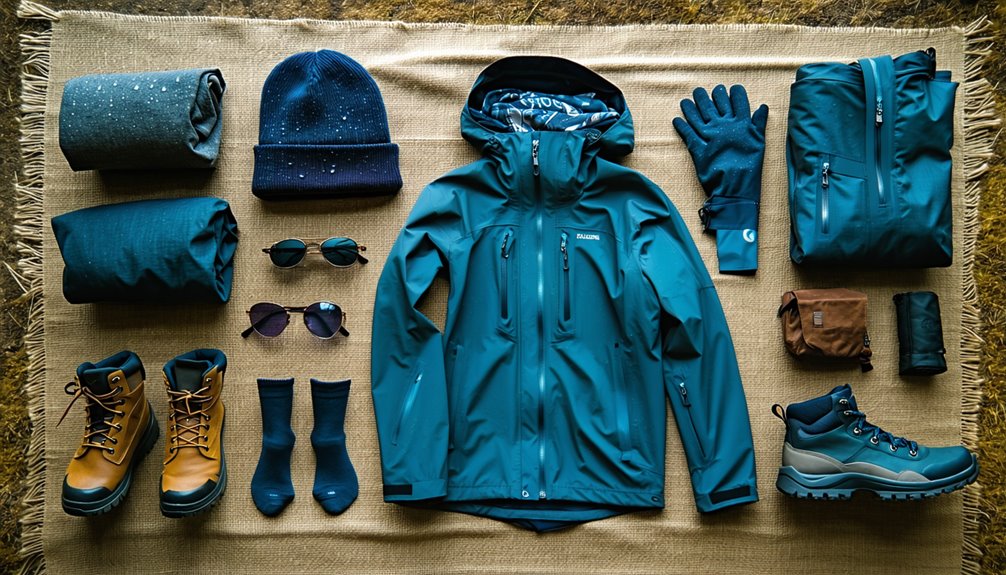
Here’s what we’re packing:
- Short-sleeve and long-sleeve breathable tops for layering flexibility during summer camping adventures
- Quick-dry shorts and convertible pants that handle sudden weather shifts without weighing you down
- A lightweight, packable waterproof jacket that doesn’t consume precious pack space
- Wide-brimmed hat and UV-protective sunglasses for relentless sun exposure
Choosing versatile clothing layers that dry quickly ensures you can adapt to unpredictable conditions without sacrificing pack space or comfort.
This clothing strategy lets us adapt instantly—shedding layers when temperatures spike, adding them during cool evenings.
We’re not slaves to forecasts; we’re prepared for anything. That freedom? It’s worth every ounce.
Layering Strategies for Temperature Fluctuations
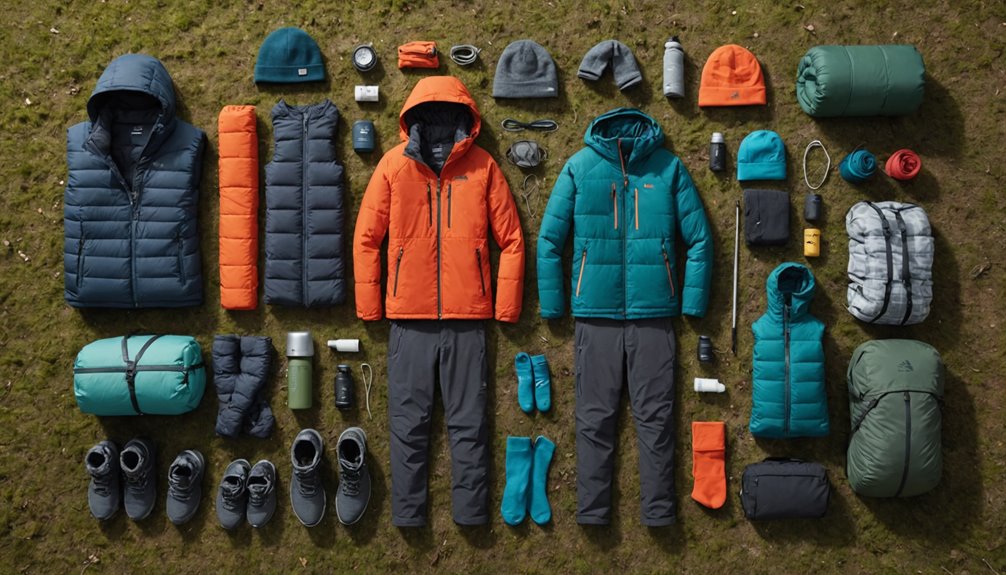
As temperature swings hit you hardest during dawn and dusk, we’ve learned that layering beats guessing every single time.
Start with a moisture-wicking base layer—think merino wool or synthetic fabrics—that pulls sweat away from your skin so you stay comfortable during hikes and activity.
Then add insulating mid-layers like fleece or lightweight jackets that trap warmth without weighing down your pack.
We’ve found this approach gives us freedom to shed or pile on clothing within minutes.
Top it off with a waterproof, breathable outer shell for surprise rain or wind.
Throw in a beanie and gloves too—they’re game-changers for those bone-chilling nights.
For added warmth on unexpectedly cold nights, consider pairing your layered clothing with a sleeping pad with good insulation to enhance thermal protection from the ground.
Honestly, this strategy has saved us from misery more times than we can count.
You’re not fighting the weather anymore; you’re adapting to it.
Footwear That Handles Multiple Conditions
Your feet are where the rubber meets the trail, and getting this part wrong will absolutely ruin your trip.
We’ve learned this the hard way—blisters, soggy socks, and regret. Let’s talk footwear that actually works.
- Waterproof hiking boots with aggressive tread patterns keep your feet dry and grip muddy terrain.
- Quick-drying socks from synthetic materials prevent blisters better than cotton ever will.
- Water shoes with secure straps let you shift seamlessly from hiking to creek swimming.
- Lightweight camp shoes provide comfy downtime without sacrificing support for short walks.
We recommend layering your footwear strategy.
Start with quality waterproof hiking boots for serious trails.
Pack moisture-wicking quick-drying socks—your feet’ll thank you during humidity spikes.
Throw in water shoes for versatility and camp shoes for relaxing.
Water shoes excel at preventing cuts and scrapes compared to sandals, making them ideal for unpredictable terrain.
This approach gives you freedom to tackle any terrain unprepared weather throws at you.
Fabric Selection for Moisture and Weather Management
When you’re standing in the rain at mile three with sweat pooling under your shirt, you’ll realize that fabric choice matters more than you’d think.
We’ve learned this the hard way—moisture-wicking fabrics like polyester and nylon are your liberation from soggy discomfort. They actively pull sweat away from your skin, keeping you dry when conditions turn unpredictable.
Pair these with breathable fabrics featuring mesh panels—they’re game-changers on humid days, enhancing airflow without trapping heat.
We also recommend lightweight, quick-drying materials that bounce back faster than cotton ever could. Consider UPF-rated fabrics too; they block harmful UV rays while maintaining breathability—protecting you from both sun and sweat.
Loose-fitting cuts complete the picture, allowing air circulation that prevents moisture buildup. Similar to how collapsible water bottles prioritize space-saving design without sacrificing functionality, your clothing should balance protection with packability on unpredictable hiking trips.
These choices aren’t luxuries; they’re practical freedom from weather’s worst surprises.
Accessories That Protect Against the Elements
Fabric choice gets you halfway there, but the right accessories complete your defense against sun, wind, and unexpected downpours.
We’ve learned this the hard way—sunburned necks and squinting eyes aren’t fun. Here’s what we actually reach for:
- Wide-brimmed hats (3-4 inch brims minimum) shield your face and keep you cool when temps climb.
- UV-blocking sunglasses reduce glare so you can actually see the trail ahead.
- Bandanas or buffs protect your neck from sunburn and manage sweat during strenuous hikes.
- Lightweight gloves keep your hands safe around campfire materials and warm during chilly evenings.
We pack a packable rain poncho too—it’s waterproof, weighs almost nothing, and saves us from summer storms that sneak up fast.
Just as athletes rely on protective gear like mouthguards to cushion impacts and prevent injuries during contact sports, campers need thoughtfully chosen accessories to absorb the shock of unpredictable weather conditions.
These accessories aren’t luxuries; they’re survival gear that keeps you comfortable enough to actually enjoy being outdoors.
Smart Packing Checklist for Unpredictable Camping
Because weather changes faster than you can zip up a tent, we’ve learned to pack our bags like we’re preparing for multiple camping trips at once.
Our camping checklist prioritizes moisture-wicking base layers—merino wool works brilliantly—paired with quick-dry clothing that handles both torrential downpours and scorching afternoons.
We layer strategically: long sleeves for sun protection, short sleeves for ventilation, convertible pants transforming into shorts as temperatures swing. A packable waterproof jacket stays compressed until needed.
We’ve discovered that investing in quality gear means genuine freedom—no fretting about ruined clothes or discomfort derailing our adventures.
Wide-brimmed hats, UV sunglasses, and reliable hiking boots complete our arsenal. Pairing lightweight clothing with ultralight accessories like compact camping cookware ensures you’re not weighed down by unnecessary bulk when transitioning between weather conditions. This thoughtful approach lets us embrace unpredictable conditions rather than fear them.
Frequently Asked Questions
How to Stay Cool Camping in 100 Degree Weather?
We’ll keep you cool in extreme heat by embracing lightweight fabrics that breathe, deploying smart hydration strategies to fuel your freedom, and using portable shade solutions. We’re ditching heavy gear for cooling techniques that let you truly escape and reclaim your camping adventures, unbounded.
What Is the Most Forgotten Item When Camping?
We often forget flashlights when camping, making our packing checklist incomplete. This common mistake leaves us vulnerable in darkness. Include reliable lighting on your camping essentials list to avoid this oversight and reclaim your freedom to explore safely.
What Type of Clothing Is Best for Camping in Cold Weather?
We’ll equip you with thermal layers and moisture-wicking base layers that keep sweat away, paired with insulated jackets for ultimate freedom. You’re unstoppable in cold weather when you’ve got these essentials working together to break the chains of discomfort.
What to Wear for Rainy Camping?
We’d pack like this: a hiker we’re familiar with ditched cotton for synthetic layers, added a waterproof poncho, and wore rain boots—she stayed dry and comfy. You’ll master rainy camping by combining rain gear essentials, waterproof footwear, and smart layering techniques that let you move freely outdoors.
Conclusion
We’ve learned that smart packing—like building a sturdy shelter—protects us from nature’s unpredictability. Your gear becomes armor against the elements, each layer a promise kept. We’ve weathered countless surprises by respecting this foundation. Remember: you’re not fighting the weather; you’re dancing with it. Those boots, that shell jacket, those moisture-wicking socks? They’re your partners in adventure. Pack thoughtfully, and you’ll trade anxiety for confidence every single time.