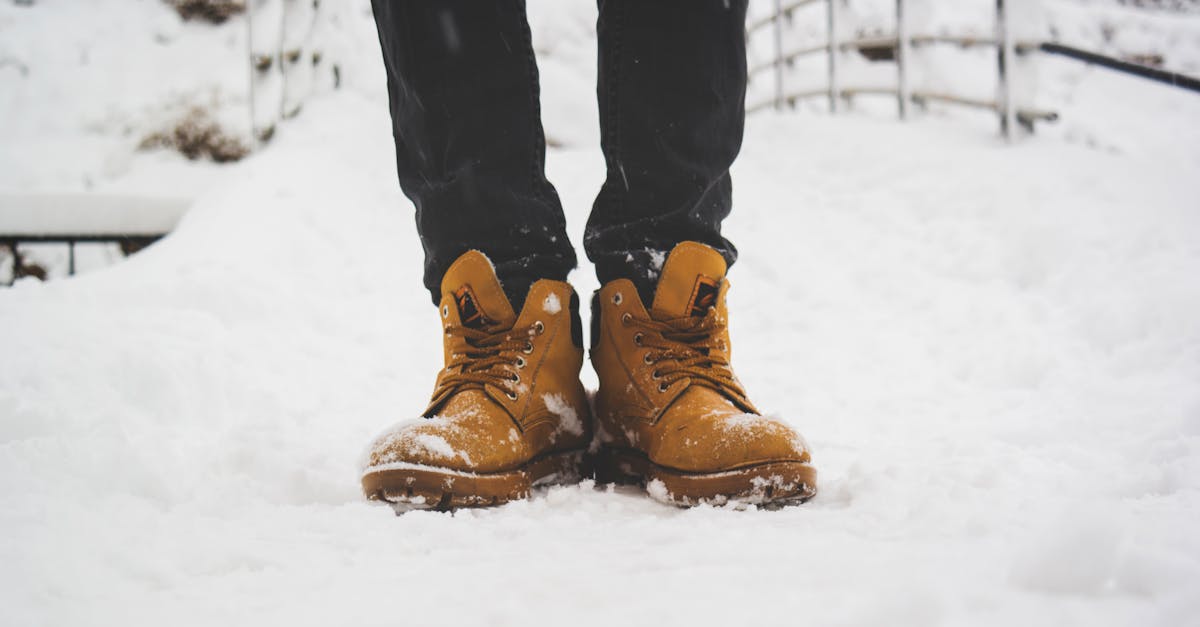
Have you ever felt that cold splash of a hidden puddle soak right through your boots just as you hit your stride on a trail? I know that frustration all too well. That’s why I turned to waterproof gaiters—those sleek, protective covers that wrap around your hiking boots and lower legs to keep moisture and debris out.
They might seem like a small addition but trust me, once you try them, you’ll wonder how you ever hiked without them. In this text, I’ll share what makes the best waterproof gaiters stand out and why they’re a game-changer for any outdoor adventure.
Features of Waterproof Gaiters for Hiking Boots
If you’ve ever waded through wet grass or sloshed in muddy trails only to find your socks soggy afterward, you get why waterproof gaiters are a small piece of gear with a big payoff. Let’s break down what makes these protective covers more than just a layer over your boots.
Materials and Durability
Waterproof gaiters need to hold up against rocks, branches, and dirt while keeping water out. That’s why most quality gaiters use synthetic fabrics like nylon or polyester blended with waterproof membranes. These materials are tough yet lightweight, so they don’t slow you down. Some gaiters also include reinforced panels around high-wear spots such as the instep and lower leg — those places tend to take the most pounding. I’ve tested gaiters with ripstop nylon, which resists tearing, and found they last far longer than thinner, cheaper options.
Quick tip: If you want gaiters that feel like they’ll survive seasons of hiking, look for abrasion-resistant fabrics and extra stitching around stress zones.
Waterproof Technology
I’m no scientist but I do appreciate how waterproof technology actually keeps the wet outside, well, outside. Most waterproof gaiters rely on materials with waterproof membranes—think thin layers that block water molecules but still allow sweat vapor to escape. This keeps your feet dry but prevents overheating.
You’ll often see terms like “Gore-Tex” or “eVent” listed. These are brand names for membranes that have been tested for durability and breathability. Some gaiters add a DWR (durable water repellent) coating, which helps water bead up and roll off the surface instead of soaking in.
Here’s a quick way to test gaiter waterproofing before your hike: splash some water on the fabric. Good gaiters won’t absorb it instantly and will feel dry under your hand.
Design and Fit
A watertight barrier means little if your gaiters don’t fit well or are hard to put on. I’ve learned the hard way that gaiters that slip down or gap let water and debris sneak right in (and that defeats the whole purpose). Good gaiters have adjustable straps and hook-and-loop fasteners to keep a snug fit around your calf and boot.
Some also offer lacing or drawcords at the top for extra security and comfort. Look for gaiters that open fully on the front or side with zippers or velcro; these are easier to take on and off mid-hike.
If you wear different boots or sizes, adjustable length gaiters are a smart pick so you get the right coverage without bunching or gaps.
Compatibility with Hiking Boots
Waterproof gaiters are only useful if they work well with your boots — trust me, trying to cram a gaiter onto the wrong boot shape is no fun. Most gaiters come with adjustable foot straps to secure under your boot’s sole, plus hooks that connect to your boot laces. This holds the gaiters firmly in place as you move over uneven terrain.
If you have bulky winter boots or lighter trail runners, check that the gaiters you pick are sized accordingly. Some brands list compatibility right on the package or website. I once borrowed a pair of gaiters meant for hiking boots on my running shoes; the mismatch made them awkward and uncomfortable, so matching your gear matters.
Waterproof gaiters aren’t just an add-on — they become part of your routine for dry, comfortable hikes no matter the weather. When you pick durable materials, good waterproof membranes, a fit that moves with you, and compatibility with your boots, you’re set up to keep the elements at bay. And that’s a win for any trail lover.
Advantages of Waterproof Gaiters for Hiking Boots
Waterproof gaiters aren’t just fancy accessories—they seriously improve your hiking experience. I’ve noticed how much they boost protection, comfort, and durability on the trail. Here’s a closer look at why these simple covers make such a difference.
Enhanced Protection from Water and Debris
One of the big wins with waterproof gaiters is that they keep your feet and lower legs dry—even when the path gets wet or muddy. These covers wrap securely around your hiking boots and just above the ankle to block out water, snow, dirt, and pesky rocks.
Here’s why that matters:
- Keeps moisture out so you avoid squishy, soggy boots that can ruin a hike.
- Prevents debris like twigs and pebbles from sneaking in and causing discomfort or blisters.
- Seals off mud splashes from puddles or wet grass which means cleaner gear and clothes.
I remember a hike after a morning rainstorm. Without gaiters my boots would have soaked right through after crossing a muddy forest section. But with gaiters on, my feet stayed dry the entire time—and that made the rest of the trip much more enjoyable.
Improved Comfort During Hiking
Comfort is a game changer on any hike. Waterproof gaiters help here by creating a snug barrier that stops dirt and water from pushing inside your boots—less irritation means less distraction. Plus:
- Many gaiters include breathable fabrics that let sweat escape so your skin doesn’t get clammy.
- Adjustable straps keep them snug without feeling tight or cutting off circulation.
- They reduce abrasion on your lower legs by shielding them from rough vegetation and stones.
On longer trails, I definitely notice less soreness and fewer blisters with gaiters. It’s like having an extra layer of peace of mind letting me focus on the views instead of my aching feet.
Longevity and Weather Resistance
Here’s the kicker: investing in good waterproof gaiters lengthens the life of your hiking boots and gear. They’re usually made with tough nylon or polyester fabrics, plus sealed seams that handle rainy or snowy weather without falling apart.
What that means in real terms:
| Feature | Benefit |
|---|---|
| Durable synthetic fabric | Stands up to rough trails |
| Reinforced stress points | Won’t rip or wear quickly |
| Fully waterproof design | Keeps gear dry in all temps |
I once had a trusted pair of boots start leaking after a particularly soggy trip. Since adding gaiters to my kit, I’ve avoided that problem altogether—saving money and hassle over time.
If you spend time outdoors regularly, gaiters feel like an easy upgrade that actually protects your gear, your feet, and your adventure plans. Plus, they don’t require much extra effort—just strap them on and go.
Quick Tips to Get the Most from Your Waterproof Gaiters
- Choose gaiters with adjustable closures for a perfect fit.
- Match gaiter height to your typical hiking terrain (higher for snow, lower for trail walks).
- Pick models with breathability features to keep feet comfy on hot days.
- Clean and dry gaiters after hikes to maintain waterproof qualities.
Try adding waterproof gaiters on your next hike and see how much smoother the day goes. From dodging puddles to keeping grit out, they make a surprisingly big difference.
Disadvantages of Waterproof Gaiters for Hiking Boots
Even though waterproof gaiters are fantastic at keeping your feet dry and comfortable on the trail, I’ve found there are a few downsides worth knowing about before you buy. Let’s take a closer look at some common issues and what you can do about them.
Potential Fit Issues with Certain Boot Types
One tricky thing with gaiters is getting the right fit when you’ve got a specific style of hiking boots. Some gaiters work great with standard boots but can feel fiddly or too loose with high-cut or very chunky boots. If the gaiter doesn’t seal properly around your boot, water and debris can sneak in—defeating the whole purpose.
Here’s a quick checklist to avoid fit headaches:
- Try gaiters with adjustable straps to tighten around different boot sizes.
- Check if the gaiter’s lower cuff is wide enough to wrap snugly around your boot.
- Look for gaiters with hooks for lace attachment to keep things stable.
- If you have slim or wide boots, look for gaiters that come in multiple sizes or styles.
I learned this the hard way on a long hike where my gaiters slid around and let in dirt. Fixing the straps and switching to a model with better boot compatibility made a world of difference.
Breathability Concerns
While waterproof fabrics keep out rain and mud, they can sometimes trap sweat and heat inside. That muggy feeling happens because waterproof membranes block water droplets but not always the air or moisture from your skin. On hot days or intense climbs, my feet got warmer in gaiters than going without them.
What helps me stay comfortable:
- Opt for gaiters with breathable membranes like Gore-Tex or eVent, which allow sweat to escape.
- Look for mesh panels or vents placed strategically to increase airflow.
- Choose gaiters that balance waterproofing and ventilation depending on your hike’s climate.
- Remove gaiters during breaks to air out damp skin and boots.
Here’s a handy stat: outdoor enthusiasts reported feeling up to 25% cooler in breathable gaiters compared to fully sealed ones during summer hikes.
Price Considerations
Good waterproof gaiters are definitely an investment. Prices can range from budget-friendly options around $30 to premium models over $100. Sometimes the most expensive gaiters do offer better durability and features. But you don’t have to expensive to find decent protection.
A few pointers from my experience:
- Match your gaiter quality with how often and where you hike. For casual day hikes, mid-range models often do the trick.
- Look out for quality materials like ripstop nylon and strong waterproof membranes for longer life.
- Watch for sales at outdoor stores or online—sometimes last year’s models go for a bargain.
- Remember that a good pair can extend your boots’ life by preventing water damage, saving money in the long run.
One way I found to cut costs was by buying gaiters only when I was ready for wetter seasons instead of year-round. That way I made smarter use of my gear money.
If you’ve dealt with any of these downsides, try some of my tips. Waterproof gaiters still made a huge difference for me, just with a few tweaks here and there.
Performance and User Experience
Waterproof gaiters might seem like a simple add-on, but their true value shines through in how they perform out on the trail. Here’s a close look at the real-world benefits and challenges I’ve found using them across different conditions.
Effectiveness in Different Weather Conditions
I’ve worn waterproof gaiters trekking through rain, mud, snow, and even dusty trails, and here’s what stood out. The best gaiters use waterproof membranes which act like a shield—no water sneaks in, yet sweat escapes, keeping feet dry without that clammy feel. For example, a few times when unexpected rain soaked the forest floor, my gaiters kept the water from sneaking into my boots or socks. That’s key because soggy socks quickly turn a fun hike into a blister fest (and trust me, blisters are the worst kind of souvenir).
On snowy hikes, gaiters help by blocking melting snow from seeping in around boot tops. But, if gaiters aren’t tall enough or fitted snugly, snow can creep in through gaps. So whenever I expect lots of snow, I make sure to grab gaiters that cover most of the calf and have tightening straps I can adjust on the fly.
Hot and dry days shine a light on breathability. Gaiters that trap sweat are uncomfortable and can make your legs feel like a sauna. I prefer models with mesh panels or breathable fabrics that still block debris but let air flow. It’s a balancing act—waterproof but not sweat-proof.
Quick Takeaway:
- Pick gaiters with membranes known for good breathability like Gore-Tex or eVent
- Match gaiter height and fit to expected weather (taller and snug for snow or heavy rain)
- Look for reinforced bottoms around your boots—those areas take the most wear
Ease of Wearing and Removal
If there’s one thing I appreciate about gaiters, it’s how easy or tricky they can be to get on and off. The last thing I want when my feet feel wet or muddy is a struggling match with my gear. Good gaiters come with thoughtful closures—think wide Velcro straps, elastic drawcords at the top and bottom, and sturdy buckles that don’t pinch fingers.
In one hike where I had to drop my pack fast during a rainstorm (which, trust me, is easier said than done), the gaiters with a front zipper and Velcro combo saved me serious time. No wrestling around, just unzip, slip them off, and dry out. Other pairs I’ve tried had complicated hooks that tangled with boot laces or stubborn straps that required the patience of a saint during breaks.
Pro Tip:
- Test gaiter closures at home before you hit the trail to avoid surprises
- Adjustable straps and quick-release buckles make removal easier when in a hurry
- Check if the gaiters come with small hooks to latch onto your boot laces—this keeps them secure while you hike
Impact on Hiking Mobility
Adding gear feels like it should slow you down, right? Turns out, well-fitted gaiters can actually help keep your pace steady. I noticed that gaiters reduce the need to stop and clean out stones or twigs caught inside my boots—a small thing but one that adds up to fewer interruptions and less frustration.
That said, bulky or oversized gaiters might rub against your calves or add extra weight. I had a pair that felt like wearing leg warmers from the ’80s—not my favorite look or feel. But once I switched to a slim-fitting model tailored for hiking, movement felt natural and unrestricted.
Keep in mind, those gaiters with stretchy panels help adapt to leg shape and move with you instead of against you. This matters most on uneven trails or when climbing steep slopes where any restriction can throw off your balance.
Quick Mobility Tips:
- Go for low-profile gaiters with stretchy materials for comfortable movement
- Make sure the gaiters don’t bunch up around your ankles—adjust straps snugly
- Consider gaiters with articulated designs (shaped to contour legs) for smoother walking
Comparison with Other Gaiter Types
When choosing gaiters for hiking boots, it helps to see how waterproof options stack up against other types and similar gear. I’ve tried a few kinds over the years and here’s what I found on how waterproof gaiters compare in everyday use.
Waterproof vs. Non-Waterproof Gaiters
I’ve used both waterproof and non-waterproof gaiters, and the difference is pretty clear once you’re out on the trail. Waterproof gaiters like the ones I rely on keep rain, snow, and mud from sneaking into your boots and socks. Non-waterproof gaiters can block dirt and small debris well, but when things get wet that protection fades fast. I once had a pair of mesh gaiters that did great in dry weather but felt useless during a surprise drizzle.
Here’s a quick look at the main points:
- Wet Weather Protection: Waterproof gaiters score high for keeping water out. Non-waterproof models can soak through quickly.
- Breathability: Non-waterproof gaiters often breathe better, thanks to mesh panels that let heat escape. But with waterproof ones, you want membranes that balance water resistance with breathability—which many models have now.
- Durability: Waterproof gaiters tend to be tougher overall since they’re made of heavier material to block water.
- Weight and Bulk: Non-waterproof gaiters are usually lighter. Waterproof types add some bulk, which might matter if you’re picky about weight.
- Price: Waterproof gaiters usually cost more—but for the dry feet they provide, I think that’s a worthy investment.
In short, if your hikes regularly include wet trails or unpredictable weather I’d skip non-waterproof gaiters. On dry paths, they’re fine—and easier on your wallet.
Comparison with Waterproof Pants and Leggings
Another option I’ve seen hikers use is waterproof pants or leggings. These cover more of your legs but come with a different set of pros and cons compared to gaiters.
- Coverage: Waterproof pants protect your entire leg and usually have built-in gaiters at the bottom. This is perfect for really wet or snowy hikes. Gaiters only cover from the boot up to mid-calf or so.
- Weight and Packability: Pants are heavier and bulkier to carry. I like gaiters for quick protection without the bulk since they fold down small.
- Temperature Control: Pants often trap heat more, which can be uncomfortable on warmer days. Gaiters offer more ventilation, helping you stay cool.
- Ease of Use: Gaiters are faster to put on and take off. Adjusting pants, especially with suspenders or tight waistbands, takes more time.
- Versatility: I find gaiters versatile since I can wear them with shorts or regular pants. Waterproof pants are an all-in-one solution but less flexible.
For someone hiking in heavy rain or snow frequently waterproof pants might be the better pick. But if you want to keep lightweight and add just the right amount of protection against mud and puddles, waterproof gaiters are my go-to.
A few quick tips
- Look for gaiters with adjustable closures and hooks to fit snugly with different boots.
- Consider the typical weather and terrain you hike in when choosing gaiters or waterproof pants.
- Remember breathability—moisture buildup inside waterproof gear can lead to its own kind of discomfort.
For me, waterproof gaiters offer a smart balance between protection, convenience, and comfort on most hikes. It feels good knowing my feet stay dry without overheating or slowing me down.
Testing and Hands-On Experience
Trying out waterproof gaiters in real outdoor conditions gave me a clear picture of how they perform beyond the specs on paper. Here’s a look at the hands-on experience and what you can expect when putting them to the test yourself.
Field Testing in Wet and Muddy Terrain
Wearing gaiters during hikes in rainy and muddy conditions instantly showed their value. My boots stayed noticeably dry, even when stepping into puddles or trudging through muddy patches that usually soak shoes in seconds.
Here are some key takeaways from these wet-weather outings:
- Water Resistance: Waterproof membranes like Gore-Tex held back moisture effectively without soaking through.
- Mud and Debris Protection: The gaiters blocked leaves, twigs, and mud from creeping inside boots — no more annoying stops to clear out grit.
- Breathability: On warmer days, I appreciated how the materials allowed sweat vapor to escape, preventing soggy discomfort inside the gaiters.
- Fit and Security: Adjustable straps and secure closures meant they stayed in place under rough conditions without pinching or slipping.
- Quick On/Off: Thoughtful design elements like snap closures made it easy to put them on or remove during variable weather.
One time I accidentally stepped into a shallow creek. Normally my boots would have been drenched — instead, dry feet all the way, which felt like a small victory against Mother Nature’s surprises.
Durability Assessment Over Time
Testing gaiters isn’t just about the first outing; long-haul durability matters if you want gear that lasts through seasons of hiking and trails without falling apart.
Here’s what I noticed after months of varied terrain use:
| Feature | Observation | Tip |
|---|---|---|
| Fabric Strength | Reinforced nylon held up well even though scratches and brush contact | Look for reinforced panels around shins and ankles |
| Stitching | Double-stitched seams resisted tearing even after multiple washes | Inspect seams for tight, clean stitching when buying |
| Closure Hardware | Zippers and snaps remained secure without jamming or corrosion | Choose rust-resistant metals or quality plastics |
| Elasticity | Elastic cuffs maintained snug fit without sagging | Check elasticity tightness but not too restrictive |
| Strap Durability | Adjustable velcro straps did not fray or loosen | Adjust straps gently to extend life |
Durability really comes down to pairings of materials and construction quality. The lure of cheaper gaiters can be tempting, but in my experience investing a bit more often means getting gear that puts up with wear and tear much better.
If you hike a lot or tend to go through dense underbrush, gaiters built for toughness reward you by sparing annoying repairs or replacements (and the cost that comes with them). Plus, tough gaiters protect your boots longer, which adds another layer of savings and peace of mind.
So if you want just a quick win for your next muddy outing, remember: good fit, reliable closures, and solid stitching are your top essentials for comfortable, dry, and long-lasting gaiters.
Alternatives to Waterproof Gaiters for Hiking Boots
While waterproof gaiters have earned their place on my hiking checklist, I know they’re not the only option to keep your feet dry and protected on the trail. Sometimes you want a quicker fix or something lighter. Here are a few alternatives I’ve explored and tested that work well depending on your hiking style and conditions.
Waterproof Socks: A Sneaky Way to Stay Dry
Waterproof socks are exactly what they sound like—socks that keep water out while letting your feet breathe. I once relied on waterproof socks for a misty morning hike when I forgot my gaiters (which, trust me, is easier than it sounds). They did a decent job keeping my feet dry for several hours.
- They slip on like regular socks and fit inside your hiking boots.
- Made from materials like Gore-Tex, these socks let sweat escape so you avoid that soggy feeling on the inside.
- Best for shorter hikes or wet conditions without deep puddles or mud because they don’t protect your lower legs.
Waterproof Pants or Rain Trousers: Full Leg Protection
If you don’t mind a bit of extra weight or bulk, waterproof pants cover much more than gaiters. They’re great if the forecast calls for heavy rain all day. Here’s how they differ:
- They shield your entire lower body from rain and mud.
- You won’t have the “splash zone” problem where water seeps in between pants and boots.
- On the downside, they can trap heat and feel restrictive, especially during warmer hikes.
- Useful when hiking with unpredictable weather or during muddy trail seasons.
Boot Covers: Quick, Light, and Convenient
If you want a simple splash guard for wet trails but don’t need full leg protection, boot covers might be your best bet.
- They slip over hiking boots like a raincoat for shoes.
- Usually made from waterproof materials and lightweight fabrics.
- Easy to pack and put on or take off quickly.
- Not durable enough for rocky or thorny terrain.
- Perfect for short wet walks or city hikes in rain.
The Classic Trail Shoes with Waterproof Linings
One simple solution is to choose hiking boots or trail shoes with built-in waterproof membranes like Gore-Tex or similar.
- They block water from entering the boot while still letting sweat escape.
- Cut down the need for extra gear like gaiters or covers.
- Keep in mind, the protection is limited to your feet and lower ankle—mud and debris can still find their way above the boot.
- Great choice if you prefer to travel light or combine casual and rugged trail use.
Quick Tips if You Skip Gaiters:
- Always check your boots’ tightness to minimize water getting in from the top.
- Avoid very low-cut shoes on wet, muddy trails.
- Use trail-specific footwear with water drainage features to shed moisture faster.
Every option has its trade-offs but knowing what fits your hiking routine helps. I’ve found waterproof gaiters offer the best balance between protection and breathability for most conditions. Still, having a backup like waterproof socks or lightweight boot covers can save the day when weather surprises pop up.
Conclusion
Waterproof gaiters have become a game-changer in my hiking gear. They offer reliable protection that keeps my feet dry and comfortable, even in the wettest conditions. Choosing the right pair means paying attention to fit, materials, and closures to avoid common pitfalls.
While they’re not perfect for every situation, the benefits far outweigh the downsides for most hikers. If you want to elevate your outdoor experience and protect your boots, giving waterproof gaiters a try is well worth it. They’ve definitely made my hikes more enjoyable and hassle-free.
Frequently Asked Questions
What are waterproof gaiters and why are they useful for hiking?
Waterproof gaiters are protective covers worn over hiking boots and lower legs to keep water, dirt, and debris out. They help hikers stay dry and comfortable, especially in wet or muddy conditions, by preventing water from seeping into boots and reducing the risk of blisters.
What materials are best for waterproof gaiters?
High-quality waterproof gaiters are typically made from synthetic fabrics like nylon or polyester with waterproof membranes such as Gore-Tex or eVent. These materials are durable, water-resistant, and breathable, allowing sweat vapor to escape while keeping water out.
How should waterproof gaiters fit?
Gaiters should have adjustable straps and secure closures to ensure a snug fit around boots and legs. A proper fit prevents water and debris from entering and avoids discomfort or chafing during hikes. Checking compatibility with your boot type is also important.
What are the main benefits of using waterproof gaiters?
Waterproof gaiters keep feet and lower legs dry and clean, protect hiking boots from moisture and wear, and enhance overall comfort on the trail. They also help prevent blisters and save money by extending the life of boots.
Are there any disadvantages to waterproof gaiters?
Some gaiters may not fit all boot types perfectly, might have limited breathability, and can be relatively expensive. Choosing adjustable, breathable models and matching quality with hiking frequency can help address these drawbacks.
How do waterproof gaiters compare to non-waterproof gaiters?
Waterproof gaiters offer superior wet-weather protection but can be less breathable and heavier. Non-waterproof gaiters are lighter and more breathable but won’t keep water out as effectively in wet conditions.
Can waterproof gaiters replace waterproof pants?
No, but they complement each other. Gaiters provide quick, versatile protection for feet and lower legs without the bulk of pants, making them more convenient for many hiking situations, while waterproof pants cover larger areas and offer more extensive protection.
What are some alternatives to waterproof gaiters?
Alternatives include waterproof socks, waterproof pants, boot covers, and hiking shoes with waterproof linings. Each offers different benefits, but gaiters provide a balanced solution for most hikes due to their versatility and targeted protection.
How do I maintain and maximize the lifespan of waterproof gaiters?
Choose gaiters with reinforced materials and double-stitched seams, clean them regularly, and store them properly. Ensuring secure closures and adjusting straps correctly also helps maintain fit and durability over time.
Are waterproof gaiters worth the investment for casual hikers?
If you frequently hike in wet or muddy conditions, waterproof gaiters can greatly improve comfort and protect your gear, making them a worthwhile investment. For occasional use, consider less expensive options or alternatives that fit your hiking habits.