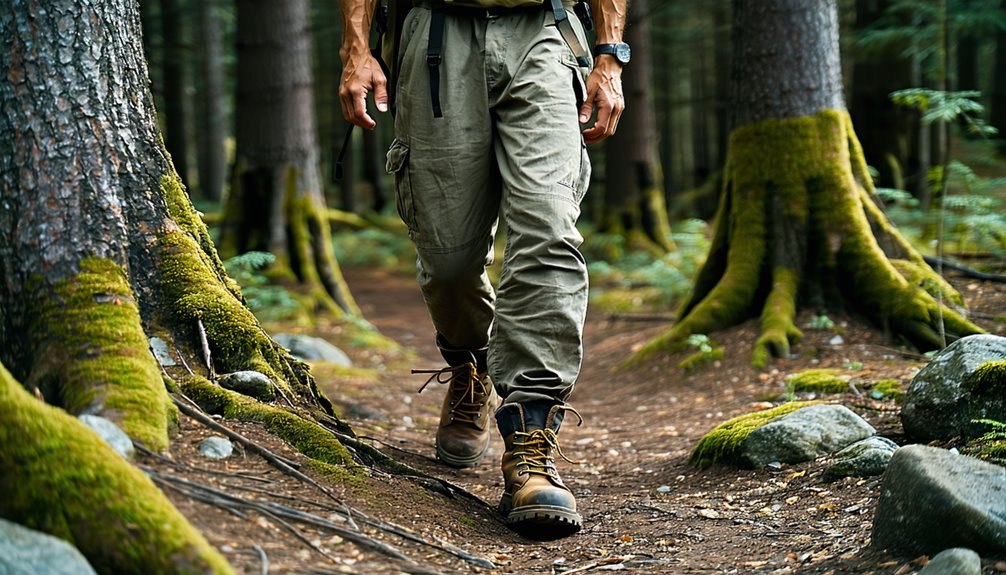
We’ve all felt that sticker shock—a quality backpack running $300, hiking boots at $200. Here’s what we’ve discovered: you don’t need to mortgage your house for the trail. We’ve tackled mountains with gear that costs half what Instagram influencers advertise, and honestly? We’ve had just as much fun. The real secret isn’t spending less; it’s spending smart. But before we reveal which budget choices actually work—and which ones’ll leave your feet screaming—let’s talk priorities.
Key Takeaways
- Quality hiking gear exists at affordable prices—budget brands offer reliable daypacks, shoes, and filters without premium costs.
- Free navigation apps like Organic Maps and AllTrails provide offline maps, eliminating expensive GPS device purchases.
- Borrowing, renting, and buying second-hand gear from thrift stores and marketplaces significantly reduces upfront equipment expenses.
- Layering with moisture-wicking basics and sturdy footwear protects your body more effectively than expensive specialized clothing.
- Preparation, knowledge, and smart organization matter more than expensive gear for safe, enjoyable hiking experiences.
Day Hiking Essentials on a Budget
The gear obsession—it’s real, and it’ll drain your wallet faster than a leaky water bottle.
We’ve learned that quality essential gear doesn’t require dropping hundreds of dollars. A reliable daypack like the Osprey Hikelite 26 keeps your back dry while carrying water and snacks without the premium price tag.
Pair it with affordable hiking shoes—the Altra Lone Peak 9+ offers solid grip across varied terrain. A budget-friendly water filter like the Sawyer Squeeze eliminates expensive bottled water while keeping you hydrated.
Lightweight, moisture-wicking outdoor clothing regulates body temperature without breaking the bank. For wet conditions, waterproof gaiters provide an affordable alternative to expensive waterproof boots, keeping feet dry and protected without the premium investment.
Finally, nutrient-dense snacks—homemade nut and fruit trail mix beats commercial options financially.
These essentials prove you don’t need fancy gear to hit the trail liberated and prepared.
Budget-Friendly Clothing and Footwear
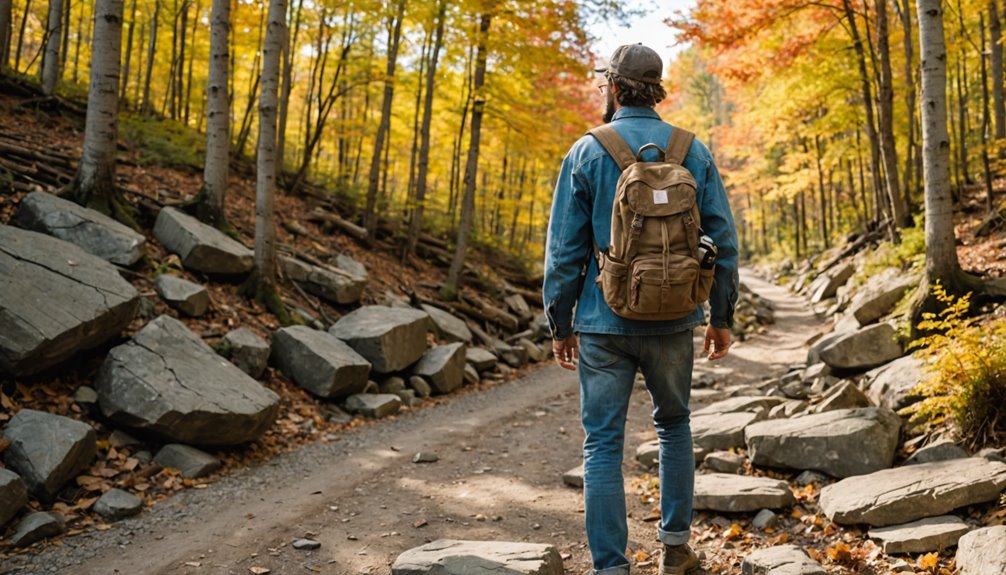
When you’re outfitting yourself for the trail, clothing choices matter just as much as your pack—maybe more, since what you wear directly impacts your comfort for hours at a time.
We’ve found that moisture-wicking clothing from polyester or nylon beats cotton every time; it’ll keep you dry where it counts.
Grab versatile pants that adapt to weather shifts—convertible styles give you real flexibility without breaking the bank.
For your feet, we swear by Darn Tough socks; they’re genuinely worth it for blister prevention.
Layer strategically: moisture-wicking base layer plus an insulated jacket handles temperature swings efficiently.
Finally, invest in sturdy trail running shoes or well-fitted hiking boots with proper support.
Pairing your clothing layers with a lightweight sleeping pad ensures you maintain thermal protection during rest stops and overnight camping.
That’s your foundation for freedom on the trail.
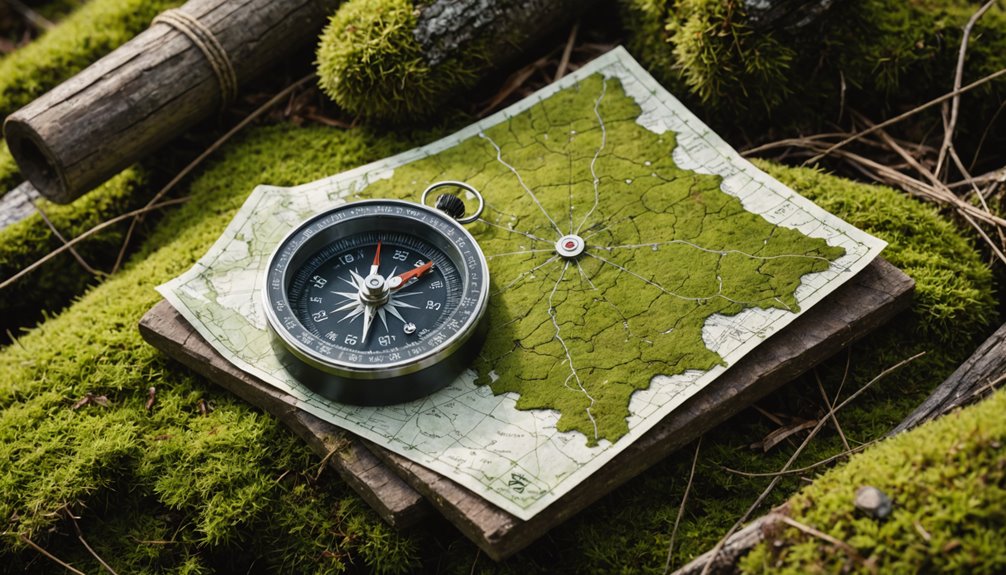
How do you find your way when your phone dies halfway up the mountain? We’ve all been there—and it doesn’t require expensive gear to stay on track.
Smart navigation tools won’t drain your wallet:
- Free apps like Organic Maps and AllTrails offer offline maps and trail conditions at zero cost.
- A basic compass and topographic map combo costs under $30—reliable backup when electronics fail.
- Your smartphone’s GPS functionality tracks location without pricey hiking watches.
- Community resources like libraries lend compasses and maps, saving money on gear.
However, it’s worth noting that handheld GPS devices provide larger screens and more detail than smartphone apps, though they come with added bulk and cost considerations.
As budget-conscious hikers, we’re discovering that navigation tools don’t need brand names attached.
Join local hiking clubs—experienced members share expertise and split costs.
We’re proving that finding your way forward doesn’t mean finding your wallet empty.
Smart Strategies for Gear Acquisition
Before you drop $400 on a shiny new tent, consider this: we’ve found that borrowing gear from friends or local hiking clubs lets you test equipment in real conditions—without the buyer’s remorse that hits when you realize you hate that brand’s zipper design.
Renting gear from local programs near popular trails gives you access to quality equipment without commitment.
We’ve scored incredible deals at second-hand sporting goods stores, finding lightly used tents and hiking apparel at fraction prices.
Online marketplaces like Facebook Marketplace let you negotiate directly with sellers.
Here’s our secret weapon: sign up for newsletters from outdoor retailers. You’ll catch exclusive deals and seasonal discounts that make premium gear actually affordable.
When testing borrowed or rented gear, prioritize items with quick setup features since reduced setup time contributes to better overall satisfaction with your equipment.
Smart acquisition means freedom—you hike your way, not the gear industry’s.
Essential Safety and Emergency Gear
Getting a deal on your tent doesn’t mean cutting corners on safety—and we’ve learned this the hard way.
We’ve discovered that budget-friendly hiking doesn’t require sacrificing trail safety or emergency preparedness.
Here’s what we prioritize:
- Customizable first-aid kit – Tailor yours to personal needs, including treatments for lacerations and sprains
- Mini hand sanitizer – Maintains cleanliness when water access is limited
- SOS device – Garmin inReach Mini 2 provides reliable emergency messaging without cell service
- Emergency whistle – Battery-free signaling that travels long distances
We’ve also learned that a lightweight multi-tool handles various tasks brilliantly.
Emergency whistles produce sound output over 100 decibels, making them effective across varied outdoor terrains and conditions.
These essentials cost surprisingly little yet transform your hiking gear from risky to resilient.
We’re not about skimping on what keeps us alive—we’re about being smart, prepared, and genuinely free on the trail.
Weather Protection on a Shoestring
Because weather shifts faster than you can say “why didn’t I check the forecast,” we’ve learned that staying dry doesn’t require dropping hundreds on fancy gear—it just requires being strategic.
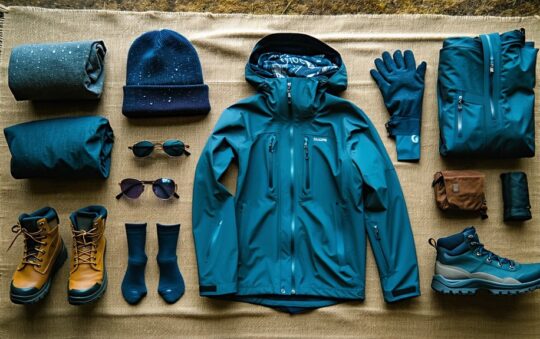
A lightweight rain jacket from REI Co-op keeps you protected without breaking the bank while maintaining breathability. Layer up smartly: start with moisture-wicking base layers—synthetic materials wick sweat away and you’ll find solid options at thrift stores. Moisture-wicking fabrics can dry up to four times faster than cotton, making them ideal for budget-conscious hikers who want performance without the premium price tag.
Add an insulating fleece, then top it with your budget-friendly waterproof shell. This layering strategy handles temperature swings effortlessly.
For additional weather protection, skip expensive waterproof backpacks entirely. Instead, use pack covers or waterproof liners—we’ve found this dual-layer approach delivers equal performance for a fraction of the cost.
Affordable gear doesn’t mean compromising on staying comfortable and dry.
Backpacking Gear That Performs
When you’re miles from the trailhead, the gear stuffed in your pack either works or it doesn’t—and we’ve learned the hard way that “expensive” and “reliable” aren’t synonymous.
We’ve discovered that affordable gear often outperforms pricey alternatives when it comes to important things like waterproofing and durability.
- Pack liners seal moisture out more effectively than external covers, keeping essentials dry during summer hiking.
- Color-coded stuff sacks enable quick access while organizing backpacking gear systematically.
- Sea to Summit Ultra-Sil Dry Sacks deliver serious waterproofing without breaking the bank.
- Ultralight foam sit pads ($10) provide warmth and comfort—proving that liberation from expensive gear doesn’t mean sacrificing performance.
Dry bags with roll-top closure design offer reliable waterproofing at budget-friendly price points compared to premium outdoor brands.
We’re talking genuine functionality here.
Affordable gear genuinely works.
Training and Recovery Without Premium Equipment
Building endurance and bouncing back from tough hikes doesn’t require dropping serious cash on fancy equipment—we’ve proven it repeatedly.
We’ve ditched pricey gym memberships by using a NordicTrack X24 Treadmill with incline settings, simulating mountain terrain right at home. For training, that’s genuinely enough.
Recovery’s where we’ve saved the most. A Trigger Point Foam Roller—under fifty bucks—demolishes muscle soreness better than anything premium. We simply roll our calves and quads after tough workouts. For lower back pain after strenuous hikes, medium firmness foam rollers prove particularly effective at releasing muscle tension and improving flexibility without the expense of professional massage therapy.
Pair it with comfortable, existing workout gear: moisture-wicking shirts and supportive shoes you’ve already got. Post-hike, slip into lightweight Crocs for relief. Your feet deserve comfort without the investment.
This equipment combo keeps us hiking strong, injury-free, and financially liberated throughout the year.
Protecting Yourself From Hiking Dangers
While we’ve tackled training and recovery on a shoestring budget, the real test comes when you’re actually out on the trail facing nature’s genuine threats.
We don’t need fancy gear to stay safe—just smart choices.
- Bear deterrent spray costs around $40–50 and genuinely works in bear country.
- Insect head nets and lemon eucalyptus repellent beat expensive bug protection. Natural repellents like oil of lemon eucalyptus require reapplication every 2-3 hours but remain an affordable alternative to chemical-based options.
- A basic tick remover tool prevents Lyme disease without breaking the bank.
- Moisture-wicking shirts from discount retailers prevent heat exhaustion effectively.
We’ve learned that a customizable first-aid kit and emergency kit matter far more than premium brands.
Layer affordable breathable clothing instead.
These essentials won’t empty your wallet, yet they’ll keep you hiking safely. Freedom on the trail doesn’t require expensive gear—just preparation and knowledge.
Making Thoughtful Gear Choices
The secret to affordable hiking isn’t skipping essentials—it’s knowing exactly which ones matter. We’ve learned that quality footwear and a reliable backpack deserve your money—they’re non-negotiable. These essential items directly affect your comfort and safety on the trail.
Here’s where we get creative: lightweight gear like Dirty Girl Gaiters and foam sit pads enhance your experience without emptying your wallet. We swap expensive external pack covers for waterproof pack liners instead—they’re cheaper and equally effective at keeping gear dry. For sleeping systems, budget insulated pads with an R-value between 2 and 4 provide effective thermal efficiency for moderate weather conditions without breaking the bank.
Smart organization saves stress during multi-day trips. We use color-coded dry bags to sort our supplies quickly.
The strategy is simple: invest in critical items that protect your body and shelter, then save on accessories. Thoughtful gear choices mean freedom on the trail—not financial burden.
Frequently Asked Questions
What Is the 20% Rule for Backpacking?
We’ve discovered that the 20% Rule means 80% of our backpacking basics come from just 20% of gear. We’re embracing lightweight options and budget-friendly essentials—prioritizing trail safety and outdoor skills through a minimalist approach that truly liberates us from unnecessary consumption.
What Are the 10 Essentials When Hiking?
We’ve got ten essentials we can’t skip: map and compass for trail navigation, sun protection, first aid kit, headlamp, food and water for hydration, multi-tool, fire starter, extra clothing layers, and weather-aware rain gear. Smart footwear options let us hike free from pricey gear traps.
What Is the Golden Rule of Hiking?
We’ve embraced Earth’s gentle custodianship as our golden rule: Leave No Trace. We’ll pack out what we’ve brought in, respecting wildlife and vegetation. This trail etiquette, hiking safety practice, and solo or group hiking principle guarantees we’re liberated to explore while preserving nature’s freedom.
Why Is Hiking Gear so Expensive?
We’re paying premium prices because brand marketing, material quality, and technological innovation drive production costs sky-high. Retail markups, consumer demand for lightweight gear, and the outdoor industry’s profit motives keep us locked into expensive equipment we don’t always need.
Conclusion
We’ve built your hiking foundation like a strong trail—one solid step at a time. You don’t need designer gear or a fat wallet to experience mountains and forests. We’ve learned that smart choices—Altra shoes, free apps, borrowed equipment—create real adventures without financial strain. Start hiking now. Your budget isn’t your limit; it’s your launching point. Get outside, explore confidently, and discover that the best gear is simply what moves you forward.