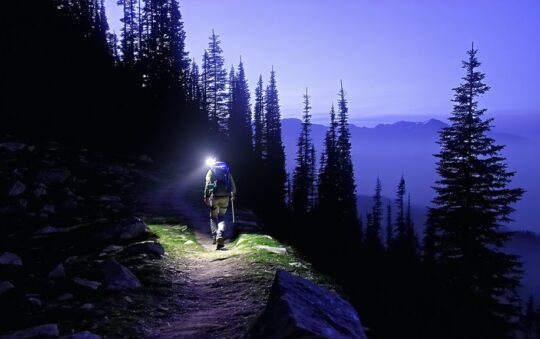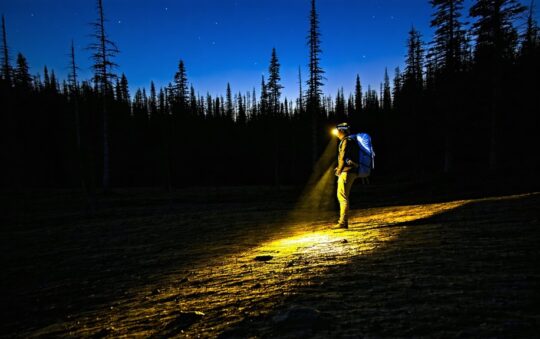
We’ve all been there—three miles from the trailhead with nothing but a granola bar wrapper and regret. When your food runs out mid-hike, panic won’t help, but a clear head will. We’re going to walk you through exactly how to assess what you’ve got left, stretch those calories, and find safe food sources around you. The good news? You’re probably closer to solutions than you think.
Key Takeaways
- Ration remaining calories across days by prioritizing high-calorie foods like nuts and peanut butter to extend energy.
- Forage for safe edible plants like dandelions, clover, and wild berries to supplement nutrition away from trails.
- Slow your pace deliberately and take breaks before exhaustion to conserve energy and extend performance capacity.
- Map the nearest resupply point using GPS or topo maps, then optimize your route to reach it safely.
- Connect with other hikers for food sharing, use solar chargers to call for assistance, and maintain hydration.
Assess Your Situation and Ration Remaining Supplies
When you realize your food stash is running dangerously low—that sinking moment when you count your remaining energy bars and granola packets—the first thing we need to do is take a breath and do the math.
Calculate your remaining calories against your daily needs, typically 2,000-4,000 depending on activity level. Divide what you’ve got left by that number—that’s your runway.
Now here’s where strategy kicks in: prioritize high-calorie foods first. Those nuts and peanut butter packets? Gold. They’ll stretch your energy further than anything else.
Ration smaller portions across remaining days, consuming only what maintains your performance—not comfort.
Monitor yourself closely for dizziness or fatigue; these signal you’re underfueling. Consider using a GPS watch with topo maps to optimize your route and reduce unnecessary distance traveled while conserving energy. We’re talking survival math here, not deprivation.
Stay sharp, stay resourceful.
Prioritize Energy-Rich Foods and Conserve Energy
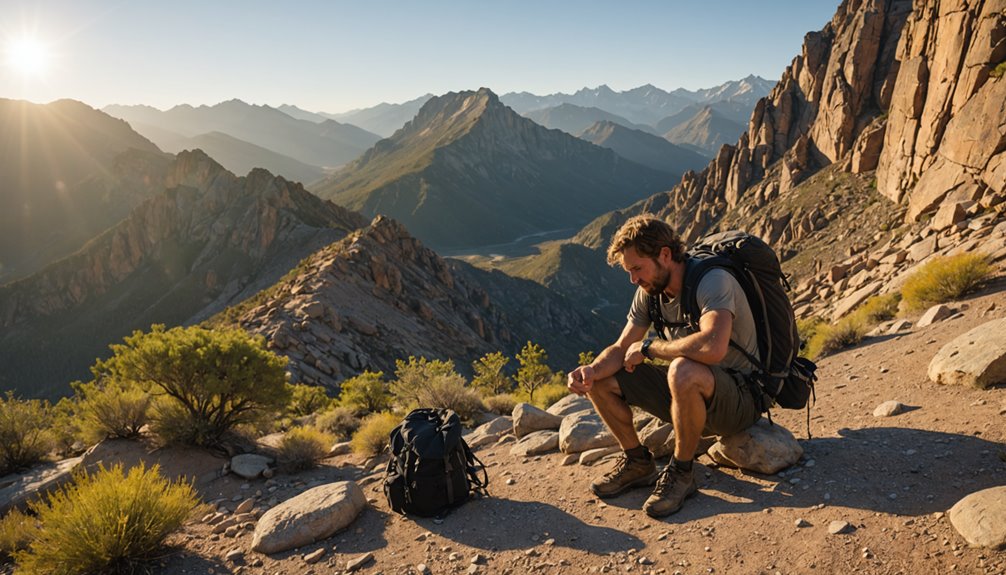
Now that you’ve done the math on your remaining calories, it’s time to shift from rationing to tactical fueling.
We’re talking energy-rich foods—nuts, dried fruit, candy—that pack serious calories into lightweight portions. Grab those high calorie snacks first; they’re your ticket to sustained energy when supplies dwindle.
Here’s where conserve energy becomes your survival strategy. Slow your pace deliberately. Take breaks before exhaustion hits.
We’ve learned the hard way that pushing through burns fuel you can’t replace.
Hydration matters more than you’d think—dehydration amplifies fatigue and tanks your mental clarity. Research shows that 85% of users report improved hydration habits when using convenient hydration delivery systems like sip-tube designs, demonstrating how consistent water intake directly supports cognitive function during emergencies. Drink water consistently, even when you’re not thirsty; your body’s craving it anyway.
This combination—premium fuel, measured effort, and strategic hydration—extends your runway considerably.
You’re not just surviving; you’re buying time and maintaining the mental sharpness to make smart decisions.
Identify Safe Foraged Foods and Edible Plants

Before you start munching on every green thing in sight, let’s talk about what’ll actually sustain you versus what’ll send you sprinting toward the nearest emergency room.
We’ve all felt that hunger panic. Here’s what’ll keep you alive:
- Dandelions and clover—leaves and flowers pack vitamins A and C; they’re basically everywhere and genuinely safe.
- Wild berries—blackberries and raspberries deliver quick energy, but proper identification matters; toxic look-alikes exist.
- Edible roots—wild garlic and onions add nutrition and flavor, though misidentification risks serious health risks.
When foraging, stick to plants from clean areas away from pollutants. Additionally, consider treating your foraged plants similarly to how you’d treat your hiking gear—just as protective clothing creates a barrier against environmental hazards, proper preparation of foraged foods through thorough washing removes surface contaminants.
Mushrooms? Skip them unless you’re consulting a reliable field guide—chanterelles tempt us, but so do deadly imposters.
The liberation of self-sufficiency means respecting what nature offers while staying sharp about identification. Your stomach—and your safety—depends on it.
Plan Your Route to the Nearest Resupply Point
Three things separate a manageable hiking mishap from a genuine emergency: knowing where you’re going, understanding what lies between you and safety, and honestly evaluating whether you can actually reach it. We’ve learned this the hard way.
Before hitting the trail, we research resupply points—towns, trailheads, stores—mapping their exact locations using hiking apps and topographic maps. We identify multiple food options because that one convenience store might close at five.
We calculate distances and elevation changes realistically, not optimistically. We also carry extra food—trail mix, energy bars, nut butter packets—as our safety net. When selecting a backpack for these supplies, we choose one with hidden pockets to securely store our most critical provisions and emergency items.
Alternative routes matter too. We understand backup paths to resupply locations because plans fail. Local regulations vary wildly; some areas restrict access or have limited hours.
That knowledge? It’s freedom. It’s understanding we won’t starve, we won’t panic, we’ll simply adapt and move forward.
Stay Hydrated and Communicate With Other Hikers
When your food supply dwindles, water becomes your most underrated ally—dehydration amplifies hunger and saps your mental clarity, turning a manageable situation into a genuine crisis.
We’ve learned this the hard way.
Here’s what we do to stay sharp:
- Drink consistently — we aim for two liters daily, even when we’re not thirsty, because dehydration masks itself as starvation.
- Carry a portable water filter — LifeStraw or Sawyer systems lets refill from streams, ensuring we’re never truly stranded without hydration.
- Connect with other hikers — they’ll often share food or direct us toward resupply points we’d otherwise miss. In emergencies, solar phone chargers can help you communicate your location to others and call for assistance if needed.
Communication saves us every time.
We chat with fellow trekkers about our situation, exchange intel on nearby towns, and pool resources.
A buddy system transforms desperation into camaraderie.
Together, we monitor each other’s hydration levels and energy—staying hydrated keeps us functional and resourceful, not panicked.
Frequently Asked Questions
How Long Can You Hike Without Food?
We can hike a few days max without food, but our hiking endurance factors diminish rapidly. We’ll need energy conservation techniques and prioritize hydration importance to combat signs of fatigue. We’re empowered when we’re prepared—pack supplies to maintain our freedom on the trail.
What Is the 20% Rule for Backpacking?
We practice the 20% Rule by packing extra backpacking essentials beyond our planned trip duration. It’s a liberation strategy—we’re covering our meal planning with surplus food storage, ensuring we’ve got nutrition tips locked in for unexpected delays and freedom from hunger anxiety.
Is It Okay to Hike on an Empty Stomach?
No—hiking on an empty stomach’s like driving without fuel. We’ll sabotage our hiking safety, crash our energy levels, invite stomach discomfort, and lose mental focus. Break free from this trap: fuel your body, own your performance, and reclaim the trail’s power.
What to Do in an Emergency While Hiking?
We’ve got to prioritize emergency preparedness by mastering survival skills and hiking safety essentials. Signal rescuers with whistles, stay hydrated, ration food wisely, and learn foraging tips for identifying edible plants. We’re empowered when we’re prepared to handle wilderness challenges independently.
Conclusion
We’ve walked those desperate miles on empty bellies—you’re not alone. By rationing smartly, foraging carefully, and staying hydrated, you’ll reach that trailhead. Remember: your body’s tougher than hunger suggests. Next hike? Toss an extra energy bar in your pack—we learned that lesson the hard way. You’ve got this.