You don’t have to let deep water fears keep you from enjoying water sports. With the right approach, you can build confidence gradually while staying safe. Shallow-water activities like paddleboarding and kayaking let you maintain control and comfort. But there’s more to conquering your anxiety than choosing the right sport. What specific techniques and safety measures can transform your relationship with water? We’ll explore that next.
Key Takeaways
- Paddleboarding and kayaking keep you near shore while providing water engagement and control over depth exposure.
- Jet skiing delivers speed thrills without deep water anxiety through personal flotation devices and speed control.
- Safety gear like life jackets eliminates sinking fears and provides psychological reassurance during water activities.
- Start in shallow pools and progress gradually to open water with systematic exposure and breathing techniques.
- Join group classes with professional coaching for accountability, shared experiences, and tailored confidence-building strategies.
Understanding Your Fear of Deep Water
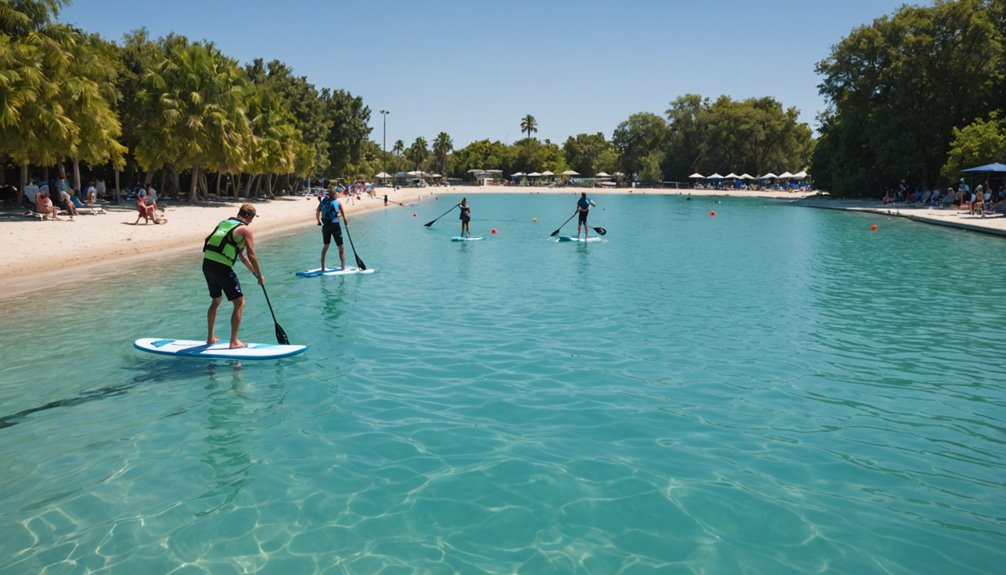
When anxiety about sinking grips you in deep water, you’re experiencing a fear that’s remarkably common among swimmers. Your fear of deep water often stems from unfamiliarity and past experiences that’ve shaped your perception of aquatic environments.
Understanding water dynamics—recognizing buoyancy, currents, and safe zones—empowers you to distinguish real hazards from imagined threats. Media sensationalism surrounding shark attacks and drowning stories amplifies your fear of swimming beyond rational concern.
This psychological response triggers helplessness, yet knowledge neutralizes it. By acknowledging that anxiety about sinking reflects a natural survival instinct rather than weakness, you reclaim agency.
Gradually acclimating yourself to deeper water, learning proper techniques, and understanding hydrostatic principles transform terror into confidence. Your fear isn’t permanent—it’s information signaling that you need education and progressive exposure to master deep water environments.
Water Sports That Keep You Close to Shore
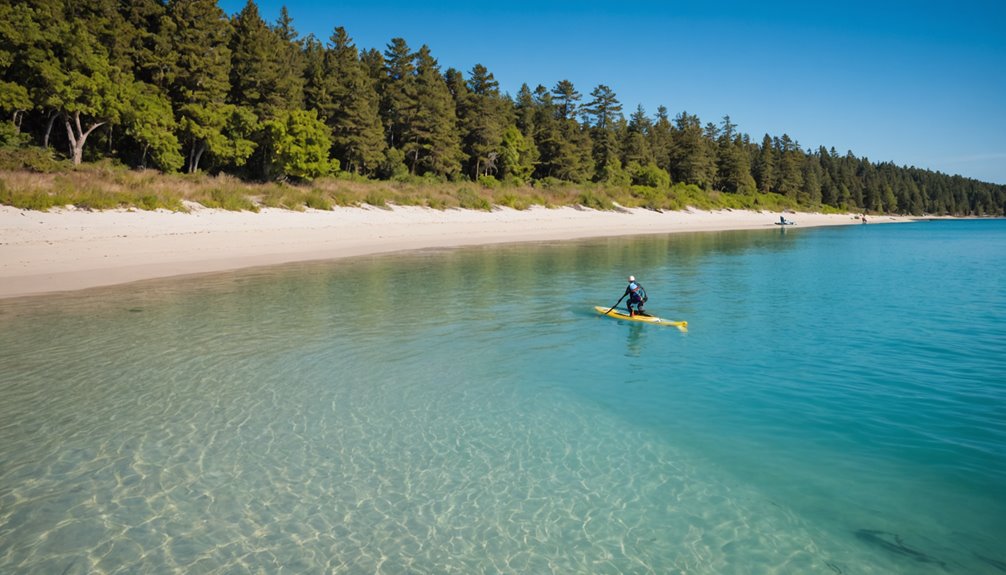
Because you’ve acknowledged your fear and learned that knowledge neutralizes anxiety, you’re ready to engage with water activities designed specifically for those who prefer staying near shore.
You’ll discover numerous options that keep you in shallow waters while building confidence:
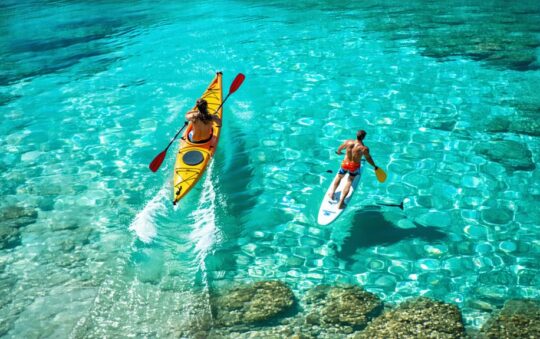
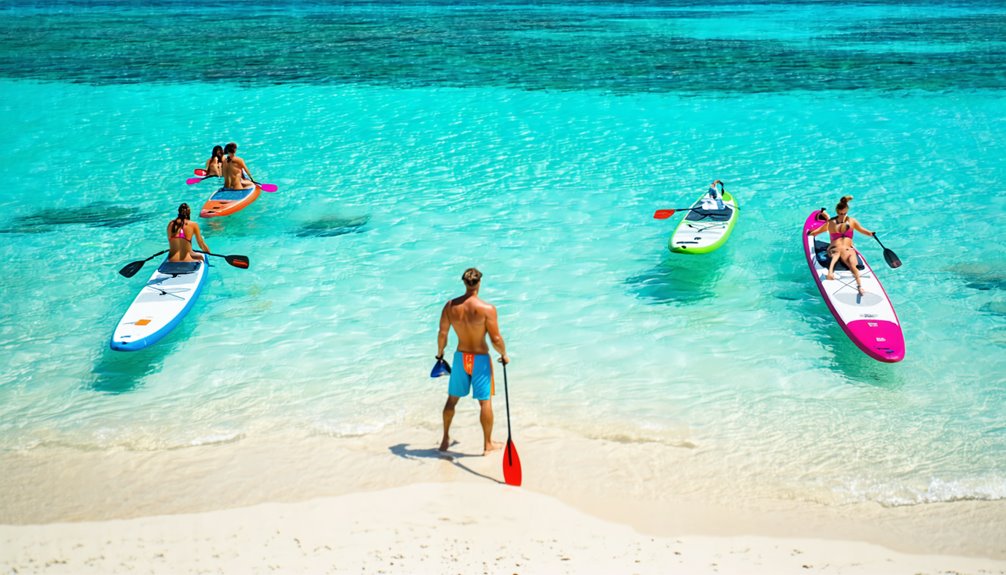
- Paddleboarding and kayaking maintain shoreline proximity, offering control and safety.
- Jet skiing delivers speed thrills without venturing into deep water.
- Canoeing along calm coastal areas provides peaceful water engagement.
- Water biking lets you pedal across the surface, staying anchored near shore.
- Shallow reef snorkeling enables marine exploration at the surface level.
Each activity addresses your fear of the ocean by eliminating deep water exposure.
You’ll experience genuine aquatic engagement while maintaining psychological safety.
These shallow-water sports transform your relationship with water from anxiety-driven avoidance to empowered participation, liberating you to explore the ocean on your terms.
The Role of Safety Gear and Equipment
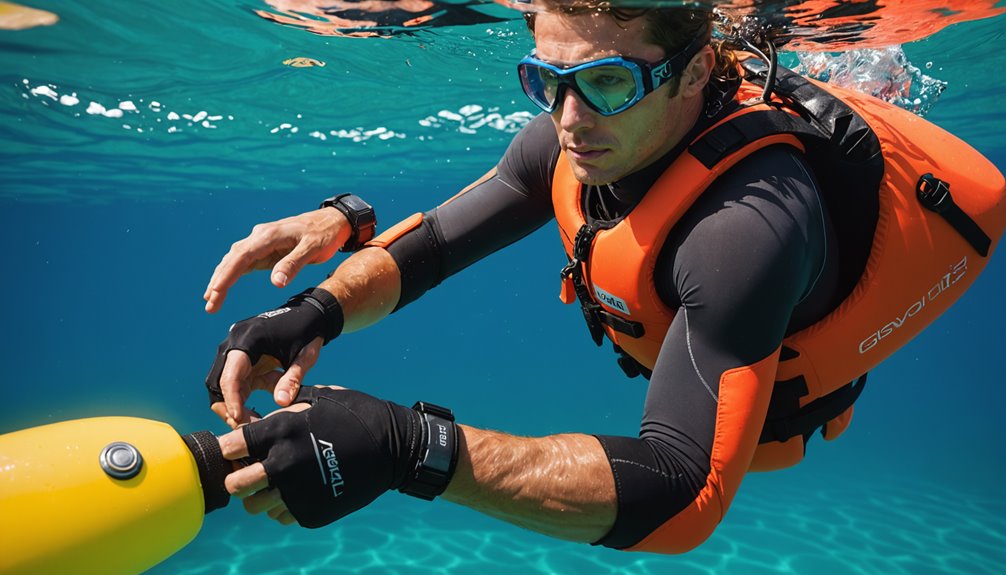
Your choice of water sports matters, but what you wear and carry matters equally. Safety gear—life jackets, wetsuits, and buoyancy aids—gives you tangible control when anxiety peaks. These tools aren’t crutches; they’re liberation devices that let you focus on enjoyment rather than fear.
Breathing techniques paired with snorkels and masks help you overcome your fears by maintaining comfort underwater. You’ll observe marine life without gasping or panicking, reducing vulnerability.
For muscle-powered activities like kayaking, stabilizing equipment guarantees you stay grounded and confident. Personal flotation devices required for jet skiing and wakeboarding eliminate sinking anxieties entirely.
Before entering water, familiarize yourself with each piece of safety gear. This preparation rewires your nervous system, replacing dread with readiness and transforming deep water from enemy to accessible frontier.
Building Confidence Through Gradual Exposure
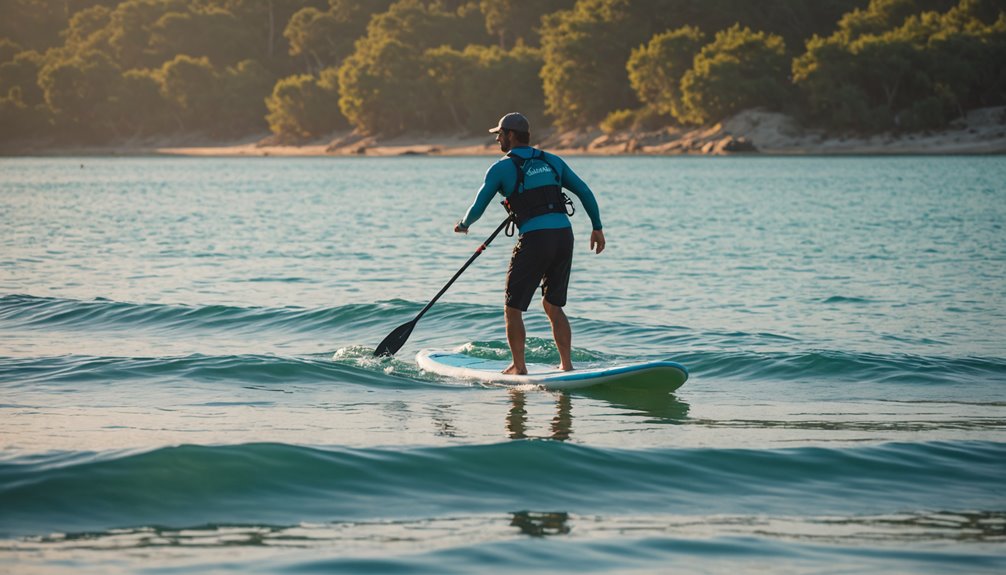
As your nervous system adapts to water environments through incremental challenges, you’ll rewire your fear response from the ground up. Gradual exposure liberates you from anxiety’s grip by systematically desensitizing your psychological barriers.
Building confidence requires strategic progression:
- Start in shallow areas where you control depth and pace
- Practice diaphragmatic breathing techniques to regulate your nervous system
- Progress from pool environments to open water systematically
- Join group classes for collective reinforcement and shared accountability
- Celebrate incremental milestones to strengthen your self-efficacy beliefs
Overcoming your fear isn’t instantaneous—it’s neurological recalibration. Each measured advancement rewires neural pathways associated with water anxiety.
Your body learns safety through repetition, gradually expanding your comfort zone. This evidence-based approach transforms perceived threats into manageable experiences, enabling genuine autonomy in aquatic environments.
Choosing the Right Support System
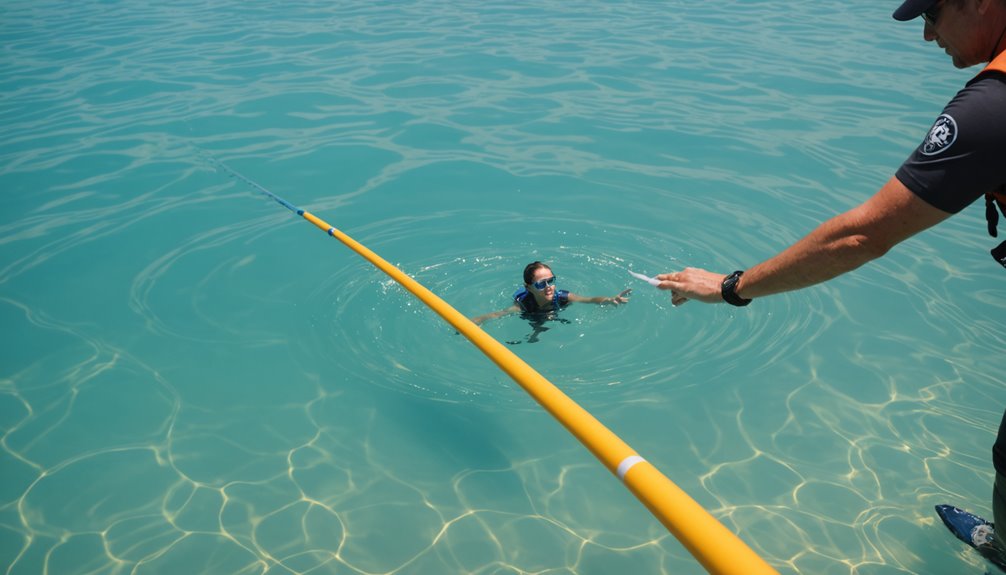
While solo practice builds foundational skills, the right support system accelerates your progress and sustains motivation throughout your aquaphobia journey.
| Support Type | Key Benefits | Best For |
|---|---|---|
| Supportive Community | Shared experiences, reduced isolation | Long-term encouragement |
| Professional Coaching | Tailored strategies, specialized guidance | Targeted skill development |
| Group Activities | Safe practice environment, peer confidence | Hands-on skill building |
You’ll find that joining a supportive community provides camaraderie and collective strategies for managing deep water anxiety. Professional coaching from aquaphobia specialists offers customized techniques to address your specific triggers and accelerate acclimation. Group activities like swimming lessons create safe spaces where you practice alongside others facing similar challenges.
Celebrating small victories within your chosen support system reinforces positive momentum and strengthens your commitment to liberation from water fear. Select the combination that aligns with your needs and learning style.
Breathing Techniques and Relaxation Strategies
Once you’ve established a supportive framework for your aquaphobia journey, mastering your physiological responses becomes the cornerstone of water confidence.
Your nervous system responds directly to breathing techniques. Deep breaths activate your parasympathetic nervous system, counteracting anxiety’s grip:
- Practice slow, controlled breathing patterns to regulate your nervous system while in water
- Employ visualization exercises—imagine yourself thriving peacefully in aquatic environments
- Ground yourself through sensory focus: waves’ sounds, water’s texture on your skin
- Integrate mindfulness to anchor yourself in the present moment, not fear
- Gradually expose yourself to deeper water while maintaining these relaxation strategies
These evidence-based approaches address your mental health holistically. By combining deep breaths with deliberate exposure, you rewire your body’s fear response.
Progressive desensitization, supported by breathing techniques, transforms water from a threat into neutral space. Your liberation depends on consistent practice and patience with yourself.
Progressing at Your Own Pace
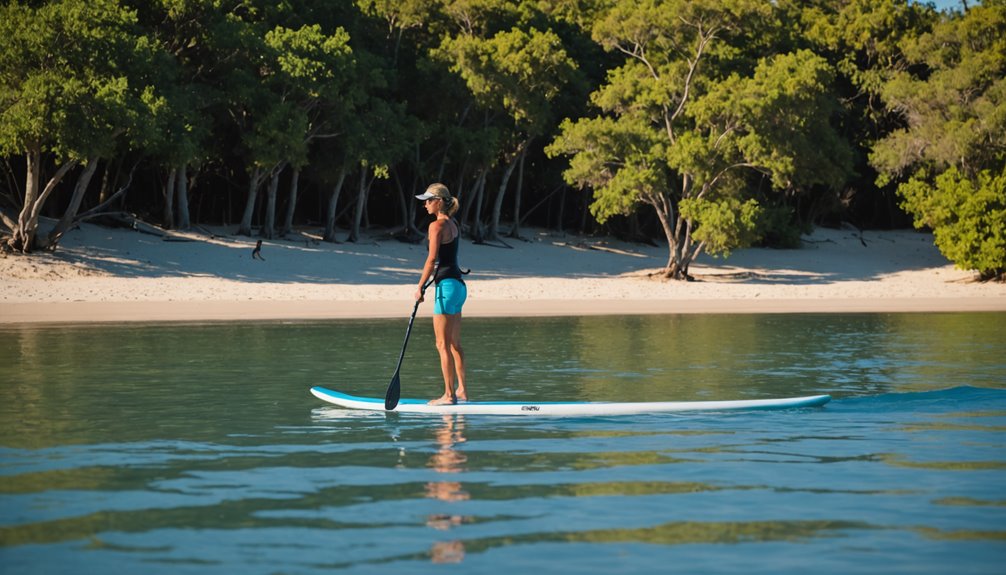
The breathing techniques and mindfulness practices you’ve developed create a solid foundation, but they’re only effective when you apply them within an environment that respects your individual timeline.
Progressing at your own pace means starting in shallow water and advancing deliberately. You control when to deepen your swimming experience, eliminating pressure that amplifies fear of water. Each small victory—whether wading further out or floating longer—deserves acknowledgment. Self-affirmation strengthens your resolve.
| Progression Stage | Key Action |
|---|---|
| Shallow water acclimation | Practice breathing and movement |
| Gradual depth increase | Extend into chest-deep areas |
| Extended duration | Build comfort over time |
| Skill development | Master new swimming techniques |
| Independent confidence | Enjoy water independently |
Your autonomy matters. Communicate your boundaries clearly with companions. This personalized approach liberates you from generic timelines, transforming your relationship with water fundamentally.
Frequently Asked Questions
How to Stop Being Scared of Deep Water?
You’ll overcome water fears through gradual exposure in shallow areas combined with breathing techniques that calm your nervous system. Start small, celebrate progress, and consider professional coaching tailored to your needs—you’ll build confidence and reclaim your freedom in deep water.
What’s It Called When You Are Scared of Deep Water?
You’re experiencing bathophobia when you’re scared of deep water. You can identify your specific fear triggers, build water safety knowledge, and work toward overcoming anxiety through gradual exposure. Understanding these dynamics empowers your freedom.
Which Sports Celebrity Is Known to Have a Fear of Water?
You’ll find Michael Phelps, Olympic legend, openly shares his deep water phobia despite swimming mastery. His fear management strategies and techniques for overcoming aquatic anxiety demonstrate you’re not alone—even champions confront water fears and break through them.
How Many People Have a Fear of Deep Water?
You’re not alone—28.7% of people fear deep water. Understanding causes of aquaphobia helps you develop coping strategies for anxiety. Water activities offer therapeutic benefits, gradually building confidence and liberation from fear’s constraints.
Conclusion
You’re not facing your Everest alone—you’re building skills like Odysseus maneuvering uncertain waters. By combining shallow-water sports, proper safety gear, and breathing techniques, you’ll transform anxiety into capability. You’ve learned that progression isn’t linear; it’s personal. Your support system anchors you while you expand comfort zones incrementally. Remember, confidence compounds. Each paddle stroke, each breath, each moment you choose the water strengthens your resilience. You’re equipped now.