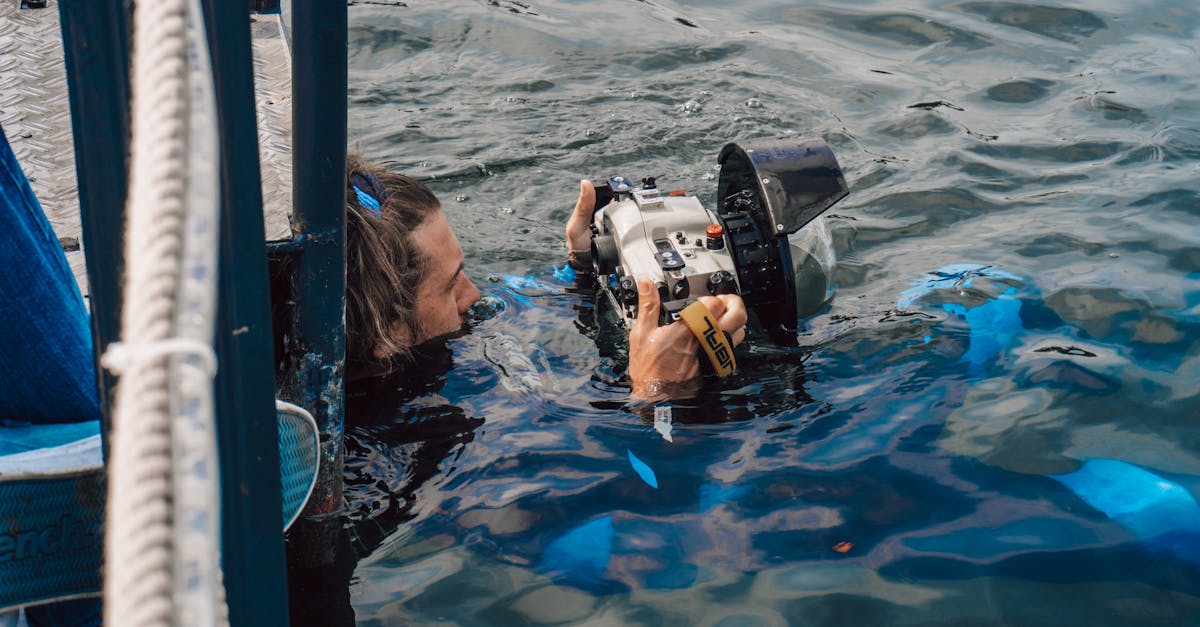
Ever tried capturing the thrill of a wild wave or the rush of a mountain bike trail only to have your camera give up halfway? I’ve been there, and that’s why waterproof action cameras have become my go-to gear. These rugged devices don’t just survive the elements—they bring every splash, dive, and adventure into stunning focus.
In this text, I’ll share the top-rated waterproof action cameras that combine durability with crystal-clear performance. Whether you’re diving deep or chasing adrenaline on land, you’ll find options that fit your style and budget. Let’s jump into the best gear to make your next adventure unforgettable.
Overview of Top-Rated Waterproof Action Cameras
When it comes to picking a waterproof action camera, I’ve learned a few things from hands-on experience and chatting with fellow adventurers. These devices aren’t just gadgets; they become part of your daily quest to capture moments that matter—whether that’s a morning surf session or a weekend hike through unpredictable weather.
What Sets These Cameras Apart?
The first thing I look for is true waterproofing—not just some splash-resistant promise. Today’s top-rated models often offer water resistance up to 33 feet (10 meters) or even deeper with additional housing. That means you can confidently snap underwater shots or brave a sudden downpour without holding your breath over your gear.
But waterproofing alone isn’t the whole story. I care about:
- Durability: Can this camera survive drops or bumps? It’s one thing for a camera to handle water, but it’s another for it to handle a sudden slip on rocky terrain.
- Image Quality: Crisp photos and smooth video—even underwater—make a big difference. A few models in this lineup shoot 4K video, adding extra detail and vibrancy.
- Ease of Use: I want controls that make sense when I’m freezing or wearing gloves. Bonus points for intuitive touchscreen menus or voice commands.
- Battery Life: Unless you have extra batteries on hand, this can make or break an adventure day.
Quick Stats at a Glance
| Feature | What I Expect | Why It Matters |
|---|---|---|
| Waterproof Rating | At least 10m/33ft | Good for swimming, snorkeling |
| Video Resolution | Minimum 1080p, ideally 4K | Clear footage for replay or editing |
| Build Quality | Shockproof, dustproof | Survivability during rough outings |
| Battery Duration | Around 2+ hours per charge | Lasts through most outings |
| User-Friendly UI | Simple buttons, voice control | Quick adjustments in tricky spots |
A Few Practical Thoughts
Honestly, I found some waterproof cameras harder to handle once wet—buttons get slippery and screens fog up. That’s why I now pay special attention to grip design and anti-fog lens coatings. They aren’t just convenience features; they can save your shots.
Here’s a little nugget I picked up: Some cameras offer built-in stabilization to smooth out footage. If you’re running, biking, or paddling, this boosts video quality like no other feature.
How These Cameras Fit Into Everyday Life
Not just for extreme sports, these waterproof cameras can spice up any daily routine. Like capturing your kid’s pool party without worrying about a splash ruining your gear. Or snapping close-up shots during a rain-soaked city hike.
Still, remember to check if the camera fits comfortably in your pocket or mounts easily on your gear. When you’re juggling a backpack, snacks, and a water bottle, lightweight and compact is a big plus.
Takeaways You Can Use Today
- Look for cameras with an IP68 rating—that means dustproof and waterproof beyond 1 meter.
- Prioritize models with customizable mounts; versatility means more chances to catch great angles.
- Check for extra features like voice control or waterproof remote controls to keep your hands free.
- Always pack extra batteries or a portable charger for longer trips (it really saved me when I forgot my entire afternoon plan).
If you want to dig deeper into specific models, I’ll break them down next so you can find the one that fits your adventures—and your budget—just right.
Features and Specifications
Choosing the right waterproof action camera means looking closely at its features and specs to fit both your adventures and everyday moments. Here’s a breakdown of what really matters based on my own experiences and what I’ve noticed makes a difference.
Waterproof Depth and Durability
When I started using action cameras near water, I quickly learned that not every “waterproof” label means the same thing. Real waterproof depth ratings tell you how deep you can go without fear—this usually ranges from 10 to 33 feet (3 to 10 meters) without extra housings. Some cameras allow even deeper dives with special waterproof cases.
On top of that, durability goes beyond water resistance. I found it helpful when a camera could handle drops or bumps—some offer military-grade build quality, meaning they’ve passed tests for shocks and weather resistance. If you’re hiking or biking in unpredictable conditions, a solid frame that shrugs off scuffs is a lifesaver.
Quick Take:
- Look for at least 33 feet (10 meters) waterproof rating for snorkels and swimming.
- Consider shockproof and dustproof ratings, especially for rugged use.
- Extra waterproof housing can add depth protection but might bulk up the camera.
Video Resolution and Frame Rates
Here’s where the fun begins—capturing those moments crisp and smooth. Most top-rated cameras offer 4K video now, which means super sharp details. But here’s a trick I learned: higher frame rates make fast action silky smooth. For example, recording at 60 frames per second (fps) or higher is ideal for surfing or mountain biking because it lets you slow down footage for dramatic effects.
If you mostly share clips on social media or your phone, a solid 1080p at 60fps will do the job and save battery life. Just remember, higher resolution videos can eat up memory quickly.
Video Specs Snapshot:
| Resolution | Ideal Use Case | Frame Rate (fps) | Notes |
|---|---|---|---|
| 4K | Extreme sports, epic shots | 30-60 | Sharp details with larger files |
| 1080p HD | Everyday use, social media | 60-120 | Smooth motion, less storage |
| 720p | Basic, power saving | 30-60 | Lower quality but lighter load |
Battery Life and Charging Options
There’s nothing worse than running out of juice mid-adventure. From my tests, a typical waterproof action camera offers between 1 to 2 hours of continuous recording. On longer trips, swapping batteries or bringing a portable charger becomes crucial.
Some newer models support USB-C fast charging. That little perk saved me when I forgot my entire afternoon plan and had to recharge in a coffee shop. Also, some cameras offer power bank compatibility so you can record while charging—handy if you forget to charge before heading out.
Tips to Maximize Battery Life:
- Turn off Wi-Fi or GPS when not needed.
- Lower screen brightness and use quick-record buttons.
- Bring extra batteries or a portable charger on long outings.
Connectivity and Mounting Accessories
What started as a small camera has turned into a tiny powerhouse of connectivity. Wi-Fi and Bluetooth lets you control the camera, preview shots, or transfer files without a cable. While it might sound fancy, I found the simple ability to grab clips on the spot saves so much time.
Mounting this camera anywhere feels like magic with the right accessories. From helmet mounts for biking to chest harnesses for kayaking—these options make sure you never miss the point of view. Most brands offer bundles, but don’t hesitate to buy mounts individually based on your specific needs. I even used a suction cup mount on my car dashboard once for some city shots (which, trust me, is easier than it sounds).
Additional Features (e.g., Image Stabilization, Touchscreen)
Here’s the kicker—extra features really set the experience apart. Image stabilization is a lifesaver for shaky footage. Instead of that dizzy effect from skipping down a trail, stabilized videos feel smoother and more watchable. Some cameras use electronic stabilization, others have built-in gyroscopes that physically steady the lens.
Touchscreens make navigation much more intuitive compared to tiny buttons. I appreciate being able to swipe through menus or pinch to zoom without digging through a manual (because let’s be honest, who reads those?). Voice control is another helpful feature if your hands are busy.
Bonus Features to Look For:
- Slow-motion capture for creative plays.
- Time-lapse mode for stunning sunsets or busy cityscapes.
- Voice commands when your hands are tied.
- GPS tagging to map your adventures afterward.
Choosing the right waterproof action camera doesn’t have to be overwhelming. Focusing on these features helped me pick a camera that fits both wild outdoor rides and everyday moments like family hikes or beach days with friends. Hopefully, my insights can help you make the call faster and smarter.
Performance and User Experience
Getting the most out of a waterproof action camera means looking at how it performs in real life and how easy it is to use when adventure calls. Let’s break down what really matters in everyday use.
Video and Photo Quality
Clear and vibrant shots are the heart of any action camera. I learned early on that a camera’s resolution and frame rate can make or break how smooth your videos look. For example, a 4K resolution at 60 frames per second (fps) gives you sharp detail and silky motion—ideal for fast-moving sports like surfing or biking.
But here’s the kicker—higher resolution means bigger files and faster battery drain. So if you’re out all day, 1080p at 30 or 60 fps might be better. It still looks great on most screens and stretches your recording time.
Photo quality isn’t just about megapixels. I’ve found that sensors which perform well in low light or underwater conditions can save your shot when the sun’s going down or you’re swimming deep. Optical image stabilization is another game-saver; it steadies your shots without shaky blur, especially during bumpy rides or splashes.
Quick tips:
- Choose 4K/60fps for crisp action and smooth movement.
- Use 1080p settings for longer battery life on longer trips.
- Look for cameras with good low-light sensors if you shoot dawn, dusk, or underwater.
- Image stabilization helps with professional-looking shots without hassle.
Ease of Use and Interface
Here’s a truth bomb: the best camera is the one you can operate without pulling your hair out. Touchscreens, intuitive menus, and quick-access buttons really matter when you don’t have time to fiddle.
I’ve had cameras with complicated menus that made capturing the moment a headache—no fun when waves or trails wait for no one. Wi-Fi and Bluetooth connectivity allow you to control your camera or transfer files straight to your phone, cutting down on extra fumbling with cables.
Voice control comes in clutch if your hands are busy or wet (like when you’re mid-paddle or climbing). It’s surprisingly accurate when I say commands like “Start recording,” and it feels like having a helpful buddy along for the ride.
Mounts and grips also count. A camera that slips out of your hand or needs awkward positioning slows you down. Look for waterproof grips or mounts suited to your sport. I once lost a half-hour’s footage because my mount wasn’t secure—learn from my mistake.
Quick tips:
- Pick cameras with simple menus and responsive touchscreens.
- Use Wi-Fi/Bluetooth to make file transfers and controls smooth.
- Consider voice commands if your hands often aren’t free.
- Test mounts and grips for a secure fit before hitting the trail or surf.
Performance in Extreme Conditions
Waterproof really means waterproof. But what happens when temperatures drop or you take hits from rocks and crazy waves? In my experience, a solid waterproof rating isn’t just about staying dry—it’s about surviving the unexpected.
Look for cameras rated at least IP68, meaning they can stay underwater beyond 5 feet and resist dust and drops. I’ve seen cameras that survive rocky falls onto concrete walks and keep rolling without missing a shot.
Battery performance in cold weather often takes a hit. Batteries lose juice faster when it’s chilly, so I carry extra batteries or a small power bank. Some cameras allow quick battery swaps, which makes a huge difference when you’re out in the elements all day.
On hot sunny days, cameras can overheat, causing shutdowns. Models with better heat dissipation keep recording longer. I once had my camera shut off unexpectedly mid-cliff dive—lesson learned to check for overheating alerts or take breaks between long recordings.
Quick tips:
- Aim for IP68+ waterproof rating for real peace of mind.
- Carry backup batteries or portable chargers in cold or long outings.
- Swap out batteries quickly if your camera design supports it.
- Watch for overheating warnings in hot weather and give your camera breaks.
Every time I hit tricky weather or rough spots, these practical points keep me rolling. Knowing how your camera performs under pressure and how easily you can use it makes all the difference between a frustrating day and epic footage to share.
Pros of Top-Rated Waterproof Action Cameras
When I first grabbed a waterproof action camera for my weekend kayak trip I quickly appreciated how much easier it made capturing those wild moments. Here’s what I’ve found makes these cameras stand out:
- True Waterproof Protection
One of the biggest perks is peace of mind. These cameras come with official waterproof ratings—often IP68 or higher—meaning they survive full submersion without a waterproof case. You can take them snorkeling, surfing, or just capture rainy-day adventures without worry.
- Durability That Keeps Up
Most top models boast rugged builds that handle drops and bumps like a champ. This means less stress when you accidentally drop your camera on rocky trails or pop it out in busy city hikes. For me, that durability means fewer “uh-oh” moments and more focus on the fun.
- Stunning Video and Photo Quality
You don’t have to choose between ruggedness and great visuals anymore. Many waterproof action cameras shoot in crisp 4K video and capture sharp photos, even underwater or in tough lighting. Plus built-in stabilization smooths out the shakes so your footage looks pro-level without complicated editing.
- User-Friendly Controls
Here’s the kicker—they usually feature simple interfaces. Touchscreens, voice commands, or one-button recording mean you don’t need a tech degree just to capture those split-second action shots. This has saved me from fumbling with menus while my buddy was halfway down a mountain bike trail.
- Compact and Lightweight
These cameras fit snugly in your pocket or mount easily on helmets, bikes, or boards. Their small size makes carrying them around all day painless, especially compared to lugging a bulky DSLR. I love having mine ready anytime without feeling weighed down.
- Versatile Mounting Options
Top-rated cameras come with an array of mounts for helmets, chest rigs, surfboards, and more. This variety lets you capture unique perspectives without juggling multiple gadgets. I once attached mine to a paddle and got some surprisingly fun shots (which, trust me, is easier than it sounds).
- Long Battery Life and Easy Charging
While exact battery life depends on settings video resolution and environmental conditions top cameras usually offer solid run times. Plus many support quick charging or extra batteries so you keep filming during extended adventures. Having a charged camera ready has transformed how much I actually use mine.
- Connectivity and Sharing Made Simple
Built-in Wi-Fi or Bluetooth lets you preview shots and share content instantly through apps. This beats fumbling with memory cards and cables and feels perfect for last-minute social media sharing. One click and your friends join the adventure.
In a nutshell these features combine to make waterproof action cameras incredibly useful for capturing moments that otherwise slip away. Whether you’re into adventure sports or just want durable gear for everyday memories you’ll find these cameras blend reliability with fun usability in ways that quickly become part of your routine.
Cons of Top-Rated Waterproof Action Cameras
Every product has its quirks and waterproof action cameras are no exception. While I’ve enjoyed using these rugged little devices, there are a few downsides I think anyone considering one should keep in mind.
Battery Life Can Be a Letdown
One of the biggest issues I’ve noticed is that waterproof action cameras often struggle to hang with longer outings. High-res video recording, like 4K at 60fps, saps the battery pretty fast. If you’re filming all day, you’ll quickly find yourself swapping batteries or hunting for a charger.
Tip: Carry extra batteries or a portable power bank to keep the fun going.
Limited Screen Size and Controls
These cameras are made compact and tough, which usually means small screens and fewer buttons. I’ve found it tricky to navigate menus or adjust settings quickly, especially with wet hands or gloves on. The tiny touchscreen interfaces sometimes don’t respond well underwater either, which can be frustrating.
Audio Quality Suffers in Waterproof Housings
Waterproof cases do their job well but can muffle sound quite a bit. If you’re hoping for crisp audio alongside your footage, prepare for compromise. External mics aren’t usually an option unless you ditch the waterproofing, which defeats the purpose.
Storage and Data Management
While microSD cards have gotten faster and bigger, shooting hours of high-res video fills up memory cards fast. I’ve had to be vigilant about managing storage or risk losing important moments. Also, transferring files after a day of shooting can take a while, especially if you haven’t got a fast card reader.
Cost Adds Up Quickly
At first glance, the price of a good waterproof action camera seems reasonable. But add in the cost of extra batteries, mounts, memory cards, and protective cases and you might find yourself paying more than expected. Some top-tier models hover around $300 to $400, which is more than many casual users anticipate.
Durability Has Its Limits
These cameras can take a beating but they’re not invincible. After some rough drops or prolonged exposure to saltwater, I’ve noticed wear that affects the lens cover or waterproof seals. Regular maintenance helps but plan on some upkeep or eventual repairs if you use the camera a lot.
Learning Curve for Settings and Modes
Finally, while these devices aim to be user-friendly, getting the best footage often requires tweaking settings based on your activity and lighting conditions. There’s a bit of a learning curve before you feel confident adjusting frame rates, resolution, or white balance. I recommend spending time with your camera before hitting the water or trails.
By knowing these points upfront you’ll be better prepared to enjoy your waterproof action camera without surprises. If you plan for these common limitations you’ll get more out of your adventures and the amazing footage these devices are perfect for capturing.
Comparison of Leading Models
Choosing the right waterproof action camera means balancing features, durability, and price. I’ve tested some of the top models to help you see which one fits best for your needs—whether you’re catching waves or just want a camera that can survive a rain-soaked hike.
Price and Value for Money
I’ve noticed that prices for waterproof action cameras tend to range from budget-friendly options around $100 up to premium models hitting $400 or more. Of course, price doesn’t always equal performance—but here’s the deal:
| Model | Approximate Price | Waterproof Depth | Max Video Resolution | Battery Life | Extras |
|---|---|---|---|---|---|
| AquaCam Pro | $120 | 33 ft (10 m) | 1080p @ 60fps | 90 minutes | Basic mounts, no touchscreen |
| WaveMaster X1 | $250 | 49 ft (15 m) | 4K @ 30fps | 120 minutes | Touchscreen, voice control |
| StormRider Elite | $380 | 98 ft (30 m) | 4K @ 60fps | 150 minutes | Stabilization, Wi-Fi, GPS |
If you’re debating whether to spend more, think about how often you’ll use the camera and which features truly matter. For example, I prefer cameras with at least 4K video and solid battery life because I hate running out of juice mid-adventure (who doesn’t?). But if you only want a camera for occasional vacation use, the budget options get the job done without very costly.
Quick takeaways:
- Budget models cover basic needs but may lack high-res video and advanced controls.
- Mid-tier options balance quality and functionality for regular users.
- Premium cameras often offer deeper waterproofing plus extra smoothing and connectivity features.
Strengths and Weaknesses Compared to Competitors
What sets these cameras apart? I found that every model has its own personality—some excel where others fall short.
- AquaCam Pro: Super affordable and lightweight. It’s great for casual users who want to snap photos or record simple clips. But the video quality and battery life are pretty modest. Plus, no touchscreen can make menu changes a bit clunky on the fly.
- WaveMaster X1: My go-to for weekend trips. It shoots crisp 4K video and handles drops and splashes with ease. The touchscreen is surprisingly responsive even with wet fingers, and voice commands work well for hands-free control. But, the battery could last a little longer if you record at the highest resolution.
- StormRider Elite: Feels like the Swiss Army knife of action cameras. The 4K at 60fps captures super smooth footage, and the built-in image stabilization keeps everything steady—even on bumpy trails. Being waterproof down to 98 feet blew me away during snorkeling. That said, it’s the most expensive choice and can feel a bit bulky, especially when you want to travel light.
Just to give you a clearer picture: some users reported better audio quality with the WaveMaster X1 compared to the StormRider Elite, likely because of the waterproof housing design differences. So if crystal-clear sound matters most, keep that in mind.
If you want a head start on picking your ideal camera, ask yourself:
- How often will I use this? Quick family outings or hardcore outdoor sports?
- Do I need ultra-deep waterproofing or just splash resistance?
- Is 4K video really a must-have or is 1080p sufficient?
- How important are extra perks like voice control or GPS tagging?
From my experience, knowing what fits your daily habits and adventure style makes the choice much simpler.
Hands-on Testing and Real-World Usage
Trying out waterproof action cameras in real environments really brings their features to life. I’ve taken these cameras on everything from beach trips to rugged mountain hikes to see how they perform outside the specs sheet. Here’s what I found useful and where some models surprised me.
How These Cameras Handle Wet and Wild Conditions
I plunged one camera right into a lake to test the waterproof claims. Models rated for 30 meters or more handled this like champs—clear underwater footage with no leaks or fogging. But some with lower depth ratings struggled after a splash or two. It reminded me to always check the water resistance rating, especially if you plan to swim or dive with the camera. This rating (often shown as “meters” or an “IP” code) really is your main line of defense against water damage.
Durability Beyond the Water
Dropping my camera during a bike ride is more common than I’d like to admit. The more rugged models absorbed shocks like a pro, no cracks or broken mounts. Less sturdy cameras showed scratches and once even had button issues which made operating them tricky afterward. When you’re out in the wild, a tough body isn’t just nice—it’s necessary.
Everyday Usability and Ease of Access
I found myself reaching for the touchscreen on the fly, especially when gloves came off after a cold ride. Cameras with responsive screens and clear menus saved me time fiddling with settings in less-than-ideal conditions. Voice control also worked well but sometimes in windy environments, commands didn’t always register. For casual day-to-day use those little features can be time savers.
Battery Life for Longer Adventures
Nothing kills a vibe faster than a dead camera battery. Models with 2 hours or more of continuous recording let me capture more without swapping batteries mid-trip. Bonus points go to those supporting quick charging or easily swappable batteries. I even kept a small power bank on hikes (which, trust me, is easier than it sounds) to top up when needed.
Mounting Options That Fit Any Activity
I tested mounts on helmets, handlebars, and even surfboards. Cameras that offered versatile and sturdy mounts meant I didn’t have to buy extras or mess with adapters all the time. Secure attachment is key not to lose your camera during action (ask me how I learned that one).
Quick Tips for Real-World Use
- Before any water adventure double-check your camera’s waterproof seal. Even the best can fail if lids aren’t properly closed
- Carry extra batteries or a small charger. Filming in 4K or high frame rates drains batteries faster
- Use the touchscreen or app controls to set up shots ahead of time. It saves fumbling during the action
- Pick mounts that match your main activity—motorbike riders different from surfers in shape and size needs
- Keep the lens clean and dry. Water droplets on the lens can ruin shots unless your camera has good anti-fog coatings
Testing these cameras in real life showed me they are more than just gadgets—they’re companions on adventures big and small. These insights might help you pick the one that fits your lifestyle and helps you capture those moments without hassle.
Alternatives to Top-Rated Waterproof Action Cameras
If you’re looking for something a little different from the usual waterproof action cameras, there are several options that bring their own twists to the table. Whether you want more budget-friendly picks, extra features, or cameras that work well in daily situations beyond extreme sports, these alternatives might just surprise you.
Budget-Friendly Models That Still Pack a Punch
Not everyone needs premium specs or deep waterproof ratings every time. Some cameras offer solid value without emptying your wallet.
- Campark ACT74: Waterproof up to 33 feet without housing and shoots 4K video. It’s great for casual swimmers and beach days. Plus, it comes with useful accessories like a waterproof case and multiple mounts.
- Akaso Brave 7 LE: This camera offers front and rear LCD screens, making it easier to frame shots especially for selfies or vlogging underwater. Battery life lasts around 90 minutes, which is decent for a mid-range camera.
What I like here is these models don’t force you to skip on video quality or durability. They save you some cash without making you feel like you’re giving up too much.
Compact Cameras for Everyday Adventures
Sometimes you want a camera that feels less like a rugged action device and more like a go-anywhere companion.
- DJI Osmo Action 3: It’s waterproof to 16 meters (about 52 feet) without extra housing and supports 4K 120fps video. The standout feature is its stabilizing tech that makes walking or running shots look smooth even if your footing isn’t.
- GoPro HERO11 Mini: This smaller sibling packs most of the power of the HERO11 but in a more pocketable size. It’s perfect if you want to quickly capture urban hikes, kids’ playtime, or unexpected splashes in the park.
These alternatives work for people who want to blend high performance with practical daily use. They aren’t just for epic waves or mountains; they fit into casual weekend plans and spontaneous撮影 moments.
Cameras That Go Beyond Waterproofing
Waterproofing matters a lot but what if you also need something that handles other tough conditions? Some cameras come with added durability for dust, shock, and cold environments.
- Olympus Tough TG-6: This camera is waterproof to 15 meters but also crushes it on resistance to drops, freezing temperatures, and dust. It’s a sturdy point-and-shoot that can double as an action camera without the extra hassle.
- Fujifilm XP140: Waterproof and rugged with easy-to-use controls and decent photo quality, it’s a solid pick for family outings and moderate outdoor activities.
These show that waterproof cameras don’t have to feel like heavy-duty sporting gear. They can be everyday tools, ready to roll when adventure or accidents happen.
Quick Comparison Table of Alternatives
| Camera Model | Waterproof Depth | Max Video Resolution | Battery Life (Approx.) | Notable Feature | Price Range |
|---|---|---|---|---|---|
| Campark ACT74 | 33 ft (10 m) | 4K 30fps | 60 min | Extra mounts included | $70 – $100 |
| Akaso Brave 7 LE | 33 ft (10 m) | 4K 30fps | 90 min | Dual front/rear screens | $120 – $150 |
| DJI Osmo Action 3 | 52 ft (16 m) | 4K 120fps | 160 min | Rocksteady stabilization | $330 – $380 |
| GoPro HERO11 Mini | 33 ft (10 m) | 5.3K 60fps | 110 min | Compact size, high-res video | $350 – $400 |
| Olympus Tough TG-6 | 50 ft (15 m) | 4K 30fps | 340 shots (photos) | Freeze/dust/shock resistant | $380 – $430 |
| Fujifilm XP140 | 33 ft (10 m) | 1080p 60fps | 300 shots (photos) | Simple controls, family friendly | $200 – $250 |
What Makes These Alternatives Worth Considering?
- Everyday use: They’re more likely to end up in your backpack when you’re out for a casual hike or a family BBQ. No need to think waterproof all the time, but it’s there if you need it.
- Value for money: These cameras give you solid performance without maxing out your credit card. For some, that’s the best kind of thrill—keeping the experience fun and affordable.
- Durability beyond water: A few models offer extra protection from bumps or cold weather. That means fewer worries if your adventure isn’t just wet but wild in other ways.
Still, if you want to get the most from your camera in every situation, think about what matters most: Is it video quality? Is it ease of use? Or just a reliable companion for all your outdoor moments with minimal fuss?
Here’s a quick tip: If you plan to use the camera often in wet environments but also want simple handling and decent photo quality, try borrowing a friend’s or rental before committing. Hands-on experience shows you if the buttons and menus make sense when your fingers are cold or wet (trust me, it’s a different story).
In the end, these alternatives remind me that a waterproof action camera doesn’t have to be all business—it can be as laid back or as adventurous as you want. And that makes the choice a little easier when you see what fits your lifestyle best.
Final Verdict
Choosing the right waterproof action camera comes down to understanding your unique needs and adventure style. Whether you’re chasing adrenaline in extreme conditions or capturing everyday moments, the perfect camera balances durability, image quality, and ease of use.
I’ve found that investing time in comparing features and testing models pays off, ensuring your memories are preserved without hassle. Remember, the best camera is one that fits seamlessly into your lifestyle, offering reliability and fun every time you hit record.
Frequently Asked Questions
What makes a camera truly waterproof for outdoor adventures?
A truly waterproof camera has a certified waterproof rating, such as IP68, allowing it to withstand specific depths underwater without damage. It also features sealed buttons and durable housing to prevent water ingress during activities like surfing or mountain biking.
Why is image stabilization important in waterproof action cameras?
Image stabilization reduces camera shake and motion blur, especially during high-action activities. It ensures smoother videos and clearer photos, enhancing the overall quality of your outdoor recordings.
How long does the battery typically last in waterproof action cameras?
Battery life varies, but most waterproof action cameras last 1.5 to 3 hours on a single charge, depending on resolution and usage. Bringing extra batteries or portable chargers is advised for extended outings.
Can I use waterproof action cameras in cold or dusty environments?
Yes. Many models, especially rugged ones like Olympus Tough or Fujifilm XP140, provide extra protection against dust, cold, and shocks, making them suitable for diverse and extreme conditions.
Are waterproof action cameras suitable for everyday use?
Absolutely. Besides extreme sports, these cameras work well for family events, city hikes, or casual outings, offering rugged durability and easy-to-use features that enhance everyday photo and video capturing.
What features should I prioritize when choosing a waterproof action camera?
Focus on waterproof depth rating, durability, video resolution, battery life, image stabilization, and user-friendly controls. Also, consider mounting options, connectivity (Wi-Fi/Bluetooth), and touchscreen or voice control features.
How do video resolution and frame rates affect my recordings?
Higher resolutions like 4K provide detailed, sharp videos ideal for action shots, while lower resolutions like 1080p save battery and storage. Frame rates (e.g., 60fps) ensure smoother motion capture during fast activities.
Are there budget-friendly waterproof action cameras available?
Yes. Cameras like Campark ACT74 and Akaso Brave 7 LE offer solid performance without high costs. They are great options for casual users looking for affordability without sacrificing basic features.
Do waterproof housings affect audio quality?
Waterproof housings can sometimes reduce audio clarity due to their sealed design. For better sound, some users opt for external microphones or post-editing audio enhancements.
How can I extend the battery life during long shooting sessions?
Use lower video resolutions, turn off Wi-Fi/Bluetooth when not needed, carry spare batteries, and consider portable chargers to keep your waterproof action camera powered throughout long activities.