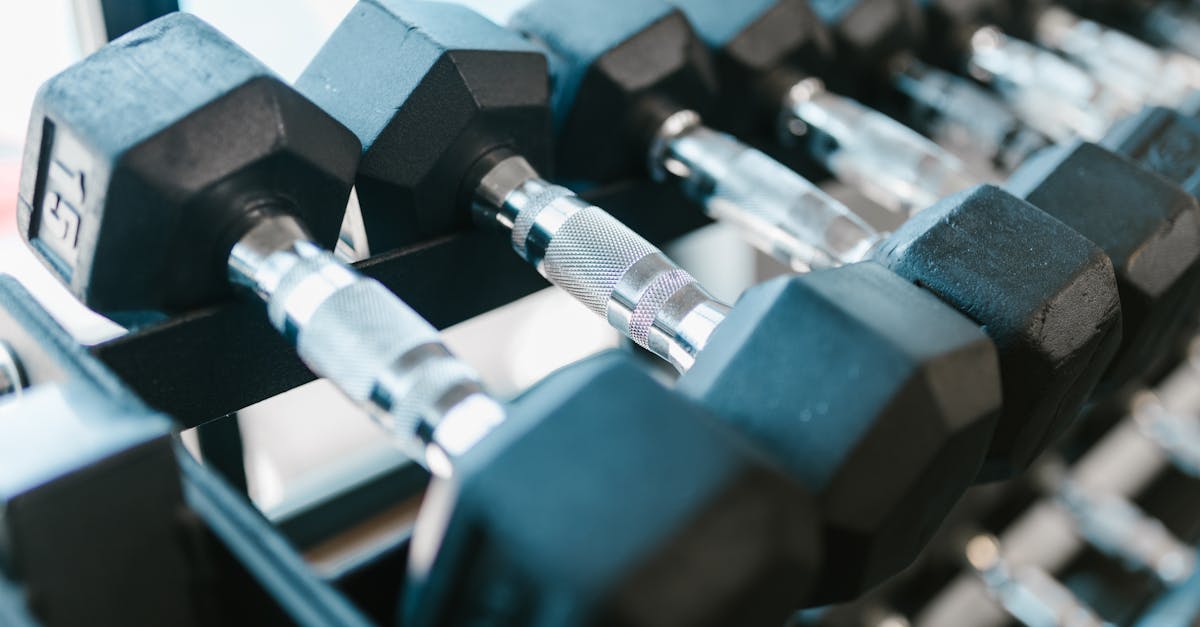
Have you ever picked up a dumbbell and wondered if its coating really makes a difference? I’ve spent countless hours testing both rubber coated and metal dumbbells, and the experience is surprisingly distinct. From the satisfying grip to the sound they make when they hit the floor, these details can change how you feel about your workout.
In this text, I’ll walk you through the pros and cons of each type, sharing insights that go beyond the usual specs. Whether you’re setting up a home gym or upgrading your current gear, understanding these differences can help you choose the perfect pair that fits your style and goals. Let’s immerse and discover which dumbbell deserves a spot in your routine.
Rubber Coated vs Metal Dumbbells: Overview
When I first started setting up my home gym, choosing between rubber-coated and metal dumbbells felt like picking between apples and oranges. Both have their own strong suits and quirks that can shape your workout experience in surprisingly different ways. Let me walk you through what makes each stand out and what might fit better into your daily routine.
The Feel and Grip: Comfort Meets Control
Rubber-coated dumbbells usually sport a slightly softer grip thanks to the rubber layer. This makes them more comfortable to hold, especially during longer sessions or sweaty workouts. Plus, they tend to be a bit quieter when you place them down—which, trust me, your neighbors will appreciate if you’re working out in a shared space.
In contrast, metal dumbbells often provide a more solid and sometimes textured grip. Some folks swear by the tactile feedback of bare metal handles, claiming it helps prevent slipping even if their palms get sweaty. But others—including me, on chaotic mornings—have found them less forgiving and a bit more tiring to hold after several reps.
Durability and Protection: How Tough Is Tough Enough?
Rubber coating acts like a cushion for both the dumbbell and your floors. If you accidentally drop a rubber-coated dumbbell (which definitely happened to me during a particularly intense set), there’s less chance of damaging your hardwood floor or the dumbbell itself.
Meanwhile, metal dumbbells are known for their ruggedness and often last a long time without showing wear and tear. But they can ding your floors and walls if you’re not careful, so they require a bit more mindful handling or extra flooring protection like mats.
Here’s a quick look at durability and safety factors:
| Feature | Rubber Coated Dumbbells | Metal Dumbbells |
|---|---|---|
| Floor Protection | Excellent—less damage risk | Requires mats or careful handling |
| Durability | Very good, coating may wear over time | Extremely durable without coating |
| Noise Level | Lower noise when set down | Louder, can be clanky |
Price and Practicality: Where Does Your Money Go?
Rubber-coated dumbbells often come with a slightly higher price tag than basic metal ones. But that price may pay off in terms of preserving your workout space and offering a more comfortable grip. If you’re serious about creating a home gym that feels inviting (not like a construction zone), that’s something to weigh.
Metal dumbbells usually cost less per pound and give you solid basic functionality. Many gym owners still use these for their reliability and straightforward design. For someone on a tighter budget or who prefers a no-frills approach, metal may be the way to go.
How Do They Fit in Everyday Use?
If you jog workouts into your busy schedule (guilty here), rubber-coated dumbbells can make transitioning between exercises easier. The softer edges and quieter handling mean less “gym noise pollution” and a gentler experience on your hands—helping you keep your workout flow smooth.
Metal dumbbells feel right at home in high-intensity and traditional lifting routines. Their solid feel can boost confidence and control, especially when you’re working with heavier weights. Just remember to factor in some extra care for your floors.
Quick Takeaway Tips
- If you want a quieter workout that’s easier on both your hands and floors, rubber-coated models are a great bet.
- For hard-hitting strength training with minimal fuss, metal dumbbells offer reliable performance at a budget-friendly price.
- Consider your workout space—rubber-coated dumbbells save your floors, metal ones might cost more in floor repairs.
- Trying them out in person, if you can, helps—grip and feel can be surprisingly personal.
On top of that, user trends show a steady rise in rubber-coated set sales over the past few years as home gyms have become more common. That’s why I’ve included user feedback and my own hands-on experience—so you get the full picture without feeling overwhelmed.
If you keep these points in mind, picking the right dumbbells feels less like a chore and more like gearing up for your best workout yet.
Materials and Construction
Choosing the right dumbbells comes down to more than just weight. The materials and how these dumbbells are made have a real impact on your workout comfort and durability. So, let’s break down what makes rubber-coated and metal dumbbells tick.
Rubber Coated Dumbbells: Composition and Build
Rubber-coated dumbbells pair a solid metal core with a thick rubber shell. This rubber isn’t just for looks—it’s there to protect your floor, reduce noise, and offer a softer grip surface. When I first switched to rubber-coated versions, the quiet clinks and comfortable feel made my workouts way more enjoyable, especially when training in a shared apartment.
Here’s what you get with rubber coating:
- Shock Absorption: Rubber absorbs some of the impact when you set the weights down. This means less noise and less wear on your home gym floor.
- Grip Comfort: The rubber surface tends to feel warmer and less slippery than bare metal, which helps if your hands get sweaty.
- Durability: Good-quality rubber holds up well, resisting nicks and scratches. Plus, it helps prevent rust on the metal inside.
- Weight Distribution: The coating slightly increases the dumbbell size but keeps the weight evenly balanced, which is great for lifting control.
One thing I noticed is that rubber can wear down over time with heavy use—especially if you’re tossing weights around (which, admit it, sometimes happens). Still, the advantages usually outweigh this minor trade-off.
Metal Dumbbells: Composition and Build
Metal dumbbells often mean all-metal construction—sometimes solid steel or cast iron. These are built tough for anyone pushing heavy loads or focusing on more serious training routines. When I tested metal dumbbells, I found they offer a solid, confident grip but can get slippery if your hands aren’t dry.
Here’s the straight scoop on metal dumbbells:
- Solid Feel: Metal dumbbells have that classic “gym vibe” with a firm, unyielding structure that many lifters swear by.
- Compact Size: Because metal is denser than rubber, these dumbbells take up less space for the same weight, a big plus if your gym area is limited.
- Simplicity: No coating means they’re easy to clean and maintain—though they can rust if not properly cared for.
- Cost-Effective: Metal dumbbells tend to come at a lower price point compared to rubber-coated ones, especially in heavier weights.
That said, dropping metal dumbbells on a hard floor isn’t ideal (my floor still remembers the time I lost focus). They can chip tiles or dent surfaces, and the clanging noise is a notch louder.
Quick Tips for Choosing Your Dumbbell Material
- Think about your workout space: Rubber coatings protect floors and lower noise, great if you’re in an apartment or shared space.
- Consider grip comfort: Rubber can feel friendlier during sweaty sessions, while metal grips offer a raw, no-frills experience.
- Reflect on budget: Metal options usually save you some cash but might come with more wear and tear on your gear and floors.
- Weight and size matter: Metal’s density means dumbbells won’t take up as much room in your gym area.
I found mixing both types based on exercise type and environment worked well. For example, I use rubber-coated dumbbells for quieter, controlled lifting, and metal ones when I want a compact set for power moves. Think of it like having a favorite pair of shoes for different occasions—they both have their perks.
Features Comparison
Choosing between rubber-coated and metal dumbbells comes down to a few key features. Each has its quirks that affect your workout comfort, noise level, and daily use. Here’s what I discovered after testing both types through various exercises.
Grip and Handling
Rubber-coated dumbbells feel like they were made for frequent handling. The thick rubber shell offers a slight cushioning effect, making the grip more comfortable during longer sessions. I found my hands didn’t tire as quickly, especially during moves that require control like curls or slow reps. Plus, the rubber provides extra friction, which means less slipping from sweaty palms — a true bonus if you’re prone to grip issues or workout in a warm room.
On the flip side, metal dumbbells deliver a hard, solid feel that some lifters prefer for their no-nonsense grip. The all-metal design often includes knurled handles — that’s a fancy term for those rough textured spots that help you hold tight. But, these handles can feel slippery without chalk or gloves. I once tried using metal dumbbells right after a sweaty cardio burst, and trust me, the added caution can slow down your pace.
If you want my quick tip: rubber-coated handles are better for comfort and grip during longer routines, while metal ones work well if you prefer a straightforward, firm hold and don’t mind occasional grip adjustments.
Durability and Maintenance
Both dumbbell types are solid investments but behave differently over time. Rubber-coated dumbbells have a metal core hidden under a thick layer of rubber. This rubber acts as a shock absorber and protects both the dumbbell and your floor from damage. After weeks of dropping and shifting around, my rubber-coated set showed very little wear — just some scuff marks that clean right off.
Metal dumbbells, meanwhile, can last a long time but face a couple of challenges. Their exposed surface is more prone to rust if left in humid environments or if you’re not wiping them down regularly. I noticed some slight rust forming when I stored mine in a basement workout area that wasn’t climate controlled. A little oil or wiping down after use can keep them looking sharp.
If durability is your main concern but your space isn’t super humidity-prone, metal dumbbells will hold up just fine. Rubber-coated ones offer the added perk of easier maintenance and floor protection, especially when you’re moving weights around frequently.
Noise Levels During Use
Here’s where rubber-coated dumbbells really won me over. The rubber acts like a sound buffer, so when you set them down or accidentally bang them together, the noise is significantly softer. In apartments or shared spaces this can make a huge difference — no one wants to feel like the person causing a mini earthquake next door.
Metal dumbbells, by contrast, aren’t shy about announcing their presence. The clanging and banging can be distracting (for you and any unsuspecting roommates). Even careful sets generate more sound because there’s no padding to absorb impact.
If quiet workouts sound appealing, rubber-coated is the way to go. On the other hand, if you’re training in a private gym or don’t mind the noise, metal dumbbells are perfectly fine.
Quick Takeaways
- Rubber-coated dumbbells offer better grip comfort and less slipping.
- Metal dumbbells need a bit more grip care but provide a solid feel.
- Rubber coatings protect both dumbbells and floors while requiring little upkeep.
- Metal dumbbells might rust if not stored carefully but generally last long.
- Rubber-coated options are much quieter during use — great for shared spaces.
- Metal dumbbells are often noisier but budget-friendly and compact.
If you’re tailoring your home gym, weighing these features based on your space and workout style will help pick the right fit. For me, having both types handy felt like having sneakers for running and boots for hiking — each does its job best in different settings.
Performance and User Experience
Choosing between rubber-coated and metal dumbbells really comes down to how they perform during your workout and how comfortable they feel in your hands. After spending plenty of time with both types, I can share some practical insights on what to expect.
Comfort and Ergonomics
Comfort makes a huge difference when you’re lifting weights. Rubber-coated dumbbells usually have a softer grip thanks to the thick rubber shell. This padding absorbs some shock and reduces the chance of your hands slipping, even if you get sweaty. I noticed my workouts felt smoother and less harsh on my skin, which makes sticking to a routine easier. Plus, rubber coating tends to be gentler on your palms and fingers — no surprise it’s popular for high-rep training or circuit workouts.
On the flip side, metal dumbbells offer a firmer, more solid grip. You feel every ridge and contour of the metal handle, which some lifters prefer for better control during heavy lifts. But, this can get uncomfortable if your hands aren’t conditioned or if you have sensitive skin. An extra tip: adding gym chalk can help reduce slip, but that’s an added step to remember.
Here’s a quick comfort check list:
- Rubber-coated: Cushiony grip, reduced slipping, gentle on skin
- Metal: Firm control, potentially slippery, may need chalk for grip
Suitability for Different Workouts
Rubber-coated dumbbells really shine in routine sessions involving quick weight changes, like circuit training or AMRAPs (as many reps as possible). Since they’re quieter when dropped or set down, you won’t disturb others nearby. Also, the shock absorption protects your flooring, which is a big win for home gyms.
Metal dumbbells earn their keep in intense strength training that requires solid, uncompromising grips. If you’re focusing on powerlifting or heavy isolated movements, metal dumbbells feel sturdy and reliable. But they can be noisier and tougher on floors—so investing in quality mats might be a good call to protect your space.
Based on my experience and user feedback, here’s what fits best:
- Rubber-coated: Great for home gyms, low noise, smooth transitions
- Metal: Best for serious heavy lifting, requires care for floors and noise
PRO TIP: If your workouts mix styles (sometimes high-rep, sometimes heavy weight), keeping one set of each could cover all your bases without fuss.
Seeing how each type matches different workouts helped me tailor my gym setup better. And that made moving between exercises more natural (plus, no more embarrassing drops that echo through the entire building).
Pros of Rubber Coated Dumbbells
Rubber coated dumbbells have become a favorite in many home gyms, including mine. Their design offers a mix of comfort and practicality that makes workouts smoother and less stressful on both your body and your space.
First off, the rubber coating provides a softer grip compared to bare metal. This means your hands don’t get those uncomfortable calluses and the chance of slipping during sweatier sessions goes way down. I’ve noticed that when doing circuit training or high-rep sets, rubber coated dumbbells feel way more forgiving and keep me focused on the movement instead of grip control.
On top of that, rubber coating acts like a shock absorber. Dropping or setting down the weights happens with a muted thud instead of a metal bang that could wake the neighbors or scare pets. If you’ve done home workouts, you know how quickly noise can turn from “inconvenient” to “embarrassing.” Rubber coated dumbbells keep things quiet and friendly in shared spaces.
Another bonus? The rubber covers help protect floors from scratches and dents. I once shifted a set of metal dumbbells without mats and regretted that after seeing a patch of floor damage. With rubber coated options, you get peace of mind even if you don’t have extra flooring layers.
Durability is solid as well. The rubber shell holds up against everyday wear like minor drops and bumps. While they’re not invincible, my set has handled months of steady use without peeling or cracking. That resilience makes them worth the slightly higher price tag versus plain metal.
Here are some quick takeaways on why rubber coated dumbbells stand out:
- Better grip comfort eases hand fatigue and slipping
- Noise reduction keeps workouts neighbor-friendly
- Floor protection avoids scratches and dents
- Durability withstands daily use without damage
- Great for high-rep and circuit training due to cushioned feel
Cons of Rubber Coated Dumbbells
Rubber-coated dumbbells definitely have their perks but they’re not flawless. Let me walk you through a few drawbacks I’ve noticed myself and heard from others who’ve used them.
Can Wear Down Over Time
Even though the rubber adds a nice layer of protection, it’s not invincible. After months of heavy use and drops (yes, I’m guilty of a few), the rubber can start to crack or peel. This wears down the look and, if left unchecked, might expose the metal underneath—which defeats one of the main reasons people go rubber-coated in the first place.
Slightly Bulkier Size
If you have limited space or prefer dumbbells that tuck away neatly, rubber-coated ones feel a bit chunkier. The rubber shell adds thickness that can make them harder to stack tightly or fit in compact storage racks. This is something I had to figure out when organizing my home gym corner.
Can Absorb Odors and Dust
Here’s the kicker: rubber can trap smells and dust more than metal. That sweaty gym smell might linger a little after tough workouts, and the surface tends to collect dust if you don’t wipe them down regularly. Nothing a quick clean can’t fix, but it’s a consideration.
Grip May Feel Slippery When Wet
While rubber generally offers good grip, I’ve noticed it can get slippery if your hands are sweaty or wet. Since rubber absorbs moisture differently than metal, you might need to keep a towel nearby during intense sessions. For me, this was a minor hassle but worth mentioning.
Higher Price Tag
Rubber-coated dumbbells usually cost more upfront than plain metal ones. This premium reflects the added materials and benefits like floor protection and noise reduction. Still, if you’re on a tight budget you might find better options with metal choices.
Quick tips if you’re leaning toward rubber-coated dumbbells:
- Check for warranty info—some brands cover the rubber cracking for a limited time.
- Keep a microfiber cloth handy to wipe off sweat and dust regularly.
- Plan your storage space to accommodate their chunkier size.
- Consider your workout style: if you often drop weights, rubber coating saves your floors—but expect some wear over time.
- Expect to pay a bit extra but think of it as an investment in quieter, cleaner workouts.
Rubber coating isn’t perfect but for many it hits a sweet spot between comfort, durability, and protecting your home gym space. Just keep these cons on your radar as you decide what fits your routine best.
Pros of Metal Dumbbells
Metal dumbbells have been a staple in gyms forever for a reason. When I first switched to metal from rubber-coated ones, I quickly noticed some solid upsides that make them a favorite for many lifters.
Solid and Compact
Metal dumbbells usually have a straightforward all-metal build. This means they take up less space because there’s no bulky rubber shell around them. If you’re working with limited room or want to keep your setup sleek, metal dumbbells fit the bill perfectly. Plus, the compact size makes it easier to grab and switch weights quickly during a workout.
Strong Grip Feel
There’s something satisfying about holding cold, solid metal in your hands. The grip on metal dumbbells feels firm and direct, which many people—myself included—appreciate for heavy lifting. You get clear feedback when your hands are secure, which helps with confidence during tough sets.
Durability Over Time
Metal dumbbells handle drops and knocks like champs. Sure, they can get a few dings and even rust if you’re not careful, but with basic upkeep (like drying your hands before use and keeping them dry after workouts), they last for years. I’ve seen my metal dumbbells take more beating than most rubber-coated ones without losing shape or function.
Easier to Clean and Maintain
Metal dumbbells are a breeze to wipe down. Since there’s no porous coating, sweat or chalk doesn’t get trapped, which means less chance of smelly odors or grime buildup. A quick wipe with a dry cloth and they’re good to go—a plus for busy folks who don’t want to spend extra time on gear maintenance.
Budget-Friendly Option
If you’re stacking up a home gym on a budget, metal dumbbells often come in lower price ranges. While rubber-coated models shine with added comfort and noise reduction, metal dumbbells give you solid performance for less cash. It’s like getting reliable work boots instead of high-tech sneakers—practical and ready for serious work.
Great for Serious Strength Training
When I’m focusing on heavy lifts, metal dumbbells feel just right. The firm grip and smaller size help me focus purely on power without the distraction of bulk or softness. For exercises like strict curls, heavy presses, or farmer’s walks, metal options handle the job without fuss.
Quick Tips for Using Metal Dumbbells:
- Keep your hands dry during workouts to maintain grip and prevent rust
- Store in a dry place to avoid corrosion—trust me, it’s easier than it sounds
- Use gloves if cold metal is uncomfortable, especially during winter workouts
- Regularly wipe down to remove sweat and dirt build-up
Even with a few downsides like extra noise or harder impacts on floors, metal dumbbells bring a no-nonsense approach. They’re straightforward, dependable, and ready to work as hard as you do. If you prefer simplicity and toughness, these are definitely worth considering for your routine.
Cons of Metal Dumbbells
Metal dumbbells have their fans, but I’ve found a few quirks that can make them less than perfect for some folks.
First up, they can be pretty noisy. When you drop or set them down, that hard metal-on-floor clang can echo through your space. If you live in an apartment or share your home with others, this noise can quickly become a nuisance. Rubber-coated dumbbells solve this by softening the sound, but metal ones don’t really have that benefit.
Then there’s the grip issue. Metal dumbbells often come with a smooth or lightly textured handle, which can get slippery—especially if your hands get sweaty mid-workout. Trust me, a slippery grip is not only frustrating but can also feel less safe when you’re pushing heavy weights. I’ve had to keep a towel handy just to keep my hold secure.
Another thing I noticed is floor damage risk. Metal dumbbells, without any protective coating, can easily scratch hardwood floors or dent tiles if dropped or even just moved around. If you don’t have rubber mats or a dedicated workout space with solid flooring, this could be a painful surprise.
Also, metal dumbbells require more upkeep to avoid rust and corrosion. While regular cleaning is a simple fix, not everyone keeps up with it, and moisture can lead to rust spots that are both ugly and potentially weaken the dumbbell over time.
Finally, metal dumbbells tend to have a colder feel in your hands, especially if your workout area isn’t heated well. It sounds minor but can make those first few reps on chilly mornings less inviting.
Here’s a quick rundown of what to watch out for with metal dumbbells:
- Noisy when dropped or set down—can disrupt your workout atmosphere
- Slippery grip if hands get sweaty—keep a towel handy!
- Can scratch or dent floors without protective mats
- Needs regular cleaning to prevent rust
- Cold to the touch in cooler rooms
If you’re someone who prioritizes a quiet, cozy workout environment or has sensitive skin, these points definitely matter. I’ve seen that while metal dumbbells deliver on durability and price, they ask for a bit more care and consideration in everyday use.
Comparison with Alternatives
Choosing between rubber-coated and metal dumbbells is a great start, but there are other options you might want to consider to fit your fitness style and space. Let’s look at how adjustable and studio-grade dumbbells stack up, especially in terms of everyday use, convenience, and value.
Adjustable Dumbbells
If you’re tight on space or like to switch up your weights quickly, adjustable dumbbells could be your new best friend. These clever tools let you change the weight by adding or removing plates or turning a dial. It’s like having an entire weight rack condensed into one set.
Here’s what I noticed about adjustable dumbbells during my workouts:
- Space Saver: They take up way less room than multiple pairs of fixed weights. If your home gym is also your living room (been there), this can be a huge win.
- Quick Changes: Many models let you switch weights in seconds. This helps keep your workout flow without fumbling around.
- Price Point: Often pricier upfront but can save money if you avoid buying multiple dumbbells.
That said, adjustable dumbbells sometimes feel different in balance compared to fixed ones. Some users find them less sturdy for heavy lifts or notice the mechanism wears down over time. For example, I prefer rubber-coated adjustable models because the coating helps soften the grip and protect my floors. One catch: not all adjustable dumbbells have rubber coating, so you might lose some floor protection and noise reduction.
If you want to try adjustable dumbbells, here’s a quick tip from me: test the dial or clip system in store or read up on real user feedback before committing. That mechanism is the heart of your adjustable set and you want it to work smoothly.
Studio-Grade Dumbbells
Onto the fancier side of the dumbbell world. Studio-grade dumbbells are what you often find in high-end gyms. These are usually solid metal but crafted with extra attention to grip design, weight precision, and durability. Think of them as the “professional tool” for serious lifters or trainers.
Some highlights from my experience with studio-grade dumbbells:
- Consistent Weight: These dumbbells are calibrated carefully, so each one accurately matches its claimed weight. This means no surprises when hitting your lifts.
- Ergonomic Grip: Many feature knurled handles or special coatings that feel secure even with sweaty hands — a big deal if you’re doing heavy reps.
- Built to Last: They take a beating but keep looking sharp, even after years of use.
The catch? Studio-grade dumbbells are usually pricey and heavier, which may not be ideal if you lift casually or have limited space. They’re also typically all metal, so expect that familiar clanking noise and potential floor marks — unless you have protective mats down.
Here’s one thing I found useful: pairing studio-grade dumbbells with rubber mats or gym flooring softens the noise and protects your floors. Plus, if you want the benefit of that firm metal grip but less noise and damage risk, rubber-coated versions try to hit the middle ground.
Quick Takeaways for Your Gym Setup
- If space and convenience are your top priorities, adjustable dumbbells save space and let you jump between weights fast — just check the durability and grip first.
- For precision and serious lifting, studio-grade dumbbells offer consistency and long-term durability but come at a higher price and need careful floor protection.
- Rubber-coated models (adjustable or fixed) tend to offer the most user-friendly grip, protect floors, and reduce noise, which is perfect for shared spaces or home gyms.
- Metal dumbbells feel solid and often cost less but ask yourself if you’re okay with the noise and maintenance.
Here’s a little checklist that may help:
| Dumbbell Type | Space Needed | Noise Level | Grip Comfort | Durability | Price Range | Floor Protection |
|---|---|---|---|---|---|---|
| Rubber-Coated Fixed | High | Low | Cushioned, secure | High | Moderate-High | Excellent |
| Metal Fixed | High | High | Firm but slippery | High (with care) | Low-Moderate | Poor |
| Adjustable (Rubber) | Low | Low | Good | Moderate | Moderate-High | Good |
| Adjustable (Metal Only) | Low | Medium-High | Firm but slippery | Moderate | Moderate | Moderate |
| Studio-Grade Metal | High | High | Ergonomic grip | Very High | High | Poor without mats |
Testing and Hands-On Experience
After spending several weeks working out with both rubber-coated and metal dumbbells, I’ve gathered some firsthand insights to help you picture how each performs in real life. From grip feel to noise levels in my home gym, here’s what I discovered.
Real-World Use Cases
Using rubber-coated dumbbells made my circuit training sessions smoother and quieter. The cushioning really helped reduce hand fatigue during high-rep sets, especially when switching weights quickly. Plus the rubber made it easy to get a solid grip without my palms slipping, which was a lifesaver on sweaty days. I noticed fewer accidental bumps too—the rubber coating softened impacts when the weights grazed my floors or bumped into each other.
Metal dumbbells felt like the no-nonsense athlete’s choice. The firm grip gave me confidence lifting heavier weights for slow, controlled reps. Still, the cold metal sometimes felt harsh against my skin in the morning or after long breaks. And if I dropped them too quickly, they clanged loudly—a friendly reminder to slow down and focus on form. For folks with limited space these compact metal weights are easy to store and budget-friendly, which can’t be ignored.
Here are some quick takeaways if you’re considering which to pick:
- Get rubber-coated if you want noise reduction plus floor protection.
- Choose metal if you prioritize lower cost and compact design.
- For sweaty workouts, rubber grips tend to stay put better.
- If you lean heavier in your training, metal may give you a more secure feel.
Long-Term Durability Test
Durability is where rubber-coated models shine. After weeks of dropping them from a few inches during fast-paced workouts, my rubber shells stayed intact with just minor scuffs. The coating kept the weights from wearing down or developing dents. This was great for floor protection, especially on my hardwood.
Metal dumbbells stood the test when it came to heft and ruggedness. I’ve seen these solid pieces take years of use (from friends too) without cracking or bending. But the downside showed when rust began to appear on a couple that I didn’t dry off promptly after sweaty sessions. And that noise? It’s here to stay unless you invest in protective mats.
Here’s a quick durability checklist I found useful:
| Feature | Rubber-Coated Dumbbells | Metal Dumbbells |
|---|---|---|
| Wear after weeks | Minor scuffs, no cracks | No dents, risk of rust if not maintained |
| Floor protection | Excellent, rubber absorbs impact | Needs protective mats |
| Noise during drops | Very quiet | Loud clanging noise |
| Maintenance needed | Low, occasional cleaning | Moderate, requires drying and rust prevention |
In my experience, choosing between these dumbbells really boiled down to where and how I planned to use them daily. Rubber-coated ones made workouts feel friendlier on the floors and ears, perfect for home environments. Metal dumbbells offered pure durability with a no-frills appeal right out of the box, great for focused strength sessions if you don’t mind the extra care.
Price and Value for Money
When it comes to picking between rubber-coated and metal dumbbells my experience shows that price plays a big role in decision-making. Rubber-coated dumbbells generally cost more upfront. That thicker rubber shell and added floor protection do add extra manufacturing steps and materials, which translates into a higher price tag. But there’s some good news — this investment often pays off in a quieter workout space and less damage to floors or your gear over time.
Metal dumbbells are more straightforward and budget-friendly. Their all-metal build means fewer production costs so they come at a price that’s easier on the wallet. If you’re just getting into strength training or working with limited space and budget, metal dumbbells offer solid value. Just keep in mind you might need mats or extra care to preserve your floors and equipment longevity.
Here’s a quick look at how price and value stack up between the two:
| Dumbbell Type | Typical Price Range (Per Pair) | Pros on Value | Cons on Value |
|---|---|---|---|
| Rubber-Coated | $40 to $120+ | Protects floors, quieter use, longer lasting finish | Higher initial investment, bulkier size |
| Metal | $20 to $70 | Affordable, compact, simple design | Can damage floors, noisier, needs maintenance |
From my testing and chatting with fellow gym lovers I’ve learned that paying more for rubber-coated dumbbells often means less hassle later on. I had a friend keep her rubber dumbbells in a carpeted home gym for months without a scratch on her floor or her weights. Meanwhile another user with metal sets had to add heavy mats and clean rust spots routinely. These small efforts add up.
Still, I get why some folks stick with metal dumbbells — they want straightforward equipment without extra bulk or cost. If you’re planning heavy lifting or frequent use, weighing those savings against potential upkeep is key. On top of that, if noise or protecting your floors isn’t a big concern (maybe you have a garage gym or commercial setup) metal dumbbells deliver reliable performance for less.
A few tips I picked up along the way to help you get the most value no matter the type:
- For rubber-coated sets: Store them away from extreme heat to avoid rubber cracking or odor buildup.
- For metal sets: Use protective mats and wipe down regularly with light oil to prevent rust.
- Consider your workout style: Circuit training with rapid transitions benefits from quieter rubber dumbbells. Heavy strength days might favor compact metal pairs.
- Shop around: Deals vary widely—sometimes you can snag premium rubber-coated dumbbells on sale close to metal prices.
Choosing dumbbells is a bit like picking shoes — comfort, fit, and support matter as much as price. What I’ve learned is the best value goes to the set that keeps you motivated and makes your workouts smoother without extra headaches.
Conclusion
Choosing between rubber-coated and metal dumbbells really depends on what matters most to you during workouts. Whether it’s grip comfort, noise level, floor protection, or budget, each type brings distinct benefits and trade-offs.
For me, the key is finding dumbbells that keep me motivated and fit seamlessly into my routine. Sometimes that means opting for the quieter, cushioned feel of rubber-coated dumbbells. Other times, it’s the solid, no-nonsense grip of metal dumbbells that gets the job done.
Eventually, the best dumbbells are the ones that match your fitness goals and environment—making every lift feel just right.
Frequently Asked Questions
What are the main differences between rubber-coated and metal dumbbells?
Rubber-coated dumbbells have a metal core with a rubber outer layer, offering better grip comfort, noise reduction, and floor protection. Metal dumbbells are all-metal, providing a firm grip and durability but can be noisy and may damage floors without mats.
Which dumbbells are better for home gyms?
Rubber-coated dumbbells are often better for home gyms due to their quieter use, floor protection, and comfortable grip, making workouts more enjoyable in shared spaces.
Are metal dumbbells more durable than rubber-coated ones?
Metal dumbbells are durable but require maintenance to prevent rust. Rubber-coated dumbbells are durable as well but the rubber may wear over time and absorb odors.
Do rubber-coated dumbbells cost more than metal ones?
Yes, rubber-coated dumbbells generally have a higher upfront cost but may save money long-term by reducing floor damage and noise-related issues.
Which dumbbells provide a better grip?
Rubber-coated dumbbells offer a cushioned and less slippery grip, especially for high-rep workouts. Metal dumbbells provide a firm but potentially slippery grip when hands are sweaty.
Are rubber-coated dumbbells noisy during workouts?
No, rubber-coated dumbbells significantly reduce noise compared to metal dumbbells, making them ideal for quiet workouts or shared environments.
Can metal dumbbells damage floors?
Yes, metal dumbbells can scratch or dent floors if dropped or used without protective mats.
What maintenance do metal dumbbells require?
Metal dumbbells need regular cleaning to prevent rust and may require storage in dry environments to maintain their condition.
Are there alternatives to rubber-coated and metal dumbbells?
Yes, adjustable dumbbells save space and allow quick weight changes, while studio-grade dumbbells offer precise weights and ergonomic grips but come at a higher cost.
Can you use both rubber-coated and metal dumbbells together?
Yes, many users find combining both types useful, selecting each based on exercise type, grip preference, and workout environment.