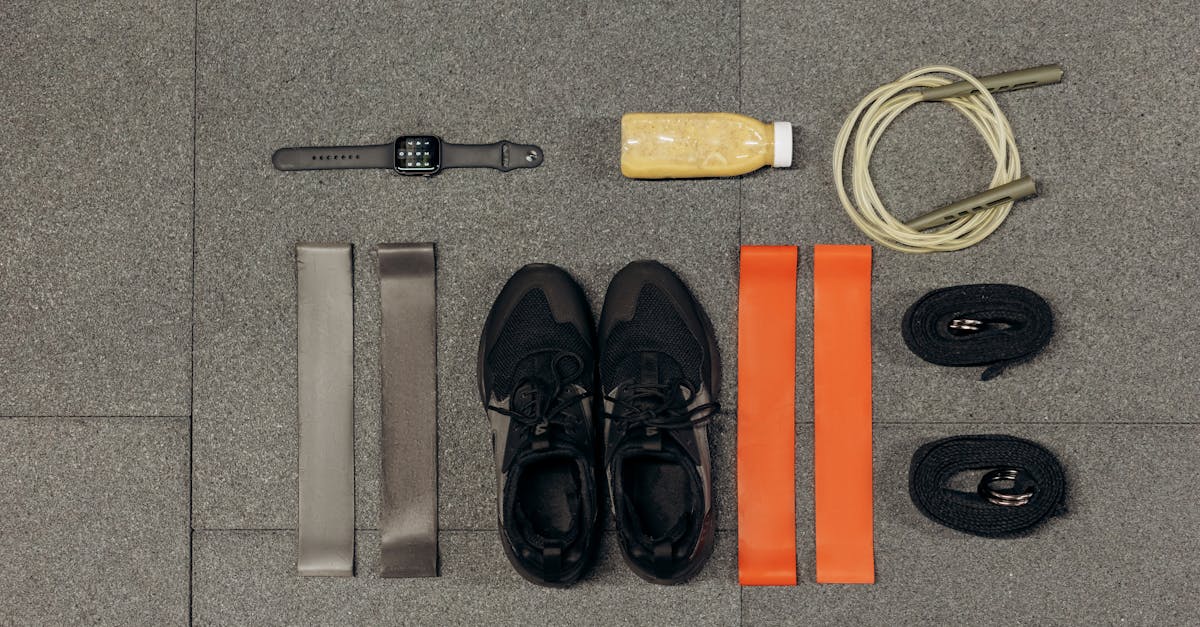
Have you ever felt stuck in your workout routine, craving something simple yet effective to shake things up at home? I know I have. Resistance bands transformed my approach to fitness by adding a fresh challenge without needing bulky equipment or a gym membership.
The stretch and snap of these bands bring a unique rhythm to every move, making workouts feel dynamic and engaging. In this text, I’ll share why resistance bands are a game-changer for home workouts and how they can help you build strength, flexibility, and confidence—all from your living room.
Features of Resistance Bands for Home Workouts
Using resistance bands at home feels like having a mini-gym in your pocket. They are simple yet surprisingly versatile tools that fit into almost any workout plan. Here’s a closer look at what makes these bands such a handy addition to my routine and could easily become so for you too.
Types of Resistance Bands
Resistance bands come in a few shapes and sizes, each serving slightly different workout needs:
- Loop Bands: These continuous circles are great for lower-body moves like squats and leg lifts. I use them often for glute workouts since they keep tension around my thighs without slipping.
- Tube Bands with Handles: These come with handles on each end and mimic dumbbell movements. They’re perfect when I want a firmer grip or to work on arm and upper-body strength.
- Therapy Bands: Flat and lightweight, these bands often help with stretching or rehabilitation exercises. I keep one handy for warm-ups or when I want a gentler resistance after a tough day.
Each type offers something a little different. I find having at least two kinds covers a lot of ground and keeps workouts fresh without needing a lot of extra gear.
Material and Durability
Most bands you’ll encounter are made of rubber or latex, which stretch without snapping easily. Here’s what I’ve learned:
- Latex Bands: These feel stretchy and responsive but note that some people have latex allergies. If you do, there are great non-latex options made from fabric or synthetic materials.
- Fabric Bands: These are usually wider and less likely to roll up during use, which I appreciate during intense sets. They tend to last longer too because they don’t get as sticky or degraded by sweat.
I’ve had resistance bands that last a year or more, but they do wear out if left in direct sunlight or stretched too far regularly. My tip? Store them cool and dry, and inspect for cracks or tears before each session—no one wants a snap mid-squat!
Resistance Levels
Resistance bands often come coded by color to indicate how much tension they provide. Here’s a quick breakdown to help you pick the right one:
| Color | Resistance Level | Best For |
|---|---|---|
| Yellow | Light | Beginners, warm-ups, stretching |
| Red | Medium | Most users, general strength |
| Green | Heavy | Experienced users, muscle gain |
| Blue/Black | Extra Heavy | Advanced strength training |
Picking the right resistance isn’t about going heavy right away. I’ve found starting lighter helps build form and confidence, while layering bands or switching colors lets me step up the challenge smoothly.
Portability and Storage
One of the best things about resistance bands is how easy they are to bring along—no bulky gym bags needed. I toss a couple in my backpack or keep them in a small pouch by my desk for quick workouts during breaks.
Here are a few storage tips I swear by:
- Avoid folding bands too tightly to prevent creases.
- Use a simple hook or wall peg at home to keep them tangle-free.
- Keep a travel pouch handy so you never miss a workout while on the go.
With bands, setting up or switching areas is a breeze. On days when motivation dips, knowing my gear is ready to go anywhere helps me stick to the routine more than you’d think.
Resistance bands fit seamlessly into home workouts without fuss or expense. I like that they invite creativity—you can mix and match types and resistance levels to keep your sessions interesting and effective. If you haven’t tried them yet, they might just bring that spark back to your fitness routine.
Performance and User Experience
Resistance bands have become a staple for my at-home workouts because they bring a surprising amount of punch to my routine. Whether you’re new to using them or have dabbled before, here’s what I’ve found about how they perform and feel during various exercises.
Effectiveness for Different Workout Types
Resistance bands shine in adding variety to all sorts of workouts. I’ve used them for strength training, stretching, and even some cardio circuits. Here’s the scoop:
- Strength Training: Bands offer progressive resistance that challenges muscles just like weights do. For example, loop bands crush leg days by activating glutes and thighs without heavy machines. I noticed my squat form improved because I could control tension throughout the movement.
- Flexibility & Rehab: Therapy bands are perfect for gentle stretching and injury rehab. After a minor shoulder issue, these bands helped me regain mobility safely.
- Cardio & Plyometrics: Adding bands to jumping jacks or quick sprints ups the intensity and calorie burn without making workouts feel like a grind.
Data shows bands help increase muscle activation by 30-40% in some cases compared to traditional bodyweight moves. That little boost means you get more out of less workout time, which is gold when life gets busy.
Ease of Use and Comfort
Still think bands might be complicated? I was surprised how user-friendly they are. The stretch-and-go design means no bulky setup or machines. I just grab the band that fits my mood—light one for quick warm-ups or heavy duty one when I’m feeling ambitious. Here’s why I keep coming back:
- Comfort: Fabric bands feel soft on skin and don’t pinch or roll like latex sometimes can. I avoided the annoying snap or sting that got me when I was careless.
- Grip: Tube bands with handles give that secure hold so I never worry about slipping during moves. Plus, they’re easy to clean after sweaty sessions.
- Travel Friendly: Tossed a set in my bag for a weekend getaway. I didn’t miss a single workout (it really saved me when I forgot my entire afternoon plan).
Adjustability and Versatility
One of the best things about resistance bands is the flexibility they offer to match your fitness level and keep workouts fresh. No need to buy dozens of weights or bulky gear—just a few bands can do the trick.
- You can combine bands for heavier resistance or use them singly for lighter work.
- Switching from upper body to lower body is quick by swapping band types (handles for arms, loops for legs, flat bands for stretch).
- Bands make it easy to modify exercises—for example, stepping wider or smaller changes the tension without extra fuss.
Here’s a quick tip I love: keeping a chart of band colors and their resistance levels near my workout space helps me pick the right one instantly.
| Band Color | Resistance Level |
|---|---|
| Yellow | Light (Great for rehab) |
| Green | Medium (Perfect for beginners) |
| Blue | Heavy (For strength training) |
| Black | Extra Heavy (Advanced level) |
| Red | Variable (Often mixed sets) |
With this system, I don’t have to guess or waste time. Plus, it keeps me challenged week after week.
If you’re wondering whether bands can replace traditional weights for serious gains, my experience and user stats say yes—especially if you pair them with consistent workouts and proper form. They bring convenience without sacrificing results. That said, mixing bands with other workout tools keeps things fun and motivates me to show up regularly.
Pros of Resistance Bands for Home Workouts
Resistance bands have become my go-to for home workouts, and here’s why they work so well.
Compact and Travel-Friendly:
These bands take up hardly any space. I can toss them in my bag and workout anywhere—from my living room to a park bench. No bulky weights or machines crowding my space or my schedule.
Flexible Resistance Levels:
Whether you’re a beginner or someone who can lift serious weight, resistance bands have you covered. They come in different colors indicating different resistance levels. I love how I can switch up intensity easily, either by swapping bands or adjusting how much I stretch them.
Full-Body Workout Options:
You can target just about every muscle group. I use loop bands for leg and glute exercises, tube bands for arms and back, and therapy bands for stretching. It’s like having a mini gym that adapts to all my strength and flexibility needs.
Gentle on Joints:
Resistance bands provide smooth tension without harsh impact. That makes them perfect for warming up or rehabilitating after an injury. When I was recovering from a minor knee strain, therapy bands helped me rebuild strength without pain.
Increases Muscle Activation:
Research shows resistance bands improve muscle engagement compared to bodyweight moves alone. That means I get more out of my workout in less time—perfect for busy days. Muscle engaging exercises tone and strengthen efficiently with these bands.
Affordable and Durable:
Good quality bands cost a fraction of traditional gym gear. Mine have held up well for months—even after daily use. Storing them away from heat has helped keep them from snapping, but they’re tough enough to last if you treat them right.
Easy to Modify Exercises:
Still feeling a move is too hard or easy? Just change how far you stretch or combine different bands for custom resistance. It’s like having an adjustable weight set without the clink of metal.
Quick Tips for Getting the Most from Resistance Bands
- Store bands in a cool dry place to extend lifespan.
- Swap bands for different resistance to keep workouts challenging.
- Combine bands for double or triple resistance when needed.
- Use handles if your grip tires easily during tube band exercises.
- Incorporate bands into cardio for added muscle burn on runs or jump rope.
I’ve found resistance bands bring a mix of convenience and serious results that fit right into the rhythm of daily life—even when time or space get tight.
Cons of Resistance Bands for Home Workouts
While resistance bands have become my go-to for home workouts, they aren’t without their quirks. Here’s what I’ve noticed—and what you might want to keep in mind before pulling one out of the drawer.
Limited Maximum Resistance for Heavy Lifters
If you’re looking to lift heavy weights or really push your strength limits, bands can feel a bit like trying to fill a bucket with a teaspoon. The top-tier bands still can’t match the heavy resistance of dumbbells or barbells. That means if you’re advanced in strength training, you might find yourself outgrowing bands sooner than expected.
Wear and Tear Can Sneak Up On You
Resistance bands are tough but not invincible. Over time they can snap or lose elasticity, especially if left in direct sunlight or used on rough surfaces. I’ve had a few “pop” moments during workouts (yikes!), which reminded me to inspect them regularly and store them carefully. Pro tip: Keep them in a cool, dry place and avoid stretching them beyond their limits.
Grip and Comfort Issues
Not all bands come with handles, and when they do, the grip comfort varies. Tube bands with handles may dig into your hands if you’re sweating it out. Fabric loop bands feel more comfortable but can sometimes slide around during exercises. I’ve had to experiment with different types to find what suits my hands and workout style.
Learning Curve for Proper Form
Bands might seem simple, but they add a twist when it comes to maintaining good form. Because they provide variable resistance (more tension as you stretch), it’s easy to cheat or let your form slip, which can reduce effectiveness or even cause strain. I recommend watching tutorials or consulting a fitness pro when starting out to avoid this common pitfall.
Limited Exercise Variety Compared to Gym Equipment
While versatile, resistance bands can’t completely replace equipment like kettlebells or cable machines, especially for certain compound movements. Some moves just don’t translate well to bands and might feel awkward or less effective. If your workout thrives on variety, you’ll want to mix bands with other tools for balance.
Not Always Beginner-Friendly Without Guidance
If you’re new to resistance bands, figuring out the right resistance level and exercise setup can be confusing. Starting with bands that are too light or heavy can dampen progress or cause frustration. I found it helpful to start slow, try different colors (which usually indicate resistance level), and listen to my body.
Quick Tips to Dodge Common Resistance Band Troubles
- Inspect bands before each use: Look for cracks or thinning spots.
- Choose resistance levels that fit your current strength: Too hard or soft can slow progress.
- Store bands away from sunlight and heat: To keep their stretchiness intact.
- Combine bands or pair with weights: For increased challenge as you advance.
- Practice form in front of a mirror or with video tutorials: Helps keep exercises safe and effective.
Every tool has its quirks and resistance bands are no exception. But with a little care and know-how, they fit right into daily routines as a flexible and friendly workout partner—even if they don’t do all the heavy lifting themselves.
Comparison with Other Home Workout Equipment
Resistance bands bring a fresh vibe to home workouts, but how do they really stack up against other popular gear? Let’s break down some honest comparisons so you can decide what suits your space, style, and goals best.
Resistance Bands vs Dumbbells
When I first switched from dumbbells to resistance bands, I expected a compromise on strength training. Surprisingly, resistance bands offer surprisingly solid muscle engagement. Research shows bands can activate muscles similarly to free weights but with less joint strain—perfect for folks like me who want effective workouts without the elbow aches.
Here’s what I noticed:
- Portability: Bands fit comfortably in any drawer or travel bag. Dumbbells? Not so much (unless you have a truck).
- Versatility: You can adjust resistance by changing band thickness or doubling up. Dumbbells have fixed weights unless you invest in sets.
- Space-Saving: Bands take almost zero space compared to shelves filled with dumbbells.
- Cost: Bands tend to be easier on the wallet.
- Grip & Feel: Dumbbells offer a solid grip and a familiar weighted feel, while bands sometimes slip (tip: chalk up your hands or get fabric-covered bands).
If you’re a fan of heavy lifting, dumbbells might still be your go-to. But if you want a flexible, beginner-friendly option that grows with you, bands are a solid pick.
Resistance Bands vs Bodyweight Exercises
Bodyweight workouts are like the classics—no equipment needed, just your body and a floor. But resistance bands add a new twist that spices up movements and ramps up muscle activation.
From my experience:
- Targeted Resistance: Bands provide constant tension through the entire motion, something bodyweight exercises can lack once your strength improves.
- Variety: Bands let you tweak resistance in exercises like squats, rows, or bicep curls where bodyweight options don’t always hit the same muscles hard.
- Joint Friendly: Both methods are gentle, but bands give customizable resistance without harsh impact.
- Learning Curve: Bodyweight workouts are simple to start. Bands require a bit of instruction to master moves safely—but that’s part of the fun.
- Progress Tracking: With bands, you can increase resistance levels in small steps instead of adding awkward variations to bodyweight moves.
So if you already love bodyweight moves, adding bands can boost your gains and keep workouts exciting without feeling like a whole new language.
Resistance Bands vs Machines
Gym machines are like the fancy rides at the amusement park: stable, guided, and sometimes intimidating. At home, resistance bands feel more like having your own personal trainer who’s flexible and never judges.
Here’s the lowdown:
- Accessibility: Bands don’t require a bulky setup or electricity—just clip, stretch, and go.
- Muscle Engagement: Machines guide your movement along a fixed path, which is safe but sometimes less effective at engaging stabilizer muscles. Bands force your body to balance and control movements, building overall coordination.
- Cost & Space: Machines can cost hundreds if not thousands and eat up space fast. Bands cost a fraction and fit anywhere.
- Customization: Machines often weight-stack in fixed increments. Bands offer infinite resistance options based on how you stretch or combine them.
- Risk of Injury: Machines reduce bad form risk thanks to preset paths. Bands need careful attention to technique or you might pull a wrong muscle.
In my humble opinion (and experience), resistance bands provide the freedom to move naturally while keeping workouts versatile and fun. Machines can be helpful if you crave structure or rehab support. But for day-to-day home workouts, bands strike a nice balance between simplicity and challenge.
Quick Takeaway Tips for Picking Your Gear
- If space and budget are tight, resistance bands are your best friend.
- For heavy lifting fans, keep a pair of dumbbells handy plus to bands.
- Combine bands with bodyweight moves to keep workouts fresh and effective.
- If you struggle with form or need rehab exercises, consider mixing bands with occasional machine sessions at a gym.
- Always inspect bands for wear and replace when stretched thin to avoid surprises during workouts (trust me, safety first!).
Resistance bands have transformed my home workouts by making strength training flexible and fun without the hassle of bulky equipment. They fit into my schedule, my space, and my goals—and maybe they can do the same for you.
Hands-on Experience and Testing
Getting a feel for resistance bands beyond reading specs was key for me. I put them through different workout scenarios to see how they hold up in real life and how they fit into everyday routines.
Workout Routines Tested
I tried a mix of popular home workouts that covered strength building, flexibility, and cardio. Here’s a quick look:
- Lower-Body Blast: Loop bands around my thighs for squats, glute bridges, and side steps. These targeted my hips and legs with added resistance.
- Upper-Body Strength: Tube bands with handles let me do bicep curls, shoulder presses, and rows. The grips made it feel closer to dumbbell training.
- Full-Body Cardio: I combined light to medium bands for quick circuits that included jumping jacks, band pulls, and mountain climbers.
- Stretch & Recovery: Therapy bands helped lengthen muscles during cool-down stretches and fine-tuned mobility work.
Each routine was adjusted by swapping band resistance levels or layering two bands for added challenge. It took me a few sessions to get the right resistance mixes but once dialed in workouts felt just right—not too easy or too frustratingly tough.
Results and Observations
Here’s what stood out after a few weeks using bands regularly:
- Real Muscle Burn: Resistance bands ramp up muscle activation, especially compared to simple bodyweight moves. My muscles felt more engaged and fatigued faster — indicating effective work in less time. Studies suggest bands can increase muscle activation by up to 30% over bodyweight. That was noticeable.
- Joint-Friendly Workouts: The elastic resistance was smooth without the harsh impact weights sometimes bring. My joints thanked me especially on squat-heavy leg days.
- Portability Wins: I slipped bands into my bag easily for workouts on the go or quick sessions at home. No bulky gear means workouts stayed consistent even on busy days.
- Durability Check: After weeks of frequent use—not babying the bands—only minor stretching and no tears yet. Proper storage definitely helps prevent damage.
- User Comfort: Tube bands with handles felt secure but some grips got slippery when sweaty. Loop bands were comfortable though they could roll slightly on some fast moves. Here’s a quick tip: chalk or grip-enhancing gloves can fix that.
- Exercise Variety: I found creative ways to level up or tone down workouts by mixing band types and adding bodyweight moves. Yet, bands alone offered fewer exercise options compared to a full home gym setup.
For anyone considering resistance bands, I recommend starting with a set that covers light, medium, and heavy resistance so you can progress naturally. Inspect bands often for wear and switch out if they lose elasticity or get sticky. A little care goes a long way.
Alternatives to Resistance Bands for Home Workouts
Sometimes resistance bands aren’t the right fit for every workout or fitness goal. That said, plenty of other options exist to keep your home workouts fresh and effective without crowding your workout space.
Dumbbells: Classic Strength with a Simple Twist
Dumbbells are a staple for good reason. If you’re looking to build muscle or add a solid weightlifting component to your routine, dumbbells deliver straightforward resistance that’s easy to adjust by switching between lighter and heavier sets.
- They fit easily on a shelf (or tucked under your bed).
- Great for targeting specific muscle groups.
- Offer a natural feel for lifting movements.
I started my own workout journey using a modest set of adjustable dumbbells. They gave me a clear way to track progress since I could bump up the weight bit by bit. One heads-up though: if you don’t store them thoughtfully they could quickly become tripping hazards or noisy neighbors during workouts.
Bodyweight Exercises: Your Built-in Gym Anywhere
No gear? No problem. Your own body is surprisingly versatile for strength, mobility, and cardio workouts.
With moves like push-ups, squats, lunges, and planks you can engage all major muscle groups without extra equipment. Plus, bodyweight workouts can be customized by adding tempo changes or extra reps as you get stronger.
The real win here is convenience—you can squeeze in mini sessions anytime: morning, lunch break, or even during commercial breaks (multitasking champions, unite!). I’ve found combining bodyweight with bands keeps variety in my routine, but if bands aren’t available, bodyweight alone still packs a punch.
Kettlebells: Dynamic Full-Body Power
Kettlebells might look intimidating, but they offer fluid, joint-friendly workouts that engage multiple muscles at once.
Swinging, pressing, and holding a kettlebell provides both strength and cardio benefits. They’re especially good for functional fitness—helping with activities like lifting groceries or playing with kids.
They take up a bit more room than bands but are still manageable in small spaces. I picked up a modest-weight kettlebell after months with bands and noticed a boost in my explosive power and core stability.
Suspension Trainers: Use Gravity to Your Advantage
Suspension trainers use your body weight with straps anchored to a door or beam. They’re fantastic for building strength and stability while challenging your balance.
The setup is easy and the gear folds up small, perfect for making the most of limited space. Exercises like suspended push-ups and rows target muscles deeply while also engaging the core.
I had to adjust to the unstable feel initially but found it a fun way to mix things up after weeks of bands and bodyweight work. Plus, they offer incredible bang for your buck.
Yoga and Pilates Accessories: Beyond Stretching
For those who want to blend strength with flexibility, props like yoga blocks, bolsters, or Pilates rings bring a nice balance.
These tools support better posture and controlled movements, helping improve muscle tone gently. Adding these to your routine can complement resistance bands by focusing on alignment and balance.
One of my favorite combos is starting a session with dynamic stretching and blocks followed by resistance band sets to warm up and build strength smarter.
Quick Tips to Pick What Works for You
- Start by thinking about your goals: Strength? Flexibility? Cardio? Mix and match accordingly.
- If space is tight, opt for bodyweight, suspension trainers, or small weights.
- For injury-friendly workouts, consider kettlebells or Pilates props that emphasize control over heavy resistance.
- Variety keeps motivation high. Rotate through a couple of these tools to stay engaged.
Conclusion
Resistance bands have truly transformed how I approach home workouts. Their versatility and convenience make it easy to stay consistent and keep challenging my muscles without bulky equipment.
Whether you’re just starting out or looking to add variety to your routine, resistance bands offer a reliable and effective way to build strength and improve mobility. With the right care and proper use, they can become a lasting part of your fitness journey.
If you want a compact, affordable, and adaptable tool that fits any space or schedule, resistance bands are definitely worth trying. They’ve made a big difference for me, and I’m confident they can do the same for you.
Frequently Asked Questions
What are resistance bands, and why are they useful for home workouts?
Resistance bands are elastic bands used for strength training, flexibility, and rehabilitation. They are compact, affordable, and versatile, making them ideal for home workouts without bulky equipment or gym memberships.
What types of resistance bands are available?
Common types include loop bands for lower-body exercises, tube bands with handles for upper-body strength, and therapy bands for stretching and rehab. Each type serves different workout needs.
How do resistance bands compare to dumbbells and gym machines?
Bands offer portability, versatility, and cost-effectiveness. They promote natural movement and muscle engagement, while dumbbells are better for heavy lifting. Bands are beginner-friendly and space-saving compared to gym machines.
What resistance levels do resistance bands have?
Bands come in different colors indicating resistance levels, from light to heavy. Choosing the right resistance depends on your fitness level and workout goals.
Are resistance bands suitable for all fitness levels?
Yes, resistance bands come in various resistance levels, making them suitable for beginners to advanced users. They allow gradual strength progression and muscle activation.
How should I store resistance bands to prolong their life?
Store bands in a cool, dry place away from direct sunlight and sharp objects. Avoid overstretching and inspect for wear regularly to prevent snapping.
Can resistance bands replace traditional weights for serious strength gains?
Yes, especially when combined with consistent workouts and proper form, resistance bands can effectively replace traditional weights for building strength, flexibility, and muscle tone.
What are some drawbacks of using resistance bands?
Limitations include lower maximum resistance for heavy lifters, potential wear and tear, grip comfort issues, and a learning curve to maintain proper form during exercises.
How do resistance bands enhance muscle activation compared to bodyweight exercises?
Resistance bands provide targeted resistance that increases muscle engagement and intensity, allowing more effective workouts in less time than bodyweight exercises alone.
Can resistance bands help with joint pain or injury rehabilitation?
Yes, they are joint-friendly and often used in physical therapy to improve flexibility and strength safely without straining joints.
Are resistance bands portable for travel or outdoor workouts?
Absolutely. Their lightweight and compact size make them easy to carry, making workouts possible anywhere—at home, in the park, or while traveling.
What alternatives exist to resistance bands for home fitness?
Alternatives include dumbbells, kettlebells, bodyweight exercises, suspension trainers, and yoga/Pilates accessories. Each has unique benefits depending on your fitness goals and space.