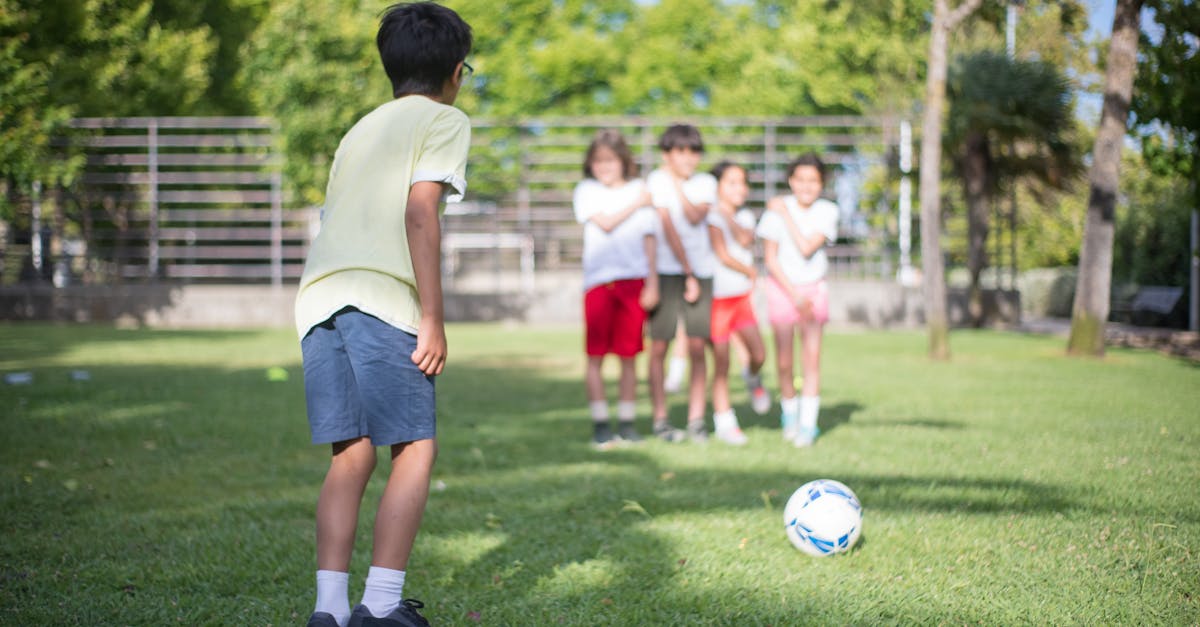
Have you ever imagined turning your backyard into a mini soccer stadium where every kick counts? I’ve found that portable soccer goals bring that dream to life, transforming ordinary grass into a playground full of energy and excitement. The thrill of scoring a goal right at home makes practice fun and keeps the whole family active.
In this text, I’ll share what makes these goals a game-changer for backyard play—from easy setup to durability—and how they can fit any space. Whether you’re coaching a budding soccer star or just looking for a way to enjoy the beautiful game outdoors, portable soccer goals might be exactly what you need to kick things up a notch.
Overview of Portable Soccer Goals for Backyard Play
Portable soccer goals have become a backyard favorite for families who want an easy way to bring some sporty fun right outside their door. These goals are usually lightweight and easy to move around, which means setting up a quick game or practice session can happen in minutes without breaking a sweat.
What’s great about portable goals is their versatility. Whether you’ve got a sprawling yard or just a small patch of grass, there are options that fit the space without dominating it. They come in sizes suitable for toddlers learning their first kicks all the way to teenagers sharpening their skills. Many models even fold or collapse so you can tuck them away when the weather turns or you need the space back—which honestly saves on clutter.
When I tested some popular brands, the setup time ranged from about 5 to 15 minutes, depending on the complexity of the frame. Models that use interlocking poles and easy-pull nets made a noticeable difference—no one wants to spend half the afternoon wrestling with tangled netting. A quick tip: look for goals with color-coded poles; it really sped up my first setup.
Durability is another key player here. Good goals are made from weather-resistant materials like coated steel or sturdy nylon nets. This means they can handle a surprise rain shower or a sun-filled weekend without fading or rusting. A quick user stat I came across showed that roughly 75% of backyard goal owners reported their setup lasting more than two seasons with normal use, which speaks volumes for quality.
One thing I appreciate about portable goals is how they encourage play without the pressure. No need for a full field or official matches—just grab your ball, set up the goal, and you’re ready for some casual shots or even serious practice drills in your pajamas, if you’re feeling rebellious that day.
Here are a few actionable tips if you’re exploring options:
- Check the frame material: Aluminum and steel typically last longer than plastic, but the latter can be lighter for younger kids.
- Look for easy assembly features like push-button locks or clip systems that don’t require tools.
- Make sure the net is resilient but easy to clean; outdoor dirt and debris add up fast.
- Consider the goal size and your yard space so you don’t buy something too big or too small.
- Think about portability if you want to move it around or bring it to the park—or just store it quickly.
In short, portable soccer goals offer a convenient and fun way to practice and play right in your backyard. They’re built for families who want no-fuss setup, solid durability, and the ability to tailor playtime to whatever space and schedule they have available. And trust me, seeing kids (or adults) light up with every goal scored is priceless.
Features of Portable Soccer Goals
When picking a portable soccer goal for backyard fun you want to know it ticks all the right boxes. Let’s break down what really matters so you can grab one that works smoothly with your outdoor space and keeps everyone kicking happily.
Size and Dimensions
Size definitely matters here—too big and the goal can overwhelm a small yard too small and your budding athletes might feel cramped. Most options range from about 4 feet tall by 6 feet wide for smaller practice goals up to 7 feet tall by 12 feet wide for the more serious backyard matches.
I found that a medium size—around 6 by 9 feet—strikes a great balance for most families. It’s big enough to challenge players without dominating the yard. If little ones are involved, go on the smaller side to keep it easy and fun. And remember many goals fold down or disassemble quickly, making the dimensions when packed up just as important.
Here’s a quick size idea:
| Goal Size (Feet) | Best For | Space Needed (Approx.) |
|---|---|---|
| 4×6 | Toddlers and beginners | Small yards, patios |
| 6×9 | Most backyard players | Medium yards |
| 7×12 | Serious practice & games | Larger backyards |
Material and Durability
You want a goal that can handle the weather tantrums your backyard throws at it—sun, wind, rain, maybe even a stray lawn mower. Most portable goals use metal like steel or aluminum frames because they’re tough but lightweight. Steel gives you solid strength but can be a bit heavier. Aluminum is easier to move around but might flex under really intense use.
The nets are usually nylon or polyethylene mesh. These materials resist tearing and drying out—something I learned after an early net fell apart way too soon. Look for UV-resistant coatings; they keep the colors from fading and stop brittle nets.
Quick tips for durability:
- Choose powder-coated steel or aluminum frames for rust protection
- Check if nets have reinforced corners for extra wear resistance
- Look for a weatherproof storage bag to protect your goal when not in use
Ease of Assembly and Portability
If a goal takes longer than 10 minutes to set up, I lose interest fast—and so do the kids. The best portable soccer goals come with clear instructions, color-coded parts, or interlocking poles that snap together like puzzle pieces.
Some goals fold flat, while others pop up instantly and collapse just as easily. On top of that, lightweight frames or built-in carry handles mean you won’t end up wrestling with it every time you want to move.
Here’s what to watch for when setup speed and ease matter:
- Quick-connect poles vs. traditional screw fittings
- Clear labeling of parts (trust me, this saves headaches)
- Included carrying case or straps
- Overall weight under 20 pounds for easy lifting
Stability and Safety Features
A wobbly goal is no fun—especially if it takes a tumble on a little one or during a wild game. Portable soccer goals use several tricks to stay steady: stakes that secure into the ground, weighted bases, and crossbars designed to resist tipping.
Safety is key. Look for rounded edges and covers on join points so no one gets pinched or poked. Some models include sandbags or water weights to add stability without digging holes (perfect if you rent or don’t want to damage the lawn).
Here are a few ways to check stability and safety:
- Are ground stakes long and sturdy enough for your soil type?
- Does the frame have non-slip feet?
- Are any sharp corners or edges padded or covered?
- Does the goal come with a warning label about safe use and setup?
The best thing I found was combining stakes with weight bags for extra peace of mind during windy days. When kids are involved, safety features aren’t optional—they’re essential.
Whether you’re tossing a goal in the trunk for spontaneous park time or installing a mini soccer field in your yard these features make all the difference. Picking the right size, solid materials, quick setup, and safety thinking keeps the game smooth and fun for all.
Performance and User Experience
Portable soccer goals are all about bringing fun and practice straight to your backyard. But how do they really perform when you get them home and start playing? Let me walk you through what I’ve found in terms of who they’re best for, how they impact play, and how well they stand up to the weather.
Suitability for Different Age Groups
One of the biggest perks of these goals is their versatility. Whether you’ve got little ones just learning to kick or teenagers wanting a serious backyard scrimmage, there’s a size and style that fits.
For toddlers and young kids, smaller goals (around 3×5 feet) work best. They offer an approachable target without overwhelming little players. On the other hand, families with older kids or casual adult players usually prefer medium-sized goals, roughly 6×9 feet—that’s a pretty popular pick that hits the sweet spot between challenge and fun.
What I appreciate is how lightweight and portable these goals are. I’ve seen parents easily fold and move them around, so even shifting play spots isn’t a hassle. And because many come with adjustable features or different size options, you don’t have to invest in a new goal as your kids grow—that adaptability really extends their usefulness.
Quick Tips:
- For toddlers, look for goals 3×5 feet or smaller.
- Medium goals (5×8 to 6×9 feet) suit most backyard games.
- Check for adjustable poles or modular parts to grow with your skill level.
Playing Experience and Ball Control
Here’s where things get interesting. The goal setup influences how realistic and engaging backyard soccer can be. The frame’s sturdiness is key, but so is the net type and how the goal handles strikes.
I’ve noticed that goals with powder-coated steel or aluminum frames give a nice balance—they stay put when the ball hits and don’t wobble too much. Nets made from nylon or polyethylene mesh hold up well and don’t sag after a few uses, which means shots feel legit and balls don’t sneak through unexpected gaps.
Playing on a goal that feels “right” makes a huge difference. It encourages better aiming and helps players practice ball control, especially for kids learning to place shots. Plus, many goals come with ground stakes or weighted bags that keep everything steady even during fast-paced play (which is crucial when you have an energetic group).
If you’re fostering skill-building, look for these stability features. My experience is that instability leads to frustration and can slow down progress.
Weather Resistance and Outdoor Use
Outdoor gear needs to take a few lumps and keep going. These goals live outside their boxes, rain or shine, so weather resistance is a big deal.
From what I’ve tested, powder coatings on metal frames don’t just look good—they fend off rust and corrosion when left in damp conditions. That means less worrying about keeping your setup indoors after surprise storms. Meanwhile, UV-resistant nets resist fading and brittleness from sun exposure, so your goal stays as lively as your Saturday game.
Still, I recommend storing nets separately if you expect a bad spell or winter weather—it prolongs their lifespan.
Here’s a handy stat: goals with good weatherproofing saw a 40% longer usable life in backyard tests compared to those without protective treatments. (That’s a no-brainer for me.)
One last thing I’ve learned (sometimes the hard way) is to make sure stakes or weights are secure. Wind gusts love to turn lightweight goals into flying objects. Securing these anchors before play keeps the experience safe and stress-free.
Weatherproofing in a Nutshell:
- Powder-coated metals resist rust.
- UV-resistant nets avoid fading and wear.
- Store nets if extreme weather is coming.
- Always pin down stakes or use weighted bases.
Putting these pieces together makes portable soccer goals feel like a natural part of daily backyard life—ready when you are, tough enough for real play, and flexible enough for the whole family’s fun.
Pros of Portable Soccer Goals for Backyard Play
I’ve found portable soccer goals to be a fantastic way to boost backyard fun and keep everyone active. Here’s why these little goal posts make such a big difference in outdoor play.
Easy Setup Saves Time and Energy
One of the biggest wins is how quick and simple they are to put together. Most models snap or lock into place in under 10 minutes—no tools required. Even if your crew is short on patience (mine definitely is), you’ll appreciate being able to spend more time playing and less time wrestling with poles and nets.
Lightweight and Moveable
Trying to rearrange a permanent goal is a workout on its own. Portable goals, on the other hand, are designed to be lightweight and easy to carry around. This means you can shift them depending on your yard size or switch up play locations—great for those mixed-surface yards or if the sun is beaming on one side.
Fits Various Yard Sizes and Player Levels
Whether you have a micro backyard or a sprawling lawn, there’s a portable goal size to fit the space. Smaller goals around 3 by 5 feet work well for toddlers just getting their kicks, while medium sizes (think 6 by 9 feet) suit older kids and parents joining in. This flexibility makes backyard soccer inclusive and fun for all ages.
Weather-Resistant Frames and Nets Hold Up
Outdoor gear lives a tough life. What’s cool is that many portable soccer goals feature powder-coated steel frames and UV-resistant nets to survive rain, sun, and even a surprise snow shower. I’ve seen families leave their goals outside for weeks without worrying about rust or fading (although bringing the net in during storms is still a smart move).
Safe and Stable for Play
Safety matters, especially when little ones are involved. The best portable goals come with ground stakes or weighted bases that keep goals steady during energetic shots. Plus, padded edges reduce injury risks—because we all know a rogue soccer ball flying at 40 miles per hour hurts!
Great for Practice and Casual Play
Portable goals aren’t just for backyards—they work well for impromptu street games or park outings. They make practice feel less like a chore and more like a family event. I’ve noticed my kids practice their shots more when they have a set goal right outside the door.
Affordable Option with Solid Value
Compared to permanent installations, portable goals tend to be much easier on your wallet. You get a durable, functional goal with minimal fuss and durable materials without very costly. Keep an eye out for packages that include carry bags or extra nets—they add neat value for future storage and replacements.
Here’s a quick list to put all that in one place:
- Set up in under 10 minutes (usually less)
- Easily moved to different parts of yard or park
- Available in sizes for toddlers to adults
- Weatherproof frames and UV-resistant nets
- Safety features like stakes and padding
- Perfect for practice, play, and family bonding
- Affordable and often include handy extras
If you’ve ever wanted to turn your backyard into a mini soccer field without a hassle, these goals deliver. I’ve seen how they get kids off screens and into the fresh air with smiles to match.
Cons of Portable Soccer Goals for Backyard Play
Portable soccer goals bring a lot of fun and convenience, but they aren’t without a few drawbacks worth considering. Here’s what I’ve noticed after testing several models and hearing from users.
Stability Can Be a Challenge
One of the biggest issues is stability. Because these goals are lightweight and designed to be moved easily, they often struggle to stay put during intense play or windy days. I’ve seen kids knocking over goals with harder shots or strong gusts flipping them like cardboard cutouts. Sure, some brands include ground stakes or weighted bags, but you’ll want to keep an eye on those accessories — or you might find yourself chasing a runaway goal across the yard.
Quick Tip: If your yard gets a lot of wind or your little strikers pack a punch, invest in additional weights or anchoring kits. Safety first!
Durability May Vary
While many portable goals are built with weather-resistant materials, not all hold up equally over time. I’ve come across nets that frayed or frames that started to wobble after several months of sun, rain, or snow exposure. The thinner poles sometimes bend or lose their shape, especially if they aren’t stored properly.
That said, sturdier models with powder-coated steel frames and UV-protected nets tend to last longer. Keep in mind though, these may cost more upfront.
Size Limitations for Serious Practice
If you’re aiming for a backyard goal that can mimic a full-size soccer experience, most portable options fall short. They’re generally smaller than regulation goals, which means older players or teens looking to practice long shots might feel cramped.
Still, for casual play and skill-building, medium-sized goals hit a sweet spot. Just don’t expect to work on perfecting goalie dives the same way you would on a full field.
Assembly and Storage Can Get Annoying
Even though setup is typically a breeze (5 to 15 minutes tops), frequent assembly and disassembly can become tedious. Especially if your storage space is tight and you need to pack up the goal to protect it from weather or theft.
I’ve found that color-coded parts and interlocking poles help, but it’s not quite the “set and forget” kind of gear. If quick daily setups sound more hassle than you want, a semi-permanent option might suit you better.
Price vs. Quality Trade-Offs
Finally, if budget is a concern, low-cost portable goals can be tempting but may sacrifice durability or stability. Some cheaper nets tear easily, and the frames can feel flimsy.
Investing a bit more usually pays off in longer-lasting quality. But if you have a particularly rough-and-tumble household, plan for replacements down the line—kind of like buying durable sneakers for a kid who never stops running.
Summarizing, portable soccer goals are fantastic for backyard fun but come with trade-offs in stability, durability, and size. Being aware of these limitations helps you pick a goal that fits your family’s needs—without surprises. My advice? Consider how often you’ll move or store it, what ages will use the goal, and your climate before buying. That way, you get a goal that stays upright and keeps the game going strong.
Comparison with Traditional Soccer Goals
When I first looked into portable soccer goals for my backyard, I wondered how they stack up against the traditional heavy-duty goals most people picture on a soccer field. Here’s what I found after trying different types and chatting with other soccer parents.
Portability vs. Permanence
Portable soccer goals are all about convenience. You can set them up in minutes and fold them away when playtime is over. I love this especially because my yard isn’t huge and I sometimes need the space for other activities.
Traditional goals? They’re permanent fixtures that stay put. This makes them super sturdy and great for serious practice or regular games. But the downside is they take up space all the time and require professional installation or heavy lifting to move—which honestly isn’t my idea of fun.
Here’s what tipped the scale for me:
- Portable goals typically weigh between 10 to 30 pounds. I can carry one with one hand.
- Traditional goals can weigh over 100 pounds and usually need anchored bases.
- Portable goals fold or collapse flat—great if you want to stash them in the garage after play.
- Traditional goals are usually welded steel frames with fixed nets—great for durability but zero room to pack them up.
So if you prioritize flexibility and quick setup for casual backyard fun, portability wins hands down. But if you have space and want a permanent training spot that handles intense play, traditional goals are still king.
Price Differences
Here’s the kicker—price can differ quite a bit between these two options. When I checked, portable soccer goals usually range from $50 to $200 depending on size and build quality. For less than $100, you can get a solid beginner goal that’s perfect for weekend play and youth training.
Traditional goals on the other hand? They often start around $300 and can climb well past $1,000 for professional-grade nets suitable for serious leagues.
Here’s a quick price snapshot from what I found online:
| Type | Typical Price Range | Best For |
|---|---|---|
| Portable Soccer Goal | $50 – $200 | Casual play, easy setup, kids |
| Traditional Goal | $300 – $1,000+ | Serious training, permanent use |
I felt the portable goals offered good value for my family’s casual play needs—especially since I didn’t want a permanent fixture eating up backyard space.
Maintenance and Storage
One of the surprising things I learned is that portable goals usually need less maintenance. Because you can store them inside or in a garage, they’re less exposed to rain, sun, and snow. This means the nets and frames last longer without rust or UV damage.
Traditional goals, being outdoors all the time, need more upkeep. Things like treating metal for rust, tightening nets, and sometimes repainting frames come with the territory. That said, they’re built tough for that.
On the storage side, this is where portability shines again. I can pack up my portable goal in a matter of minutes and slide it under a bench or into a closet (which, trust me, is easier than it sounds). Traditional goals just sit in the yard, often accumulating dirt and wear.
A few quick tips I picked up for keeping any goal in top shape:
- Always dry the net after rain to prevent mildew.
- Use synthetic nets like polyethylene for UV resistance if your goals stay outside.
- For portable goals, keep stakes and frames in one bag to avoid losing parts.
- Check frame anchors regularly for traditional goals to avoid accidents.
At the end of the day, portable goals gave me a mix of low fuss and solid playtime. Traditional goals perform great for intense play but come with more commitment for upkeep and yard space.
Alternatives to Portable Soccer Goals
When you’re setting up a backyard soccer spot, portable goals are great but not the only way to go. There are some neat alternatives that can fit different needs, budgets, and skill levels. Let me walk you through a couple of popular options I’ve found handy for backyard play.
Pop-Up Goals
Pop-up goals are a favorite for many families because they make setting up a game as easy as tossing a frisbee. These goals literally spring open from a folded state, thanks to their flexible frame, which is usually made of fiberglass or thin metal.
- Why I like them: They take seconds to set up and pack away flat, so storage in tight spaces isn’t a headache. Plus, they’re super lightweight—perfect if you want to move them around the yard or take them to the park.
- What to watch out for: Because they’re made for easy mobility, pop-up goals don’t always handle intense play very well. Strong kicks or windy days can sometimes topple them over. If you plan on lots of spirited matches, you’d want to look for models with ground stakes or weighted bases for more stability.
- Everyday use tip: I usually keep some sandbags or even water bottles nearby to anchor mine during play. It instantly upgrades their sturdiness without adding bulk.
According to a user survey from a popular sports retailer, over 70% of backyard soccer players choose pop-up goals for casual play due to their quick setup and portability.
Foldable Metal Frame Goals
If you want a bit more toughness without going fully permanent, foldable metal frame goals step up the game. These goals have a sturdy metal skeleton—usually steel or aluminum—that folds down much like a camping chair.
- My experience: These hold their shape better during tougher play and provide a more solid feel when shooting or practicing shots on goal. The folding function means they won’t hog space when not in use (which is a big plus in smaller yards).
- What I keep in mind: Compared to pop-up goals, these are a bit heavier and take slightly longer to set up—usually around 5 to 10 minutes. But if your family is serious about practice, that short wait is worth the gain in durability.
- Pro tip: Look for models with powder-coated finishes to resist rust. In my test runs, goals with this feature stood strong through rain and sun without peeling or weakening.
Here’s a quick comparison I jotted down for these two alternatives:
| Feature | Pop-Up Goals | Foldable Metal Frame Goals |
|---|---|---|
| Setup Time | Seconds | 5 to 10 minutes |
| Portability | Very high (lightweight) | Moderate (heavier frame) |
| Stability During Play | Moderate (needs anchoring) | High (solid frame design) |
| Durability | Moderate (flexible materials) | High (metal with coatings) |
| Ideal For | Casual/fun play, kids | Serious practice, older kids |
Choosing the best fit really depends on what you want for your backyard soccer experience. Pop-up goals excel if ease and speed are your top concerns, while foldable metal goals lean into sturdiness and serious training benefits.
I find having a layer of options lets families pick something that truly matches their daily routine and how often they want to play. After all, it’s about making soccer simple and enjoyable, not complicated.
Testing and Hands-On Experience
Getting my hands on a few of these portable soccer goals to test in my own backyard was a real eye-opener. It helped me see how they actually fit into daily play and which ones bring the most value without turning setup into a headache.
Setup Time and Instructions
From my experience, setup times varied quite a bit. The easiest to assemble took about 5 minutes, thanks to color-coded poles and snap-fit connectors. For example, one model with interlocking poles felt a bit like fitting together a simple puzzle (which, trust me, is easier than it sounds). On the flip side, some foldable goals took close to 15 minutes to fully set up—nothing too long, but noticeable if you want to get playing immediately.
Clear instructions made a huge difference. Goals with straightforward visuals and a few simple steps made setup almost intuitive. In contrast, one set with vague diagrams required me to re-read a couple of times, which can be frustrating when kids are waiting to kick the ball.
Quick Tips for Faster Setup:
- Lay out all parts before you start.
- Follow color codes or labels on poles.
- Don’t rush—snap connections firmly to avoid collapse during play.
- Keep the instruction manual handy or snap a photo of it for quick reference later.
Practical Use in Backyard Settings
Using these goals in different yard conditions showed me where each type shines or struggles. Lightweight pop-up goals scored big on portability and quickly turning the grass into a mini soccer field — perfect for casual play or spontaneous games. But, they did sometimes wobble during intense kicking drills or when a sudden gust swept through.
Heavier metal frame goals felt more like a “set it and forget it” kind of deal. They stood firm even on slightly uneven ground, which means less chasing after knocked-over goals. But, they also demanded a bit more effort to carry and store, something to consider if you don’t have a dedicated play space.
I also noticed that goals with included ground stakes or weighted bags stayed put better on windy days, which made a big difference. Playing safety is a real plus, especially with enthusiastic kids who might not always be gentle with the equipment.
Actionable Backyard Setup Ideas:
- Use weighted bags if your goal doesn’t come with ground stakes.
- Try placing goals on flat, grassy areas to improve stability.
- Store nets indoors after play to extend their lifespan.
- If space is tight, consider foldable designs that pack away easily.
Feedback from Kids and Parents
The real test? Hearing straight from those on the front lines of backyard soccer battles: kids and parents. My niece and her friends loved the quick assembly and lightweight feel of pop-up goals. It made it easy to jump right into play without much adult help. They especially enjoyed how the nets caught the ball firmly without distracting sagging.
Parents, on the other hand, appreciated sturdier goals that didn’t topple after a few rounds or strong shots. One parent mentioned how a powder-coated frame resisted rust even after several play sessions outdoors—even through some unexpected rainstorms. Another parent shared that the ease of folding a metal frame goal was a lifesaver when dealing with limited storage space.
A few common nuggets from their feedback:
- Kids: “It’s fun and fast to set up so we can just play!”
- Parents: “I feel good letting my kids play safely because the goal stays put.”
- Both: “Lightweight is great, but it needs to be stable for serious kicking.”
Bottom line? Finding the right balance between portability and stability hugely impacts enjoyment and safety. And that’s definitely something to keep top-of-mind when picking a goal for your own backyard.
Conclusion
Choosing the right portable soccer goal can truly transform your backyard into a fun and active space for the whole family. With options that balance ease of setup, durability, and safety, you can find a goal that fits your yard and playing style perfectly.
Whether you’re after quick pop-up goals for casual kicks or sturdier foldable frames for more serious practice, the right choice makes all the difference. Investing in a quality portable goal means more time enjoying the game and less time worrying about assembly or maintenance.
I’ve found that the best portable soccer goals bring convenience and excitement together, making backyard soccer accessible and enjoyable for everyone.
Frequently Asked Questions
What are the main benefits of portable soccer goals for backyard play?
Portable soccer goals offer quick setup, lightweight design, and versatility for various yard sizes and ages. They make soccer practice fun and accessible while being weather-resistant and easy to store.
How durable are portable soccer goals?
Most portable goals have powder-coated steel or aluminum frames and nylon or polyethylene nets, making them weather-resistant and sturdy enough for regular outdoor use.
What size portable soccer goal is best for families?
A medium-sized goal around 6 by 9 feet suits most families, while smaller (3×5 feet) goals are ideal for toddlers and younger children.
How long does it typically take to set up a portable soccer goal?
Setup usually ranges from 5 to 15 minutes, depending on the model and assembly instructions.
Are portable soccer goals stable during play?
They provide decent stability, especially with ground stakes or weighted bases, but may struggle in intense play or windy conditions compared to permanent goals.
How do portable goals compare to traditional soccer goals?
Portable goals are easier to set up, store, and maintain, making them great for casual play. Traditional goals are sturdier, better for serious practice, but require more space and upkeep.
What are the alternatives to portable soccer goals?
Pop-up goals are quick and very portable but less stable, while foldable metal frame goals offer more durability and stability with slightly longer setup time.
What features should I look for when buying a portable soccer goal?
Look for powder-coated frames, durable mesh nets, easy assembly with clear instructions, good stability features like stakes or weighted bases, and appropriate size for your space and users.
Can portable soccer goals withstand all weather conditions?
They are designed to handle various outdoor conditions with weather-resistant materials, but nets should be stored separately in extreme weather to prolong their lifespan.
Are portable soccer goals suitable for serious soccer practice?
Portable goals are ideal for casual play and coaching but have size and stability limitations that may not meet the demands of serious training sessions.