
We’ve all heard that practice makes perfect, but neuroscience suggests repetition actually rewires your brain—which is precisely why it feels so grinding sometimes. You’re not lazy or uncommitted if you dread those daily scales or drills. We’ve been there, staring at our instruments wondering why the thing we love feels like punishment. The disconnect between that magical performance feeling and the monotonous grind of preparation? It’s real, it’s valid, and there’s actually a reason behind it.
Key Takeaways
- Yes, hating practice is normal; disconnection from personal motivation and external pressures commonly cause dread toward practice sessions.
- Self-doubt and perfectionism can masquerade as laziness, making practice feel discouraging rather than revealing genuine lack of passion.
- The monotony of repetition and drills naturally feels tedious compared to polished performances, creating frustration during isolated practice.
- Feeling awkward while learning is inevitable; embracing discomfort during practice distinguishes those who improve from those who quit.
- Short, intentional practice sessions with varied approaches feel more liberating than forced long sessions, reducing obligation and increasing enjoyment.
The Gap Between Performance and Practice
When we’ve practiced a piece hundreds of times in our living room, yet freeze up during the recital—that disconnect stings. We’ve all been there: pouring energy into a practice session, only to watch our effort vanish under stage lights. That gap between what we can do alone and what we actually deliver feels like betrayal.
Here’s what’s happening: practice demands repetition and isolation—the unglamorous work. Performance offers adrenaline and audience energy—the reward we crave. We’re not broken for hating this contrast. The monotony of foundational drills feels worlds apart from polished performances we see online. Our effort stays invisible while others’ results shine brightly. Just as runners need Bluetooth connectivity to maintain their rhythm during workouts, musicians need consistent practice routines to build the neural pathways that support performance under pressure.
Recognizing this gap isn’t weakness—it’s clarity. We’re not inadequate; we’re experiencing a legitimate struggle every serious musician faces.
Why Society Celebrates Mastery Over Effort
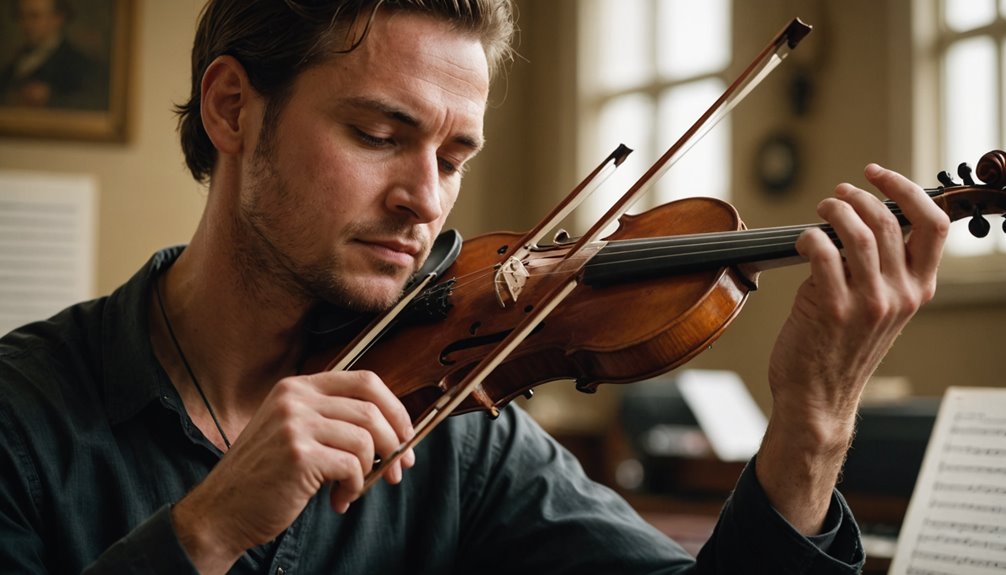
We’re swimming against a current we didn’t create. Society glorifies the finished product—the polished performance, the effortless mastery—while hiding the messy middle where real growth happens. We see Instagram posts celebrating wins, not the 10,000 failed attempts behind them.
This cultural blind spot creates real problems:
- We internalize the myth that success should feel easy and instant
- We compare our chapter three to someone else’s chapter thirty
- We fear practicing the wrong way, so we avoid practicing altogether
- We mistake discomfort for incompence instead of recognizing it as progress
When we’re practicing the wrong mindset—believing mastery should arrive without struggle—we’re practicing discouragement. We need visibility around effort itself. Just as decision fatigue in other pursuits can paralyze us, the overwhelm of perfectionism paralyzes our willingness to practice imperfectly. The grind deserves celebration. Your stumbling matters more than anyone’s highlight reel.
The Discomfort of Looking Foolish While Learning
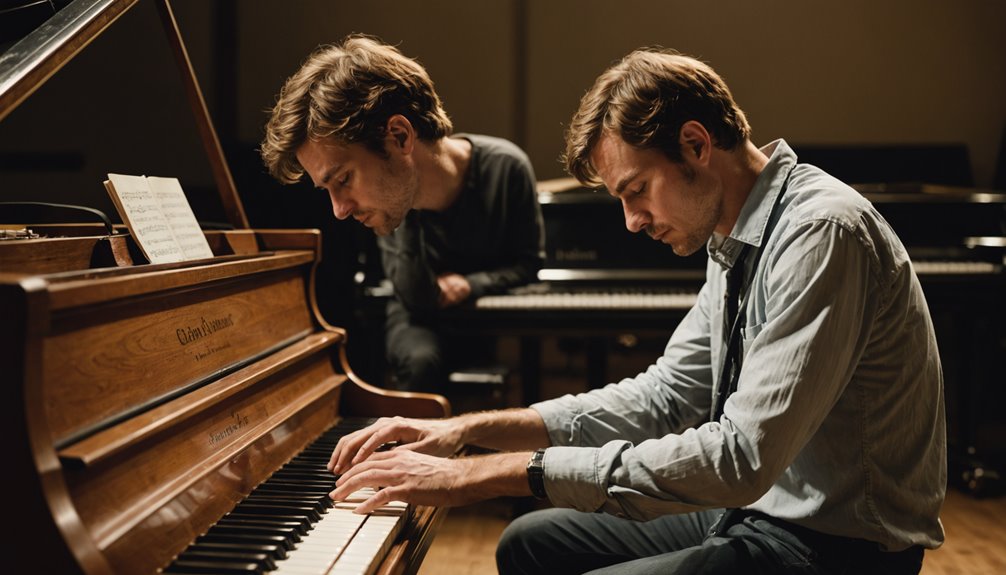
There’s a peculiar torture in being watched—or imagining you’re being watched—while you’re bad at something. We avoid practice because fumbling through difficulty feels like public failure, yet this discomfort is precisely where growth lives. When we embrace the awkwardness of incompetence during practice sessions, we’re actually rewiring our brains for mastery. Everyone stumbles; the difference between those who improve and those who don’t is simple: persistence through embarrassment. You’re not uniquely inept—you’re uniquely brave when you show up anyway. The trembling hands, the false starts, the frustration—they’re badges of someone actively liberating themselves from mediocrity. Just as ergonomic designs in sports equipment enhance natural movement and performance, mentally reframing practice discomfort as part of skill development allows you to move through awkwardness more fluidly. Accept that looking foolish while learning isn’t failure; it’s the honest work of becoming better.
Missing the Energy of an Audience
The silence of an empty practice room hits different than the roar of a packed venue. We’ve all felt it—that energy drain when practicing alone versus performing live. Here’s what we’re up against:
- Lack of feedback leaves us questioning our progress and effort
- Missing crowd energy makes even passionate musicians feel uninspired
- Isolation during practice creates monotony that kills motivation fast
- Absence of interaction strips away the dynamic spark that fuels performances
When we’re practicing without an audience, we’re fighting our own brain chemistry. The excitement and validation that crowds provide? Gone. That’s real. But here’s the truth: we can’t always depend on external hype to sustain us. Building internal motivation during solo practice—through goal-setting, recording ourselves, or imagining an audience—helps us break free from this trap and own our development. Just as athletes benefit from adjustable wrist closures that accommodate growth, musicians need flexible practice strategies that evolve with their skill level.
Breaking Through the Monotony of Repetition
If you’ve ever played the same eight bars fifty times in a row, you know exactly why your brain starts checking out—repetition is the price of mastery, but man, does it feel tedious. We get it. Your practice room becomes a prison of identical runs and scales.
Here’s what we’ve learned: breaking complex pieces into smaller chunks transforms everything. Instead of grinding through an entire movement, we tackle four measures obsessively, then move forward. It’s manageable. Less soul-crushing.
Vary your approach too—switch between tempos, try different dynamics, experiment with articulation styles. These shifts keep your mind engaged while your fingers internalize the technique. Just as deep breathing during physical recovery helps muscles relax and adapt, intentional breathing during practice sessions can help you stay present and reduce mental fatigue.
Recognize this truth: mastery demands monotony. But you’re not trapped—you’re building something real, something that’ll eventually set you free.
When Passion for Playing Doesn’t Match Practice Enjoyment
You love playing music—genuinely love it—yet you’d rather do almost anything than practice. We’ve all felt that disconnect. The stage calls to us; the practice room? Not so much.
Here’s what creates this gap:
- Performance delivers immediate satisfaction—applause, flow, connection
- Practice demands repetition without instant rewards
- Difficult passages expose our limitations ruthlessly
- Frustration builds faster than progress shows
We hate practicing because it strips away the magic. You’re not the performer anymore; you’re the student confronting what you can’t do yet. That emotional weight—the tears, the defeat—it’s real and shared. But here’s the liberation: recognizing this struggle as universal actually frees us. When we stop expecting practice to feel like performance, we stop resenting it. Just as effective repellents require reapplication after intense activity to maintain their strength, consistent practice demands regular engagement to build lasting skill. Practice becomes what it truly is: the unglamorous path to freedom.
The Role of Your Instrument in Your Attitude
Before you blame yourself for hating practice, consider blaming your instrument instead—because honestly, a cheap or poorly maintained guitar, violin, or saxophone will kill your motivation faster than any difficult passage ever could. We’ve discovered that the important thing separating thriving musicians from burned-out ones often comes down to instrument quality. A sluggish action, tinny tone, or unreliable tuning creates constant friction—turning practice into frustration rather than freedom. When we’ve upgraded our instruments, something shifts. Suddenly, practice feels rewarding instead of punishing. That emotional connection transforms everything. Your instrument shouldn’t fight you; it should inspire you. Just as riders benefit from quality equipment that enhances their performance, musicians thrive when their instruments provide durability and breathability to support consistent practice sessions. If you’re dragging yourself to practice, ask yourself honestly: Is it the work, or is it your gear holding you hostage?
Recognizing Deeper Issues Beyond the Surface
Sometimes, though, even a beautiful instrument with perfect action and a warm tone won’t solve why we’re dreading that practice session. I’ve learned that surface-level fixes miss the real issue entirely.
Here’s what I’ve discovered about recognizing deeper problems:
- Self-doubt masquerades as laziness — we skip practice because we fear we’re not improving fast enough
- Perfectionism creates paralysis — unrealistic standards make every mistake feel catastrophic
- Fear of disappointing others — we internalize pressure from teachers, family, or audiences
- Disconnection from personal motivation — we’ve lost sight of why we started
These emotional undercurrents drain our enthusiasm faster than any broken string. When we acknowledge them honestly—through journaling, conversations with mentors, or simply naming the feeling—we reveal genuine resilience. That’s when practice transforms from obligation into reclamation of our creative freedom. Just as organized practice routines reduce confusion and build confidence, recognizing these deeper emotional patterns helps us approach our craft with clarity and purpose.
Finding Your Personal “Why” for Practicing
What happens when we stop chasing someone else’s definition of progress and start chasing our own? That’s when practice transforms.
We’ve all felt the weight of external expectations—parents pushing, teachers demanding. But here’s the truth: your motivation matters more than their pressure. When you identify *your* personal why—whether it’s nailing that Guitar Solo or sounding like your favorite artist—practice shifts. Suddenly, you look forward to sessions instead of dreading them.
This isn’t about rebellion; it’s about ownership. Connect your daily practice to what genuinely excites you. Maybe you want to play at open mics or impress friends. Whatever it is, let that vision fuel you. The passion you feel when practicing *your* goals? That’s what transforms practice from torture into something worth your time. Just as progress tracking and analytics help visualize improvements in fitness routines, monitoring your musical advancement can maintain motivation and celebrate milestones along your practice journey.
Building Consistency Without Losing Your Creative Spirit
Now that you’ve identified your personal why, here’s the real challenge: showing up consistently without letting practice become a mechanical grind.
We’ve all felt that suffocating sensation when practice transforms into obligation. So here’s how we actually develop technique while keeping our creative spark alive:
- Establish daily touchdowns—even fifteen minutes beats sporadic marathons
- Mix structured drills with improvisation—alternate between scales and freeform play
- Rotate materials constantly—swap classical pieces for songs you genuinely love
- Build flexible schedules—practice when energy peaks, not when guilt demands it
The secret? Consistency doesn’t require rigidity. We’re building skill through repetition while honoring what drew us to music originally. Short, intentional sessions outperform forced, lengthy ones every time. Just as compact fitness trackers demonstrate how brief, focused tracking sessions are more effective than sporadic marathon monitoring, your music practice thrives on regular touchpoints rather than occasional intensity. When practice feels like freedom rather than servitude, you’ll naturally show up. That’s when real progress happens—no willpower required.
Frequently Asked Questions
Is It Normal to Hate Exercising?
Yeah, we’ve all been there. Hating exercise is completely normal—especially when we’re starting out. We often struggle with discomfort and self-doubt. Building Exercise Motivation takes time, but we’re breaking free from guilt and finding joy in movement.
Why Do I Hate Going Out Sometimes?
We’d say you’re not broken—you’re human. Social anxiety, stress, and seasonal shifts naturally drain our energy. We’re learning that hating going out sometimes isn’t failure; it’s our mind signaling we need rest. We’re reclaiming permission to pause.
Can Too Much Practice Make You Worse?
Yes, excessive practice can definitely make us worse. We experience practice fatigue that diminishes our performance and motivation. Quality matters more than quantity—we’ll improve faster with focused, shorter sessions and proper rest rather than grinding ourselves down.
Why Do I Hate Trying New Things?
We hate trying new things because Fear of Failure runs deep. Like learning to ride a bike, we’d rather stay grounded than risk falling. But we’re wired to avoid looking foolish—society rewards mastery, not messy beginnings. Freedom comes when we embrace the stumble.
Conclusion
We’ve explored why practice stings, why repetition grinds us down, why audiences energize while empty rooms drain us. Here’s what we’ve learned: hating practice isn’t failure—it’s feedback. You’re not broken; you’re human. So we embrace the discomfort, we honor our “why,” we practice with intention rather than obligation. Your frustration? It’s proof you care. Channel it. Transform it. That’s where real growth lives.