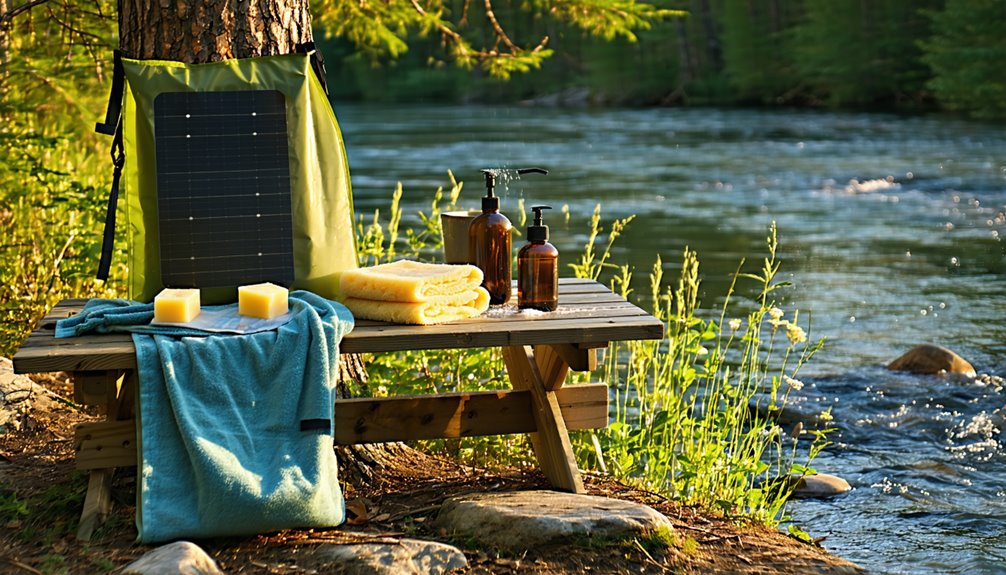
We’ve all heard the saying that “roughing it” means surrendering to dirt—but honestly, that’s not how we see it. After multiple week-long camping trips, we’ve learned that staying clean isn’t about luxury; it’s about strategy and the right gear. Whether you’re dealing with limited water sources or no shower facilities whatsoever, we’ve discovered practical methods that actually work. The question isn’t whether you *can* stay reasonably fresh out here—it’s knowing which essentials matter most and how to prioritize them. Let’s explore what we’ve learned.
Key Takeaways
- Establish a daily hygiene routine with biodegradable soap, washing face and private areas morning and evening.
- Use body wipes and quick-drying towels for freshening up between water sources to maintain cleanliness.
- Change into clean socks and underwear daily; wear clothing inside out on alternate days to extend wear.
- Store food 200 feet away and pack out all trash to maintain a clean, wildlife-safe campsite.
- Keep hygiene supplies stocked weekly including hand sanitizer, biodegradable soap, and microfiber towels for consistent cleanliness.
Essential Hygiene Products to Pack
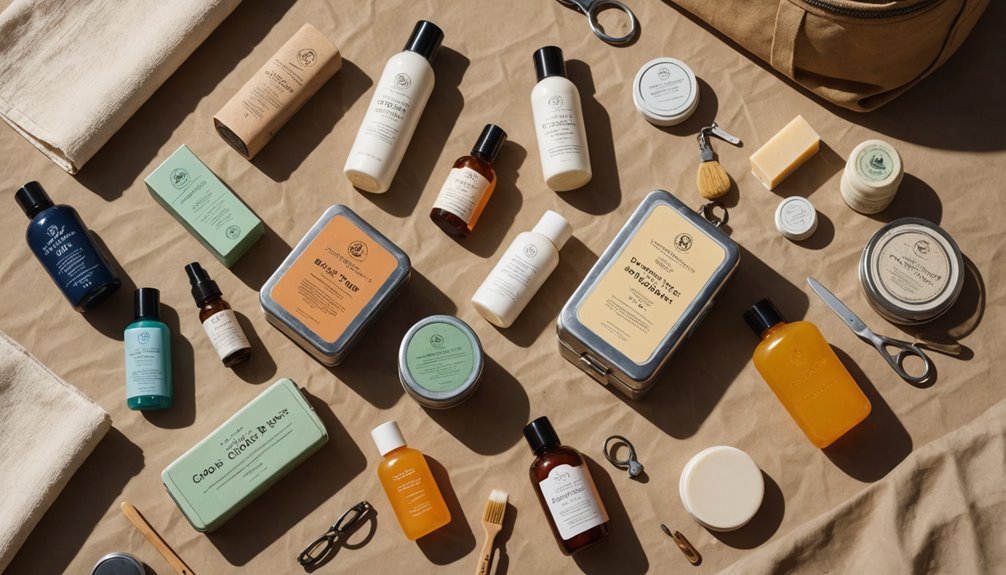
When you’re roughing it in the wilderness, staying clean isn’t just about comfort—it’s about health and environmental responsibility.
We’ve learned that packing the right essential hygiene products to pack makes all the difference on your camping trip.
Start with unscented, alcohol-based hand sanitizer for quick cleanups before meals and after restroom visits.
Biodegradable soap lets us wash dishes, clothes, and ourselves without harming ecosystems.
We always bring a microfiber towel—they’re lightweight, quick-drying, and genuinely versatile.
Don’t skip dental care; brush your teeth 200 feet from clean water sources using all-natural toothpaste.
For menstrual hygiene, period-proof underwear like Thinx offers waste-free convenience that saves pack space.
Consider storing your hygiene essentials in a waterproof dry bag to keep products protected from moisture and accidental water exposure during stream crossings or unexpected rain.
These aren’t luxuries—they’re practical tools that help you stay clean while camping comfortably and responsibly.
Daily Hygiene Routine for Week-Long Camping
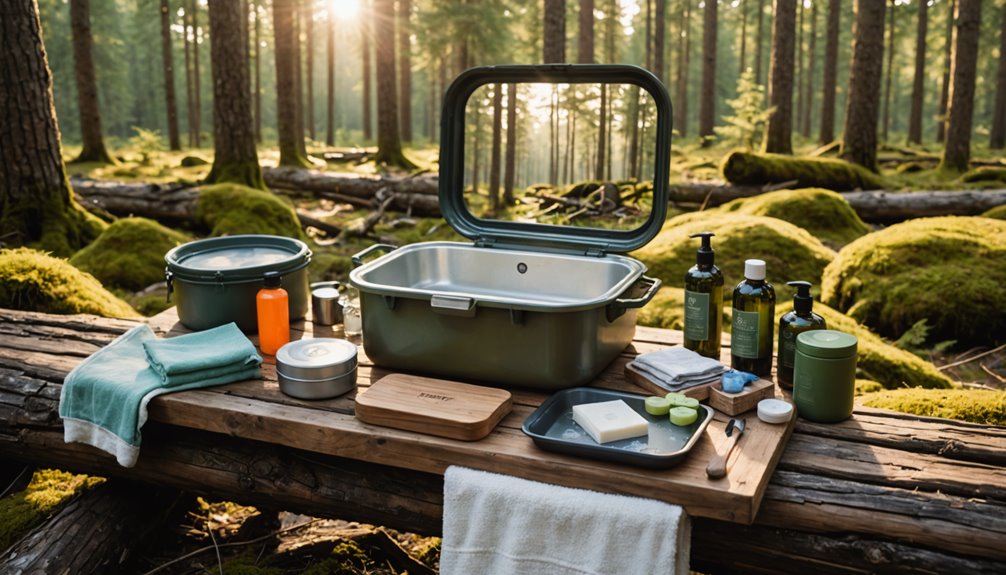
Now that you’ve got your hygiene kit sorted, the real work begins—actually using it every single day for a week straight.
We’ve found that establishing a consistent daily hygiene routine keeps you genuinely clean and comfortable without excessive gear. Each morning and evening, we cleanse our faces and wash private areas with biodegradable soap and water.
For quick freshness between water sources, body wipes tackle armpits and groin—those odor-prone zones demanding attention.
Here’s our liberation hack: change into clean socks and underwear daily, then wear clothing inside out on alternate days. This maximizes freshness while minimizing laundry burden.
We dry off using quick-drying Pack Towels, airing them throughout the day when possible.
Don’t skip using toilet paper properly for staying clean. Regularly check your hygiene supplies—hand sanitizer, biodegradable soap, wipes—ensuring you’re stocked for the week ahead. Maintaining proper hydration throughout your camping trip also supports your body’s natural ability to keep skin healthy and reduce odor, so consider bringing a hydration pack to encourage consistent water intake during your outdoor adventures.
Bathing and Freshening Up Without Shower Facilities
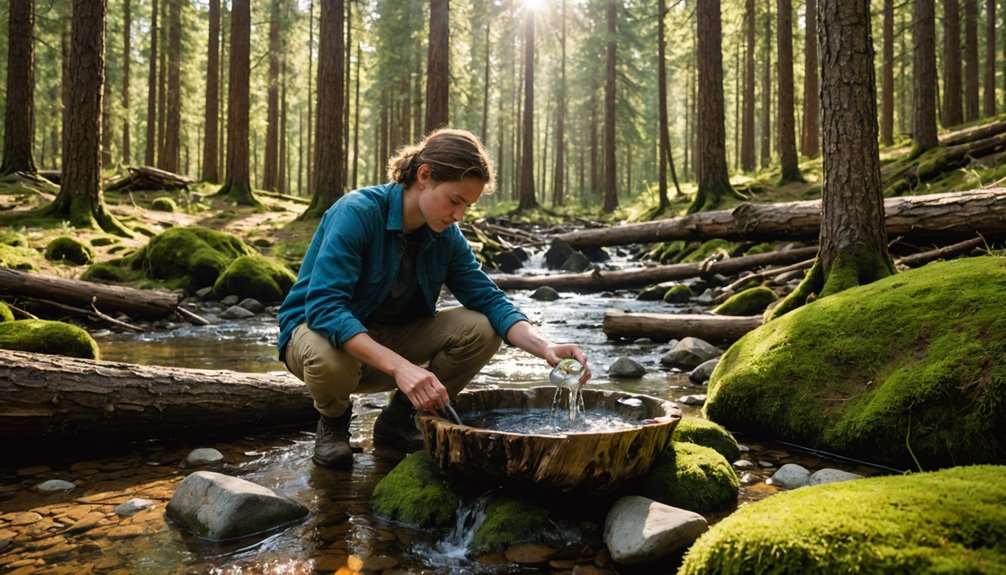
Since you’re committed to staying genuinely clean without shower infrastructure, you’ve got several practical options—each with its own advantages depending on your camping setup and water access.
We’ve found biodegradable soap paired with a small camp towel works brilliantly for sponge baths targeting sweat-prone areas like underarms and groin.
Body wipes offer quick freshening up when water’s scarce, effectively removing trail grime without hassle.
If you’re car camping, portable shower systems save serious time and hygiene headaches.
For natural water sources, we jump in freely—just keep soap 200 feet away to respect Leave No Trace principles.
Heat water in a pot when necessary.
Portable saunas provide an alternative recovery option for camping trips, as infrared heat therapy can help relax muscles after days of hiking and outdoor activities.
Honestly? Maintaining clean hands, feet, and face prevents most discomfort during week-long trips.
That’s where we prioritize our hygiene efforts.
Clothing and Footwear Management Strategies
Clean clothes matter far more than you’d think when you’re sleeping in a tent for a week—they’re the difference between waking up refreshed and waking up miserable.
We pack three to six pairs of socks and underwear, swapping fresh ones daily to maintain hygiene and comfort. For pants and shirts, we limit ourselves to one or two outfits, rotating them at the halfway mark for a psychological boost.
Here’s where we get strategic: stash extra clean clothing in a small stuff sack, keeping it separate and accessible. Store dirty or damp gear in a dry bag—this prevents odors from contaminating everything else.
Air out worn clothes at night.
For foot care, we prioritize regular sock changes and apply foot powder nightly. Consider water shoes with quick-drying materials if you’re camping near rocky beaches or water environments to keep your feet protected and dry. Happy feet mean happy campers. Your freedom depends on it.
Hand and Face Cleaning Practices
Two things’ll derail a camping trip faster than dirty hands and a grimy face—illness and morale collapse.
We’ve learned this the hard way.
Here’s what actually works in the backcountry:
- Set up a handwashing station with a water reservoir and biodegradable soap at least 200 feet from any water source—this respects Leave No Trace principles while keeping us healthy.
- Use unscented sanitizer and baby wipes for quick cleanups after meals or sweating; they’re lightweight and biodegradable. Consider packing emergency thermal blankets as well for warmth during extended backcountry trips where temperature drops could compromise your health.
- Carry a microfiber towel that dries fast and takes minimal pack space.
We clean our face twice daily with wipes, especially after eating.
Hand hygiene isn’t optional out here—it’s survival.
Honest hygiene practices transform a grimy week into something genuinely pleasant.
You’ll feel human again, and that matters more than you’d think.
Managing Menstruation and Intimate Hygiene
keep unscented wipes and biodegradable soap accessible.
Regularly clean your groin area with water or baby wipes to prevent infections.
Pack all used products in a sealed “Party Bag” to contain odors and honor Leave No Trace principles.
Consider keeping a compact first aid kit with antiseptic wipes and gauze pads at your campsite for treating any cuts or scrapes that may occur during outdoor activities.
Your intimate hygiene isn’t luxurious—it’s essential.
You deserve comfort and cleanliness on your terms, wherever you camp.
Keeping Your Gear and Campsite Clean
When you’re surrounded by nature’s beauty, it’s easy to let camp standards slip—but a clean campsite isn’t just about aesthetics; it’s about safety, wildlife protection, and actually enjoying your time outdoors.
We’ve learned that maintaining a clean and dry designated area keeps you clean and prevents unwanted visitors. Here’s what actually works:
- Store food in airtight containers elevated off the ground—200 feet from water sources—using biodegradable soap for dishes to minimize contamination.
- Establish a hygiene station away from camp, packing out trash including used wipes and menstrual products without exception.
- Clean cooking utensils regularly with biodegradable soap to avoid bacteria growth.
- Keep your gear organized in weatherproof bags to prevent moisture buildup and mildew that can harbor bacteria and create unpleasant odors in your campsite.
Look, staying fresh means respecting both your space and the wilderness. We pack out everything we pack in, period.
Your campsite remains pristine, wildlife stays safe, and you’ll actually want to return.
Frequently Asked Questions
What Is the 200 Rule for Camping?
We follow the 200 Rule by maintaining distance guidelines that keep us responsible campers. We’ll dispose of waste, practice hygiene, and brush teeth 200 feet from water sources, prioritizing wildlife conservation and environmental responsibility through sustainable campsite selection and outdoor safety.
How to Stay Clean on a Camping Trip?
We’ll stay clean by packing biodegradable soap, body wipes, and a quick-drying towel. We’re using hand sanitizer, portable shower options, and menstrual cups. We’ll change socks daily, brush teeth away from water, and properly dispose of waste—keeping ourselves and nature liberated.
What Are the 7 C’s of Camping?
We’ve opened camping’s compass: Caution, Comfort, Cleanliness, Communication, Companionship, Conservation, and Cooking. These principles—from campfire safety to trail navigation, camping gear to nature conservation—empower us to break free into responsible adventures while respecting the wild.
What Is the Golden Rule When Camping?
We embrace “Leave No Trace” as camping’s golden rule—it’s our freedom to explore responsibly. We’ll practice solid camping etiquette through proper waste disposal, biodegradable soap use, and secure gear organization, ensuring we’re liberated to return again and again.
Conclusion
We’ve planted the seeds for a week-long camping adventure where you’ll feel refreshed, not grimy. By establishing daily routines—biodegradable soap, fresh socks, strategic hygiene stations—you’re building a fortress against the wilderness’s grime. It’s not about perfection; it’s about respecting your body and your campsite. When you’re clean, you’re confident. You’ll sleep better, feel energized, and actually enjoy those sunrise hikes instead of counting down until civilization returns.