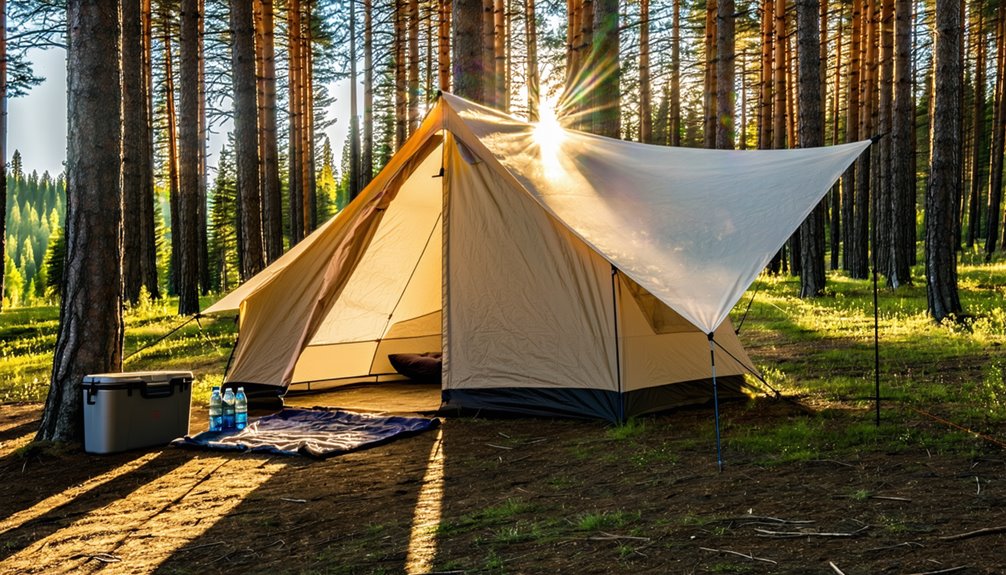
We’ve all been there—sweat pooling in places you didn’t know existed, your tent feeling like a convection oven by 7 a.m. Summer camping doesn’t have to be miserable, though. We’ve learned that strategic tent placement, breathable gear, and smart hydration make a genuine difference. But here’s what most people miss: the real game-changer involves timing your activities and understanding how your campsite’s microclimate works against you—and it’s simpler than you’d think.
Key Takeaways
- Use mesh tents in shade, remove rainflies at night, and position tent doors toward prevailing breezes for optimal airflow and heat reduction.
- Wear lightweight, light-colored, moisture-wicking clothing with wide-brimmed hats and apply SPF 30+ sunscreen every two hours for sun protection.
- Drink at least 64 ounces of water daily with electrolyte packets and monitor dehydration signs like dark urine and dizziness.
- Select campsites under dense tree cover, near water bodies, or at higher elevations to benefit from natural cooling and shade.
- Choose KOA campgrounds with swimming pools, convenience stores for ice, and deluxe cabins offering climate control and family-friendly amenities.
Optimize Your Tent Setup for Maximum Airflow
How many times have you woken up in a tent feeling like you’re inside a sweat lodge?
We’ve learned that a three-season tent with ample mesh panels transforms your sleeping situation dramatically. Those mesh sections work overtime—they’re your gateway to genuine air circulation that actually matters.
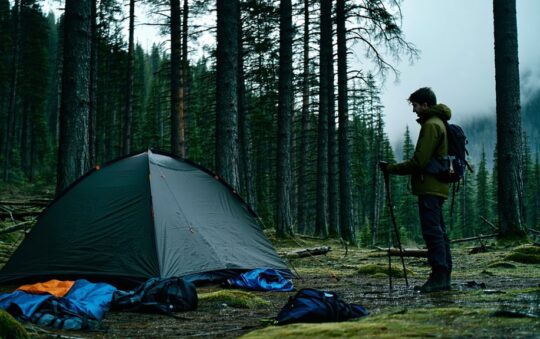
Position your tent in shade beneath trees; direct sunlight turns canvas into an oven fast.
Here’s where liberation happens: face your door toward prevailing breezes. That simple adjustment channels wind directly through your shelter, eliminating stuffiness completely.
Remove that rainfly at night—this single move prevents the greenhouse effect that traps heat and moisture.
Battery-powered fans amplify airflow during peak heat hours, creating the cooling effect we all crave.
Consider pairing your tent with a portable camping table positioned near your entrance to organize gear and keep essentials within reach while maintaining airflow around your sleeping area.
These aren’t luxuries; they’re essentials for reclaiming comfortable nights outdoors.
Choose the Right Clothing and Gear
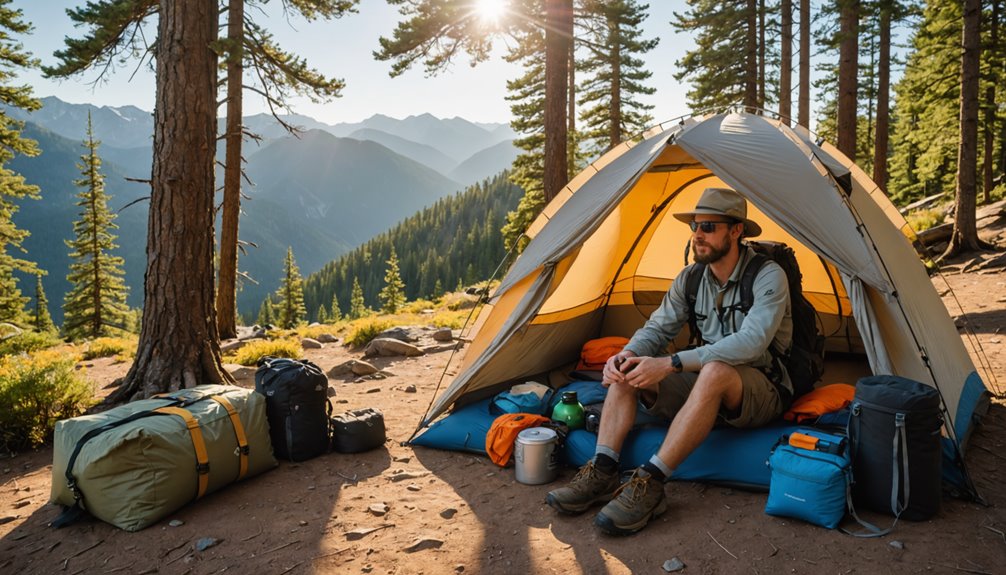
Your tent’s airflow is only half the battle—what you’re wearing matters just as much.
We’ve learned that lightweight, breathable clothing like cotton or linen keeps you comfortable when temperatures soar. Light-colored garments reflect sunlight instead of trapping heat, making summer camping genuinely bearable.
We swear by moisture-wicking fabrics—ultralight merino T-shirts and soft-shell pants minimize odor while keeping you dry and protected from sun and bugs.
Skip waterproof footwear; ventilated shoes with merino socks let your feet breathe.
Here’s our secret weapon: soak a silk bandana and wrap it around your neck. That evaporative cooling works surprisingly well, lowering your body temperature without fuss.
For post-activity cleanup, pack quick-dry towels that dry up to 40% faster than traditional cotton towels, keeping your camping gear lighter and fresher throughout your trip.
These choices aren’t luxury—they’re liberation from sticky, miserable camping trips.
Master Hydration and Nutrition Strategies
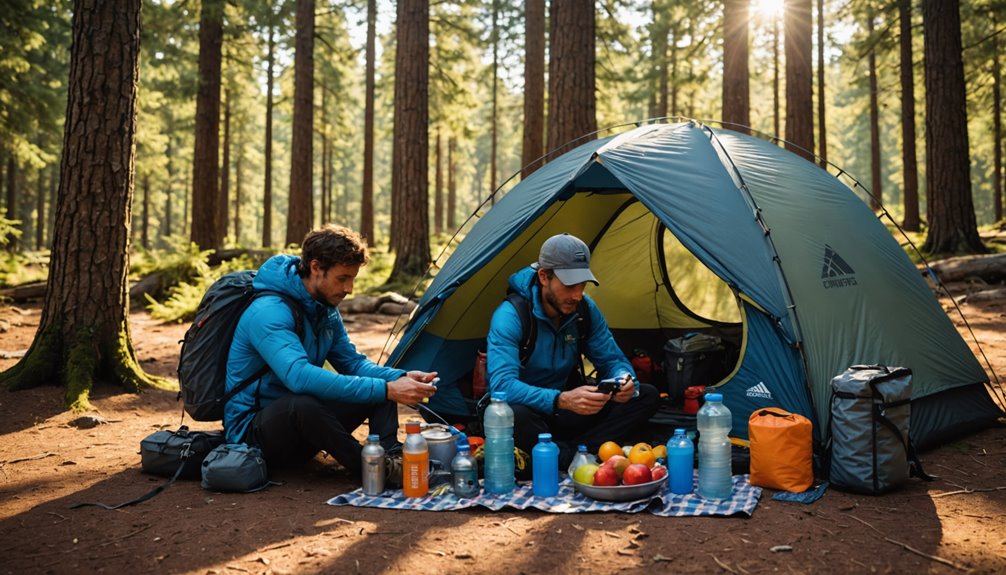
When the thermometer climbs and your body’s working overtime in the heat, staying properly fueled and hydrated becomes non-negotiable—we’ve learned this the hard way on sweltering camping trips.
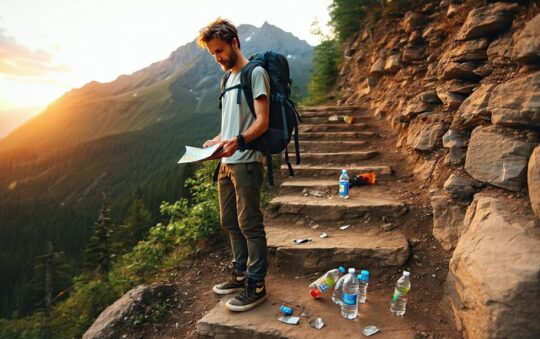
Drink plenty of water, aiming for at least 64 ounces daily, and bump that up during physical activities. We’ve discovered that electrolyte packets mixed into our water replenish minerals our bodies shed through sweat, preventing that awful dizzy feeling mid-hike. Consider using lightweight collapsible water bottles to maximize your hydration capacity without adding unnecessary weight to your pack during hot weather hikes.
Pack electrolyte-rich coconut water too. Watch for dehydration red flags—dark urine, headaches, dizziness—and adjust intake accordingly.
For meals, we stick to light, no-cook options like salads and fresh fruit that won’t heat us up further.
Here’s our camping hack: freeze water bottles before departing. They’ll keep cool drinking water flowing while doubling as ice packs for your cooler.
Select an Ideal Campsite Location
Location is everything when you’re camping in heat—we’ve learned this after baking under the midday sun on more than one disastrous trip.
Seek campsites nestled beneath dense tree cover; natural shade can slash temperatures dramatically. Bodies of water? Game changers. Lakes and rivers deliver cooling breezes and escape routes when things get sticky.
We’re also strategic about elevation. Climbing 3,000 feet typically drops temperatures around 9 degrees Fahrenheit—a genuine relief.
Skip those low-lying valleys that trap heat like ovens; they’re moisture magnets too.
Here’s what matters most: airflow and ventilation. We position our tents where wind flows freely, using a compass to map the sun’s path. Just as inside-out tracking simplifies setup in VR fitness experiences, strategic airflow positioning eliminates the need for complex cooling solutions.
That eastward exposure? Perfect for morning shade during peak afternoon heat. Smart positioning beats suffering.
Utilize Cooling Techniques Throughout the Day
Once you’ve secured that shaded spot, the real work begins—keeping your tent from becoming a sauna during peak heat hours.
We’ve learned that reflective tarps positioned above your tent deflect serious heat; they’re game-changers for hot weather camping. Battery-operated fans circulate air inside, preventing that suffocating stillness that makes you miserable. Consider pairing your cooling setup with a lightweight power station to keep your battery-operated fans running throughout the day without draining disposable batteries.
But here’s the truth: staying hydrated is your secret weapon. We drink plenty of water and add electrolyte packets to replenish minerals our bodies shed through sweat—it genuinely helps regulate temperature.
Time matters too. We schedule activities for early morning or late afternoon when it’s cooler, taking midday breaks in shaded areas.
These tactics keep us comfortable while tent camping and prevent the overheating that ruins trips. Stay cool, stay hydrated, stay smart.
Improve Sleep Quality During Hot Nights
All the daytime cooling strategies in the world won’t matter if you’re tossing and sweating through the night—we’ve been there, and it’s miserable.
Getting quality sleep in heat requires deliberate choices that’ll transform your camping experience.
Here’s what actually works:
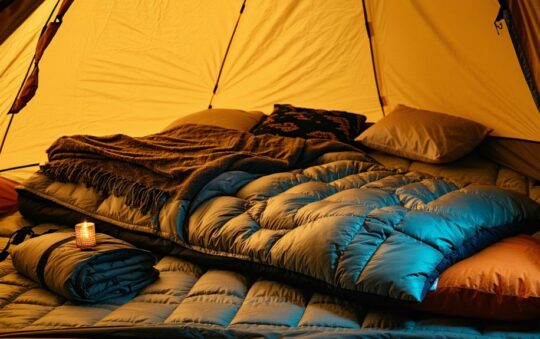
- Sleep on a mesh cot instead of the ground—it lets air circulate underneath you, keeping you markedly cooler.
- Ditch your sleeping bag for lightweight sheets made from breathable fabrics like cotton or polyester fleece.
- Take a cold shower before bed to lower your core temperature.
- Position your tent door toward the breeze and keep airflow vents open for maximum circulation.
- Run a portable fan inside your tent to evaporate sweating and move air around your sleeping area.
- Pair your sleep setup with a compact camping pillow that provides proper neck support without trapping heat against your head.
These tweaks transform restless nights into actual recovery time.
Plan Activities for Cooler Hours
While you’re sleeping soundly on that mesh cot, you’ll want to make sure your daytime schedule actually supports staying cool—and that means being strategic about *when* you do things.
We plan to take full advantage of cooler temperatures by scheduling hikes during early morning or late afternoon, sidestepping the peak of summer’s brutal midday assault. The plan works because you’re working *with* nature, not against it.
Reserve midday hours for activities for relaxation—reading, card games, hammock time under dense shade. We’ve found that shifting your rhythm this way transforms camping from survival mode into actual enjoyment.
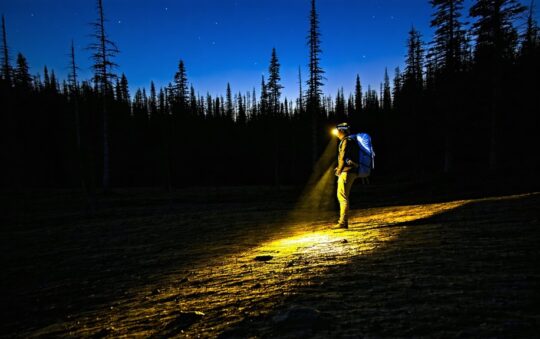
Evening activities like campfires or stargazing happen naturally after sunset when temperatures drop considerably. Research local weather patterns beforehand so you know exactly when relief arrives.
Pairing your activity schedule with proper lighting and safety features like LED lanterns ensures you can comfortably enjoy evening activities while maintaining visibility and security around your campsite.
This strategic timing? It’s your ticket to genuine comfort.
Protect Yourself From Sun and Insects
Because the sun doesn’t take breaks in summer heat, neither can you—which is why we’ve learned that smart clothing and sun protection aren’t optional luxuries but genuine survival tools.
We’ve discovered that protecting yourself from the elements requires a multi-layered approach. Here’s what actually works:
- Wear lightweight, breathable clothing from cotton or linen that wicks moisture away
- Apply SPF 30+ sunscreen every two hours on all exposed skin
- Rock wide-brimmed hats and UV-blocking sunglasses for face and eye protection
- Use insect repellent with DEET or picaridin, especially at dawn and dusk
- Treat your camping gear and clothing with permethrin for enhanced pest defense
- Reapply repellent after heavy sweating or rain to maintain effectiveness against insects
We’ve found that combining these strategies transforms your outdoor experience from miserable to manageable.
The insects won’t win, and neither will the sun—not when you’re armed with the right gear and knowledge.
That’s liberation in the wilderness.
Manage Food Storage in High Temperatures
Once you’ve got your skin and gear protected from the elements, you’ll face another enemy just as relentless: spoiled food.
We’ve learned the hard way that a high-end cooler with thick insulation is non-negotiable—it’s your food’s best friend.
Here’s what actually works: pack frozen meals alongside ice blocks to keep food and drinks cold longer, then reduce cooler openings by organizing contents strategically.
Separate drinks from perishables so you’re not constantly hunting for that one sandwich.
Monitor the temperature inside using a simple thermometer, keeping it below 40°F.
During scorching afternoons, we prepare quick, no-cook meals—salads, wraps, cheese boards—that demand zero cooking heat.
For hot weather trips where you do need to cook, choosing a stove with reliable ignition systems ensures your meals come together quickly without prolonged heat exposure.
You’re not sacrificing flavor or convenience; you’re just working smarter.
Trust us, your stomach will thank you.
Explore KOA Amenities for Enhanced Comfort
After you’ve mastered the basics of keeping your food fresh and your body protected, it’s time to leverage what a quality campground actually offers—and that’s where KOA campgrounds shine in the summer heat.
We’ve found that choosing the right facility makes all the difference between misery and genuine enjoyment.
Here’s what we love about KOA amenities:
- Level, roomy campsites with clean restrooms and hot showers
- Swimming pools for quick relief from oppressive temperatures
- Convenience stores stocking ice, cold beverages, and camping essentials
- Deluxe cabins featuring climate control and private bathrooms
- Picnic tables and fire pits in shaded gathering areas
We can’t overstate how these features work together.
You’ll stay hydrated easily, sleep comfortably, and actually look forward to evenings.
For families with young children, consider that KOA’s shaded areas complement UPF-rated outdoor tents to provide comprehensive sun protection during daytime activities.
That’s camping freedom.
Frequently Asked Questions
How to Stay Cool When Camping in Hot Weather?
We’ll keep you cool by setting up shade structures, using portable fans, and wearing breathable fabrics. We’re confident that cooling towels, solid hydration strategies, and nighttime cooling techniques’ll free you from summer heat’s grip while camping wild and unbounded.
What Is the 200 Rule for Camping?
We’ll break free from environmental harm: the 200 Rule demands we camp 200 feet from water sources. This campsite selection protects ecosystems while we gain liberation through responsible adventure, ensuring pristine wilderness and genuine freedom for all future explorers.
What Temperature Is Too Hot to Camp?
We’d say temperatures above 85°F become uncomfortable; avoid 90°F+ peaks. We’re talking heat exhaustion symptoms, dehydration risks. We’ll maximize hydration strategies, tent ventilation tips, ideal camping gear, and sun protection essentials for your freedom-loving adventures.
Is It Safe to Camp in 100 Degree Weather?
Yes, we can safely camp in 100-degree weather. We’ll master heat exhaustion prevention through hydration strategies, choose shaded campsites, pack cooling gear, apply sun protection, and use nighttime cooling techniques to keep our freedom-loving adventures alive.
Conclusion
We’ve learned that summer camping success hinges on preparation—ventilation, hydration, timing. Coincidentally, the same strategies that keep us cool also enhance our experience: positioning tents in shade naturally creates perfect reading nooks; scheduling activities around heat peaks lets us appreciate wildlife better. You’ll find that respecting the season’s rhythm, rather than fighting it, transforms potential misery into genuine adventure. We’ve got this.