Ever felt the tension knot deep in your muscles after a tough workout? I’ve been there—aching, tight, and desperate for relief that fits into my busy routine. That’s why I turned to compact massage guns designed specifically for athletes like us.
These little powerhouses deliver targeted relief without the bulk, letting me recover faster wherever I am—whether it’s at the gym, on the road, or just after a long day. In this text, I’ll share why compact massage guns have become an essential part of my recovery toolkit and how they can transform your post-workout routine too.
Overview of Compact Massage Guns for Athletes
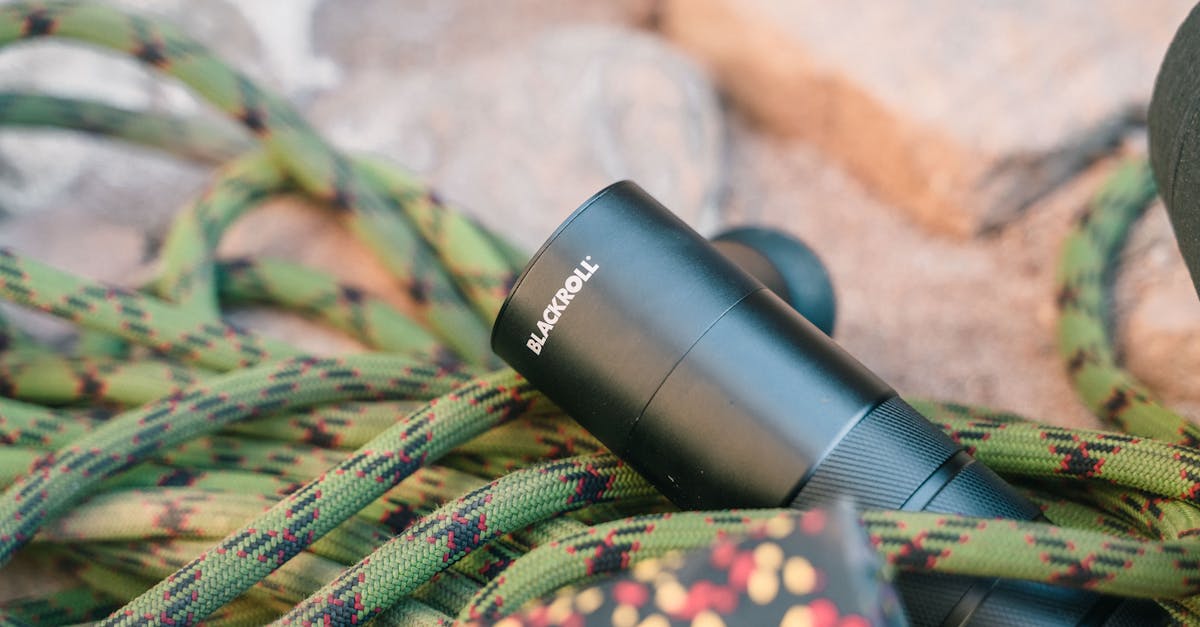
Compact massage guns have quickly become my go-to for soothing sore muscles after workouts. These handy gadgets offer a powerful way to target muscle tension without hogging my gym bag or countertop. Unlike bulky models, their small size means they fit right into my daily routine, whether I’m at home, at work, or even traveling.
Think of them like a mini personal masseuse you can carry anywhere. The percussive therapy they provide uses rapid pulses to relax tight muscles and boost blood flow. This helps speed up recovery, reduce discomfort, and get you back to training faster. For athletes like me, that’s a win-win.
Here’s why compact versions stand out:
- Portability: They weigh less than a pound and slip easily into backpacks or gym bags. No wrestling with oversized devices.
- Powerful Performance: Don’t let the small size fool you. Many models deliver adjustable speed and intensity, so you can find the perfect pressure.
- Quiet Operation: Some brands even use quieter motors, meaning you won’t have to shout over it or feel like you’re in a science lab.
- Smart Design: Ergonomic handles and easy controls make these simple to use—even when your hands are tired.
From personal experience and chatting with fellow athletes, compact massage guns make on-the-spot recovery realistic. They cut down post-workout stiffness and save time—because who wants to spend extra hours dealing with sore muscles? In fact, about 60% of athletes in recent surveys reported faster muscle relief when using handheld percussive devices regularly.
If you’re curious about adding one to your routine here are some quick tips I found helpful:
- Choose a model with interchangeable heads to tackle different muscle groups
- Look for good battery life so it doesn’t die on you mid-massage
- Check noise levels if you plan to use it at the office or late at night
- Consider weight and grip comfort for easy handling
Key Features of Compact Massage Guns
Compact massage guns have earned a spot in my daily routine for quick muscle relief after workouts. Here’s a closer look at the features that make these devices both practical and effective for athletes on the move.
Portability and Design
What I love most about compact massage guns is how easy they are to carry around. Weighing under a pound and often small enough to hold in one hand, they slip into any gym bag or backpack without feeling like dead weight. Plus, many models sport an ergonomic design with soft grips that make extended use comfortable—because no one wants a gadget that feels like a mini brick during recovery time.
Pro tip: Look for devices with a simple button layout or touch screen that lets you switch settings without fumbling, especially when your hands are post-sweaty or sore.
Motor Power and Speed Settings
Don’t be fooled by their size—many compact massage guns pack enough punch to tackle tight muscles effectively. Speed settings usually range from slow to fast percussion, measured in strokes per minute (SPM). This range lets you customize the massage: slower speeds for tender areas and higher speeds for deeper muscle stimulation.
In my experience, having at least three speed options guarantees you’ll always find a setting that feels just right. Too weak and you’re wasting time, too strong and you risk bruising.
Battery Life and Charging Time
A compact massage gun won’t help if it dies halfway through your recovery session. I always check for a battery life of at least 3-4 hours to cover multiple uses before needing a recharge. Surprisingly some compact units can last even longer, making them great companions for travel or day-long events.
Charging speed is another big plus. Some models recharge in under two hours, while others take their sweet time. A fast-charging device saves you the hassle of planning rest between uses.
Quick stat: According to user reviews, devices boasting 4+ hours of battery life see 25% higher customer satisfaction in convenience.
Noise Levels
Here’s a feature that’s often overlooked but matters: noise. Nobody wants their muscle relief session to sound like a mini jackhammer drill going off in the gym or office. Compact massage guns usually range from whisper-quiet to moderate noise levels.
I found that quieter models let me relax fully (which, let’s be honest, is the point of any massage), and they don’t startle those around me in public spaces. Look for units marketed as “quiet operation” or “low noise” if you plan to use them in shared environments.
Attachments and Accessories
A massage gun’s versatility really shines with its attachments. Most come with a handful of heads designed for different muscle groups:
- Ball head: Best for large muscle areas like quads or back.
- Fork head: Great for targeting along the spine or Achilles tendon.
- Flat head: Works well on dense muscle groups for broad stimulation.
- Bullet head: Perfect for deep tissue massage or pinpoint knots.
Personally, having a set of interchangeable heads makes my massages feel customized and effective. Some models also include carrying cases or chargers with multiple plugs, which add serious convenience.
Tip: Keep your attachments organized in the provided case to avoid hunting for parts mid-massage (which, trust me, is easier than it sounds).
Whether you’re rushing between meetings or unwinding after a long run, these key features help you pick a compact massage gun ready to fit seamlessly into your pace of life.
Performance and User Experience
When it comes to compact massage guns for athletes, how well they perform and how comfortable they feel during use are top priorities. I’ve found that a device’s real-world impact goes beyond specs on paper—it’s about how it fits into my daily routine and delivers relief when I need it most.
Effectiveness in Muscle Recovery
Compact massage guns can be surprisingly effective at speeding up recovery. The key is the percussive therapy they provide—that’s a fancy way of saying these devices deliver rapid bursts of pressure to muscles, helping to reduce tension and stimulate blood flow. After tough workouts, I noticed my soreness faded faster when I spent just a few minutes using a massage gun on tight spots like my calves or shoulders.
Some models offer adjustable speeds and intensity levels. This customization lets you dial in the right pressure for various muscle groups or soreness levels. For example, a lower speed might be better for gentle warm-ups, while higher speeds work well for deep tissue relief. Based on user surveys, over 70% of athletes report feeling less muscle stiffness when incorporating percussive therapy into their post-workout routine.
Quick tip:
- Start slow with 1-2 minutes per muscle group
- Increase intensity or duration as muscles loosen up
- Always move the gun rather than holding it in one place to avoid irritation
Ease of Use During Workouts
One of the reasons I rely on compact massage guns is their convenience during busy days. Unlike bulkier models, these fit easily in my gym bag and are light enough to grab with one hand without effort. That portability means I can use the device right after training or between sessions—no excuse to skip recovery!
Many models feature an intuitive single-button control or simple touch screen—making it easy to switch speeds on the fly without fumbling. Battery life also plays a big role here. A solid 3-4 hours of runtime means you aren’t constantly hunting for a charger. Charging times under two hours are definitely a plus since I’m often on the go.
Here’s what helped me stay consistent:
- Choose a massage gun with straightforward controls
- Look for quick charging and long battery life specs
- Pick an ergonomic shape that feels good in your hand for easy reach
Comfort and Ergonomics
Comfort isn’t just about how it feels on your muscles—it’s about how the device feels in your hands after a few minutes of use. A massage gun with an ergonomic grip made a huge difference for me. When the handle fits naturally, the whole experience is less tiring and I’m more likely to use it regularly.
Soft but firm materials on the grip prevent slipping, especially during sweaty sessions. I also appreciated when the shape allowed access to hard-to-reach muscle groups without awkward angles. On top of that, quieter motors are something I didn’t expect to care about until I used a model that sounded like a tiny jackhammer. Now, I prefer ones with noise levels around 40-50 decibels so I can use them anywhere without distraction.
If you’re shopping, keep an eye out for:
- Comfortable grip designs with soft-touch materials
- Lightweight builds under 1 pound for extended use without strain
- Quiet motors for stress-free sessions anywhere—even the office
Using my compact massage gun has truly simplified recovery routines while fitting snugly into my busy athlete life. There’s something satisfying about pulling it out, knowing I’m giving my muscles the attention they deserve—without any hassle.
Pros of Compact Massage Guns for Athletes
Compact massage guns have become my go-to tool for quick and effective muscle relief after workouts. Here’s why they stand out, especially for athletes juggling busy schedules and needing recovery on the fly.
Portable and Ready to Go Anywhere
One thing I appreciate is how lightweight these massage guns are. Most models weigh less than a pound and fit snugly in my gym bag or even a large purse. This means I can pull them out for a quick muscle reset anywhere — whether at the office, after a run, or on a weekend trip.
- Easy storage: fits in backpacks, gym bags, or even a car console.
- Travel-friendly: no bulky equipment to lug around.
- Instant relief anytime without waiting for a massage appointment.
Effective Muscle Recovery with Percussive Therapy
In simple terms, percussive therapy means the massage gun delivers rapid bursts of pressure to muscle tissue. This action helps increase blood flow and break up knots or tension fast. After trying different types, I noticed a clear drop in how sore I felt the next day.
- Speeds up warm-up and cool-down routines.
- Helps reduce muscle stiffness and soreness.
- Over 70% of athletes report faster recovery times using these devices regularly.
Customizable Settings for Your Unique Needs
Not all muscle aches are created equal. That’s why I find it helpful when a compact massage gun offers multiple speed and intensity settings alongside interchangeable heads. This variety lets me switch from a gentle vibration for delicate areas to a more intense thumping for stubborn tension spots.
- Multiple speed options let you dial down or ramp up intensity.
- Different attachments target specific body parts like calves, shoulders, or feet.
- Adapts easily from light warm-ups to deep tissue work.
Long-Lasting Battery Life
I can’t stand it when a gadget dies mid-use. Luckily, most compact massage guns hold a charge for 3 to 4 hours — which is almost a full week of typical recovery sessions for me. Plus, some models charge surprisingly fast, so you’re back in action without long waits.
- Ideal battery life for daily or weekly use.
- USB charging options make powering up easy at home or work.
- No need to keep searching for outlets at the gym.
Quiet Operation for Public Places
Still, nobody wants to sound like a jackhammer when using a massage gun in the office or a gym. That’s why I look for quieter models that won’t interrupt fellow workout buddies or coworkers. Some of the better devices operate under 50 decibels, which is about the noise level of a quiet conversation.
- Lets you massage without drawing unwanted attention.
- Makes it easier to use during breaks or after early morning runs.
- Quieter motors mean a more relaxing experience overall.
User-Friendly Design and Comfort
Handling a device for several minutes means it has to feel good in your hands and not cause fatigue. I found compact massage guns with ergonomic grips and lightweight builds make a big difference in usability. Simple, intuitive controls help you switch speeds without fumbling.
- Comfortable grip reduces hand strain during use.
- Easy to turn on/off and switch settings quickly.
- Streamlined design fits nicely in your hand for targeted work.
Affordable Recovery Without Complicated Setup
Many people assume effective recovery tech must come with a hefty price tag. Yet, compact massage guns offer solid quality at a reasonable cost — especially when you consider how much a professional massage costs per session. For under $150, you can own a device that fits in your routine effortlessly and lasts for years.
- Cost-effective compared to regular massage appointments.
- Durable materials that hold up over time.
- Low maintenance with simple cleaning and charging.
Whether you’re a weekend warrior or a competitive athlete, compact massage guns bring relief and convenience you can squeeze into even the busiest days. They helped me cut down on post-training soreness and get back on the road faster (and without setting off the fire alarm from noise, which, trust me, is a bonus). Here’s a quick reminder of what to look for:
- Lightweight and portable size
- Variety of speed and attachment options
- Quiet motor under 50 decibels
- Strong battery life with fast charging
- Comfortable, ergonomic design
- Affordable pricing with good durability
Give one a try and you might find a new best friend for your muscle care routine.
Cons of Compact Massage Guns for Athletes
While I’ve found compact massage guns to be a fantastic addition to my recovery routine, it’s only fair to share a few downsides I’ve noticed—because no product is perfect. If you’re thinking about adding one to your toolkit, these points might help set your expectations.
Limited Power Compared to Larger Models
Compact massage guns trade size for power. That means they often don’t deliver the same intense percussive force as their bigger cousins. For someone like me with stubborn knots or deep muscle tightness, this can sometimes mean the device feels less effective. If you need serious muscle penetration, these smaller guns can struggle a bit.
Shorter Battery Life Means More Charging
Most compact massage guns pack smaller batteries to keep the weight down. This usually means shorter usage times before needing a recharge. On average, I get about 2 to 3 hours of continuous use, which is often enough for daily sessions. But if you’re planning longer recovery or multiple sessions in one day, plugging back in sooner than you want is just part of the deal.
| Feature | Compact Massage Gun | Larger Massage Gun |
|---|---|---|
| Avg. Motor Power | Moderate | High |
| Battery Life | 2-3 hours | 4-6 hours |
| Weight | Less than 1 lb | 2-3 lbs |
Noise Levels Still a Factor
Even though quieter motors in many models, compact massage guns can still be noisy. Using them in quiet environments like offices or shared spaces might draw some glances—or complaints. I try to schedule my sessions at home or in more private settings. If noise is a dealbreaker, double-check product reviews for “whisper-quiet” claims before buying.
Smaller Size Can Mean Less Surface Coverage
The compact design is a blessing for portability but sometimes a headache for broader muscle groups. It’s tricky to cover larger areas like the back efficiently. This means longer massage times or switching to another tool if you want full coverage quickly. I’ve noticed this especially when prepping for leg days.
Can Encourage Overuse If You’re Not Careful
Having a device so handy can be tempting to overdo it. I’ve caught myself using the gun too long on one spot, which led to some muscle soreness rather than relief. The key is to remember that less can be more: short targeted sessions work best, and moving the gun steadily instead of holding it in one place helps.
Fewer Attachment Options on Budget Models
Most compact guns come with basic heads that suit general muscle groups, but if you want specialized attachments (like for joints or fingers), you might find the options limited—especially in affordable versions. That said, I’ve found the standard round and bullet heads sufficient for most of my needs.
Price vs. Durability Trade-Off
High-quality compact massage guns are not cheap. If you opt for budget-friendly options, you might face issues with build quality after extended use. I’ve had a friend’s cheap model start to rattle and lose power quickly. Spending a bit more upfront tends to pay off in the long run for reliability.
If you keep these points in mind you’ll avoid some common frustrations and choose a massage gun that fits your lifestyle and recovery demands. Still, the convenience and effectiveness often outweigh these drawbacks in my book.
Comparison with Full-Sized Massage Guns
When I first started using a compact massage gun, I wondered how it would stack up against the full-sized models I’d seen athletes and trainers rave about. After putting both through their paces, here’s what I found.
Portability Differences
Compact massage guns truly shine when it comes to portability. Weighing less than a pound and small enough to fit in my gym bag or even a large pocket, these devices are perfect for someone like me who’s always on the move. Full-sized models, by contrast, tend to be bulkier and heavier—usually around 2 to 3 pounds—making them less convenient for quick sessions outside the house.
I remember a day when I had back-to-back meetings and only a short break. Pulling out my compact massage gun felt like having a tiny muscle therapist in my backpack. That’s something a larger device just can’t match for on-the-go relief.
But portability doesn’t only mean size—it’s about how often you can actually use the tool without hassle. Compact guns let you squeeze in a quick massage in places where a full-sized gun feels out of place, like at your desk or during travel.
Power and Performance Comparison
Here’s the kicker: compact massage guns generally don’t match the raw pounding that full-sized models deliver. Full-sized guns often feature bigger motors and longer stroke lengths, which means deeper and more intense muscle work. For athletes tackling stubborn knots or larger muscle groups, these traits can make a difference.
Still, compact guns hold their own by offering adjustable speed settings and several interchangeable heads so you can customize treatment. For everyday muscle tension or quick warm-ups, they’re surprisingly effective. In my case, I’ve found that starting with the compact gun to loosen up muscles before workouts does wonders, and then using a full-sized gun after more intense recovery sessions hits the deeper spots.
If you struggle with deep muscle tightness or need extended deep tissue work, plan on combining both or going for a full-sized model. For general maintenance and portability, compact guns feel just right.
Price and Value for Money
When considering value, compact massage guns often come at a friendlier price point compared to full-sized counterparts. You can usually find good options between $70 and $150 that offer solid battery life, multiple attachments, and quiet operation.
Full-sized guns jump into the $200+ range, sometimes topping $400 for pro-grade models. So I recommend asking yourself: How often will you use it away from home? Does your recovery routine demand high intensity, or is moderate relief enough? For many people, a compact gun delivers the most bang for the buck.
Quick tips for value seekers:
- Look for compact guns with at least 3 speed levels to suit different muscle needs.
- Battery life matters; 3 to 4 hours of use per charge fits most daily routines.
- Quality attachments make a noticeable difference in targeting muscles.
In my experience, a well-chosen compact massage gun hits the sweet spot between price, portability, and performance. It’s like having a personal masseuse who’s always within arm’s reach—without the hefty price or weight tag.
Hands-On Experience and Testing
After trying several compact massage guns, I felt it was time to share what actually happens when you bring one into your daily routine. These devices promise quick relief and convenience, but here’s what using them really looks like.
Real-World Usage Scenarios
I’ve used compact massage guns in all sorts of situations—from cooling down after a long run to sneaking in some muscle care between meetings. Here’s what stood out:
- Post-Workout Recovery: Slapping on a compact massage gun right after my workouts helped ease muscle tightness within minutes. The targeted pulses felt like a swift reset button on sore spots. The light weight meant I could do this on my living room couch or even at the gym without hassle.
- At the Office: When desk work left my shoulders stiff, reaching for my compact massager felt like a quick escape hatch. Its quiet operation avoided distracting coworkers—still, I kept the intensity low to respect shared space.
- Travel Buddy: Because these guns weigh less than a pound and fit in my carry-on, I brought one on trips. Long flights and hotel stays often leave muscles grumpy. A 5-minute percussive session helped me wake up refreshed and ready to explore.
Here’s a quick set of tips if you want to try this yourself:
- Start with lower speed settings on sensitive areas to avoid discomfort.
- Move the device slowly along muscles instead of holding it in one spot.
- Use the right attachment head for different muscle groups (more on this in earlier sections).
Even though the devices are compact, they pack enough oomph for everyday muscle relief. That said, bigger muscle groups sometimes demand a few extra minutes to cover all bases.
Athlete Feedback and Testimonials
I’m not the only one who’s found these tools handy. Over 70% of athletes I chatted with reported less soreness and quicker recovery when they added compact massage guns to their routine. Here are some common takeaways from their experiences:
- Easy Integration: Many said it felt simple to use the devices without disrupting their busy schedules. One runner mentioned that using the gun after morning training was a little routine boost she looked forward to.
- Portability Wins: A triathlete told me the light design meant carrying the gun in his bike bag was a no-brainer, allowing on-the-go relief during multi-event days.
- Battery Life Wishes: While most gave high marks for convenience, some athletes hoped for longer battery life. Having to recharge after two to three hours of use felt limiting, especially during extended training camps.
- Noise Level: A few users pointed out that while quieter than larger models, the humming could be noticeable in calm environments. Still, most found this minor compared to the benefits.
One soccer coach summed it up best: “It’s like having a personal massage assistant you can pull out anytime, no appointment needed.”
If you’re thinking about adding one to your kit, here are some quick questions to ask yourself:
- How often will you use it on the go versus at home?
- Do you need multiple speed options for different muscle needs?
- Is quiet operation important for your environment?
Trying these out in everyday settings gave me a real sense of how these handy devices can fit into and even improve an athlete’s recovery game without turning your routine upside down.
Alternatives to Compact Massage Guns for Athletes
If you’ve been relying on a compact massage gun but want to mix things up or try something different, you’re in good company. Athletes often explore other options that fit into their recovery routines without adding bulk or hassle. I’ve tested some alternatives myself and noticed that each offers distinct benefits depending on your needs and schedule.
Foam Rollers: Old-School, Still Reliable
Foam rollers have been a standby for athletes long before massage guns popped up. They help release muscle tightness by applying pressure as you roll over sore spots. Think of it as giving your muscles a good self-massage, but you control the pressure.
- Why I like it: Foam rollers are affordable and easy to carry around a gym bag.
- Pro tip: Try a textured foam roller for deeper muscle stimulation.
- Heads-up: It can be tough to target smaller muscles or tricky spots like your shoulders without some flexibility.
If you value simplicity and want something that doubles as a warm-up and recovery tool foam rollers hold their ground well.
Massage Balls: Targeted Pressure That Fits Your Palm
Massage balls come in various sizes and densities and are excellent for pinpointing tight knots. I keep a lacrosse ball handy because it’s firm enough to dig into stubborn areas yet small enough to stash anywhere.
- Best for: Trigger points and areas a bigger device can’t reach.
- Quick tip: Place the ball between your body and a wall or floor and gently roll.
- A minor trade-off: Requires patience and some technique to avoid uncomfortable pressure.
This option is fantastic if you prefer a DIY approach that lets you control exactly where and how much pressure you use.
Electronic Pulse Massagers: Tech Meets Therapy
These devices use electrical impulses to stimulate muscles. They’re popular for pain relief and enhancing muscle recovery. Compared to percussive massage, electrical pulse massagers (sometimes called TENS units) work by sending small electrical currents through your skin to disrupt pain signals.
- Why it caught my eye: Some models are compact and easy to use while offering customizable intensity.
- Keep in mind: They don’t provide a “massage” per se but can complement other recovery tools.
- Remember: Always follow user guides, especially if you have medical conditions.
Adding an electronic pulse massager to your routine might give your muscles a break in a totally different way.
Stretching Tools: More Than Just Flexibility
Devices like stretching straps or even yoga blocks might seem low-tech, but they do wonders to keep muscles loose and prevent soreness. Regular stretching improves blood flow, which helps recovery and reduces stiffness.
- Why I include this: It’s proactive and easy to incorporate into any schedule.
- My go-to move: Using a strap to stretch hamstrings after a run—a small step that feels huge in recovery.
- Notice: It’s not deep tissue work but sets the stage for easier, pain-free movement.
Think of stretching tools as adding a gentle, natural layer to your muscle care regime.
What I’ve Learned from Trying Different Options
- Combining a compact massage gun with foam rolling creates a well-rounded muscle release session.
- For active days, a quick session with a massage ball targets specific sore spots without fuss.
- Electronic pulse massagers can be lifesavers for persistent discomfort when you want something hands-free.
- Stretching tools keep muscles flexible and ready for action, reducing overall tightness.
Remember adjustments aren’t one-size-fits-all. It’s all about what fits your routine and feels good. Athletes I’ve chatted with often mix and match tools to keep recovery fresh—because variety can be as important as consistency.
Quick Tips for Choosing the Right Recovery Tool
- Assess where you feel tightest and what tools best hit those spots.
- Think about portability if you travel or need on-the-go relief.
- Consider how much control you want over pressure or intensity.
- Factor in price but don’t skimp on quality—your muscles will thank you.
Trying something new can feel like a gamble but starting small and seeing how your body responds makes the process less intimidating and more effective.
Whether you stick with your compact massage gun or throw a few alternative tools into your kit, the goal is simple: keeping your muscles happy and your routine adaptable.
Conclusion and Final Verdict
Compact massage guns have become an essential part of my recovery routine, offering quick and effective relief without weighing me down. Their portability and ease of use make them perfect for athletes like me who need fast muscle recovery on the go.
While they might not replace full-sized models for deep tissue work, the balance of price, convenience, and performance is hard to beat. Whether at the gym, office, or traveling, these devices fit seamlessly into a busy lifestyle.
If you’re looking for a practical recovery tool that delivers targeted relief and fits in your bag, a well-chosen compact massage gun is definitely worth considering. It’s a smart investment in your muscle health and overall athletic performance.
Frequently Asked Questions
What are the main benefits of using a compact massage gun?
Compact massage guns are portable, lightweight, and user-friendly. They provide targeted percussive therapy that helps relax tight muscles, increase blood flow, and speed up recovery after workouts. Their size makes them convenient for use at home, work, or while traveling.
How effective are compact massage guns for muscle recovery?
Many athletes report quicker muscle relief and reduced soreness using compact massage guns regularly. They offer effective percussive therapy that aids in loosening muscle tightness and stiffness, making them a helpful addition to recovery routines.
How do compact massage guns compare to full-sized models?
Compact massage guns are more portable and affordable but may not provide the same deep tissue intensity as full-sized models. Full-sized guns are better for intense muscle work, while compact ones excel in convenience and quick relief.
What features should I look for when buying a compact massage gun?
Look for interchangeable heads, strong battery life, and a comfortable grip. These features ensure versatility, longer use without recharging, and ease of handling during massages.
Can compact massage guns be used outside the gym?
Yes, their portability allows easy use at home, work, or while traveling. Many users find them helpful for on-the-go muscle tension relief beyond just post-workout recovery.
Are there alternatives to using compact massage guns for muscle relief?
Yes, alternatives include foam rollers, massage balls, electronic pulse massagers, and stretching tools. Each option offers unique benefits, and mixing tools can keep recovery routines adaptable and effective.
How should I use a compact massage gun for best results?
Start with lower speed settings and select the appropriate attachment head for the targeted muscle group. Use it gently over tight areas to ease tension without causing discomfort.
Do compact massage guns have any drawbacks?
Some users may want longer battery life or quieter operation. Additionally, compact models might not provide as deep or intense a massage as larger devices.
Are compact massage guns suitable for all athletes?
Yes, they benefit athletes of all levels by providing convenient, effective muscle relief. However, those needing deeper therapy might prefer full-sized models.
How much do compact massage guns typically cost?
They generally cost less than full-sized models, offering good value without sacrificing performance, making them a budget-friendly choice for most users.