
Your athletic doubts are like rust on a gate—they’re blocking the entry, but they don’t have to. Here’s what we’ve learned: most teams aren’t hunting for perfection; they’re building communities. We’ve watched beginners transform into solid contributors through nothing but consistent effort and teammates who actually cared. The question isn’t whether you’re skilled enough—it’s whether you’re ready to discover what commitment reveals about yourself. But there’s more to uncover about how this actually works.
Key Takeaways
- Yes, you can join a team sport regardless of current skill level; consistent practice transforms beginners into capable athletes.
- Initial ability doesn’t determine success; genetics account for only 18% of athletic achievement, with commitment mattering far more.
- Coaches recognize and reward positive attitude and genuine effort, providing personalized support to accelerate improvement over time.
- Supportive team environments treat mistakes as learning opportunities, fostering resilience through incremental progress rather than perfection expectations.
- Multi-sport participation builds foundational skills and habits while reducing burnout, making team sports accessible to athletes of all levels.
Practice Accounts for Only Part of Athletic Success
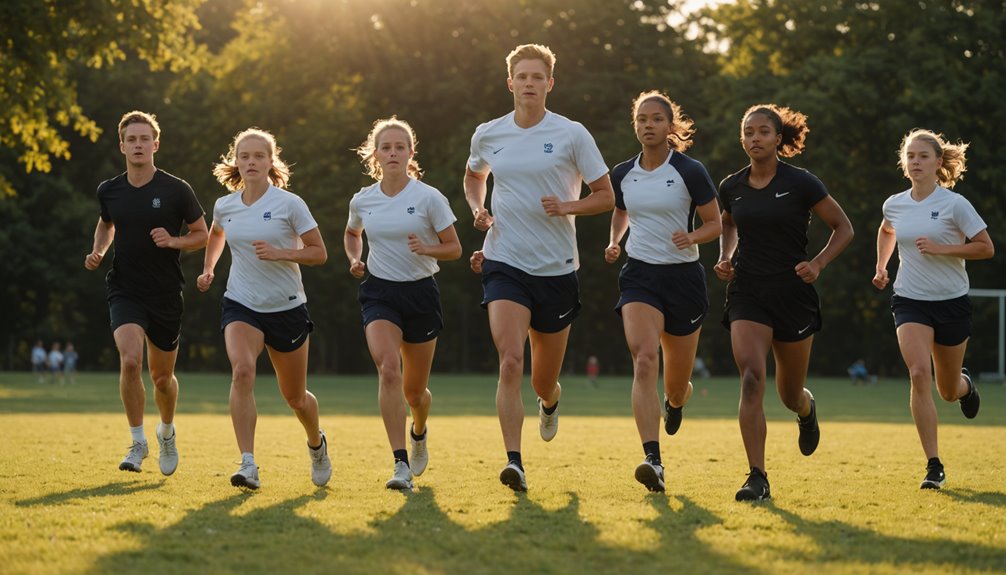
While we’ve been told that practice makes perfect, here’s what the research actually shows—and it might surprise you. A meta-analysis of 33 studies reveals that practice accounts for only 18% of athletic achievement differences. That means genetics, coordination, and muscle composition matter tremendously—especially at a young age when your body’s foundation sets itself.
Here’s the liberation part: you don’t need superhuman talent to join a team. What matters most? Showing up consistently and actually enjoying yourself. Your individual differences in physical attributes will influence your improvement speed, sure, but that’s not a death sentence. The important thing isn’t becoming elite—it’s participating, building confidence, and finding your people. Practice remains valuable; it’s just not the whole story. Regular recovery practices like foam rolling can help you manage soreness and stay consistent with your participation in team sports.
Building Skills Through Commitment and Support
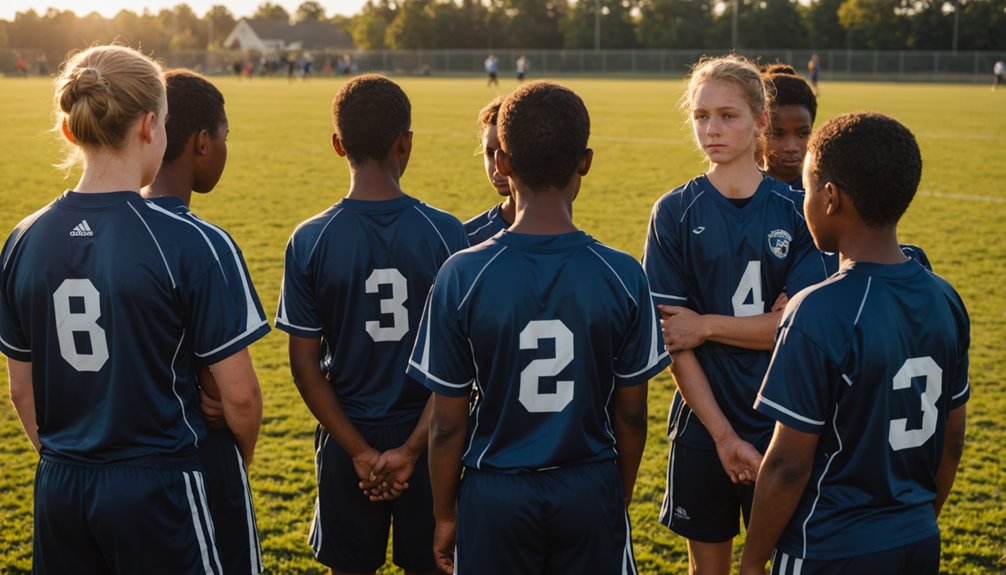
Since you’ve now got the reality check that genetics aren’t destiny, let’s talk about what actually is—your willingness to show up and stick with it. Commitment transforms raw beginners into capable athletes. We’re talking consistent practice attendance, not sporadic appearances. Your positive attitude matters more than your starting point—coaches recognize genuine effort and reward it with personalized support that accelerates improvement. Just as versatile equipment can cover all basic fitness needs, a versatile approach to skill-building combines multiple training methods and consistent effort to achieve athletic improvement.
Here’s what we’ve learned works:
- Show up consistently. Regular attendance signals commitment and compounds skill gains over weeks and months.
- Embrace the support system. Coaches and teammates invest in your growth when you demonstrate dedication.
- Own your progress. Track small victories—faster footwork, better understanding of plays, increased confidence.
This isn’t about becoming elite overnight. It’s about honoring your commitment enough that improvement becomes inevitable. You’re building something real here.
The Value of a Multi-Sport Foundation
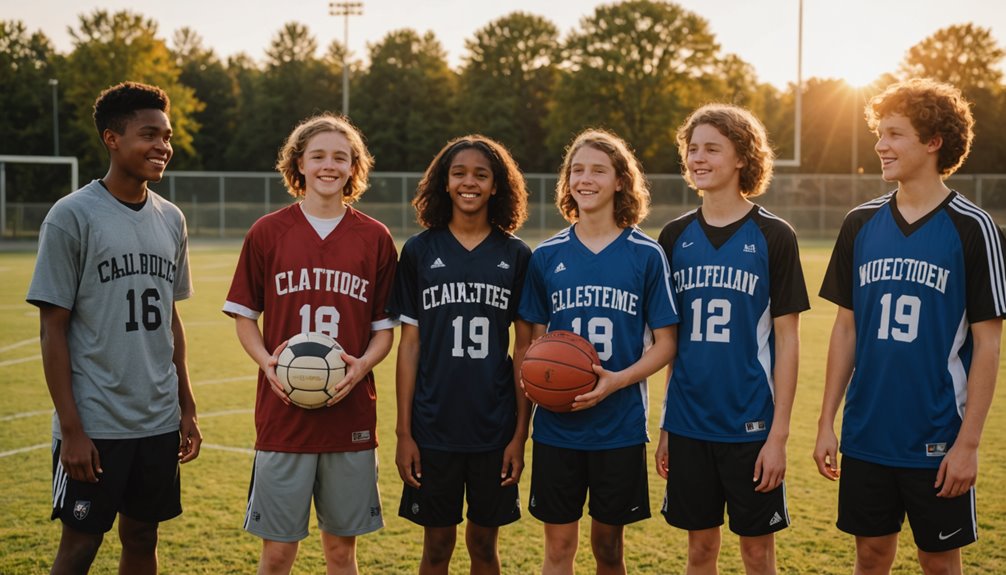
You’ve committed to showing up, you’re tracking your wins, and you’re finally starting to feel like you belong on the court or field—so now what? We’d argue: don’t stop there. A multi-sport foundation—participating in basketball, soccer, and tennis, say—builds physical activity habits while developing transferable skills like hand-eye coordination and agility that transfer between sports seamlessly.
Here’s the truth: elite athletes rarely mastered one sport exclusively. They experimented broadly, which expanded their athletic adaptability and kept things fresh. By delaying specialization until around age 14 or 15, you’re reducing burnout risk while building genuine competence across diverse competitive environments. Investing in quality equipment, such as proper soccer cleats with appropriate ankle support, ensures that physical limitations don’t hinder your ability to perform across different sports.
You’re not limiting yourself—you’re liberating your potential. Different sports teach different lessons: teamwork, communication, perseverance. That broader skill set? It’ll carry you further than narrow excellence ever could.
Overcoming Self-Doubt and Negative Feedback
The moment your coach says you’re “not ready” or a teammate mutters something under their breath—that’s when most people quit. But here’s what we’ve learned: overcoming self-doubt isn’t about ignoring those comments. It’s about reframing them.
Negative feedback stings, absolutely. Yet it’s actually a roadmap for improvement. We’ve discovered that enjoying the sport matters far more than initial skill. When you’re embedded in a supportive community, you’re not alone in your struggles—everyone’s fighting something. Just as grip preference varies based on personal comfort in physical training, your response to feedback depends on how you choose to interpret it.
Consider these liberation strategies:
- Treat mistakes as learning data, not personal failures
- Reframe criticism as specific feedback about technique, not your worth
- Focus on incremental progress rather than perfection
The athletes who stick around? They embrace the messy learning process. They show up anyway, knowing their teammates believe in them.
Creating an Inclusive Team Environment
When a coach genuinely wants everyone to improve—not just the star players—the whole dynamic shifts. We’ve seen it firsthand: inclusivity transforms how teams operate. Coaches who prioritize all skill levels create spaces where personal growth thrives, not just winning streaks. Here’s what we’ve noticed works: teams celebrating diverse contributions—whether that’s steady defense or encouraging teammates—build stronger bonds. Additional practice sessions and social events aren’t just perks; they’re belonging accelerators. We’ve watched anxious newcomers become confident contributors when their unique strengths get recognized. The team dynamic improves dramatically when everyone feels valued. You’re not just playing alongside athletes; you’re joining people invested in your progress. That shift? It’s liberation. Suddenly, showing up matters more than perfection. Just as proper preparation and thoughtful gear choices enhance outdoor experiences for families, intentional team building and personalized support enhance athletic experiences for all skill levels.
Frequently Asked Questions
Can I Join a Sports Team With No Experience?
Yes, we’d encourage you to join! You’ll experience team dynamics, skill development, and personal growth while building community. We’re breaking free from skill gatekeeping—sports teams welcome beginners. You’ll discover social benefits and liberation through athletic expression.
What Is the #1 Most Difficult Sport?
We believe ice hockey’s the most challenging sport—it demands unmatched mental toughness, speed, and skill on ice. Factors influencing difficulty include physical demands that surpass most sports, requiring us to master balance, strength, and strategic thinking simultaneously.
What’s the Easiest Sport to Go D1 In?
We’ll tell you straight: cross country, swimming, and track offer the easiest D1 pathways. These beginner-friendly teams value dedication over elite skill levels. We’re seeing broader athletic scholarships availability here—you’re breaking through traditional recruitment barriers without needing exceptional genetics.
What Age Is Too Late to Join a Sport?
We’ll tell you straight: there’s no age that’s too late. Late starters thrive in lifelong sports at every level. Age considerations matter less than your desire to participate. You’ll gain incredible benefits—freedom, community, health—regardless of when you begin.
Conclusion
We’ve learned that raw talent matters less than you’d think—while some athletes are naturally gifted, the rest of us succeed through showing up consistently. You’ll discover that struggling initially doesn’t predict your future; it’s actually the foundation for growth. Your perceived weakness today becomes tomorrow’s strength. Join that team. We promise you’ll surprise yourself, and honestly, you’ll find your people too.