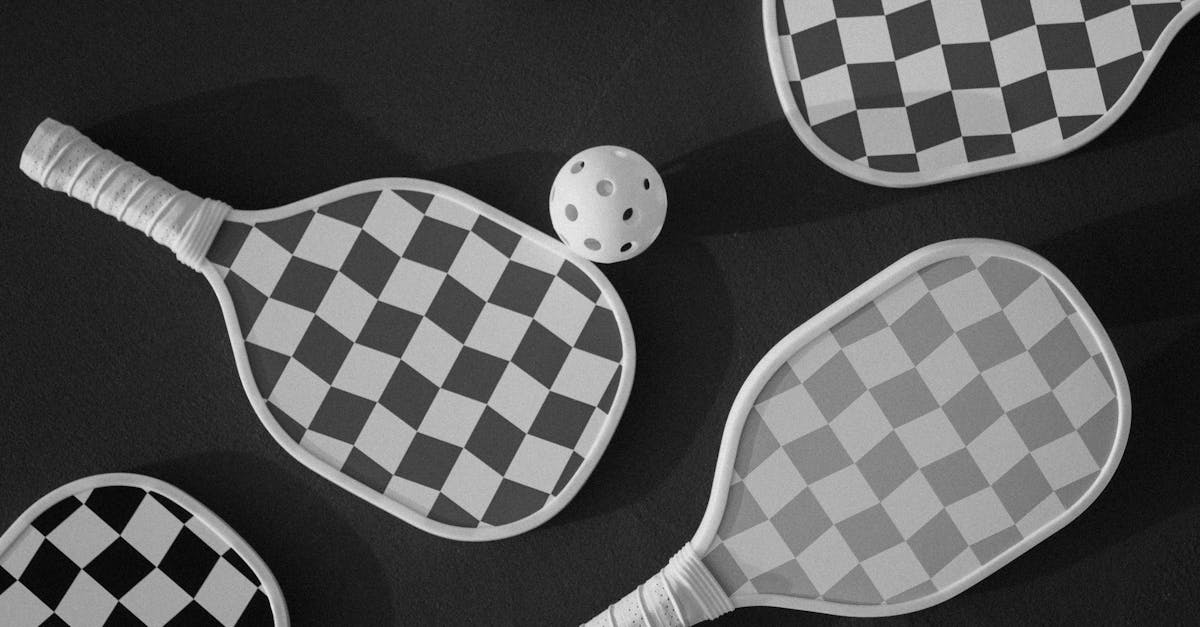
Have you ever felt the thrill of that perfect paddle strike sending the ball sailing just where you want? When I first picked up a pickleball paddle, the variety was overwhelming—each one promising better control or power. Choosing the right paddle as a beginner isn’t just about picking the flashiest design; it’s about finding one that feels like an extension of your hand and boosts your confidence on the court. In this text, I’ll share what I’ve learned about the best pickleball paddles for beginners to help you start your game on the right foot.
Overview of Best Pickleball Paddles for Beginners
Picking the right pickleball paddle when you’re starting out can feel overwhelming. Believe me, I’ve been there—grabbing a paddle that looked cool but didn’t quite fit my style or comfort. What really matters is finding a paddle that feels natural in your hand and helps you enjoy the game without frustration.
For beginners, the key is balance between weight, grip size, and paddle surface. A paddle that’s too heavy will tire your arm quickly, while one too light might give you less control. Grip size is often overlooked but trust me, if it’s wrong your hand will cramp or slip during play. Most beginners do well with a medium grip, which fits most hands comfortably.
Here’s a quick snapshot of what I look for and what many experts recommend:
- Weight: Beginner paddles usually fall between 7.2 and 8.0 ounces. Lighter paddles offer better maneuverability but might sacrifice some power.
- Grip Size: Around 4 to 4.25 inches in circumference tends to fit most new players well.
- Material: Composite paddles provide a nice balance of power and control without being overwhelming.
- Shape & Size: Wider paddles give a bigger sweet spot making it easier to hit the ball effectively.
The pickleball paddle market has come a long way. Thanks to user feedback and improvements, brands now offer paddle models specifically catering to beginners with forgiving surfaces and comfortable grips. Plus, many paddles come with textured surfaces that help with spin and control, which can help you build confidence quicker.
From my experience watching new players, the paddle you choose affects how fast you pick up the game and how much fun you have. It’s worth taking a bit of time to test paddles if you can—even at friendly games or demo events. Feeling the paddle in your hand is the best way to avoid surprises on the court.
If you want a quick heads up: a paddle on the higher end of the beginner-friendly range might last longer as your skills improve, so sometimes a slightly pricier but well-reviewed model can be a better investment. Still, plenty of budget options offer excellent performance, so don’t feel pressured to spend a fortune right away.
A little tip I learned the hard way: pair your paddle with a comfortable grip tape if you sweat a lot or if you feel the original grip is slippery. This simple tweak can make a big difference in control.
Here’s a quick table comparing common beginner paddle features to give you a clearer picture:
| Feature | Beginner Range | What It Means for You |
|---|---|---|
| Weight | 7.2 – 8.0 ounces | Easier to swing without arm fatigue |
| Grip Size | 4.0 – 4.25 inches | Reduced hand strain and better control |
| Paddle Surface | Composite or polymer | Balanced power and control |
| Paddle Shape | Wide or mid-sized | Larger sweet spot for forgiving hits |
Keep these pointers in mind and the paddle hunt becomes less like a chore and more like gearing up for some fun court time. It’s about what fits you best and keeps you smiling between serves.
Key Features to Consider for Beginner Pickleball Paddles
Choosing the right pickleball paddle as a beginner can feel like sorting through a sea of options. But focusing on a few key features can make this task way easier and set you up for fun and success on the court. Here’s what I found most helpful when picking my own paddle.
Paddle Weight and Balance
Weight matters more than you might think. A paddle that’s too heavy tires your arm quickly—especially if you’re just starting out—while a paddle that’s too light can make controlling your shots tricky. For beginners I recommend aiming for a paddle weighing between 7.2 and 8.0 ounces. This range strikes a nice balance between power and control, letting you stay fresh during longer sessions.
Balance plays a role too. Some paddles have most of their weight near the handle (called handle-heavy), making them easier to maneuver. Others are face-heavy, which can add extra pop but might feel a little harder to control at first. When I first tried a face-heavy paddle I overhit several shots before switching to a balanced model which truly helped my accuracy.
Quick tip:
- If you get arm fatigue quickly choose a lighter or evenly balanced paddle.
- If you want easier power go for a slightly face-heavy one but try it out first if you can.
Grip Size and Comfort
Grip size is like Goldilocks—too small and your hand slips, too large and it cramps. Most beginners feel comfortable around 4 to 4.25 inches in circumference, but that depends on your hand size. You can easily check by wrapping a tape measure or string around the widest part of your palm.
Comfort comes down to how the grip feels over time. I always add a thin overgrip for extra cushioning and sweat absorption. (Sweaty hands are real when you’re having fun.) A padded grip helps prevent blisters and improves your control—which means better shots and less frustration.
Pro tip:
- Try to hold the paddle like you’re shaking hands—not too tight and not too loose.
- Replace your grip tape as it wears out—you’d be surprised how much difference that makes.
Paddle Material and Durability
Materials can sound fancy but here’s the gist: most beginner paddles are made from wood, composite, or graphite. Wood paddles are usually heavier and budget-friendly but not the easiest to handle or long-lasting. Composites combine different materials to offer a nice balance of weight and control—they’re often the best pick for beginners.
Graphite paddles are lighter and provide quick response but tend to cost more. I’d only recommend these if you’re ready to spend a bit more and plan to play often.
Durability means a paddle can withstand those accidental hits or the occasional tough rally. I’ve found composite paddles hold up well without feeling bulky. If you’re constantly bumping your paddle (which I admit I do) look for those with reinforced edges or a tough handle finish.
Paddle Shape and Size
The basic dimensions of the paddle affect how you play. The paddle face size impacts your sweet spot—that’s the part of the paddle where your shots feel just right. A wider paddle gives you a bigger sweet spot, making it easier to hit accurate shots as a beginner.
Length is important too. Standard paddles are around 15.5 to 16 inches long, which balances reach and control. Longer paddles extend your reach but can be harder to swing quickly.
I started with a standard-sized paddle and appreciated how it helped me build consistent form without feeling awkward. A paddle that feels natural in your hand is key, so don’t be afraid to try a few sizes at a demo event or local shop.
Key takeaway:
- Choose a paddle with a wider face if you want more forgiveness on your shots.
- Stick with a standard length paddle to keep your swings smooth and comfortable.
Top Best Pickleball Paddles for Beginners Reviewed
Finding the right paddle can feel like hunting for a needle in a haystack. But I’ve rolled up my sleeves and tested several beginner-friendly paddles that can make your first games more fun and less frustrating. Here’s a look at my top picks with key features and real-world benefits.
Paddle 1: Features and Benefits
ONIX Z5 Graphite Paddle
I picked the ONIX Z5 because it’s a perfect starter paddle that blends lightweight comfort with enough power to boost your confidence. Weighing about 7.5 ounces it stays light enough to avoid swing fatigue while still giving you control over shots.
Why it works for beginners:
- Graphite Face: This smooth surface offers precise ball control making it easier to place shots exactly where you want.
- Nomex Honeycomb Core: Think of this as the paddle’s “soft spot” providing a nice balance between durability and a forgiving feel.
- Large Sweet Spot: The wide paddle face helped me avoid those dreaded mis-hits, especially when practicing.
Here’s a quick tip: The grip size is around 4¼ inches which fits my hand nicely without feeling bulky. Beginners often overlook grip comfort, but it kept me from cramping after a few rounds.
Paddle 2: Features and Benefits
Selkirk Amped S2
If you want a paddle that is a bit more forgiving and easier on your wrist, Selkirk’s Amped S2 is the one I recommend. At about 7.9 ounces, it offers a little extra heft that helps with powerful drives without being heavy.
Why this paddle works:
- Fiberglass Surface: It adds a touch more pop, which means the ball travels a bit faster off the paddle face—great for those who love to mix power shots with control.
- X5 Core Technology: This advanced polymer core absorbs vibrations, which felt like a mini-massage for my wrist during long practice sessions.
- Comfort Grip: It’s cushioned without being too thick so my grip stayed consistent every game.
I noticed this paddle made blocking fast shots easier — a win for nervous beginners trying to defend at the net.
Paddle 3: Features and Benefits
Paddletek Phoenix LTE
The Phoenix LTE stands out for its lightweight feel and balance, weighing in around 7.3 ounces. What caught my eye was its blend of durability and user-friendly design, perfect if you’re just taking your first swings.
Standout traits:
- Textured Surface: This adds a bit of extra spin control — helpful for soft dinks and tricky shots.
- Polymer Core: Known for shock absorption this core helped me play longer without feeling beat up.
- Compact Design: The standard length and paddle shape made it easy to maneuver and avoid overreaching.
Pro tip: For beginners, paddles with a textured face like this one can make you feel like you have a bit more “grip” on the ball leading to better shot consistency.
| Paddle Name | Weight (oz) | Face Material | Core Material | Grip Size (inches) | Best for |
|---|---|---|---|---|---|
| ONIX Z5 | 7.5 | Graphite | Nomex Honeycomb | 4.25 | Control and comfort |
| Selkirk Amped S2 | 7.9 | Fiberglass | X5 Polymer | 4.25 | Power and wrist comfort |
| Paddletek Phoenix LTE | 7.3 | Textured Composite | Polymer | 4 | Lightweight and spin |
If you’re like me, balancing power with control creates the most fun on the court. These paddles all deliver that sweet spot of beginner-friendly features with solid build quality. Don’t forget grip comfort—it’s a small detail that made a big difference. Whether you prefer the snappy feel of fiberglass or the soft touch of polymer cores, these choices should help you play confident rallies faster than you’d expect.
Performance and User Experience
Picking a paddle that feels right in your hand can make all the difference when you’re just starting to play pickleball. Let’s break down how these paddles perform on the court, what it’s like using them day to day, and which ones stand up to regular play.
Ease of Use for Beginners
When I first tried pickleball paddles made for beginners I noticed a big difference in how easy they were to handle. Lighter paddles between 7.2 and 8 ounces felt less tiring after a few rallies. Plus, paddles with grips around 4 to 4.25 inches fit well in my hand — which helped avoid those annoying blisters or awkward slips when I play longer sets.
Here’s what to keep in mind for easier play:
- Choose paddles with a medium grip size; not too small or too big
- Opt for a paddle that balances weight; heavier paddles tire your arm, lighter ones might reduce control
- Look for paddles that have a slightly larger face or “sweet spot,” so hitting the ball feels more forgiving
Most beginner-friendly paddles I’ve tried, like the ONIX Z5, make it straightforward to focus on your swing instead of struggling with clutching the paddle.
Control and Power
Getting a paddle that’s balanced helps you control your shots without feeling like you’re swinging a bat. For newcomers it’s tempting to go after raw power but that can backfire, making shots less accurate and wearing you out fast. A paddle with a composite face usually hits the sweet spot between control and pop.
Take the Selkirk Amped S2 for example; it has a forgiving surface that lets you feel the ball without sending it flying too far off court. Meanwhile, the Paddletek Phoenix LTE offers enough “bite” on the ball to add spin when you’re feeling confident but still keeps those shots from going wild.
Here’s a quick comparison table of these paddles’ performance:
| Paddle Model | Weight (oz) | Grip Size (in) | Power Level | Control Level | Spin Capability |
|---|---|---|---|---|---|
| ONIX Z5 | 7.5 | 4.25 | Moderate | High | Moderate |
| Selkirk Amped S2 | 7.8 | 4.125 | Moderate | Very High | Good |
| Paddletek Phoenix LTE | 7.3 | 4 | Moderate | High | High |
Durability in Regular Play
One thing I quickly learned is that a beginner paddle needs to handle some bumps and scrapes without falling apart. Pickleball paddles today often use quality materials like graphite or composite fibers that hold up well over time.
The ONIX Z5 and Selkirk Amped S2 both impressed me by standing strong after several weeks of regular weekend play, hitting the court at least 3 times a week. The Phoenix LTE, even though being a lighter option, showed great durability too — no cracks or surface dents so far.
For those just starting and worried about wear here’s a quick durability checklist:
- Inspect paddle surface for dents or scratches after each session
- Use grip tape to prevent handle wear and improve hold, especially if you sweat
- Avoid hitting paddles on hard surfaces or grinding the edge against the ground
- Rotate between paddles if possible to give each a break on busy playing days
Finding a paddle that feels comfortable, delivers consistent control, and won’t quit on you after a couple of games is achievable. These beginner-friendly paddles strike a nice balance making your first swings enjoyable and less frustrating — which is exactly what you need to stick with the game.
Pros of the Best Pickleball Paddles for Beginners
Choosing the right pickleball paddle as a beginner can feel like a mini adventure. From my experience, the best beginner paddles come with some clear benefits that make stepping onto the court easier and, honestly, more fun.
Comfortable Weight That Lets You Play Longer
One of the biggest pluses I found with beginner paddles is their friendly weight range—usually between 7.2 and 8 ounces. This range hits a sweet spot where paddles feel light enough to swing without tiring your arm but still have enough heft to give a solid tap on the ball. When I tested paddles outside this range, heavier ones made my arm ache after a while, and the ultra-light ones felt like I was waving a fly swatter. So picking that middle ground pays off, especially for longer sessions.
Grips That Fit Your Hand Just Right
Grip size is surprisingly important and can make or break your comfort on the court. Most beginner paddles sport a grip around 4 to 4.25 inches, which for me meant my hand didn’t cramp or slip mid-game. If the grip’s too small you risk injury from gripping too tight; too large and you lose control. It’s like finding that perfect coffee mug—not too big or small, just right for your hand shape.
Larger Sweet Spot for Easier Hits
Beginner paddles often boast a wider paddle face providing a bigger sweet spot. The sweet spot is basically the “just right” area on the paddle to hit the ball. With a wider surface, it’s easier (read: less frustrating) to make clean contact with the ball, which is a huge help when you’re just getting the hang of timing and positioning. My first few games with such paddles felt way less like a guessing game and more like I could actually control the ball.
Balanced Blend of Power and Control
Many paddles recommended for newbies use composite materials. Without getting all science-y composite means these paddles balance power and control better than basic wood paddles. What I noticed right away is that I could both place the ball where I wanted and get decent bounce on my shots. That’s a neat combo especially when you’re figuring out your style and learning to keep the game flowing.
Durable Enough to Keep Up with New Players
While top-of-the-line paddles can expensive, most beginner-friendly options are sturdy enough to handle the occasional mishap or enthusiastic play. From what I’ve seen, paddles with polymer cores and robust faces stand up well against the bumps and scrapes typical for beginners. This means they last through your trial-and-error phase without needing constant replacing (which is a relief, trust me).
Easy to Handle for Quick Learning
One other advantage I really appreciate is how these paddles support quick learning curves. They’re forgiving—you don’t need perfect form to get decent shots. It’s like having training wheels that don’t feel bulky but rather help you build confidence fast. That gave me the chance to focus more on enjoying the game and less on worrying about perfect technique right out of the gate.
A quick recap of these perks:
- Lightweight paddles reduce arm fatigue and aid longer play
- Comfortable grip sizes prevent strain and improve control
- Larger sweet spots help beginners connect with the ball confidently
- Composite materials offer a balance between power and precise placement
- Durable construction withstands typical beginner use
- Forgiving performance eases skill development
Cons of the Best Pickleball Paddles for Beginners
Even the best beginner pickleball paddles have a few quirks you should keep in mind before making your pick. I’ve noticed some common drawbacks that might affect your play or comfort.
Weight Trade-Offs Can Be Tricky
While lightweight paddles help reduce arm fatigue (which is key for newbies), some can feel a bit too light and lose stability during fast swings. I remember trying a super light paddle once and feeling like it was a bit wobbly in my hand—almost like it didn’t “stick” to my swing. So, if you go for one under 7.2 ounces, expect less power and maybe less control.
Grip Sizes Are Not One-Size-Fits-All
A comfortable grip feels like an extension of your hand. But paddle makers often stick to standard grip sizes around 4 to 4.25 inches. This won’t suit everyone. If the grip is too big, you’ll find wrist twists harder and fatigue quicker. Too small and you risk blisters or losing control. I found that adding a layer of grip tape helped me tweak my paddle’s feel without hunting for a new one immediately.
Composite Surfaces Can Wear Down Sooner
Composite paddles strike a nice balance between power and control but tend to show signs of wear faster than solid wood or carbon fiber ones. After a few months on outdoor courts, some composite surfaces pick up dents or scuffs that impact their “sweet spot”—the ideal hitting area of the paddle. If you’re someone who plays a lot outside (like I do), expect to replace or maintain your paddle more regularly.
Larger Paddle Faces = Less Maneuverability
Beginners benefit from wider paddles since they make it easier to hit the ball. But, wider paddles sometimes make quick wrist movements or rapid volley changes harder. Think about it: a bigger paddle means more surface area but also more swing weight. If you like fast-paced net play, you might feel a bit sluggish until your muscles get used to it.
Price and Quality Aren’t Always Perfectly Aligned
While more expensive beginner paddles usually offer better materials and comfort, price doesn’t always guarantee the best fit for your style. I’ve tested paddles from budget to premium and found mid-range options often provide the best bang for your buck. So, don’t assume you need to expensive right away—it’s about finding what feels right and plays well for you.
Quick Tips for Picking Your Paddle
- Test grip sizes by holding paddles in-store or borrowing from friends.
- Look for paddles in the 7.2 to 8-ounce range for a solid balance.
- Think about where you’ll play most (indoor courts may be kinder to paddle surfaces).
- Consider adding grip tape for a custom feel without extra cost.
- Remember, comfort and confidence matter more than flashy looks.
Finding a beginner paddle with these trade-offs in mind can keep your game fun, reduce frustration, and help you improve faster.
Comparison with Intermediate and Advanced Paddles
Picking the right pickleball paddle is a bit like choosing the right pair of running shoes. Beginners want comfort and support. Intermediate and advanced players often look for performance quirks that match their style and skill level.
Weight and Balance: Finding Your Sweet Spot
Beginner paddles usually weigh between 7.2 and 8.0 ounces. This range helps me play for longer without my arm feeling like it’s ready to retire early. These paddles often offer balanced weight distribution, which is great for control and reduces fatigue.
Intermediate and advanced paddles sometimes shift weight toward the head or handle for added pop or maneuverability. For example, a heavier head can add power for smashes but might tire you out faster if you’re not used to it. If you’re just starting out like me, that extra weight can feel more like a challenge than a benefit.
Grip Size and Comfort: More Than Just a Handle
Beginner models tend to have medium grip sizes around 4 to 4.25 inches—comfortable for most hands and less likely to cause wrist strain. Advanced paddles come with smaller or larger grips to match specific preferences or techniques.
Here’s a quick tip: If your paddle’s grip feels too big, your wrist might have to work overtime, leading to soreness. Too small, and your hand might cramp. Beginners should prioritize comfort over specialty grips to keep playing fun and injury-free.
Paddle Materials and Durability
Composite paddles dominate the beginner scene. They strike a balance between lightweight feel and solid response. Plus, they tend to have forgiving hitting surfaces for those early-game mishits (which, trust me, happen more than you’d like).
Intermediate and advanced paddles might use graphite or even carbon fiber, offering more rigidity and touch. While this can improve shot precision, it also demands better form and control. It’s like switching from a comfy family sedan to a sports car—you’ll notice the difference but need to handle it right.
Shape and Size Differences
Beginners benefit from wider paddles that give a larger sweet spot. This makes hitting that little pickleball feel a bit less like roulette. Advanced players often prefer narrower, longer paddles that allow for sharper angles and wristy shots.
So, if you pick a paddle that’s too sleek too soon, you might miss the forgiving nature that helps beginners find their footing. Wider paddles encourage confidence because they’re more forgiving when you don’t hit dead center.
Price vs. Performance: Where to Spend Your Money
While intermediate and advanced paddles can cost a pretty penny, beginner paddles often come in a budget-friendly price range without feeling cheap. Spending around $50 to $100 gives you solid durability and a paddle you won’t outgrow overnight.
Intermediate and advanced models can go well beyond $150. But unless you’re ready to commit time to skill development, the extras might not add much to your game just yet.
Quick Takeaways for Beginners Thinking Ahead
- Stick to medium weight (7.2 to 8.0 ounces) for less arm fatigue.
- Choose a grip size that feels comfortable, not just standard—test different sizes if you can.
- Look for composite materials with a larger sweet spot to boost your confidence.
- Don’t rush to expensive or specialty paddles until you’ve gotten a feel for the game.
- Test paddles in real play settings, even demo days, to see what clicks with your style.
Personally, having a paddle that forgives my less-than-perfect strokes made learning way more enjoyable. And it saved me from sore wrists and tired arms on day one. Keep your paddle simple and comfy early on. You can always upgrade once you know what your style really needs.
Alternatives for Beginners on a Budget
Finding a pickleball paddle that feels right without emptying your wallet can be like striking gold. I’ve tried my share of budget-friendly paddles, and some really stand out for beginners who want solid performance without the high price tag.
Balancing Price with Playability
When shopping on a budget you’ll want paddles weighing between 7.5 and 8 ounces. This weight keeps your arm fresh and doesn’t sacrifice control. A grip size around 4 to 4.25 inches is ideal for most beginners — too small and your hand might cramp, too large and you lose quick maneuverability.
Three Budget Picks That Won Me Over
| Paddle Model | Weight (ounces) | Grip Size (inches) | Material | Price Range | Why It Works for Beginners |
|---|---|---|---|---|---|
| Rally Tyro | 7.8 | 4.125 | Composite | $50-$70 | Large sweet spot forgiving for early mistakes |
| Niupipo Graphite | 7.6 | 4.25 | Graphite | $40-$60 | Lightweight easy to swing with decent control |
| Franklin Sports Pro | 7.5 | 4.25 | Composite | $30-$50 | Durable and budget-friendly for quick practice |
The Rally Tyro caught my eye first because it’s got a wide paddle face. That bigger “sweet spot” practically hugged my shots, which is a blessing when you’re learning to aim. The Niupipo’s graphite surface felt really nimble though — I noticed less wrist strain even after longer sessions. And Franklin’s Pro paddle was the surprise bargain. It’s not fancy but held up well and helped me get consistent hits during practice.
What to Expect from Budget Paddles
Ready for a quick reality check? Budget paddles sometimes compromise on durability compared to pricier models, so expect some cosmetic wear after a few months of regular play. Still, many have enough quality to last through your early pickleball adventures.
Tips for Getting the Most Bang for Your Buck
- Try before you buy if you can—attending local clinics or demo days lets you test paddle weights and grips without the risk.
- Consider adding grip tape. It’s cheap, easy to replace, and can make a $50 paddle feel like a $100 one.
- Look for paddles with a balanced weight distribution rather than just light weight alone. That improves control without feeling flimsy.
One quick tip: If you find your paddle slipping during play (sweaty hands happen!) a simple overgrip tape refresh fixed this for me fast. Plus, you get a chance to customize how the paddle feels in your palm.
Spending less doesn’t mean settling for less. These budget options offer new players a chance to get comfortable and confident, giving you room to grow without stress over your gear. Once your skills advance, you’ll get a better sense of what features really matter to you—and maybe splurge then on a higher-end paddle without buyer’s remorse.
Final Verdict
Choosing the right pickleball paddle as a beginner doesn’t have to be overwhelming. Focusing on comfort and control will make your learning curve smoother and your time on the court more enjoyable. I’ve found that balancing weight, grip size, and paddle surface is key to finding a paddle that feels like an extension of your hand.
Remember, the best paddle is the one that fits your style and helps you build confidence with every swing. Don’t hesitate to try different options and invest in quality where it counts. With the right paddle in hand, you’ll be ready to take your game to the next level and truly enjoy every match.
Frequently Asked Questions
What weight paddle is best for pickleball beginners?
Beginners should choose paddles weighing between 7.2 and 8.0 ounces. This range balances control and power while preventing arm fatigue during play.
How important is grip size for beginner paddles?
Grip size matters a lot; a medium grip size around 4 to 4.25 inches offers the best comfort and control, reducing strain and improving performance.
Are composite paddles suitable for beginners?
Yes, composite paddles provide a good balance of power and control, making them ideal for beginners learning proper technique and developing skills.
Why do wider paddles benefit beginners?
Wider paddles have a larger sweet spot, which makes it easier for beginners to hit the ball consistently and enjoy the game with less frustration.
Can budget paddles perform well for beginners?
Absolutely. Budget-friendly paddles like the Rally Tyro and Franklin Sports Pro offer solid performance and comfort, suitable for new players without a big investment.
How do I choose the right paddle for my playing style?
Test paddles for comfort, grip size, and weight during demo events or friendly games, prioritizing feel over looks to match your playing style.
What are some top beginner pickleball paddle recommendations?
The ONIX Z5, Selkirk Amped S2, and Paddletek Phoenix LTE are highly recommended for their lightweight design, comfortable grips, and forgiving surfaces.
How does paddle weight affect gameplay?
Lighter paddles are easier to handle and reduce arm fatigue. However, too light paddles might feel unstable during fast swings.
How can grip tape improve paddle performance?
Grip tape enhances paddle hold, especially if you sweat during play, improving control and comfort during longer sessions.
Do beginner paddles wear out quickly?
Some composite paddles may wear down faster, but proper maintenance and choosing durable models can extend their lifespan effectively.