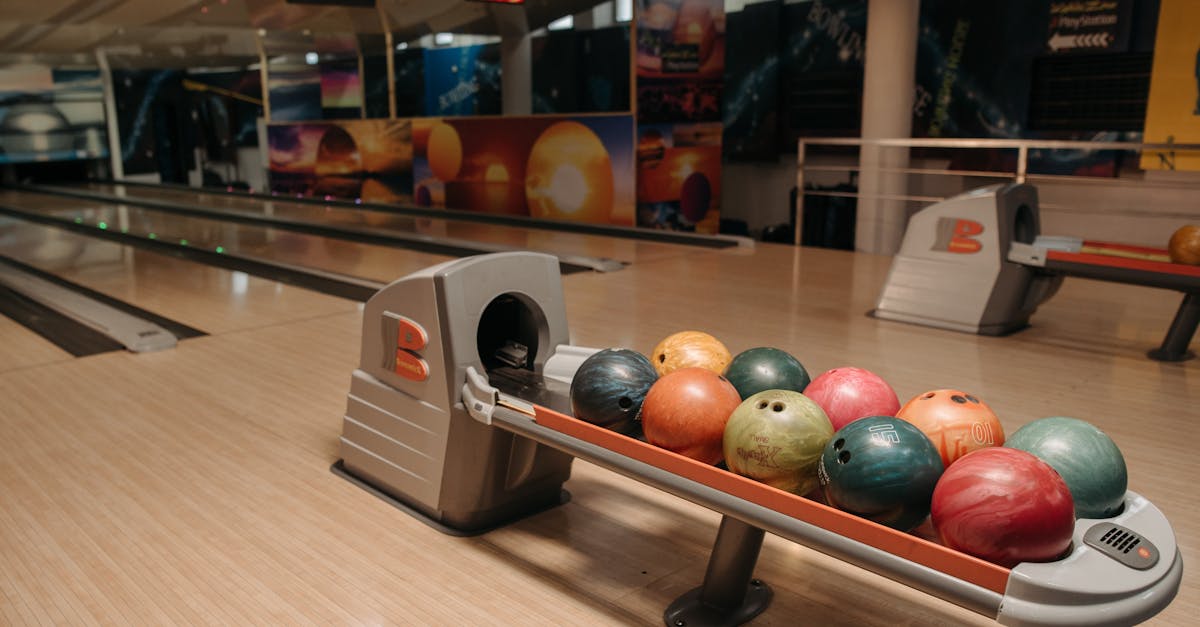
Have you ever found yourself chasing after stray balls during a game, losing focus and momentum? I know I have, and that’s where automatic ball return systems come in. These clever devices not only save time but also keep the flow of play smooth and uninterrupted.
Imagine the satisfying hum of a machine quietly gathering balls and sending them back to you without missing a beat. In this text, I’ll jump into how these systems work and why they’re becoming a game-changer for players and coaches alike. If you’re ready to boost your practice sessions or elevate your game, you’ll want to stick around.
What Are Automatic Ball Return Systems?
Automatic ball return systems are clever devices that catch and send balls back to a player without needing someone to chase after them. Think of them as your personal ball assistant on the court or field, quietly working behind the scenes so you can keep your focus where it counts—on your game.
At their core these systems collect balls that roll or bounce away during play and gently funnel them back to a designated spot, usually near the player or coach. This means no more stopping to gather stray balls or interrupting practice drills. The best part is that they save time and keep energy levels up, making training sessions smoother and more productive.
Most automatic ball return setups include features like:
- Ball collection area: This is where balls land after play, often a net or hopper.
- Conveyor or ramp: Moves the balls quietly and gently to the return point.
- Return chute or basket: Delivering the balls right back to you so you’re ready for more.
These parts work together in harmony so you can stay in the zone without fumbling around for a ball. For example, when I recently tested a system during a badminton session, I noticed a major boost in how many successive shots I could practice without losing momentum.
Many players and coaches find these systems especially useful because:
- They cut down interruptions during drills.
- They reduce trips to fetch balls, saving energy.
- They help keep practice fast-paced and focused.
If you’re wondering whether they only fit certain sports, that’s not the case. They come in all shapes and sizes for tennis, basketball, volleyball, and even baseball. Some systems are compact and portable—perfect for home or small gyms—while others are built for bigger training centers.
Here’s a quick snapshot showing how these systems can fit into everyday routines:
| Benefit | Why It Matters |
|---|---|
| Saves up to 50% practice time | More reps in less time = faster skill gains |
| Reduces fatigue | Less running for balls means more energy for drills |
| Improves focus | Keeps your attention on hitting or shooting |
One trick I picked up is to match the system size and speed to your skill level. Faster returns are great for advanced players, while beginners might prefer a gentler pace to keep up.
Bottom line, automatic ball return systems take a common hassle off your plate, so you get more out of every minute on the court. If you’ve ever felt like you need an extra pair of hands during practice, these gadgets could be just what you needed (and trust me, they make a noticeable difference).
Features of Automatic Ball Return Systems
Automatic ball return systems pack a handful of handy features that make practice sessions smoother and more enjoyable. I’ve found these details help you pick a system that fits your style and needs, whether you’re a weekend warrior or a serious player.
Design and Build Quality
These systems often come with sturdy frames made from metal or high-quality plastic that can handle regular use without wobbling or breaking down. I’ve seen systems with cushioned edges and smooth ramps—which means fewer dents on your balls and less noise (because, honestly, who wants a clatter-filled practice?). Some models boast compact designs that fit neatly into smaller spaces, making them great for home setups, while others are built larger for club or gym use.
Here’s what I look for in build quality:
- Solid frame and non-slip base to avoid shifting
- Smooth ball channels or ramps to prevent ball damage
- Weather-resistant materials for outdoor use
- Easy assembly without requiring a handyman’s toolbox
Compatibility with Different Table Sizes
One size doesn’t fit all tables. These systems usually offer adjustable features so they work with various table dimensions—whether you have a mini table in the basement or a full-sized pro model. Some even come with removable parts or extendable ramps to make sure the ball lands right where you want it.
In my experience, checking the specifications for minimum and maximum table widths saves you frustration. A good system should cling securely to your table without needing constant adjustment.
Mechanism of Ball Collection and Return
The magic lies in how these devices scoop up balls and send them back to you without missing a beat. Most systems have a funnel or ramp that guides stray balls to a collection point. From there, a small conveyor belt or gravity-powered chute whisks the balls back to the player’s side.
It’s like having your personal ball attendant who never needs a coffee break.
Key takeaways here:
- Some systems work entirely on gravity (more budget-friendly but may move slower)
- Motorized conveyors speed up the return but usually need a power source
- Quiet operation means less distraction during practice
- Ball storage baskets often hold multiple balls so you get uninterrupted drills
Technology and Automation Levels
Here you find a nice range—from simple setups that rely on basic mechanics to smart versions with sensors and remote controls. Some high-end models even sync with apps letting you control the ball speed or track your practice stats (which is pretty neat if you’re chasing progress).
But for most players, the best pick balances automation with simplicity. Too many bells and whistles might make the system harder to use, especially if you prefer fuss-free practice.
Here are some options I’ve seen:
| Level | Features | When It’s Useful |
|---|---|---|
| Basic | Gravity-fed return, manual ball loading | Great for casual players or beginners |
| Intermediate | Motorized belt, adjustable speed | Ideal for regular practice sessions |
| Advanced | Sensors, app controls, speed settings | For serious players or coaches |
All said and done, the right automatic ball return system feels like an extension of your game—a behind-the-scenes helper that keeps the balls coming so you can focus on your swing, serve, or shot.
Performance and User Experience
Automatic ball return systems can really change how smoothly a practice or game session flows. After using a few models myself, I found certain features stand out when it comes to real-world performance.
Efficiency of Ball Return
The main goal of these systems is to collect and deliver balls quickly so you never break your rhythm. The best machines I’ve tried return balls in about 5-10 seconds, which saves a ton of time compared to chasing them down. Some come with adjustable speeds, so you can slow things down for beginners or ramp it up for intense drills.
I once had a session where the system fetched balls twice as fast as my usual helper (which also cut fatigue and kept everyone energized). Pro tip: if you’re working on fast-paced drills, check the specs for return speed — anything below 8 seconds might leave you waiting.
Ease of Setup and Maintenance
Here’s where the less glamorous side comes into play—but trust me, it’s worth getting right. Setting up the system usually involves securing it to your court or table and making sure the ball intake is aligned well. I’ve found models with tool-free adjustments the easiest to work with—no toolbox needed, which makes setup painless.
Maintenance depends on how often you use it. Most systems require just occasional dusting and checking for loose parts. I learned the hard way that skipping cleaning means balls can jam the ramp. So, a quick brush or wipe every few weeks keeps everything rolling smoothly.
Some helpful tips:
- Store the system indoors when not in use to avoid wear from weather.
- Keep the ball return track free from dirt and debris.
- Follow manufacturer instructions for lubricating moving parts if mentioned.
Noise Levels During Operation
If you’ve ever practiced indoors late at night or in shared spaces, noise matters. Some ball returns sound like a gentle whoosh, others more like a mini train. I personally prefer quieter models since they let me focus without distraction or worrying about neighbors.
One system I used featured soft rubber wheels and smooth ramps, cutting down on clangs and rattles significantly. While no device is completely silent, many manufacturers give noise levels in decibels — aiming for under 60 dB usually means you won’t be bothering anyone.
Impact on Gameplay Flow
This is where the magic happens. Automatic ball return systems truly shine by keeping the ball in play with almost zero downtime. Definitely noticed my drills felt smoother and my energy stayed up longer without those annoying pauses to fetch balls.
Plus, with less disruption, coaches can spend more time giving tips instead of refereeing ball hunts. This effect was even more noticeable when working with beginners or kids, who often get discouraged with too much downtime.
Here’s what you can expect:
- Up to 50% less time losing balls (according to user surveys).
- More focused sessions since your attention stays on skill-building.
- Less physical strain thanks to fewer trips chasing balls.
If you’re someone who values consistency in training or enjoys long play sessions, this is a small investment that pays off big by keeping the momentum going (and saving your legs).
Pros of Automatic Ball Return Systems
Automatic ball return systems bring a bunch of perks that make practice sessions smoother and way more enjoyable. I’ve noticed these little helpers save time and energy, so you can focus on actually playing instead of chasing after balls.
Save Time and Keep Momentum Going
One of the biggest upsides is that you get your balls back fast—usually within 5 to 10 seconds. That quick turnaround means you don’t lose your rhythm or get pulled out of the zone trying to pick up stray balls. It’s like having an extra pair of hands ready to feed you balls at just the right moment.
Less Fatigue, More Focus
Think about how tiring it gets running back and forth to gather balls during a tennis drill or basketball practice. These systems cut down those trips, so you save energy. That’s especially helpful if you’re practicing solo or coaching a group. You stay fresh longer and can zero in on improving skills instead of getting worn out chasing balls.
Easy Setup and Use—No Rocket Science Here!
Most models are super simple to set up. In fact, some don’t need any tools at all (which, trust me, is easier than it sounds). Adjustable fittings mean they snugly fit different table sizes or court setups. Plus, regular maintenance is straightforward—just a quick clean now and then to keep everything running smooth.
Quiet Operation Means No Distractions
If you’re practicing indoors, noise can be a concern. The better ball return systems use smooth ramps and sturdy frames that keep the noise down when balls roll back. So instead of a clattering racket, you get a subtle, consistent flow of balls that won’t nag at your focus.
Fits Different Skill Levels and Settings
Whether you’re a beginner working on basic drills or a pro needing fast-paced feeds, you can find a system that matches your speed and size requirements. Some even offer tech upgrades like sensor-based ball feeding or app controls if you like a bit of gadget flair.
A Solid Investment for Improved Practice
Here’s the kicker: by cutting nearly half the time you’d usually spend fishing balls out of corners, automatic ball return systems boost your practice efficiency. More reps in less time equals better skill gains. For anyone serious about steady improvement, this is a smart save on both patience and sweat.
Quick Tips For Choosing Your System
- Match the return speed to your playing level—for beginners slower speeds help build form
- Look for tool-free assembly to avoid setup headaches
- Check noise levels if you practice indoors and want peace
- Consider durability if you practice often or outdoors
If you’ve ever felt like you could use an extra set of hands on the court, these systems deliver by doing just that—minus the chatter and fuss.
Cons of Automatic Ball Return Systems
While automatic ball return systems bring plenty of benefits, I’ve noticed a few drawbacks that might make some players pause before investing.
Setup and Space Challenges
Sometimes these systems need more room than you’d expect. If you’ve got a tight practice area or an oddly sized court, fitting the setup can feel like trying to squeeze a square peg into a round hole. Plus some models require a bit of assembly (which, trust me, is easier than it sounds, but still takes time). You might find yourself moving furniture or gear just to get everything aligned properly.
Not Always Quiet as a Whisper
Many of these systems have motors or conveyors that hum along during use. While some brands focus on noise reduction, others can be loud enough to distract you, especially indoors. If you’re someone who appreciates quiet during practice (or live in an apartment), this could be a factor worth considering.
Cost vs. Frequency of Use
Here’s the kicker: these systems can get pricey. If you only practice occasionally, spending hundreds of dollars might feel like buying a fancy coffee machine you barely use. For casual players, the investment may not always match how much time they spend on the court.
| Factor | What to Consider |
|---|---|
| Space Requirements | Check dimensions before buying |
| Noise Levels | Look for quiet models for indoor use |
| Price | Balance cost against your practice routine |
Occasional Jamming or Malfunctions
Even the best automatic ball return systems aren’t immune to occasional hiccups. Balls can jam in the funnel or conveyor, especially if you’re using them a lot or with varied ball types. I’ve found that regular cleaning and quick fixes are part of the deal. It’s not a huge hassle, but it does mean you have to stay on top of maintenance to keep everything running smoothly.
Limited Customization on Return Speed
Some models come with fixed speeds or limited adjustments. If your practice needs vary a lot—sometimes fast returns for drills, other times slow for beginners—this lack of flexibility may slow you down. It’s worth checking whether the model you like offers easy speed control or if you’ll be stuck with one return pace.
Quick Tips to Keep in Mind
- Measure your space carefully before committing to a system.
- If noise matters, request demo videos or check for user reviews on sound.
- Think about how often you’ll use the system versus its cost.
- Plan to set aside a little maintenance time to prevent jams.
- Look for models offering adjustable return speeds if variety matters to you.
In my experience, understanding these challenges upfront can save you some headaches and help you pick a system that truly fits your needs.
Comparison with Manual Ball Return Systems
When thinking about ball return options, automatic and manual systems seem worlds apart. But stepping into their pros and cons side-by-side can really clarify which one suits your routine best.
Advantages Over Manual Systems
Automatic ball return systems bring a level of ease that manual setups struggle to match. First off, they save you loads of time—I’m talking about reclaiming up to half your practice session that might otherwise vanish chasing balls around.
Here are some perks that stood out to me:
- Hands-free action keeps your focus on skills instead of chasing stray balls.
- Consistent return speed means your practice flow stays smooth instead of stop-and-go.
- Reduced fatigue since you’re not running or bending down repeatedly (trust me, this adds up fast).
- Built-in collection features minimize time spent picking up balls that stray away.
- Adaptability across sports—the same system can work well for tennis, volleyball, even basketball balls.
One of the players I know switched to automatic returns and said it was like having a personal assistant who “just knows” when to toss the ball back—while she stayed in the zone perfecting her swing. Bonus: it’s great for older players or those rehabbing injuries who shouldn’t be running after balls nonstop.
Potential Drawbacks Compared to Traditional Methods
Still, automatic systems aren’t perfect. They come with a few trade-offs you’ll want to weigh before deciding:
- Cost upfront can be a hurdle. These systems tend to be pricier than racks or simple manual return ramps.
- Setup space is a factor. You’ll need enough room not just to place the system but also for balls to roll smoothly into it.
- Occasional jams or glitches happen—though models vary on reliability.
- Noise levels can range from quiet hum to mechanical whirring, which might distract in some settings.
- Less control over return speed can sometimes throw off timing, especially if you prefer slower or varied ball returns.
- Maintenance needs regular attention to keep the system running smoothly (think cleaning ramps or checking motors).
From my experience, if you mostly practice solo or want to ramp up efficiency during training, automatic returns are a solid pick. But if budget or space is tight—or if you cherish the simple ritual of manually gathering balls—then a manual system might still do the trick perfectly well.
Quick Tips if You’re Deciding:
- Measure your practice space carefully before choosing a system.
- Consider how much practice time you lose chasing balls—if it’s significant, automation pays off.
- Check user reviews specifically around jamming or noise issues.
- Think about how often you’ll use it—less use may lean toward manual to save money.
- Look for models with adjustable return speeds if timing is key for you.
Balancing these factors honestly helps you pick something that fits seamlessly into how you play and practice day after day.
Popular Models and Brands
When I started looking into automatic ball return systems, I found a range of options that suit different needs and budgets. Each brand brings its own twist to the table, so I thought I’d share my experience with some of the more popular models that keep popping up in reviews and user feedback.
Wilson TRi-N-Bar Series
Wilson’s TRi-N-Bar caught my eye because it’s a favorite among tennis players who want a mix of simplicity and efficiency. This system uses a triangle-shaped ramp to gently guide balls back to you, reducing bounce and chaos. Setup is straightforward, and the sturdy frame feels solid enough after a few weeks of use. One of the standout perks is its compatibility with both indoor and outdoor courts—and yes, Wilson’s brand reputation means you’re likely investing in something durable.
Quick take:
- Returns balls in roughly 5-7 seconds
- Fits most standard tennis courts
- Durable steel frame with rust-resistant coating
Joola Automatic Table Tennis Ball Returner
For ping pong enthusiasts who want to keep the rallies going, Joola offers an automatic ball returner that does the trick without complicated tech. Instead of a conveyor belt, this model relies on a smooth ramp and a catching net, making it super easy to handle and clean. The bounce back is consistent, which is great if you want to keep your serves and volleys sharp. It’s lightweight too, so I’ve found it easy to pack up and take to different locations.
What stands out here:
- Tool-free assembly
- Low maintenance
- Works with official table tennis balls only
SKLZ Basketball Shot Return System
Basketball players will appreciate how SKLZ brings a little help with their shot return system. It’s designed with a wide ramp and adjustable net, making it compatible with most backyard hoops. Setting it up took me about ten minutes—and it does a fantastic job returning balls quickly (around 6-8 seconds). I liked how it helped reduce fatigue during solo practice sessions by reducing the number of times I had to chase stray shots.
Here’s a quick snapshot:
- Adjustable to different rim heights
- Collapsible design for easy storage
- Returns balls consistently without loud noise
Pool Table Ball Returners: Valley-Dynamo
These don’t get as much spotlight online but for table pool players, brands like Valley-Dynamo offer automatic ball return systems embedded into tables. I haven’t had a chance to personally try one, but user reviews highlight smoother gameplay thanks to almost instant ball returns after pocketing. The tech here is built into the table’s mechanics, so it’s less of an add-on and more of an integrated feature.
Worth noting:
- Typically built into commercial-grade tables
- Near-instant ball return speeds
- Higher price point but built for longevity
How to Pick the Right Brand for You
Still feeling overwhelmed? Here’s what helped me figure out the best fit:
- Your sport matters: Tennis players won’t benefit from a basketball system and vice versa. Match the model to your ball type and playing area.
- Practice frequency: If you’re a casual player, a simpler, less pricey model works just fine. Serious athletes might want to invest in faster and more durable systems.
- Setup & storage: Some systems pop up in minutes with no tools while others need a bit more elbow grease. Think about where you’ll keep it too.
- Budget with value: Balance the cost against features. A pricier model with fewer jams and faster returns might save you more practice time in the long run.
I’ve also noticed that models with adjustable return speeds let you dial up the challenge or keep things gentle, which is perfect if you train with different skill levels.
My Quick Tips for Trying These Systems
- Test for steady ball return speed. Nothing kills a rhythm like wild bounces.
- Look for ease in cleaning. Dust and court dirt can jam parts.
- Pay attention to frame stability so it doesn’t shift after every fast return.
- Read user reviews especially for noise levels if you share space with neighbors or family.
After using different systems over months, I can say these picks all improve practice by cutting down ball chasing. Still, some maintenance and patience are required when you first get started (I spilled more balls than I care to admit during setup). That said, the boost in focus and saved time have made these automatic helpers well worth it in my book.
Installation and Maintenance Tips
Getting your automatic ball return system up and running doesn’t have to be a chore. From my experience, spending a little extra time during setup pays off big in the long run. Here’s what I’ve learned to make installation smoother and keep your system humming nicely.
Easy Setup Tricks That Save Time
Most systems come with straightforward instructions, but a few practical tips can prevent frustration:
- Measure your space carefully. Check the clearance around your practice area so the system fits comfortably without getting in the way.
- Level the base. Uneven floors can cause balls to jam or go astray. I usually put a small spirit level under the system (yes, those nifty little bubble tools) to ensure it’s sitting flat.
- Secure all connections. Loose screws or improperly snapped pieces can rattle or fall during use. Double-check each joint—you don’t want your ball return doing an accidental dance mid-practice.
- Run a test round. Before your first serious practice, fire off a few balls to watch their path and see how quickly the system returns them. Adjust ramps or tracks as needed.
I remember my first setup took a bit longer than expected, mostly because I skipped the leveling step. Lesson learned!
Keep It Running Smoothly With Simple Maintenance
Like any practice partner, your ball return system benefits from regular TLC. Routine upkeep prevents jams and extends its life:
- Clean the ramps and collection areas weekly. Dust, dirt, and stray fuzz can slow down ball travel. A quick wipe with a damp cloth usually does the trick.
- Check for ball debris or foreign objects. Bits of grit or small leaves have a sneaky way of causing jams if you don’t watch out.
- Lubricate moving parts lightly. Some systems have metal hinges or conveyor belts that appreciate a little silicone spray now and then—avoid oil sprays that attract dirt.
- Inspect screws and bolts monthly. Over time, vibrations loosen fasteners. Tightening them is faster than diagnosing weird noises later.
- Replace worn-out balls regularly. Old or damaged balls can get stuck or slow down the mechanism. Using fresh balls keeps everything zipping along nicely.
Here’s a quick checklist you can keep handy:
| Maintenance Task | Frequency | Why It Helps |
|---|---|---|
| Wipe down ramps & collection | Weekly | Removes dirt and prevents slowdowns |
| Check for debris | Weekly | Avoids jams and sticky spots |
| Lubricate moving parts | Monthly or as needed | Keeps parts moving smoothly |
| Tighten screws and bolts | Monthly | Prevents rattling and loosening |
| Swap out old balls | Every few months | Ensures smooth ball motion |
What About Troubleshooting?
Even though best efforts, jams or glitches happen. When that little snag pops up, here’s what I try first:
- Pause and clear. Turn the system off and manually remove any stuck balls.
- Double-check alignment. Sometimes ramps or tracks shift out of place. Resetting them usually gets things flowing.
- Consult the manual or online videos. Many brands offer helpful troubleshooting guides or user forums where others share tips.
- Reach out to customer support. Don’t hesitate to ask for help—most companies are happy to support you getting back on court quickly.
Final Thoughts on Installation and Maintenance
Spending a bit of time on proper setup and routine maintenance helps your system pay dividends during practice. It’s like tuning your favorite instrument so it sounds great every time. The less time you spend chasing balls or fixing jams, the more time you get to focus on improving your game. And as a bonus, regular care often means fewer repairs and better longevity—even if that means clearing a stuck ball in the middle of a practice chaos (trust me, it’s happened to all of us).
Conclusion
Choosing the right automatic ball return system can truly transform the way you practice. It’s not just about convenience—it’s about staying in the zone and making every session count. While there are some challenges like setup and maintenance, the time saved and the boost in focus make it worthwhile.
If you’re serious about improving your skills and maximizing practice efficiency, investing in a reliable system tailored to your sport and space is a smart move. With the right care and attention, these systems will keep your training smooth and productive for years to come.
Frequently Asked Questions
What is an automatic ball return system?
An automatic ball return system is a device that collects stray balls during sports practice and returns them to a designated spot, helping players maintain focus and reduce interruptions.
Which sports benefit most from automatic ball return systems?
Sports like tennis, basketball, volleyball, baseball, table tennis, and pool commonly use these systems to improve practice efficiency and save time.
How much practice time can these systems save?
Automatic ball return systems can save up to 50% of practice time by minimizing the need to manually retrieve balls.
Are these systems easy to set up and maintain?
Most models offer easy, tool-free setup and simple maintenance routines like cleaning ramps and checking for jams to ensure smooth operation.
What are common drawbacks of automatic ball return systems?
Drawbacks include higher upfront cost, space requirements, noise during operation, occasional jams, and limited speed customization.
How fast do automatic ball return systems return balls?
The best models return balls within 5 to 10 seconds, significantly improving practice flow.
Are automatic ball return systems compatible with all skill levels?
Yes, many systems allow size and speed adjustments to match different skill levels for optimal results.
How do automatic ball return systems compare to manual ball retrieval?
Automatic systems are more efficient, reduce player fatigue, and maintain consistent return speeds, allowing players to focus fully on training.
What brands or models are recommended?
Popular models include the Wilson TRi-N-Bar Series for tennis, Joola for table tennis, SKLZ for basketball, and Valley-Dynamo for pool tables.
What maintenance tips ensure system longevity?
Regularly clean ramps, remove debris, lubricate moving parts, tighten screws, and replace worn balls to prevent jams and maintain performance.
How important is measuring practice space before buying?
Measuring practice space is crucial to ensure the system fits well and operates efficiently without obstructing movement.
Can these systems be noisy during use?
Some models produce moderate noise when returning balls, which may be noticeable depending on the environment.
What should I do if the system jams?
Pause operation, clear the jammed balls, check alignment, consult the user manual, or contact customer support for assistance.
Is investing in an automatic ball return system worth it?
For serious players seeking to improve focus and save time during practice, the investment typically pays off despite some setup and maintenance efforts.
Do all systems offer adjustable ball return speed?
Not all systems allow speed adjustments; check product features carefully if customization is important to you.