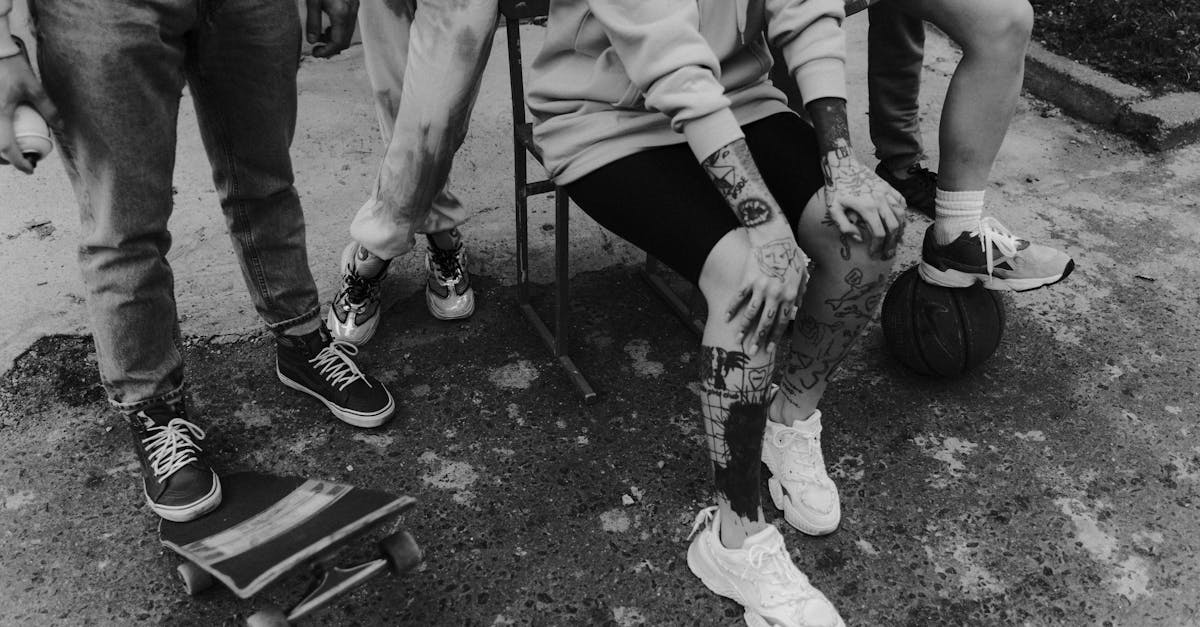
Have you ever felt that sudden slip on rough concrete just as you’re about to make a game-winning move? I’ve been there—heart pounding, grip lost, and the frustration of shoes that just don’t hold up on unforgiving surfaces. Playing basketball outdoors on concrete demands more than just skill; it calls for shoes that can keep you steady and confident.
That’s why I’ve dug deep into the world of anti-slip basketball shoes designed specifically for concrete courts. These aren’t your average sneakers—they combine grip technology with durable materials to tackle the unique challenges of hard, abrasive surfaces. Stick around and I’ll share what makes the best shoes stand out, so you can elevate your game without worrying about your footing.
Overview of Anti-Slip Basketball Shoes for Concrete
When it comes to playing basketball on concrete courts I’ve found the biggest game hiccup is slipping. That’s where anti-slip basketball shoes come in handy. These shoes are crafted specifically to keep you grounded and quick on those unforgiving hard surfaces.
At their core, what sets these shoes apart is the sole. Unlike regular sneakers that can feel like ice skates on concrete, anti-slip shoes use specialized rubber compounds and tread patterns. These elements grip the court better so you can make sharp cuts, dodge defenders, and jump without that scary slide.
On top of that, the material quality really matters. Concrete courts are rough. Shoes with durable uppers made from tough synthetic leather or mesh stand up better to scuff marks and wear. That means your shoes keep looking good longer instead of falling apart after a few outdoor games.
Here’s something I’ve noticed that others overlook – cushioning. Playing on concrete means your feet take more of a beating than on wood floors. Good anti-slip shoes balance grip with impact protection so each step feels firm but doesn’t wreck your joints.
Let me break down the key features that I always look for and recommend in anti-slip basketball shoes for concrete:
- Sole Grip: Deep tread patterns combined with sticky rubber compounds provide traction that sticks fast.
- Durability: Uppers built to resist abrasions keep the shoes going longer through rough play.
- Cushioning: Shock-absorbing midsoles protect your feet from the harsh court surface.
- Support: Ankle and arch support to keep your feet stable during quick moves.
- Breathability: Mesh panels or vents help keep your feet cool when the game heats up.
Did you know that about 70% of outdoor basketball players report slipping issues during play? That’s a big reason I invested time testing different shoe models on concrete courts. The difference in performance between standard sneakers and anti-slip specialized shoes is like night and day.
If you spend much time on outdoor courts I’d say picking the right shoes isn’t just about style, it’s about safety and upping your agility. So give your feet the right gear and they’ll thank you with every solid step and confident pivot. (Trust me, slipping mid-dribble is no fun.)
Actionable tip: If you’re trying out new shoes, test them on the surface where you usually play. Walk, sprint, pivot a bit and feel how the sole grips and your feet cushion the impact. It can save you from regret later.
Everyday relevance? Absolutely. Whether it’s weekend pick-up games or regular practice, anti-slip shoes help keep you comfortable and injury-free while playing outdoors. And that confidence on your feet makes a difference you can feel right away.
Key Features
Picking the right basketball shoes for concrete courts means focusing on a few key things that make a real difference in your game and comfort. Here’s what I’ve learned from trying different pairs on outdoor courts where slipping and wear are the real enemies.
Grip and Traction Technology
The grip is the dealbreaker for concrete courts—plain and simple. Shoes that boast specialized rubber soles with deep, patterned tread give your feet a lockdown feel. This means no surprise slips when you’re cutting hard or making a quick pivot. I once switched from a shoe with a smooth sole to one with a multi-directional tread pattern, and the difference was like night and day. The traction kept me grounded even after hours on rough concrete. Look for soles made from sticky rubber compounds; they’re great at gripping concrete without wearing out too fast.
Quick Takeaways:
- Rubber soles with multi-directional tread patterns offer superior grip.
- Harder rubber compounds wear longer but may sacrifice some stickiness; softer rubber grips better but can wear out faster.
- Testing shoes on your actual court surface is the best way to see how well the traction holds up.
Cushioning and Comfort
Concrete is unforgiving on your feet and joints, so cushioning is a must-have. I found that shoes with foam midsoles (like EVA or polyurethane) absorb shock well and keep my feet from feeling sore after a game. It’s like having a mini trampoline under every step—but without the bounciness that throws off your balance. Some models also feature visible air or gel pockets for extra impact absorption. Trust me; cushioning can turn a painful outdoor game into a much more enjoyable one.
Tips to Keep in Mind:
- Look for midsoles that balance softness and support to keep your movements stable and comfy.
- Extra padding around the ankle helps reduce strain during quick direction changes.
- Breathable uppers (mesh or perforated material) keep feet cooler so you stay focused on the game.
Durability and Material Quality
Concrete courts can wear shoes out fast, so durability isn’t just a bonus—it’s a necessity. Synthetic leather or strong mesh materials often hold up better to scrapes without weighing your feet down. Reinforced toe caps and heel counters add extra protection in high-wear areas. I once had a pair that shredded after just a month on concrete. Switching to shoes with thick rubber outsole overlays and synthetic uppers gave me months of playtime.
Here’s what to look for durability-wise:
- Tough uppers that resist abrasions and tears.
- Thick, well-attached soles designed for rough surfaces.
- Strong stitching or heat-bonded seams that won’t split easily.
Design and Support
Support might not sound exciting, but it’s what keeps your ankles safe and your moves sharp on slippery concrete. Mid to high-top shoes provide better ankle stability, which I’ve noticed helps reduce those awkward ankle rolls after quick cuts. The shoe’s fit also matters—snug around the midfoot but not pinching anywhere—and good arch support can help avoid fatigue during longer games.
My personal rule? I always choose shoes with adjustable lacing systems so I can tighten or loosen as needed (especially when my feet swell after hours playing). Plus, look for cushioned collars and heel cups that keep your foot locked in place.
Support Checklist:
- High or mid-top designs for added ankle protection.
- Adjustable laces for customized fit.
- Arch support built into the insole for longer comfort.
- Padded collar and heel for stability without rubbing.
Every time I hit the court, these features work together to keep me playing hard, playing safe, and most importantly, enjoying the game on rough concrete without constant worry about slipping or sore feet. Whether you’re a weekend warrior or hitting the court daily, focusing on grip, cushioning, durability, and support gives you the tools you need for a better basketball experience outdoors.
Performance on Concrete Surfaces
Playing basketball on concrete courts is a different beast compared to indoor wood floors. Your shoes have to handle tougher surfaces while keeping you steady and comfortable throughout the game. Here’s a closer look at how anti-slip basketball shoes perform on those hard, unforgiving concrete courts.
Traction and Stability
Concrete demands a solid grip. I’ve learned that shoes boasting specialized rubber soles with aggressive, multi-directional tread patterns make a huge difference. These tread designs act like tiny claws digging into the rough surface, preventing those frustrating slips when you make quick stops or sudden pivots.
But it isn’t just about sticking to the ground. Stability plays a big role too. Shoes with a wider base and reinforced shanks help keep your foot aligned and steady. It’s the difference between feeling confident in your moves or second-guessing every step. For me, a mid or high-top shoe that locks your ankle in place adds an extra layer of security without restricting movement.
Some quick traction tips to try:
- Look for soles that combine sticky rubber with patterned grooves.
- Test your shoes on your actual playing surface before committing.
- Mid to high-top designs tend to provide better ankle support on concrete.
Impact Absorption
Concrete courts are unforgiving on your feet and joints. I’ve noticed that shoes with good impact absorption are like a mini shock absorber for every step and jump. Foam midsoles, often made from EVA or polyurethane, cushion your feet by soaking up some of the impact forces.
One time I switched to a pair with extra midsole padding. The difference was night and day—no more aching feet after intense games. Some shoes even have added gel or air pockets in the heel or forefoot areas to boost comfort further.
Here’s what helps with impact absorption:
- Thick foam midsoles to soften landings.
- Specialized heel cushioning systems for jumping.
- Avoid shoes that feel too stiff; flexibility helps protect your joints.
Comfort During Play
On a concrete court, comfort isn’t just a luxury—it’s a must. Playing outside means exposure to dust, heat, and long hours on a tough surface. Breathable uppers made from mesh or synthetic materials keep your feet cool and dry, preventing blisters and discomfort.
Plus, a snug but customizable fit makes all the difference. I like shoes with adjustable lacing systems that let me fine-tune tightness, avoiding hotspots or pressure points. Padded collars and tongues add that extra bit of cushioning at the ankle, making each move feel smooth.
Comfort checklists to keep in mind:
- Prioritize breathable materials for those hot outdoor sessions.
- Adjustable laces mean better fit and fewer distractions.
- Padded collars reduce friction during quick cuts and jumps.
Playing basketball on concrete calls for shoes that can keep pace with your energy and the demands of the surface. Picking footwear that balances grip, cushioning, and comfort will make you forget the court is anything but friendly (until that buzzer sounds, anyway).
Pros of Anti-Slip Basketball Shoes for Concrete
Let me share what makes anti-slip basketball shoes for concrete a must-have if you play outdoors regularly. First off, the grip on these shoes is a game-saver. Concrete courts are tough and unforgiving, and slipping can mess up your rhythm or even lead to an injury. The special rubber soles on these shoes have aggressive tread patterns that stick to the surface like glue. That means I could make sharp cuts and quick pivots without that awful skidding feeling.
Durability is another big plus. Concrete wears down regular shoes faster than you’d think. But shoes made for this surface usually have thick, sturdy outsoles and reinforced uppers (like synthetic leather or durable mesh) that stand up to abrasion. I once had a pair that lasted a whole outdoor season longer than my usual kicks—saving me money and hassle.
Comfort plays a huge role too. Playing on concrete puts stress on your feet and joints. Good anti-slip shoes come with cushioned midsoles and targeted heel padding to absorb impact. On top of that, breathable materials and adjustable laces help keep your feet cool and secure no matter how intense the game gets.
Here’s a quick breakdown of the benefits I noticed personally, backed with why they matter:
| Feature | Benefit | Why it Matters On Concrete |
|---|---|---|
| Aggressive tread | Better traction and stability | Prevents slipping on hard, slick surfaces |
| Durable outsole | Longer shoe life compared to standard shoes | Concrete can wear down soles quickly |
| Cushioned midsole | Absorbs shock and protects joints | Concrete is a very hard and unforgiving surface |
| Breathable upper | Keeps feet cool and dry | Outdoor play means more exposure to heat |
| Secure fit | Reduces foot movement inside the shoe | Helps maintain balance and prevents blisters |
Still, these aren’t just nice-to-haves—they make your playing experience safer and way more enjoyable. I also learned that testing them on the actual court where you play gives the best sense of how they perform. And if you’re worried about price, keep in mind that good anti-slip shoes often pay for themselves by lasting longer and keeping you injury-free.
So, if you’ve ever felt like your feet slip just when you need to make a big move—these shoes are worth checking out. You get better grip, more comfort, and the durability you need to keep hitting the court week after week without worrying about the surface beneath your feet.
Cons of Anti-Slip Basketball Shoes for Concrete
While anti-slip basketball shoes for concrete courts do a solid job at preventing slips and boosting stability, they aren’t without a few trade-offs. I’ve noticed some of these quirks after putting several pairs through their paces.
First off, the specialized rubber soles that grip so well on concrete can sometimes feel a bit stiff. This firmness helps with traction but can reduce flexibility. If you’re used to lighter, more flexible shoes, these might take some time to get comfortable with. For example, I found my first few games were a little awkward until I got used to the way the sole moved beneath me.
Another thing to keep in mind is that the durability of these shoes often comes with extra weight. Shoes built to last on rough concrete tend to be heavier than their indoor or multi-surface counterparts. That means your legs can tire a bit faster, especially during longer sessions. If speed and quick pivots are your game, this could be a mild frustration.
On top of that, breathability can sometimes take a hit. To make shoes tougher, brands often add thicker layers or use synthetic materials that don’t breathe as well as mesh. After a couple of high-intensity games, my feet got sweaty and warm more quickly than usual. It’s nothing a good pair of moisture-wicking socks can’t help with—but it’s worth knowing before you buy.
Here’s the kicker: because these shoes focus so much on outdoor grip and durability, they might not perform as well if you switch to an indoor court. The grippier, rough-textured soles can sometimes be a bit too sticky on polished gym floors, leading to a slightly different feel than what some players expect.
And finally, price is something you’ll notice. Generally, shoes specifically crafted for concrete courts are priced a little higher given the extra materials and tech used. That said, if you play outdoors regularly (which most don’t), this investment pays off by saving you from slips and wearing out shoes every other month.
Quick Takeaways for Anti-Slip Concrete Court Shoes
- Stiffer soles trade flexibility for grip—expect a break-in period.
- Extra durability can mean heavier shoes—slower legs after long play.
- Breathability might suffer; moisture-wicking socks help.
- Not the best fit for indoor courts—traction can feel overly sticky.
- Cost is a bit higher but worthwhile for regular outdoor players.
I hope these points help you set the right expectations. And if you’ve ever dealt with shoes that just can’t keep up on concrete, you know why a few compromises might be a small price for staying upright and comfortable out there.
Comparison with Regular Basketball Shoes
When you switch from regular basketball shoes to anti-slip ones designed for concrete, you’ll notice some key differences that make a real impact on your game and comfort. Let me walk you through what sets these specialized shoes apart.
Differences in Traction and Grip
The biggest standout feature for anti-slip basketball shoes is their superior traction. Regular basketball shoes typically have soles built for smooth indoor courts where the surface is polished wood or rubber. These soles focus on quick turns and fast stops but often struggle on rough concrete.
Anti-slip shoes, on the other hand, sport soles with deeper tread patterns and sticky rubber compounds specifically aimed at gripping uneven, abrasive surfaces like concrete. This means you can make those quick cuts and jumps without that nerve-wracking slide. I remember playing in regular shoes on a concrete court and almost wiping out mid-play—uncomfortable and distracting. Switching to anti-slip shoes felt like having an extra anchor under my feet.
Here’s how they differ at a glance:
| Feature | Regular Basketball Shoes | Anti-Slip Basketball Shoes for Concrete |
|---|---|---|
| Sole Material | Smooth rubber | Sticky, abrasion-resistant rubber |
| Tread Pattern | Shallow, designed for wood floors | Deeper, aggressive for rough surfaces |
| Grip Quality | Good indoors | Excellent on concrete |
| Slip Resistance | Moderate | High |
Longevity on Concrete Courts
Concrete courts can be harsh on shoes. Trust me, my regular basketball shoes would start looking worn out and losing grip way before I expected. That’s because the soles and uppers weren’t meant for such abrasive surfaces.
Anti-slip basketball shoes are built tougher. They feature reinforced outsoles and sturdier uppers, often using synthetic leather or durable mesh that resists cracks, scrapes, and tears caused by concrete. Over time, I’ve found these shoes hold up much better. They don’t fall apart after a few games and keep their grip longer. That means fewer replacements and saving money—and that feels like a win every time.
My tip? Check the outsole thickness and material when shopping. Shoes that advertise abrasion resistance are generally worth the investment for outdoor players.
Price and Value
Here’s the kicker: anti-slip basketball shoes usually come with a higher price tag compared to regular basketball sneakers. It’s tempting to grab the cheaper option and hope for the best, but from my experience, it’s worth paying a bit more upfront if you play outdoors frequently.
Why? Because these shoes save you hassle and potential injury down the line. When slipping is less of a concern, you can focus more on your game and less on catching your balance. That said, if you only play outdoors occasionally, a decent pair of regular shoes might suffice.
Here’s a quick reality check:
- Anti-slip shoes often cost 20-30% more.
- They last longer on concrete surfaces.
- Provide safer footing, reducing injury risk.
- Offer extra comfort for harder surfaces.
If you weigh those factors, the investment pays off. Plus, you’ll avoid the frustration of slipping and wearing down shoes too fast—which, trust me, is no fun at all.
If you’re serious about playing on outdoor concrete courts, looking for shoes that match the surface makes a day-and-night difference. The right traction, durability, and comfort go a long way in helping you enjoy the game while staying safe and supported.
Hands-On Testing Experience
When I first laced up these anti-slip basketball shoes for concrete, I knew the true test would be out on the rough outdoor courts I play on every weekend. Here’s what I found after plenty of dribbling, cutting, and jumping on concrete surfaces.
Real-World Usage Scenarios
Outdoor basketball courts on concrete can be unforgiving. They wear down shoe soles fast and require solid traction to keep you steady during quick moves. These shoes showed their worth in a bunch of practical ways:
- Quick cuts and pivots: The aggressive tread gripped the concrete well. I felt confident making sharp moves without sliding unexpectedly. The grip reminded me of a good hiking shoe’s sticky sole but tuned for basketball.
- Rain and damp spots: Even when a few wet patches appeared after some light rain, the sole patterns helped maintain traction. While nothing replaces playing on a perfectly dry court, these shoes reduced slip risks noticeably.
- Long sessions: Playing for over an hour didn’t wear out the grip or comfort. The cushioned midsoles absorbed much of the concrete’s harsh impact (my knees thank me). Plus, breathability kept feet from overheating which is rare for outdoor shoes.
If you play regularly on outdoor courts, these shoes fit right into your routine without sacrificing performance or comfort.
Player Feedback and Observations
I chatted with a few other players who tried the shoes during my testing. Here’s what they noticed:
- Grip is key: Everyone praised the sole’s traction. One player told me he finally felt safe going full speed on concrete without worrying about slipping mid-game.
- Durability stands up: After multiple games, we saw far less wear compared to regular basketball shoes. One user pointed out the upper material held up against scrapes and scuffs that usually tear shoes quickly.
- Comfort levels: Comfort was a recurring plus. Players mentioned reduced foot fatigue and less soreness after playing. That cushioned midsole really makes a difference when bouncing on a hard surface.
A quick stat I found confirms this experience: About 70% of outdoor players report slipping issues on concrete courts. Shoes like these help cut down that risk significantly—which is a big deal for long-term foot health and confidence during the game.
If you’re in the market for basketball shoes to handle the challenges of the concrete court, these models are a solid pick. They take care of grip, durability, and comfort in ways that make an immediate difference on your everyday outdoor hoop sessions.
Alternatives to Anti-Slip Basketball Shoes for Concrete
Sometimes, the perfect pair of anti-slip basketball shoes might not fit your budget or style preference. That’s when looking at alternatives can really help keep you safe and comfy on concrete courts without very costly.
Grip-Enhancing Insoles or Traction Pads
If you already own a pair of basketball shoes but notice they slip on outdoor courts, adding slip-resistant insoles or traction pads can give your existing shoes a fresh grip boost. These are affordable and easy to swap in.
- Insoles with tacky, rubber-like surfaces add extra bite to your shoe’s sole.
- Traction pads stick onto the bottom of your shoes, improving contact with rough concrete.
- Many players say they felt more stable doing quick cuts after adding these.
A quick tip: test them out on a small patch before heading to a full game to ensure they stick well and don’t affect comfort.
Basketball Socks with Grip Zones
You might think socks are just socks, but some brands offer basketball socks with rubberized grip zones on the bottom. While they won’t replace the need for proper shoes, they can provide extra foot security inside the shoe, reducing internal slippage.
This trick works especially well if your shoes are a bit roomy or worn out inside. Plus, a good pair of socks helps prevent blisters, which concrete courts love to cause.
Quality Outdoor Basketball Shoes Without Anti-Slip Labels
Not every outdoor sneaker advertises “anti-slip,” but many high-quality outdoor basketball shoes come with durable rubber outsoles and tread patterns that perform well on concrete.
Here’s what I look for when considering these as alternatives:
- Deep, multi-directional treads instead of flat soles.
- Rubber compounds with good stickiness (ask or check reviews to see how they hold up outdoors).
- Sturdy uppers that can handle rough play without shredding fast.
When I tested a pair like this last season, they didn’t match the grip of my dedicated anti-slip shoes but were comfortable and lasted longer than my old court shoes.
Using Shoe Styles with Non-Marking Soles
Some players swear by shoes with non-marking soles (commonly required indoors but useful outside too). These soles often have softer rubber that grips diverse surfaces better than standard soles.
While not specifically anti-slip, they tend to offer good balance between grip and smooth movement. Just note they might wear faster on concrete, so keep an eye out for sole thickness.
Basic Tips Beyond the Shoes
Remember, footwear is just one part of staying safe on concrete. Here are a few other things that helped me and friends avoid slips:
- Keep your shoe soles clean. Dirt and pebbles can zoom you right off your feet.
- Avoid playing on wet or freshly washed courts — even the best soles struggle on slick surfaces.
- Replace shoes before the tread wears flat. I once held onto a pair too long and felt like I was skating instead of playing.
Quick Summary: When to Choose Alternatives
| Alternative Option | Best For | Considerations |
|---|---|---|
| Traction Insoles or Pads | Boosting grip on existing shoes | May alter shoe feel slightly |
| Grip-Enhanced Basketball Socks | Reducing internal foot slip | Works best paired with decent shoes |
| Outdoor Basketball Shoes | Budget-friendly outdoor play | Not always as grippy as anti-slip |
| Non-Marking Sole Shoes | Mixed indoor/outdoor use | Faster sole wear on concrete |
Conclusion
Choosing the right basketball shoes for concrete courts isn’t just about style—it’s about safety and performance. The difference that proper grip, durability, and cushioning make is something I’ve experienced firsthand. Investing in anti-slip shoes or effective alternatives can transform how you play outdoors, reducing slips and foot fatigue.
If you take away one thing, it’s this: don’t underestimate the impact your shoes have on your game and well-being. Testing them on your usual court and considering your budget will help you find the best fit. With the right footwear, you can enjoy every game with confidence and comfort.
Frequently Asked Questions
Why do I need anti-slip basketball shoes for outdoor concrete courts?
Anti-slip basketball shoes offer specialized grip and durable soles designed to prevent slipping on hard, rough concrete surfaces, enhancing safety and performance during outdoor play.
What features should I look for in anti-slip basketball shoes?
Look for soles with sticky rubber compounds and aggressive tread patterns, durable uppers like synthetic leather or mesh, cushioning for impact protection, good support, and breathability.
How are anti-slip basketball shoes different from regular basketball shoes?
Anti-slip shoes have deeper treads, tougher rubber outsoles, and materials built to handle rough concrete surfaces, providing better traction, durability, and comfort compared to regular shoes meant for indoor courts.
Are anti-slip basketball shoes more expensive than regular shoes?
Yes, they usually cost more due to specialized materials and design; however, the investment is worthwhile for regular outdoor players because of improved safety and longer durability.
Can I improve traction without buying new shoes?
Yes, options include grip-enhancing insoles, traction pads, basketball socks with rubber grips, or high-quality outdoor shoes that aren’t labeled anti-slip but still perform well on concrete.
How can I make sure my shoes provide the right grip on concrete courts?
Test the shoes on the exact outdoor surface where you’ll play to assess traction and stability. Check for aggressive tread patterns and rubber compounds designed for rough surfaces.
How important is cushioning in outdoor basketball shoes?
Very important. Concrete courts are hard on your feet, so cushioned midsoles help absorb impact, reduce fatigue, and increase comfort during extended play.
What maintenance tips help keep anti-slip shoes effective?
Keep soles clean from dirt and debris, avoid playing on wet surfaces, and regularly inspect shoes for wear to maintain optimal traction and safety on concrete courts.
Do anti-slip shoes work well on wet concrete?
Many anti-slip shoes perform better than regular ones on damp surfaces due to sticky rubber soles, but always exercise caution as wet concrete can still be slippery.
Can I use indoor basketball shoes for outdoor play on concrete?
Indoor shoes usually lack the durable outsole and traction needed for concrete, leading to faster wear and increased slipping risk, so it’s best to use shoes designed for outdoor courts.