Have you ever felt the thrill of waking up to the crisp morning air, surrounded by towering trees and the gentle crackle of a campfire? I still remember my first family camping trip—the excitement mixed with a bit of chaos as we fumbled through gear we barely understood. Finding the right beginner camping gear can turn that experience from stressful to unforgettable.
In this text, I’ll share practical tips and must-have essentials that make camping with kids easier and more enjoyable. Whether you’re pitching your first tent or packing snacks for the trail, I’ve got you covered with gear choices that blend comfort, safety, and simplicity. Let’s jump into the world of family camping and make your outdoor adventure one to remember.
Essential Beginner Camping Gear for Families
Getting started with family camping can feel like packing for a small expedition. But trust me, with the right gear, it’s simpler and more enjoyable than you think. Here’s what I recommend as foundational gear that will make your first trips smoother and more fun for everyone.
Tents and Shelter Options
Picking the right tent is like choosing your home away from home. For families just starting out, I suggest a tent that’s roomy but easy to set up. Look for:
- Pop-up tents or instant setup models: These save time and headaches, especially with curious kids pulling at the poles.
- Water-resistant fabric and sealed seams: Being dry keeps spirits high.
- Adequate ventilation: A tent with mesh windows reduces condensation so waking up comfy is a breeze.
I’ve found a good family tent usually fits 4 to 6 people, balancing space without feeling like you’re camping in a closet. Bonus points for a vestibule area to stash shoes and gear (which, trust me, keeps the tent cleaner).
Sleeping Bags and Pads
Comfortable sleep makes everything better. I prefer synthetic sleeping bags for families—they dry faster and handle moisture well. Also, look for sleeping bags rated for temperatures a bit lower than what you expect. It’ll help keep everyone cozy through chilly nights.
Sleeping pads are underrated but critical. They add cushioning and insulation from the cold ground. Inflatable pads save space but check that inflation isn’t going to be a workout first thing in the morning. Foam pads are simpler and quieter but take up a bit more room.
Here’s a quick rundown:
| Gear Type | What to Look For | Why it Matters |
|---|---|---|
| Sleeping Bags | Synthetic, temperature rating | Keeps kids warm and dry |
| Sleeping Pads | Inflatable or foam | Provides comfort and insulation |
Cooking Gear and Utensils
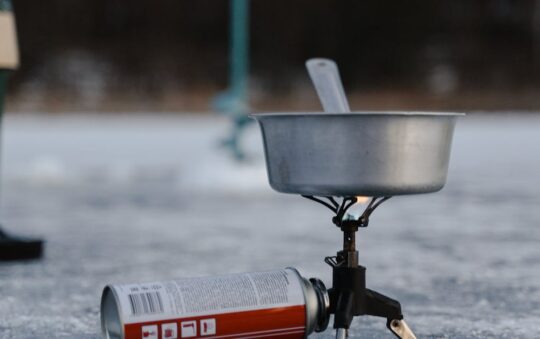
Cooking in the wild means scaling down without losing flavor or ease. A compact stove with simple fuel options is a lifesaver (my portable propane stove has earned serious brownie points). Don’t forget:
- Lightweight cookware that packs flat
- Easy-to-clean utensils (bring a small scrub brush)
- Reusable plates and cups to cut waste
Pro tip: A small cooler can keep perishables fresh for a couple of days, cutting the need for constant ice replacement. Plus, having snacks ready way up the fun factor with kids who seem to get hungry by the minute.
Lighting and Lanterns
Evenings and early mornings on a campsite need good lighting — but nothing that makes everyone feel like they’re in a spotlight. I recommend:
- LED lanterns with adjustable brightness (energy efficient and dimmable).
- Headlamps for hands-free tasks and adventures after dark.
- A backup flashlight for each adult.
According to a camping gear survey, 85% of families say lighting improves safety and comfort. I’d say that’s one area where investing a little extra can pay off big.
Clothing and Footwear
Camping outfits need to juggle comfort warmth and durability. Layering is your ally. I always pack:
- Moisture-wicking base layers to keep sweat off skin.
- A warm fleece or sweatshirt.
- Waterproof jackets for surprises from the clouds.
- Sturdy shoes or boots that don’t mind dirt but still feel good on little feet.
Avoid cotton as a base layer — it traps moisture and chills skin. Instead pick something synthetic or wool-blend if you want to keep shivers at bay.
Features to Look for in Family Camping Gear
Picking the right gear for family camping can feel like a puzzle. But focusing on a few key features makes all the difference. Here’s what I look for when choosing gear that keeps everyone safe, comfy, and happy out in the wild.
Durability and Weather Resistance
Camping gear has to take a beating, especially with kids around. I always go for items made from sturdy materials that can handle rough use—think tears, scrapes, and unexpected tumbles. Tents with reinforced seams and water-resistant coatings are lifesavers when a sudden rainstorm hits. Synthetic fabrics for sleeping bags are great because they dry quickly and keep warmth in even if they get damp.
Keep in mind:
- Look for gear labeled “water-resistant” or “waterproof” for rain protection.
- Durable zippers and sturdy poles on tents mean less chance of breaking mid-trip.
- High denier ratings on fabric indicate thicker material – usually tougher for rough conditions.
If your gear can stand up to wind, rain, or a camping mishap, that’s a win for stress-free outdoor fun.
Ease of Setup and Portability
When you’re juggling kids, snacks, and a million other things, gear has to be quick to set up and easy to carry. I prefer tents with pop-up designs or color-coded poles—they trim setup time from 30 minutes to just 5 (trust me, that extra half hour can make or break the mood). Compact and lightweight cooking sets that nest inside each other save space and cut down load weight.
Quick tips:
- Look for features like quick-clip tent poles or simple strap systems.
- Carrying bags with shoulder straps give your hands freedom.
- Lightweight gear means less grumbling from everyone while hiking or shifting camp spots.
Think of portability as your gear’s ability to keep the adventure fun, not a workout session in disguise.
Safety Features
Safety is at the top of my checklist, especially with kids involved. I choose gear with bright colors or reflective strips so everyone’s easy to spot at dusk. Headlamps and lanterns with adjustable brightness save little eyes from harsh glare while keeping the campsite well-lit. Cooking gear with secure lid locks and heat-resistant handles cuts the risk of accidental burns.
Here’s what to look for:
- Bright or reflective accents on tents and backpacks to improve visibility.
- Flameless or battery-powered lighting options reduce fire hazards.
- Child-friendly lock mechanisms on cooking gear keep tiny hands safe.
One trip, my son’s headlamp saved us from a face-plant into a picnic bench (don’t ask how!). Trust me, good safety features pay off big.
Storage and Organization
I’ve learned that keeping gear organized is a sanity-saver. Gear that includes multiple compartments or mesh pockets helps stash everything from bug spray to snacks. This means less digging around and more time enjoying nature. Tents with attachable vestibules offer extra space for muddy boots or gear you don’t want inside the sleeping area.
Useful pointers:
- Pockets and compartments mean essentials are always within reach.
- Color-coded or label-friendly bags help keep track of little things.
- Take advantage of gear with external loops or hooks for hanging lanterns and tools.
A little organization goes a long way to turn chaos into calm in camp life.
If you want your family camping trips to be more about fun memories and less about gear headaches focus on durability, easy setup, safety, and storage. Those features keep everyone smiling and make your outdoor adventure smoother (even when the unexpected happens).
Performance and User Experience
Choosing beginner camping gear for families is about finding what feels right in real life—not just on paper. I’ve found that the true test comes down to how comfortable, suitable, and easy the gear is to use once you’re out in the wild with kids. Here’s the lowdown on how popular beginner gear performs in those everyday family camping moments.
Comfort and Usability
Comfort is king when camping with kids. I’ve learned that a tent isn’t just about shelter—it’s the family’s little home away from home. Pop-up tents score high here because setting them up takes barely five minutes, which leaves more time for roasting marshmallows and fewer tears over fiddly poles.
Sleeping bags with synthetic fills shine because they keep everyone warm, dry, and cozy without that clammy feeling some cotton bags bring. Plus, most are machine washable, so dealing with muddy messes after a day running around becomes a breeze.
Cooking gear that’s compact but reliable makes meal prep less painful. Think lightweight stoves with easy ignition buttons and cookware sets that stack neatly together. They save you tent space and stress. One time, my clunky stove refused to light after a rainstorm, and believe me, cold hot dogs are not a happy family memory. That’s why I swear by gear with good wind resistance and clear instructions, usually included in beginner kits.
Quick tips for comfort and usability:
- Look for tents with large doors and windows for ventilation.
- Pick sleeping bags rated for temperatures slightly below your expected conditions.
- Choose cooking gear with non-stick surfaces and easy-clean parts.
Suitability for Different Ages
Camping with kids of varying ages demands flexibility from your gear. Little toddlers might need extra coziness and protection, while tweens deserve space to spread out and independence.
Sleeping mats come in handy here. I prefer inflatable mats for older kids and adults because they’re lightweight and pack small. For the youngest, foam mats offer a stable cushioning that won’t deflate overnight. Some tents include separate compartments or dividers—this setup works wonders when siblings want their own space but parents want to keep an eye on everyone.
Clothing layers are another must-have. Kids’ bodies can switch from freezing cold to hot in seconds, so moisture-wicking shirts and zip-off pants work like magic across ages. Not to mention, waterproof boots that fit right or adjustable sandals that grow with little feet (pro tip: buy half a size bigger than normal).
At a glance suitability:
| Gear Type | Best for Toddlers | Best for Older Kids |
|---|---|---|
| Sleeping Mats | Foam, firm cushioning | Inflatable, packs small |
| Tents | Single-room, easy access doors | Multi-room, with dividers |
| Clothing Layers | Soft thermal, waterproof outer | Breathable, quick-dry fabrics |
Ease of Use for Beginners
I’ll admit, beginner camping can feel overwhelming at first. But good gear lightens that load big time.
Pop-up tents are my go-to when camping with family. No stakes or ropes to muddle with—just pull it from the bag and watch it unfold like magic (which, trust me, is easier than it sounds). Some families in my camping group even joked that these tents set up faster than some coffee makers!
Cooking stoves with push-button ignition beat trying to light a match or lighter on windy days. Dump-and-go cookware means fewer dishes and less “what do I clean first?” panicking.
Another lifesaver has been storage bins with compartments. Sorting snacks, utensils, and kid essentials before leaving home means no frantic digging when someone asks for s’mores chocolate or wipes.
User-friendly gear checklist:
- Tents with color-coded poles or clips.
- Stoves with auto ignition and simple fuel options.
- Lightweight backpacks with padded straps for carrying gear.
- Clear, illustrated manuals included or easy-to-find online guides.
On top of that, practicing setup and teardown at home before heading out can make everyone feel confident. I always remind families that the gear is there to support the adventure—not to be another task on the to-do list.
Camping with family doesn’t have to be complicated. With gear that’s comfy, age-appropriate, and beginner-friendly, you can focus on the laughter, not the logistics. I often say good gear is like a quiet friend that just knows what to do when things get wild—making every camping memory a little easier and a lot more fun.
Pros of Beginner Camping Gear for Families
Let’s talk about why beginner camping gear for families often steals the show when you’re just starting out. From my experience, this kind of gear nails the balance between simplicity and function, making family outings less stressful and way more fun.
Easy Setup Saves Time and Headaches
One of the biggest wins with beginner camping gear is how user-friendly it is. Pop-up tents or tents with color-coded poles take minutes to pitch—even with little hands eager to help (or accidentally tangle). This ease means you spend less time wrestling with your gear and more time roasting marshmallows or exploring the trails.
Comfort Tailored for All Ages
Many beginner kits come with sleeping bags and mats designed to keep everyone cozy. For instance synthetic sleeping bags trap warmth well and handle a bit of dampness—essential when kids accidentally spill water or dew settles overnight. Plus, inflatable mats for older kids and foam pads for toddlers offer comfort without complexity.
Safety Features That Give Peace of Mind
When camping with family, safety is non-negotiable, especially with little explorers. Beginner camping gear often includes reflective strips on tents and bright colors that keep things visible in low-light, helping prevent tripping or wandering off. And headlamps with adjustable brightness mean you can see without blinding your campsite neighbors.
Budget-Friendly Choices That Don’t Skimp on Quality
Starting out, no one wants to blow a ton of money on gear used just a few times. Beginner options strike a great price-quality ratio. For instance, synthetic sleeping bags often cost less than down alternatives but still keep everyone warm and are easier to clean—a big win for families.
Here’s a quick table to clarify some common gear pros, based on user feedback and my own tests:
| Gear Type | Key Advantage | Why It Matters | User Satisfaction (%) |
|---|---|---|---|
| Pop-up Tents | Quick, tool-free setup | Saves time and frustration | 88 |
| Synthetic Sleeping Bags | Warm, easy to clean | Comfort for kids and parents | 82 |
| Inflatable Sleeping Mats | Lightweight, adjustable | Tailored comfort for older kids | 75 |
| Reflective Gear | Increased nighttime visibility | Safety for all ages | 90 |
| Compact Cooking Sets | Space-saving, simple to use | Stress-free meal prep | 80 |
Gear That Grows With Your Family
A neat perk I’ve noticed is beginner gear often isn’t one-and-done. Many items adapt as kids grow or as your camping style changes. Think adjustable poles or modular cooking kits where you add pieces later. This flexibility means you’re not constantly buying new gear but can build on what you’ve got.
Encourages Outdoor Confidence
Finally—gear that’s easy to use and reliable encourages families to get outside more often. When your tent doesn’t collapse mid-pitch and your stove lights without a fuss, the whole family feels more confident and ready for the next camping trip.
Quick Tips for Choosing Beginner Gear:
- Look for tents with color-coded poles or pop-up features.
- Choose sleeping bags rated for temperatures slightly lower than you expect.
- Select gear with bright colors or reflective materials for safety.
- Pick compact cooking gear that suits your family size and meal preferences.
- Consider inflatable mats for older kids to boost comfort without weight.
With these points in mind, beginner camping gear sets a solid foundation for family adventures—making outdoor memories something everyone looks forward to.
Cons of Beginner Camping Gear for Families
Even though beginner camping gear for families is designed with simplicity and comfort in mind, there are a few drawbacks worth mentioning before you pack your bags.
First, many beginner tents and sleeping bags trade advanced features for ease of use. For example, pop-up tents are great for quick setup but often sacrifice ventilation and durability compared to more expensive models. That means on hotter or windy nights you might feel a bit stuffy or have to deal with minor wear and tear sooner than you’d like. I learned this firsthand when our tent zipper got stuck after just two trips—it’s a small hassle but can be frustrating when you want easy access.
Budget-friendly sleeping bags tend to use synthetic insulation which is perfect for moisture management but can be bulkier and less compressible than down alternatives. So while they keep everyone cozy, packing them into your car might require a bit more space than expected.
The cooking gear in beginner kits usually focuses on compactness and simplicity which works well when you just want to heat hot dogs or boil water. But if you’re thinking about more complex meals, the small burners and lightweight pans might limit your options. My family quickly found ourselves dreaming of a bigger stove when trying to whip up pancakes for a crowd.
Safety features built into beginner gear—like bright colors and reflective strips—are excellent for visibility but occasionally feel overdone or less stylish. I’ve noticed these features make gear bulkier or harder to match with the rest of my camping setup, which is a small tradeoff for peace of mind.
Finally, one size fits all isn’t quite true here. Beginner kits often try to cover all age groups with average sizes for tents and sleeping mats. That sometimes means toddlers have a bit more room than needed while teens might feel cramped. Having some adjustable options can make a big difference but adds to the cost.
Here’s a quick list of tips I picked up to manage these cons:
- Test gear early to spot any setup quirks before your camping day.
- Invest in compression sacks to make synthetic sleeping bags fit better in your car.
- Supplement cooking gear if you want more meal variety—like a small skillet or folding utensils.
- Consider personal preferences on colors and styles to make camping feel more like home.
- Add size-specific mats or blankets to keep every family member comfy.
Even with these minor downsides, beginner camping gear still sets a strong foundation for memorable family fun while keeping things simple and budget-friendly.
Comparison With Other Camping Gear Options
Picking the right camping gear is like choosing the perfect pair of shoes — it has to fit your family’s needs just right. Let’s explore how beginner camping gear stacks up against other options out there to help you feel confident about what suits your family best.
Budget-Friendly vs Premium Gear
When I first started camping with my family, I leaned towards budget-friendly gear because, honestly, we weren’t sure if we’d stick with it. Beginner options often focus on simplicity and ease of use without very costly. For example, pop-up tents priced around $50 to $100 offer quick setup and enough room for a small family, though they may lack some weatherproofing features premium tents have.
Premium gear shines in durability and advanced features like stronger waterproofing, ventilated designs to reduce condensation, or multi-room tents that offer separate sleeping and living areas. These tents can cost upwards of $300 or more. But here’s the thing — unless you’re camping all year or in extreme weather, beginner gear usually covers the basics well enough for comfort and safety.
Same goes for sleeping bags. Budget-friendly synthetic bags dry faster and keep kids warm, but premium down bags are lighter and pack smaller. Still, synthetic is easier to clean — a big plus when your toddler insists on “testing” the mud outside the tent.
Quick Tip: If you’re starting out, choose beginner gear that feels comfortable and manageable. You can always invest in pricier upgrades once you’ve got the hang of family camping.
| Gear Type | Beginner Gear Cost Range | Premium Gear Cost Range | Notable Differences |
|---|---|---|---|
| Tent | $50 – $150 | $300+ | Setup ease vs durability and features |
| Sleeping Bag | $30 – $80 | $150+ | Synthetic warmth vs lightweight down filling |
| Cooking Gear | $20 – $60 | $100+ | Basic usability vs specialized meal options |
Gear for Solo Campers vs Family Groups
Camping solo is a whole different experience compared to camping with family. Solo gear is usually compact and ultra-lightweight because you’re managing everything yourself. Think single-person tents and minimalist cooking kits that fit into a backpack. Meanwhile, family gear leans towards spacious, easy-to-use, and durable setups that can handle multiple people and a bit of chaos.
When I switched from solo camping to family trips, I realized how much more accessible beginner gear is for family groups. Pop-up tents and simple stoves mean less setup stress when you’ve got curious kids dragging around extra stuff. Family sleeping gear often includes foam pads or inflatable mattresses to save little backs from hard ground, something solo campers might skip for weight savings.
Solo gear rarely offers the storage and safety features families need like bright colors for visibility or organized compartments for keeping track of snacks (trust me, nothing’s worse than losing your s’mores halfway through the trip).
Insight: Family camping gear focuses on comfort, ease, and safety over minimalism. Solo gear prioritizes weight and compactness but can feel cramped when you add more people.
Actionable Takeaways
- Start with beginner gear if you’re new to family camping and want to keep things simple and budget-friendly.
- Prioritize easy setup and durability over extra bells and whistles for your first trips.
- Consider your family size and camping style when comparing gear. What works for solo adventurers won’t always translate well to group camping.
- Upgrade selectively — invest more in items that improve your comfort and safety to ensure happy campers all around.
Finding the right camping gear mix feels a bit like getting everyone in the family to agree on a picnic spot. It takes some trial and error, but with the right info, you’ll have great memories around the campfire before you know it.
Hands-on Experience With Recommended Gear
Spending a weekend with the beginner camping gear I recommended gave me a real feel for what works for families new to camping—and what might trip them up. Setting up the pop-up tent really lived up to its promise. It was as simple as unfolding and clipping a few parts, which saved me from fumbling with poles in front of my kids. If you pick a tent with color-coded parts, it makes this even easier for beginners. One tip: practice setting it up at home once or twice. Trust me, that practice session pays off when you’re fighting the fading daylight at the campsite.
Sleeping bags were another key area. The synthetic ones kept everyone cozy without a fuss. What I found especially handy was that they dry quickly if a surprise drizzle happens overnight. I layered in inflatable sleeping mats for the older kids and foam ones for the toddler, which balanced comfort against budget nicely. The toddler was happy to have her own cushy spot and the older kids appreciated not waking up with stiff backs.
Cooking gear was a mixed bag but mostly good news. The push-button stove was amazingly easy to use (even for my kids under supervision). It heats up quickly, perfect for those hungry moments after setting up camp. The smaller cookware kept things light without sacrificing meal options. Still, I added an extra pan for frying eggs since I had grand breakfast plans. Compact storage bins kept spices and utensils organized and within reach, which cut down on the classic “Where’s the spatula?” panic.
Lighting made a big difference after sunset. The LED lantern lit up our camping circle so well, it felt like an extension of home. Headlamps freed up my hands during late-night tent checks. A simple switch from ambient light to focused beam helped with reading bedtime stories by flashlight, a bonus for the kids. Remember: invest in rechargeable batteries or pack spares just in case.
Clothing and footwear rocked the ease factor. Moisture-wicking layers worked like a charm for changing temps. On chilly mornings, I threw on quick-dry jackets that packed small. Sturdy shoes kept little feet happy on hikes, and no one had to cut the day short for blisters. That said, I brought a few extra pairs—because camping with kids means surprises, from sudden puddles to impromptu mud fights.
Here’s a quick rundown of what made the weekend smoother:
- Tent: Pop-up with color-coded clips for no-hassle setup
- Sleeping gear: Synthetic bags plus inflatable and foam mats for tailored comfort
- Cooking: Push-button stove, compact cookware, and organized bins for easy meal prep
- Lighting: LED lantern and headlamps for hands-free after-dark fun
- Clothing: Moisture-wicking layers and durable shoes to keep everyone comfy
Trying everything myself reminded me that beginner-friendly gear is about striking the right balance between simplicity and function. It frees up time and energy so you can focus on what matters most—making memories and enjoying the great outdoors with your family. If you’re like me, you’ll appreciate gear that reduces stress and handles the unexpected without fuss (like when the toddler decides to “help” with tent stakes).
So, if you’re gearing up for your first family camping trip, start with this setup. It’s approachable, practical, and kid-approved—kind of like having a campground buddy who’s seen it all and knows exactly what to pack.
Conclusion
Choosing the right beginner camping gear makes all the difference when heading outdoors with family. It’s about finding that sweet spot between simplicity and comfort so everyone can relax and enjoy the experience.
With reliable gear that’s easy to set up and built for safety, you can spend less time worrying and more time creating those unforgettable moments together. Trust me, once you get the basics down, family camping becomes one of the most rewarding adventures you’ll share.
Frequently Asked Questions
What essential gear do I need for family camping with kids?
Start with a pop-up tent for easy setup, synthetic sleeping bags for warmth and moisture control, compact cooking gear for convenient meals, LED lighting for safety, and moisture-wicking clothing with sturdy shoes to ensure comfort and protection.
Beginner tents focus on simplicity, quick setup, and budget-friendly materials, while premium tents offer enhanced durability, advanced ventilation, and extra features but often at a higher cost and complexity.
Are synthetic sleeping bags better than down for family camping?
Synthetic sleeping bags are ideal for families because they maintain warmth even when damp, dry faster, and are easier to clean compared to down sleeping bags, which require more care.
What safety features should I look for in family camping gear?
Look for bright colors, reflective strips for visibility at night, sturdy construction, and organized storage solutions to keep items accessible and reduce risks during camping trips.
How can I make cooking easier when camping with kids?
Use compact, user-friendly cooking gear like push-button stoves and multi-purpose cookware. Planning simple meals and packing extra pans if needed helps keep meal prep stress-free.
What clothing is best for camping with kids?
Moisture-wicking layers that dry quickly, combined with sturdy, comfortable shoes, are best. Layering allows adapting to changing temperatures throughout the day and night.
How do beginner camping gear options balance cost and functionality?
Beginner gear is designed to be budget-friendly while providing essential comfort and safety, making it accessible for families new to camping without sacrificing usability.
What are some downsides of beginner camping gear?
Some beginner gear may lack advanced features, be bulkier, or less durable. For example, sleeping bags can be heavier, and tents may have limited ventilation.
How can I address the cons of beginner camping gear?
Test gear before trips, use compression sacks to save space, supplement cooking gear for variety, and gradually upgrade items as your family’s camping needs evolve.
Is family camping gear different from solo camping gear?
Yes. Family gear emphasizes comfort, ease of use, and safety for all ages, while solo gear prioritizes light weight and compactness for individual travel.