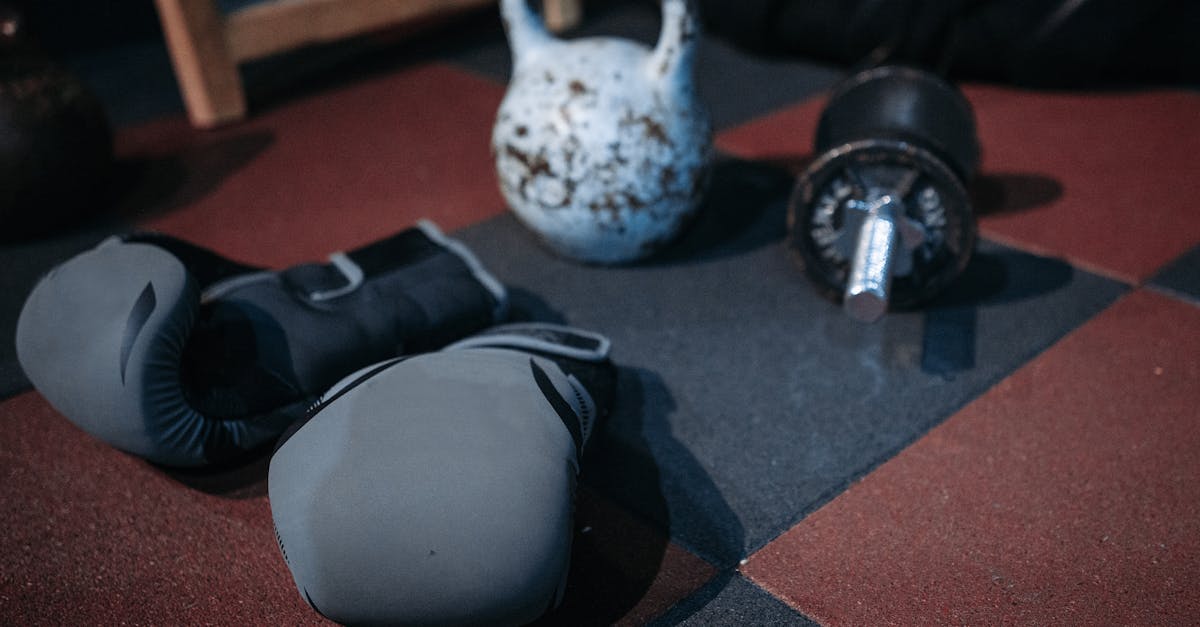
Have you ever found yourself staring at a kettlebell and a dumbbell, wondering which one will torch more calories and help shed those stubborn pounds faster? I’ve been there—gripping each tool, feeling their weight, and asking the same question. It’s not just about lifting; it’s about choosing the right weapon for your weight loss battle.
In this text, I’ll break down the surprising differences and benefits of kettlebells and dumbbells, cutting through the noise to help you make a confident choice. Whether you’re a beginner or a seasoned lifter, understanding how each impacts your fat-burning journey can transform your workouts and results. Let’s immerse and find out which one truly earns its place in your fitness arsenal.
Kettlebell vs Dumbbell for Weight Loss: Overview
When it comes to choosing between kettlebells and dumbbells for losing weight I’ve found both tools have their charms. But each of them approaches calorie burning and muscle engagement a little differently and that can impact your results more than you think.
How Kettlebells Help You Burn Fat
Kettlebells have that quirky shape with the handle that lets you swing and move in ways dumbbells don’t quite allow. Swinging or doing dynamic moves like snatches and cleans gets your heart rate up fast because you’re not just lifting weight you’re controlling momentum. That means you burn a lot of calories in a short period.
From my experience doing kettlebell workouts, one study I came across showed they can torch up to 20 calories a minute during intense training sessions. That’s similar to some cardio workouts but with the bonus of building strength. The full-body movements also tone muscles efficiently, which helps keep your metabolism humming even after you put the weight down.
Dumbbells: Steady and Versatile
Dumbbells, on the other hand, shine in straightforward lifting and controlled isolation exercises. Using dumbbells helped me focus on shaping specific muscle groups—like biceps curls or shoulder presses—while keeping good form. While these moves might not spike your heart rate as quickly as kettlebell swings, dumbbell workouts can still drive weight loss by building lean muscle mass.
More muscle means your body burns more calories even when you’re binge-watching your favorite show (don’t worry I won’t tell). Plus, dumbbells come in handy for beginners since many traditional strength exercises are easy to learn with them.
One Trick I Learned Quickly
If you want to maximize fat loss try to keep your rest between sets short no matter which equipment you pick. That keeps your heart rate up and turns your session into a mini cardio-metabolic blast. I tested this and shaving just 15 seconds of recovery added a noticeable sweat factor.
Quick Comparison Table
| Feature | Kettlebell | Dumbbell |
|---|---|---|
| Best for | Explosive full-body moves, calorie burn | Targeted muscle developing, stability |
| Calorie Burn | Up to 20 calories/minute (vigorous swings) | Moderate, builds lean muscle |
| Skill Level | Requires coordination and practice | Beginner-friendly exercises |
| Space & Portability | Takes up slightly more room, versatile | Compact and easy to store |
| Workout Variety | Dynamic and cardio-focused | Strength training and toning |
My Key Takeaway
If weight loss is your goal and you like moving fast and working your entire body at once kettlebells can be your best friend. But if you enjoy lifting weights with precision and want to build steady muscle mass dumbbells will suit you better. And you don’t have to stick to just one. Mixing both can add variety and keep boredom (and plateaus) away.
If you’re ever pressed for time remember a short but intense kettlebell workout often beats a longer dumbbell session for quick calorie burn. Still, steady strength work with dumbbells builds that strong foundation that keeps weight off long term.
Here’s a little bonus tip from my early days juggling both: start light and focus on form. No one wants an injury that sidelines the progress you’re after. And keeping good technique means the body burns fat better because you’re engaging muscles correctly.
And hey if you need a fun way to spice up your routine just add kettlebell swings between your dumbbell sets. It really saved me when I forgot my entire afternoon plan.
Features and Specifications
Choosing between kettlebells and dumbbells starts with knowing what sets them apart right from their design to how they feel in your hands. These differences play a big role in how they fit into your weight loss and fitness routines.
Kettlebell Design and Mechanics
Kettlebells aren’t just round weights with a handle. Their unique shape—kind of like a cannonball with a handle—makes all the difference. That handle sits above the center of mass, which means when you swing or lift a kettlebell, your body is forced to stabilize in ways it wouldn’t with a dumbbell. This engages more muscles at once, especially your core, hips, and grip.
Here’s the kicker: because of that off-center weight, kettlebell exercises can feel more like a full-body dance than just lifting something heavy up and down. Moves like swings, snatches, and Turkish get-ups combine strength and cardio, which is why kettlebells can torch calories fast—think up to 20 calories per minute in a serious session.
One thing I appreciate is how kettlebells encourage dynamic movement, so your workout doesn’t get boring. But I did find that beginners might need a bit of coaching to get the form right—too much swinging with bad form can be a recipe for accidents.
Quick tips if you’re new to kettlebells:
- Start with a moderate weight, something manageable to maintain form.
- Watch some beginner tutorials or get instruction if possible.
- Focus on movements that flow rather than just lifting up and down.
Dumbbell Design and Mechanics
Dumbbells are a bit more, well, straightforward. They’re basically weights on either side of a short handle. This simplicity is their strength—it lets you target specific muscles in a controlled way. Because the weight is balanced evenly on both sides, dumbbells encourage stability and symmetry in your movements.
When I switched to dumbbells, I noticed they make it easier to isolate muscles like biceps, triceps, shoulders, and chest. This makes dumbbells perfect for steady strength building and toning, which boosts your metabolism by growing lean muscle. More muscle means your body burns more calories even when you’re chilling on the couch—score!
Here’s another friendly reminder: dumbbells might not get your heart racing as quickly as kettlebells, but you can still step up the intensity by reducing rest or adding compound exercises like dumbbell squats or presses.
My favorite dumbbell tips for weight loss:
- Combine upper and lower body moves to keep the heart rate up.
- Use moderate weights for higher reps to promote muscle endurance and calorie burn.
- Keep rest between sets short—30 seconds or so—to keep your metabolism humming.
| Feature | Kettlebell | Dumbbell |
|---|---|---|
| Shape | Off-center handle above a round weight | Evenly balanced weight on both sides of handle |
| Main Focus | Dynamic, full-body movements | Targeted muscle isolation and controlled lifts |
| Muscle Engagement | Core, hips, grip, and stabilizer muscles | Specific muscles like biceps, triceps, shoulders |
| Calorie Burn Potential | High during swings/snatches | Moderate, depends on workout structure |
| Ideal for | Cardio-strength combo workouts | Strength building and toning |
| Learning Curve | Moderate (needs good form to avoid injury) | Low to moderate, easy for beginners |
Both tools fit nicely into everyday fitness routines—it’s just about what clicks better with your workout style. If I want a quick sweat session that makes me feel alive, I grab the kettlebell. For quiet afternoons when I’m zoning in on arm strength or muscle tone, dumbbells are my go-tos.
Either way, mixing and matching both in your workouts is a solid way to keep things interesting and get the best of both worlds.
Performance and Effectiveness for Weight Loss
When it comes to burning fat and slimming down, kettlebells and dumbbells each bring something unique to the table. Let’s look at how they perform and what makes them effective for weight loss.
Calorie Burn Comparison
Here’s the lowdown: kettlebells often edge out dumbbells when it comes to burning calories fast. Why? Their design encourages swinging, fast-paced full-body moves that get your heart rate up. In fact, during an intense kettlebell workout, you can burn up to 20 calories a minute. That’s pretty impressive and makes kettlebells a solid pick if torching calories is your top goal.
Dumbbells, on the other hand, usually involve slower, more controlled lifts targeting specific muscles. While they might not spike your heart rate as quickly, steadily lifting dumbbells builds lean muscle which boosts your resting calorie burn—a key factor in long-term fat loss.
If you want numbers all neat and tidy:
| Workout Style | Approximate Calories Burned Per Minute | Best For |
|---|---|---|
| Kettlebell Swings | 15-20 | Cardio and calorie burn |
| Dumbbell Weight Lifts | 6-12 | Strength and muscle tone |
So if you’re a fan of a sweaty, fast workout, kettlebells deliver. But if you like steady moves building muscle tone, dumbbells do the trick too.
Muscle Engagement and Fat Loss
The magic of kettlebells is the way their off-center handle forces many muscles to work together. You don’t just lift—you stabilize, swing, and balance, which means your core, hips, grip, and shoulders get in on the action. This full-body engagement speeds up fat loss because more muscles working means more calories burned and more fat burned off.
Dumbbells focus more on muscle isolation. Want to hone in on biceps curls or triceps kickbacks? Dumbbells let you target these areas precisely. This focused muscle work gradually shapes your body’s contours while building strength. Because muscle tissue uses more energy even at rest than fat does, growing those muscles will keep your metabolism humming long after your workout ends.
Here are some quick takeaways from my own routine:
- Kettlebell swings get my heart pumping and muscles firing all at once. I feel like I’m multitasking my fat burning!
- Dumbbell exercises help me shape specific areas, like my arms and shoulders, which adds a nice sculpted finish.
- I’ve found combining quick kettlebell circuits with targeted dumbbell lifts gives me both the calorie burn and muscle tone I’m after.
In short, kettlebells power a fast, calorie-heavy burn with broad muscle use. Dumbbells provide slower but steady muscle building that supports ongoing fat loss. Mixing them helps keep workouts fresh and covers all bases.
User Experience and Ease of Use
When choosing between kettlebells and dumbbells for weight loss, how comfortable they feel in your hands and how flexible your workouts can get are key factors. Here’s what I found after spending some time with both.
Handling and Comfort
Kettlebells come with a handle that’s offset from the weight itself. At first, this design felt a bit unusual to me — kind of like using a tool that doesn’t sit quite where you’d expect it to. But there’s a reason for this. Because the weight is off-center, kettlebell exercises naturally engage more muscles, especially the core and grip. That extra effort can turn your workout into a calorie burner.
Still, this design requires a bit of a learning curve. If you’re new to kettlebells, you might notice your wrists or forearms tiring faster until you get used to the swing and grip pressure. On the plus side, this added engagement is a bonus for weight loss.
Dumbbells, by contrast, feel like an old friend — predictable, steady, and comfortable. Their straight handle and balanced weight on both sides make them simple to hold and control. They don’t put as much strain on your wrist muscles, letting you focus on steady reps and targeting specific muscle groups without much fuss.
If you’re someone who appreciates a straightforward grip and minimal fuss, dumbbells are probably where you’ll feel right at home right away. For me, starting with dumbbells made transitioning to kettlebells smoother later on, as my muscles became stronger and more used to uneven weights.
Workout Variety and Flexibility
Here’s the kicker: kettlebells ask you to move more dynamically — swinging, snatching, and even jumping with them. These explosive moves can elevate your heart rate quickly, making every workout a fat-burning session. The fun part is how these routines can mix strength and cardio in one flow. That means you don’t have to grind through boring separate cardio sessions.
But if you prefer a slower, controlled pace or like focusing on isolating specific muscles, dumbbells offer a wide playground. From bicep curls to lunges, their versatility shines in more traditional strength training. This steady muscle-building approach increases your resting calorie burn over time without needing to catch your breath after every set.
Here’s a quick look at how each fits into everyday workout goals:
- Kettlebells: Best for full-body, fast-paced routines that double as cardio and strength. Great if you want to fit in quick high-energy sessions.
- Dumbbells: Perfect for focused workouts where you build lean muscle gradually and improve particular areas — think arms, shoulders, or legs.
One user I know swapped between the two depending on mood and time. On busy days, kettlebell circuits squeezed in a whole-body blast in under 20 minutes, while dumbbells helped with steady progress during longer sessions.
Quick Tips for Smooth User Experience
- Start light with kettlebells. Let your wrists and forearms get used to the handle and off-center weight.
- If you’re juggling work and workouts, kettlebell high-intensity routines can save you time and keep things interesting.
- Use dumbbells for precise control when targeting muscle groups—great for gradually building strength without flare-ups from awkward grips.
- Consider mixing both. Variety keeps your workouts fresh and lets you enjoy the best of both worlds.
In my experience, the ease of use really comes down to your workout style and comfort level. Kettlebells push you to move in new ways and rev up calorie burn, while dumbbells offer safe, steady muscle-building moves. Either way, picking the right tool helps you stick with your routine better.
Pros of Using Kettlebells for Weight Loss
When I first tried kettlebells, I was surprised at how quickly my heart rate shot up. That’s one of the biggest advantages of kettlebells—they combine strength and cardio in a way that really torches calories. Here’s why kettlebells can be a solid choice if you’re aiming to shed pounds.
Burns Calories Fast and Efficiently
Kettlebell workouts often involve swinging, snatching, and clean-and-press moves that engage multiple muscles at once. Because you’re moving dynamically, your body works harder to stabilize itself. That means more energy spent and calories burned. Research suggests kettlebell training can burn up to 20 calories a minute during intense sessions—that’s the kind of burn that really helps with fat loss.
Full-Body Engagement
Unlike exercises that isolate one muscle group, kettlebell routines get your arms, legs, core, and even grip strength involved at the same time. This full-body approach keeps your metabolism revving longer after your workout ends. It’s a bit like giving your entire engine a tune-up, not just one cylinder.
Builds Strength and Improves Coordination
Kettlebells challenge your balance thanks to their off-center design. You might feel a bit wobbly at first—that’s your body waking up muscle groups that dumbbell workouts sometimes miss. Over time, this helps improve coordination and posture, so you’re not just losing weight; you’re building practical, everyday strength.
Works Well For Short, Intense Workouts
If you don’t have hours to spend at the gym, kettlebells can fit right into a busy schedule. Even 15 to 20 minutes of focused kettlebell exercises can get your heart rate up and work multiple muscle groups. Think of it as a compact, effective workout that won’t eat up your afternoon.
Adds Variety To Your Routine
If plain lifting gets dull, kettlebells bring some spice. The swinging moves are different from classic dumbbell presses or curls. That variety not only keeps boredom at bay but also challenges your muscles in new ways, which can help break through weight loss plateaus.
Tips for Getting Started with Kettlebells
- Begin with lighter weights to get comfortable with the swinging technique (trust me, it’s easier than it looks).
- Focus on form before speed to avoid strain or injury.
- Combine kettlebell swings with bodyweight exercises like squats and pushups for balanced strength and fat burn.
- Keep rest periods short to maintain your heart rate and boost calorie burn.
For me, kettlebells brought a fresh energy into workouts that felt like a real calorie blast and helped me stay engaged. If your goal includes losing weight but you want something lively and efficient, kettlebells might just be worth giving a shot.
Cons of Using Kettlebells for Weight Loss
Kettlebells offer awesome benefits but they do have a few quirks I’ve noticed firsthand and heard from others that are worth mentioning. First up, the learning curve. Because kettlebells have that off-center handle, they feel a bit awkward to swing and control at first. Without proper technique, you risk straining wrists or forearms, or even tossing the kettlebell in the wrong direction (been there). I’ve found that spending time on form or getting a quick tutorial from a coach makes a big difference here.
On top of that, kettlebell workouts can be pretty tough on your joints, especially if you have existing wrist or shoulder issues. The dynamic, swinging moves demand a lot of stabilizer muscles and mobility, which can feel uncomfortable or even painful for some. So if you’re nursing an injury, kettlebells might not be the easiest choice to jump into casually.
Another thing: kettlebells tend to be pricey, especially if you want a range of weights for heavier or lighter exercises. Since switching between different weights is common during workouts, many people end up needing multiple kettlebells. Unlike dumbbells, adjustable kettlebells aren’t super common or affordable, which can add up if you’re building a home gym.
Space can also trip you up. Kettlebell swings and snatches require room to move without bumping into furniture or walls. If your workout space is tight, these exercises might feel cramped or risky. I’ve had to rearrange things just to make a little breathing room, which isn’t always practical.
Finally, while kettlebells do offer incredible cardio benefits, you might find it harder to isolate specific muscles for targeted strength building. The full-body, explosive style is great if you want to torch calories fast. But if your goal is steady muscle sculpting or rehab work, the broad movement range means you may spend less time focusing on a single muscle group.
Here’s a quick summary of what to watch out for with kettlebells:
- Learning curve: Off-center design takes practice; risk of injury without good form
- Joint stress: Can be tough on wrists and shoulders during swings and snatches
- Cost: Multiple kettlebells needed; adjustable options less common and pricier
- Space: Requires enough room for dynamic moves; not ideal for cramped areas
- Muscle isolation: Less precise targeting compared to dumbbells or machines
If any of these sound familiar, it’s absolutely okay to start small or blend kettlebell training with other gear that feels more manageable. After all, the best weight loss tool is the one you enjoy using regularly and safely.
Pros of Using Dumbbells for Weight Loss
Dumbbells have been my reliable go-to for weight loss workouts, and here’s why they’ve worked so well. Their simple design means you can focus on the movement itself without worrying about tricky grips or balancing unusual shapes. This straightforward feel gives me confidence every time I pick them up, helping me stick with my routine.
One big plus is how versatile dumbbells are. You can use them for a wide range of exercises—from curls and presses to lunges and rows—that target specific muscles. This muscle isolation helps build lean muscle mass, which boosts your metabolism throughout the day, even when you’re not working out. In fact, building muscle is like adding little calories burners on your body that keep working in the background.
Dumbbells also make it easier to progress slowly and safely. I can increase the weight by small steps and avoid overloading my joints. This is great because it helps prevent injuries while still pushing me toward my weight loss goals. Plus, if you’re new to strength training, dumbbells are often easier to learn than kettlebells since the weight sits evenly and feels familiar—the way you’d expect a weight to feel.
Here’s a quick snapshot of why dumbbells shine for weight loss:
- Precision Muscle Targeting: Perfect for focusing on one muscle group at a time.
- Gradual Weight Progression: Smaller weight increments for steady strength gains.
- Comfortable Grip: Balanced design reduces strain on wrists and forearms.
- Accessible for Beginners: Less technical form compared to other kettlebell moves.
- Supports Lean Muscle Growth: Builds muscle that helps burn calories at rest.
What’s more, dumbbells fit seamlessly into daily routines. You can squeeze in quick targeted workouts at home or the gym without needing much space or special setup. When I’m short on time, I grab a pair of dumbbells and knock out a full-body session in under 30 minutes with moves like goblet squats, overhead presses, and renegade rows.
And if you love tracking progress (I know I do), dumbbells make it easy. Since weights don’t swing or shift unpredictably, you can focus on form and count reps without distraction. This focus helps maximize calorie burn during your session while reducing downtime caused by form fixes or fatigue from awkward grips.
It’s interesting to note that a study published in the Journal of Strength and Conditioning Research found that using dumbbells can increase resting metabolic rate by about 7-15% after strength training sessions. That’s like your metabolism keeps burning calories well after you’ve put the weights down.
If you’re looking to add variety, pairing dumbbell workouts with cardio or bodyweight exercises creates a balanced routine that keeps things fresh and effective. And because dumbbells are affordable and widely available, they’re an easy investment in your fitness journey—even if you’re just starting out.
Cons of Using Dumbbells for Weight Loss
Dumbbells are a staple in many fitness routines, but they’re not without their downsides, especially when your main goal is weight loss. I’ve spent time with these tools, so here’s what I’ve noticed that might make you pause before fully committing.
Limited Cardio Impact
While dumbbells help build lean muscle, they don’t naturally pump up your heart rate as much as kettlebells or other dynamic equipment. That means fewer calories burned during your workout if you stick to slow, isolated lifts. They’re more about building muscle which helps with metabolism later but don’t double as entertainment for your heart and lungs during the session.
Smaller Muscle Group Focus
Dumbbells are great for targeting specific muscles, but that also means whole-body calorie burn can be less efficient. If you want to torch calories fast, dumbbells require pairing with additional cardio or full-body movements. Like trying to finish a puzzle with just a few pieces — you need extra parts to get the full picture.
Space and Equipment Needs Add Up
If you want to progress and challenge yourself, you’ll likely want multiple pairs of dumbbells at different weights. This not only takes up room but can get pricey. I remember trying to juggle just two pairs and quickly realized I was outgrowing them in weeks — which meant more trips to the store.
Risk of Poor Form Without Guidance
Dumbbells seem straightforward, but improper technique can sneak up on you, especially when pushing yourself. This can slow down progress or cause strain. Since movements often isolate muscles, neglecting form on one side or one joint might lead to imbalances over time.
Repetitive and Sometimes Boring
Let’s be honest — doing the same curls or presses repeatedly can get dull (even for me who likes lifting). Without mixing in variety or speed, workouts with dumbbells alone might not keep your motivation high, which is a big factor in sticking to weight loss goals.
Quick Tips If You Choose Dumbbells for Weight Loss
- Combine dumbbell exercises with quick bodyweight sets or light cardio to keep your heart rate up.
- Start with moderate weights that allow proper form over heavier ones that invite injury.
- Change your grip, angle, or tempo to break up routine boredom.
- Keep tracking reps and weight increases to notice progress and stay motivated.
While dumbbells offer solid muscle-building tools, I’d suggest remembering their limits in calorie burn and needing a bit more creativity to avoid plateaus in your weight loss journey.
Comparison: Kettlebell vs Dumbbell for Weight Loss
Choosing between kettlebells and dumbbells for weight loss can feel like picking between two trusty tools in your fitness toolbox. Each has its perks and quirks, so let’s break down what suits you best based on different needs.
Which Is Better for Beginners?
When I first started working out I found dumbbells friendlier—they’re straightforward. You pick them up and lift. No funny business balancing off-center weights or awkward swings. Dumbbells let you focus on form without the risk of a surprise swing catching you off guard.
Kettlebells? They’re fantastic once you get the hang of them, especially for cardio-boosting, whole-body workouts. But, they come with a steeper learning curve. The off-center handle means you’ll engage more muscles but also require decent technique to avoid wrist or shoulder strain.
Quick takeaway for beginners:
- Start with light dumbbells to build confidence and muscle memory.
- If kettlebells intrigue you, try a class or video tutorial to nail the form before flying solo.
- Remember: mastering technique is safer and more effective for long-term results.
Cost and Space Considerations
Let’s talk budget and space — two things that sneak up on you real fast. Dumbbells’re pretty budget-friendly overall. You can grab a pair for a reasonable price and swap out to heavier weights later, but that does add cost and takes up a shelf or corner in your home gym.
Kettlebells tend to be pricier per unit and you might want several to vary your workouts. Plus, they demand more room to swing around safely, which might cramp your style if your workout spot is cozy.
Here’s a rundown:
| Factor | Dumbbells | Kettlebells |
|---|---|---|
| Initial Cost | Lower (buy single pairs) | Higher (need multiple weights) |
| Size & Storage | Compact, stackable | Requires open space for swings |
| Long-Term Investment | Gradual weight progression | Quick jump in cost for variety |
My personal tip? Start small with dumbbells if you’re tight on space or budget. If you’ve got room and want to add some flair, kettlebells can spice up your routine (once you’re ready).
Versatility in Workout Routines
If variety keeps you coming back to exercise, both kettlebells and dumbbells deliver—but in different flavors. Dumbbells fit cleanly into targeted workouts. Arm curls, chest presses, and focused muscle strength sessions? Dumbbells handle these like pros. Their steady grip helps with controlled movements and less chance of injury.
Kettlebells bring that heart-pumping, full-body vibe. Swings, snatches, and dynamic moves boost heart rate while building strength. It’s a combo workout—strength and cardio mashed together—which can turbocharge calorie burn. Plus, the off-centered weight means your core and stabilizer muscles join the party, helping with balance and coordination.
Here’s how to pick based on what you want:
- Prefer steady strength building and isolated muscle work? Dumbbells got your back.
- Want quick calorie burn and a blast of cardio? Kettlebells are your buddy.
- Like mixing it up? Alternating between both can keep things fresh and challenge muscles differently.
A quick note: I’ve found pairing dumbbells with some cardio or bodyweight moves creates a well-rounded routine that’s easier to stick with day-to-day. And kettlebells? Great for days when I want to hit two birds with one stone—burn calories and build strength fast.
If you’re juggling time, space, or confidence, these pointers should help you find your rhythm with either kettlebells or dumbbells—and get moving toward your weight loss goals without the guesswork.
Alternatives and Complementary Equipment
If kettlebells and dumbbells are the main players in your weight loss workouts, you might wonder what else fits into the picture. Adding a few other tools can spice things up, boost your results, or make workouts easier to stick with. I’ve found that mixing equipment keeps things interesting and helps target muscles or calories in new ways.
Resistance Bands: Small, Simple, and Surprising
Resistance bands barely take up space but pack a punch when it comes to muscle engagement. They create tension throughout your movements, which helps improve strength and stability without adding heavy weights.
What I like about them is how gentle they can be on joints while still giving you a workout challenge. This is great if you’re nursing a minor injury or want to ease into strength training before stepping up to kettlebells or dumbbells.
Quick tip: Use resistance bands to add extra resistance during squats, glute bridges, or arm exercises. They’re easy to throw in your gym bag (or even your purse), so workouts stay flexible no matter where life takes you.
Medicine Balls: Bringing Power and Coordination Together
Medicine balls combine strength and cardio because many exercises with them involve throwing or explosive movements. These dynamic actions really get your heart rate up while working your core, arms, and legs.
If you want to focus on full-body conditioning without relying on heavy weights, medicine balls can be your best friend. Just like kettlebells, they invite a bit of playful energy in your routine—throw a ball against a wall or pass it to a workout partner and watch your calorie burn climb.
Jump Ropes: The Classic Calorie Burner
Jump rope sessions are a favorite for quick and effective cardio with minimal gear and fuss. They burn a high number of calories per minute because the entire body is working—especially your legs, core, and arms as you keep rhythm.
I used to overlook jump ropes since they seemed too simple, but after adding them for short bursts between weight sets, I noticed my endurance climbed. Plus, a solid five minutes can revive your energy or break up a workout slump.
Stability Balls: Core and Balance Boosters
Stability balls require you to engage your core constantly for balance, which indirectly contributes to weight loss by strengthening your midsection and improving posture. They are not heavy calorie burners on their own but make your dumbbell or kettlebell exercises more challenging by adding an element of instability.
Here’s the kicker: working out on a stability ball trains your muscles to work harder, helping improve functional strength that you use during everyday activities.
Combining Tools for Maximum Benefit
There’s no need to choose just one piece of equipment forever. For me, switching between kettlebells, dumbbells, and these complementary tools keeps workouts fresh and results steady. For example:
- Start with jump rope to warm up your heart and limbs.
- Use kettlebells for fast-paced, full-body calorie burn.
- Add resistance bands for targeted muscle work without heavy strain.
- Finish with stability ball exercises to build balance and core strength.
Quick Takeaways to Mix Up Your Routine
- Try resistance bands for low-impact strength and flexibility training.
- Use medicine balls for explosive power moves that burn calories.
- Jump rope regularly to boost cardio in small, manageable bursts.
- Add stability balls to challenge your core and improve balance.
- Alternate equipment to prevent boredom and keep your body guessing.
These little additions can make a big difference, especially if weight loss gets stalled or you just need a fresh angle on your workouts.
Final Verdict: Which Is More Effective for Weight Loss?
Choosing between kettlebells and dumbbells eventually depends on your fitness goals and workout preferences. If you want fast-paced, full-body calorie burning with a cardio edge, kettlebells are a fantastic choice. On the other hand, if you prefer controlled, muscle-targeted exercises that build lean muscle and boost metabolism over time, dumbbells will serve you well.
Mixing both tools can keep your routine fresh and balanced, preventing plateaus and boredom. The key is finding what feels enjoyable and sustainable for you because consistency drives results. Whichever you pick, focusing on proper form and minimizing rest will maximize your fat loss journey.
Frequently Asked Questions
Which burns more calories: kettlebells or dumbbells?
Kettlebells typically burn more calories due to their dynamic, full-body movements that elevate heart rate quickly. They can burn up to 20 calories per minute during intense workouts, whereas dumbbells focus more on controlled strength training with lower immediate calorie burn.
Are kettlebells better for weight loss than dumbbells?
Kettlebells may be better for fast calorie burning and cardio combined with strength, making them ideal for weight loss. Dumbbells are effective for building lean muscle, which boosts metabolism over time, aiding gradual weight loss.
Can beginners use kettlebells safely?
Beginners can use kettlebells but should start with lighter weights and learn proper form, preferably from a coach, due to their off-center design and dynamic movements to avoid injury.
What are the benefits of dumbbells for weight loss?
Dumbbells offer controlled movements to target specific muscles, helping build lean muscle mass that increases resting metabolic rate. They are user-friendly and versatile for gradual strength development.
Do kettlebells require more space and equipment?
Yes, kettlebells need sufficient space for dynamic movements and often require multiple weights for progression, which can be costly and space-consuming.
How can I maximize fat loss using either kettlebells or dumbbells?
Minimize rest between sets and maintain good workout intensity. Combining kettlebell dynamic movements with dumbbell strength training and cardio exercises can optimize fat loss.
Are dumbbells easier to use than kettlebells?
Generally, yes. Dumbbells have a straightforward design promoting stability and muscle isolation, making them more comfortable and easier to control, especially for beginners.
Can I mix kettlebells and dumbbells in my workout routine?
Absolutely. Mixing both adds variety, prevents boredom, and balances cardio with targeted strength training, enhancing overall weight loss results.
What alternatives can complement kettlebell and dumbbell workouts?
Resistance bands, medicine balls, jump ropes, and stability balls are great complements, offering varied resistance, cardio, and core strengthening benefits.
Is proper form important when using kettlebells or dumbbells?
Yes, maintaining correct form is crucial with both tools to prevent injury and maximize workout effectiveness. Beginners should seek guidance or start with lighter weights.