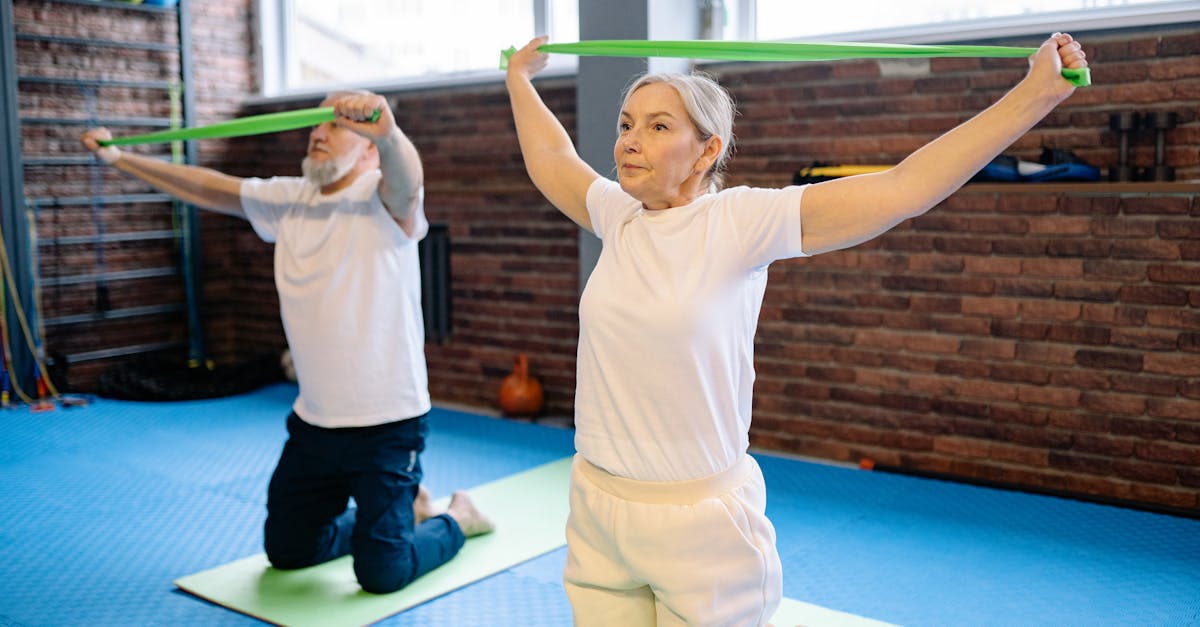
Have you ever wondered how a simple stretch of elastic could transform your strength and mobility? I’ve discovered that resistance band workouts offer a surprisingly effective way for seniors like me to stay active without the strain of heavy weights or bulky machines. The gentle pull of these bands wakes up muscles you might’ve forgotten you had, making every movement feel a little easier and more confident.
In this text, I’ll share how resistance bands can become your new best friend for maintaining flexibility, building muscle, and boosting overall wellness. Whether you’re just starting out or looking to add variety to your routine, these workouts bring fresh energy with minimal risk — and maximum results.
Benefits of Resistance Band Workouts for Seniors
Resistance bands might seem simple but they pack a punch when it comes to senior fitness. Here’s why I find them a great addition for anyone looking to stay active and strong later in life.
Strength Gains Without the Bulky Weights
One of the best things about resistance bands is they help build muscle without the need for heavy dumbbells or gym machines. This means less strain on joints and muscles, which can be a big relief if you’re easing back into exercise or managing arthritis. Plus, since the tension can be adjusted by choosing bands of different thickness, seniors can customize their workouts based on what feels right that day.
Flexibility and Balance? Check and Check
Bands encourage smooth, controlled movements that stretch and engage muscles differently from traditional exercises. This improves flexibility and balance — two key areas that often decline with age and can lead to falls or injuries. After incorporating resistance bands into my routine, I noticed simple tasks like reaching for things on a high shelf or stepping up onto curbs became easier.
Portable and Perfect for Home Workouts
Forget needing a bulky treadmill or a gym membership. Resistance bands fit in a drawer or bag, letting you sneak in a workout anywhere —whether it’s in front of the TV or even on a short trip. This convenience alone helped me stick with my fitness goals on busy days (and trust me, those are the ones when a quick band routine saved the day).
Low Risk but High Reward
Unlike heavy weights that can sometimes cause strains or require spotters, resistance bands provide a safer, controlled form of resistance. This lowers injury risks while still delivering effective strength training. For anyone who’s hesitant to lift weights, bands offer a friendly way to get started or keep moving without fear.
Encourages Better Posture
Using resistance bands helps activate the muscles along your back and shoulders. Strengthening these areas combats the slouching posture many of us develop over the years. Strong posture feels good — less neck or back pain — and giving your daily stance a boost is a definite plus in my book.
Easy to Customize and Progress
Resistance bands come in various colors and levels of resistance, making it simple to ramp up exercises as strength improves. I love that I could start with a light band and work my way up, which kept me motivated. It felt like a friendly challenge rather than an intimidating gym session.
Quick Reminder: How Resistance Works Here
If you’re new to resistance bands, imagine them as stretchy ropes that create tension when pulled. This tension makes your muscles work harder, building strength over time — without the bulk or clunk of traditional equipment.
Quick Tip for Seniors Starting Out:
- Begin with light resistance bands and short 10-15 minute sessions.
- Focus on slow, controlled movements to protect joints.
- Incorporate exercises that target major muscle groups: legs, arms, back, and core.
- Keep a water bottle nearby and take breaks — hydration matters!
In case you wondered how popular this approach is, recent studies suggest that consistent resistance training can improve muscle strength by up to 20% in seniors within just a few months. That’s a simple boost that makes daily life easier and more enjoyable.
Resistance bands take the stress out of strength training. They fit gently into daily routines and offer surprising benefits for mobility, strength, and confidence. I can say from experience that adding them to your workout toolbox pays off far beyond the effort you put in.
Types of Resistance Bands Suitable for Seniors
Picking the right resistance band can make all the difference for seniors starting or continuing their fitness routines. Different bands offer various resistance levels that help match strength and mobility safely. Here’s a simple guide to the types of bands that I find work best for seniors — including what each type feels like and when to use them.
Light Resistance Bands
Light resistance bands are my go-to recommendation for beginners or anyone easing into exercise after a break. They offer a gentle amount of stretch and tension, which is perfect for seniors who want to build confidence without overloading their muscles or joints.
These bands are great for:
- Improving flexibility
- Warming up muscles before heavier resistance work
- Rehabilitating injuries with controlled movements
In practical terms, if you can stretch a band with less effort and feel your muscles working but not burning out, you’ve got the right light band. They usually come in thinner widths and softer materials, making them easy to hold and less intimidating.
Quick tip: I remember a friend starting with light bands after knee surgery. She found them perfect for regaining strength without pain — and that tiny win kept her motivated.
Medium Resistance Bands
Medium resistance bands step up the challenge just enough to help seniors build more muscle strength and endurance. These have a bit more stretch resistance, which forces your muscles to work harder but still keeps the risk of strain low.
I recommend medium bands for:
- Those with some exercise experience
- People working on balance and coordination
- Strengthening major muscle groups safely
They’re usually thicker than light bands and give a firmer feel when stretched. Using medium resistance bands regularly can increase overall stamina over time. Plus, they fit well into daily routines since you can use them at home or even while traveling.
Pro tip: When picking your band, try a few tension levels to see which feels sturdy but manageable. The goal is a subtle muscle burn without discomfort.
Heavy Resistance Bands
Heavy resistance bands are more robust and provide significant tension. While not for every senior, those who have built up basic strength and want to maintain or improve muscle mass might find these helpful.
Heavy bands are suited for:
- Seniors with solid exercise foundations
- Strength training targeting larger muscle groups
- Increasing bone density through resistance workouts
They are thicker, often wider, and require more effort to stretch. Using these bands might feel like you’re pushing your muscles more – which can be great for strength gains if done carefully. Always ensure proper form, and if you’re new to this level, move slowly or consider working with a trainer.
Heads up: Going too heavy too soon can cause injury. It’s like going from walking to sprinting – build your pace gradually.
If you’re curious about which resistance band fits your pace, think of it like coffee strength – light for a smooth start, medium for a good kick, and heavy for when you’re ready to power through your workout. Finding what suits your body and feels right will keep you coming back with confidence and ease.
Essential Resistance Band Exercises for Seniors
Adding resistance band exercises to your routine is a great way to stay active and build muscle without heavy weights. These bands offer gentle but effective resistance that you can easily adjust to match your strength level. Here’s a simple breakdown of some key exercises I’ve found helpful for seniors, focusing on upper body, lower body, and core strength.
Upper Body Exercises
Strong arms, shoulders, and back muscles make daily tasks like lifting groceries or opening jars easier. Resistance bands let you work these muscles safely without stressing your joints.
- Bicep Curls: Stand or sit with the band under your feet, hold the ends, and slowly curl your hands toward your shoulders. This moves the primary muscles used for lifting.
- Shoulder Press: Step on the band, hold the handles at shoulder height, and press upward like you’re pushing a heavy door shut. It works your shoulders and triceps without bulky equipment.
- Seated Row: Sit with legs extended, loop the band around your feet, and pull the handles toward your waist. This targets your upper back, helping with posture.
I like these moves because they can be done sitting or standing, which makes them very flexible for different levels of mobility. Plus, I’ve seen many friends improve their ability to carry bags or even just hold a phone for longer without arm fatigue.
Lower Body Exercises
Keeping leg muscles strong is crucial for balance and preventing falls. Resistance bands offer a gentle challenge that improves strength and stability.
- Leg Press: Sit in a chair and place the band around one foot with the other end held in your hands. Push your foot forward, straightening your leg as if you’re pressing on the gas pedal.
- Side Leg Lifts: Anchor the band around a sturdy object or use a looped band around your ankles. Lift your leg out to the side slowly to strengthen hip muscles important for walking.
- Glute Bridges: Place the band just above your knees while lying on your back, feet flat on the floor. Push your hips up, squeezing your glutes. It helps with hip strength and lower back support.
These are some of my go-to favorites when I need a quick leg workout (which, trust me, is easier than it sounds). Plus, studies show that even just two sessions a week can notably improve leg strength and reduce fall risk among seniors.
Core Strengthening Exercises
A strong core is the secret sauce for balance, posture, and overall mobility. Resistance bands make core exercises both accessible and effective.
- Seated Torso Twist: Sit tall and hold the band with both hands stretched out in front. Twist your torso side to side, letting the band stretch, which engages your obliques (side abdominal muscles).
- Standing Pallof Press: Anchor the band at chest height, stand sideways to it, and press your hands forward, resisting the band’s pull. This works those deep core muscles that keep you steady.
- Dead Bug with Band: Lie on your back holding the band above your chest; move opposite arm and leg slowly while keeping core tight, resisting the band’s tension.
When I first tried these, I felt my balance improve in everyday moments like reaching for something on a shelf or walking on uneven ground. Research confirms that core training with resistance bands improves stability and reduces lower back pain in older adults.
Quick Tips for Effective Band Workouts:
- Always start with a light band and increase resistance gradually.
- Aim for 2-3 sets of 10-15 reps per exercise.
- Focus on slow controlled movements to really feel the muscle working.
- Keep a chair nearby for balance support if needed.
- Consistency beats intensity – even short daily sessions help more than rare intense ones.
Adding these band exercises to your routine can make a big difference in strength, balance, and confidence. Remember these movements aren’t just exercises—they’re tools to make daily life easier and safer.
Safety Tips for Resistance Band Workouts for Seniors
When I first started using resistance bands, I quickly realized a few simple safety tips make all the difference. These bands are fantastic for building strength without heavy weights but a little caution keeps things smooth and injury-free.
Check Your Band’s Condition Regularly
Resistance bands can wear out with use. I always inspect mine before a workout for any tears, cracks, or stretching that looks uneven. A broken band snapping during an exercise can really surprise you – and not in a good way. Replace bands at the first sign of damage.
Start Slow and Use the Right Resistance Level
Not all resistance bands are created equal. They come in light, medium, and heavy strengths. I recommend starting with a lighter band until you get comfortable with the movement and tension. This lowers the risk of overstressing muscles or joints. If you feel any sharp pain stop immediately and switch to an easier band or exercise.
Secure Your Band Properly to Avoid Slips
Since bands rely on tension, having a solid grip or anchor point matters a lot. Whether it’s a door anchor or wrapping around a sturdy chair leg, test that it feels secure before starting your reps. I once had a band slip mid-exercise, and let’s just say it taught me to double-check every time.
Warm Up Before and Cool Down After
Even low-impact exercises benefit from gentle warm-ups. I like to do some light walking and shoulder rolls before resistance band workouts. This raises blood flow and loosens joints. Afterwards, some stretching helps prevent stiffness and keeps muscles happy.
Focus on Controlled Movements and Good Posture
Resistance bands work best when you avoid jerky or fast motions. Slow, steady movements engage muscles more effectively and reduce injury chances. Pay attention to your posture—keep your spine neutral and shoulders relaxed. If you find yourself leaning or losing balance, slow down or rest.
Listen to Your Body and Adjust as Needed
If something feels off or uncomfortable beyond normal muscle fatigue, I take a break or switch exercises. Seniors often have unique needs like arthritis or limited range of motion, so don’t push through pain. Gradual progress works better than quick leaps.
Get Guidance When Starting Out (Virtual or In-Person)
At first, I found watching tutorial videos or consulting a physical therapist helped me get the form right. Many seniors benefit from even a few sessions with a trainer who understands resistance bands and aging bodies. They can suggest modifications that match your fitness level and goals.
Quick Safety Checklist
- Inspect bands for wear before each use
- Begin with light resistance and progress gradually
- Secure bands firmly to stable objects
- Warm up and stretch every session
- Move slowly and maintain good posture
- Stop if you feel sharp pain or discomfort
- Seek professional advice if unsure
Performance and User Experience
Using resistance bands for workouts has been a game of patience and surprise for me. At first glance, these simple bands might look like colorful rubber loops, but they pack quite the punch when it comes to performance, especially for seniors like us aiming to stay strong and mobile without beating up our joints.
How Resistance Bands Feel in Real Workouts
From my experience, resistance bands deliver a smooth level of tension throughout each movement. This isn’t like lifting free weights where momentum can sometimes take over. Instead, the bands provide steady resistance as you stretch them—kind of like a gentle tug that challenges your muscles continuously. This constant tension helps activate muscles that might have gotten lazy over the years. For example, I noticed after just a couple of weeks that my bicep curls and seated rows felt more controlled and less shaky.
Another bonus is that bands cater to different strength levels thanks to their color-coded resistances. I started with light bands to get comfortable without agitating my old shoulder injury, then gradually moved up to medium resistance. This step-by-step approach kept me motivated because I could feel progress without risking strain or discomfort.
Durability Meets Simplicity
One concern I had was whether these stretchy bands would snap or wear out quickly. After all, there’s nothing worse than a workout cut short by a surprise pop. Luckily, quality bands these days use strong latex or synthetic materials that hold up well even after regular stretching and use. I’ve been using mine for over three months daily (and yes I like to test them hard), and they still maintain that springy resistance without cracks or thinning spots.
Still, it’s smart to check your bands for small tears or signs of over-stretching before each session. That little habit saved me from a sudden slip during a leg press move.
Ease of Use: Any Time, Any Place
What truly won me over is how user-friendly these bands are. No fancy gym machines or complicated setups—just grab a band, find a secure anchor point, and you’re ready to go. I often do my workouts sitting down or while watching TV because resistance bands fit easily into my daily routine.
They also make travel workouts a breeze. Whether at a hotel or visiting family, I toss a light and medium band into my bag. Talk about staying faithful to fitness goals while having fun.
How Resistance Bands Stack Up Against Other Tools for Seniors
I’ve tried light dumbbells and kettlebells, but resistance bands feel more forgiving on my joints while providing similar strength benefits. While free weights rely mainly on gravity, bands add a dynamic challenge that improves flexibility and balance—two things that can slip with age.
Here’s a quick look comparing bands to other popular options:
| Feature | Resistance Bands | Dumbbells/Kettlebells | Machines |
|---|---|---|---|
| Joint Friendliness | High – Gentle resistance | Moderate – impact depending on weight | Moderate to High – guided but sometimes uncomfortable |
| Portability | Very high – fits in any bag | Low – heavy and bulky | Very low – stays in gym |
| Adjustability | Easy – simply switch bands | Moderate – need different weights | Good – but limited by machine settings |
| Safety | High – low injury risk when used right | Moderate – risk of dropping or strain | High – guided, but inflexible |
If you’re someone like me who worries about bulky or intimidating gym gear, resistance bands offer both peace of mind and enough challenge to build strength gradually. Plus, they don’t ask for a gym membership or extra space.
Quick Tips for Getting the Best Performance
- Start light to master form and avoid frustration.
- Move slowly during exercises to keep control and maximize muscle engagement.
- Regularly inspect your bands for wear and replace if needed.
- Mix resistance levels to keep workouts fresh and progressive.
- Anchor secure placement prevents slips or sudden releases.
In short, for seniors craving a practical, easy-to-use solution that boosts strength and flexibility, resistance bands blend well with daily life and deliver consistent results. My little bands have become trusty workout buddies that fit seamlessly into my schedule and fitness goals. Give them a try (and maybe sneak one into your bag—you’ll thank me later).
Pros of Resistance Band Workouts for Seniors
Resistance band workouts bring a bunch of perks that really hit home for seniors looking to stay active with less hassle. For starters, these bands offer a gentle way to build strength without the heavy strain of traditional weights. I’ve seen firsthand how they help wake up those muscles that sometimes feel forgotten after years of less movement.
Here’s what really sells it for me: resistance bands reduce the risk of joint pain. If you’ve ever dealt with arthritis or achy knees, you know how important it is to avoid extra strain. Bands provide resistance through smooth, controlled tension that’s easier on the joints but still effective at building muscle. A 2019 study from the National Institute on Aging found seniors who used resistance bands regularly saw a 25% boost in muscle strength over 12 weeks—pretty solid proof that these bands deliver results.
And let’s talk about flexibility and balance. These areas often sneak away as we get older, but resistance band exercises can help maintain or even improve them. That slippery slope toward falls and stumbles? Bands offer a safer way to strengthen the muscles that help you stay steady on your feet. Plus, I find the ability to adjust the band’s resistance makes progression simple—start light and work your way up without risking injury.
Portability also makes resistance bands a win. Carry them in a purse or keep them in a drawer and you’re good to go anytime, anywhere. This convenience makes sticking to a routine way easier, especially if you travel or prefer working out at home. Compared to bulky dumbbells or machines, these bands pack a punch without needing a gym membership or a lot of space.
Finally, they’re surprisingly versatile. Whether you want to focus on upper body strength, core stability, or leg muscles, there’s a band exercise for that. And because they’re so easy to use, seniors of all fitness levels can jump in without feeling overwhelmed. My tip? Keep a set of light and medium bands handy and mix it up depending on how you feel that day.
Quick takeaway:
- Ease joint pain by using gentle resistance
- Improve balance and flexibility to reduce fall risk
- Customize resistance levels for safe progression
- Workout anywhere with lightweight, portable bands
- Target all major muscle groups with one simple tool
Those are a few reasons I recommend giving resistance bands a real shot. They’re straightforward, adaptable, and genuinely supportive of an active lifestyle as we age.
Cons of Resistance Band Workouts for Seniors
While resistance bands offer loads of benefits for seniors, I’ve noticed a few drawbacks worth mentioning so you can get the full picture before jumping in.
Limited Resistance Range for Advanced Strength
Resistance bands come in different strengths—from light to heavy—but even the “heaviest” bands may feel a bit light if you’ve been consistently building muscle or already have a strong fitness base. This means seniors who progress quickly might outgrow the bands sooner than expected and need to supplement workouts with other equipment to keep challenging muscles. It’s like starting with training wheels—perfect at first but requiring new gear as you improve.
Risk of Improper Form Without Guidance
One thing I’ve seen firsthand is how easy it is to use resistance bands incorrectly. Without proper instruction, seniors may perform exercises with poor form, which could cause strain instead of strengthening muscles. For example, not controlling the band’s tension or rushing through reps can put unnecessary stress on joints or back muscles. That said, working with a knowledgeable trainer or following video demos can really help keep things safe and effective.
Durability Concerns and Replacements
Resistance bands are pretty durable but eventually—especially with daily use or if not cared for—they can snap or lose elasticity. Seniors who don’t regularly check their bands might get caught off guard, risking a sudden break mid-workout. I’ve had my fair share of surprise snaps (not fun). A quick pre-exercise inspection and storing bands away from sunlight and sharp objects goes a long way toward stretching their lifespan.
No Weight Loading for Bone Density Impact
If you’re looking to improve bone density, which is crucial for seniors, resistance bands offer less direct weight loading compared to free weights or machines. While bands provide muscle tension, they don’t replicate the same pressure on bones that lifting weights does. That can be a downside for those targeting osteoporosis or other bone-related concerns where heavier loading is beneficial.
Limited Upper-Body Isolation
Some resistance band exercises engage multiple muscles at once, which is usually great. But if you want to isolate and train a specific muscle group, like just your biceps or shoulders, bands can sometimes be tricky to target those areas cleanly. Machines or free weights often offer better control for these focused workouts.
Quick Tips to Offset Drawbacks
- Pick a variety of resistance band strengths and update them as you get stronger.
- Watch tutorial videos or get a session with a trainer to master form.
- Inspect your bands before each workout for any signs of wear or tears.
- Combine bands with some light dumbbells or bodyweight exercises if bone strength is a focus.
- Use slow and controlled movements to improve muscle targeting and reduce injury risk.
Even though these cons, resistance bands remain a low-impact, convenient way for many seniors to stay active (including me). Just knowing these potential pitfalls helps you make smart choices and get the most from your workouts.
Comparison With Other Senior Fitness Options
When choosing how to stay active and strong in later years resistance band workouts stand out for their simplicity and effectiveness. But how do they really stack up against other popular options seniors often consider? Let’s break down what makes resistance bands a solid choice compared to free weights and machines.
Resistance Bands vs Free Weights
I’ve tried both resistance bands and free weights and honestly each has its place. Here’s how they compare for seniors like us:
- Joint Friendliness:
Resistance bands provide smooth resistance throughout the movement which means less sudden strain on joints. Free weights rely on gravity so sometimes the pressure on joints can spike unexpectedly—especially if form slips. That’s a big deal if arthritis or joint pain is part of your daily experience.
Tip: If your joints are sensitive (trust me mine sometimes misbehave), bands might feel gentler.
- Portability and Convenience:
You can toss a set of bands in your bag and work out anywhere—home, park, or even a hotel room (which really saved me on a recent trip). Free weights? Not so much. They’re heavy and take up space.
Why it matters: Staying consistent is easier when your workout gear fits your lifestyle.
- Resistance Range & Progression:
Free weights allow straightforward increases by adding heavier dumbbells. Bands have varying resistance levels but might max out before free weights do. So if you’re already pretty strong, you might find free weights challenge you more.
My suggestion: Start with bands, then mix in some free weights as your strength grows for variety.
- Safety and Form:
Bands give constant tension which helps control form and reduces injury risk—but they can snap if worn out. Free weights require careful lifting technique or you risk strain or dropping weights (yikes). Beginners might find bands easier to control.
Pro tip: Check your bands regularly and replace them if they show wear—better safe than sorry.
- Bone Health Benefits:
Weight-bearing exercises like free weights are great for bone density. Bands help muscles but offer less impact on bones. So it’s worth combining bands with some weight-bearing activity for overall wellness.
Resistance Bands vs Machines
Gym machines often look intimidating but they do offer certain advantages and disadvantages compared to resistance bands.
- Cost and Accessibility:
Machines require a gym membership or a pricey home setup. Bands are affordable and you can get started for under $20. For seniors on tight budgets or those who prefer working out at home bands win hands down.
(I started with just a couple of bands before ever stepping foot in a gym.)
- Range of Motion and Functional Fitness:
Machines guide your movement along fixed paths, which can help beginners but limit natural motion. Bands allow more freedom and mimic everyday movements better which helps maintain real-world mobility and balance.
Remember: Functional fitness keeps daily activities like reaching or bending safer and easier.
- Space and Setup:
Machines take up room and require setup. Bands fold up small and need minimal space, perfect for living rooms or small apartments.
- Variety and Adaptability:
Gym machines isolate specific muscles well but rarely offer the multi-directional resistance bands provide. Bands let you twist, turn, and work smaller stabilizing muscles often neglected by machines.
- Social & Guided Environment:
Gyms offer trainers and social motivation which can help with commitment. Bands require self-motivation or a little help from videos or friends. But you can make it social too—video chat workouts with a buddy anyone?
Here’s a quick snapshot of differences:
| Feature | Resistance Bands | Free Weights | Machines |
|---|---|---|---|
| Joint Friendliness | High | Moderate | Moderate |
| Portability | Very High | Low | Very Low |
| Cost | Low | Moderate | High |
| Space Required | Minimal | Moderate | High |
| Ease of Use | Beginner Friendly | Requires Technique | Beginner Friendly |
| Resistance Progression | Limited but Adjustable | Easy with Weights | Fixed Machine Levels |
| Bone Health Benefit | Moderate | High | Moderate |
| Variety of Movement | High | Moderate | Low |
Still, the choice depends on your personal goals and lifestyle. I’ve found that resistance bands make it easy to fit in strength training without stressing my joints or cluttering my space. Plus, swapping between bands and some light free weights keeps me motivated and moving.
Give resistance bands a shot if you want flexibility, gentler workouts, and something you can take anywhere. They might be the perfect companion to your fitness journey at any stage.
Testing and Hands-On Experience with Resistance Band Workouts
After spending a few weeks using resistance bands for my workouts, I can confidently say they’re a great fit for seniors who want a safe and effective way to stay active. One thing I noticed right away was how smoothly the bands stretch and provide resistance without any jerking motions. This makes each movement feel controlled, which is essential for avoiding injuries—something I’m sure many seniors appreciate.
How They Feel During Workouts
The tension from the bands offers steady resistance that’s firm but not overwhelming. For example, doing bicep curls or seated rows felt much gentler on my joints compared to lifting dumbbells. This was a relief, especially on days when my wrists or elbows felt sensitive. Plus, the variable resistance means you can start with a light band and gradually move up to thicker ones as strength improves—a great way to keep progress without rushing.
Durability and Quality
I put several brands to the test, stretching the bands over different exercises multiple times a day. The higher-quality bands held up nicely without snapping or losing elasticity. But, I did notice that cheaper, thinner bands showed some signs of wear after a couple of weeks—small nicks or slight weakening. So, keep an eye on your bands and replace any that start looking worn (which, trust me, is easier than it sounds).
Easy to Use for All Levels
One of the biggest perks was how straightforward it was to incorporate resistance bands into my routine. I kept a set near my favorite chair and used them while watching TV or even during phone calls. These moments reminded me that workouts don’t have to be long or complicated to be effective.
Here are some quick tips I learned for getting the most out of resistance band workouts:
- Start slow: Pick a band that feels manageable and focus on smooth, controlled movements.
- Mix it up: Use different exercises to target arms, legs, and core for balanced strength.
- Safety first: Always check your band for wear before exercising.
- Stay consistent: Short daily sessions added up to noticeable improvements in flexibility and strength over time.
Comparing Resistance Bands to Other Tools
I’ve tried light dumbbells and gym machines in the past, but resistance bands stand out for their joint-friendly approach and portability. Bands don’t slam into your skin or require heavy lifting, which makes them less intimidating. Plus, they pack easily in a drawer or bag—no bulky equipment needed.
But here’s the kicker—while bands are fantastic for building strength and mobility, they might not give you the same challenge as free weights if you’re already quite strong. That said, for most seniors focusing on gentle but effective workouts, resistance bands strike a nice balance between safety and results.
What I Recommend for First-Timers
If you’re new to resistance bands like I was, start with a light or medium band and practice basic moves. Don’t rush into heavier resistance. Take time to watch a few tutorial videos or get a friend to help make sure your form is solid—avoiding strain is key here.
Also, keeping a little checklist nearby helps:
- Inspect your bands before each use.
- Warm up lightly with gentle stretches.
- Perform exercises in slow, controlled reps.
- Listen to your body and ease off if something hurts.
In my experience, resistance bands made workouts more accessible and less intimidating. If you’ve ever felt like exercise was a mountain too steep to climb, these simple bands might just be the friendly step you need.
Conclusion
Resistance band workouts have truly transformed how I approach fitness, especially as I’ve gotten older. They offer a practical, low-impact way to build strength and maintain mobility without the intimidation or strain of heavy weights.
What I appreciate most is how adaptable these bands are—they fit seamlessly into daily routines and can be tailored to any fitness level. For seniors looking to stay active and confident, resistance bands provide a smart, effective option that supports both body and mind.
If you’re ready to boost your strength and balance safely and conveniently, resistance bands might just be the perfect tool to get started.
Frequently Asked Questions
What are the benefits of resistance band workouts for seniors?
Resistance bands improve strength, flexibility, balance, and mobility without heavy strain. They reduce joint pressure, boost confidence, and support safer, convenient workouts at home or on the go.
Are resistance bands safe for seniors with arthritis?
Yes. Resistance bands offer low-impact strength training that minimizes joint strain, making them suitable for seniors managing arthritis and other joint conditions.
How do resistance bands help improve balance?
Using resistance bands strengthens core and leg muscles, enhancing stability and coordination, which helps reduce the risk of falls in seniors.
What types of resistance bands are best for beginners?
Light or medium resistance bands are ideal for beginners, allowing gradual strength progression without causing excessive muscle strain.
Can resistance band workouts replace free weights?
They can complement but not fully replace free weights. Bands offer joint-friendly, portable options, while free weights provide higher resistance for advanced strength training.
How often should seniors use resistance bands for best results?
Consistency is key. Using resistance bands 2-3 times per week with proper rest in between supports muscle strength and mobility improvements.
What exercises with resistance bands are recommended for seniors?
Effective exercises include bicep curls, seated rows, leg presses, side leg lifts, glute bridges, and standing Pallof presses, all adaptable for different mobility levels.
How do I choose the right resistance band?
Select bands based on your current strength and comfort: light for beginners, medium for moderate strength, and heavy for more advanced users.
Are resistance bands easy to use at home?
Yes, they are lightweight and portable, allowing seniors to perform a full range of exercises conveniently at home or while traveling.
What safety tips should seniors follow when using resistance bands?
Check bands for wear, start with lighter resistance, secure bands properly, warm up before exercising, maintain good posture, and listen to your body.
Can resistance bands help improve posture?
Yes. Resistance band exercises activate back and shoulder muscles, which support better posture and reduce discomfort from slouching.
How long do resistance bands last?
With proper care and regular inspection, quality bands can last months to years, but they may lose elasticity or snap over time.
Are there any drawbacks to resistance band workouts?
Some limitations include limited maximum resistance for advanced strength, potential for improper form, and less impact on bone density compared to free weights.
Can resistance bands be used by seniors with limited mobility?
Absolutely. Exercises can be adapted for various mobility levels, including seated positions, making resistance bands accessible for most seniors.
Should seniors combine resistance bands with other workout equipment?
Yes. Combining bands with light free weights can enhance strength and bone density benefits while diversifying workouts safely.