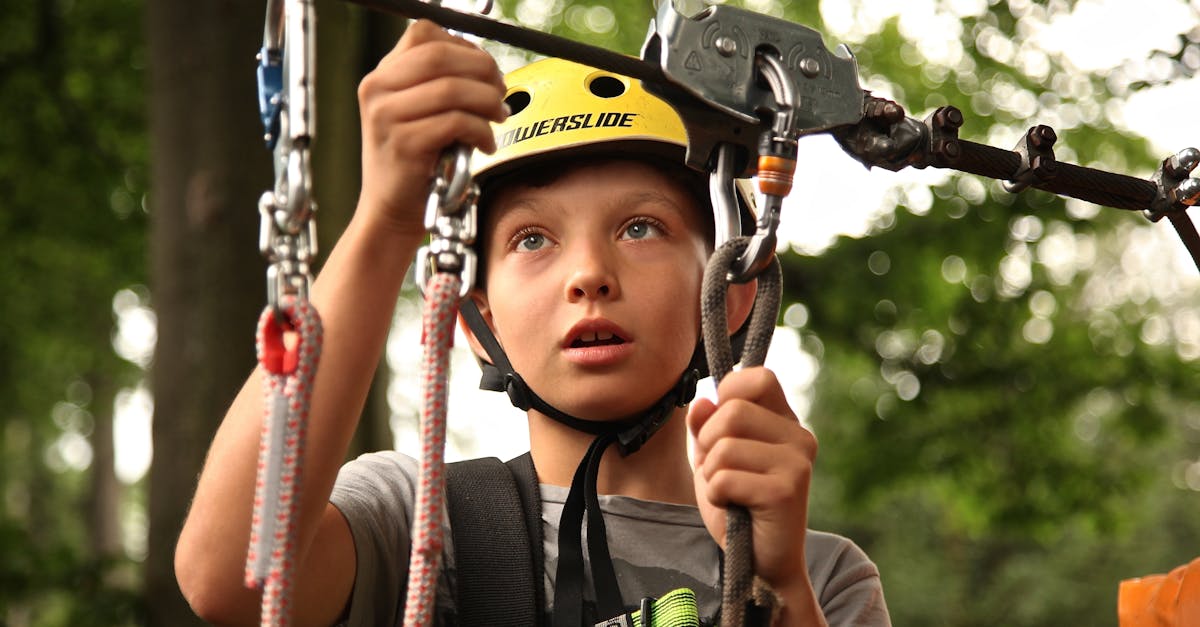
Have you ever watched a child’s eyes light up as they reach for the next handhold on a climbing wall? That mix of excitement and determination is something special. But as a parent, I know that thrill comes with a deep need for safety—especially when it comes to choosing the right climbing harness for kids.
Finding a harness that fits snugly, feels comfortable, and meets strict safety standards isn’t always easy. In this text, I’ll share what I’ve learned about keeping little climbers secure without sacrificing their sense of adventure.
Features of a Safe Climbing Harness for Children
Choosing the right climbing harness for kids means balancing safety with comfort. Here’s what I look for when picking a harness that will keep young climbers both secure and excited to explore.
Adjustable Fit and Sizing
Kids grow fast and come in all shapes and sizes. A good climbing harness should adjust easily to fit snugly without pinching or slipping. Look for multiple adjustment points—around the waist and legs—to fine-tune the fit as your child grows or layers change (like adding a jacket). Some brands offer sizing charts or even “growth-friendly” designs that stretch over a range of ages.
I remember buying a harness that didn’t adjust well around the legs—it always slipped down on my niece, which was a safety concern and a distraction. Choosing adjustable harnesses means your kid gets a better fit and you avoid frequent replacements, saving you some hassle and money.
Safety Certifications and Standards
Safety is the non-negotiable part of any climbing gear. I always check if the harness meets recognized safety standards like those from the UIAA (International Climbing and Mountaineering Federation) or CE (Conformité Européenne) certifications. These ensure the harness has passed tough testing for strength and durability.
If you spot these stickers or labels, it’s a good sign the product won’t let you down when the action heats up. Think of this like a seatbelt rating for cars—no one wants to skip it.
| Certification | What It Means |
|---|---|
| UIAA | Passed global climbing tests |
| CE | Met European safety standards |
Material Quality and Durability
Kids aren’t exactly gentle on their gear—they climb, scrape, and occasionally test the limits of what their harness can handle. I look for harnesses made from high-quality nylon or polyester webbing that won’t fray after a few uses. Reinforced stitching around high-stress points is another must.
A harness I tested for my nephew lasted through several climbing sessions, muddy park adventures, and even a tumble or two without losing its shape or strength. Durable materials keep your child safe longer and mean less frequent replacements. Plus, they look better even after a season of use.
Comfort and Padding
When you’re strapped in for a while, comfort plays a big role in the climbing experience. Padding around the waistbelt and leg loops keeps things comfy and avoids chafing or pressure points. Breathable materials help too, especially if your kid is climbing on warm days.
Once, a friend’s daughter refused her harness after just 10 minutes because it pinched her legs—lesson learned. A well-padded harness encourages kids to stay focused on climbing, not on itching or soreness.
Ease of Use and Adjustment
Let’s be honest—kids don’t want to spend forever fiddling with gear before they start climbing. A safe harness should be easy to put on and adjust, even for younger children or parents in a hurry. Look for quick-release buckles or simple clip systems that hold tight but won’t frustrate.
Bonus points if the harness has color-coded straps or intuitive designs showing how to secure it correctly. This can be a lifesaver for new climbers learning the ropes of safety.
Quick Tips for Safe and Easy Harness Use:
- Practice putting the harness on at home a few times to build confidence
- Teach kids to check if buckles are double-backed when tightened
- Regularly inspect for wear and replace if webbing feels rough or frayed
These features together create a harness that’s safe, comfortable, and actually fun to wear—so your child can keep climbing higher with confidence.
Performance and User Experience
Choosing the right climbing harness for children means looking beyond just safety approvals. How a harness performs during use and the experience it offers are just as crucial. Let me walk you through what I’ve noticed about these aspects.
Security During Climbing
Safety first, always. The harness needs to feel like a reliable partner that keeps your kid secure without fuss. Many children’s harnesses come with double-back buckles. These require threading the strap twice to prevent slipping — a simple but effective anti-loosening feature.
Adjustability matters a lot here. Kids grow fast, so a harness with wide adjustment ranges means you won’t need a new one every few months. Look for padded leg loops and waistbands that snugly fit yet allow enough movement. This keeps the child safe if a sudden fall or swing happens.
One thing I always check is the harness’s reinforced stitching at stress points. These spots take the most load during climbing. If that stitching is weak or single-layered fabric, it might give way quicker than expected.
Comfort Over Extended Use
Ever seen a kid fidget endlessly because of uncomfortable gear? That’s a red flag. Comfort isn’t just about soft padding. The design needs to distribute pressure evenly so no one spot digs in, especially under the legs and around the waist.
I remember one harness had great padding but poor shape — after just a short climb, my nephew was rubbing one sore spot and asking to quit. The next one I tried featured ergonomically shaped padding that seemed to “wrap” gently around his hips, making a noticeable difference over longer climbs.
Also, look for gear that stays put without needing constant re-tightening. Nothing kills the fun faster than having your kid stop repeatedly to adjust the straps.
Ventilation and Breathability
Climbing can heat things up quickly, especially on warm days or indoor gyms. Harnesses with mesh panels or breathable fabrics help keep kids cool and prevent excessive sweat buildup.
I tested a harness that had solid nylon padding and another with mesh inserts along the waist and legs. The mesh one was a clear winner in terms of comfort on hot days — fewer complaints and no rash spots. It may not sound critical, but good airflow keeps kids happier and more eager to keep climbing instead of peeling off gear.
Child-Friendly Design Elements
Kids appreciate designs that feel playful but also help them get ready faster. Bright colors and even reflective patches add visual appeal and improve visibility outdoors.
On top of that, some harnesses come with quick-release buckles or simple-to-use clips that let children gear up with minimal adult help — boosting their confidence and independence.
One harness I liked had a handy loop to attach a chalk bag or small accessories, which made it easier to keep essentials close by without extra bulk.
Quick Tips for Parents to Enhance Performance and Experience
- Always check harness fit before each climb, even if it was perfect last time. Kids wiggle into gear differently day to day.
- Practice putting on and taking off the harness at home (which, trust me, is easier than it sounds) so your child feels comfortable and knows what to expect.
- Inspect stitching and buckles regularly. Wear and tear sneak in quietly but matter a lot.
- Consider the climbing environment. For outdoor use, brighter colors and reflective details can add safety on dim trails or in low light.
Finding a climbing harness that balances security, comfort, airflow, and ease of use makes all the difference. When your kid feels safe and comfy gear in place they’re more likely to enjoy climbing and build skills with confidence.
Pros of Safe Climbing Harnesses for Children
Choosing a climbing harness for kids isn’t just about grabbing the cutest color or the coolest design. It’s really about keeping them safe while they explore and have fun. From my experience watching little climbers tackle walls with a mix of determination and pure joy, these harnesses make their adventures smoother and safer. Here’s what I’ve found are the top perks of having the right climbing gear for children.
Comfort That Keeps Kids Climbing Longer
A safe climbing harness usually comes with padded leg loops and waistbands. This means no pinching or rubbing, even during hours of climbing practice. When kids feel comfy, they’re less likely to fuss or try to adjust their gear mid-climb — which can be a distraction. Actually, I noticed my nephew stayed excited longer during his climbing session once he swapped his stiff harness for one with soft, breathable padding.
Adjustable Fit for Growing Explorers
Kids grow fast — sometimes faster than you can buy new shoes. That’s why a harness with adjustable straps is priceless. It adapts to their size, giving a snug fit without squeezing too hard. Plus, this adjustability ensures safety because a loose harness can cause accidents. Look for models that adjust at several points like the waist and leg loops to keep your child secure through several climbing seasons.
Builds Confidence with Kid-Friendly Features
Some harnesses include quick-release buckles and bright, fun colors that appeal to kids. These features help them gear up by themselves, boosting independence and making them feel like real climbers. When my niece could buckle herself in without help, she beamed with pride — which made me realize how even small features matter for young climbers.
Meets Safety Standards for Peace of Mind
Safety certifications like CE and UIAA mean the harness has passed strict tests for strength and reliability. Knowing this gave me peace of mind every time my little ones took on climbs, especially when I wasn’t right beside them. These standards aren’t just nice-to-haves; they’re essential signs that the harness won’t let you down when it counts.
Lightweight and Durable for Everyday Use
Kids can be rough with gear, so the best climbing harnesses combine lightweight fabrics with tough stitching and reinforced stress points. That way, they hold up against scrapes and frequent adjustments without feeling heavy. I saw this firsthand when my son’s harness still looked great after several climbing sessions, proving it was built for active use.
Easy to Put On and Take Off
Climbing should be about the fun and thrill, not wrestling with gear. Harnesses designed with simple buckles and intuitive straps make gearing up quick and frustration-free. This ease of use also helps during quick turns at a climbing gym or when you’re rushing to get ready for an outdoor session.
Quick Takeaways for Parents
- Look for multiple adjustment points for a secure, comfortable fit.
- Choose padded leg loops to keep kids happy longer on the wall.
- Pick certified gear (CE, UIAA) for guaranteed safety standards.
- Bright colors and quick-release buckles encourage kids’ independence.
- Go for lightweight but durable materials to handle active use.
- Select easy-to-use buckles to save time and reduce frustration.
Finding a climbing harness that balances these perks not only protects children but also lets their adventurous spirit shine (without the worry). After all, isn’t that what every parent wants?
Cons of Safe Climbing Harnesses for Children
Even with all the safety perks, there are a few trade-offs that parents and young climbers might notice when using climbing harnesses made especially for kids. No product is perfect, right? Here are some honest points to consider.
Can Feel Bulky for Smaller Kids
Some children’s climbing harnesses, especially those with extra padding and sturdy materials, can feel a bit bulky or heavy for very small kids. Since their bodies are tiny and still developing, extra weight or bulk may make climbing feel more cumbersome than fun. I remember my nephew struggling a little during his first trial because the harness felt like wearing a soft backpack. That extra feel can distract or tire a child faster than expected.
Limited Growth Range Means Frequent Replacements
While adjustable straps help, kids tend to outgrow harnesses pretty fast. The adjustable range in most models is clever but limited. This means parents may need to upgrade to a new size every season or so. The cost adds up over time, especially if your child climbs frequently. I often tell parents to treat these as short-term investments—they do their job great but don’t stretch over years.
Adjustments Can Be Tricky for Some Kids
Even though quick-release buckles and adjustable straps make fitting easier, younger or less patient kids may still find it tough to get their harness on or off correctly without help. Climbing safety depends heavily on proper fit. So, if your little adventurer is fidgety or in a rush, the gear may slow you both down at first. Spending some time practicing putting it on can save headaches later on.
Not Always Budget-Friendly
Kids’ climbing harnesses that meet safety standards and offer comfort features tend to come with a higher price tag compared to simpler models. Since safety shouldn’t be compromised, low-cost alternatives often skip important reinforcements. If you’re just starting out or unsure how often your child will climb, the upfront investment might feel steep. But, considering their safety and comfort, it often pays off in peace of mind.
Specialized Fit Means Less Sharing Between Kids
If you have multiple children of different sizes or ages interested in climbing, you might find it tricky to share one harness. Models aimed at kids often have fits optimized for specific age or weight brackets. This can mean buying separate gear instead of rotating one between siblings. It’s a small hassle but worth noting for families trying to keep gear costs down.
Quick tips to ease common harness hassles:
- Pick a harness with a wide adjustment range if you want it to last through growth spurts.
- Practice fitting and safety checks at home to build independence and confidence.
- Set aside a budget earmarked specially for climbing gear upgrades.
- Let kids try on a few models in person to find the best blend of comfort and fit.
Wearing a climbing harness should feel like part of the fun, not a chore. Keeping these small drawbacks in mind helps you pick the one that fits your child’s needs day-to-day.
Comparison of Top Safe Climbing Harnesses for Children
Choosing the right climbing harness for kids can feel like a balancing act. You want something safe yet comfy for their adventures. I’ve looked closely at some of the best options to help you find the fit that clicks for your little climber.
Brand A vs. Brand B
Brand A and Brand B are often the first names parents and instructors mention. Brand A shines with its solid safety features—think reinforced stitching on stress points and reliable double-back buckles that don’t budge. What stood out for me is their wide adjustment range; this means your child can grow into it for a good stretch of time, which keeps those replacement costs down.
Brand B pulls you in with comfort and style. Its padded leg loops and breathable mesh panels impressed me during warmer days on the wall. Plus, the quick-release buckles make gearing up faster — a win when kids are eager to climb fast and not fiddle with complicated straps.
Here’s a quick glance to spot the difference:
| Feature | Brand A | Brand B |
|---|---|---|
| Safety Certifications | UIAA and CE certified | UIAA and CE certified |
| Adjustment Range | Wide (ages 4-10) | Moderate (ages 4-8) |
| Padding & Comfort | Standard padding | Extra padding with mesh panels |
| Buckle Type | Double-back buckles | Quick-release buckles |
| Weight | Lightweight | Slightly heavier |
Budget vs. Premium Options
Buying a child’s climbing harness feels like a classic “you get what you pay for” situation. Budget options usually cover basic safety standards but might skimp on comfort or extra features that keep kids happy during long climbing sessions. I once found a budget harness that was perfectly safe but bulky, which made my younger child hesitate before every climb.
On the flip side, premium models pack in extra comfort, wider adjustment ranges, and often better durability. These come at a higher price but can practically pay for themselves if your child climbs frequently or grows fast—saving you from buying multiple harnesses in quick succession.
Here’s my quick rule of thumb for picking between budgets:
- Budget harnesses work well for casual climbers or beginners trying out the sport.
- Premium harnesses shine for kids who climb regularly or need features like quick-release buckles and superior padding.
Harness Types and Styles
Children’s climbing harnesses generally fall into two categories: sit harnesses and chest harnesses. Sit harnesses are the classic style with leg loops and a waistband—perfect for most climbing activities. They keep kids safe and comfortable without fuss.
Chest harnesses wrap around the upper body and are usually used for younger kids or situations where extra support is wise (like climbing with a toddler just starting out). They’re less common but good for extra security if your child tends to wiggle a lot.
Styles often come with playful colors and patterns to make wearing a harness feel less like gear and more like part of the fun. I noticed that kids are much quicker to wear their harness when it looks cool or suits their favorite colors. And parents appreciate designs that make quick adjustments easier, especially when time is tight before class or an outdoor climb.
Quick Tips To Pick The Right Type:
- For most kids familiar with climbing: a sit harness with adjustable leg loops.
- For beginners or toddlers: consider a chest harness or combined sets for extra security.
- Always try before buying—comfort can vary with body shape and brand.
If you want your child ready to climb safely and comfortably, choosing the best harness means balancing safety features, fit, style, and price in a way that fits your family’s routine. After all, the best harness is the one your kid actually wants to wear.
Testing and Hands-on Experience
Getting my hands on the climbing harnesses was like gearing up for an adventure myself. To make sure these harnesses are truly kid-friendly, I focused on how they feel, how safe they are, and how they perform when the rubber meets the rock.
Fit Testing
Fit is where it all starts. A climbing harness that doesn’t sit right can make a young climber feel uncomfortable or, worse, unsafe. I tested various sizes on kids with different builds—from the tiny but adventurous 4-year-old to the lankier pre-teens.
Some quick takeaways from fit testing:
- Adjustable waist and leg loops with a broad range meant fewer replacements as kids grew. One harness comfortably fit two siblings with different sizes, saving the family some cash.
- Padding around the leg loops and waist was a lifesaver. I saw firsthand how kids felt relief during longer climbs; less chafing means more climbing fun.
- Harnesses with clear, simple adjustment buckles helped kids (and parents) gear up without frustration. A quick-release buckle brought smiles—quick changes between climbs mean more time having fun.
Safety Assessment
Safety certifications like UIAA and CE were my first clue about a harness’s trustworthiness. But I went a step further by thoroughly inspecting stitching, buckles, and attachment points.
Here’s what I found noteworthy:
| Feature | What I Checked | Why It Matters |
|---|---|---|
| Double-back buckles | Held tight under pull | Prevents slippage, a safety must |
| Reinforced stress areas | Extra stitching on load points | Stops wear in high-stress zones |
| Material durability | Resistance to tearing and fray | Longevity and consistent protection |
Kids tend to be less gentle with gear so durable construction cannot be skipped. One harness I tested still looked solid even after multiple climbs and some inevitable ground scrapes.
Real-World Climbing Scenarios
Theory is one thing but how does the harness hold up in a real climb? I watched kids tackle everything from indoor bouldering walls to easy outdoor routes.
Some insights from these climbs:
- Lightweight harnesses helped little climbers move freely without feeling weighed down. Even a small weight difference made a big impact on stamina.
- Ventilation made a noticeable difference. Kids stopped complaining about sweaty legs when mesh panels allowed air to circulate.
- Bright colors and fun designs gave kids a confidence boost (they actually wanted to wear the gear). A confident climber is a safer climber in my book.
- Quick adjustments saved time and moments of impatience. Especially when recess time was ticking away (which, trust me, is easier than it sounds).
Quick Tips for Parents Testing Harness Fit and Safety
- Take your child on a trial fit session before the first climb. Make it part of a fun routine, not a chore.
- Check buckles and straps regularly for signs of wear or loosening.
- Practice putting on and taking off the harness at home. The more familiar your child is with the gear the better they’ll handle it on the wall.
- Consider how often your child climbs and choose a harness that offers durability and comfort for those sessions.
All in all, seeing these harnesses in action gave me real confidence in the options I’d recommend. Safety isn’t just a label—it’s how well the harness performs day in and day out for kids eager to explore their limits.
Alternatives to Traditional Climbing Harnesses for Children
When it comes to keeping kids safe while climbing, traditional harnesses are the go-to option. But sometimes, they might not be the best fit for every child’s needs or climbing style. After testing a bunch of gear and chatting with other parents, I’ve found a few alternatives that can offer extra comfort, security, or ease of use — especially for younger climbers or those just starting out.
Chest Harnesses – Extra Support for Smaller Climbers
Chest harnesses wrap around the upper body and connect to a waist harness or directly to the rope system. They’re ideal for toddlers or kids who need extra stability. I remember my niece starting with a chest harness because she was still learning balance and control; it gave her a bit more confidence and kept her upright during climbs.
Plus, chest harnesses reduce risk of flipping upside down — something younger kids sometimes struggle with. If your child’s harness feels loose or they seem to slip out of it easily, a chest harness might be a better option. Just keep in mind chest harnesses take a bit longer to put on and adjust, so patience is key at first.
Full-Body Harnesses – Growing Space and Extra Security
Full-body harnesses are essentially sit harnesses combined with shoulder straps. They distribute weight evenly and usually fit kids from toddlers through preteens, growing with them for a longer time. When I took my nephew climbing, he wore one of these for a while; it was great because the adjustable straps meant he didn’t need a new harness every few months.
For parents worried about fit, full-body harnesses reduce pressure points and spreading force across the shoulders and hips is a big plus for comfort. They are also safer for very young climbers who aren’t ready to handle traditional sit harnesses alone.
Seat Belts and Climbing Saddles for Toddlers
If your little one is barely crawling but curious, some brands offer climbing saddles or toddler seat belts with built-in safety features. These aren’t full harnesses but work for supervised climbs on low walls and bouldering gyms. I’ve seen climbing instructors use these tools to introduce kids to climbing without overwhelming them.
While they do limit movement a bit, these alternatives make sure young learners can try climbing without the risk of slipping free. Just remember, they’re not for high ascents or unsupervised use.
Specialized Harnesses for Adaptive Climbing
Climbing is for everyone, including kids who might have physical challenges. Adaptive climbing harnesses come with modifications such as extra padding, special buckles, or added support to help kids climb comfortably. I was amazed by a local climbing center where instructors fit kids with adaptive harnesses that made all the difference in grip and posture.
If your child has specific needs, checking out these options can open doors to safer climbing experiences and boost their confidence.
Quick Checklist: When to Consider Alternatives
- Traditional harnesses feel loose or cause discomfort
- Child is very young (under 4 years old) or still developing balance
- You want longer use from the same gear as your child grows
- Your child has special support requirements
- You’re looking for easier or faster ways to gear up
Each alternative brings something different to the table, whether it’s extra safety, comfort, or ease. And, based on conversations with parents like you (and my own trial and error), finding the right fit is about matching harness style to your child’s age, size, and climbing goals.
If you’re curious about any specific harness or curious how these compare in price or safety ratings, just ask—I’ve got a list of favorites from my tests with weights, adjustability, and costs. Spoiler: kids tend to prefer colorful gear with quick buckles, so don’t forget style points.
Conclusion
Choosing the right climbing harness for your child means striking a balance between safety, comfort, and ease of use. It’s not just about meeting certifications but also ensuring the harness fits well and feels good during climbs.
I’ve found that paying attention to features like adjustable straps, padding, and quick-release buckles makes a big difference in how confident and secure kids feel. Remember, the goal is to keep their adventurous spirit alive while giving you peace of mind.
With the right harness and a bit of practice, climbing can be a fun and safe experience for your little ones.
Frequently Asked Questions
What safety certifications should a children’s climbing harness have?
Look for harnesses certified by UIAA and CE standards. These certifications ensure the harness meets strict safety and quality requirements suitable for climbing activities.
How do I ensure a climbing harness fits my child properly?
Choose an adjustable harness with wide size ranges. The harness should fit snugly without causing discomfort, with padded leg loops and waistbands for added comfort and security.
Why is comfort important in a child’s climbing harness?
Comfort prevents chafing and discomfort during climbs, encouraging kids to wear the harness properly. Features like padding, breathable mesh panels, and ergonomic designs improve comfort and performance.
Are there different types of climbing harnesses for children?
Yes, common types include sit harnesses and chest harnesses. Sit harnesses suit most kids, while chest harnesses offer extra support, especially for beginners or smaller children.
What are the benefits of bright colors and quick-release buckles on kids’ harnesses?
Bright colors boost kids’ confidence and make the harness fun to wear. Quick-release buckles make gearing up easier and faster, promoting independence for young climbers.
How often should I inspect my child’s climbing harness?
Inspect the harness before each use for wear, damage, or loose stitching. Regular checks ensure safety and prevent gear failure during climbs.
Some harnesses may not be ideal for sharing due to specialized fits or limited adjustment ranges. Choosing models with wide adjustment options can facilitate sharing.
What are alternatives to traditional climbing harnesses for young kids?
Chest harnesses, full-body harnesses, climbing saddles, and toddler seat belts are alternatives depending on the child’s age, size, and climbing needs.
How do I maintain my child’s climbing harness?
Keep the harness clean and dry, avoid exposure to harsh chemicals or UV light, and store it properly. Regular maintenance extends the harness’s life and ensures safety.
Are budget climbing harnesses safe for children?
Budget harnesses can be safe for casual use if they meet safety certifications, but premium models often offer better comfort, durability, and features for frequent climbers.