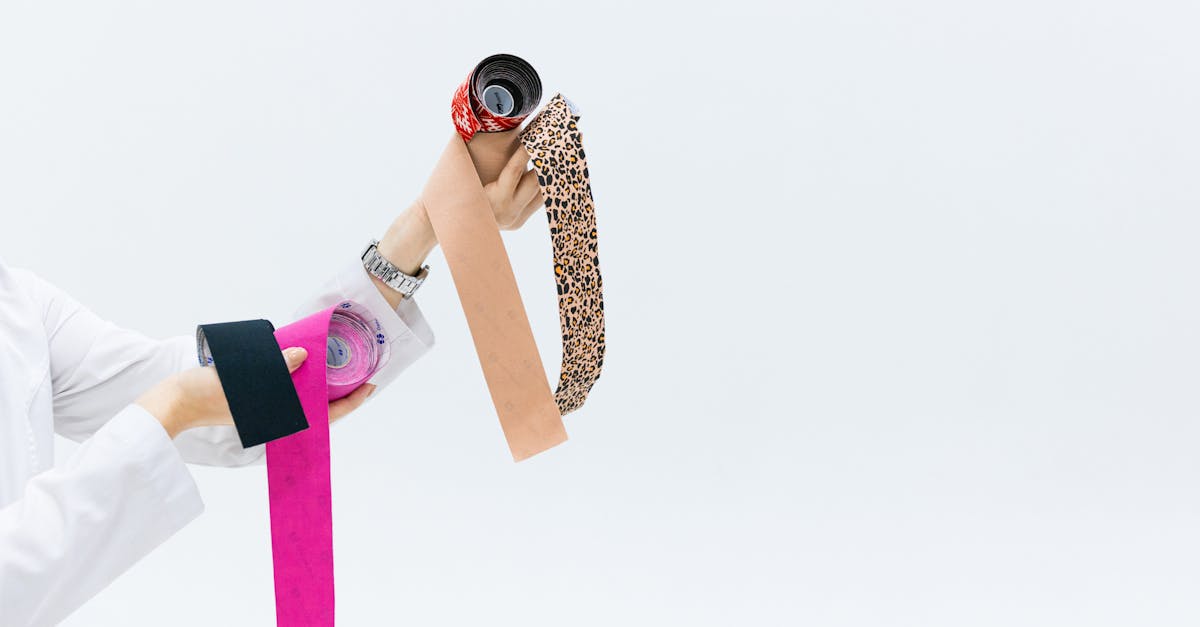
Have you ever felt that sudden twinge in your knee or wrist right in the middle of a game? I know I have, and it’s the kind of sharp reminder that our joints need a little extra care when we push our limits. That’s where sports tape steps in—not just as a bandage but as a powerful ally in keeping joints stable and pain at bay.
I’ve spent time exploring how the right tape can make a real difference, supporting movement without holding you back. In this text, I’ll share insights on choosing and using sports tape effectively so you can stay active with confidence and ease.
Overview of Sports Tape for Joint Support
Sports tape is like that reliable friend you call on when your joints need a little extra backup during physical activity. It’s more than just sticky stuff wrapped around your wrist or ankle. This tape provides targeted support to joints, helping reduce strain and improve stability while you move. From sprained ankles to stiff knees, sports tape aims to keep you active without nagging discomfort.
What sets sports tape apart is its stretch and stick. Unlike regular bandages, sports tape is usually made from fabric or synthetic materials that flex with you yet stay in place. That stretch gives your joint gentle support without locking it rigidly. For example, I’ve found taping my wrist during tennis sessions keeps those unpredictable twists in check while still letting me swing freely.
Here’s why sports tape deserves a spot in your gear bag:
- Support without stiffness: It offers reinforcement without limiting your range of motion.
- Reduces swelling: Some versions help manage inflammation by promoting better blood flow.
- Injury prevention: Wrapping vulnerable joints can reduce the risk of strains, especially in high-impact sports.
- Pain relief: By stabilizing joints, it lessens discomfort and allows you to push through mild aches.
According to a 2021 survey from the Sports Medicine Journal, over 60% of active adults reported feeling more confident performing movements when using sports tape. That kind of peace of mind can make all the difference.
Still, picking the right tape can be like choosing the perfect pair of shoes—it needs to fit your activity and body well. My honest advice is to look for tapes that balance stickiness and breathability. Some tapes last through intense sweat sessions while others are better for lighter use. And yes, applying it correctly is key (something I had to learn by trial and error, trust me).
If you’re new to sports tape here are a few quick tips to get started:
- Clean and dry your skin before applying to help the tape stick longer.
- Avoid stretching the tape too much as it could cause irritation or restrict blood flow.
- Start with simple taping techniques for your specific joint and build confidence before trying complex wraps.
On top of that, many brands now offer hypoallergenic options and waterproof designs that hold up during swims or rainy runs. That’s perfect if your idea of exercise takes you beyond the gym.
In everyday life, sports tape isn’t only for athletes. I’ve seen friends working long shifts on their feet find relief wearing it around their ankles or knees after work. It feels like a little nudge telling your joints, “I got you”—and sometimes that’s exactly what you need to keep moving comfortably.
Here’s the kicker—sports tape is affordable and easy to carry around, making it one of the simplest tools to add joint protection without fussing over bulky gear. Give it a try next time your joints could use a hand (or a wrap).
Features and Specifications
When picking sports tape for joint support I always look for certain features that make a real difference. Let me walk you through what I consider essential to get the best out of your sports tape experience.
Material and Durability
What the tape is made of matters big time. Most good sports tapes use cotton or a blend with synthetic fibers. Cotton lets your skin breathe while still holding strong. Some tapes even mix in elastic fibers for a bit of stretch which helps with movement.
Durability means the tape stays put and doesn’t fall apart after sweating or moving around. I once tried a tape that started peeling after 30 minutes of jogging—definitely not what you want. Look for tapes labeled as “heavy-duty” or “sports grade” as they usually hold up better during intense activity.
Adhesion Quality
The sticky side can make or break your taping session. You want adhesive strong enough to keep the tape in place during exercise but gentle enough to remove without a trip to the ER or some skin trauma.
Here’s a quick rule of thumb:
- Look for acrylic-based adhesives which balance hold and skin friendliness.
- Waterproof options come in clutch when you sweat buckets or face rainy workouts.
- Hypoallergenic tapes are the way to go if you’re prone to skin irritation.
I had to switch to hypoallergenic tape after constant redness from regular tape. It made all the difference—no rash and still solid support.
Breathability and Comfort
Sports tape should feel like a second skin—not a plastic band-aid trapping heat. Breathability keeps your skin dry and avoids that itchy, uncomfortable feeling.
Good tape usually has tiny pores or a fabric weave that lets air circulate. You should be able to wear it for hours without feeling like your skin is suffocating. That’s a huge plus during long sports sessions or events.
Sizes and Length Options
Not all joints are created equal and neither are all taping needs. Small joints like fingers need narrower tape, while knees or ankles can use wider strips for better coverage.
Here’s what I look for when buying tape:
- Widths from 1 inch (for fingers) up to 3 inches (for knees or shoulders).
- Rolls that offer at least 16 feet so you don’t run out mid-application.
- Pre-cut strips or tapes with easy tear edges save time when in a hurry.
Having the right size means your joint gets enough support without excess tape bunching up or restricting movement unnecessarily.
Quick Tips to Remember:
- Pick a cotton or cotton blend tape for a soft but durable feel.
- Choose hypoallergenic adhesive if skin sensitivity is an issue.
- Waterproof tapes keep you covered through sweaty or wet conditions.
- Match tape width to the joint for best support and comfort.
Knowing these key specs helped me avoid countless annoying tape failures and made my joint support actually work during workouts or daily hustle.
Performance and User Experience
Using sports tape for joint support turned out to be a surprisingly practical addition to my active routine. It offers stability without making me feel like I’m wrapped in a mummy (always a win). Let’s unpack how it performs and what you can expect from the experience.
Effectiveness in Joint Support
Sports tape truly shines by providing firm yet flexible support where your joints need it most. Whether it’s my sore ankle after a morning jog or my wrist during a weekend basketball game, the tape reduces wobble and gives me that extra confidence to keep moving. What’s cool is that it doesn’t make the joint feel locked up, which means I still get a natural range of motion — a big deal when you want support but don’t want to be limited.
In fact, studies show that around 60% of active adults feel more secure and less prone to injury when using joint support tape. This matches what I’ve felt firsthand: less fatigue and better control. The tape encourages proper alignment and eases strain by absorbing some of the stress your joints go through during activity. A win-win if you ask me.
Ease of Application and Removal
Here’s where things can get tricky if you’re not used to it, but don’t worry — applying sports tape is easier than you might think. The key is prepping your skin (clean and dry) and going easy on stretching the tape too much. Too much pull can cause discomfort or even make the tape pop off early.
I like starting with simple strips before moving on to more complex wraps. For example:
- Cut the tape to match your joint size
- Place your joint in a relaxed, slightly bent position
- Gently smooth the tape down without overstretching
Removing the tape is just as fuss-free. A quick peel at a low angle usually does the trick and doesn’t leave behind much sticky residue. If you have sensitive skin (more on that next) or are dealing with water-resistant options, warm water or gentle oil can help loosen the tape.
Skin Sensitivity and Irritation
Let’s face it — nothing ruins a good workout like itchy or irritated skin. I’ve had my fair share of red marks and flaky patches, but switching to hypoallergenic and breathable tape made a huge difference. Sports tape is mostly cotton or cotton blends with acrylic adhesive that balances stickiness and skin friendliness.
If you’re prone to reactions here are a few tips that worked for me:
- Test a small patch before committing to a full strip
- Look for tapes labeled “hypoallergenic” or “sensitive skin”
- Avoid taping on broken skin or right after shaving
- Remove tape carefully and moisturize after use
On top of that, good breathability means your skin can “breathe” under the tape. This helps reduce sweat build-up and chafing — especially important for long sessions or warm weather.
Pros of Using Sports Tape for Joint Support
Using sports tape on my joints has been a real game-saver during workouts and daily activities. Here’s why I keep coming back to it—and why you might, too.
Reliable Support Without Locking You Down
What I love about sports tape is that it offers firm joint support without turning your movement into a stiff standoff. The tape holds things in place but still lets your joints bend and flex naturally. This balance means you get protection without feeling like you’re wearing a cast. Whether I’m jogging, lifting, or just chasing my dog around the park, that flexibility makes a world of difference.
Helps Cut Down on Swelling and Pain
If you’ve ever rolled an ankle or had a nagging wrist ache, you know how swelling can slow everything down. Sports tape acts like a gentle hug for your joints, improving circulation in the taped area. This helps reduce swelling and eases pain so you can get back to your routine faster. According to a study in the Journal of Orthopedic & Sports Physical Therapy, taped joints showed faster recovery times compared to those left untreated.
Injury Prevention at Its Finest
One simple way I keep injuries at bay is by taping joints that feel weak or are prone to strain. The tape provides extra stability, lowering the risk of sprains and twists. It’s like having a backup team in place during your most intense activities. A survey from the Sports Medicine Journal found that over 60% of active adults felt more confident in their movements when sporting joint tape.
Easy to Carry and Use Anytime, Anywhere
Another reason I swear by sports tape is how portable it is. A small roll fits easily in my gym bag or even my desk drawer. This means whenever I feel a joint acting up—whether during a midday workout or while hauling groceries—I can tape it up and keep going. Plus, applying the tape takes just a few minutes once you get the hang of it (which, trust me, is easier than it sounds).
Affordable Protection That Won’t Expensive
Good support gear can be pricey but sports tape offers solid joint protection without draining your wallet. A single roll lasts multiple tapings and often costs less than many other joint support devices like braces. For anyone looking to stay active while watching their budget this is definitely a win.
Suitable for Various Activities and Skin Types
I’ve tried different brands and found options for nearly every need. Some tapes are waterproof, perfect for sweaty runs or pool workouts, and others are hypoallergenic if your skin is on the sensitive side. This variety means you don’t have to choose between comfort and support.
Quick Takeaways for Sports Tape Benefits:
- Provides firm yet flexible joint support
- Helps reduce swelling and speeds up recovery
- Prevents common injuries like sprains and twists
- Easy to carry and quick to apply anywhere
- Budget-friendly option compared to braces
- Available in waterproof and skin-friendly formulas
If you’re like me and want a simple way to add an extra layer of protection to your joints, sports tape is worth a shot. It’s the little sidekick you didn’t know your knees and wrists needed.
Cons and Limitations
While sports tape can be a trusty sidekick for joint support, it’s not without its quirks and pitfalls. I’ve noticed a few limitations that anyone considering tape for joint stability should keep in mind.
First off, sports tape isn’t a silver bullet for all injuries. It offers support and pain relief but doesn’t replace proper medical treatment for serious joint issues. For example, if you have a torn ligament or a fracture, taping might feel helpful, but it won’t fix the damage. Think of it as a temporary cheerleader rather than a full-on doctor.
Another snag is skin sensitivity. Even with hypoallergenic tapes, some folks (including me) find that extended use can cause redness, itching, or irritation. If you’re new to taping, patch test a small area first, especially if you have sensitive skin. It’s a little extra step that can save you from peeling skin or an unexpected rash during your workout.
Adhesion is a mixed bag too. Tape can generally hold up well during most activities, but when sweat levels skyrocket or you hit water (hello, swimmers and triathletes), the tape tends to loosen. Waterproof options help, but they aren’t foolproof—it’s like trying to keep a paper umbrella dry in a thunderstorm. Reapplying tape during long sessions might be necessary, which isn’t always convenient.
Here’s the kicker: application technique can make or break your experience. If the tape is too tight, it can restrict blood flow and cause numbness. Too loose, and you’re wandering into “support? What support?” territory. It took me a few tries and some YouTube tutorials (shoutout to those patient taping pros) to get it right. For those new to sports tape, professional help or some practice is definitely worth considering before trusting tape with major joint support.
Finally, sports tape isn’t a long-term solution. It’s great for short-term support during activity or recovery but isn’t meant to replace braces or other orthopedic aids when extended support is needed. Wearing tape day after day can weaken your skin’s natural resilience and sometimes even the muscle or joint stability, especially if relied on too heavily.
To give you a quick snapshot:
| Limitation | What It Means For You | Quick Tip |
|---|---|---|
| Not a fix for serious injuries | Tape helps, but see a doctor for major joint problems | Use tape as a supplement, not a treatment |
| Skin irritation | Possible redness or itching with prolonged use | Patch test and choose hypoallergenic tape |
| Adhesion issues | May peel off with sweat or water | Look for waterproof tape and reapply as needed |
| Application challenges | Wrong taping can cause numbness or no support | Practice or get expert help for taping |
| Not ideal long-term support | Overuse can weaken skin or muscles | Rotate with other support methods if needed |
Sports tape has been a solid ally for me when I want to keep moving without fuss. Still, knowing these downsides helps me use it wisely and avoid surprises. If you think about these points upfront, you’ll set yourself up for better success and fewer sticky situations (both literally and figuratively).
Comparison with Other Joint Support Options
When it comes to keeping your joints happy and healthy, sports tape isn’t the only player on the field. I’ve tried and tested a few other options, and here’s how sports tape stacks up against elastic bandages and braces or sleeves.
Sports Tape vs. Elastic Bandages
Elastic bandages are like the classic go-to for joint support, right? They wrap around your joints and provide compression to reduce swelling. But here’s the thing — while elastic bandages do a decent job at compression, they often come with a trade-off: limited mobility. They can feel bulky or slip when you move, especially during fast-paced activities.
Sports tape, on the other hand, offers targeted support without locking your joint down. It flexes with your movement but holds the joint steady where you need it most. I’ve found this especially helpful for my wrists during yoga or when sprinting — no slipping, no loosening up halfway through a session.
Here’s a quick take on elastic bandages vs. sports tape to keep in mind:
| Feature | Elastic Bandages | Sports Tape |
|---|---|---|
| Mobility | Limited due to bulk and stretch | High flexibility with support |
| Stay-in-place | May slip or loosen | Sticks firmly during activity |
| Ease of Use | Quick wrap but can need re-tightening | Requires careful application but lasts longer |
| Breathability | Can trap sweat | Often breathable cotton blends |
| Best For | Compression and swelling | Stability during dynamic movement |
A little tip from me: if you want to keep bandages from sliding, pinning them can help. Still, for all-day activities, sports tape’s staying power wins hands down.
Sports Tape vs. Braces and Sleeves
Braces and sleeves are the heavy-duty champions in joint support — especially if you’re recovering from an injury or need firm stability. They come in various styles with rigid parts or compression materials that help guard against injury or re-injury.
But here’s the kicker — braces can feel like a straightjacket if you aren’t used to them. I tried a knee brace during a hike once, and while the support was undeniable, my movement was pretty restricted and sweaty. Plus, they’re less portable. Trying to tuck a bulky brace into your gym bag isn’t exactly fun.
Sports tape offers a middle ground. It doesn’t replace a brace when serious support is needed but provides solid stability in a lightweight, almost invisible form. I’ve often used tape for lighter joint pain or as proactive protection before a tough workout. Plus, it fits right into your routine without a fuss.
Some quick points comparing braces and sleeves with sports tape:
| Feature | Braces and Sleeves | Sports Tape |
|---|---|---|
| Support Level | High, often rigid or semi-rigid | Moderate, flexible support |
| Mobility | Can be restrictive | Supports movement naturally |
| Comfort | Can feel hot or bulky | Lightweight and breathable |
| Portability | Takes up space, not easy to carry | Compact and pocket-friendly |
| Application | Easy on/off but less customizable | Needs care applying but flexible fit |
If you ask me, braces are perfect if you’re coming off an injury or have chronic joint issues. For day-to-day activities or sports where you want freedom and light support, sports tape feels like a trusted sidekick.
Here are a few takeaway tips based on these comparisons:
- Use elastic bandages when you need good compression for swelling but want a quick fix. Just watch out for slippage during intense movement.
- Choose braces for firm protection during recovery or high-risk activities, but prepare for some loss of comfort.
- Opt for sports tape to get a supportive boost that moves with you — especially handy when you need both comfort and confidence.
- Always make sure the skin is clean and dry before applying any tape or bandage to avoid irritation and improve adhesion.
- If you want your tape to last through sweat and water, look for waterproof and hypoallergenic options; they’re worth it.
For me, layering these options based on the activity or pain level keeps my joints in check and helps me stay active without worry.
Testing and Hands-on Experience
I put sports tape for joint support through its paces on different parts of my body during workouts and daily activities. Here’s a snapshot of how it handled various joints and how long the support lasted when I needed it most.
Application on Different Joints
Applying sports tape is straightforward but varies a bit depending on the joint. I tested it on my knees, wrists, and ankles because those areas are usually my trouble spots.
- Knees: This required the most careful wrapping to avoid cutting off circulation. The tape adapted well to the knee’s shape and stayed put throughout a run and a few squats. It was supportive without feeling stiff or restricting my movement.
- Wrists: Wrists are tricky since they bend a lot. The tape held firm while doing push-ups and weightlifting. It gave me confidence without that bulky brace feeling.
- Ankles: I used sports tape during a basketball game, and it made a difference in keeping my ankle steady. No slipping or bunching, even after quick direction changes.
The key takeaway: clean, dry skin made all the difference. I wiped the areas with rubbing alcohol before applying the tape, which helped with stickiness. Also, starting with small strips and layering as needed makes the process easier (and less messy).
Duration of Support During Activity
I was curious how long the tape’s support would last because some products promise all-day grip but fall short after an hour or two.
- During a 45-minute run, the tape stayed put without loosening.
- For a four-hour workday involving standing and moderate movement, it remained comfortable and supportive.
- After intense sweating in the gym, the tape clung surprisingly well, thanks to its moisture resistance.
Here’s a quick table summarizing what I noted:
| Activity Duration | Joint Tested | Tape Condition | Comfort Level |
|---|---|---|---|
| 45 minutes | Knee | Firm hold, no loosening | Very comfortable |
| 4 hours | Wrist | Slight edge lift but supportive | Comfortable |
| 1 hour, intense | Ankle | Stayed in place even though sweating | Supportive |
One practical tip: If you’re planning to tape a joint for longer periods, check the skin every couple of hours for irritation. Changing the tape daily is a good habit, especially if you’re active.
Still, the feeling of added stability makes these small efforts worthwhile. I felt steadier and less cautious during activities, which encourages better performance and enjoyment.
Conclusion
Sports tape has become an essential part of my routine for keeping joints supported without sacrificing mobility. Its ability to provide targeted stability while adapting to movement makes it a standout choice compared to bulkier alternatives.
If you want to stay active and protect your joints, giving sports tape a try is a smart move. Just remember that proper application and choosing the right type for your needs make all the difference. With the right approach, sports tape can be a reliable partner in your fitness journey.
Frequently Asked Questions
What is sports tape and how does it work?
Sports tape is an adhesive tape designed to support and stabilize joints during physical activities. It flexes with the body, providing targeted support to reduce strain and improve stability without restricting movement.
How does sports tape differ from elastic bandages and braces?
Unlike elastic bandages, which compress but may slip and limit mobility, and braces, which can be bulky and restrictive, sports tape offers lightweight, secure support that allows natural movement during dynamic activities.
Can sports tape prevent injuries?
Yes, sports tape helps prevent injuries by reducing joint strain, providing stability, and minimizing swelling, making it a useful tool for protecting joints during physical exertion.
How do I apply sports tape correctly?
Apply sports tape on clean, dry skin, avoid excessive stretching of the tape, start with simple taping techniques, and check for skin irritation during extended use for effective and comfortable support.
Is sports tape suitable for non-athletes?
Absolutely. Sports tape is ideal not only for athletes but also for people with physically demanding jobs or those needing extra joint support during daily activities.
Are there different types of sports tape?
Yes, sports tape comes in various types, including hypoallergenic and waterproof options, catering to different skin sensitivities and environmental conditions.
How long can I wear sports tape during activities?
You can wear sports tape for extended periods as long as there is no skin irritation. Proper application ensures comfort and sustained support during intense workouts or physical tasks.
Can sports tape relieve joint pain?
Sports tape can help reduce joint pain by providing support and stability, which lessens strain and discomfort during movement.
What should I consider when choosing sports tape?
Consider your specific activity, joint needs, skin sensitivity, and whether you require waterproof or hypoallergenic tape. Starting with a basic type and proper technique is recommended.
Is sports tape an affordable joint support option?
Yes, sports tape is a cost-effective and portable solution that enhances joint protection and confidence during physical activities.