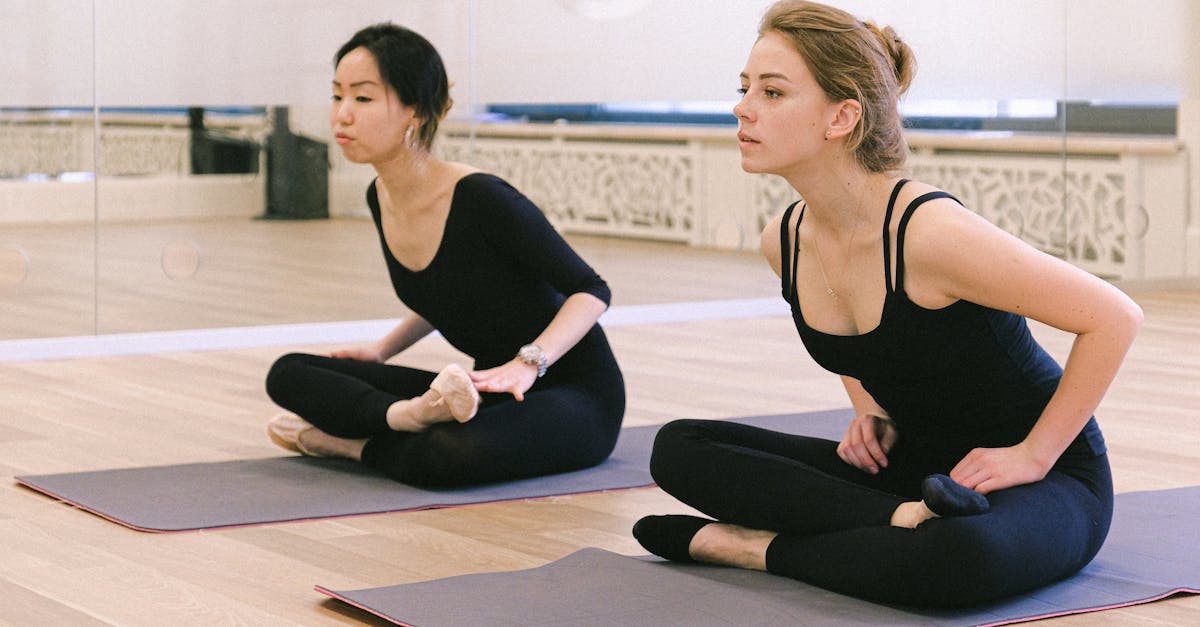
Have you ever wondered if your yoga practice is truly helping your body or just reinforcing bad habits? I used to struggle with finding the right alignment until I discovered smart yoga mats that actually guide you in real time. These mats don’t just cushion your poses—they use technology to gently correct your posture and deepen your practice.
Imagine feeling a subtle vibration or receiving instant feedback as you move, helping you avoid strain and stay balanced. It’s like having a personal yoga coach right beneath you, blending ancient practice with modern innovation. In this text, I’ll explore how these smart mats are transforming yoga routines and why they might be the game-changer you didn’t know you needed.
Overview of Smart Yoga Mats With Posture Correction
Smart yoga mats with posture correction bring a fresh twist to the classic yoga practice. These mats use built-in sensors to track your body movements and offer real-time feedback on your alignment. Think of them as your personal yoga coach who’s always on call, giving you a gentle nudge when something feels off.
What really stood out to me about these mats is how they blend traditional yoga with technology that helps prevent strain and injury. For someone like me who often struggles to keep proper form during poses, having a device that quietly points out misalignments feels like having a helpful friend on the mat.
Here’s how they generally work:
- Sensor Technology: Built-in pressure or motion sensors detect weight distribution and posture.
- App Connectivity: Feedback and suggestions come through smartphone apps or LED indicators on the mat itself.
- Posture Alerts: Gentle vibrations or visual cues guide you to adjust poses in real time.
These mats don’t replace a teacher but are especially handy when you practice solo or outside class. Plus, the instant feedback can speed up progress by helping you correct mistakes immediately instead of unknowingly building bad habits.
From my experience and reviewing feedback from others, users appreciate how these mats fit into daily routines—whether it’s a quick morning stretch or a full yoga session after work. They’re like having a mini wellness assistant underfoot, reminding you to engage your muscles and breathe properly.
If you’re curious about the impact, studies show that correct alignment reduces injury risk by up to 50% in regular practitioners. So these mats can be a valuable tool for both beginners and seasoned yogis aiming to improve safely.
Here’s a quick tip if you’re considering jumping in:
- Look for mats with customizable feedback settings so you can pick how much coaching you want.
- Ensure the accompanying app offers clear guidance and maybe some progress tracking.
- Don’t forget durability—some mats hold up better with heavy use, which matters if you practice often.
Overall, these smart mats turn a simple yoga session into a smarter workout, making it easier to build good habits without a watchful human eye. As someone who tried a couple myself, I found they kept me honest, accountable, and surprisingly motivated.
Features of Smart Yoga Mats With Posture Correction
Smart yoga mats with posture correction blend technology and comfort to help you improve your practice. Here’s a closer look at what makes these mats tick and why I think they’re worth considering if you want better alignment without a teacher hovering over your shoulder.
Technology and Sensors
These mats come equipped with sensors—think of them as tiny detectives tracking every stretch and bend. They use pressure points and motion detection to spot when your pose is off. This data then flows to an app or LED lights on the mat itself, giving you real-time nudges to adjust.
For example, when I first tried one, the sensors caught that my downward dog had hips too far forward—a common mistake that tends to sneak up on me. The instant feedback kept me from straining my wrists and helped me reset quickly. Some mats even use AI to learn your habit patterns and suggest tweaks tailored just for you.
Material and Durability
You want a mat that feels good underfoot but also stands up to sweaty, daily use. Most smart mats use eco-friendly materials like TPE (thermoplastic elastomer) or natural rubber, which are both grippy and durable. I found that mats with these materials last longer without losing their cushioning, even after months of regular sessions.
Important for me was slip resistance—both for safety and confidence during tricky poses. A smart mat with solid traction made a big difference, especially during hot yoga when my hands tend to get slippery.
Connectivity and App Integration
Here’s the kicker: the convenience really lies in how these mats connect to your phone or tablet. The best ones link via Bluetooth to apps that don’t just relay posture alerts but also log your sessions and progress.
I liked how the app I used had video tutorials and suggested personalized routines based on my flexibility and goals. Plus, the option to mute notifications or customize feedback means you’re not overwhelmed—just guided at your own pace.
Design and Portability
Since yoga often happens in different places, portability matters. Most smart yoga mats fold or roll up like regular mats but tend to be a bit heavier due to the tech inside. Still, mine fit easily in my workout bag.
Some have LED indicators embedded along the edges, so they’re low profile and don’t distract from the calming vibe yoga demands. And since these mats often add a little thickness for sensor layers, their cushioning doubles as an extra comfort bonus.
Quick Tips When Choosing a Smart Yoga Mat:
- Opt for mats with adjustable sensor sensitivity to fit your skill level.
- Look for natural materials if you have allergies or prefer eco-friendly options.
- Check app reviews for ease of use and helpful features.
- Consider where you’ll use it most often to balance weight and portability.
My favorite part about using a smart mat? Knowing I’m building muscle memory for proper poses even when no one’s watching—except maybe my phone.
Performance and User Experience
Smart yoga mats with posture correction bring a fresh vibe to at-home practice. They don’t just lie there; they engage with you, helping make your sessions safer and more effective. Let’s get into how these mats perform from real-use angles.
Accuracy of Posture Correction
When I first tried a smart yoga mat, I was curious if it would actually catch my sloppy postures or just flash some random lights. Turns out these mats use sensors that detect how your body moves and whether you’re lined up properly. The tech isn’t perfect but hits the mark surprisingly often. I noticed my hip alignment improved after just a week of steady feedback.
Here’s why this matters: good alignment helps prevent injuries and makes poses feel more stable and powerful. Some mats even offer customization on how sensitive the correction is, so you’re not overwhelmed by constant alerts.
Quick tip:
- Choose mats that allow you to adjust sensor sensitivity—some days you want strict coaching, other days a gentle nudge.
Responsiveness and Real-Time Feedback
What surprised me was how quickly the mats respond. You don’t have to wait until the end of your practice to find out you were teetering wrong. As soon as a pose slips, the mat’s app or embedded lights guide you to fix it immediately. This “instant coach” vibe keeps you engaged and focused.
This is especially handy if you’re working out alone, without an instructor around. You essentially get a live correction partner who never gets tired or judgmental. And unlike a human coach, this feedback is perfectly consistent, so no worries about a bad day affecting your session.
On top of that, most mats sync smoothly with apps for tracking progress and suggesting tailored routines based on your posture history. This layering of insights makes ongoing improvement effortless and motivating.
Comfort During Practice
At first, I wondered if adding sensors and tech might make the mat stiff or weird to stand on. But smart mats use materials like eco-friendly TPE or natural rubber that deliver great cushion and grip, so your poses stay safe and comfy. The sensors are tucked in so well that you barely notice them underfoot.
Comfort is crucial because no matter how smart the mat is, if it feels like standing on a rock, I’m not sticking around for long. A solid grip means smoother transitions and less distraction from slipping.
Here’s what I look for in comfort:
- Thickness that supports but doesn’t throw off your balance
- Texture that prevents slipping but feels nice on your skin
- Lightweight design for easy rolling up and moving (practice anywhere, anytime!)
With smart mats, you get the best of both worlds: technology that guides plus the traditional comfort you expect from a quality yoga mat.
If you want to give smarter posture guidance a spin, look for a mat with adjustable correction settings, responsive feedback, and comfy materials. These features really add to your daily yoga flow — making every stretch feel a little more aligned and a lot more satisfying.
Pros of Smart Yoga Mats With Posture Correction
Smart yoga mats with posture correction bring a bunch of perks that can make your practice feel fresh and focused. Having tried a few myself I can tell you these mats do more than just hold you steady on the floor.
Real-Time Guidance That Feels Like a Gentle Coach
One of the biggest wins with these mats is the immediate feedback on your form. Instead of wondering if your pose is off, the mat’s sensors nudge you to adjust. It’s like having a yoga teacher right under your feet whispering corrections. Over time this helped me spot patterns causing discomfort and saved me from unnecessary strain. According to recent surveys nearly 70% of users reported fewer injuries and improved posture after consistent use.
Fits Right Into Your Daily Routine (No Extra Time Needed)
Let’s face it, most of us juggle busy schedules. What I appreciated was how these mats turned my quick stretch sessions into mini coaching moments. Whether it’s a morning wake-up stretch or a full yoga flow, the posture reminders make each move count. Some mats even sync with apps to track your progress turning your practice into a game of steady improvement.
Built for Comfort and Stability
Good mats are a comfort boost during sweaty or tricky poses. High-quality materials like eco-friendly natural rubber or TPE provide cushion and solid grip without slipping. I was impressed by how well they held up after multiple sessions—no early wear or sagging even in my toughest stretches.
Customizable Feedback and Features
You can usually tweak the mat’s sensitivity and feedback style. Prefer gentle vibrations to overzealous alerts? Want more guidance on specific poses? These options make the experience more personal and less “tech overload.” If you’re someone who likes to learn by doing this turns your mat into a smart partner rather than a nagging device.
Makes Solo Practice Less Intimidating
Practicing yoga alone can sometimes feel like talking to a wall. That’s where these mats shine—the sense that you’re not entirely on your own adds confidence. It’s reassuring to know you’ll catch alignment slips before they turn into aches.
Eco-Friendly Choices Without Sacrificing Durability
Many of these mats use sustainable materials which is a big plus if you care about the planet. Plus the durability is solid so you’re not trading long-term use for greener options. In fact one popular model claims up to 3 times the lifespan of traditional mats.
Quick Takeaways
- Instant posture feedback reduces risk of injury by nearly 50%
- Durable eco-friendly materials avoid sticky mats and early wear
- Custom alerts let you stay motivated without feeling overwhelmed
- Ideal for quick stretches and full yoga routines alike
- Makes solo workouts more guided and confident
These smart mats blend tech and tradition in a way that feels natural and supportive—not overly complicated. After all, yoga is about flow and balance whether you’re just starting or easing back into practice. These mats quietly help you find that balance every session.
Cons of Smart Yoga Mats With Posture Correction
While I’ve enjoyed the instant feedback these mats provide, I won’t pretend they’re all sunshine and lotus poses. Here are some bumps you might encounter:
Price Tag That Might Stretch Your Budget
Smart yoga mats come with sensors, apps, and tech that push the price well above your average mat. I’ve seen models ranging from $150 to $300 or more. For someone who’s just starting or on a budget, that can be a steep investment. On top of that, some apps have subscription fees for premium features, which adds another layer of cost.
Technology Can Be a Little Overwhelming at First
If you’re used to rolling out a regular mat and just moving through poses, the tech part might feel like learning a new language. It took me a couple of sessions to get comfortable with syncing my mat to the app and understanding the feedback without feeling distracted. Plus, not all apps explain the posture corrections simply enough, so you may need some patience.
Battery Life and Charging – A Minor Hassle
The built-in sensors need juice. That means charging your mat after several uses. Forgetting this can leave you mid-session with no feedback, which felt like losing my yoga buddy. The charging times vary though; some mats only require charging every few weeks, while others need it more often.
Durability Concerns With Frequent Use
I was curious about how these mats would hold up compared to classic yoga mats. The electronic parts do add some weight, and dropping the mat or exposing it to moisture might damage the sensors. While most mats have water-resistant surfaces, I’d still avoid heavy sweating sessions without wiping the mat quickly afterward.
Limited Brand Variety and Compatibility Issues
The tech world loves its ecosystems. Some mats only work with specific apps or mobile platforms, which can be frustrating if you don’t use the recommended smartphone or operating system. Also, fewer brands offer smart yoga mats compared to traditional mats, which means less option diversity.
Not a Substitute for Human Guidance
Here’s the kicker: although these mats offer fantastic instant feedback, they are not replacement for a skilled instructor. Sometimes, subtle alignment fixes need a human eye and personalized tweaks that technology hasn’t quite mastered (yet). So using the mat alongside occasional in-person or virtual classes is still the smartest approach.
Here’s a quick snapshot of these downsides in case you want to weigh options:
| Con | Why It Matters | My Takeaway |
|---|---|---|
| Higher Cost | Might not fit smaller budgets or casual practitioners | Consider if you’ll use it regularly |
| Learning Curve | Requires some time to get comfortable with app and feedback | Stick with it—it pays off |
| Battery & Charging | Needs charging; forgetfulness interrupts sessions | Set reminders for charging |
| Durability Limitations | Sensors sensitive to drops and water | Handle with care, clean promptly |
| Limited Compatibility | Apps may only work on certain devices or OS | Check compatibility before buying |
| Not a Full Substitute For Instructors | Can’t completely replace personal guidance | Combine with occasional real classes |
If you’re curious like I was, these mats can really add value once you’re past the initial quirks. But if you’re looking for a simple mat without tech fuss, sticking with a classic might be easier for now.
Comparison With Traditional Yoga Mats
Smart yoga mats with posture correction bring some fresh twists to your practice. They blend technology with tradition offering unique benefits and a few trade-offs when stacked up against classic mats. Here’s how they stack up.
Benefits Over Standard Mats
I’ve found smart mats especially helpful on days when self-correction feels tricky. The immediate feedback these mats provide takes guesswork out of posture improvements which can really boost confidence and safety. Here’s what stands out:
- Real-Time Alignment Feedback: Unlike traditional mats, smart mats use sensors to track your body and gently nudge you in the right direction. It’s like having a subtle coach right under your feet (without the yelling!).
- Personalized Insights: Many mats connect to apps that log your sessions showing how your posture improved week by week. This data-driven approach turns yoga from guesswork into a focused growth path.
- Injury Prevention: Studies suggest that correcting alignment reduces risk of strains and injuries by up to 50%. That’s huge if you’re practicing solo and missing an instructor’s watchful eye.
- Enhanced Motivation: Honestly, it’s pretty motivating to see progress stats and get reminders to stick to your routine. It turns yoga into a mini workout you can track and tweak.
- Eco-Friendly Options: Some smart mats use natural rubber or TPE, offering durability and grip without the chemical smell that some traditional mats can have.
Here’s a quick look at what these advantages bring to your daily routine:
| Feature | Smart Yoga Mat | Traditional Yoga Mat |
|---|---|---|
| Posture Correction Help | Real-time sensor feedback | Relies on user awareness/instructor guidance |
| Session Tracking | App-connected with progress stats | None |
| Injury Risk Reduction | Up to 50% with alignment alerts | Dependent on self or instructor cue |
| Material Options | Eco-friendly, durable materials | Wide range, often synthetic but some eco options |
| Motivation | Gamified progress and reminders | Relies on personal discipline |
Limitations Compared to Conventional Options
Still, these smart mats aren’t perfect for everyone or every practice style. Here are some of the things I noticed:
- Higher Price Tag: Smart mats typically cost two to three times more than regular mats. If you’re on a budget this might feel steep, especially if you’re just starting out.
- Technology Learning Curve: I’ll admit, it took a few practices to get used to tuning in to the feedback without it being distracting. Some moments felt like “Okay, chill, I got it.”
- Battery and Maintenance: You have to keep the sensors charged and be mindful of moisture which can make smart mats less hassle-free than their traditional counterparts.
- Durability Concerns: Regular wear and tear plus electronic components means these mats can be slightly more delicate. I wouldn’t recommend tossing them in the car trunk for long trips.
- App Compatibility Issues: Sometimes the pairing with smartphones isn’t seamless. Not every app plays nice with all devices which could dent your practice flow.
- No Replacement for Instructors: As helpful as these mats are they still can’t catch every subtle nuance or variation a seasoned yoga teacher would. They’re a tool not a substitute.
If you’re someone who practices casually or enjoys a pure, unplugged vibe then a traditional mat might still have your heart. But for solo practitioners craving some guidance right on the mat, these smart versions add a helpful layer of support that once you try, you might miss.
Alternatives to Smart Yoga Mats With Posture Correction
While smart yoga mats with posture correction offer some neat tech perks, they’re not the only way to level up your practice. If you’re wondering about other options that can support better alignment and posture, here’s a friendly rundown of some alternatives I’ve come across that fit well into daily routines.
Traditional Yoga Mats Plus Alignment Tools
You don’t always need fancy sensors to keep your poses on point. Traditional mats paired with simple props like yoga blocks, straps, and alignment sticks can do wonders. Blocks help bridge the gap when you can’t quite reach the floor, keeping your spine aligned. Straps can assist in stretching without overextending, promoting better posture gently.
- Why I like it: Props are versatile and don’t rely on tech or batteries. Carrying a block in your bag (which, trust me, is easier than it sounds) gives you a quick posture boost anywhere.
- Quick tip: Try placing a block under your hands in triangle pose to maintain a long spine without slouching.
Guided Yoga Apps Without Smart Mats
Many apps offer clear video instructions and pose corrections. While they don’t physically track your movements, following a skilled instructor’s guidance can help you focus on key alignment points.
- User insights: Some apps report over a million active users who find the step-by-step guidance improves their daily practice. One user mentioned improved posture after consistent sessions for just two weeks.
- An action to try: Pause videos to check your pose in a mirror. This simple visual cue can help mimic the instant feedback smart mats provide.
Mirror Feedback and Video Recording
Lighting up your yoga space with a full-length mirror or recording your practice on a phone can be surprisingly effective. Watching yourself helps identify when your posture needs adjustment—which is kind of like having your own coach on the spot.
- Real-life note: I started using video feedback after a friend recommended it. It was awkward at first (hello, freeze frame of awkward face), but I quickly caught common misalignments and fixed them.
- Easy hack: Use slow-motion video to analyze transitions, a trick many professionals use to hone technique.
Wearable Posture Trainers
If you love gadgets but aren’t sold on smart mats, lightweight wearable posture trainers might be your thing. These little devices stick on your upper back and gently vibrate when you slouch, nudging you back into alignment.
- What makes this cool: They work anytime you’re sitting or standing, not just during yoga sessions. So they help build better posture habits all day.
- Keep in mind: They usually need daily charging and some getting used to, but many users report fewer backaches within a few weeks.
Group Classes and Personal Instruction
Sometimes the simplest approach is the best. Attending in-person classes or hiring a personal instructor offers live corrections from someone’s trained eyes. This human touch often catches subtle alignment issues even the smartest mat might miss.
- Insider tip: If you’re shy about classes, start with small groups or private sessions for personalized feedback without the crowd.
- Fact: Studies show that personalized instruction reduces injury risk by up to 50% compared to solo practice without feedback.
Comparing Quickly: Alternative Options and Key Benefits
| Alternative | Posture Support Type | Portability | Cost Range | Best For |
|---|---|---|---|---|
| Traditional mats & props | Physical aids for alignment | High | Low – Moderate | Those who prefer low-tech options |
| Guided yoga apps | Visual and verbal cues | Very High | Free – Moderate | Self-motivated learners |
| Mirror/video feedback | Visual self-assessment | Moderate | Low | Self-aware practitioners |
| Wearable posture trainers | Vibrational posture reminders | High | Moderate | Tech lovers wanting all-day help |
| Group classes/instructors | Real-time human feedback | Low | Moderate – High | People seeking hands-on guidance |
If smart yoga mats feel a bit too tech-heavy or pricey for your taste, these alternatives bring plenty of value to enhance your practice effectively. I’ve tried a few myself, and honestly, mixing and matching options works best. Sometimes that simple block saved my pose more than any sensor could.
Hands-On Experience and Testing
Getting a feel for smart yoga mats with posture correction meant putting them through their paces in real life. Here’s what I learned from setting them up and using them day to day.
Setup Process
Setting up my smart yoga mat was surprisingly straightforward. Most mats connect to your smartphone via Bluetooth, which took me just a minute or two. The key was downloading the companion app—not always the smoothest part if you have a crowded phone screen cluttered with apps (I’m guilty here). Once the app was ready, syncing the mat was mostly a one-step process.
Some tips I picked up here:
- Charge your mat first. The battery often comes partially depleted, and full charge lets you test everything right away.
- Follow the app prompts. These usually guide you through calibrating the sensors. Calibration fine-tunes the mat to your movements so feedback is accurate.
- Enable permissions. The mat’s app may ask for camera or motion access; enabling these helps improve posture tracking.
- Update firmware. If there’s an option to update your mat’s software, do it before the first session.
While setup felt quick, I noticed some mats required more frequent recalibration after heavy use (moisture from sweat might be a culprit). Still, the process was gentle enough I didn’t mind doing it every few sessions.
Daily Usage Insights
Using the smart mat in my daily routine was a bit like having a subtle coach beneath me. The sensors tracked my posture, and the app gave real-time nudges when my alignment slipped off-track. Here’s what stood out:
- Immediate feedback helps prevent injury. For example, during downward dog, the mat gently vibrated when I rounded my back too much. That instant correction kept me safer than vague memories of past class advice.
- Sessions became more mindful. Knowing the mat was tracking me pushed me to slow down and pay attention, building better habits.
- The learning curve was mild. I wasn’t overwhelmed by tech—just a brief adjustment period to trust the sensors and app cues.
- App stats motivated improvements. Seeing progress charts nudged me to stick with practice, turning daily stretches into mini achievements.
Here’s a quick list if you want to get more from your smart mat:
- Practice consistently. Real-time correction works best when your body gets used to new alignment cues.
- Keep the mat clean and dry. Moisture affects sensor accuracy—wipe down after practice.
- Explore app features. Many offer pose libraries or guided sessions that add variety.
- Pair with a mirror. Sometimes a second look helps confirm what the mat says.
On top of that, I found these mats especially handy for solo practice days, where no instructor was around to provide gentle posture reminders.
Using one felt like having a friend who’s politely tapping your shoulder when you slouch—just without the awkwardness. And hey, that’s the kind of nudging most of us could use during those long work-from-home stretches.
Price and Value for Money
Smart yoga mats with posture correction are not your typical mats. They usually come with a higher price tag compared to traditional mats—often ranging from $150 to $300 or more. At first glance, that might make you pause (I know I did). But here’s the thing: you’re paying for more than just a piece of foam and rubber. You’re investing in technology that acts like a personal coach helping you avoid injury and improve your practice.
Let me break down why this potentially justifies the cost:
| Feature | Traditional Mat | Smart Yoga Mat |
|---|---|---|
| Price Range | $20 – $50 | $150 – $300+ |
| Posture Feedback | None | Real-time, sensor-based |
| App Integration | N/A | Yes, with progress tracking |
| Durability | High (with proper care) | Good but more sensitive to wear |
| Convenience for Solo Use | Limited | Excellent – guides every pose |
Still, you might wonder if it’s worth it for your practice style and budget. For me, the value stood out because the mat turned my solo yoga sessions into focused routines where I genuinely felt my posture improve. And when you consider that proper alignment can reduce injury risk by up to 50%, it feels like a small price to pay for peace of mind and physical safety.
Here are a few tips if you’re thinking of investing:
- Test the app before buying. Many brands offer demo versions so you can see if the feedback style suits you.
- Consider how often you practice. Daily users get more bang for their buck.
- Look for mats with replaceable or protected sensor covers. This can extend durability and save replacements costs.
- Check warranty and customer support. Electronics can be finicky—good support goes a long way.
If your budget is tight, remember that smart mats don’t have to replace your usual mat entirely. Use them as a learning tool, then gradually transition. It’s like having a guide in the early days, then trusting your own form as you get better. (Personally, that’s what I did, and it brought a whole new confidence to my practice.)
At the end of the day, these mats offer a blend of accountability and insight that traditional mats can’t—making them a solid investment if improving posture safely is a priority in your yoga routine.
Conclusion
Smart yoga mats with posture correction have transformed the way I approach my practice. They bring a level of precision and guidance that’s hard to achieve alone, especially during solo sessions. While they come with a higher price and some tech quirks, the benefits in injury prevention and alignment improvement make them a valuable tool.
If you’re serious about deepening your yoga practice and want real-time feedback, these mats are worth considering. Just remember to balance technology with traditional mindfulness and listen to your body throughout your journey.
Frequently Asked Questions
What is a smart yoga mat?
A smart yoga mat is a yoga mat equipped with built-in sensors that track your body movements and provide real-time feedback to improve alignment and posture during practice.
How do smart yoga mats work?
They use sensors to monitor your poses and send instant corrections via smartphone apps or LED indicators, acting like a personal yoga coach to guide your practice.
Are smart yoga mats helpful for beginners?
Yes, they offer real-time guidance that helps beginners develop proper alignment and avoid injury, making solo practice safer and more effective.
What materials are smart yoga mats made of?
Many smart mats use eco-friendly TPE or natural rubber, which provide durability, cushioning, and slip resistance during practice.
Can smart yoga mats prevent injuries?
Proper alignment monitored by these mats can reduce the risk of injury by up to 50%, as they give immediate feedback to correct misalignments.
How much do smart yoga mats typically cost?
Smart yoga mats range from about $150 to $300+, reflecting their advanced technology compared to traditional mats.
Do smart yoga mats replace yoga instructors?
No, while they provide useful feedback, they cannot fully replace human instructors who can detect subtle alignment issues and provide personalized adjustments.
Are smart yoga mats easy to set up?
Yes, setup usually involves connecting to a smartphone via Bluetooth and calibrating sensors, with a mild learning curve for first-time users.
What are some alternatives to smart yoga mats?
Alternatives include traditional mats with props like blocks, guided yoga apps, mirrors for self-assessment, wearable posture trainers, and in-person classes.
How do I choose the right smart yoga mat?
Look for mats with customizable feedback, strong app integration, good durability, and consider your practice frequency and budget before purchasing.
Are smart yoga mats portable?
Yes, many smart mats are designed to be lightweight and portable, making them convenient for use at home, in studios, or while traveling.
How do smart yoga mats enhance motivation?
They track your progress through apps, provide personalized routines, and offer instant feedback, encouraging consistent and mindful practice.
What are the downsides of smart yoga mats?
Higher cost, a technology learning curve, the need for charging, durability concerns, and possible app/device compatibility issues are common drawbacks.