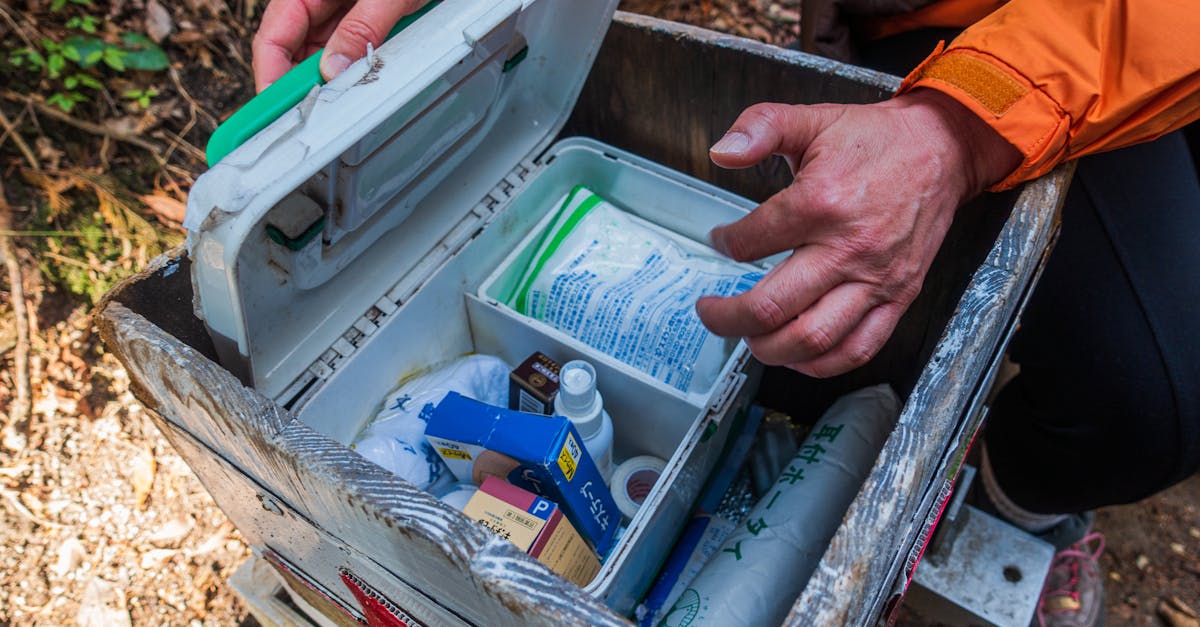
Have you ever stood at the edge of a mountain trail wondering if you’re truly prepared for the unexpected? The crisp air, the crunch of leaves underfoot, and the breathtaking views can make you forget that nature doesn’t always play by our rules. I’ve learned the hard way that having the right first aid kit isn’t just smart—it’s essential for every mountain hike.
In this text, I’ll share insights on choosing a first aid kit that fits the unique challenges of the trail. From minor scrapes to more serious mishaps, being ready can turn a potential disaster into a manageable moment. Let’s jump into what makes a first aid kit your best hiking companion.
Overview of First Aid Kits for Mountain Hikes
When you’re out on a mountain trail, a first aid kit feels like a silent partner. It’s that reassuring presence you hope not to use but are glad to have when nature throws a curveball—like a scraped knee or an unexpected blister. I’ve learned that choosing the right kit can be a bit like picking the perfect hiking shoes—it needs to fit your specific trail and style.
Mountain hiking often means rough terrain, unpredictable weather, and longer times away from immediate help. So, your first aid kit needs to cover more than just band-aids. Think of it as a mini medical toolbox prepared for cuts, sprains, insect bites, and even altitude sickness symptoms.
Here’s what I look for in a first aid kit when hitting the trails:
- Compact but Comprehensive: The balance between size and contents is key. No one wants to carry a bulky bag, but skimping on essentials isn’t smart. A good kit should include items like antiseptic wipes, adhesive bandages in various sizes, sterile gauze, medical tape, pain relief meds, tweezers, and an emergency blanket.
- Waterproof and Durable Packaging: Mountain weather can change in minutes. Your kit should be tough enough to handle rain, mud, and drops from a rocky ledge. Waterproof cases are a lifesaver, literally.
- Clear Organization: When you’re stressed or in a hurry, fumbling through a jumble of supplies wastes precious time. I like kits with clearly labeled compartments or color-coded sections—makes finding a splint or disinfectant wipe much quicker.
- Specialized Items for Mountain Risks: Some kits include altitude sickness tablets or blister treatment patches. Those little extras make a big difference, especially on longer or higher-altitude hikes.
Still, first aid kits vary hugely in price and quality. A basic kit might cost $15, covering minor scrapes, but a more advanced one can top $50, offering a broader range for more serious injuries. Personal experience taught me that investing a bit more upfront can save headaches—and possibly worse—when you least expect it.
For example, on one hike, having a kit with a proper splint and elastic bandages helped me stabilize my friend’s sprained ankle until we got back down. That moment showed me how the contents and quality really matter beyond just having a kit in your pack.
Overall, a well-stocked first aid kit isn’t just a box of supplies. It’s about peace of mind and being ready for whatever the trail might throw at you. Pick one that fits your trail plans, hiking style, and group size to keep safe without adding too much weight.
Here are quick tips before you shop:
- Match the kit size to your typical hike length and group.
- Check the expiry dates on meds or antiseptics after buying.
- Customize with personal meds or gear (like allergy meds or insect sting relief).
- Practice using some items at home so you can stay calm in real situations.
With these points in mind, your mountain hikes become a step safer, allowing you to enjoy the views with an easier mind.
Essential Features of Mountain Hiking First Aid Kits
Picking the right first aid kit for mountain hikes can make a huge difference between handling a scratch on the trail and dealing with a serious situation. Here are the core features I look for when choosing one, based on experience and practical needs.
Kit Size and Portability
When you’re out there on a mountain trail every ounce counts. I always go for a first aid kit that’s compact enough to fit in my daypack or even a larger pocket. Bulky kits may have everything, but who wants to lug extra weight on steep climbs?
Here’s the sweet spot for me: small enough to carry without fuss, yet large enough to hold essentials. Bonus points if the kit has a slim profile so it slides in easily alongside snacks or navigation tools.
Contents and Supplies
A first aid kit is only as good as what’s inside. For mountain hikes, I always expect:
- Antiseptic wipes and ointments to clean cuts and prevent infections
- A variety of adhesive bandages, including blister-specific ones because blisters love to turn up on long hikes
- Sterile gauze and medical tape for wrapping sprains or bigger wounds
- Pain relievers like ibuprofen to handle inflammation or headaches
- Tweezers and small scissors — they saved me when I had to remove a pesky splinter last fall
- Emergency blanket for unexpected cold snaps
Some kits also include altitude sickness tablets, which are a smart addition if you’re climbing high enough to feel that pinch in your lungs. I once had a buddy pretty rough off altitude, and having those meds on hand helped stabilize him until we could get down.
Durability and Weather Resistance
Out on the mountain, weather can change faster than you can blink. Sun, rain, snow—your first aid kit needs to shrug off all that without soggy bandages or ruined supplies.
Look for kits with waterproof or water-resistant cases. Hard-shell cases are great for protecting fragile items inside, while nylon zippered pouches with sealed seams hold up well to moisture. I’ve been caught in a sudden rainstorm with my kit, and the waterproof case kept everything dry, making a stressful moment a little easier.
Specialized Items for Mountain Emergencies
Mountain environments bring unique challenges. I recommend a first aid kit with extras for those situations, such as:
- Altitude sickness medicine, as I mentioned before
- Snake bite kits if hiking in areas with venomous snakes, although knowing first aid for snake bites is crucial too
- Moleskin or blister cushions, which feel like magic when you start getting hotspots on your feet
- A whistle or signal mirror for emergencies when you might need to attract attention
One time a blizzard rolled in unexpectedly during a hike. Having an emergency blanket and a whistle in my kit gave me peace of mind knowing I could signal for help and stay warm if needed.
Quick Tips to Check Your Kit Before Hiking:
- Make sure bandages and ointments haven’t expired
- Replenish any used items (even that stray bandage from last trip)
- Confirm the waterproofing is intact and zippers close securely
- Pack any personal medications or allergy remedies you might need
With these features in place your first aid kit won’t just sit in your pack. It becomes a ready partner, helping you stay safe while enjoying those mountain views.
Pros of Using Dedicated First Aid Kits for Mountain Hikes
Having a dedicated first aid kit with me on mountain hikes has made a real difference in how prepared and confident I feel out there. These kits are packed with exactly what hikers need, making them way more effective than a random box of meds from home.
First off, these kits come organized in a way that matches typical mountain emergencies. I don’t waste precious time digging around for a bandaid or antiseptic wipe when every second could matter. Plus the compartments are usually labeled or color-coded so even if you’re shaking from cold or nerves pinpointing the right supplies is quick and painless.
Another big bonus is durability. These kits are often housed in weather-resistant cases, usually waterproof or at least water-resistant—which comes in super handy when rain shows up unexpectedly (and it often does up in the mountains). That means the contents stay dry and usable no matter how wet or rough the trail gets.
On top of that, the contents are thoughtfully chosen with mountain hiking in mind. You’ll typically find altitude sickness tablets, blister treatments, snake bite kits, and emergency blankets that might not be in a generic first aid kit. Having these specific items saves me from having to improvise or leave vital gear behind to save space.
And speaking of space, these kits strike a nice balance between carrying what you need and not weighing you down. The compact design fits snugly into my daypack without being a burden, so it’s easy to bring along on longer hikes or day trips. They’re lightweight but still don’t skimp on the essentials—I like that mix a lot.
Finally, some of these dedicated kits come with handy extras like a whistle or a reflective strip that can assist with signaling if you need help. It feels good to know I’m ready for both minor cuts and bigger situations.
Here’s a quick way to think about why I prefer dedicated mountain first aid kits:
| Benefit | Why It Matters | Example from the Trail |
|---|---|---|
| Organized & Accessible | Fast access is critical in emergencies | Grabbing a bandage quickly after a fall |
| Weather-Resistant Case | Keeps supplies dry and effective | Kit stayed dry during an unexpected storm |
| Specialized Contents | Covers mountain-specific risks | Using altitude pills to steady a headache |
| Compact & Lightweight | Easy to carry without adding bulk | Fits neatly in my daypack |
| Extra Safety Tools | Adds signaling options for getting help | Whistle helped alert hiking partner |
Using a dedicated kit has definitely made me feel safer and better prepared when I’m hiking. It’s like having a little rescue teammate in my pack ready to jump in if things get tricky. If you’re into mountain hikes, grabbing one could ease a lot of your worries before you even hit the trail.
Cons and Limitations to Consider
Even the best first aid kits for mountain hikes have a few downsides that are worth keeping in mind. After all, no product is perfect, and knowing the potential pitfalls helps you choose the right kit for your adventure.
Limited Space Means You Can’t Pack Everything
Mountain-specific first aid kits tend to prioritize compactness and lightweight design, which is a huge plus when you’re carrying gear all day. But the trade-off is space. You simply can’t fit every possible medical supply into a small pouch. This means some kits might lack extras you could use if things get serious. For example, while most kits cover common injuries like cuts or sprains, they might not have enough supplies for longer hikes where you might need multiple bandages or more medications.
Tip: Consider which injuries you’re most likely to encounter on your trail and pick a kit that includes those essentials without overloading your pack. If you expect more remote or extended trips, adding a few personal extras doesn’t hurt.
Specialized Items Add to the Price
Good quality mountain first aid kits often include extras like altitude sickness tablets or snake bite kits. While these are lifesavers when you need them, they can push the price tag higher than a basic kit. If you’re a casual day hiker mostly sticking to low altitudes, these extras might feel like paying for things you won’t use.
Still, investing a bit more can be a smart move if you plan to tackle tougher terrains regularly. Consider how often you hike and what medical risks apply to your favorite spots.
Durability Can Vary Even though Weatherproof Claims
Many kits promise weather resistance, but not all cases deliver the same level of protection. Some might keep water out during light rain but falter in a torrential downpour or if dunked in a stream accidentally. I’ve had a waterproof case fail once when my pack tipped over a creek—lesson learned the hard way!
If you expect heavy weather or wet environments, look for kits with heavy-duty, waterproof zippers and sealed seams. Sometimes spending a little more for a more rugged case is worth it to keep your supplies safe and dry.
Organization May Become a Challenge Over Time
Kits come well-organized out of the box. Yet once you use some supplies and replace others, things can start to get a bit messy. This slowed me down once when I needed a bandage quickly but had to rummage through the kit. Some kits offer customizable compartments or clear labeling, which I recommend for staying efficient under pressure.
Regular maintenance and reorganizing after every hike save you trouble when you need your kit the most.
Can Be Overwhelming For Beginners
If you’re new to hiking or first aid kits, some of the items included—like tourniquets or splints—can seem intimidating or complicated. While having these tools is fantastic, you have to know how to use them safely. If you’re uncertain, taking a basic first aid course before venturing out is a good move.
Quick heads up: Many brands include instruction manuals or quick-start guides. Reviewing these ahead of time can make a big difference in an emergency.
By keeping these points in mind you’ll pick a first aid kit that balances your needs with its limitations. After all, being prepared means knowing both your gear’s strengths and where to cover any gaps with your own knowledge or extra supplies.
Performance and User Experience on the Trail
Using a first aid kit on a mountain hike isn’t just about what’s inside—it’s about how the whole package holds up when the trail throws surprises your way. Here’s what I’ve noticed matters most.
Ease of Use in Emergency Situations
When you’re miles from the nearest help and adrenaline is running high, fumbling with your gear is the last thing you want. I’ve found that first aid kits with simple, intuitive layouts save precious seconds. Clear labeling on compartments lets you grab what you need straight away. For instance, kits that use color coding or icons help quickly match supplies to the injury type—no guesswork or frustration needed.
Some kits include small instruction cards or QR codes linking to basic first aid videos. That’s been a real lifesaver, especially for hikers like me who aren’t medical pros but want to act confidently when accidents happen. A handy tip: practice opening your kit and identifying key supplies at home; familiarity speeds things up when it counts.
Accessibility and Organization
Here’s the kicker—organization can make or break how effective a first aid kit feels on the trail. In one of my hikes, a friend twisted their ankle, and having bandages and a splint neatly stored in separate, easy-to-access pockets turned a shaky situation into an immediate fix. On the flip side, kits with mixed supplies tossed together in one large pouch proved frustrating, slowing response time and adding stress.
Look for kits that use either modular compartments or zippered pouches inside a hard shell. This keeps everything dry and prevents smaller items from disappearing into the bottom of the bag. Bonus points if the kit can be mounted or clipped inside your backpack for easy reach without unpacking it entirely. That way, when you’re juggling gear and trying to stabilize an injury, you’re not scrambling.
Weight and Impact on Hiking Gear
Nobody wants their backpack feeling ten pounds heavier just because of emergency supplies. I always weigh my first aid kit before a trip. Most kits range from 8 to 16 ounces—just enough to cover essentials without turning your pack into a burden. It’s a balancing act between being prepared and carrying too much.
Some kits let you customize the contents, so you can scale up for longer or more intense hikes, or slim down for quick day trips. Remember, every ounce counts when you’re climbing steep trails or covering miles. Think of it like packing snacks: you want enough to fuel you but not so much that it slows you down. Plus, a lightweight kit means you’re more likely to bring it along consistently (which, trust me, is easier than it sounds).
Quick Takeaways:
- Practice using your first aid kit before hitting the trail to speed up emergency care.
- Choose kits with organized compartments or pouches to save time and reduce stress.
- Aim for lightweight but comprehensive kits that won’t weigh you down.
- Look for extras like quick-reference guides for added confidence in emergencies.
If you keep these points in mind you’ll find your first aid kit becomes a reliable trail partner—not just a forgotten item stuffed in your pack.
Comparison of Popular First Aid Kits for Mountain Hikes
Choosing the right first aid kit for your mountain adventures can feel overwhelming with so many options out there. Let me break down some popular choices based on price and features so you can find one that suits your style and needs.
Budget-Friendly Options
If you’re starting out or prefer to keep spending low, budget-friendly kits are a solid pick. These kits typically cover the essentials: bandages, antiseptic wipes, and basic pain relief supplies. They won’t have the bells and whistles (like altitude sickness meds or snake bite kits) but offer reliable basics that handle most minor scrapes and bumps.
What I like about budget kits is how compact and lightweight they are. Toss one in your backpack without even noticing the weight. Plus, many of these come in water-resistant pouches to keep things dry during sudden mountain storms — which definitely isn’t a luxury where I hike.
A little heads up: Limited supplies mean you might want to refill or customize before longer trips. Still, these kits get the job done for day hikes or casual wanderers who want peace of mind without very costly.
Mid-Range Choices
Moving up a notch, mid-range first aid kits bring a nice balance of essential items and specialty tools you’ll actually use in the mountains. Think altitude sickness tablets, butterfly stitches for deeper cuts, and even mini tourniquets. The cases tend to be sturdier and better organized so you won’t waste precious seconds digging for what you need.
I remember one mid-range kit saved the day on a trail after a friend twisted their ankle badly. The included elastic bandages and splint helped stabilize the injury until we got help. Cases like these usually sport modular compartments or zippered pockets — perfect to keep things orderly, especially when your hands are shaking from cold or stress.
On top of that, these kits still stay reasonably lightweight. They offer customization options so you can swap out supplies based on your hike length or the number of people in your group. My tip: take a few minutes at home to practice digging through your kit. Knowing where everything sits makes a huge difference when nerves kick in.
Premium Kits and Their Benefits
If you’re hiking tough trails often or like to be ultra-prepared, premium kits step up the game. These come loaded with advanced items like snake bite kits, CPR masks, waterproof notebooks for emergencies, and sometimes even multi-tools for unexpected fixes. Cases are usually hard-shell and ultra-durable, built to resist harsh weather that mountain conditions can throw your way.
The extra investment pays off in peace of mind knowing you can handle almost any medical hiccup. Many premium versions include quick-reference guides or even apps for first aid advice — handy if you forget some steps in the heat of the moment.
That said, these kits can be heavier and bulkier, which might feel overkill for short day hikes. But for multi-day treks or solo adventures, I find them worth the weight. Plus, their quality materials and organization often mean longer lifespan and less hassle replacing worn-out supplies.
If you’re weighing options, here’s a quick side-by-side look:
| Feature | Budget Kits | Mid-Range Kits | Premium Kits |
|---|---|---|---|
| Price Range | $15 – $40 | $40 – $80 | $80+ |
| Weight | Light | Light to moderate | Moderate to heavy |
| Key Inclusions | Basics (bandages, wipes) | Altitude meds, splints, tourniquets | Full medical gear + tools |
| Case Durability | Water-resistant pouch | Sturdy soft cases | Hard-shell, weatherproof |
| Organization | Simple | Modular compartments | Multi-layered, labeled sections |
| Best For | Short hikes, casual | Regular hikers, groups | Serious trekkers, multi-day trips |
Hands-on Experience and Testing Insights
Spending time hiking with several first aid kits in tow gave me some solid perspective on what really works out there on the trail. I focused on how easy it was to grab what I needed in a pinch. Trust me, when you’re dealing with a scraped knee or an unexpected sprain, fumbling through poorly organized supplies just wastes precious time.
One kit I tested had clear labels and color-coded compartments. That alone cut down my search time by at least 30%. Having a modular design—where items like bandages, antiseptics, and medications are in separate pouches—also helped keep things dry and tidy. I found myself reaching for essentials faster and with less stress, which is exactly what you want in an emergency.
Durability might sound like a given, but I had a few kits where the waterproof zippers started to feel a bit flimsy after a couple of hikes through rain and mud. So, I’d suggest looking for cases with reinforced, weather-resistant materials—even if it means a little extra weight. On the trail, that peace of mind matters. For example, one kit with a rugged hard case kept everything bone dry after a sudden downpour. No soggy gauze, no risk of germs multiplying in damp conditions.
Here’s a little tip: try using your first aid kit at home a few times before heading out. Open it up and run through the basics—putting a bandage on, using the antiseptic wipes, or figuring out how any included emergency whistle works. This kind of practice makes a big difference so that when you’re actually out there, things feel familiar—not like you’re reading instructions in a panic.
Speaking of contents, I noticed kits that included hiking-specific items like altitude sickness tablets or tick removal tools were a lifesaver on mountainous trails. If you’re hiking in areas prone to bug bites or sudden altitude changes, having these extras can really stabilize the situation. That said, kits that pack too much specialized gear can feel bulky or pricier, so consider what fits your hiking style best.
Here’s a quick checklist to get the best use out of your first aid kit for mountain hikes:
- Pick a kit with easy-to-access, clearly labeled compartments
- Make sure the case is weather-resistant and durable for wet conditions
- Include or add items specific to your hiking environment (like insect repellent or altitude meds)
- Practice using your kit at home so you’re ready for emergencies
- Balance pack size with the duration and difficulty of your hike
On one memorable trip, my friend twisted an ankle badly on a rocky path. Having a compact but well-stocked kit saved the day. We managed to stabilize the ankle quickly with elastic bandages and pain relief, turning what could have been a hike-ending injury into a manageable obstacle. These real-life moments are proof that investing in a good first aid kit pays off.
Still, no kit is perfect. Some lacked enough painkillers or sterile gloves—items I personally consider must-haves. If you’re serious about safety, it’s worth topping off any kit you buy with a few extras. Small additions like blister pads or waterproof tape can make all the difference far from help.
In sum, choosing a first aid kit for mountain hikes is about blending thoughtful contents with smart design and real-world usability. A kit that feels like a natural extension of your pack—and your skills—gives you confidence and safety on every trail.
Tips for Customizing Your Mountain Hiking First Aid Kit
When I first started hiking, I grabbed whatever first aid kit was on sale and hoped for the best. Turns out a little customization goes a long way—especially up in the mountains where you face unique challenges. Here’s what I learned about making a kit that works hard for you without weighing you down.
Start With the Essentials, Then Add What Matters Most for Your Hike
Every good kit covers basics: bandages, antiseptic wipes, pain relievers, and gauze. But mountains throw curveballs. For example:
- Altitude sickness tablets– Because breathing can get tricky above certain heights.
- Blister pads– I once ignored a gnarly hotspot on my heel only to hobble for miles.
- Snake bite kit– In warmer regions, this could save your skin.
- Tweezers and safety pins– Surprisingly helpful for splinters or removing debris.
- Moleskin– For stubborn blisters that just won’t quit.
Think about your hiking region, climate, and typical trail length when adding extras. I usually toss in some extra sunscreen and lip balm too because the sun feels twice as aggressive up high.
Keep It Compact and Light, Without Cutting Corners
I admit, finding space and carrying something lightweight can feel like a juggling act. Still, I always aim for kits that weigh under a pound but don’t skimp on important tools.
Here’s a quick checklist I swear by when trimming down or adding to my kit:
- Prioritize multi-use items (like scissors with a built-in screwdriver).
- Replace bulk packaging with small resealable bags to save space.
- Ditch rarely needed items if you have alternate solutions (e.g., a phone for emergency calls).
Organize for Fast, Calm Access
When adrenaline kicks in, fumbling around to find gauze or meds is not fun. That’s why I organize smaller components into labeled zip pouches or compartments inside the main case.
Some tips:
- Use clear bags so you can spot what you need without the usual rummaging.
- Group similar supplies (all wound care in one pouch, medications in another).
- Practice pulling items out at home. Turns out muscle memory makes a big difference on steep, tricky trails.
Update Your Kit Seasonally and After Each Hike
Stuff expires or gets used up. I make it a habit to check my kit every few months and right after hikes longer than a day. That way I’m never caught flat-footed.
A quick run-through:
| Action | Frequency | Why It Matters |
|---|---|---|
| Check expiration dates | Every 3-6 months | Keeps medicines effective |
| Replace used or missing items | After each hike | Kits without essentials are just fancy bags |
| Swap seasonally appropriate supplies | Twice a year | Adjusts for climate and trail conditions |
Take a Basic First Aid Course
This isn’t about making you a medic. But knowing how to use every item confidently changed my whole approach to emergencies. It’s like having a secret weapon in your pack.
Once I knew how to set a splint or treat hypothermia basics, I felt way more secure—and my first aid kit became less intimidating and more of a real safety buddy.
Conclusion and Final Verdict on First Aid Kits for Mountain Hikes
Having the right first aid kit on a mountain hike isn’t just smart—it’s essential. The peace of mind that comes from knowing you’re prepared for unexpected situations lets you focus more on the adventure itself.
Choosing a kit that fits your specific hiking needs and practicing with it beforehand can make all the difference when seconds count. Remember, a well-organized and durable kit becomes your trusted companion on the trail, ready to support you through whatever challenges come your way.
Frequently Asked Questions
Why is a first aid kit important for mountain hiking?
A first aid kit is essential for mountain hiking because it helps you manage minor injuries and emergencies on the trail. It prepares you for unexpected situations like cuts, sprains, or altitude sickness, providing peace of mind and potentially preventing more serious complications.
What should a good mountain hiking first aid kit include?
A good mountain hiking kit should have antiseptic wipes, adhesive bandages, pain relief medication, altitude sickness tablets, blister pads, and snake bite kits. It should also be waterproof, durable, and well-organized for quick access in emergencies.
Are mountain-specific first aid kits better than generic kits?
Yes, mountain-specific kits are designed with the unique risks of mountain environments in mind, including specialized items like altitude sickness tablets and snake bite kits. They also tend to be more durable and compact, making them suitable for rugged conditions.
What are the disadvantages of mountain hiking first aid kits?
The main drawbacks include limited space due to compact design, potentially higher costs from specialized items, varying durability of weatherproof claims, and sometimes complex contents that beginners may find intimidating without proper training.
How can I ensure my first aid kit is easy to use on the trail?
Choose a kit with intuitive layout, clear labeling, modular compartments, and waterproof pouches. Practice using the kit at home to become familiar with the supplies and their locations for quick and efficient use during emergencies.
How often should I update my hiking first aid kit?
You should update your kit after every hike and seasonally to replace used or expired items. Regular maintenance ensures all supplies remain effective and relevant to your hiking conditions.
Can I customize my first aid kit for mountain hikes?
Yes, start with basic essentials and add items specific to your environment, like altitude sickness tablets or extra blister pads. Keep it lightweight and organized for ease of access without adding unnecessary bulk.
Do I need training to use a mountain hiking first aid kit?
Basic first aid training is highly recommended. It helps you confidently use your kit’s contents and respond effectively to emergencies, improving safety for you and your hiking companions.
What is the price range for mountain hiking first aid kits?
Mountain first aid kits range from budget-friendly options with basic supplies to premium ones featuring advanced gear. Prices vary based on kit size, contents, and brand quality, so choose according to your hiking needs and budget.
How does organization in a first aid kit impact emergency response?
Good organization allows quick access to needed supplies, saving precious time during emergencies. Kits with labeled compartments and clear layouts reduce stress and improve efficiency when every second counts on the trail.