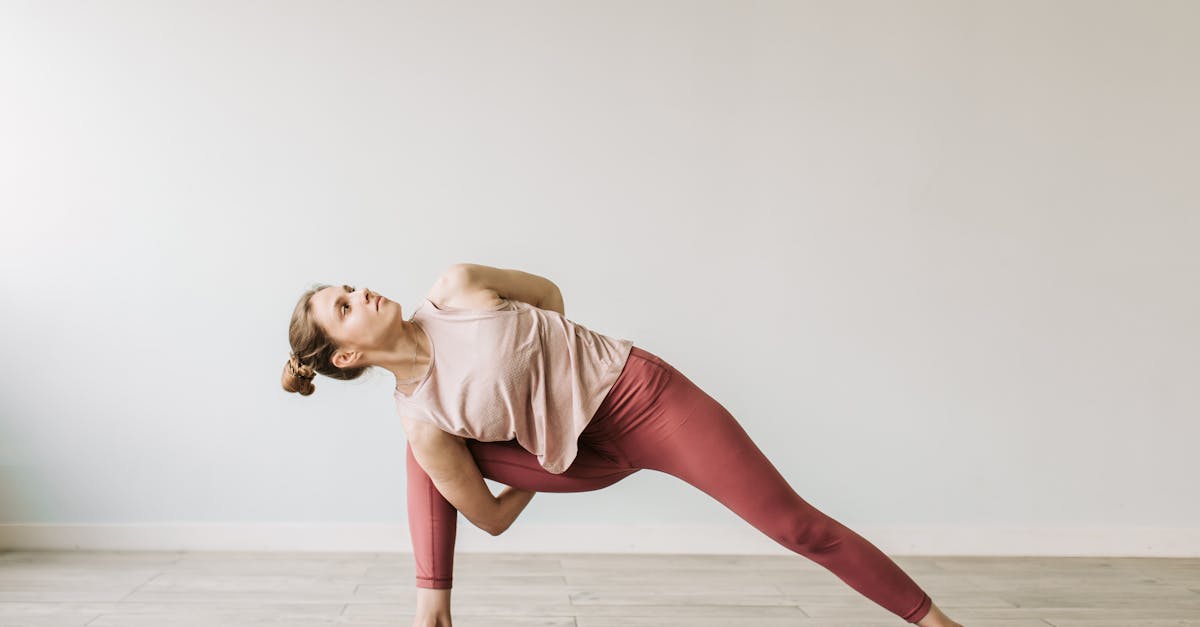
Have you ever struggled to find your balance or perfect your pose during yoga practice? I know I have. That’s why discovering yoga mats with alignment lines felt like a game-changer—they guide your hands and feet into the right spots without second-guessing yourself.
These mats aren’t just about aesthetics; they bring clarity and confidence to every session. In this text, I’ll jump into how alignment lines can transform your practice and help you move with precision and ease.
Overview of Yoga Mats With Alignment Lines
Yoga mats with alignment lines act like your silent guide during practice. They help you place your hands and feet in the right spots so your poses are balanced and effective. I’ve found these mats especially handy when trying to nail tricky postures—no more guessing or awkward adjustments mid-pose.
These lines aren’t just random markings. They’re thoughtfully placed to align with your body’s natural landmarks—like your feet, hands, and hips—making sure you maintain proper form. That’s pretty helpful for anyone, whether you’re a beginner or returning to yoga after a break.
On top of that, these mats encourage consistency. Each practice session feels more intentional because you can visually check if you’re setting up correctly every time. In a way, it’s like having a personalized trainer without the extra cost or pressure.
Here’s what really makes them click for everyday use:
- Easy to follow: The visual guides help you self-correct without needing to glance at a phone or instructor.
- Confidence boost: When your alignment is on point, poses feel sturdier and more comfortable.
- Better balance: The lines help prevent overreaching or collapsing in certain areas, which can reduce strain.
- Faster progress: Over time, your body memorizes the right placements, so you spend less mental energy on setup.
Think of alignment lines like a road map on your mat. They lead you to better posture and balance with less trial and error. Plus, many brands offer different styles of lines—from simple grids to detailed markers—letting you pick what fits your practice style best.
From what I’ve seen, mats with clear and well-placed lines have become a favorite among yogis who want practical tools that improve their sessions effortlessly. If you’re looking to add a bit more precision and ease to your yoga flow, an alignment mat is worth a try (and yes—it’s easier than it sounds to get used to).
Features of Yoga Mats With Alignment Lines
If you’ve ever struggled to keep your poses perfectly balanced or wished for a gentle nudge to help with your form, yoga mats with alignment lines might be your new best friend. These mats offer more than just a surface to stretch on—they come with practical design elements aimed at making your practice smoother and more confident.
Material and Durability
One of my first picks for a yoga mat has always been how it feels under my hands and feet. Most mats with alignment lines are made from materials like natural rubber, TPE (thermoplastic elastomer), or eco-friendly cork. These options provide a nice balance between softness and firmness. For instance, natural rubber mats offer a bit of grip and stretch that feels friendly, even during those deep stretches or sweaty sessions.
What I appreciate is durability that lasts beyond a few months of use. The alignment lines don’t fade quickly, which means you can rely on those guides for your daily practice without worrying about them disappearing after a heavy wash or prolonged use. It’s worth checking if the mat is resistant to tearing or cracking too. I’ve seen mats that hold up well even when rolled up tightly in a gym bag (which, trust me, is easier than it sounds).
Alignment Line Design and Placement
Here’s the kicker—alignment lines aren’t just random stripes slapped on the mat. Their layout is thoughtfully placed to match the body’s natural landmarks, like the centerline for spine alignment or horizontal lines for foot placement. This helps keep your poses symmetrical and balanced.
Some mats come with dotted lines for toes or wrists, while others use solid lines for the center and edges. I’ve found that mats with clear, subtle lines—nothing too bright or distracting—work best for me. They become almost like silent coaches that guide without yelling.
For beginners, this design helps develop muscle memory quickly. Every time you position your hands or feet along these lines, your body starts remembering what “right” feels like. Even when I’m rushing through a sequence, a quick glance at the lines get me back on track fast.
Size and Thickness Options
Size matters in yoga mats—especially if you’re taller or need extra space to stretch out. Most alignment mats come in standard dimensions, roughly 68 to 72 inches long and about 24 inches wide. But some brands offer extra-long (around 84 inches) versions perfect if you’ve got long limbs or prefer roomier setups.
Thickness varies too, usually falling between 1/16 inch (thin travel mats) to 1/4 inch (cushioned mats). Thicker mats provide better joint support, especially during seated or lying poses—something I find handy when practicing on hard floors. Yet, thinner mats make it easier to balance and feel the floor, which is great for standing postures that need stability.
When picking a mat, consider where and how you practice. If you move around a lot or travel, a thinner, lightweight mat with alignment lines is a smart option that doesn’t add bulk to your bag.
| Feature | Typical Range | What I Suggest |
|---|---|---|
| Length | 68″ to 84″ | At least 72″ if >6’0″ |
| Width | 24″ standard | Wider for comfort |
| Thickness | 1/16″ to 1/4″ | 1/8” to 1/4” for cushioning |
Non-Slip Surface
Nothing throws off your yoga focus like slipping mid-pose. That’s why non-slip surfaces are a huge plus. Most alignment mats feature textured surfaces or grippy materials that hold steady on wood, tile, or carpet floors.
I’ve had mats with a slight raised texture that gave me confidence during tricky balancing poses like Tree or Warrior III. Even after sweating, these mats held fast, preventing accidental slides.
If you practice outdoors or on slick studio floors, look for mats boasting extra traction. A little extra grip goes a long way to protecting your joints and keeping your practice injury-free.
Portability and Storage
Yoga mats with alignment lines come in handy only if you can conveniently take them along or stash them when not in use. Many mats weigh under five pounds, making them easy to carry with a strap or in a lightweight bag.
I personally favor mats that roll up neatly without creasing the lines—some mats have memory foam qualities that spring back to shape. A good mat also resists absorbing odors or staining, which makes life easier between washings.
Here are a few quick tips when shopping for portable mats:
- Choose mats that come with carrying straps or cases.
- Consider material weight if you travel often.
- Check if the mat folds or rolls easily without damaging alignment lines.
Using a mat that’s easy to handle means one less excuse to skip your practice (plus it saves space in your apartment or car).
By focusing on these features, yoga mats with alignment lines can truly fit right into your daily routine, making each session more precise and enjoyable. Whether you’re a beginner or someone fine-tuning your poses, these mats offer subtle but powerful support.
Performance and User Experience
Yoga mats with alignment lines bring more than just visual appeal—they truly make a difference in how you practice. From helping you place your hands and feet to offering subtle posture reminders, these mats shape your entire session. Here’s how they perform in real life and what you can expect day to day.
Ease of Use for Beginners and Experts
Whether you’re new to yoga or you’ve been at it for years (like me), these mats are surprisingly user-friendly. For beginners, the lines act like gentle coaches, showing where to position your body without needing a teacher constantly hovering nearby. The straight and angled guide marks simplify poses such as Warrior II or Downward Dog, which otherwise might feel intimidating to set up correctly.
For the more experienced, these mats help tighten up practice with self-checks. When you’re flow-focused it isn’t always easy to glance down for balance or symmetry, but the lines give you that quick reality check mid-pose. I’ve found that keeping alignment in mind this way reduces the number of minor adjustments and keeps me centered longer.
Here are some handy ways these mats keep things simple:
- Clear visual cues that match your body’s natural lines
- Minimal distractions—no flashy patterns, just practical guides
- Adaptable for various yoga styles, from Hatha to Vinyasa
It’s like having an extra pair of eyes helping you stay on track without any nagging.
Impact on Yoga Practice and Posture
The impact on your posture is surprisingly noticeable. Even if you don’t consciously think about the lines every moment, your body learns to settle into better alignment. That means less strain on joints and muscles during poses and eventually lowers injury risk. On top of that, correct alignment helps breath flow more freely, which I can tell you makes moves feel smoother and more energizing.
Quick fact: A subtle shift in foot or hand placement of just an inch can affect how balanced or stable you feel. These mats help you avoid those tiny slips before they throw off your entire pose.
From personal experience, after a few weeks of using a guide-lined mat, I noticed my shoulders and hips squared off better instead of leaning or twisting. Plus, it made balance poses less wobbly—good news for anyone who’s ever felt like they’re one gust of wind away from a topple.
If you want to get a bit more from your sessions, just focus on aligning your hands and feet with the lines for a session or two, and you’ll see progression naturally unfold.
Comfort and Support During Workouts
Comfort is a big deal when you’re spending 30 minutes or an hour flowing through poses. Most alignment mats strike a balance by using materials like natural rubber or eco-friendly TPE that feel soft underfoot yet provide firm support.
Here’s why that balance matters:
- Firm enough to keep your joints stable (no sinking too deep)
- Soft enough to protect knees and wrists during floor work
- Non-slip surface that keeps the mat and you put together during sweaty sessions
I’ve used different mats on slippery studio floors, and those with alignment lines usually feature a grip-friendly texture that makes a world of difference. One time I rushed to a class after a rainstorm and was nervous about slipping—this kind of mat really saved the day (and my pride).
If you’re on the taller side or want more cushion, some mats come in wider or thicker options without losing those helpful lines—a pretty rare combo that I appreciate.
Quick Tips for Comfort:
- Look for mats with 4-6mm thickness for a nice middle ground of cushion and stability
- Check if the alignment pattern stays visible even with some wear (important if you plan to practice daily)
- Try the mat on different floors to test grip before committing
These subtle features add up fast and make your yoga routine feel like a treat instead of a chore.
Pros of Yoga Mats With Alignment Lines
Yoga mats with alignment lines have become a game of “follow the leader” but in the best way possible. Instead of guessing where your feet or hands should land, these mats quietly guide you, making your practice smoother and more confident. Here’s why I think they deserve a spot in your yoga gear.
Clear Visual Guidance for Better Form
These mats lay out clear lines that correspond to your body’s key points—like your feet placement or hand spacing. For someone like me who often struggles with balance or keeping poses symmetrical, these guides are like having a personal coach rolled out beneath me. I find it easier to adjust on the fly without having to constantly check a mirror or ask a friend to spy my form.
Boosted Confidence and Faster Progress
When I’m certain my setup is right every time, I feel more confident. That confidence encourages me to try poses I might normally shy away from. This has sped up my progress compared to when I practiced on a plain mat. Plus, consistency really matters in yoga. Getting the alignment right session after session helps build muscle memory—so your body just “knows” where to go.
Ease of Use for All Skill Levels
Whether you’re a beginner or more experienced, these mats simplify your practice. Beginners don’t have to feel overwhelmed and can avoid common mistakes early on. Experienced yogis can still benefit by refining their poses and tackling new challenges. I’ve noticed that even my teacher nods approvingly when I use a mat with alignment lines because it’s easier to correct subtle misalignments solo.
Encourages Safer Practice
Good alignment isn’t just pretty—it also reduces the risk of injury. When your hands, feet, and hips line up properly, you’re less likely to strain joints or muscles. For example, proper knee placement during warrior poses makes a noticeable difference in how my leg feels the day after practice. This thoughtful guidance means enjoying yoga without the nagging pains that come from poor form.
Durable and Long-Lasting Guides
Alignment lines are printed or embedded with materials that hold up well over time, so the last thing you want is for those helpful guides to fade away after a few uses. My mat has been through months of sweat and stretches and the lines are still clear. For anyone investing in a yoga mat, this kind of durability adds to the overall value.
Practical Size and Thickness Options
One more thing I appreciate is the variety of sizes and thicknesses available. Taller practitioners (like me) or those who want more cushion get options that make lining up easier without sacrificing comfort. Thicker mats with grip-friendly surfaces also keep you stable on slippery floors, which means less worry and more focus on flowing through poses.
Quick Takeaways:
- Alignment lines provide clear visual cues for hand and foot placement.
- They encourage better posture which means fewer aches and injuries.
- Suitable for both beginners and advanced practitioners.
- Durable printing means the guides last through regular use.
- Available in various sizes and thicknesses to match your needs.
- Enhance consistency so your body learns the right movements faster.
I’ve found these mats to be a small change with a big impact. They fit right into my daily practice by making every session just a little more precise (and a lot more fun). Using one feels like having a little extra support right underfoot—without needing to ask for help.
Cons of Yoga Mats With Alignment Lines
Even though yoga mats with alignment lines come with plenty of perks, there are a few things I’ve noticed that might make you think twice before jumping in.
Lines Can Feel Restrictive
Sometimes those crisp alignment lines feel more like rules than guides. If you like to flow freely or experiment with your poses, the lines might make you overthink where your hands or feet should go. It’s like trying to color inside the lines at all times, which, honestly, can take away the joy of practicing your own unique style.
Wear and Tear on the Lines
No matter how durable a mat claims to be, lines can fade or peel after several months of heavy use. Some mats advertise extra-long-lasting prints, but extended sun exposure, sweat, and frequent washing tend to dull those helpful guides. Once the lines disappear, you lose one of the biggest benefits of the mat—so if you’re on a budget, consider this before making a purchase.
Style and Aesthetic May Not Suit Everyone
Sure the lines are meant for practical use, but let’s be real—some mats look like a math worksheet with all those straight guide lines. If you want a mat that doubles as a decorative piece or matches your yoga room vibe, these mats might feel a bit clinical or utilitarian. For me, that’s not a dealbreaker, but others might prefer something more artistic or organic-looking.
Added Cost for What Some See as a Minor Feature
The price tag on mats with alignment lines tends to be a notch higher than plain mats. While the lines can speed up your progress or keep your form in check, some yogis may feel they don’t justify spending extra money. If you’re the type who already prefers a teacher or mirror to guide your poses, this feature might feel a bit like paying for “bells and whistles.”
Potential Over-Reliance on Visual Cues
One thing I noticed is relying too much on lines could limit your body awareness over time. Yoga is as much about feeling your body’s balance and breath as it is about exact foot placement. If you get caught up in “lining up with the line,” you might miss subtle personal adjustments your body needs during a session.
Quick Tips to Maximize Use of Alignment Mats Without These Downsides
- Treat lines as gentle suggestions, not hard rules. Feel free to move off the lines to avoid rigidity.
- Rotate usage with a plain mat to build body awareness without visual guidance.
- Choose mats where lines are laser-etched or woven in rather than printed for better durability.
- Check return policies or warranties in case the lines fade faster than expected.
- Add your own markers with washable tape if you need more personalized guidance without relying fully on printed lines.
At the end of the day these little cons are easy to work around if you know what to expect. I often find the benefits outweigh these minor annoyances especially when used thoughtfully.
Comparison With Regular Yoga Mats
When I first switched to a yoga mat with alignment lines, I was curious how much of a difference it would make compared to a regular mat. After some time using both, here’s what I noticed and what you might want to consider if you’re thinking about making the switch.
Alignment Benefits vs. Standard Mats
Yoga mats with alignment lines do something regular mats simply can’t: they offer a visual guide that helps you position your hands and feet just right. For me this was a total game-saver, especially during tricky balance poses like Warrior II or Triangle.
Here’s why these lines matter:
- Improve accuracy: The lines correspond to key points on your body. This means you can check in on your own form without needing a teacher to correct every little detail.
- Build muscle memory: Once your body learns the correct stance using the lines, you naturally hold better posture even when using standard mats.
- Confidence boost: Knowing exactly where to place your limbs takes away hesitation. I felt more grounded and focused during each session.
- Better alignment means less injury: Proper form lowers strain on joints and muscles, which is huge for anyone returning after a break or dealing with aches.
Regular mats don’t offer this kind of instant visual feedback. If you’ve ever struggled to know if your feet are spaced evenly or if your arms are aligned, you know what I mean.
That said, alignment mats are not for everyone. Sometimes those lines can feel a bit like training wheels if you prefer a more free-flowing practice. Still, they’ve helped me develop a solid foundation and I keep going back for that subtle cue.
Price and Value Considerations
Now here’s the tricky part: mats with alignment lines sometimes come with a slightly higher price tag than your average mat. But given what you’re getting, it’s not necessarily a bad deal.
Let’s break this down a bit:
| Feature | Regular Yoga Mat | Yoga Mat with Alignment Lines |
|---|---|---|
| Average Price Range | $20 – $50 | $40 – $80 |
| Guided visual cues | No | Yes |
| Help for beginners | Limited | Significant |
| Durability of surface | Good | Good to very good |
| Suitability for travel | Yes | Yes |
When I first eyed the price difference I hesitated, but then I thought about the value. Instead of spending extra on private classes or personal training for alignment, the mat acts like a quiet mentor every session.
My tip? Look for mats where the alignment lines don’t fade easily (I learned this after a cheaper mat’s lines started peeling). Also check if the brand has a solid return policy — sometimes it can take a few tries to find the right mat thickness and size for your body.
If you practice regularly, investing in an alignment mat can actually save you time, reduce frustration, and keep you injury-free. For casual yogis who practice occasionally, a standard mat might do just fine.
Bottom line, the price gap might seem like a hurdle but it often pays for itself through better practice quality and faster progress. And with all the options out there, finding one that fits your budget and style is easier than you think.
Testing and Hands-On Experience
Using yoga mats with alignment lines in my daily practice has given me a fresh perspective on precision and consistency during sessions. Let me share what it felt like putting these mats to the test and how they held up in everyday use.
Real-World Usage Scenarios
I tried these mats in various settings—from quiet home routines to lively studio classes and even outdoor sessions at the park. Here’s what stood out:
- At Home: The alignment lines acted like a friendly coach reminding me where my hands and feet should go. It’s a subtle nudge that kept me mindful of form without feeling bossy. Especially on busy mornings, it made setting up faster and smoother.
- In the Studio: With fellow yogis around, aligning poses can be tricky. The lines made it easier to check my posture quickly during flow sequences without needing to glance around awkwardly. This feature helped me keep pace with the instructor’s cadence, boosting confidence.
- Outdoors: The mats performed well on grass and uneven ground thanks to good grip and cushioning. The alignment guides were a handy reference when nature distracted me—soon I found my focus returning quicker.
Users often tell me they notice fewer aches after practice using alignment mats. I feel it too. Correct joint positioning means less strain and stiffness afterward. That consistent feedback loop makes every session feel more rewarding.
Cleaning and Maintenance
Keeping yoga mats fresh is always part of my routine. Alignment mats are no different but need a bit of extra care to keep those lines crisp. Here’s what worked for me:
- Regular Wipes: I used a gentle mix of water and mild soap applied with a soft cloth. This keeps dirt off without damaging the material or causing line fading.
- Deep Clean: Once a month, I gave my mat a full hand wash in a bathtub with warm water and a drop of gentle detergent, rinsing thoroughly to avoid residue build-up.
- Drying Tips: Always air-dry your mat flat, away from direct sun, which can cause the lines to crack or fade prematurely.
- Avoid Harsh Chemicals: Oxygen bleach or alcohol-based cleaners can weaken the print on alignment guides. Stick to gentle solutions.
- Storage: Rolling up the mat with the lines facing outward prevents unnecessary rubbing that wears down the markings.
Quick tip: If you travel a lot with your mat like I do, investing in a protective carry case can save those lines from early damage and keep your practice crisp wherever you go (which, trust me, is easier than it sounds).
With just a bit of care, these mats hold up well over time, letting you enjoy the benefits of alignment guides long after purchase.
Alternatives to Yoga Mats With Alignment Lines
If you’re curious about other options besides yoga mats with alignment lines, I’ve got you covered. Sometimes you want to shake things up or try a mat that fits a different vibe or need. Here are some great alternatives that still help you get the most out of your practice.
Plain Yoga Mats: Keep It Classic and Flexible
Plain mats are the straightforward choice. They don’t have visual guides but offer a blank canvas for your practice. If you like to flow without constraints or develop your own sense of body awareness, a simple mat can be freeing.
- Great for all yoga styles from gentle stretches to power yoga.
- Usually more budget-friendly than mats with lines.
- Easier to find in different colors, materials, and textures.
One friend of mine switched to a plain mat after years using alignment mats. She said it encouraged her to really feel her poses instead of relying on the lines. Still, it took some practice to get used to positioning.
Mats With Textured Surfaces: Grip Meets Guidance
Some mats have textured surfaces that don’t show lines but help you keep your footing stable. These are perfect if slipping is a concern but you don’t necessarily want the visual lines.
You might notice:
- Raised patterns that support your hands/feet placement by feel.
- Materials like natural rubber or TPE that prevent sliding.
- Often thicker for joint support without distracting graphics.
I found that a textured mat gave me confidence when I practiced outdoors on uneven ground. The grip made a difference without needing alignment guides.
Folding or Travel Yoga Mats: Convenience Counts
If you’re always on the go, a foldable or travel mat might be the right pick over an alignment mat. Sure, they rarely have markings, but their portability might outweigh that for busy lives.
Consider these perks:
- Compact size fits in backpacks or carry-ons.
- Lightweight for commuting to studios or outdoor sessions.
- Often made from durable, quick-drying materials.
I’ve taken a foldable mat to some pretty unexpected places—and trust me that being able to roll it up and stash it easily is a relief when space is tight.
Yoga Accessories: Tools to Up Your Alignment Game
Sometimes the mat isn’t the whole story. Props like blocks, straps, and wheels add support and alignment assistance without needing lines on your mat.
Here’s why they’re handy:
- Blocks elevate your reach helping achieve proper pose depth.
- Straps assist with stretching and correct positioning.
- Wheels or rollers help open tight areas and improve balance.
A colleague shared how blocks revolutionized her warrior poses—offering the right support when she needed it most.
Budget Mats With Minimalist Lines
If your heart’s set on alignment but you’re watching costs, some mats offer subtle or minimalist line designs. These provide a hint of guidance without the full-on grid.
Advantages include:
- Lower price points but still aid basic positioning.
- Less visual distraction during flowing sequences.
- Often come in eco-friendly materials for mindful shoppers.
When I picked up a simple mat with just center lines, it felt like getting a little nudge in the right direction without any clutter.
Quick Tips When Exploring Alternatives
- Think about what slows you down in your practice: grip, space, or confidence.
- Don’t hesitate to switch between mats; variety keeps your practice fresh.
- Check material details—natural rubber offers good grip but can feel heavy.
- Look for mats with good reviews about durability especially if you sweat a lot.
- Remember, accessories can fill the gap alignment lines might leave.
If you’re after better focus on form but don’t love visual lines all the time, these alternatives might feel like a breath of fresh air. Sometimes mixing things up is exactly what helps move your practice forward.
Final Verdict
Yoga mats with alignment lines have truly changed the way I approach my practice. They offer a subtle yet powerful way to refine poses and build confidence without overwhelming the flow. While they might not be for everyone, especially if you prefer a freer style, their benefits in improving posture and reducing injury risk are hard to ignore.
Choosing the right mat comes down to your personal needs and how much guidance you want during practice. When used thoughtfully, these mats become more than just a surface—they turn into reliable partners that support growth and consistency. For anyone serious about enhancing their yoga journey, alignment mats are definitely worth considering.
Frequently Asked Questions
What are yoga mats with alignment lines?
Yoga mats with alignment lines have printed guides that help position hands and feet correctly during practice. These lines align with natural body landmarks to promote proper form, balance, and symmetry.
How do alignment lines improve yoga practice?
Alignment lines offer visual cues that help users self-correct poses, maintain balance, and build muscle memory, leading to faster progress and reduced risk of injury.
Are these mats suitable for beginners?
Yes, alignment mats are excellent for beginners as they provide clear guidance, boost confidence, and make learning poses easier by encouraging proper alignment.
What materials are commonly used for alignment mats?
Most alignment mats are made from natural rubber, TPE, or eco-friendly cork, offering a good balance of softness, durability, and a non-slip surface for safe practice.
Can the alignment lines wear off over time?
Yes, some mats may experience fading or peeling of alignment lines with heavy use. Choosing durable mats and proper care can help maintain their visibility longer.
Do alignment lines restrict free-flowing yoga styles?
For some practitioners, the lines may feel limiting if they prefer a more fluid, less structured practice. It’s recommended to alternate using plain mats to balance focus and freedom.
Are alignment mats more expensive than regular yoga mats?
Generally, yes. Alignment mats tend to cost more due to the added design and features, but many find the investment worthwhile for improved form and injury prevention.
How do alignment mats affect posture and injury risk?
Proper alignment reduces strain on joints and muscles, lowers risk of injury, improves breath flow, and makes movements smoother and more efficient during yoga practice.
What thickness and size options are available?
Alignment mats come in various thicknesses and lengths to suit different needs, including options for taller individuals or those who want extra space for comfortable poses.
How should I clean and maintain an alignment mat?
Use gentle cleaning methods like mild soap and water, avoid harsh chemicals, and store the mat rolled up in a cool, dry place to preserve the lines and mat integrity.
What are alternatives to alignment mats?
Alternatives include plain mats, textured mats without lines, folding or travel mats, and yoga props like blocks and straps that help with alignment without relying on mat markings.
Can alignment mats be used outside or while traveling?
Yes, many alignment mats are portable and designed for travel or outdoor use, balancing durability with easy storage and transport.
How do alignment mats help more experienced yogis?
Experienced practitioners use alignment lines for fine-tuning poses, maintaining consistency, and enhancing body awareness, especially during complex or challenging sequences.
Should I rely solely on alignment lines for yoga practice?
No, it’s best to treat alignment lines as gentle guides while also developing internal body awareness to avoid over-dependence on visual cues.