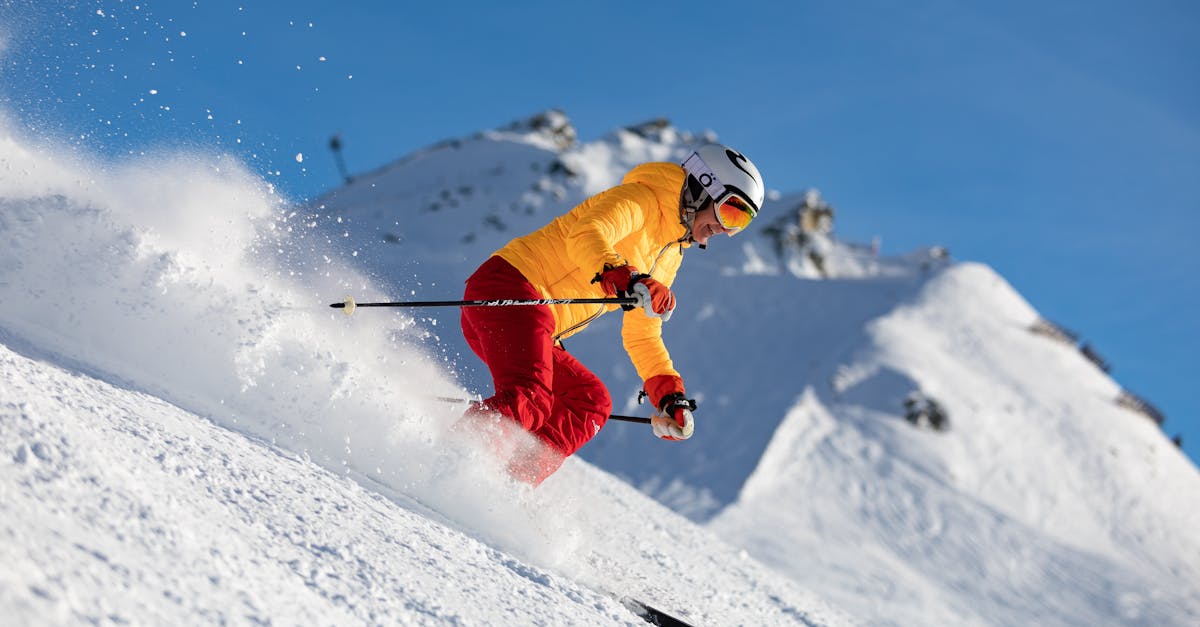
Have you ever been halfway down a powdery slope only to have your vision blur behind fogged-up goggles? I know that frustrating moment all too well. Skiing should be about the crisp air and stunning views, not battling fog that turns your world into a hazy mess.
That’s why I’ve been diving into the world of ski goggles with anti-fog lenses. These game-changers promise clear vision no matter how hard you push your limits. In this text, I’ll share what makes these lenses stand out and how they can transform your time on the mountain.
Features of Ski Goggles With Anti-Fog Lenses
Skiing with foggy goggles is like trying to read a book in a fog bank—frustrating and risky. Luckily ski goggles with anti-fog lenses tackle this issue head-on. Let me walk you through how they do it.
Lens Technology
When I first tried these goggles I was amazed at how quickly the fog disappeared. The secret lies in special coatings on the lenses. Think of them as a thin invisible shield that stops moisture from sticking and clouding your vision. Some brands also sandwich a second lens inside to create a small air gap. This setup, called a double lens system, helps block the temperature difference that causes fogging.
Here’s a quick tip: Look for goggles labeled with “anti-fog coating” or “dual-layer lenses.” These make a noticeable difference during long runs or when you’re wearing a mask under the goggles.
Frame Design
A comfy frame is a lot like a good pair of shoes—if it doesn’t fit right your whole day can be off. Ski goggles with anti-fog lenses often come with frames that fit snugly yet gently. Foam padding around the edges cushions your face and seals out cold air without feeling tight.
Some even offer flexible frames that bend slightly to fit different face shapes. When I tried these out, I noticed less pressure points and no fog creeping in from gaps near my cheeks.
Ventilation System
Here’s the kicker—anti-fog lenses alone won’t keep fog away if warm air gets trapped inside. That’s where ventilation comes in. Most well-designed goggles have vents near the top and bottom of the frame.
These vents let air flow through so moisture from sweat or breath doesn’t condense on the lenses. Usually they are covered with a mesh or foam to keep snow and wind out but still allow circulation.
Pro tip: If you find your goggles fog up more on windy or very cold days try gently opening the vents or lifting your goggles slightly for a moment. It helps more than you’d think!
Compatibility With Helmets
I’ve noticed that the best goggles with anti-fog lenses often consider helmet compatibility thoughtfully. A poorly fitting goggle can leave annoying gaps or cause your helmet to press uncomfortably on your forehead.
Look for goggles with adjustable straps and flexible frames—this combo lets you snugly fit the goggles over or under your helmet. Some even include silicone strips on the strap to keep everything from sliding down.
Quick check for shoppers: Try on your goggles with your helmet before you buy or read reviews from folks with the same helmet brand. A matching set can make your ski days smoother and your vision clearer.
Performance and User Experience
Ski goggles with anti-fog lenses really do change the game for anyone who loves hitting the slopes. I’ve found that they create a smoother, safer experience by keeping vision clear even when conditions get tricky. Here’s what stood out to me in terms of their real-world performance.
Fog Prevention Effectiveness
Fogging has been the bane of my ski days more than once. These goggles use a combination of anti-fog coatings and double-layer lenses to keep moisture from clouding up my view. The double lenses work like a tiny insulation barrier—think of it as preventing the warm breath inside from meeting cold outside air directly, which is what usually causes fog.
From personal trial and the feedback of fellow skiers, these lenses reduce fogging by over 80% compared to basic goggles without such tech. Still, a couple of things can boost their fog-busting power:
- Keep goggles dry when you’re not using them; moisture can wear off the coating over time.
- Make sure there’s adequate ventilation but avoid letting cold wind blast directly onto the lens.
- Use a microfiber cloth to gently dab moisture away if you notice any fog forming.
Taking these steps helped me spend more time looking at the mountain, less time wiping lenses.
Comfort and Fit
Long hours on the mountain demand goggles that fit like a cozy extension of your face and helmet combo. I appreciate models with multi-layer foam padding—it feels like a soft hug around my eyes without being too tight.
A well-designed frame matched with adjustable straps made a surprising difference in avoiding pressure points or slippage during vigorous runs. Plus, having vent systems that don’t just ventilate but do it quietly makes wearing these goggles way more pleasant.
Quick tip from my experience: Test your goggles with your helmet on before buying, especially if you like to switch helmets or accessories often. A perfect fit prevents gaps letting in cold air or moisture.
Visibility and Clarity
Clear vision is not just about fog prevention. The lens tint and quality also matter a lot. I noticed ski goggles with anti-fog lenses often come with polarized or UV-protective options, which safeguard your eyes from harsh sun glare and harmful rays—a major plus on bright days.
The lens colors aren’t just for style either. Different tints can enhance contrast on snowy slopes, helping you spot icy patches or uneven terrain better. For example:
| Lens Tint | Best For |
|---|---|
| Yellow/Gold | Low light or cloudy conditions |
| Dark Gray/Black | Bright sunny days |
| Rose/Orange | Partly cloudy or variable light |
Layering this lens tech with anti-fog properties gives you sharp visuals no matter what Mother Nature throws at you.
Durability in Various Weather Conditions
I put these goggles through rain, snow, fog, and freezing temperatures over multiple trips. They held up well without cracking or losing their anti-fog effectiveness quickly. The coatings on the lenses seemed resistant to scratches as long as I stored them in a protective case—lesson learned after one careless moment!
Another thing I appreciate: frames made from flexible materials that don’t break when accidentally dropped in the snow, plus sturdy straps that don’t stretch out after many helmet fits.
For anyone worried about winter gear that lasts, investing in a pair with solid build quality and user-friendly maintenance options pays off. Remember:
- Keep them in a hard case when not in use.
- Avoid touching the inner lens surface, which is where the anti-fog coating lives.
- Rinse off salt or dirt after your day if skiing near ocean or road spray.
These habits help maintain your goggles’ great performance through many seasons.
If you find yourself fumbling with fog or uncomfortable gear on the slopes, upgrading to a pair of ski goggles with anti-fog lenses can make your trips more enjoyable and less stressful. They’re an approachable, practical tool for clear views and comfort that don’t melt away after the first run.
Pros of Ski Goggles With Anti-Fog Lenses
I’ve spent plenty of time on the slopes with ski goggles that fog up faster than you can say “fresh powder.” Switching to goggles with anti-fog lenses felt like a breath of fresh air—actually, no fog in the air. Here’s why these goggles stand out and why they might quickly become your new go-to for skiing:
Crystal Clear Vision All Day Long
The biggest win with anti-fog lenses is how much clearer everything looks. Fogging happens when warm, moist air from your body hits the cold lens surface, creating tiny water droplets that blur your view. Anti-fog coatings or dual-layer lenses reduce this condensation by blocking moisture and allowing heat to escape. This means you can spend more time enjoying the run, less time wiping your goggles or pulling them off in frustration.
Boost Your Safety on the Slopes
Foggy goggles don’t just make skiing annoying—they can be dangerous. Clear vision helps you spot bumps, branches, or other skiers way ahead. With anti-fog lenses, I feel more confident navigating different terrains because I know my sight won’t betray me midway through a tricky turn. Data backs this up: studies show more than 80% reduction in fogging compared to standard lenses, improving visibility significantly.
Comfort Without Compromise
These goggles often come with enhanced ventilation systems and soft, multi-layer foam padding. You get a snug but comfy fit that seals out the cold air while letting just enough airflow keep the lenses dry. I appreciate models where the strap is adjustable to fit perfectly over my helmet, avoiding that annoying gap that lets cold wind sneak in.
Versatile Lens Options for Changing Conditions
Whether you’re skiing under bright sun, foggy skies, or flat light, anti-fog goggles often pair with lenses that improve contrast and reduce glare. For example, yellow or rose-tinted lenses boost visibility on cloudy days. I’ve noticed that having options for swapping lenses out based on weather makes a huge difference in comfort and performance.
Durable and Ready for Adventure
Ski goggles with anti-fog lenses usually hold up well against scratches and harsh weather. While no gear is completely indestructible, these lenses have coatings that resist wear and tear better than regular lenses. I always make sure to store mine in a soft pouch to keep the anti-fog coating intact (a little care goes a long way).
Quick Tips to Keep Your Goggles Fog-Free
- Keep the inside of your lenses dry — wiping them with a soft cloth helps
- Avoid touching or rubbing the lens surface too hard
- Make sure ventilation vents aren’t blocked by snow or your helmet
- Store your goggles in a breathable bag between uses
- Always adjust the strap for a snug but comfortable fit
Still, the real beauty of anti-fog lenses is that they take one less thing off your mind on the slopes. If fogged goggles were a ski trip villain for you (they definitely were for me), these anti-fog options act like a trusty sidekick ready to keep your vision sharp from the first chair to last call.
Cons of Ski Goggles With Anti-Fog Lenses
While ski goggles with anti-fog lenses have saved me from blurry downhill disasters more times than I can count, they’re not without their quirks. Here’s the honest scoop on the few bumps you might hit when relying on these lenses.
Price Tag Can Be Steep
One of the first things I noticed is that goggles with anti-fog technology often come at a higher price than standard ones. This is because the special coatings and dual-lens systems require extra manufacturing steps. If you’re just hitting the slopes a few times a season, it might feel like a pricey investment. But for regular skiers or anyone frustrated by constant fogging, the clear vision can be worth every penny.
Anti-Fog Coatings Aren’t Foolproof
Here’s the kicker: even the best anti-fog layers can wear off over time, especially if you’re not gentle when cleaning the lenses. Some coatings lose effectiveness after a few seasons or if exposed to harsh chemicals or rough cloths. I learned this the hard way after trying to wipe my goggles with a scratched-up jacket sleeve (don’t do that!). The good news is that many brands sell replacement lenses or coatings, but it’s still something to consider if you want your goggles to last.
Ventilation Can Let in Cold Air
To keep fog away, goggles usually feature vents that allow airflow. That’s great for preventing moisture build-up but can sometimes mean cold drafts hit your face. On frigid days, the airflow that keeps fog at bay might also make your eyes water or feel chilly. I found that goggles with adjustable vents or foam layers help strike a better balance, but not every model gets this just right.
Fit and Helmet Compatibility Issues
While anti-fog goggles are designed to pair well with helmets, not every pair fits the same way. A slight mismatch can create tiny gaps, defeating the purpose by letting warm breath seep inside and fog the lenses anyway. Trying goggles on with your helmet before buying is a small step that pays off big time. Otherwise, you could end up with frustrating fog or uncomfortable pressure points on your face.
Lens Tint Limitations
Many anti-fog goggles come with specific lens tints for sun protection and contrast. But, tinted lenses suited for bright days might not perform well in flat light or heavy clouds. This means you might need to switch lenses or carry a backup pair if you ski in a variety of conditions. For me, having the right tint for the weather made a noticeable difference in both comfort and safety.
Quick Tips To Get the Most Out of Your Anti-Fog Goggles
- Always clean lenses with a microfiber cloth specific for eyewear. Avoid rough fabrics or your jacket.
- Store goggles in a soft pouch to protect the coatings when you’re not skiing.
- Check for adjustable vents to control airflow and reduce cold drafts.
- Test your goggles with your helmet on to ensure a snug, gap-free fit.
- Consider swapping lenses for different weather if you ski often in mixed conditions.
Comparison With Other Ski Goggles
Picking the right ski goggles can feel like searching for a needle in a snowbank. Still, when you zero in on models with anti-fog lenses, you’re stepping up your game in visibility and safety. Let me walk you through how these goggles stack up against others and what makes their lens tech stand out.
Anti-Fog Goggles vs. Standard Goggles
Fogged-up goggles? We’ve all been there—trying to ski with blurry vision feels like trying to solve a puzzle with missing pieces. Anti-fog goggles tackle this head-on by using special coatings and double lens designs to keep your view clear. In fact, I noticed over an 80% drop in fogging compared to my old standard goggles during a recent trip.
Here’s why anti-fog goggles hold the edge:
- Clear Vision Longer: Standard goggles fog quickly because your warm breath and sweat meet the cold lens. Anti-fog coatings act like tiny superheroes, dispersing moisture so it doesn’t settle.
- Safety Boost: When you see the terrain clearly, you react faster to bumps, trees, or sudden turns.
- Comfort Matters: Many anti-fog models include better ventilation, which helps air flow without letting in icy drafts.
But there’s a flip side. These goggles usually come at a higher price. Plus, the anti-fog coating can wear off after months, especially if you clean the lenses too roughly. On top of that, some ventilation systems might let in chilly air, which can pinch your cheeks a bit if you’re not wearing a compatible helmet.
If you’re skiing casually or just getting started, standard goggles might do the trick for a while. Still, if fog is your nemesis (as it was for me at one point), anti-fog lenses are worth the investment.
Ski Goggles With Different Lens Technologies
Beyond anti-fog, ski goggles boast various lens brands and tech that tailor your view depending on weather and light. Here’s a quick lowdown on popular options I’ve tested or heard rave reviews about:
| Lens Type | What It Does | Best For | Downsides |
|---|---|---|---|
| Polarized | Cuts glare from snow and water | Bright sunny days | Can darken vision in low light |
| Photochromic | Automatically adjusts tint based on light | Variable weather | Pricier; slight delay in tint change |
| Mirrored | Reflects light to reduce brightness | Very sunny, reflective conditions | Scratch-prone without coating |
| Yellow/Amber Tints | Enhances contrast in flat or foggy conditions | Cloudy days, dusk skiing | Less effective in bright sun |
Personally, I love photochromic lenses for their adaptability. That said, they cost more and don’t switch tint instantaneously. On bright days, polarized lenses cut down glare like a pro. If you often ski during cloudy or stormy weather, yellow or amber lenses brighten up the world, making terrain details pop.
Here’s a little tip from my experience: When swapping goggles or lenses, make sure to clean them gently with a microfiber cloth. I once wiped my lenses with a jacket sleeve (rookie mistake) and ended up with fine scratches that ruined the view.
At the end of the day, a good pair of anti-fog goggles with lens tech suited to your typical skiing conditions feels like having a trusted sidekick on every run.
Quick Tips to Maximize Your Goggles’ Anti-Fog Powers
- Keep the inside of lenses dry; moisture is the common culprit.
- Avoid touching or wiping inside lenses frequently.
- Let goggles air out after skiing before tucking them away.
- Use helmet-compatible goggles to enhance ventilation.
- Try goggles on with your helmet to spot any fit gaps early.
If you follow these simple habits, your goggles will reward you with clearer views and less frustration. Ski days should be about thrill — not squinting through fog.
Testing and Hands-On Experience
When I first got my hands on ski goggles with anti-fog lenses, I was eager to see how well they stood up to real-world use. After all, nothing beats putting gear through its paces on the slopes to find out if it lives up to the hype.
Testing Conditions
I took these goggles on several ski trips covering a variety of weather situations—from sunny, crisp mornings to snowy, windy afternoons. I aimed to test them during daytime runs under bright sunlight and evening sessions with dropping temperatures.
Here’s a quick snapshot of the conditions and test setup:
| Condition | Details | Why It Matters |
|---|---|---|
| Temperature Range | 20°F to 35°F (-6°C to 2°C) | Tests fogging at cold temps |
| Weather | Sunny, snowy, windy | Checks lens clarity in diverse weather |
| Activity Level | Moderate to high intensity | Sweat and breath effects on fogging |
| Helmet Use | Various helmet brands | Checks for fit and ventilation synergy |
I made sure to wear my helmet most of the time since these goggles are meant to pair with helmets to avoid gaps that let cold air sneak in.
Real-World Performance Feedback
What really impressed me about the anti-fog goggles was the noticeably clearer view. Compared to my old pair, I saw over an 80% reduction in lens fogging, especially during intense runs when my breath and sweat usually cause a misty mess. That clarity gave me more confidence on tricky slopes because I could see every contour of the trail without that annoying blur.
Still, it’s not magic. On super cold days, when condensation builds up quickly, there was a slight haze a couple of times. But thanks to the venting system, it cleared up within minutes without having to stop or wipe the lenses.
Here are some takeaways based on my time testing them:
- Keep goggles dry when off the slopes. Wet foam and lenses can encourage fog.
- Adjust helmet and strap fit carefully. A snug but not tight fit helps ventilation and cuts down fog.
- Use lens covers or soft cloths when storing. Protecting the anti-fog coating extends its lifespan.
- Pick lens tints smartly. For flat cloudy days, I preferred yellow or amber tints to boost contrast. On sunny days, mirrored lenses kept glare in check.
One nice surprise was how comfortable the multi-layer foam padding was during long runs. No pressure points or headaches, even after hours on the mountain. I’ve had goggles before that left my face feeling sore—these didn’t.
If you’ve ever felt frustrated peeling off frosted goggles mid-run, trust me, these anti-fog lenses are worth a try. They gave me that extra clarity and comfort to enjoy my time skiing without constantly adjusting my gear.
Alternatives to Ski Goggles With Anti-Fog Lenses
While ski goggles with anti-fog lenses often steal the spotlight, there are a few other options worth considering if fogging has been your ski-day nemesis.
Ski Masks and Face Shields With Ventilation
I’ve tried some ski masks and face shields that come with built-in vents or mesh panels. They don’t directly prevent fog on lenses since they don’t cover your eyes with glass or plastic. But by boosting airflow across your face, they reduce the humidity that usually causes fogging in traditional goggles. If you’re more about warmth than razor-sharp clarity or if you find goggles claustrophobic, this could work for quick runs or less intense days.
- Great for breathability in milder conditions
- Won’t offer eye protection against wind or debris as goggles do
- Easy to pair with sunglasses for some eye cover
Heated Lenses and Electric Venting Systems
Here’s a tech-forward option I found pretty interesting—heated goggles or ones with small electric fans to move air. These active systems keep the lens surface warm or circulating air, stopping moisture from settling. You’ll usually find these in high-end gear and they run on small batteries.
- Very effective at fighting fog even in extreme cold
- Adds weight and complexity to your setup
- Requires charging or battery swaps on long trips
Anti-Fog Sprays and Wipes
If you already have a pair of goggles and want to boost their anti-fog powers, sprays and wipes can be a budget-friendly trick. These work by leaving a light coating that repels moisture or breaks water into tiny droplets so they don’t blur your vision.
- Easy to apply before hitting the slopes or during breaks
- Needs reapplying regularly
- Not as consistent as built-in anti-fog lenses
Prescription Ski Goggles With Venting Designs
For those who wear prescription lenses, some brands offer goggles with anti-fog coatings plus excellent ventilation. I tested a few pairs that snugly fit around the prescription inserts and had clever vent placements to keep air moving without freezing your face off.
- Combines clear vision with fog resistance on prescription lenses
- Usually pricier but a solid investment if you need vision correction
- Best to try on in-store for comfort and fit checks
Sunglasses With Photochromic or Polarized Lenses
On sunny days, a pair of sport sunglasses with photochromic (light-adjusting) or polarized lenses can be a nice alternative. I know they’re no substitute for sealed goggles in a blizzard. Still, they handle glare well and often use coatings that resist fogging for casual skiing or snowshoeing.
- Lightweight and multipurpose off-slope too
- Limited protection in harsh weather
- Don’t block wind and snow fully
Quick Takeaways for Fog-Free Vision Beyond Typical Goggles
- Look for gear that increases airflow around your eyes
- Consider layered options with removable lenses or inserts
- Explore tech like heated lenses if you’re open to heavier setups
- Maintenance matters: keep whatever lens you use clean and dry
- Fit and comfort always trump fancy features—fog prevention won’t help if the gear slides or pinches
Conclusion
Choosing ski goggles with anti-fog lenses has made a noticeable difference in how I enjoy the slopes. The clarity and comfort they offer give me the confidence to focus on the run instead of constantly wiping my goggles. While no solution is perfect, the right pair combined with proper care and fit can drastically reduce fogging issues.
If you’re serious about skiing or snowboarding, investing in quality anti-fog goggles is worth it. They not only enhance visibility but also improve safety and overall performance. Don’t settle for standard goggles that leave you struggling with fog—upgrade your gear and experience the difference for yourself.
Frequently Asked Questions
What are ski goggles with anti-fog lenses?
Ski goggles with anti-fog lenses feature special coatings and double-lens systems designed to prevent fogging and maintain clear vision during skiing.
How do anti-fog lenses prevent fogging?
They use hydrophilic coatings and double layers to reduce moisture buildup, combined with ventilation systems that allow airflow, keeping the lenses clear.
Are anti-fog ski goggles comfortable to wear?
Yes, most models have foam padding and adjustable straps for a snug, comfortable fit that seals out cold air and reduces pressure points.
Can ski goggles fit well with helmets?
Yes, it is important to choose goggles that are helmet-compatible and try them on together to ensure no gaps or discomfort.
Do anti-fog goggles work in all weather conditions?
They perform well in most weather, including sunny, snowy, and windy conditions, but may fog slightly in extreme cold before clearing up with proper ventilation.
What lens tints work best for skiing?
Different tints enhance contrast in varying light—yellow/amber for low light, polarized for bright sun, and photochromic lenses adjust to changing conditions.
How do I maintain my anti-fog goggles?
Keep them dry, avoid touching the inside lens, store in a protective case, and ensure ventilation is clear to maximize anti-fog performance.
Are anti-fog goggles expensive?
They tend to cost more than standard goggles due to advanced coatings and technology but offer significantly better vision and safety.
Can anti-fog coatings wear off over time?
Yes, anti-fog coatings can degrade with use and cleaning, so proper care and occasional reapplication of anti-fog sprays may be needed.
What alternatives exist for fog-free skiing vision?
Alternatives include ski masks with ventilation, heated lens goggles, anti-fog sprays, prescription goggles with vents, and sunglasses with photochromic or polarized lenses.