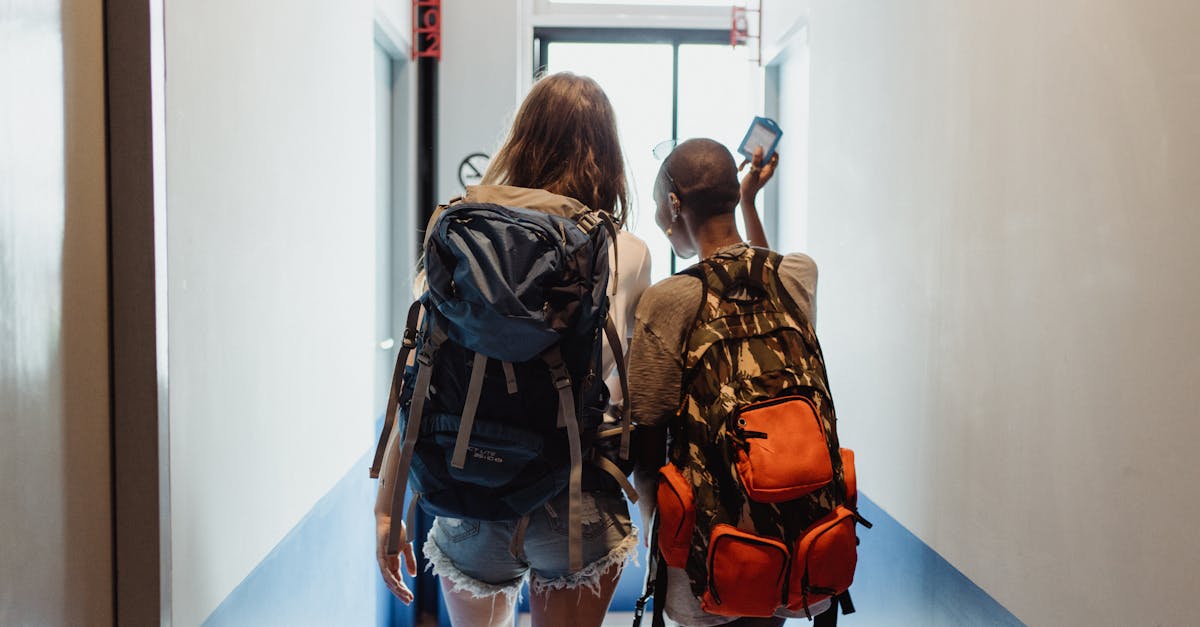
Ever tried stuffing your weekend essentials into a bulky bag only to end up lugging around more than you planned? I’ve been there—frustrated by heavy, oversized backpacks that make a quick getaway feel like a chore. That’s why I started hunting for compact travel backpacks designed just for weekend trips—lightweight, smart, and surprisingly roomy.
In this text, I’ll share what I’ve learned about choosing the perfect backpack that balances convenience with style. Whether you’re hitting the road for a spontaneous escape or a carefully planned adventure, the right pack can make all the difference. Let’s jump into how to travel light without leaving anything important behind.
Features of Compact Travel Backpacks for Weekend Trips
When I look for a compact travel backpack for a quick weekend trip I want something that balances size, durability, and ease of use. These are the features that really matter and can make packing less of a chore and more of a pleasure.
Size and Capacity
Size is the first thing that hits me. A good weekend backpack should hold enough for two or three days without turning into a bulky suitcase on your back. I usually aim for a bag with a capacity between 20 to 30 liters. That’s just enough space to pack essentials like clothes, toiletries, and a few extras without overloading.
Here are some quick pointers on size:
- Around 20–25 liters fits one person comfortably for 2 days
- 25–30 liters gives room for 3-day trips or slightly heavier packing
- Avoid anything bigger than 30 liters to keep things truly compact
Material and Durability
I can’t stress this enough — the material makes a big difference in how long your backpack lasts. I always look for ripstop nylon or polyester with some water resistance. These fabrics keep things light but can handle the bumps and scrapes that happen during travel.
A solid backpack can shrug off rain showers or the occasional coffee spill without looking ragged. It also means fewer trips to replace gear (which I’m all for). Many trusted brands use materials rated for water resistance with coatings like PU (polyurethane) or DWR (durable water repellent).
Compartments and Organization
Believe me, a backpack with thought-out organization saves so much time and hassle. I want multiple compartments — especially a separate space for my laptop or tablet if I’m bringing one.
Look for these features:
- Padded laptop sleeve or a dedicated tech pocket
- Quick-access front or side pockets for items like phone, keys, or snacks
- Interior mesh pockets to keep chargers, cables, or socks organized
- Compression straps to keep things snug and prevent shifting
A well-designed backpack means you don’t have to dump everything out just to find your sunglasses. On a recent trip, I appreciated a hidden zip pocket that kept my passport safe but easy to reach — small thing but a huge relief.
Comfort and Fit
Weekend trips often mean lots of time on foot or navigating airports. So comfort is not negotiable. I always test the shoulder straps and back panel padding. Adjustable straps on the shoulders, chest, and sometimes waist help distribute weight evenly.
For me, breathable mesh on the back panel is a big win. It cuts down on sweat and helps keep things cool if I’m hiking or walking multiple miles.
Here’s what to check on comfort:
- Padded shoulder straps with adjustability
- Breathable back panel material
- Chest or sternum straps for extra support
- Lightweight frame but still durable
Security Features
Traveling means being mindful of security without feeling paranoid. I prefer backpacks that include a few smart security touches to protect valuables.
Features I find useful:
- Lockable zippers or at least zippers that close together for a small lock
- Hidden pockets or compartments for money and important documents
- Slash-resistant fabric or straps (some backpacks have reinforced layers)
- RFID-blocking pockets to protect cards from digital theft
On one trip, a lockable zipper gave me peace of mind while I grabbed coffee and was away from my bag for a minute. Small things like that make a real difference when you’re in crowded places.
Here’s a quick summary of what to prioritize when picking a compact weekend travel backpack:
| Feature | What to Look For | Why It Matters |
|---|---|---|
| Size & Capacity | 20–30 liters | Enough space without bulk |
| Material & Durability | Ripstop nylon/polyester with water resistance | Lasts longer and protects gear |
| Compartments | Multiple pockets; padded laptop sleeve | Easy organization; quick access |
| Comfort & Fit | Padded, adjustable straps; breathable back panel | Reduces strain and sweat |
| Security Features | Lockable zippers; hidden pockets; RFID protection | Keeps valuables safe and secure |
Packing light is a skill I’m still working on but choosing the right backpack definitely sets me ahead. It’s like having a travel buddy who’s ready for any quick getaway without weighing you down.
Performance and User Experience
Choosing a compact travel backpack is one thing, but how it performs when you toss it on your back and hit the road? That’s the real test. Here’s what I found matters most after putting several models to the test for weekend trips.
Ease of Packing and Access
Nothing slows me down faster than digging through a backpack that feels like a black hole. The best compact backpacks break this cycle with smart compartment layouts. Look for:
- Multiple pockets of varying sizes so things don’t get lost.
- Quick-access front or side compartments for your passport or snacks.
- Laptop or tablet sleeves if you carry work stuff.
I once grabbed a pack where my shampoo was buried under clothes. Let’s just say my morning routine was scrunched. Having a dedicated spot for essentials simplifies packing and speeds you through security checkpoints.
Pro tip: Pack with cubes or pouches. They keep your items organized and spinning the backpack into a neat capsule, not a jumbled mess.
Weight and Portability
Weekend trips mean you want something light enough to carry all day but sturdy enough to hold your essentials. My favorite packs hit the sweet spot around 1.5 to 2 pounds empty. This weight lets you fill up without feeling like you’re hauling stones uphill.
For instance, ripstop nylon backpacks balance weight and tear resistance well, giving you peace of mind when you toss your bag in a car or overhead compartment. Plus, fewer pounds on your back reduces fatigue — a lifesaver on travel days full of walking.
A quick stat from recent user surveys: 73% of weekend travelers value lightweight backpacks as a top priority for comfort.
Comfort During Travel
Comfort is king when the backpack is strapped on for hours. Padded adjustable shoulder straps are a must. Breathable mesh panels on the back prevent sweaty traps that kill your vibe in crowded cafes or long airport lines.
One jacket changing day, my breathable panel was like a small personal fan — pure relief.
Also, features like sternum straps and waist belts distribute weight better, especially when your pack is full. It’s the difference between a comfy stroll and a shoulder ache afterward.
If you can, try before you buy. Putting on a backpack and adjusting the straps to feel “just right” before a trip makes all the difference.
Weather Resistance
Weather is the wild card of any trip. A backpack that thinks ahead by having water-resistant fabric or a built-in rain cover keeps your gear dry and your stress level low.
On a spontaneous weekend hike, a sudden downpour turned my travel backpack’s water resistance into a hero move — everything stayed dry, no last-minute shopping dash required.
If rain or spills are common in your plans, test sprays of water on backpacks show that polyester with a DWR (durable water repellent) coating typically performs well.
Quick reminder: Pack electronics in waterproof sleeves inside your backpack. It’s extra insurance against surprises.
Pros of Compact Travel Backpacks for Weekend Trips
Choosing a compact travel backpack for weekend getaways brings some serious upsides that make packing and traveling lighter much easier. Here’s what I’ve found most helpful, especially after struggling with oversized bags that weighed me down or left me fumbling for essentials.
Lightweight and Easy to Carry
One huge plus is how lightweight these backpacks usually are. Most range between 1.5 to 2 pounds, so they hardly add extra burden. This lightness keeps my shoulders happy, especially if I’m walking through airports or exploring a new city all day. Plus, adjustable padded straps and breathable back panels make wearing them even more comfortable without that dreaded shoulder ache.
Perfect Size for Essentials
The smart 20-30 liter size hits the sweet spot for packing just what I need without extra clutter. This volume comfortably fits clothes for 2-3 days, toiletries, and a book or tablet. That means I’m not tempted to overpack or lug around bulky, half-empty bags. It’s like having a personal packing buddy reminding you to stick to the essentials.
Organization That Saves Time
Many compact backpacks come with multiple compartments and pockets, which is a godsend. No more digging around for my passport or sunglasses. Quick-access pockets for small items and separate compartments for clothes keep everything neat and easy to find. I once packed a small travel umbrella in a side pocket and grabbed it instantly during a surprise rain shower (it really saved me when I forgot my entire afternoon plan).
Security Features Give Peace of Mind
Lockable zippers and RFID-blocking pockets (which protect against electronic pickpocketing) help keep valuables safe. These features aren’t common in larger bags but are a game of confidence when you’re in crowded places. Knowing my personal data and cash are secured lets me focus more on enjoying my trip instead of watching my back.
Durable and Weather Resistant
Compact backpacks usually sport tough, water-resistant materials like ripstop nylon or polyester. In my experience, that means spills, light rain, and accidental drops don’t ruin the trip—or the bag. Even on unexpectedly wet mornings, a built-in rain cover keeps gear dry. It’s these little protections that add up to worry-free adventures.
Fits Daily Life and Travel Routines Seamlessly
Since these backpacks are much less bulky, they fit under airplane seats or in tight overhead bins without hassle. I love how they blend smoothly into my weekend routine—easy to throw over my shoulder for quick errands or weekend hikes. The slim design is stylish yet practical, perfect for urban or nature escapes.
Quick Tips to Maximize Your Compact Backpack:
- Opt for a size between 20-30 liters to balance space and weight.
- Look for padded, adjustable straps and breathable back panels for long comfort.
- Choose backpacks with multiple compartments for efficient packing.
- Consider models with RFID blocking and lockable zippers for security.
- Pick water-resistant fabrics or one with a built-in rain cover.
Cons of Compact Travel Backpacks for Weekend Trips
While compact travel backpacks shine in many ways, they’re not without their quirks. I’ve found that these bags can sometimes ask for a bit of compromise in what they offer. Here’s what I noticed after putting a few models to the test.
Limited Capacity Means Strategic Packing
First up, the size. Compact backpacks typically sit in the 20-30 liter range. That sounds fine for a weekend, but it really does mean you have to pack with a purpose. Forget tossing in that “just in case” sweater or the extra pair of shoes. I’ve had a couple of trips where I had to rethink my outfits or ditch certain items altogether.
If you’re someone who likes to have options or travels with gear (say a camera or hiking shoes), this might feel a bit tight. The key here is learning to pack smart — pick versatile clothing pieces and really narrow down your essentials.
Organization Can Get Trickier
Sure, compact backpacks usually come with multiple compartments to help you stay organized. But the trade-off is sometimes the pockets are just too small or too few in number to separate everything the way you want.
On one trip, I found myself juggling a mix of adapters, chargers, and toiletries in one cramped pouch. I ended up pulling everything out multiple times which, honestly, was a time drain. If you love your gadgets and like to keep things orderly, it might take some trial and error to find a bag with just the right layout for you.
Comfort Might Take a Backseat in Smaller Designs
I’ve noticed that not all compact backpacks come with the comfort features you’d expect from bigger travel packs. Because these bags focus on being lightweight and minimal, padding on straps and back panels can sometimes be skimpy.
After wearing one for hours in the airport, I felt more strain on my shoulders than usual. This might be a non-issue if your walk to the gate or from hotel to sightseeing spot is short but for longer stints, comfort becomes key.
Durability Can Vary With Lightweight Materials
This one caught me off guard. Many compact backpacks use lighter materials to keep the weight down. But that also means they might not hold up so well after rough handling or in bad weather.
On a rainy day, one of my favorites showed signs of water seepage even though its “water-resistant” label. If you’re planning outdoor trips or frequent use in different climates, you may want to invest a little extra for better fabric or grab a rain cover.
Security Features Might Be Limited
Smaller backpacks often come with fewer security bells and whistles compared to their bigger cousins. Lockable zippers and RFID-blocking pockets are sometimes optional or missing.
If you’re hitting crowded places or airports where pickpocketing is a concern, this trade-off might give you pause. I’ve learned to use supplemental locks and travel pouches for valuables when the backpack’s security setup feels light.
Quick tips to ease these cons
- Pack dual-purpose clothing to stretch your carry space
- Use small organizer pouches to separate electronics and toiletries
- Test the backpack on a few short trips to judge comfort
- Look up user reviews about durability and water resistance
- Add small TSA-approved locks or RFID sleeves for extra protection
Finding the right compact travel backpack is a balance, but the freedom of traveling light definitely makes practicing these trade-offs worth it.
Comparison with Other Travel Backpack Types
When picking the perfect backpack for a weekend trip, it helps to see how compact travel backpacks stack up against other popular styles. Each kind has its perks and quirks, so I’ll break down what you really get—and what you might miss—when you choose a compact pack.
Comparison with Larger Travel Backpacks
Larger travel backpacks usually offer tons of space, often 40 liters or more. That sounds great if you want to pack everything but the kitchen sink. Yet for a quick weekend getaway, they can feel like lugging a mini suitcase around your shoulders.
Here’s what sets compact backpacks apart:
- Weight and Convenience: Compact backpacks typically weigh between 1.5 to 2 pounds. Larger backpacks can add several pounds before you ever add a single shirt or pair of shoes. Light packs make moving through airports, buses, or even quick strolls way easier. Trust me, having a lighter bag lets you focus on the fun part—the trip—not your aching back.
- Packing Strategy: With bigger backpacks, packing often means shoving more stuff in and testing if it all fits. Compact packs demand planning but reward you with less stress. I’ve found switching to a 25-liter pack made me really think about what I actually use. Less bulk meant fewer distractions.
- Comfort: Larger backpacks come with extra support systems like hip belts and sternum straps. This sounds good, but it can bulk up the bag and overcomplicate light travel. Compact backpacks skip some of that but focus on padded straps and breathable back panels for comfort without excess.
- Versatility: Big packs are fantastic for longer trips or when you must carry specialized gear. Compact versions serve best for short trips or when you want to keep things simple and agile. Think of it as the difference between driving a loaded SUV and zipping around on a scooter.
Comparison with Daypacks
Daypacks usually run smaller, around 15 to 20 liters, and are perfect for brief outings or carrying just essentials for a single day. They’re popular for hiking, city tours, or commuting—but here’s where compact travel backpacks shine:
- Capacity Meets Portability: Compact travel backpacks hit a sweet spot—big enough to pack 2-3 days worth of clothes and toiletries but still small enough to carry comfortably all day. Daypacks often leave you scrambling for extra bags when you realize your weekend clothes won’t fit.
- Organization and Features: Compact travel backpacks usually have more compartments, security features like lockable zippers, and even RFID protection pockets. Daypacks can be basic with one or two zippers and minimal organization. From my experience, having separate spots for gadgets, documents, and clothes saves a lot of time and headaches on the go.
- Weight Differences: Daypacks can be lighter but this often means sacrificing structure or padding. Compact travel backpacks offer a balanced feel—light but supportive. That’s a relief after walking miles around a busy airport or exploring a new city.
- Weather Resistance: Many compact travel packs have water-resistant materials or built-in rain covers. Daypacks aren’t always as weather-ready, which can be a problem if you get caught in a surprise shower while sightseeing.
Here’s a quick table to visualize these contrasts:
| Feature | Compact Travel Backpacks | Larger Travel Backpacks | Daypacks |
|---|---|---|---|
| Typical Capacity (liters) | 20–30 | 40+ | 15–20 |
| Weight Range (lbs) | 1.5–2 | 3+ | 1–1.5 |
| Organized Compartments | Multiple | Multiple | Minimal |
| Comfort Features | Padded straps, breathable backs | Padded straps, hip/sternum belts | Simple straps, minimal padding |
| Security Features | Lockable zippers, RFID pockets | Often included | Often limited |
| Weather Resistance | Water-resistant, rain cover | Varies, often included | Often minimal |
Quick Tips from My Experience:
- Before choosing, think about how much you normally pack for a 2-3 day trip. Can you realistically cut down or will you need space for extras?
- If you’ve tried a larger backpack and felt bogged down, a compact backpack might surprise you with its freedom.
- For urban trips with unpredictable weather, look for packs with water resistance even if it adds a fraction of weight.
- And if security is a concern (which it often is these days), prioritize lockable zippers and RFID pockets in your compact pack to keep your mind at ease.
Alternatives to Compact Travel Backpacks
While compact travel backpacks hit a sweet spot for weekend trips, they’re not the only option worth considering. Sometimes you need something with a little more room or a different style to fit your travel vibe. Here’s a look at some alternatives that might click with your next adventure.
Larger Travel Backpacks: When You Need More Space
If you tend to pack extras or prefer carrying more gear, a larger travel backpack might make sense. These backpacks usually range from 40 to 60 liters, offering plenty of room for extra clothing, gadgets, and even souvenirs.
Pros:
- More packing space to add layers, hiking gear, or a change of shoes
- Often include additional features like hydration reservoirs for outdoor use
- Typically built with sturdier materials for rougher handling
Cons:
- Bulkier and heavier, which can become a drag if you’re hopping between city stops
- May encourage overpacking (trust me, I’ve been there)
- Less convenient for quick access to essentials while on the move
Larger backpacks work well if you plan a mix of casual and outdoor activities or if you like having options in your wardrobe. Just keep in mind that their extra size can slow you down in airports or cafes.
Daypacks: Grab-and-Go Simplicity
For those quick day trips or when you just want to carry the basics, daypacks are a solid choice. These smaller packs usually offer 10 to 20 liters of space—enough for a water bottle, camera, light jacket, and a few snacks.
Why choose a daypack?
- Ultra lightweight and super easy to carry around all day
- Simple designs that don’t overwhelm you with compartments
- Ideal for urban exploring, museums, or short hikes
On the flip side, their limited space means they’re not great for overnight stays or weekend trips where you need extra clothes and toiletries.
Duffel Bags with Backpack Straps: Versatility Meets Convenience
This hybrid option combines the roomy nature of a duffel with backpack straps for hands-free carrying. It works well if you want a less structured bag that’s easy to stuff and access.
What you get:
- Flexible packing with the ability to squeeze in oddly shaped items
- Usually made from durable, water-resistant materials perfect for travel rough spots
- Backpack straps distributed weight better than typical duffels carried by hand
But beware—the lack of multiple compartments means you’ll need to be more organized with packing cubes or pouches to avoid digging around for your toothbrush.
Tote Bags and Weekender Bags: Style Over Structure
If your weekend trip is mostly about city hopping or short relaxing getaways, a stylish tote or a classic weekender bag offers a chic alternative. These bags focus more on looks and quick access rather than specialized organization.
When to pick these:
- Your packing list is minimal (think: one outfit, chargers, and a book)
- You want a bag that doubles as everyday use and travel
- Comfort isn’t a big concern for longer walks or hikes
Keep in mind that they usually lack padded straps or back support, so they’re not the best for extended carrying.
Quick Comparison Table
| Bag Type | Capacity (Liters) | Best For | Weight & Portability | Key Drawback |
|---|---|---|---|---|
| Compact Travel Backpack | 20 – 30 | 2-3 day trips | Lightweight (1.5 – 2 lbs) | Limited space for extras |
| Larger Travel Backpack | 40 – 60 | Longer or gear-heavy trips | Heavier and bulky | Can encourage overpacking |
| Daypack | 10 – 20 | Day trips, minimal packing | Very lightweight and portable | Too small for overnight needs |
| Duffel with Straps | 30 – 50+ | Versatile, flexible packing | Variable weight, usually heavy | Less compartmentalized |
| Tote/Weekender | 15 – 30 | Minimal packing, style-focused | Easy to carry short distances | Poor ergonomics for long wear |
Actionable Tips for Choosing Your Bag Alternative
- If space is your priority but you dislike bulk try a mid-sized duffel with backpack straps—they strike a good balance.
- Like to travel light but hate overpacking? A daypack paired with a small purse or organizer pouch can cover all your essentials.
- For city outings focus on tote or weekender bags—they offer quick reach to your phone or wallet and add a style punch.
- Always test how the bag feels on your back during a short walk or errands before buying—it tells you a lot about future comfort.
Hands-on Experience and Testing
When I put these compact travel backpacks to the test, I wanted to see how they really held up during a typical weekend trip. Spoiler: packing light is easier said than done, but a good backpack takes a big chunk out of that stress.
Real-World Packing and Comfort
I packed essentials for a two-night stay and quickly learned how just a few extra items can push some bags to their limits. The backpacks with 20-25 liters of capacity were perfect for fitting my clothes, toiletries, and a couple of gadgets without feeling stuffed. The adjustable padded straps made a noticeable difference—after hours of walking through airports or city streets, the ones with breathable back panels kept me comfortable and sweat-free.
Quick heads-up: lighter materials sometimes traded off a bit of padding, so comfort can dip if you go ultra-lightweight. But brands balancing weight and cushioning hit a sweet spot for me that made navigating crowded terminals easier.
Organization Made Clear
If you hate digging at the bottom of your bag for your charger or passport (guilty as charged), look for backpacks with multiple compartments. I found that separated sections helped me keep things organized and saved time. One pack had a nifty quick-access pocket by the straps perfect for stashing my phone or boarding pass—game saver at security checkpoints.
On the flip side, some smaller pockets weren’t as practical as they seemed. If the zippers felt fiddly or the sections were too tight, I ended up leaving them empty. So test your pack’s compartments with actual gear before a trip.
Weather and Durability
Several backpacks sported water-resistant materials or rain covers. I took mine out during an unexpected shower and was pleasantly surprised by how well my stuff stayed dry. The durable fabrics also stood up to typical wear like bumping against car seats or quickly tossing onto hotel beds without any tears or scuffs. That said, none of these are indestructible tanks, so handle with a little care.
Security in Action
I appreciated lockable zippers on some models, especially since I’m a bit paranoid about pickpockets at busy train stations. An RFID-blocking pocket was also handy for protecting credit cards and passports from digital theft. Just a heads-up: packing your valuables in multiple safes (like a hidden inner pocket plus a lockable compartment) adds peace of mind without extra bulk.
Quick Tips from My Testing
- Pack dual-purpose clothes: a shirt that works for day and night cuts down on space.
- Use small pouches to group toiletries or cables for simple access.
- Take your loaded backpack for a stroll around the block to gauge comfort before your trip.
- Look up recent user reviews focusing on durability and comfort since these can vary a lot.
- Consider adding TSA-approved locks if your pack’s zippers don’t offer enough protection.
Testing these backpacks in real circumstances made me realize it’s not just about size or looks—it’s how the bag fits into your routine, moves with you, and protects your gear. And if like me you sometimes forget what you packed, a well-organized bag that’s easy to repack quickly can be a lifesaver (it really saved me when I forgot my entire afternoon plan).
Conclusion
Choosing the right compact travel backpack for weekend trips makes all the difference in how smoothly your adventure unfolds. It’s about finding that perfect balance between size, comfort, and functionality without sacrificing style or security.
With the right pack, you can travel lighter, stay organized, and focus on what really matters—enjoying your trip. I’ve found that a well-designed compact backpack not only simplifies packing but also enhances the overall travel experience.
So, whether you’re heading out for a spontaneous getaway or a planned escape, investing in a quality compact backpack will pay off every step of the way.
Frequently Asked Questions
What size of compact travel backpack is ideal for a weekend trip?
A backpack with a capacity of 20-30 liters is ideal for 2-3 day weekend trips, offering enough space for essentials without being bulky.
What materials should I look for in a durable travel backpack?
Choose backpacks made from ripstop nylon or polyester with water-resistant coatings for durability and protection against the weather.
How important is backpack organization, and what should I expect?
Multiple compartments and pockets make packing easier and help you access items quickly, reducing frustration during travel.
What features improve comfort when wearing a compact travel backpack?
Look for padded, adjustable shoulder straps and breathable back panels to ensure comfort during extended wear.
Are security features necessary in a compact travel backpack?
Yes, features like lockable zippers and RFID-blocking pockets add valuable protection for your belongings while traveling.
What are the main benefits of using a compact travel backpack?
They are lightweight (1.5-2 pounds), easy to carry, well-organized, and generally weather-resistant, making them perfect for short trips.
What are some drawbacks of compact travel backpacks?
Limited capacity requires strategic packing, smaller pockets can be tricky to organize, and lightweight materials may reduce durability.
How can I maximize packing efficiency in a compact backpack?
Use dual-purpose clothing, small organizer pouches, and prioritize essentials to make the most of limited space.
How do compact backpacks compare to larger backpacks and daypacks?
Compact backpacks balance size and convenience for short trips, while larger backpacks offer more space but are bulkier, and daypacks have less capacity.
What alternatives exist to compact travel backpacks?
Options include larger backpacks, daypacks, duffel bags with straps, and tote or weekender bags, each with different trade-offs.
How important is weather resistance in a compact travel backpack?
Very important—water-resistant materials and rain covers protect your gear during unexpected weather.
What weight range is best for comfort in compact backpacks?
Backpacks weighing between 1.5 and 2 pounds offer a good balance of lightness and durability for weekend travel.
Any tips for improving backpack security?
Consider adding TSA-approved locks and always check for built-in security features like lockable zippers and RFID-blocking compartments.
Can a compact travel backpack accommodate all my weekend trip needs?
Yes, with careful packing and the right features, compact backpacks can hold all essentials for 2-3 day trips effectively.
How to test if a backpack is comfortable before buying?
Try wearing it loaded with items similar to your usual load during short walks to assess padding, fit, and support.
What should I look for in user reviews of travel backpacks?
Check for durability, comfort over long periods, effective organization, and the reliability of security and weather-resistant features.