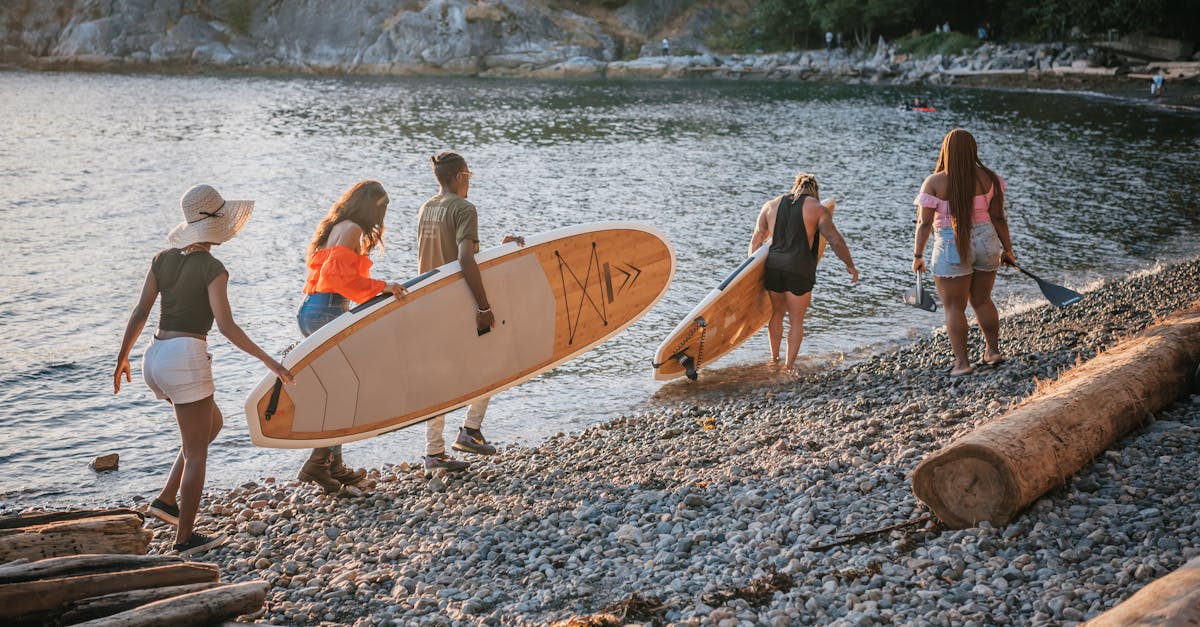
Ever stood by a shimmering lake and wondered how it would feel to glide across the water on a paddle board without very costly? I’ve been there, craving that peaceful balance between adventure and affordability. Finding the right paddle board under $500 doesn’t mean settling for less—it means smart choices and knowing what to look for. In this guide, I’ll share what I’ve learned about beginner-friendly boards that deliver quality and fun without emptying your wallet.
Overview of Paddle Boards for Beginners Under $500
Finding a good paddle board that fits both your beginner skill level and budget can feel like searching for a needle in a haystack. But here’s the thing: paddle boards under $500 have come a long way. They’re more than just entry-level toys; many offer solid stability, decent durability, and easy handling right out of the box.
When I first looked into affordable boards, I wanted something forgiving—stable enough so I wouldn’t spend half my time wobbling or falling. Most boards in this price range are inflatable, which means they’re lighter, easier to store, and nicer for casual use around calm lakes or gentle rivers. Inflatable models use PVC layers with woven fibers inside to keep the shape firm but flexible. Think of it like a sturdy air mattress instead of a rigid surfboard.
Here’s what typically stands out in beginner boards under $500:
- Size and Stability: These boards usually fall between 9 to 10.5 feet long and around 30 inches wide. Wider boards mean more balance, which beginners really appreciate.
- Weight Capacity: Many handle between 200 to 250 pounds comfortably, which covers most riders plus a little gear.
- Material and Construction: Double-layer PVC is common here, which is durable enough for casual paddling but won’t last as long as high-end models.
- Accessories Included: It’s nice when they come with basics like a paddle, a pump, and a carrying bag. This saves you from extra trips to the store and lets you hit the water faster.
Still, keep in mind that while these boards perform well for beginners, they won’t match the tracking or speed you’d get from pricier models. But for learning the ropes, having fun, and sticking within a $500 budget? These boards do the job nicely.
In terms of brands, you’ll see names like Intex, SereneLife, and Gilaxy pop up frequently. They balance affordability with surprisingly good build quality. Also, user reviews often highlight their ease of use and stable ride, vital points for anyone just starting out.
Quick Tips:
- Prioritize boards that mention stability and weight capacity.
- Look for packages that include a sturdy paddle and pump.
- Take note if the manufacturer offers decent warranty or customer support — it can be a lifesaver.
Whether you want to paddle on a lazy weekend or just get some fresh air after work, boards under $500 help you enjoy the sport without the pressure of making a big investment right away. I found that starting here gave me the confidence to paddle more often and think about upgrades later on.
Features to Look for in Beginner Paddle Boards
Picking the right paddle board is like finding the perfect pair of sneakers for a jog. You want comfort, support, and something that feels just right. For beginners shopping under $500, a few key features can make all the difference in how enjoyable and easy your paddle boarding experience will be.
Size and Weight
Size matters here, but it’s more about how the board fits you and your paddling needs. For starters, a length between 9 and 10.5 feet strikes a good balance. It’s long enough to glide smoothly yet short enough to maneuver easily. Width is just as crucial—boards around 30 inches wide tend to offer better stability, which can calm the nerves of anyone wobbly on the water (been there myself).
Weight is another thing I check. Lighter boards are easier to carry from the car to the water and back. Inflatable options often weigh less than hard boards, making them perfect for beginners who don’t want to wrestle with a heavy slab every weekend. Keep in mind your own weight plus gear—most beginner boards support about 200 to 250 pounds, which takes care of most casual paddlers.
Material and Durability
If you’re like me, you want a board that can handle more than just gentle lake paddling without falling apart. Most boards under $500 use double-layer PVC for the inflatable body. This material offers decent durability and can survive bumps against underwater rocks or docks, which I learned the hard way on my first trip.
Inflatables give you the bonus of easy storage and transport—it’s like having a board that deflates into a giant beach ball (but way cooler). Solid, hard boards in this range tend to be heavier and less common but offer good rigidity. Just remember that durability also depends on care. Treat your board well, rinse off salt water, and check for leaks frequently.
Stability and Design
When you’re new to paddle boarding, stability often feels more important than speed or sleekness. That’s why wide, flat boards with a thicker profile win points here. They offer a lower center of gravity and steadier balance, making it easier to stand and paddle without feeling like you’re about to take an unexpected swim.
Look for boards with a wider nose and tail as well—these shapes lend extra balance during turns and when you shift weight. Some models include textured decks that help your feet grip better, which beats slipping around in wet socks any day (lesson learned). Also, many boards have multiple fins or a single large fin underneath; this fin improves tracking so you glide straight rather than zig-zagging unnecessarily.
Accessories Included
Here’s the kicker—many beginner boards under $500 come as full kits. They often include an adjustable paddle, a high-pressure pump for inflating, and sometimes a carry bag or leash. Having these accessories bundled means no extra trips to the store or purchases later, which keeps things simple and affordable.
I always recommend checking the paddle length—adjustability is key since you’ll want the paddle to fit your height comfortably. An awkward paddle can make your arms tire quickly, or worse, spoil your fun. Pumps should be sturdy yet easy to use because inflating a board without a good pump feels like a mini workout itself (and not the fun kind).
Quick Takeaways:
- Aim for 9–10.5 feet long and about 30 inches wide for balanced stability and ease of use
- Double-layer PVC inflatables offer a good mix of durability and portability
- Look for boards with wider noses and textured decks for improved balance
- Choose kits that include adjustable paddles and pumps to simplify your start
With these practical tips, you’re better equipped to pick a board that fits your beginner needs like a glove (or paddle, in this case). The right features don’t just support your first few outings; they set up a smooth path for many adventures ahead.
Top Paddle Boards for Beginners Under $500
Finding a paddle board that fits both your beginner needs and your budget can feel like searching for a needle in a haystack. That said, I’ve rounded up some solid options that promise stability, durability, and that extra bit of confidence for your first paddling adventures—all without very costly.
Detailed Review of Each Model
1. Intex Explorer K2 Inflatable Paddle Board
This board surprised me with its sturdy build and ease of use. Made from rugged vinyl it offers decent durability against those rookie scrapes and bumps (because, hey, we all hit a rock or two when starting out). Inflatable design means packing it up for storage or transport is refreshingly hassle-free. The Explorer K2 shines with a solid weight capacity of 400 pounds which means it’s roomier for beginners who want extra stability or even a pet or kiddo along for the ride. Plus, it comes as a kit: paddle, pump, and even a repair patch—ready to roll out of the box.
Quick Takeaways:
- Weight capacity: 400 lbs (great for stability)
- Length x Width: 10’6” x 32” (stable and roomy)
- Inflatable and easy to transport
- Includes paddle, pump, and repair kit
2. SereneLife Inflatable Stand Up Paddle Board
At just under $500, this board feels like a steal. It offers a nice balance of lightweight handling and ruggedness thanks to its double-layer PVC construction. Double-layer PVC just means there are two layers of tough plastic material bonded together—a common way to boost durability for inflatables. What really won me over was the textured deck providing an anti-slip surface. That’s crucial for beginners still working on their balance, especially on choppier waters. Oh and it’s 10 feet long which hits the sweet spot for stability without feeling cumbersome.
Best For: Those wanting something that’s easy to maneuver yet stable enough for lakes and calm rivers.
3. GILI Sports Vista Paddle Board
This board sets itself apart with its emphasis on beginner-friendly features. It’s slightly narrower, around 30 inches, perfect for folks who want a more traditional “surfboard” feel but still need that forgiving balance. The included adjustable paddle reminded me how important it is to get the right height for your paddle—which makes paddling less exhausting (something I underestimated in my early days). Users rave about the board’s smooth glide and the rigidity it achieves even though being inflatable. It packs well and inflates quickly—points I can’t overlook for a beginner with limited storage space.
What Stands Out:
- Adjustable paddle included
- Lightweight and easy to carry
- Good for lakes and mild ocean use
4. SereneLife Seadart Inflatable Paddle Board
Another solid entry from SereneLife, the Seadart stands out with extra accessories in its package. It includes a backpack to carry everything and a removable fin, which adds to tracking stability in water. The board holds about 300 pounds, excellent for most beginners. I liked how this board’s slick profile makes it easy to cut through calm water but still offers enough width for confident standing. Bonus: The deck is far grippier than expected at this price point—perfect to keep you planted.
Why It Works:
- Comes ready with a backpack and pump
- Removable fin helps steer straight
- Weight capacity: 300 lbs
Quick Comparison Table
| Model | Length | Width | Weight Capacity | Included Accessories | Price Range |
|---|---|---|---|---|---|
| Intex Explorer K2 | 10’6” | 32” | 400 lbs | Paddle, pump, repair kit | ~$300-$400 |
| SereneLife Inflatable | 10’ | 30” | 275 lbs | Paddle, pump | ~$400-$480 |
| GILI Sports Vista | 10’ | 30” | 275 lbs | Adjustable paddle, pump | ~$450-$500 |
| SereneLife Seadart | 10’ | 31” | 300 lbs | Paddle, pump, backpack, fin | ~$400-$500 |
Still wondering if any of these will really fit into your daily routine? Inflatable boards win hands down when it comes to convenience. I’ve seen friends pack them into their cars for weekend lake trips or store them in tiny apartments without an issue. The included kits remove guesswork, meaning you can spend less time assembling and more time paddling. And from my experience, those wider and textured decks make falling in less likely (and less embarrassing).
Picking a beginner board under $500 doesn’t have to feel like settling. These options show you can get stable, durable, and user-friendly gear that helps build your confidence on the water—one paddle stroke at a time.
Performance and User Experience
When I first started paddle boarding, the ease of use and comfort on the water made all the difference. Paddle boards under $500 can surprise you with how well they perform once you get the hang of things. Here’s what I found matters most in this price range.
Ease of Use for Beginners
Getting started with a paddle board should feel more like a breeze than a workout. Most beginner boards under $500 are inflatable, which means they float well and don’t weigh a ton. This makes them easier to carry to the water and handle once you’re out there.
What really helped me was the adjustable paddle that comes with many of these boards. Being able to customize the length means you won’t overreach or crouch in an awkward way (hello, sore shoulders!). If you’re new, look for:
- Lightweight design (usually under 20 pounds)
- Paddles that adjust to your height
- Simple pressure gauges on the pump to avoid over-inflation
One quick tip: try inflating and deflating your board at home before hitting the lake. This little practice run gets you comfortable with the process and saves time when you’re ready to paddle.
Stability on Water
If you’re starting out, nothing kills the fun faster than tipping over every few minutes. Stability is king for beginners, and luckily plenty of budget paddle boards offer this in spades. Wider boards around 30 to 32 inches give a solid base that feels safe on calm lakes or gentle rivers.
A flat deck with textured padding also keeps your feet planted securely. I remember testing a board that had a really slick surface — let’s just say I was wishing for a pair of ice skates! So keep an eye out for grip features.
Here’s what stability really boils down to:
| Feature | Why It Matters |
|---|---|
| Width (~30 inches) | Bigger surface area = less wobble |
| Length (9-10.5 feet) | Balance between control and steadiness |
| Textured deck pads | Prevent slipping when standing or turning |
For me, choosing a board with these factors built in helped build confidence fast. Plus, it makes practice outings more about learning and less about clinging on for dear life.
Portability and Storage
One reason inflatable boards under $500 fit perfectly with busy schedules is that they don’t require a roof rack or a giant garage. Once deflated, they pack down to the size of a large suitcase. This means storing it under your bed or in a closet is simple — no awkward wall hooks or special racks needed.
When I first got my board, I was surprised at how easy it was to toss the folded package into the trunk of my car or carry it by hand. Plus, most boards come with their own backpack pack, which is a lifesaver on days when you’re juggling gear, snacks, and maybe even a dog leash.
Just a heads-up — some backpacks offer better padding and storage compartments for accessories like pumps, repair kits, and paddles. So if you’re shopping, check how well the carrying bag holds up during longer walks or hikes to your paddle spot.
Quick checklist for portability:
- Lightweight build (under 25 pounds is ideal)
- Comes with a backpack or carry bag
- Easy to inflate/deflate in under 10 minutes
- Packs down compactly to save space at home
Every time I grab my board, I’m reminded that convenient storage and portability turn a paddle trip from being a “big event” into a snap decision to enjoy some water time after work.
These user-friendly features make paddle boards under $500 hit that sweet spot — easy to handle yet solid enough to enjoy real time on the water. If you’re just setting out, focusing on ease, stability, and portability will get you paddling confidently and loving every minute.
Pros of Paddle Boards Under $500
Buying a paddle board under $500 offers plenty of perks, especially if you’re just starting out or want a casual ride on calm waters. I’ve found several reasons why these budget-friendly boards make great companions for beginners.
Affordable Fun Right Away
First off, the price tag is hard to beat. You can get into paddle boarding without a big financial commitment. That means less hesitation, more paddling. Plus, many boards come as complete kits—paddle, pump, and backpack included. No surprise purchases or extra expenses down the road.
Inflatable Design Makes Life Easy
Most boards in this price range are inflatable. That means they’re lightweight and easy to carry around. Trust me, lugging a heavy, rigid board can be a workout before you even hit the water. Inflation and deflation might seem like extra work, but modern pumps are quick and often come with pressure gauges so you don’t have to guess. Storing an inflatable board is a breeze—you can tuck it in a closet or your car trunk without worrying about space.
Stability for Peace of Mind
Beginners need stability. Boards that are wider—usually around 30 inches—offer a steady ride, making it easier to stay upright. I remember my first time out; a stable board kept me confident and focused on enjoying the water rather than constantly worrying about falling. Many morning paddlers and weekend explorers appreciate this stability factor, which these budget boards deliver well.
Durability That Surprises
Don’t let the low cost fool you. Double-layer PVC construction used in many boards under $500 provides decent durability. This means they can handle minor bumps and scrapes (which happen—I know because I’ve bumped into rocks on occasion). While they’re not indestructible, they offer enough toughness for casual use on lakes and gentle rivers.
Easy to Use with Beginner-Friendly Features
Adjustable paddles, textured deck pads for grip, and included repair kits make life easier for newcomers. Nothing like feeling prepared before you launch. For example, the anti-slip surfaces give you that extra security when standing up—especially useful if you like to paddle at sunrise when the deck might still be damp.
Convenient for Everyday Adventures
These boards fit nicely into busy lifestyles. Because they’re portable and don’t require a trailer or roof rack, I’ve seen people bring theirs to parks, beaches, or even on weekend RV trips without fuss. It turns spontaneous paddle sessions from a “nice idea” into something you actually do.
Here’s a quick rundown of what you get for your under-$500 buck:
| Feature | Benefit for Beginners |
|---|---|
| Inflatable Design | Lightweight, easy to transport and store |
| Complete Kits | Paddle, pump, and bag included |
| Wide Boards (~30 inches) | Extra stability to build confidence |
| Double-layer PVC | Durable enough for casual paddling |
| Adjustable Paddles | Customizable fit for different heights |
| Textured Deck Pads | Better grip and safety |
If you’re curious what I consider a must-have, it’s definitely that balance between stability and portability. A board that feels safe but isn’t a pain to haul around makes all the difference in sticking with the sport and loving every minute on the water.
Cons of Paddle Boards Under $500
Alright, let’s get real for a moment. Paddle boards under $500 are fantastic for beginners dipping their toes in the water, but they do have their quirks. I’ve spent time with a few myself, and here’s what I found that might make you pause before clicking “buy.”
Durability Takes a Hit Compared to Higher-End Options
You’re getting what you pay for—those budget-friendly boards often use thinner PVC layers or less advanced materials. That means they’re more prone to dents or small punctures if you’re not careful. For example, bumping into rocks or rough surfaces might leave marks or slow leaks.
- Tip: Always carry a compact repair kit—it saved me once when I caught a tiny tear from a submerged branch.
Performance Can Feel Sluggish
Paddle boards priced under $500 typically emphasize stability over speed or maneuverability. So if you’re dreaming of carving waves or racing friends, these boards might feel a little clunky.
- On calm lakes or slow rivers, they work great.
- But on choppier water, you might notice less responsiveness.
Weight and Bulkiness May Surprise You
Many budget boards are inflatable, which helps with portability, but some models can still feel heavy once inflated. In my experience, lugging a 20-25 pound board across a parking lot after a long day isn’t always fun.
- Pro tip: Check the specific weight before buying and consider how far you need to carry it.
Limited Features and Accessories
Some boards under $500 come with a basic paddle and a pump that barely does the job. Others skimp on extras like leash cords, carrying bags, or adjustable paddles.
- This means you might need to spend extra on gear later.
- Not a deal-breaker but something to keep in mind if you’re starting out.
Warranty and Customer Support Can Be Patchy
I read through customer experiences and noticed some brands in this price range don’t offer extensive warranties or responsive support. That makes me a bit hesitant because if your board develops a defect, it might be a hassle to get help.
- Actionable advice: Before purchasing, read recent customer reviews focusing on after-sale service.
Like with any bargain item, these downsides don’t mean paddle boards under $500 aren’t worth it. They just remind me to be realistic about what you’re getting—a reliable, affordable paddle board that’s great for beginners but won’t replace professional gear as you level up.
Comparison with Higher-Priced Paddle Boards
When looking at paddle boards under $500, they definitely offer a great starting point for beginners. But how do they stack up against their higher-priced cousins? Let me share what I’ve noticed.
Stability and Design
Beginner boards under $500 often focus on stability, which is key when you’re just finding your balance on the water. These boards tend to be wider and thicker, helping you feel steady as you take those first few paddling strokes. Higher-priced boards, but, can be narrower and longer, designed for more speed and maneuverability. So if you want a board that feels like a sports car on water, you’ll usually pay extra for that refinement. For everyday paddle outings and learning, though, the stable, wider boards hold their own really well.
Materials and Durability
Most budget boards use double-layer PVC, which offers decent durability for casual use on lakes or calm rivers. More expensive boards often feature advanced materials like drop-stitch technology combined with stronger layers that increase rigidity without adding much weight. This means they can handle rougher conditions and last longer if you’re out on the water frequently. From personal experience, a $500 board can take some bumps and scrapes, but you do want to avoid rocky shores that might puncture the surface.
| Feature | Under $500 Boards | Higher-Priced Boards |
|---|---|---|
| Material | Double-layer PVC | Advanced drop-stitch with reinforced layers |
| Stability | Wide (around 30 inches) | Narrower, optimized for speed |
| Weight | Slightly heavier when inflated | Lighter due to better materials |
| Durability | Good for casual, calm waters | Suited for frequent, more intense use |
Performance on the Water
While boards in the under $500 category offer solid stability and ease of use, they can feel a bit sluggish compared to premium models. Higher-priced boards are designed for faster paddling and better tracking (that’s how well the board holds a straight path). So if you want to cruise longer distances or try light surfing and carving, spending more might make sense.
That said, many beginners don’t need top-tier speed right off the bat. I often advise friends to focus on comfort and confidence first—you can always upgrade when you’re hooked!
Ease of Use and Accessories
One big perk for budget boards is these often come as all-in-one kits with pumps, paddles, and repair kits included. Higher-end brands sometimes sell accessories separately, which adds to the cost. Some higher-priced boards feature more ergonomic paddles and better inflation valves for faster setup too.
Still, the hassle-free starter packs at this price are a big win for getting on the water quickly without fuss (seriously, I’ve forgotten pumps before, and having one included saved my paddle day).
Overall Value
For about $500, you get a paddle board that fits right into weekend adventures, easy transport, and solid beginner performance without very costly. Paying more can get you that extra boost in speed, lighter weight, and enhanced durability—but for casual paddleboarding, the value here is tough to beat.
Alternatives to Paddle Boards Under $500
If you’re just getting into paddle boarding but aren’t sold on spending close to $500 yet, there are a few alternatives that might fit your budget and lifestyle—without leaving you stranded on the water.
Affordable Kayaks and Canoes
Kayaks and canoes often fall in a similar price range and can be great for beginners looking for stability and ease of use. I found that kayaks especially provide a lower center of gravity which helps with balance—something that beginners need as a confidence booster. Plus, you get a seat, so if standing feels intimidating at first, sitting down doesn’t feel like missing out. Inflatable kayaks are lightweight, pack down small, and often come with paddles included, so you’re ready to go right out of the bag.
- Best for: Calm lakes, slow rivers, and people who prefer sitting over standing.
- Consider: Less maneuverability if you want to mimic the paddleboarding experience exactly.
Paddle Board Rentals or Used Boards
Sometimes renting a paddle board ranges anywhere from $20 to $50 a day depending on where you are. This can be an excellent way to try out the sport without the upfront cost. I’ve lent boards to friends who wanted to test the waters (literally)—and it helped them decide what features mattered most without spending a fortune.
If you are ready for ownership but still want to keep it under $500, used boards can be a hidden gem. You’ll want to check for any leaks or patchwork on inflatables. Websites like Craigslist and Facebook Marketplace can surprise you with deals, but always ask questions and, if possible, inspect the board in person.
Stand-Up Paddleboard Alternatives for Fun and Fitness
If your goal is more about casual fitness or trying paddle boarding without buying gear, consider water-based fitness classes like SUP Yoga or paddleboard fitness sessions offered locally. Sometimes all you need is access to a shared board!
Or you might try balance boards or surf trainers at home—these aren’t paddle boards but help build the core strength and balance you’ll need. I once used a balance board before hitting the water, and it cut down my wobbling moments significantly.
Key Takeaways to Decide What’s Best for You
- If you want a similar water experience but prefer sitting or lower height, a kayak might feel just right.
- Renting lets you test various board styles without commitment.
- Used paddle boards can be a budget-friendly way to own a board if you’re willing to check condition carefully.
- Balance and fitness training can prep you for paddleboarding fun after you pick your board.
Feel free to keep an open mind when shopping around. I’ve found that understanding how you plan to use your board (calm lake paddling versus ocean adventure) makes choosing alternatives much easier. And remember, enjoying the water is what counts—whether you’re standing, sitting, or just dipping your toes in.
Tips for Choosing the Right Beginner Paddle Board
Picking your first paddle board can feel a bit like shopping for a new pair of shoes—you want something that fits just right without very costly. I’ve spent time trying out several beginner boards under $500, so here are some straightforward tips that helped me (and should help you too) find a board that matches your needs.
Look for Stability and Size That Matches You
One of the first things I learned is how much stability matters when you’re just starting out. Wider and longer boards give you better balance so you don’t spend more time in the water than on the board. Aim for:
- Length: About 9 to 10.5 feet. Longer boards track better (go straight) but can be a bit heavier.
- Width: Around 30 inches gives you the right mix of stability without feeling bulky.
- Weight Capacity: Check the max weight. Many boards under $500 handle between 200 to 250 pounds, which covers most beginners comfortably.
These sizes helped me stay steady, especially when I was wobbling a lot. If you’re close to the weight limit or planning to carry gear, it’s wise to pick a board rated a bit higher to avoid trouble.
Inflatable or Hard? Choose What Works for Your Lifestyle
At this price point, most beginner boards are inflatable. That was actually a win for me because they’re lighter and easier to carry around or store in my apartment closet. Inflatable boards are made from layers of durable PVC—a kind of plastic that handles minor bumps well so you don’t have to stress over perfect treatment.
On the flip side, hard boards feel a bit faster on the water but tend to be heavier and pricier. If you’re tight on storage or want to travel light, inflatable is the way to go. Plus, inflatables often come with handy accessories like pumps and paddles right out of the box—less fuss setting up.
Deck Design: Grip Matters More Than You Think
I quickly realized that a textured, non-slip deck pad is essential. When your feet stay put it’s easier to relax and enjoy paddling without worrying about sudden slips. Soft EVA foam pads are common and comfortable on bare feet, which is perfect for lazy sunny days on the lake. If you’re browsing boards, look for photos or descriptions that mention anti-slip material.
Accessories Can Make or Break Your First Experience
Many beginner boards under $500 come bundled with adjustable paddles and hand pumps—good news because having the right gear makes getting on the water less of a hassle. Adjustable paddles mean the length changes to fit your height and paddling style (a simple feature but huge for comfort).
Also, keep an eye on included gear like repair kits or carry bags. These little bonuses save money and headaches down the road. From personal experience, that carry bag was a lifesaver when I had to lug my board from the car to the water.
Warranty and Customer Support: A Silent Helper
It might not sound exciting but having a decent warranty or good customer support can really pay off if you hit a snag. Some brands stand behind their boards with year-long coverage or easy-to-reach service teams. I once had a tiny leak on a budget board, and knowing the brand had my back made a tough moment way easier.
Quick Checklist Before You Buy
- Size: 9-10.5 ft length, 30” width, and appropriate weight limit.
- Type: Inflatable for portability and storage, hard if you want speed and stiffness.
- Deck: Non-slip EVA foam for safer footing.
- Accessories: Adjustable paddle, pump, carry bag, and repair kit.
- Brand Support: Warranty and responsive customer care.
Choosing the right beginner paddle board sets you up for more fun and fewer headaches. With these tips, you’ll pick a board that feels like an extension of you on the water, not a challenge to figure out (which, trust me, is easier than it sounds).
Conclusion
Finding a quality paddle board under $500 is definitely doable without sacrificing key features like stability and durability. These boards offer a great way to get started on the water without very costly.
I’ve found that focusing on size, weight, and included accessories makes all the difference in choosing the right board for beginners. Inflatable models especially stand out for their convenience and ease of use.
Eventually, the right paddle board should fit your lifestyle and skill level while giving you confidence to enjoy every outing. With the options available today, affordable doesn’t mean compromising on fun or performance.
Frequently Asked Questions
Are paddle boards under $500 good for beginners?
Yes, paddle boards under $500 are excellent for beginners. They offer stability, durability, and ease of handling, especially inflatable models that are lightweight and easy to store.
What size paddle board is suitable for a beginner?
A beginner should look for boards between 9 to 10.5 feet long and about 30 inches wide. This size ensures better stability and balance on calm waters.
Are inflatable paddle boards durable enough?
Inflatable boards made from double-layer PVC are quite durable. They can withstand minor bumps and are ideal for casual use while being easier to transport.
What accessories come with beginner paddle boards under $500?
Many beginner kits include essential accessories like adjustable paddles, hand pumps, and carry bags to make the sport more accessible and convenient.
Which brands offer quality paddle boards under $500?
Affordable and reliable brands include Intex, SereneLife, and Gilaxy, known for producing beginner-friendly paddle boards with good stability and features.
How important is paddle board stability for beginners?
Stability is crucial as it helps beginners maintain balance and build confidence on the water. Wider boards with textured, non-slip decks improve stability significantly.
What’s the advantage of inflatable paddle boards over hard boards?
Inflatable boards are lighter, easier to store, and more portable. They can be deflated and packed into smaller spaces, making them ideal for those with limited storage.
Can paddle boards under $500 match high-end models?
While they may not offer advanced performance, budget boards provide enough quality and stability for beginners to learn and enjoy paddle boarding affordably.
How do I choose the right paddle board for my weight?
Select a board with a weight capacity of 200 to 250 pounds for typical beginners. Ensuring proper weight capacity improves safety and paddling efficiency.
Is customer support and warranty important for beginner paddle boards?
Yes, good warranty and responsive customer support provide peace of mind, especially for first-time buyers investing in beginner-friendly paddle boards.