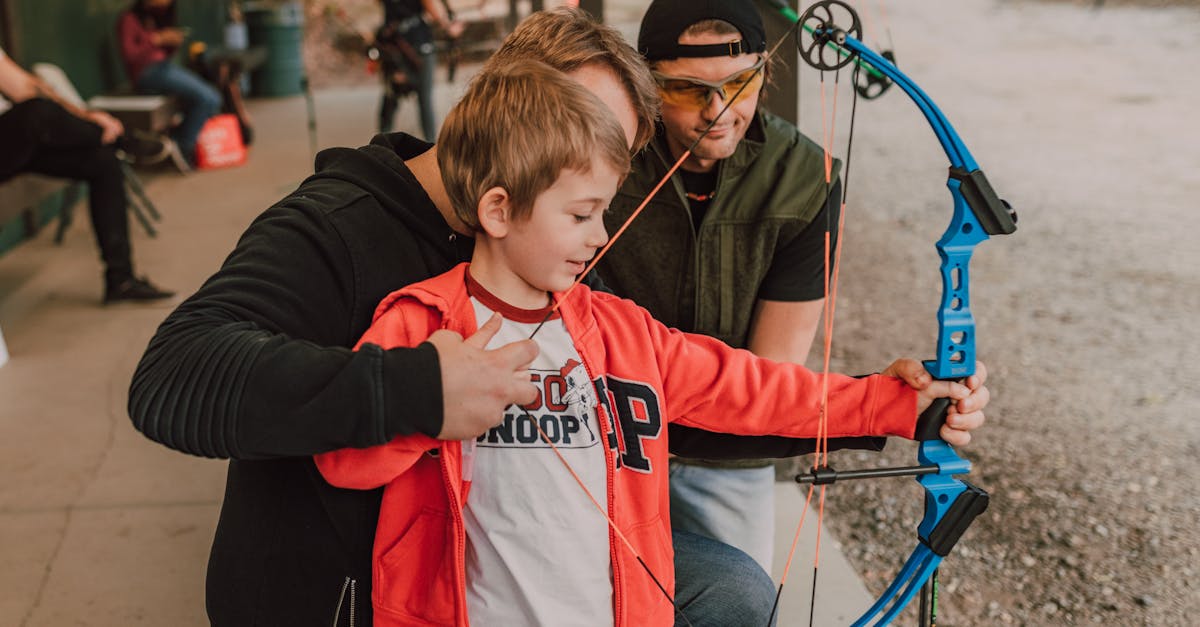
Have you ever watched a child’s eyes light up the moment they release their first arrow? That mix of focus and excitement is something special. Introducing kids to archery isn’t just about hitting targets—it’s about building confidence and having fun outdoors.
Choosing the right beginner archery set can make all the difference. In this text, I’ll guide you through the best options designed specifically for children, so you can help them start their archery journey safely and with plenty of joy.
Overview of Beginner Archery Sets for Children
When picking the right archery set for kids starting out, I look for gear that’s as friendly as a good coach. Beginner sets typically bundle everything a child needs to take aim and shoot safely. That usually means a bow sized just right for small hands, arrows crafted to fly true without too much strain, and protecting gear like armguards and finger tabs to keep things comfortable and secure.
Here’s the scoop on what makes these kits stand out:
- Size matters: Kids come in different shapes and sizes, so beginner bows often come in lengths and draw weights suitable for little learners. Draw weight is just how much force it takes to pull the bowstring back. Too heavy and it’s more frustrating than fun; too light and it doesn’t teach proper form.
- Materials count: Many beginner bows use lightweight aluminum or durable wood. Aluminum ones are usually more forgiving if the bow gets dropped (which it will), while wood feels classic and natural. I’ve seen kids handle both well, but lighter is generally better for keeping interest high.
- Safety first: Rounded arrow tips or soft foam tips are common so that kids practice safely indoors or in the backyard without turning targets into hazards. Plus, gear like wrist guards keeps accidental string snaps from turning into ouch moments.
- Ease of Use: Sets often feature simple assembly and adjustable parts so they grow a bit with your child. Being able to tweak the draw length (the distance you pull the bowstring) makes shooting more comfortable and helps kids build good habits early.
- Included extras: Some kits throw in targets, stands, or even quivers (those little belt holders for arrows). These extras are a nice touch for creating a full archery experience without piecing things together from multiple places.
One cool thing I’ve noticed is how these beginner sets can fit right into daily playtime or weekend outings. They sneak in exercise and focus while still feeling like a fun challenge. According to data from youth sports programs, archery boosts hand-eye coordination by up to 50% in just weeks—that’s a win for parents who want kids active and focused.
For parents just starting to explore archery gear, a beginner set helps make practice sessions simple and less intimidating. It’s like giving your kid a friendly helping hand to hold the bow steady and cheer them on.
Quick tips for picking a beginner archery set for kids:
- Match bow size and draw weight to your child’s age and strength (usually listed on packaging or product info).
- Look for sets with safety arrows if practicing around the house or in small yards.
- Choose kits with easy adjustments so the bow grows with your child’s skills.
- Bonus if the set includes protective gear and targets for a complete start.
With these pointers, choosing a beginner archery set becomes less of a puzzle. And trust me, once the right set is in hand, you’ll see kids light up with confidence and pride every time they hit the mark (or get close enough to brag about!).
Features of Beginner Archery Sets
When looking at beginner archery sets for kids I focus on a few key features that spell out a fun and safe experience. These sets aren’t just about throwing arrows—they’re about making sure children feel confident and eager to learn without any hassle.
Bow Types
Choosing the right bow is like picking the perfect pair of sneakers—it needs to fit just right. Most beginner sets come with either a recurve bow or a simple compound bow. Recurve bows have those classic curved tips and are great for teaching proper form. They’re lightweight and easy to handle which makes aiming less tiring for little arms. Compound bows use pulleys to reduce the effort needed to pull back the string—perfect for kids who might struggle with strength. In my experience, starting with a recurve bow builds solid skills that make moving on to advanced bows smoother.
Safety Features
Safety is front and center when kids get into archery, and beginner sets reflect that well. Expect arrows with foam or rubber tips—these soften impacts and reduce the risk of accidents. Some sets include finger tabs or gloves to protect little fingers from getting sore or scraped by the bowstring. Armguards are common too; they shield the forearm from getting slapped by the string during release. A quick tip: I found that kids feel more confident wearing protective gear—it’s like a little armor that helps focus on having fun without worry.
Included Accessories
What truly makes a starter set feel complete are the extras. Most kits come with a target—sometimes a simple bullseye or a fun animal design—which gives kids a clear goal and that satisfying “bullseye” moment. Quivers are another handy addition. They hold the arrows safely and keep them within reach so kids don’t have to scramble around (which is a relief during practice). Some sets also throw in bow stands or carrying cases, adding convenience for storage and travel. One set I tried even had a little how-to manual with cartoon illustrations—because learning should be playful and straightforward.
Age and Skill Level Suitability
Age matters in archery more than you might think. Beginner bows usually have a draw weight between 10 to 20 pounds for kids around 5 to 10 years old. Draw weight means how hard it is to pull back the string (the “draw”). The right weight matches a child’s strength so they can shoot comfortably without fatigue or strain. Larger kids or those with some archery practice might handle a bit more weight, but it’s best to start easy. Many beginner sets offer adjustable draw weights or sizes that “grow” with the child. I’ve seen kids quickly outgrow too-heavy bows (plus, it can take the fun right out of it), so a set that adapts over time feels like a smart buy.
Quick Takeaways to Pick the Perfect Beginner Set:
- Look for recurve bows for classic learning or compound bows if your child needs a little extra pull help.
- Safety gear like foam-tipped arrows and armguards make practice worry-free.
- Bonus accessories like targets and quivers turn practice into playtime.
- Match draw weight and bow size to your child’s age and strength for maximum comfort.
Getting the right beginner archery set sets the stage for hours of engaged outdoor play and skill-building. Trust me, once your kid hits their first bullseye safely you’ll see how these features work together to make every session a win.
Performance and User Experience
Picking a beginner archery set for kids means balancing fun and safety with actual performance. Let’s talk about how these sets feel in action and what you can expect from them in real-life use.
Ease of Use for Children
The best beginner archery sets are made with kids in mind. I noticed that the lighter bows with a lower draw weight make all the difference. Draw weight is just how much force is needed to pull back the bowstring—think of it like the stiffness of the bow. For young beginners, too much force can be frustrating or even unsafe.
Most sets come with adjustable parts. This means the bow can grow with your child, saving you from an early upgrade. I love that some kits include finger tabs or soft grips which help little hands maintain a good hold without slipping or hurting themselves.
If your kid’s just starting, look for sets that include arrows with foam or rubber tips. Not only do they reduce the risk of injuries, but these arrows sometimes have bright colors, making them easier to find after a miss (because, trust me, misses happen).
Accuracy and Power
Accuracy isn’t all about perfect aim. It depends a lot on whether the bow matches the child’s strength and size. I’ve seen kids get better results when their set has a draw weight between 5 and 15 pounds—that’s light enough for control but enough pull to shoot a decent distance.
Recurve bows are popular in these beginner kits because they offer a simple design that helps kids learn basic form. Compound bows, on the other hand, may offer more mechanical aid but can be tricky for beginners due to their complexity and higher draw weight.
In practice, I found that kids using the right-sized recurve bows hit their targets more consistently after just a few sessions. When arrows come with fletching (the little feathers or vanes that stabilize flight), it noticeably helps with consistent shots. Tip: Always check if the arrows are the right length for the bow—that control factor matters more than you might think.
Durability and Build Quality
When it comes to kids’ gear, durability is a big deal. Archery sets built from lightweight aluminum or quality wood usually stand up well to the occasional drop or rough handling. I once tested a wooden bow that not only looked great but took a beating from my little tester who was (accidentally) a bit rough.
Some plastic parts are expected in budget kits but watch out for anything that feels flimsy or bends too easily—that’s a sign it won’t last a season. Also, good beginner sets include protective gear like armguards and finger tabs made from sturdy materials so your child stays safe and comfortable over longer practice times.
A quick tip: storing the bow and arrows properly between uses (like hanging the bow or keeping arrows separate) can stretch the lifespan of the whole set.
| Feature | Ideal for Kids Because | What to Check |
|---|---|---|
| Low Draw Weight | Easier to pull back and aim | Between 5-15 lbs |
| Adjustable Size | Grows with child, saves money | Look for length and weight options |
| Foam-tipped Arrows | Safer for learning and indoor use | Bright colors for easy tracking |
| Durable Materials | Withstands bumps and drops | Aluminum/wood better than plastic |
| Included Accessories | Supports safety and skills | Armguards, finger tabs, quivers |
Putting it all together, the right beginner archery set will fit your child’s hands and strength, be easy to use, and hold up against enthusiasm (and the occasional mishap). That way, your aspiring archer can keep practicing and having a blast without frustration or safety worries.
Pros of Beginner Archery Sets for Children
There’s something truly special about watching a child discover a new skill like archery. Beginner archery sets designed for kids make that moment easier and safer, and here’s why I think they’re a smart investment.
Safety First
One big perk of these sets is safety. Most beginner kits include foam-tipped arrows and protective gear like armguards and finger tabs. This means kids get to practice their aim without the worry of injuries. As a parent, knowing the equipment prioritizes safety gives me peace of mind, letting kids focus on having fun.
Perfect Fit for Growing Hands
These sets typically come with bows sized just right for small hands. That matters because a bow that’s too big or too heavy can quickly frustrate a young archer and even cause bad habits. Many beginner bows are adjustable, too, so the setup grows with your child. It’s like having equipment that keeps pace with their progress (which, trust me, is easier than it sounds).
All-in-One Convenience
Most starter kits bundle in everything needed to shoot—bow, arrows, target, quiver, and protective gear. No scavenger hunt for missing pieces or last-minute store trips. It makes starting out straightforward and keeps children excited to practice regularly.
Light and Manageable
Beginners need equipment that feels manageable. These bows often have lower draw weights, meaning it doesn’t take much muscle to pull back the string. I noticed younger kids staying focused longer because they weren’t struggling just to hold their bow up.
Encourages Outdoor Play
These sets naturally invite kids outside, getting them off screens and exploring fresh air. Archery’s mix of concentration and action makes outdoor time feel like a fun mission instead of a chore.
Builds Confidence and Focus
Successfully hitting a target, even if it’s close or off to one side, gives an instant confidence boost. I’ve seen shy kids light up with pride after landing their first arrow on a target. Plus, archery helps improve hand-eye coordination and patience—skills that come in handy in everyday activities.
Quick Tips for Choosing the Right Beginner Archery Set
- Look for foam or rubber-tipped arrows to keep things safe without sacrificing the thrill of shooting.
- Check adjustable draw weights so your child can grow into their set without an early upgrade.
- Opt for lightweight bows to avoid fatigue during practice sessions.
- Ensure the kit includes protective gear—armguards and finger tabs are non-negotiable for safe shooting.
- Consider sets that include targets to keep practice engaging and goal-oriented.
Here’s a little nugget: When my niece started, the adjustable bow let her stick with archery through two growth spurts before she needed a new set. That saved us some headaches and kept things fun longer than expected.
Still, it’s wise to watch how your child interacts with their gear—sometimes even the best sets need a small tweak to really fit their style. But that’s part of the adventure, and beginner archery sets make it easier to jump right in.
Cons of Beginner Archery Sets for Children
While beginner archery sets for kids come packed with safety features and fun extras, there are a few hurdles that parents and young archers might bump into. Having tried several myself and heard from other parents, I want to share some honest points worth considering before picking a set.
Limited Power and Range
Most beginner bows come with low draw weights — that’s the force needed to pull back the string. This is great for small muscles but means arrows won’t fly very far or fast. On the upside, this keeps things safe. Still, if your child’s quickly outgrowing the set, they may get frustrated when their arrows barely make it to the target (or backyard fence). Adjustable draw weights help but often only cover a small range.
Durability Concerns with Lightweight Materials
Many beginner sets use lightweight aluminum or plastic parts to keep the bow easy for kids to handle. But these materials can feel flimsy over time, especially if your child is enthusiastic and doesn’t always treat the gear gently. That said, wooden bows might last longer but can suddenly become too heavy or stiff for younger beginners. So there’s a bit of a balance between toughness and kid-friendliness.
Arrows Can Be Challenging
Foam-tipped arrows score high on safety but sometimes don’t fly straight or up to regular targets, limiting practice options. Plus, the shaft materials (often plastic or light wood) can bend or break if handled roughly. I remember one time when my kid’s arrow snapped midair (which, trust me, is easier than it sounds). Keeping spares on hand saves many a practice session from turning into a gear hunt.
Learning Curve and Equipment Adjustments
Adjustable parts like draw length or limb tension are meant to “grow” with your child, but fiddling with these settings can get tricky. Without guidance, I’ve seen parents accidentally make their bows harder to shoot or misaligned, which throws off accuracy and causes frustration. Many sets come with quick manuals though online tutorials are a handy little extra.
Limited Realism for Long-Term Use
Beginner kits focus heavily on safety and ease rather than giving kids the feel of real archery gear. Once your child is ready for more serious practice, beginner bows might feel “toy-like,” which can slow progress or push the young archer to upgrade early. Balancing initial excitement with future usability is something to keep in mind.
Price Versus Quality Dilemma
Since these sets usually bundle bows, arrows, targets, and protection gear, they can seem like a great deal. But cheaper kits sometimes sacrifice materials or precision for the price. Spending a bit more upfront on a well-rated set can save headaches and extra purchases later. It’s worth looking for trusted brands or user reviews to balance cost and quality.
If you’re considering beginner archery sets for a child, weighing these cons alongside the many pros is helpful. Here are some quick pointers from my own experience that might ease the selection process:
- Test the bow’s draw weight in stores if possible; see how your child handles it
- Look for adjustable parts but read the instructions carefully before tweaks
- Keep a few extra arrows around – it really saved me during a sudden break!
- Check user reviews focusing on durability and safety features
- Remember kids grow fast, so think about how long the set will stay useful
Having the right gear helps kids enjoy archery safely and comfortably. But a few realistic expectations can keep everyone’s experience smooth and fun (even when arrows miss the mark now and then).
Comparison of Popular Beginner Archery Sets
Choosing the right beginner archery set for kids can feel tricky at first. But breaking it down into price, design, and brand reputation helps me (and you) cut through the noise and find a set that really hits the mark.
Price and Value
When it comes to beginner archery sets, price usually tells a part of the story but not the whole thing. I’ve seen sets range from around $30 to $100+. The lower-priced kits often include the basics — a light bow, a few foam-tipped arrows, and simple protective gear. These are great for testing the waters without much investment. On the other hand, pricier kits sometimes offer higher quality materials, adjustable features, and extras like targets or quivers.
Here’s a quick glance at what you get at different price points:
| Price Range | What You Typically Get | Should You Consider It? |
|---|---|---|
| $30 – $50 | Basic recurve bow, foam arrows, armguard | Perfect for very young kids or total beginners |
| $50 – $75 | Better materials, adjustable draw weight, more accessories | Great middle ground for growing kids and more frequent use |
| $75+ | Durable components, multiple accessories, improved safety features | Ideal for kids who are serious about archery and plan to practice regularly |
I’d recommend starting with a mid-range set if you can. It strikes a balance between durability and affordability — and you avoid the “toy” feel of cheaper kits that kids outgrow quickly.
Design and Comfort
A bow that fits right feels like an extension of a child’s hand. That’s why I pay attention to how comfortable a set is. Most beginner kits feature recurve bows, which are simple and light — perfect for kids learning the basics. The bow’s size and draw weight (how hard it is to pull the string back) are crucial. If either is too heavy or big, it becomes frustrating fast.
Adjustability is key here. Some sets offer adjustable draw weights so the bow can grow with your child. That means they won’t need a new bow after just a few months, which saves money and hassle.
Plus, design isn’t just about size. Grip comfort matters, too. I remember trying a set with a rough grip that gave my hands little blisters (ouch!). So look for smooth, rounded handles or even slightly cushioned grips in some kits.
Brand Reputation
Sometimes going with a brand you trust feels safer — and that’s usually back by good reason. Brands that specialize in beginner archery or kids’ sports tend to have better customer support, clearer instructions, and safer products.
For example, brands like Bear Archery and Southland Archery Supply have been around for years and often get good reviews for their beginner-friendly kits. They focus on safety and usability, which takes some stress off parents who just want their kids to have fun and stay safe.
Reading real user reviews also helps. I found one family that scored a budget kit but upgraded the arrows separately because the foam tips were a bit flimsy. That told me paying a bit more upfront might be worth it to avoid extra purchases later.
Quick Tips to Keep in Mind
- Check bow size and draw weight against your child’s age and strength.
- Foam-tipped arrows are great for safety but watch for quality to avoid wobbly flight paths.
- Adjustable parts can save money by growing with your child.
- Look for kits that include safety gear like armguards and finger tabs — it’s worth it.
- Don’t skip reading user reviews for real-world insights.
Finding a beginner archery set that suits your child makes all the difference in how much they enjoy learning and stick with it. Choosing wisely means they get to focus on fun and improvement instead of frustration or discomfort.
Tips for Choosing the Right Archery Set for Your Child
Picking the perfect archery set for your kid isn’t just about grabbing the first colorful kit off the shelf. I’ve found that a little thought goes a long way to keep things fun and safe while helping them actually improve.
Size and Draw Weight Matter More Than You’d Think
The draw weight is basically how much effort it takes to pull back the bowstring. For kids, the lighter the better—usually between 10 to 20 pounds—so they don’t get tired or frustrated fast. Too heavy and they might put the bow down for good. I usually recommend checking the package for the suggested age or strength range. Some kits even let you tweak the draw weight as kids get stronger. That way, the set grows with them (which is like having an archery set that ages like fine wine).
Look for Adjustable Features
No one wants to invest in a set that lasts two weeks before their kid outgrows it. Adjustable bows that allow changes in draw length or limbs offer flexibility. It’s like getting multiple bows in one. I remember when my niece started with an adjustable kit—it kept her motivated because she wasn’t constantly struggling or bored by something that felt “too babyish.”
Safety Comes First, Always
This may sound obvious but trust me: safety features like foam-tipped or blunt arrows and protective gear make a huge difference. They help avoid those ouch moments that turn beginners away. Plus, a good armguard and finger tab keep little hands comfortable, so your child actually looks forward to practice instead of complaining about sore fingers.
Materials Make a Difference in Durability
Look for bows made from lightweight yet sturdy materials like aluminum or fiberglass. Some beginner kits use plastic parts, which might feel cheap and break easily if your kid’s a bit rough with their gear (and let’s be honest, many kids are). Durable materials can mean the difference between a set that lasts a season and one that surprises you by sticking around for years.
Bonus Points for Extras in the Kit
Targets, quivers, and carrying cases help keep everything organized and make practice sessions easier to set up. It’s also handy if the arrows have shifting colors or bright tips—they’re easier to spot and retrieve, saving you time and reducing worry over lost gear.
Read User Reviews for Real-World Insight
Specs are great, but user feedback can shine light on hidden gems or quirks. For instance, some sets might have excellent safety features but poor accuracy, while others could be a little heavy but ultra-durable. I always check what parents and kids say about how easy the set is to use or if there were any surprises after buying.
Quick Takeaways to Keep in Mind
- Match the draw weight to your child’s strength (lighter is better at first)
- Choose adjustable bows to extend the kit’s usable life
- Prioritize safety gear and foam-tipped arrows to avoid accidents
- Check materials for durability if your child is energetic (or a bit clumsy)
- Look for kits with extras like targets and quivers for more fun
- Read real user reviews—nothing beats honest experiences
Getting the right set can mean the difference between “I’m done” and “Let’s do one more round” during archery time. And isn’t that what we want? A kid who’s ready to step outside, focus, and enjoy a great new activity without the fuss.
Conclusion
Choosing the right beginner archery set for a child is about balancing safety, comfort, and fun. When you find a set that fits well and grows with your child, it makes learning archery a rewarding experience.
I’ve seen how the right gear can boost a child’s confidence and keep them excited to practice. With careful selection, archery can become a fantastic way for kids to develop focus, coordination, and a love for the outdoors.
Frequently Asked Questions
What benefits do children gain from starting archery early?
Children develop confidence, improve focus, and enjoy outdoor physical activity. Archery also enhances hand-eye coordination and teaches patience and discipline.
What should I look for in a beginner archery set for kids?
Choose a set with the right bow size and draw weight for your child’s age and strength, plus safety features like foam-tipped arrows and protective gear. Adjustable parts and durable materials are also important.
Are recurve or compound bows better for young beginners?
Recurve bows are generally more suitable for young beginners due to their simple design and ease of use. Compound bows can be more complex and are often better for advanced learners.
Why is draw weight important in a beginner bow?
Draw weight affects how hard it is to pull back the bowstring. A lighter draw weight (10 to 20 pounds) is best for young kids to ensure comfort and proper form.
What safety gear should come with a kids’ archery set?
Look for armguards, finger tabs, and foam or rounded-tip arrows to protect against injuries while shooting.
Do beginner sets usually include extras like targets?
Many beginner kits include useful extras such as targets, quivers, and sometimes instruction materials to make practice more fun and convenient.
How can adjustable features benefit a child’s archery set?
Adjustable bows can grow with your child, allowing them to keep using the same equipment as they get stronger and improve their skills.
What materials are best for beginner archery equipment?
Lightweight yet durable materials like aluminum, fiberglass, or quality wood are ideal to withstand rough handling while remaining easy to use.
How important are user reviews when choosing an archery set?
User reviews provide real-world feedback on performance, ease of use, and durability, helping you pick the best set for your child’s needs.
Can archery help improve a child’s focus and coordination?
Yes, practicing archery requires concentration and precise movements, which help enhance focus and hand-eye coordination over time.