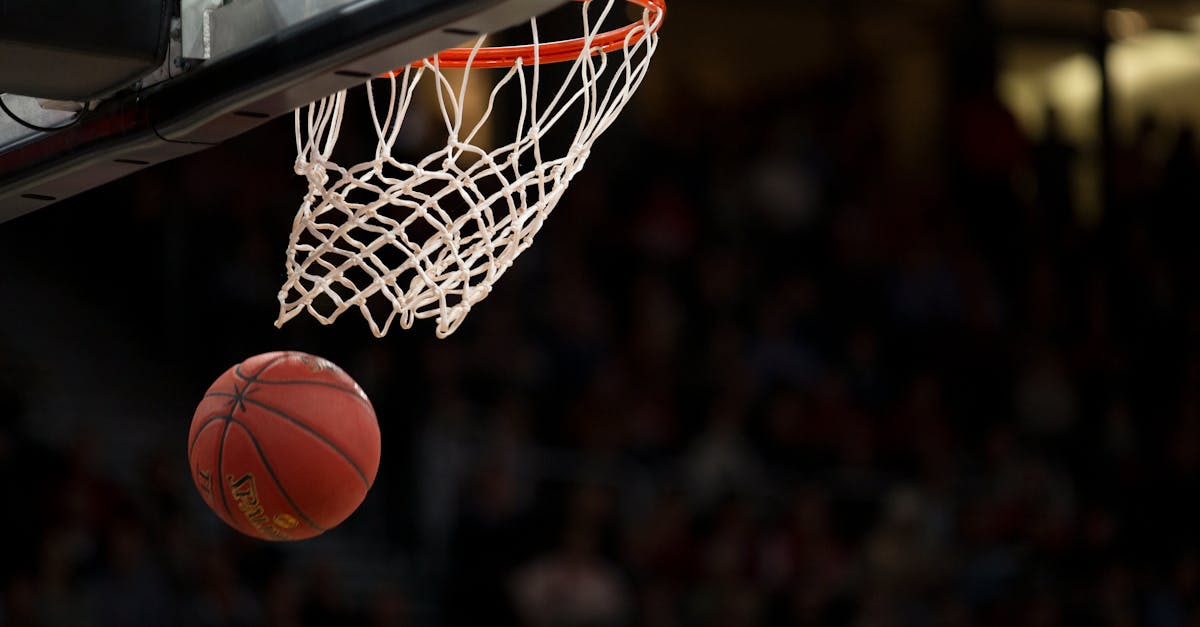
Have you ever imagined turning your driveway into a personal basketball court whenever the mood strikes? I’ve found that portable basketball hoops bring the thrill of the game right to your doorstep without the hassle of permanent installation. Whether you’re shooting hoops solo or challenging friends and family, these hoops offer flexibility and fun that fits any driveway size.
In this text, I’ll share what makes portable basketball hoops a game-changer for home play. From easy setup to adjustable heights, you’ll discover how to pick the perfect hoop that keeps the action going all year round. Let’s jump into how you can elevate your driveway into a slam dunk spot for endless basketball moments.
Features of Portable Basketball Hoops for Driveways
Choosing the right portable basketball hoop can make all the difference in how much fun you have on the driveway court. Let me walk you through some of the key features that really matter so you can pick a hoop that fits your lifestyle perfectly.
Adjustability and Height Options
One of the best things about portable hoops is how easy it is to adjust the height. Whether you’re coaching kids, practicing your jump shot, or just shooting some casual hoops, being able to change the rim height makes the game more enjoyable for everyone.
Most hoops let you adjust the rim anywhere from 7.5 feet (great for younger players) all the way up to the standard 10 feet. I once had a hoop without height adjustment, and it quickly got boring for my kids (who grew fast). Having a simple crank or push-button height system means you can switch settings without breaking a sweat or needing extra tools.
Quick tips:
- If you have multiple players, consider a hoop with a wide height range.
- Push-button systems typically offer faster adjustments than crank styles.
Base and Stability
This one’s huge if you want to avoid chasing your hoop around the driveway every time a breeze kicks up. The base usually fills with water or sand to weigh it down. Sand adds more stability but takes longer to fill, while water is faster but less heavy.
Look for a base with a sturdy design that won’t tip easily but can still be moved when needed. Some brands add wheels to the base for smoother mobility on uneven surfaces like concrete cracks or gravel.
In my experience, a base filled with sand and equipped with large wheels is the sweet spot. It resists tipping during aggressive play yet rolls away without drama.
Remember:
- A heavier base prevents wobbling during dunks or shots.
- Wheels on the base make moving the hoop a breeze (pun intended).
Backboard Material and Size
Backboards come in different materials and sizes. The most common materials you’ll see are polycarbonate, acrylic, and tempered glass.
- Polycarbonate is lightweight and shatter-resistant but can give a weaker bounce.
- Acrylic offers better rebound and looks nice but is pricier.
- Tempered glass is what you find in professional courts. It gives the best bounce and feels authentic but is the heaviest and usually the most expensive.
Sizes also vary from about 44 inches up to 60 inches or more. Bigger backboards give you more room to bank shots, which is a big plus if you’re practicing trick shots or want that authentic feel.
When I upgraded from a smaller polycarbonate backboard to a 54-inch acrylic one, the difference in shot quality was noticeable. It felt more like the real deal.
Rim Quality and Design
A good rim can handle everything from layups to aggressive dunks without bending or squeaking. Look for rims made from solid steel, preferably with a breakaway feature that lets the rim flex slightly during dunks. This reduces stress on the entire system and prolongs the life of your hoop.
Some rims also have spring cushioning for smoother rebounds, which is great if you play a lot of pick-up games with friends.
Personally, I always go for breakaway rims because they saved my hoop more than once from serious damage. It’s like having a little shock absorber for your basket.
Portability and Mobility
One thing I really love about portable hoops is how easy they are to move. After all, you don’t want one fixed spot limiting your driveway fun. Most models come with wheels attached to the base so you can tip and roll the hoop wherever you like.
But be honest about your driveway surface. Smooth concrete is a breeze to wheel across, but rough or cracked surfaces might need bigger wheels or a sturdier base design.
Also, consider the hoop’s overall weight. Heavier models offer better stability but might be tougher to move solo. A lighter hoop seems easier to handle but could blow over on a windy day.
Pro tip: Choose a model with larger wheels and a well-designed handle if you plan to rearrange the shooting spot often. It really makes a difference on less-than-perfect surfaces.
All these features come together to shape your playing experience right in your driveway. Picking a hoop with the right mix of adjustability, stability, and portability means more time making shots and less time fussing with gear.
Performance and User Experience
When shopping for a portable basketball hoop for your driveway, how it performs during play and how easy it is to manage day-to-day make a big difference. Here’s what I’ve learned about what really matters once the hoop is in your driveway.
Ease of Setup and Installation
Setting up a portable basketball hoop should feel like a quick win, not a weekend project. In most cases, you’ll find that the base and pole assembly are straightforward — many come with clear instructions and require just a few common tools. Some hoops even offer snap-together parts that cut installation times dramatically (I once set up one in under 30 minutes, which left plenty of time for a game).
A few things can speed this up:
- Choose a model with a manageable base that fills with water or sand to keep it stable but light when empty.
- Look for hoops with bigger wheels and sturdy handles which make moving it on and off the driveway easier.
- Plan your setup spot ahead — uneven surfaces may mean you’ll need a little extra time to level the base.
Remember that a quick setup means you’re playing sooner and stressing less.
Durability and Weather Resistance
Here’s the kicker: your hoop is going to face sun, rain, snow, and whatever else Mother Nature throws its way. So durability is more than just a buzzword; it’s a must-have.
Most quality hoops come with powder-coated steel poles and UV-protected backboards. This means they resist rust and won’t yellow or crack from sun exposure, keeping your setup looking fresh season after season. For example, acrylic backboards are a popular choice because they balance durability with good bounce performance.
A quick tip: topping off your base with sand rather than water can help avoid freezing damage in colder months. And during especially harsh weather, pulling your hoop into a garage or shedding it under a cover is worth the effort to protect your investment.
Playing Experience and Bounce
At the end of the day, the hoop’s going to shine (or flop) based on how it feels during play — here’s where backboard and rim quality really show up.
Backboard materials can be confusing, but here’s the quick and easy:
- Tempered glass offers the best, most professional bounce but comes at a higher price and needs careful handling.
- Acrylic backboards are the solid middle ground with decent rebound and durability.
- Polycarbonate options tend to be budget-friendly but sacrifice some bounce quality.
A breakaway rim is a must-have feature for serious players and families alike. It flexes when a dunk or rough shot happens, which prevents damage and prolongs the rim’s life. It also gives that satisfying ‘give’ you’d expect on a real court (and yes, it feels pretty cool).
From personal experience, my kids loved how responsive the rim was, which kept games more fun and less frustrating for all ages.
Safety Considerations
Playing basketball should never come with extra stress about accidents or injuries, especially at home. Portable hoops tend to score well here, but a few safety points are worth flagging:
- Ensure your base is always filled properly — an empty or half-filled base can tip during aggressive play.
- Check bolts and screws regularly to avoid loosening that causes wobbling.
- Look for rounded edges on poles and backboards to keep scrapes and bumps to a minimum.
- If younger kids are around, lower the hoop height to keep shots and play safer.
I’ve seen families reduce trips to the doctor simply by picking hoops with solid bases and smooth finishes. Safety isn’t just a checklist item; it’s about letting everyone enjoy the game worry-free.
Here’s a handy checklist to keep your portable hoop in top shape:
| Tip | Why It Helps |
|---|---|
| Fill base completely with sand or water | Prevents tipping from impact |
| Use covers or move indoors during bad weather | Protects components from damage |
| Regularly tighten bolts and inspect the rim | Maintains stability and safety |
| Choose breakaway rims for dunk-friendly play | Reduces damage and injury risk |
Making a hoop fit your driveway and playing style is simpler than you might think, especially when you know what to watch for. The right setup is part of what keeps basketball fun and accessible right outside your door.
Pros of Portable Basketball Hoops for Driveways
One of the biggest perks of having a portable basketball hoop right out on your driveway is the sheer convenience it offers. Unlike fixed hoops that require professional installation and permanent space, these hoops can be set up or moved with minimal fuss. I found this especially handy on days when the driveway doubles as a party spot and needs a quick clear-out.
Adjustability is another strong suit here. Most portable hoops come with easy-to-use height adjustments, so whether you have young kids just learning the ropes or teenagers aiming for that perfect swish, everyone gets a shot tailored to their skill and height. (I’ve downgraded my own hoop a couple of inches just to keep the games fair and fun.)
Here’s where the portability really shines: with features like sturdy wheels and ergonomic handles, moving the hoop around isn’t a sweat-breaking chore. Maybe you want more shade or need to put it away before a storm? No problem. A few simple steps and you’re set.
Durability often worries folks since the hoop gets exposed to sun, rain, and even snow. From my experience and research, models with powder-coated steel poles and UV-resistant backboards hold up well through seasons. They don’t just look good but also keep playing quality intact for years. Plus, a well-designed base — usually filled with water or sand — gives you a solid feel without the hassle of permanent anchors.
Here’s a quick take on why I think portable hoops are solid investments for driveway basketball:
- Flexible setup: Pop it up where you want, then tuck it away quickly.
- Customizable play: Adjustable rim height suits players of all ages.
- Easy mobility: Wheels and handles make moving hassle-free.
- Weather-ready: Coated materials and sturdy bases resist wear.
- Space saver: Perfect for multi-use driveways and small yards.
- Cost-effective: Usually less expensive than fixed options but still reliable.
For anyone who’s juggled driveway space or wants a no-fuss basketball fix, these hoops slide right into everyday life. I’ve seen families bond over impromptu games, neighbors turn into friendly rivals, and kids stay active without leaving home. Nothing fancy needed, just good old curbside fun (that actually trains your shooting skills).
If you’re weighing options, consider how much you’ll move it, who will play, and what weather it’ll face. Portable hoops seem to hit the sweet spot between practicality and playability. And yes, they make dribbling down your own driveway feel a bit more like the big leagues.
Cons of Portable Basketball Hoops for Driveways
Even though portable basketball hoops bring a lot of joy and flexibility to my driveway shootarounds, they do come with a few drawbacks worth thinking about.
First off, stability can be a bit of a challenge. Unlike in-ground hoops that are permanently fixed to the ground, portable ones rely on weighted bases. These bases need to be filled with water or sand to keep the hoop steady. I’ve noticed that on really windy days or during aggressive gameplay, the hoop can wobble or even tip over if the base isn’t heavy enough. It’s a small hassle but one that can interrupt the flow of a good game or put the hoop at risk of damage.
Size and bulk are another consideration. These hoops tend to be quite large and heavy once filled, which means moving them around isn’t always as easy as promised. I love the idea of portability in theory. Still, when it comes to actually shifting the hoop to a new spot on uneven driveway terrain or putting it in storage during winter, it can feel like a workout on its own. If you’re someone who needs to frequently stash or relocate the hoop, keep in mind that “portable” doesn’t always mean “lightweight.”
On top of that, durability over time is a mixed bag. Most portable hoops use materials like acrylic or polycarbonate backboards for weight savings, which are great but not as sturdy as the tempered glass you find on professional courts. After a few seasons of harsh weather exposure—think sun, rain, snow—the backboard can start showing signs of wear or even crack. I’ve had friends mention that their hoop’s paint fades or the metal parts rust even though regular maintenance. So, expect some upkeep if you want your hoop to stay in good shape for years.
Adjustability is a huge plus but also a potential pain point. Many models let you change the hoop height, which is fantastic for family fun or growing kids. But beware some mechanisms can get stiff or jammed after constant use or lack of lubrication. I learned that regular checks and a little light oiling on the adjustment system go a long way to keeping things smooth.
Finally, price to performance can be a balancing act. Portable hoops often cost less upfront compared to in-ground setups, but if you want better stability, larger backboards, or more professional features, prices climb quickly. That means you might end up spending a good chunk to get a model that truly meets your needs without feeling flimsy or unsteady.
Quick Takeaways
- Make sure to fill the base properly to avoid wobbling or tipping.
- Consider how often you’ll need to move the hoop and check for easy-rolling wheels.
- Look for UV-resistant backboards to help with long-term durability.
- Keep the height adjustment mechanism clean and lubricated for effortless use.
- Budget realistically—sometimes spending a bit more means better play and longer life.
For me, knowing these trade-offs helped set realistic expectations and made choosing the right portable basketball hoop a smoother process. It’s all about finding the spot-on balance between convenience and durability to fit your driveway and playstyle.
Comparison of Top Portable Basketball Hoops for Driveways
Picking the right portable basketball hoop can feel a bit like choosing the perfect sneaker—there are plenty of options but not all fit your style or budget. Let’s break down some of my favorite picks, highlighting what makes each one stand out for different needs.
Best Budget Option
If you want to start shooting hoops without very costly, the Lifetime 1221 Pro Court is a solid choice. It offers a 44-inch backboard made from polycarbonate, which means it’s tough enough to handle the occasional slam dunk yet keeps costs down. The base holds up to 27 gallons of water or sand, providing decent stability on most driveways.
What I appreciate here is the simple height adjustment system. Moving the rim between 7.5 and 10 feet is straightforward and reliable, which is especially handy if you have players of different ages. Plus, the hoop rolls easily thanks to those larger wheels — your driveway set-up doesn’t have to feel like a heavy chore.
Here’s a quick breakdown:
| Feature | Lifetime 1221 Pro Court |
|---|---|
| Backboard Size | 44 inches |
| Material | Polycarbonate |
| Height Adjustment | 7.5 to 10 feet |
| Base Capacity | 27 gallons |
| Ease of Movement | Large wheels for smooth rolling |
Best Professional-Level Option
For those who want a hoop that looks and feels like the ones in an actual gym, the Goalrilla GS54 is a standout. The 54-inch tempered glass backboard delivers that authentic bounce, and the breakaway rim mimics what you’d find in basketball arenas. If you’re serious about your backyard games or even small tournaments, this one holds up under intense play.
Its steel pole is powder-coated, so it resists rust and weather damage. And with a base capacity of up to 40 gallons, it’s rock-steady, even when the game heats up. The height adjusts from 7.5 up to a full 10 feet with ease—no tools necessary. I’ve noticed you pay a bit more here but the quality feels worth it.
Here’s the snapshot:
| Feature | Goalrilla GS54 |
|---|---|
| Backboard Size | 54 inches |
| Material | Tempered Glass |
| Height Adjustment | 7.5 to 10 feet |
| Base Capacity | 40 gallons |
| Stability | Very High |
Best for Kids and Beginners
If your driveway is turning into the neighborhood’s favorite hangout for younger players, the Spalding NBA Slam Jam is a smart pick. It’s designed with a smaller 32-inch backboard and a lightweight frame, which means it’s easy to move and isn’t overwhelming for little ones.
The rim adjusts down to 5.5 feet, great for those first shots, and up to 7.5 feet as they grow. It’s simple to set up and adjust, plus it balances well without needing a massive fill for the base. This made a big difference for me when I wanted something the kids could handle without me pitching in every minute.
Here’s what stands out:
| Feature | Spalding NBA Slam Jam |
|---|---|
| Backboard Size | 32 inches |
| Material | Polycarbonate |
| Height Adjustment | 5.5 to 7.5 feet |
| Base Capacity | 18 gallons |
| Ease of Setup | Quick and beginner-friendly |
Best Overall Value
The Silverback 54” is where price meets serious playability. Its robust build combines a 54-inch tempered glass backboard with a high-impact steel frame, backing up strong hoop performance without a crazy price tag. The rim has a breakaway design which I’ve found important for reducing stress on the pole during dunks and aggressive play.
Its base holds up to 40 gallons, and the system comes with smooth, gliding wheels that make relocating a breeze. What’s cool is that it’s designed with weather-resistant materials that handle sun and rain well, so the hoop pretty much holds up all year-round with minimal fuss.
Here’s a quick look:
| Feature | Silverback 54” |
|---|---|
| Backboard Size | 54 inches |
| Material | Tempered Glass |
| Height Adjustment | 7.5 to 10 feet |
| Base Capacity | 40 gallons |
| Weather Resistance | High |
If you want a budget hoop with decent durability the Lifetime 1221 is a trusty go-to. Serious players who crave that gym-quality feel will appreciate the Goalrilla GS54’s tough design. Families with younger kids and beginners tend to favor the light, easy Spalding NBA Slam Jam. And the Silverback 54” hits a sweet spot if you want a pro-level hoop but still want to keep things reasonable on cost.
Testing and Hands-On Experience
Pulling a portable basketball hoop out of the box feels a bit like unwrapping a gift you can’t wait to use. So when I tested a handful of these driveway hoops, I was eager to see how easy they really are to set up and how they hold up during some serious playtime.
Setup: Did it Feel Like a Chore or a Breeze?
Right off the bat I noticed some hoops were kinder to my weekend plans than others. The Lifetime 1221 Pro Court came with clear instructions and snapped together more quickly than I expected (which, trust me, is easier than it sounds if you’re not super handy). The base needed filling — either water or sand — and that’s where I recommend sand if your driveway isn’t perfectly level. It adds extra heft and stability, especially when a rogue dunk shakes the whole setup.
Some brands, like the Silverback 54″, include bigger wheels and sturdy handles. Let me tell you—those wheels really made moving the hoop around my uneven driveway a lot less like a workout and more like a simple spin. On the flip side, lighter models like the Spalding NBA Slam Jam are easier to adjust height-wise but a bit more challenging to reposition once filled.
Playing Experience: Does It Feel Like Real Basketball?
Here’s the kicker: backboard size and material made a big difference in play. The Goalrilla GS54’s 54-inch tempered glass backboard offered a true-to-court bounce, making shots feel satisfying and rebounds predictable. It reminded me of that gym court setup where I play weekly. Smaller polycarbonate or acrylic backboards, like those on the budget hoop, are fine for casual tossing or practice but they don’t quite deliver that “swish” feel.
One thing I really appreciated was how breakaway rims on several models absorbed the force when I pulled an enthusiastic dunk. It’s a simple feature that guards both the hoop and my own fingers from damage — safety feels like an underrated perk in the world of backyard hoops.
Durability: Will This Last Through Seasons?
After a few weeks left outdoors through rain and sun, my take is that UV-protected backboards and powder-coated poles do make a noticeable difference. Some hoops (I’m looking at you, basic polycarbonate models) started to show wear — slight discoloration and minor warping. But the Silverback and Goalrilla hoops stayed strong and weatherproof through it all.
That said, tack on a tarp or cover when you’re not playing for longer stretches. It really saves you from potential fading and extends the lifetime of your investment.
Quick Tips from My Testing Field
- Always fill the base with sand in windy areas to avoid tipping.
- Use a cover during off-seasons to guard against sun damage.
- If you want realistic rebound and shot experience go for a tempered glass backboard.
- Look for wheels and handles that make moving the hoop feel less like hauling furniture.
- Don’t ignore the adjustment mechanism; a smooth-height changer keeps frustration (and stuck parts) at bay.
Trying these hoops out personally gave me a solid sense of what works day-to-day. Whether you want serious practice or family fun, picking the right features makes all the difference.
Alternatives to Portable Basketball Hoops for Driveways
Sometimes a portable basketball hoop isn’t the perfect fit for every driveway or player. Maybe you’re looking for a more permanent setup, or perhaps you want something that blends seamlessly into your outdoor space. Either way, there are solid alternatives worth considering.
In-Ground Basketball Hoops: Stability Meets Serious Play
If you want the feeling of a professional court without leaving home, in-ground hoops are a great option. These hoops are cemented directly into your driveway or yard, which offers unmatched stability compared to portable models. That means no wobbling or tipping, even during aggressive dunks or sudden stops.
Why pick an in-ground hoop?
- No need to fill bases or worry about shifting during play
- Usually come with larger, tempered glass backboards for a real court feel
- Often last longer due to sturdier materials and secure installation
But here’s the kicker: installation takes time and a bit of elbow grease—you’ll likely need to pour concrete and secure a permit in some areas. Plus, once installed, they’re not moving anywhere unless you’re up for a mini renovation project.
Quick tip: If you go this route, consider a model with an adjustable height feature so everyone from kids to adults can enjoy the game.
Wall-Mounted Hoops: Space-Savers with a Clean Look
Limited space on the driveway? Wall-mounted hoops are an excellent alternative. You can install these on a garage or a sturdy exterior wall without eating up any driveway space. And since they’re fixed to a solid surface, they don’t wobble or need any ballast weight.
Some things to think about:
- The hoop’s height is usually fixed unless you opt for an adjustable model.
- Installation is simple if your wall can hold the weight; you might need a pro for best results.
- Backboards tend to be smaller but still offer decent playability.
When I set one up on my garage wall, it freed up space and cut down on clutter—plus, it felt more integrated and less of a “temporary setup.”
Half-Court DIY Projects: For the Creative and Committed
If you’re a bit handy and want something truly custom, building a half-court isn’t out of reach. Concrete slabs, pre-cast hoops, and some paint can turn a bare driveway into a personal playground. This option requires more time and planning but rewards with a tailored, durable space for everything from pickup games to shooting practice.
Here’s what I learned during a neighborhood DIY day:
- Solid ground prep is key—uneven surfaces kill the bounce and safety.
- Using a quality backboard and rim makes a big difference after all the effort.
- Adding court lines with outdoor paint ups the fun factor and gives it that “real court” vibe.
A Quick Look at Key Differences
| Alternative Option | Stability | Mobility | Installation | Typical Cost Range | Best For |
|---|---|---|---|---|---|
| In-Ground Hoops | Very High | None | Complex | $300-$1000+ | Serious players, long-term |
| Wall-Mounted Hoops | High | Fixed to wall | Moderate | $150-$500 | Small spaces, casual use |
| Half-Court DIY | Very High (if done well) | None | Complex | $1000+ | Custom setup fans |
| Portable Basketball Hoops | Moderate | Easy | Easy | $100-$600 | Flexibility, family fun |
Making Your Choice
Still unsure? Here are some quick takeaways from my experience:
- Want something moveable for flexible play? Stick with portable hoops.
- Need rock-solid stability and don’t mind some work? In-ground hoops will delight you.
- Limited space or want to avoid clutter? Wall-mounted hoops keep things tidy.
- Up for a weekend project and want total control? Half-court builds offer maximum customization.
Whatever route you choose, the key is matching your lifestyle and driveway setup with what feels right. The best hoop is the one that encourages more play and family fun—whether it’s rolled in on wheels or anchored deep in the concrete.
Conclusion
Choosing the right portable basketball hoop can truly transform your driveway into a fun and engaging space. It’s all about finding the balance between stability, adjustability, and durability that fits your lifestyle and budget.
Whether you’re shooting hoops solo or enjoying family games, a quality portable hoop offers flexibility and convenience that permanent setups can’t match. With the right pick, you’ll be ready to play anytime, rain or shine, and create lasting memories right at home.
Frequently Asked Questions
What are the main benefits of portable basketball hoops?
Portable hoops offer convenience by turning driveways into personal courts, easy setup, adjustable heights for all ages, and mobility to reposition as needed. They’re cost-effective and weather-resistant options for year-round basketball.
How do I choose the right portable basketball hoop for my driveway?
Consider adjustable height, stable base fillable with water or sand, backboard size and material, rim quality, and ease of mobility. Match the hoop to your playing style, driveway size, and durability needs.
What materials are backboards typically made from?
Backboards come in polycarbonate, acrylic, and tempered glass. Tempered glass offers the best playing experience but is pricier, while polycarbonate and acrylic are more durable and budget-friendly but less responsive.
Why is a stable base important for portable hoops?
The base provides balance and prevents tipping. Filling it properly with water or sand enhances stability during play and in windy conditions, ensuring safety and consistent gameplay.
What is a breakaway rim and why should I choose one?
A breakaway rim flexes under pressure to reduce stress on the hoop and player, increasing durability and safety. It’s ideal for players who dunk or need a resilient rim design.
How portable are these basketball hoops?
Portability varies; larger wheels and sturdy handles improve movement across driveway surfaces. Some models are easier to move, while bulkier designs require more effort.
Are portable hoops weather-resistant?
Many models feature powder-coated steel poles and UV-protected backboards for durability. Using covers in harsh weather extends their lifespan.
What are the downsides of portable basketball hoops?
They can be less stable than fixed hoops, heavy or bulky to move, and some materials may degrade faster in extreme weather. Height adjustment mechanisms may stiffen over time.
How do portable hoops compare to in-ground or wall-mounted hoops?
In-ground hoops provide superior stability and professional feel but need installation. Wall-mounted hoops save space but offer limited play area. Portable hoops balance flexibility and ease of use.
Can portable hoops enhance family bonding?
Yes, they encourage active play at home, creating fun opportunities for family and community engagement, promoting health and shared experiences.
What are some top portable basketball hoop recommendations?
Budget-friendly: Lifetime 1221 Pro Court; Professional play: Goalrilla GS54; For beginners/kids: Spalding NBA Slam Jam; Best value overall: Silverback 54”.
How difficult is it to set up a portable basketball hoop?
Setup varies by model; some like the Lifetime 1221 Pro Court are straightforward, while others may take longer. Following instructions and having help simplifies assembly.