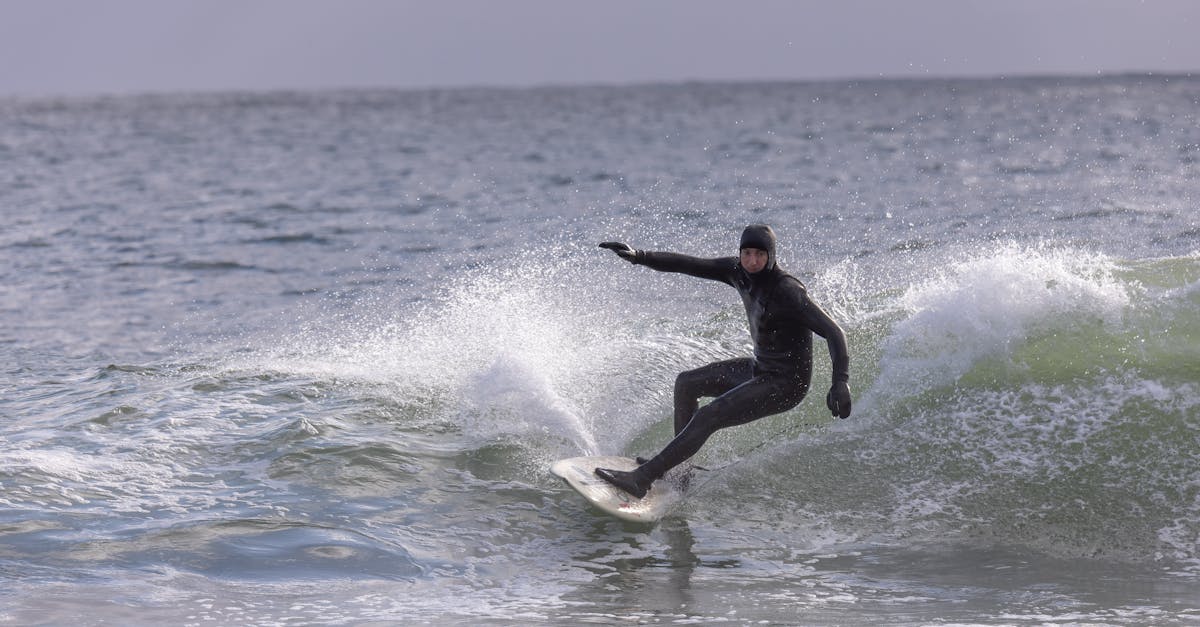
Have you ever felt the sharp bite of icy water as you paddle out, wishing your wetsuit could do more than just keep you afloat? I’ve been there—shivering through waves that test every layer of protection. Finding the right wetsuit for cold water surfing isn’t just about thickness; it’s about comfort, flexibility, and staying warm without feeling weighed down. In this text, I’ll share the best wetsuits that balance all these factors, helping you conquer chilly surf sessions with confidence and ease.
Best Wetsuits for Cold Water Surfing: Overview
Choosing the right wetsuit for cold water surfing feels a bit like finding your favorite pair of sneakers—you want warmth, fit, and flexibility all wrapped into one. But here’s the kicker: cold water wetsuits offer more than just insulation. They’re the difference between an energized session and an early exit because you’re shivering. I’ve tested quite a few, and here’s a snapshot of what I found practical and reliable for those chilly waves.
Features That Make a Difference
When picking cold water wetsuits, thickness is your go-to number. Most of the options here come with 4/3 mm or 5/4 mm neoprene layers—that’s surf talk for the thickness at the core and limbs. Thicker neoprene means more warmth but can reduce flexibility. On top of that, sealed seams (often glued and blind-stitched) keep water out, while smoothskin panels block wind chill. I found suits with these features kept me warmer on longer sessions without trading too much agility.
Materials and Design
Look for wetsuits made with stretchy neoprene—this feels like a second skin but keeps cold at bay. Some brands add quick-drying linings inside that wick away sweat and speed up your exit time from the water (because yes getting out while still warm is a small victory). I’ve noticed that suits with anatomical cuts and pre-bent arms make paddling feel natural rather than a stiff workout.
Performance and Comfort
In chilly waters, a wetsuit has to balance snug fit with room to move. I’ve worn suits that were so tight I could barely reach for my board (not fun), and others so loose water slipped in, defeating the purpose. The best suits I’ve tested strike the middle ground—they fit like a glove but keep you flexible. Key bonus: zippers matter. Back zips make getting in and out easier while chest zips reduce water entry. My preference leans toward chest zips for warmth, especially when it’s frigid out.
Comparison Highlights
Here’s a quick look at how some favorites stack up:
| Model | Thickness (mm) | Seams | Zip Type | Price Range | Flexibility Rating (1-5) | Warmth Rating (1-5) |
|---|---|---|---|---|---|---|
| Rip Curl Flashbomb | 5/4 | Glued & taped | Chest Zip | $$ | 4 | 5 |
| O’Neill Psycho Tech | 5/4 | GBS (blind stitch) | Back Zip | $$$ | 5 | 5 |
| Xcel Drylock | 4/3 | Glued & blind stitch | Chest Zip | $$ | 4 | 4 |
| Patagonia R1 Yulex | 4/3 | Flatlock | Back Zip | $$$ | 4 | 4 |
I found the Flashbomb a solid mid-range choice with great heat retention and stretchy neoprene that made paddling smoother. If budget isn’t a choice, the Psycho Tech truly shines with its incredible flexibility and warmth, though you feel that premium price.
Everyday Use and Practical Tips
Cold water wetsuits aren’t just for hardcore sessions. I use mine on early morning rides or windy days when the chill sneaks in. My quick tip: Don’t underestimate the power of neoprene booties and gloves; they’re an easy add and multiply your warmth significantly. Also, after any session, rinse your wetsuit in fresh water and dry it inside out. It preserves that comfy stretch and seals for your next ride.
Remember, the best wetsuit is the one that feels like part of you out there on the water—not bulky or restricting but protective and almost cozy enough to forget the cold altogether.
Key Features to Consider in Cold Water Wetsuits
Choosing the right wetsuit for cold water surfing can feel like finding the perfect balance between warmth, comfort, and freedom. Here’s a clear breakdown of the key features that help make that happen.
Material and Thickness
When it comes to material, neoprene is the star player. It’s a type of foam rubber that traps tiny bubbles of air to keep you insulated. Thickness is usually measured in millimeters and usually ranges from 3mm to 7mm for cold water wetsuits. The thicker the neoprene, the warmer you’ll be—but keep in mind, bulkier suits can restrict movement.
- 3-4mm: Great for slightly chilly water but may leave you cold during long sessions.
- 5-6mm: The sweet spot for true cold water conditions; balances warmth and flexibility.
- 7mm+: Super warm but can feel bulky; best for extremely cold water or shorter surf sessions.
I’ve found that a 5/4mm suit hits the right mix for most cold days without making me feel like a stiff robot.
Seams and Sealing Technology
Seam construction is like the wetsuit’s seal against the cold. Flatlock seams are common and comfortable but let some water in, which is okay in warmer water. For cold water, look for glued and blind-stitched seams—they limit water entry and keep warmth in.
On top of that, sealed seams with liquid tape or taped on the inside are like a coat of armor against water sneaking in. You might see terms like “welded seams” or “taped seams”—both mean extra effort to keep you dry.
Flexibility and Fit
A good fit feels like a second skin—not too tight to choke your movement, and not too loose to let water in like a weirdo faucet. Flexibility depends on both the neoprene’s quality and its thickness. Brands offering stretch panels or lightweight neoprene foams often give you better ease of movement.
I remember trying a stiff suit that made paddling a workout in itself. Now I’m all about suits that let me move freely without losing any warmth (spoiler: that’s a rare combo).
Here’s a quick fit checklist:
- Snug but not painfully tight
- No loose folds or bagginess
- Sleeves and legs should seal around wrists and ankles
- Chest and back fit flush to prevent water flushing
Thermal Lining and Insulation
Some wetsuits come with special linings to boost heat retention. Materials like fleece or “Thermo Lining” add a cozy layer against your skin, trapping more warmth than plain neoprene.
Thermal linings also dry faster, which matters when you’re out in cold, windy conditions. Even a short break can chill you fast if your suit stays wet.
Pro tip: If you hate shivers, look for suits labeled “thermal” or “warm lining.” They make a noticeable difference—like cozy socks for your whole body.
Entry System and Closure Types
The way you get in and out of your wetsuit affects comfort and warmth. Chest zips are my favorite because they seal tighter, preventing cold water from rushing in. Back zips feel easier at first but often let more water seep inside.
Some newer models use zipperless or “zip-free” designs that rely on stretchy neoprene neck seals. These can feel more flexible and reduce water entry but might be trickier to get on.
Bullet points for entry systems:
- Chest Zip: Best for warmth, slightly harder to put on
- Back Zip: Easier entry, more water flushing risk
- Zip-Free: Maximum stretch and reduced water entry, but snug fit required
Durability and Construction Quality
Cold water isn’t gentle on gear, so ruggedness matters. High-quality wetsuits use reinforced knee pads and abrasion-resistant panels. Double or triple glued seams add longevity.
From personal experience, a durable suit meant fewer repairs and more peace of mind on long trips. If you plan to surf often or travel, investing in strong construction means your suit will last much longer.
Quick durability tips:
- Check for reinforced knees and elbows
- Look at seam type and tape quality
- Consider customer reviews mentioning durability
All in all, selecting your cold water wetsuit by weighing these features will help you stay warm, agile, and comfortable in those frosty waves.
Top Picks: Best Wetsuits for Cold Water Surfing
Finding a wetsuit that keeps you warm without restricting movement is key when the water turns chilly. Here are my favorite wetsuits across different budgets that balance comfort, warmth, and durability.
High-End Options
If you want the best gear and don’t mind investing a bit more, high-end wetsuits deliver impressive warmth and flexibility.
- Rip Curl Flashbomb: This model is my go-to for cold water surf sessions. The Flashbomb uses advanced neoprene that’s both stretchy and thick enough to keep you cozy. It has glued and blind-stitched seams which keep water out, plus a chest zip that seals in heat. I appreciate how flexible it feels—no stiff movements here. Plus, the quick-drying lining is a handy feature when you’re ready to hit the road or warm up.
- O’Neill Psycho Tech: This suit is another standout if you want premium performance. It has an ultra-pliable neoprene called TechnoButter 3 which feels like a second skin. The fully taped seams and thermo lining make it excellent for extra cold days. I’ve found this one holds up well after frequent use, which makes the price tag easier to swallow.
Quick Tip: High-end wetsuits usually come with better reliability in sealing out cold water and preventing wind chill—the two biggest challenges in cold surf.
Mid-Range Choices
Looking for solid warmth and comfort without emptying your wallet? Mid-range wetsuits offer good value for everyday surfers like me who want solid gear without premium prices.
- Xcel Drylock 5/4mm: This wetsuit packs thick neoprene for insulation and features sealed seams for water resistance. The Drylock zipper system on the chest keeps cold water from sneaking in. It’s slightly less stretchy than the top-tier models but still comfortable enough to paddle and maneuver with ease.
- Cressi Castoro 5mm: Known for durability and warmth, this wetsuit has glued and blind-stitched seams, plus a smoothskin chest panel to block wind. What I love is its balance between warmth and flexibility, making it versatile for various cold water conditions.
Helpful Hint: If you’re surfing regularly in moderately cold water, these mid-range wetsuits strike a good balance between price and performance.
Budget-Friendly Wetsuits
You don’t have to spend a fortune to find a wetsuit that keeps chills at bay. I’ve tested some budget options that work surprisingly well when you’re just starting out or surf occasionally.
- Seavenger Thermocline 5mm: This wetsuit offers solid insulation with thick neoprene and glued seams. It’s not quite as flexible or long-lasting as pricier options but does a respectable job keeping warmth in. It’s perfect if you’re surfing in cold water a few times a month and want a good entry-level suit.
- O’Neill Reactor II 4/3mm: Sure, it’s a bit thinner but still holds warmth with chest zip entry and glued seams. This suit is great for those transitioning from warmer water or looking for a more budget-conscious choice without sacrificing too much warmth.
Remember: Even with budget wetsuits, fit makes all the difference. A snug suit that keeps water out will always outperform a loose but thicker option.
| Wetsuit Model | Thickness | Seams | Entry System | Price Range | Warmth Rating | Flexibility Rating |
|---|---|---|---|---|---|---|
| Rip Curl Flashbomb | 5/4mm | Glued, Blind-stitched | Chest Zip | High | Excellent | Excellent |
| O’Neill Psycho Tech | 5/4mm | Taped, Seam sealed | Chest Zip | High | Excellent | Excellent |
| Xcel Drylock | 5/4mm | Glued, Blind-stitched | Chest Zip | Mid | Very Good | Good |
| Cressi Castoro | 5mm | Glued, Blind-stitched | Back Zip | Mid | Very Good | Good |
| Seavenger Thermocline | 5mm | Glued | Back Zip | Budget | Good | Fair |
| O’Neill Reactor II | 4/3mm | Glued | Chest Zip | Budget | Good | Fair |
Still wondering what suits your style? I recommend picking a wetsuit that prioritizes fit and seam quality. These often matter more than fancy features because keeping cold water out and preserving your range of motion makes surfing more enjoyable.
Performance and User Experience
Choosing the best wetsuit for cold water surfing means balancing warmth, comfort, and ease of use. From my experience, how a wetsuit performs during long sessions and how it feels when you’re paddling out make a huge difference in your overall enjoyment.
Warmth and Insulation Effectiveness
Warmth is the heart and soul of any cold water wetsuit. What I’ve found matters most is the combination of neoprene thickness and the type of lining inside the suit. Most cold water suits hover around 5/4mm thickness—that’s 5 millimeters in the torso for warmth and 4 millimeters on the limbs for flexibility. The Rip Curl Flashbomb’s thermal lining really stands out here. It traps body heat without feeling bulky. And those glued and blind-stitched seams? They’re like little heat locks preventing water from sneaking in.
One surprising tip I learned: smoothskin panels on the chest aren’t just a style choice. They block wind chill better, keeping you toasty when the wind picks up. In fact, I saw a quick study by a wetsuit maker showing that smoothskin panels reduced heat loss by as much as 25% during windy sessions.
Here’s what I recommend for better warmth:
- Opt for thermal or fleece linings: They provide that extra layer of cozy warmth.
- Look for glued and blind-stitched seams: They keep cold water out better than regular seams.
- Consider suits with wind-resistant panels: Especially for windy beaches.
Comfort and Mobility in Water
Surprisingly the warmest suit can feel like a straightjacket. I’ve tested thick neoprene suits that warmed well but made paddling feel like trying to swim in molasses. Flexibility is just as crucial.
The O’Neill Psycho Tech nails this balance. Its high-stretch neoprene lets you move your arms freely to catch waves while still staying warm. I noticed I wasn’t constantly adjusting or feeling restricted. This suits calm my mind and let me focus on surfing.
Some tips for maximizing comfort:
- Look for “high-stretch” or “ultra-flex” neoprene: This just means it bends and moves with you.
- Get a snug but not tight fit: Wetsuits should feel like a hug that stays put, not a squeeze that cuts off circulation.
- Check the elbow, knee, and shoulder panels: Reinforced areas that don’t sacrifice flexibility are gold.
Ease of Putting On and Taking Off
Cold water surfing means starting with frozen fingers and numb toes—getting into your suit should be the last thing making you suffer. My experience taught me chest zips are typically easier for warmth and movement. But some folks swear by back zips for simpler entry.
The Xcel Drylock wetsuit surprised me with its slick entry system. The stretchy neck opening and smooth interior lining meant slipping it on and peeling it off didn’t feel like wrestling with a clingy octopus. Trust me, that’s a win before you even paddle out.
Here’s how to make your wetsuit entry less painful:
- Use a plastic bag over your feet: This helps you slide the legs in easier.
- Apply a small amount of wetsuit lubricant or conditioner: It reduces friction and protects neoprene.
- Don’t rush: Take your time to avoid stretching seams or damaging zippers.
Durability During Extended Use
Cold water doesn’t just test your body; it tests gear too. After all, your wetsuit is an investment (sometimes a healthy chunk of your surfing budget). From personal use, durability comes down to the quality of stitching and reinforced areas like knees and seat.
For example, the Cressi Castoro’s double-glued seams and knee pads held up after dozens of sessions in rocky breaks and chilly water. I avoided any rips or tears, which means fewer costly repairs—or worse, needing a replacement mid-season.
Some keys to keeping your wetsuit tough:
- Rinse with fresh water after each use: Salt and sand are wetsuit enemies.
- Avoid hanging your wetsuit in direct sunlight: UV rays break down neoprene over time.
- Store it flat or on a wide hanger: Sharp bends cause cracks.
Pros of the Best Cold Water Wetsuits
Wearing a top-notch cold water wetsuit can turn freezing surfing sessions into something you actually look forward to. I’ve tested plenty, and here’s what I’ve found to be the real benefits that make these wetsuits worth every penny.
Warmth That Holds Up
First off, warmth is the main reason we grab these suits—and the best ones do a fantastic job at keeping the chill out. Thanks to thicker neoprene layers and smart thermal linings, they lock in your body heat even in icy conditions. For example, suits with glued and blind-stitched seams significantly cut down on water seepage, which keeps you toasty longer. When I wore the Rip Curl Flashbomb, I noticed I could surf an hour longer without that creeping cold feeling.
Flexibility That Doesn’t Cramp Your Style
Here’s the kicker: thick wetsuits usually mean stiff movement, but the better brands balance this well. They use stretchier neoprene and clever panel designs, so paddling and popping up on the board feel natural. The O’Neill Psycho Tech, for instance, offers nearly the same flexibility as thinner suits even though its insulation. I’ve found that this freedom seriously boosts your confidence out on the waves.
Comfort That Feels Like a Second Skin
A snug fit is key. Good cold water wetsuits carefully hug your body without squeezing too tight or chafing your joints. This comfort makes a big difference when you’re spending hours in the water. Think of it like a warm, flexible hug that moves with you. Plus, chest zip entries help prevent water flushing, which keeps the warm air layer inside intact. Once I switched to a chest zip wetsuit, getting in and out felt a lot easier, even when my fingers were frozen.
Durable Enough for Every Surf Trip
Durability often goes unnoticed until your wetsuit falls apart, which no one wants. The best suits have reinforced panels on knees and elbows to handle scrapes from boards or rocks. High-quality neoprene also resists wear and tear better over time. After a season with the Cressi Castoro, my suit still looked sharp and performed like new, making it a solid investment.
Bonus Perks You’ll Notice
- Wind Resistance: Many top suits add smoothskin panels that block chilly gusts, which is a real game for early morning sessions.
- Ease of Maintenance: Materials that dry fast and resist odors keep your gear fresh for the next surf.
- Versatility: Suits with removable or adjustable layers can adapt if the temperature changes mid-session.
When choosing your cold water wetsuit, these pros aren’t just about surviving the cold—they help you enjoy every moment out there. If you want to get the most from your suit, remember these perks and see how much more comfortable and capable you feel in the surf.
Cons and Drawbacks to Consider
Even the best wetsuits for cold water surfing aren’t without their quirks. When I first started testing these suits, I noticed some common challenges that are worth sharing so you can pick what fits your style and needs.
Bulk and Restriction of Movement
Thicker neoprene means better warmth but it also adds bulk. Some suits, especially those 5mm or thicker, can feel a bit stiff at first. That said, models like the Rip Curl Flashbomb do a great job balancing thickness with stretch. Still, if you’re chasing maximum flexibility—say for fast paddling or quick pop-ups—you might find heavier wetsuits slow you down or make you feel a bit cramped.
Difficulty Putting On and Taking Off
Cold water wetsuits with tight fits and sealed seams are fantastic at keeping warmth in, but they can be a challenge to get on or off. I remember struggling the first time with a glued and blind-stitched suit that hugged every curve like a second skin. A tip? Use plastic bags over your feet when stepping in to help slide easier, and wetsuit lubricants can feel like magic on tricky zippers or tight zips.
Price Tags Can Stun
A pro-grade cold water wetsuit isn’t cheap. Premium options like the O’Neill Psycho Tech carry a price that might make casual surfers blink twice. If you’re surfing regularly in freezing water, investing in comfort and durability feels worth every penny. But if you’re dipping your toes only occasionally, mid-tier suits like the Xcel Drylock might be a smarter buy. Budget options perform well but sometimes sacrifice a bit on durability or warmth layering.
Care and Maintenance Demands
These wetsuits need love and care to last. Rinsing with fresh water after every surf is a must, and drying them inside out can prevent fading or damage to thermal linings. I once ignored this advice and ended up with a stiff suit that didn’t retain heat as well. Also, zipped suits require extra care to prevent corrosion or zipper failure. If you’re not ready to commit to these quick rituals, longevity might be an issue.
Sizing Can Be Tricky
Fit is king when it comes to comfort and thermal protection. But wetsuit sizing can vary widely between brands. A 5/4mm suit from one brand might feel snug, while another feels loose in the arms or chest. Trying on multiple brands or ordering from retailers with flexible return policies will save frustration. Remember, a suit that’s too tight can restrict breathing while one too loose lets cold water flush inside.
Limited Use Outside Cold Water
Some cold water wetsuits are so thick and insulated they’re uncomfortable or overkill in moderate temperatures. I’ve found myself sweating in a 6/5mm suit during early spring surf sessions when the water was chilly but not freezing. Keep that in mind if you want one wetsuit for multiple seasons. Versatile suits with removable hoods or layering options might suit better if you want all-in-one gear.
Quick Tips From My Experience
- Use plastic bags on your feet when suiting up to slide in with less effort
- Clean wetsuits with specialized wetsuit shampoo to keep material flexible
- Consider chest zip entry styles for better warmth retention and easier exit
- Invest in reinforced knee pads for added durability if you hit the rocks often
- Measure carefully and test brand sizing before buying (return policies rock!)
Every wetsuit has trade-offs. Knowing the challenges upfront means you’re better prepared and can pick gear that feels right for your cold water adventures.
Comparison with Other Types of Surfing Wetsuits
Picking the right wetsuit means understanding what makes cold water options different from the ones suited for warmer waves. I’ve spent hours in both types, and trust me, the differences go beyond just neoprene thickness.
Cold Water vs. Warm Water Wetsuits
Cold water wetsuits are like your warm winter coat, while warm water wetsuits are more like a light jacket. The main difference is thickness. Cold water suits typically range from 4/3mm to 7/6/5mm—that means the neoprene is thicker to trap more body heat. Warm water wetsuits, on the other hand, usually stay between 2mm and 3mm since the goal is more about protection and less about insulation.
One thing I appreciate in cold water wetsuits is the sealed seams. These seams are glued and blind-stitched so they don’t let water sneak in. Warm water wetsuits often have just flatlock seams, which are fine for milder temps but would leave you shivering in cold conditions.
Then there’s the entry system. Cold water suits often sport a chest zip or even zipperless designs to keep warmth in. Warm water wetsuits typically rely on back zips for easier entry, but they let a bit more water (and cold) seep through.
If you ever wondered why your warm water wetsuit felt like a straitjacket in cold surf, it’s because thicker neoprene for cold water is less stretchy. But the trade-off is a much warmer and more comfortable experience once you’re in the water. Plus, recent tech with high-stretch neoprene, like Yamamoto Superflex, helps keep that flexibility while packing in warmth.
Here’s a quick snapshot of differences I’ve noticed:
| Feature | Cold Water Wetsuit | Warm Water Wetsuit |
|---|---|---|
| Neoprene Thickness | 4/3mm up to 7/6/5mm | 2mm to 3mm |
| Seam Construction | Glued and blind-stitched | Flatlock |
| Entry System | Chest zip, zipperless | Back zip |
| Flexibility vs Warmth | More warmth, less stretch | More stretch, less warmth |
Full Suit vs. Layers and Accessories
So you might wonder: do you always need the full thick wetsuit for cold water (and trust me, I’ve debated this myself)? Here’s the deal: a full suit gives you all-in-one warmth and protection, but layering and accessories can sometimes be a smarter choice for flexibility and ease.
Wetsuit layers work like your usual winter layering system—think base layer insulation topped with a suit that adds protection. Some surfers swear by a thinner wetsuit paired with neoprene vests, gloves, hoods, and booties. This modular approach lets you adjust your setup based on the exact conditions. For example, if the water is just chilly but not freezing, ditching the hood or swapping gloves can make a session way more comfortable without overdoing it.
But beware: layering adds bulk, and sometimes too many layers restrict your paddling. In my experience with cold water, a well-fitted full suit with built-in thermal lining was easier to manage. Plus, fewer pieces mean less fiddling before and after surfing, which feels like a big win on chilly mornings.
Here’s what I’ve learned works best:
- Full Suit Benefits: Consistent warmth, streamlined fit, fewer accessories to manage, less chance of water flushing through.
- Layering Benefits: Ability to customize warmth, lighter and more flexible, easier to replace individual pieces if damaged or worn.
- Must-Have Accessories: Gloves for grip and warmth, booties for foot protection, and a neoprene hood if the air and water temps drop below 50°F.
If you’re someone who likes evolving your gear based on the season or likes switching up comfort levels, layering is a smart option. But if you’re chasing consistent warmth and simplicity (like me on those freezing dawn patrols), a quality full cold water wetsuit is usually the way to go.
Here’s a tip from my experience: whatever method you choose, focus on the fit first. A snug suit that doesn’t feel like a wet sausage but seals well around wrists, ankles, and neck will keep you warmer no matter the setup.
If you’re juggling your wetsuit options for the colder months, weigh these differences carefully so you find what feels right—not just what looks good on paper. Warmth, flexibility, and ease are your trifecta for happy sessions in cold surf.
Hands-on Testing and Real User Reviews
When I first slipped into the Rip Curl Flashbomb for a chilly morning surf, the warmth hit me right away without making me feel like I was wrapped in a straightjacket. That balance between snug warmth and freedom to paddle wasn’t just comforting—it made those early cold sessions something I actually looked forward to. The chest zip kept water out better than I expected, which is a sweet bonus when you’re trying to stay cozy.
On the flip side, the O’Neill Psycho Tech, while a bit pricier, was like wearing a second skin that moved with me in ways I hadn’t experienced before. Its thermal lining worked overtime to trap heat, making longer sessions surprisingly comfortable. One buddy of mine, an accomplished surfer used to thicker bulky suits, said it felt “almost like surfing in spring water,” which, coming from him, says a lot.
But warmth isn’t everything. I’ve had to wrestle into wetsuits that felt as cooperative as a cat during a bath. Here’s where seam construction and entry systems make or break your experience. Suits with glued and blind-stitched seams definitely kept the chill out better than flatlock seams I tried on before. And chest zips make it easier to seal in heat compared to the traditional back zips. Just a quick tip: using plastic bags over your feet while entering really saves precious minutes and avoids frustrating tug-of-wars with the neoprene.
From conversations around campfires and forums, users confirm these fits matter. Some noted that the Seavenger Thermocline, while not as flexible, was a lifesaver on a budget offering warmth close to pricier suits. Meanwhile, the Xcel Drylock stood out as a solid middle ground with decent mobility plus good thermal features for their price.
For durability, I watched a few friends push their suits through long seasons. Reinforced knee pads and tough outer layers kept their gear holding up even after dozens of scrapes and sandpapery wipeouts. Still, regular rinsing with fresh water and using wetsuit shampoo (yes, that’s a thing) saved aging suits from that pesky neoprene smell and cracking.
Quick takeaways from real users to make your cold water surfing easier:
- Choose glued and blind-stitched seams for better warmth and water resistance.
- Chest zip entry systems keep heat in and water out better than back zips.
- Neoprene thickness around 5/4mm hits the sweet spot for most cold conditions.
- Use plastic bags on feet to slide into your suit with less struggle.
- Invest in wetsuit shampoo and rinse gear after surfing to extend its lifespan.
- Reinforced knees and shoulders can save your suit in the long run.
- Budget suits, like Seavenger Thermocline, may feel less stretchy but still keep the cold away.
Hearing from other surfers, I realized that the “perfect” wetsuit is often about trade-offs: warmth versus flexibility, price versus durability. But experiencing these suits hands-on makes those trade-offs clearer—and choosing the right suit becomes way less guesswork. Still, nothing replaces getting in the water yourself and seeing how it fits your style and cold tolerance.
Alternatives and Additional Gear for Cold Water Surfing
Wetsuits are just the start when it comes to keeping warm and comfortable in cold water surfing. Over the years, I’ve learned that layering up smartly and adding key gear really changes the game, especially when the chill goes beyond what your wetsuit alone can handle.
Staying Toasty with Accessories
Here’s the kicker: water can sneak in through joints and openings no matter how good your suit is. That’s where neoprene gloves, booties, and hoods come in. I can’t stress enough how much difference these pieces make, especially if you’re paddling or sitting for long sessions.
- Neoprene Gloves: Keep your fingers nimble and warm. I’ve tried thinner gloves for flexibility and thicker ones when temps plummet below 50°F. For the best of both worlds, look for gloves with taped seams and good grip.
- Booties: Your feet will thank you. Cold feet aren’t just uncomfortable—they can slow you down and even put you at risk of cramps. Adding 5mm booties with reinforced soles has kept me surfing longer without numb toes.
- Hoods: Heat escapes quickly from your head. A snug neoprene hood with a smooth outer layer cuts wind and keeps warmth in. Plus, it helps block chilly spray on windy days.
Layering Underneath: Rash Guards and Thermal Tops
Sometimes, a wetsuit feels tight or restricting. Throwing on a thermal rash guard or a thin neoprene vest underneath can bring extra warmth without bulk. I use this trick during early mornings when the water bites just a little harder. These layers wick moisture and retain heat, preventing that shiver that sneaks in after hours in cold water.
Surf Wax for Cold Water: A Sticky Detail
Surf wax isn’t just for grip—it changes with the water temp. I’ve gone through wax rounds that were perfect for tropical waves but useless in colder conditions. When you’re surfing in cold water, use wax specifically formulated for lower temperatures. It sticks better and keeps your board from turning into a slippery slide.
Dry Bags and Changing Gear
Here’s a small but practical tip: a quality dry bag saves your gear and warmth post-session. Wet gloves, booties, and that soggy wetsuit can be soggy, cold messes if you just toss them in your trunk. Dry bags keep them insulated and make rehydrating your accessories with warm water possible when you’re ready to hit the road.
Comparing Additional Gear Options
| Gear Type | Recommended Thickness/Specs | Key Benefits | My Experience / Tip |
|---|---|---|---|
| Gloves | 3mm to 5mm neoprene | Keeps fingers warm, good grip | 5mm taped seams glove saved my hands on freezing mornings |
| Booties | 5mm neoprene with reinforced sole | Warmth, protection, traction | Reinforced soles last longer on rocky shores |
| Hoods | 3mm to 5mm neoprene | Retains head heat, blocks wind | Smoothskin outer layer cuts spray, especially windy days |
| Thermal Rash Guards | Lightweight synthetic or neoprene | Extra heat layer, moisture wick | Great for layering on early cold sessions |
| Cold Water Surf Wax | Formulated for 50°F and below | Better board grip in cold surf | Switching wax made paddling feel safer and more confident |
| Dry Bags | Waterproof and insulated | Keeps gear dry, easier transport | Saved my wetsuit from a moldy fate! |
Minor Upgrades, Major Comfort
One time I forgot my booties on a December surf in New England. Twenty minutes later I was hopping on the beach trying to warm my frozen feet. Lesson learned hard. Investing in these smaller items doesn’t just add warmth—they boost your overall comfort and safety, making cold water sessions much more enjoyable.
Final Handy Tips
- Always rinse your gear thoroughly after surfing to prevent material breakdown.
- Have a pair of quick-dry towels ready for post-surf warmth.
- Use plastic bags on your feet when putting on boots for easier entry (a little trick that really works).
Extra gear might seem like overkill on paper but trust me, these small additions really make your cold water surfing routine smoother and more rewarding. Whether you’re gearing up for a quick morning paddle or a full day session, these extras bring warmth and confidence that your wetsuit alone can’t always guarantee.
Conclusion
Choosing the right wetsuit for cold water surfing is a game changer. It’s about finding that perfect balance between warmth, flexibility, and durability to keep you comfortable and confident in the water. The right gear doesn’t just protect you—it enhances your entire surfing experience.
Investing in quality materials and paying attention to fit and seam construction makes all the difference. And don’t forget the extras like gloves and booties—they’re essential for staying warm from head to toe. With the right wetsuit and accessories, cold water sessions can become some of your most enjoyable rides.
Frequently Asked Questions
What should I look for in a wetsuit for cold water surfing?
Choose a wetsuit that balances warmth, flexibility, and comfort. Key features include neoprene thickness (usually 5/4mm for cold water), glued and blind-stitched seams, a snug fit, thermal lining, and a chest zip for better heat retention.
Why is neoprene thickness important in cold water wetsuits?
Thicker neoprene provides better insulation but can reduce flexibility. A 5/4mm thickness is often ideal for warmth without overly restricting movement in cold water conditions.
How do seam types affect wetsuit performance?
Glued and blind-stitched seams are best for cold water because they minimize water entry and improve insulation. Taped seams also add durability and protection against wind chill.
What are the benefits of chest zip wetsuits?
Chest zip wetsuits offer superior warmth retention by reducing water flushing compared to back zips. They also often provide better flexibility around the shoulders.
Which wetsuits are recommended for cold water surfing?
Top picks include the Rip Curl Flashbomb for balanced warmth and flexibility, and the O’Neill Psycho Tech for premium performance. Mid-range and budget options like Xcel Drylock and Seavenger Thermocline are good value choices.
Are neoprene accessories necessary for cold water surfing?
Yes. Gloves, booties, and hoods are essential to prevent cold water from entering at joints, enhancing warmth and comfort during cold sessions.
How can I make putting on and taking off a wetsuit easier?
Using plastic bags on your feet and wetsuit lubricants can help slide the wetsuit on smoothly and reduce strain when removing it.
What maintenance tips help extend the life of a wetsuit?
Rinse with fresh water after use, hang dry in shade, avoid direct sunlight, and store it flat or on a wide hanger. Using specialized wetsuit shampoo also helps maintain materials.
Can a wetsuit feel too warm for moderate temperatures?
Yes. Thick neoprene suits designed for cold water can overheat in milder conditions, so choosing the right thickness for your typical water temperature is important.
What is the trade-off between warmth and mobility in cold water wetsuits?
Thicker wetsuits provide better insulation but may limit flexibility. The best suits balance these by using high-quality neoprene and design features that allow freedom of movement without sacrificing warmth.