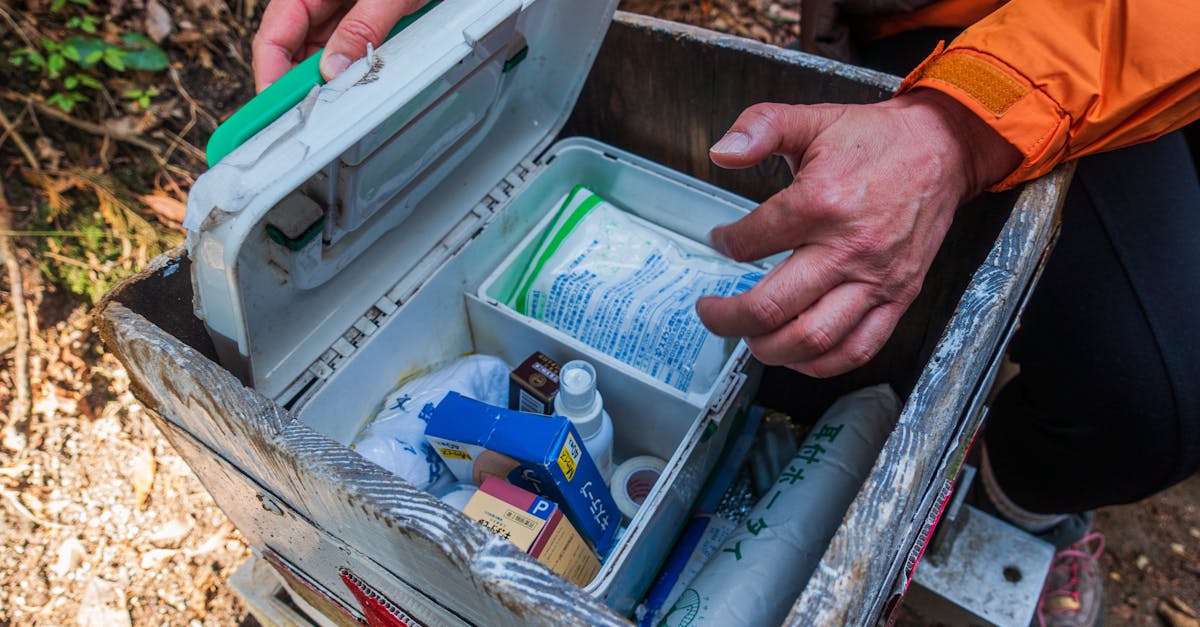
Have you ever found yourself deep in the woods, miles from help, wishing you had something to patch up a scraped knee or soothe a sudden sting? Hiking is thrilling but unpredictable, and that’s why I never hit the trail without a well-stocked first aid kit. It’s more than just a box of bandages—it’s peace of mind packed into a compact kit designed to handle nature’s surprises.
In this text, I’ll share what I’ve learned about choosing the right first aid kit for hikers, including essentials you might overlook and tips to customize your kit for any adventure. Whether you’re a weekend wanderer or a seasoned trekker, having the right gear can make all the difference when the unexpected happens.
Overview of First Aid Kits for Hikers
When it comes to hiking, having a first aid kit isn’t just a good idea—it’s a must. These kits are like your safety net in the wild, ready to handle everything from minor scrapes to unexpected injuries. What I’ve found is that the best hiking first aid kits are compact but surprisingly thorough. They pack in essentials without weighing you down, which is a big deal when every ounce counts on the trail.
Usually, these kits include things like adhesive bandages, antiseptic wipes, and tweezers. But what makes a kit really stand out are extras like blister treatment, pain relievers, and burn cream. Some even add a small emergency blanket or a whistle—clever additions if you’re off the beaten path. A tip from my own experience: always look for kits that come in waterproof cases or pouches. Keeping your supplies dry can make all the difference if sudden rain shows up.
You might wonder how these kits differ from a standard home first aid box. The key is portability and relevance. Hiking kits focus on the types of injuries hikers most commonly face—think blisters, cuts from branches, or bug bites—while cutting out bulky items you won’t need out there. That means more room for snacks or an extra water bottle (always a win on long hikes).
Here’s a quick snapshot of what you’ll typically find inside good hiking first aid kits:
| Item | Purpose | Why It Matters |
|---|---|---|
| Adhesive Bandages | Cover small cuts and blisters | Prevents infection and protects wounds |
| Antiseptic Wipes | Clean wounds quickly | Keeps germs away, speeding healing |
| Tweezers | Remove splinters or ticks | Stops infections from dirt or bites |
| Pain Relievers | Reduce pain or swelling | Helps keep you moving comfortably |
| Blister Pads | Cushion and protect blisters | Stops blisters from worsening |
| Burn Cream | Soothes minor burns and sunburns | Eases pain and speeds recovery |
| Emergency Blanket | Retains body heat in cold weather | Useful if you get stranded or injured |
Having dealt with a few unexpected scrapes on my hikes, I can tell you that a first aid kit that’s easy to navigate makes all the difference. I remember one trip where my kit had clear labels and color-coded compartments. It saved me time and stress—because nobody wants to fumble for bandages right after a tumble.
If you’re shopping for a kit, keep an eye out for these features:
- Lightweight design that fits your pack comfortably
- Waterproof or water-resistant casing
- Clear instructions included for beginner-friendly care
- Enough supplies for at least one person, but ideally a bit extra
- Easy-to-resupply options so you’re never caught empty
Still unsure what the right size or style is for your hikes? Think about how long your trips usually are and what kind of terrain you tackle. Short day hikes might only need a basic kit. Longer or more rugged hikes call for well-stocked options with some extras.
On top of that, customizing your kit with personal medications or allergy treatments adds a smart personal touch (seriously, it’s saved me during allergy season more than once). Remember, your first aid kit is an extension of your safety plan—making it fit your specific hike means you’re genuinely prepared without carrying unnecessary weight.
Try adding a quick checklist to your gear prep routine so you don’t forget to restock or pack the kit before hitting the trail. With a little attention ahead of time, your hiking adventures can stay fun, safe, and worry-free.
Features of First Aid Kits for Hikers
When I pick a first aid kit for hiking, I look for a few key features that make it both practical and easy to carry. These kits should cover the common injuries you’re likely to face on the trail but stay lightweight and compact enough to tuck in your backpack without weighing you down. Here’s what I focus on.
Size and Portability
A hiking first aid kit should be small enough to fit comfortably in a backpack or even a large pocket. I’ve found that the ideal size is roughly the volume of a paperback book or smaller. This keeps things manageable, especially when you’re already carrying water, snacks, and other gear.
Portability isn’t just about size, though. I always check for kits with sturdy carrying cases that zip or snap shut, so supplies don’t spill out. Some come with clip loops or straps that let you hook the kit onto your pack or belt—a handy feature if you want quick access without digging through your gear.
Contents and Supplies
What’s inside makes all the difference. A solid hiking first aid kit covers the basics but also packs a few extras that have saved me on countless trips:
- Adhesive bandages in assorted sizes for cuts and scrapes
- Antiseptic wipes or ointments to prevent infection
- Tweezers, which are lifesavers for removing splinters or ticks
- Blister treatment, like moleskin or blister pads, because nothing ruins a hike faster than a hotspot on your foot
- Pain relievers like ibuprofen or acetaminophen for aches or headaches
- Burn cream or aloe gel for sunburns or campfire mishaps
I always add a personal touch by including any medications I need and extra items depending on the length and difficulty of the hike.
Durability and Waterproofing
Weather and accidents don’t follow a schedule, so your kit needs to hold up no matter what. I look for kits in waterproof or water-resistant cases to protect the contents from rain, river crossings, or unexpected spills.
Some kits have rugged outer shells made from durable nylon or hard plastic. These materials help keep everything organized and shield fragile supplies from crushing. When you’re miles from help, knowing your first aid kit won’t fall apart inside your pack is a real confidence booster.
Weight Considerations
Weight might seem obvious for hikers, but it’s surprising how quickly a first aid kit can creep up in the total load. For me, every ounce counts. I’ve learned to prioritize lightweight materials and compact solutions—like foil-wrapped antiseptic wipes instead of bulky bottles.
On a recent trip, I switched from a general household first aid kit to a dedicated hiking version and cut nearly half a pound from my pack without losing important supplies. Trust me, your back will thank you after hours on the trail.
Quick Tips for Packing Your Hiking First Aid Kit
- Check expiration dates before every hike
- Include any personal medications and allergy treatments
- Use resealable bags for loose items to keep things neat
- Update your kit after each trip based on what you used (or wish you had)
Having a reliable first aid kit that feels like a natural part of your hiking routine takes the stress out of being prepared. You’re ready for bumps, scrapes, and surprises without carrying more than you need.
Performance and User Experience
Choosing a first aid kit for hiking isn’t just about what’s inside the pouch. It’s about how it performs on the trail and how easy it is to use when you’re out there—sometimes in tough spots. Here’s what I learned putting several kits to the test, focusing on real-world ease and the effectiveness of their supplies.
Ease of Use in Outdoor Settings
A first aid kit can be a lifesaver. But if it’s a hassle to open or find what you need, that lifesaving moment turns into frustration. What I look for most is simplicity. The best kits have:
- Clear labeling that helps you locate items fast—no squinting or guessing.
- Organized compartments or color-coded sections so everything feels in its place.
- Packaging that opens easily, even with cold or sweaty hands (because trust me, fumbling with stubborn zippers when you’re bleeding is the last thing you want).
For example, I tried a hiking kit with a clamshell design that snapped open quickly without needing too much force. This came in handy on a windy, chilly morning when gloved fingers aren’t the most precise tools. Another plus is when the kit includes easy-to-follow instructions or a quick reference guide with simple first aid steps. This feature is gold for those moments when your brain might be racing, or your buddy’s looking to you for help.
Here are a few quick tips to keep things smooth:
- Familiarize yourself with your kit before the hike so you know exactly where things are.
- Use resealable bags inside the kit to keep small items tidy and dry.
- If your kit feels packed, consider removing duplicates or items you won’t realistically use, trimming down the bulk.
These small habits turn a first aid kit from a mystery box into a tool you reach for confidently.
Effectiveness of Medical Supplies
When you’re a few miles in and accident strikes, how well your first aid supplies work makes all the difference. I’ve found that not all hiking kits are created equal. Some just throw in the basics (band-aids, a few wipes), while others give you the essentials plus extras that really matter in the wilderness.
Key items to check include:
| Item | Why It Matters | What to Look For |
|---|---|---|
| Adhesive Bandages | Covers cuts quickly, prevents infection | Variety of sizes, waterproof ones |
| Antiseptic Wipes | Cleans dirt and germs to avoid infections | Alcohol-free options to prevent stinging |
| Blister Treatments | Hiker’s best friend for preventing agony | Moleskin or gel pads |
| Tweezers | Removes splinters or tick safely | Fine-tipped for precision |
| Pain Relievers | Helps manage discomfort | Include common options like ibuprofen |
| Burn Cream | Soothes sun or campfire burns | Cooling gels or aloe vera |
Something I didn’t expect to appreciate until I tried it: blister treatments. Hiking beats up your feet in ways you don’t notice until that sharp pain hits. A kit that has moleskin sheets or gel pads instantly becomes my favorite trail companion.
Effective supplies should also be fresh and functional. I always check expiration dates before packing up for the next trip. Nothing ruins a hike like discovering your antiseptic wipe has dried out or your pain reliever is past its prime.
One time on a long trek, a friend twisted an ankle. His kit had a compact elastic bandage that offered solid support immediately, reducing the swelling and letting us continue an easier pace. That’s what good supplies do—help you keep moving safely.
Actionable takeaway: Before your next hike, spend 10 minutes sorting through your first aid kit. Toss expired items. Add blister care if it’s missing. Organize the essentials so they’re ready when you need them most.
Still, even the best kit won’t help if you’re unfamiliar with the supplies. That’s why using your kit during a practice session closer to home (my last step before every big hike) can make a real difference. It builds confidence and speeds up your response if that “uh-oh” moment ever comes along.
Pros of First Aid Kits for Hikers
Having a first aid kit on a hike is like carrying a little safety net that can make a big difference when unexpected bumps or scrapes happen. From my experience, these kits bring several key benefits that every hiker can appreciate.
Ready for the Unexpected
Hiking trails can throw all kinds of surprises at you — whether it’s a sudden fall, a pesky blister, or a surprise insect bite. A first aid kit lets me handle minor injuries right then and there without scrambling to find help. It’s peace of mind packed in a small box or pouch.
Compact and Easy to Carry
Most hiking-specific first aid kits are thoughtfully designed to be lightweight and compact. I’ve used kits small enough to tuck into a side pocket or clip to a backpack strap. That way, I don’t feel weighed down but still have essentials right where I need them.
Protection Against Common Hiking Aches
Blisters, cuts, and scrapes are the usual suspects when you’re on rugged terrain. First aid kits usually include blister pads, adhesive bandages of different sizes, antiseptic wipes, and sometimes pain relievers. Having those on hand keeps me moving faster and prevents small issues from becoming bigger problems.
Durable and Weather-Resistant
When I’m hiking, I’m often dealing with unpredictable weather and rough ground. A good hiking first aid kit usually comes in a waterproof or water-resistant case that protects supplies from moisture and dirt. It means everything inside stays usable even if the rain decides to join my trek.
Clear Organization Helps in Emergencies
The last thing you want when you’re hurt or stressed is to open a kit that’s a jumbled mess. Many kits offer organized compartments or clear labeling for important items like tweezers, burn cream, or painkillers. That saves time and reduces frustration in moments when every second counts.
Customizable for Your Adventure
Since no two hikes are quite the same, it’s nice when a kit allows you to swap or add supplies based on your route or personal needs. For example, on my longer trips I add extra blister patches and allergy meds. This flexibility makes the kit more useful without adding unnecessary weight.
Quick Tips for Making the Most of Your Hiking First Aid Kit
- Check and replace expired items before every hike
- Use resealable bags inside the kit to keep things organized and dry
- Practice opening and using the kit at home so you’re not fumbling in the wild
- Add personal medications or allergy treatments for peace of mind
Having a first aid kit feels like carrying a little backup crew in my pack. It’s reassuring more than anything else and helps me stay confident and prepared while enjoying the trail.
Cons of First Aid Kits for Hikers
Even though first aid kits for hikers are a must-have, they come with a few quirks that can catch you off guard if you’re not prepared. Here’s what I’ve noticed from personal experience and testing a handful of popular kits.
Limited Space Means Tough Choices
Hiking kits are meant to be lightweight and compact, which is great for keeping your pack light. Still, that small size means you often can’t carry every single item you might need. If you have specific allergies, chronic conditions, or prefer certain brands of medication, you could quickly run out of room. I remember once needing an extra roll of tape for a sprained ankle, and my kit just didn’t have it.
Shelf Life and Expired Supplies
Here’s the kicker: first aid supplies have expiration dates. Antiseptic wipes, adhesive bandages with antibiotic ointments, and pain meds don’t last forever. If you don’t regularly check and replace expired items, your kit can end up full of “just in case” products that won’t work when you need them. Honestly, I’ve caught myself with outdated ointments a couple of times—sticky situation.
Can Be Overwhelming for Beginners
Some kits look more like mini pharmacies with dozens of items that can make your head spin. If you’re new to hiking first aid, you might struggle to figure out what’s what when every second counts. That’s why I always recommend getting familiar with your kit before hitting the trail. Nothing beats a quick practice run at home to make sure you know where everything lives.
Durability Vs. Weight Trade-Off
It’s rare to find a kit that’s both super durable and feather-light. Tough cases tend to add weight and bulk, while ultra-light options sometimes skimp on protective packaging, which risks stuff getting crushed or water-damaged. For example, one kit I tested was a dream for weight but the pouch split after a rough fall. A reliable, water-resistant case is worth the extra ounces if you ask me.
Price Can Add Up Quickly
Decent hiking first aid kits aren’t usually dirt cheap, especially when you look for high-quality supplies or extras like blister treatment and specific meds. If you customize your kit with personal medications or additional gear, costs climb even further. Just keep in mind that spending a bit more upfront often means better peace of mind and well-rounded preparedness.
Quick Tips for Avoiding These Pitfalls:
- Regularly swap out expired items (set a reminder every six months)
- Customize your kit thoughtfully; carry basics plus personal must-haves
- Take a few minutes to learn how to use each item before a hike
- Choose a case that balances weight with durability for your hiking style
- Compare prices and reviews to find kits that fit your budget without sacrificing essentials
Comparison with Other First Aid Kits
Choosing the right first aid kit for hiking means knowing how it stacks up against other types. After all, not every kit fits every adventure or user. Let’s look at how hiking kits compare with camping counterparts and how budget options measure up against premium choices.
First Aid Kits for Camping vs. Hiking
At first glance, camping and hiking first aid kits might seem like the same thing, but they serve different needs. Camping kits tend to be bulkier with more supplies meant for longer stays and a broader range of injuries. Hiking kits have to be compact and light to avoid weighing down your pack.
Here’s the kicker: hiking kits focus on quick-fix items for typical trail scrapes, insect bites, and blisters. For example, a hiking kit usually includes blister pads, small antiseptic wipes, and lightweight pain relievers — all packed smartly to save space. Camping kits, meanwhile, often contain larger wound dressings and sometimes even splints, expecting more serious injuries or longer wait times for help.
I once noticed the difference firsthand when I grabbed my camping kit for a day hike. It was too bulky and heavy for the short trip, and most of the contents felt overkill. Switching to a hiking kit made a huge difference in comfort and accessibility without losing essential tools.
Quick Tips:
- Use a hiking kit for day trips or fast-paced walks.
- Opt for a camping kit if you plan extended stays or rough terrain with higher injury risks.
- Double-check that your kit’s contents match the type of adventure you’re tackling.
Budget-Friendly vs. Premium Kits
Who doesn’t want the best bang for their buck? But when it comes to first aid kits for hiking, price doesn’t always tell the whole story. Budget-friendly kits are great starters: they cover essentials like bandages, antiseptic, and tweezers without emptying your wallet. The trade-off? Sometimes the materials or case durability can suffer, and fewer extras like blister treatments or burn cream may be included.
Premium kits often have longer-lasting supplies, waterproof cases, and neat compartments that keep everything organized during an emergency — which makes a difference when stress levels soar. I’ve used a premium kit on rugged trails, and its organized layout saved precious seconds in treating a nasty blister. On the flip side, some premium kits pack a ton of items that can feel overwhelming for casual hikers.
Here’s a quick comparison of features I found key:
| Feature | Budget-Friendly Kits | Premium Kits |
|---|---|---|
| Weight | Usually lighter but less rugged | Often heavier but more durable |
| Contents | Basic essentials | More comprehensive |
| Case Material | Basic plastic or fabric | Waterproof, rigid cases |
| Organization | Minimal compartments | Multiple labeled compartments |
| Price Range | Around $15 – $30 | Around $50 – $100+ |
If you’re just getting started or rarely hit tough trails, a budget kit does the trick (and saves some cash). But if your hikes get serious or you want a kit that feels like an extension of your brain for injuries, investing in a premium kit can be peace of mind worth the price.
My takeaway: match your kit to your typical hike length and difficulty, and upgrade if you find your needs expanding.
Ready to pick your perfect first aid companion? Keep your hike in mind — bite-size and quick fixes or longer treks needing extra backup — and you’ll be set to handle what the trail throws your way.
Testing and Hands-on Experience
When it comes to first aid kits for hikers, nothing beats getting your hands on the actual product and putting it to the test. That’s where you really see how well it performs out on the trail. Let me walk you through what I experienced with several popular kits.
Real-World Usage Scenarios
I’ve found that the real value of a hiking first aid kit shines when you actually need it. On different hikes—ranging from easy day trips to rugged multi-day treks—I tested kits by simulating typical scenarios like treating blisters, scrapes, and insect bites.
Here’s what stood out to me across various situations:
- Quick Access Matters: Kits with organized compartments and clear labels saved time when I had to grab bandages or antiseptic wipes fast. Trying to sort through a jumbled mess when you’re in a hurry? Not fun.
- Portability Wins: The lighter and more compact kits fit neatly into my backpack without feeling like extra baggage, especially on longer hikes where every ounce counts.
- Water Resistance: On wetter days, kits with waterproof cases or pouches kept supplies dry and usable. I can’t stress enough how miserable it is to open a soggy pack and find your bandages sticking together.
One helpful tip: I always practiced using each kit beforehand to avoid fumbling in an actual emergency. Knowing “where the tweezers live” or how to open sealed packets quickly made a difference in confidence and speed.
Longevity and Reliability
Here’s the kicker: a first aid kit’s value doesn’t stop at the trailhead. I put kits through repeated uses and exposed some to humidity and rough handling to see how long they’d last.
These were my key takeaways:
| Factor | Observation | Why It Matters |
|---|---|---|
| Material Durability | Durable nylon cases held up better than plastic boxes that cracked after drops | Hiking can be rough—durable cases protect your supplies |
| Supply Shelf Life | Checking expiration dates is essential since some meds and creams lose effectiveness | Fresh supplies actually work when you need them most |
| Packaging Integrity | Resealable compartments kept items secure versus glued or heat-sealed packs that tore | Preventing accidental spills saves headaches on the go |
| Weight Retention | Kits did not gain weight after exposure to moisture thanks to good water-resistant design | Nobody wants a mushy mess in their pack |
After testing, I recommend setting a reminder every 6-12 months to inspect your first aid kit. It’s easy to forget but worth it—expired or crushed supplies won’t help an unexpected scrape.
If you want to keep things even simpler, consider smaller “refill packs” that you can replace inside your main kit. It saves you from buying a whole new kit every season.
Feeling ready to tackle your next hike with confidence? A bit of hands-on testing and regular upkeep go a long way in turning any first aid kit into a trusty trail companion.
Conclusion
Having the right first aid kit tailored to your hiking style makes all the difference when you’re out on the trail. It’s not just about carrying supplies but knowing what’s inside and how to use them confidently.
Regularly updating and organizing your kit ensures you’re never caught off guard. With the right balance of portability, durability, and essentials, you’ll feel prepared for whatever the wilderness throws your way.
Choosing wisely means more peace of mind and more time enjoying the adventure ahead.
Frequently Asked Questions
Why is it important to carry a first aid kit while hiking?
A first aid kit provides peace of mind and preparedness for unexpected injuries or emergencies on the trail. It allows hikers to treat minor wounds immediately, reducing the risk of infection or complications.
What essential items should a hiking first aid kit include?
A well-stocked kit should have adhesive bandages, antiseptic wipes, tweezers, blister treatment, pain relievers, and burn cream. Personal medications and wound-cleaning supplies are also important.
How should I choose the right first aid kit for hiking?
Look for a compact, lightweight, and waterproof kit with clear instructions and organized compartments. Ensure it covers basic injuries common during hikes and can comfortably fit in your backpack.
Can I customize a hiking first aid kit?
Yes, customize your kit based on the length of your trip, specific health needs, and environment. Add items like extra blister care, allergy medicine, or specialty supplies as needed.
How often should I check and update my first aid kit?
Check your kit before each trip. Replace expired items, restock used supplies, and update personal medications regularly to keep it ready for emergencies.
What are the differences between hiking and camping first aid kits?
Hiking kits are smaller, lightweight, and focused on quick fixes for minor injuries. Camping kits are bulkier, include more supplies, and are designed for longer stays with potentially serious injuries.
Premium kits often offer better organization, durable cases, and more comprehensive supplies, making them ideal for serious hikers. Budget kits cover basics but may lack durability and convenient features.
How can I improve my experience using a hiking first aid kit?
Familiarize yourself with the contents and practice using key items before your hike. Clear labels and organized compartments also make it easier to find supplies quickly in emergencies.
What are common drawbacks of hiking first aid kits?
Limited space forces tough choices about what to include. Kits can become outdated if not checked regularly. Beginner hikers might find complex kits overwhelming, and high-quality kits can be costly.
What tips help maintain an effective hiking first aid kit?
Set reminders to check expiration dates, use resealable bags for organization, balance durability with weight, and customize supplies thoughtfully to fit your hiking style and needs.