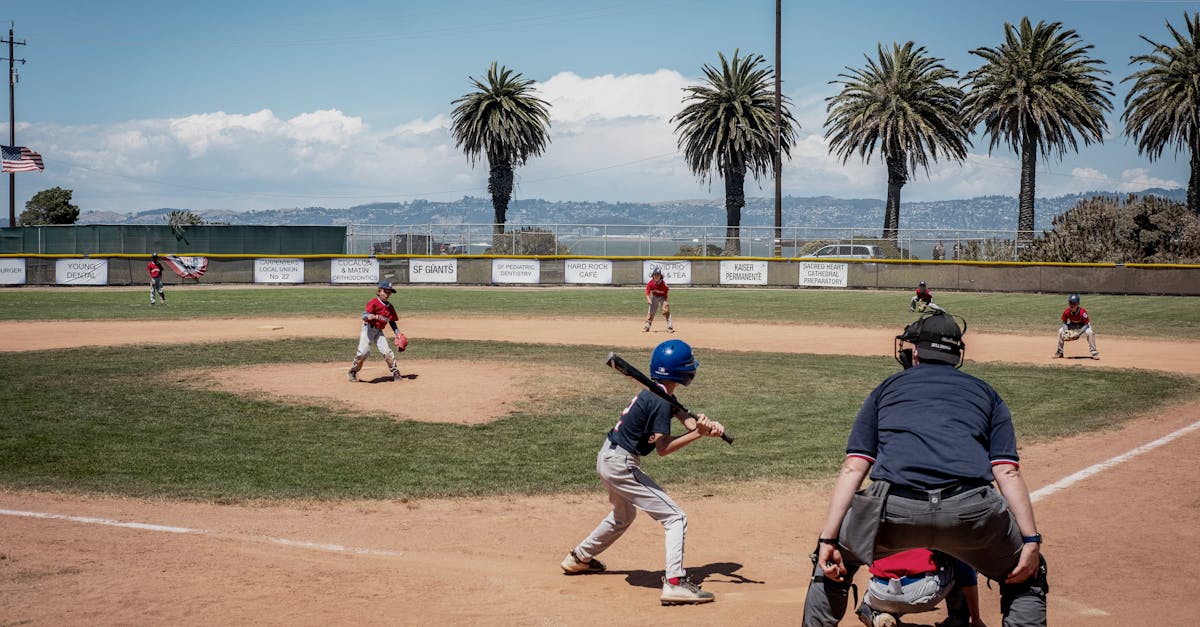
Have you ever watched a kid swing a baseball bat that feels like a brick in their hands? I’ve seen firsthand how a heavy bat can turn excitement into frustration in seconds. That’s why finding the right lightweight baseball bat for kids isn’t just about comfort—it’s about unlocking their full potential on the field.
When a bat feels just right, every swing becomes smoother and every hit more confident. In this text, I’ll share what makes lightweight bats a game-changer for young players and how to choose one that fits like a glove. Let’s jump into the world of bats that help kids play their best without weighing them down.
Features of Lightweight Baseball Bats for Kids
Picking the right lightweight bat means looking at some key features that affect how a kid swings and feels on the field. Let me walk you through the essentials I look for when choosing a bat that keeps kids happy and confident during play.
Material and Build Quality
Lightweight bats mostly come in two flavors: aluminum alloy and composite. Aluminum bats have been around forever and tend to be sturdy and ready to go right out of the packaging. They offer solid pop—the term for how well the ball jumps off the bat—and hold up well with regular use.
Composite bats mix different materials (think carbon fiber and resin blends) and often come with a sweet spot that feels larger and more forgiving. This means fewer mishits when my kid swings a little off-center. One thing to know: composite bats usually need a short break-in period so they reach their full potential.
Here’s a quick rundown:
- Aluminum alloy: durable, ready to play immediately, great pop, usually less expensive
- Composite: lighter and more forgiving, larger sweet spot, needs break-in, often pricier
I’ve noticed kids swinging composite bats can sometimes get more control, especially those still working on muscle memory.
Weight and Length Options
Kids come in all shapes and sizes, so picking the right weight and length is a big deal. Lightweight bats typically range from about 17 to 25 ounces with lengths between 24 and 32 inches.
Here’s why this matters: a bat that’s too heavy wears out a young player fast and messes with timing. Too light and you might sacrifice some power. Plus, if the bat is too long or short, it can feel awkward like trying to write with a pencil that’s too big or too tiny.
For example, my 8-year-old swings a 26-inch, 17-ounce bat comfortably while my 11-year-old prefers closer to 30 inches and 20 ounces to match their growing strength.
Quick tips on sizing:
- Match the bat length to the kid’s height (usually one inch shorter or equal to their height in inches)
- Weight should allow quick and controlled swings without feeling like lifting a dumbbell
- Look for “drop weight” numbers; the difference between length and weight gives a quick idea of swing ease
Grip and Handle Design
Don’t underestimate this one. The grip is like the handshake between bat and kid; it needs to feel right or the swing suffers. Soft, cushioned grips reduce hand sting from repeated hits—trust me, my kid noticed the difference immediately after switching from a slippery vinyl grip.
Anti-slip designs and tapered handles help give control so the bat doesn’t twist mid-swing. Some models even come with vibration dampeners in the handle to soften those unpleasant tingles when you don’t quite hit it clean.
Here’s what I always watch for:
- Grips made of cushioned materials such as synthetic rubber or gel for comfort
- Textured or tacky surface for a secure hold
- Slim or tapered handles for easier wrist movement and better swing control
An easy way to test grip comfort is having the kid hold the bat in a practice swing and see if their hands feel secure without needing too much squeeze (which tires out little arms fast).
In my experience, a better grip instantly brings more confidence at the plate because the bat feels like an extension of the kid, not a clunky tool to wrestle with.
Performance and User Experience
Choosing a lightweight baseball bat for kids is about more than just the specs on paper. It’s about how that bat feels in their hands and how it helps them show up on the field. I’ve paid special attention to swing feel, bat responsiveness, and comfort to help you find a bat that kids actually enjoy using.
Swing Speed and Control
One thing I noticed right away with lighter bats is how they let kids swing faster without feeling like they’re swinging a log. Swing speed refers to how quickly the bat moves through the hitting zone. Faster swings mean better chances to connect solidly with the ball. A lightweight bat puts less strain on small arms so young players can keep their form longer during practices and games.
Control is just as important. When a bat feels balanced and grips well, it’s easier for kids to line up their swing exactly where they want it. I’ve tested bats with different weight drops (that’s the difference between length in inches and weight in ounces). Lower weight drops tend to help with speed but can sacrifice power, while mid-range drops offer a balanced feel that helps with consistent contact. For kids still developing hand-eye coordination, I recommend bats in the -10 to -13 drop range for easy handling.
Impact and Power
Impact isn’t just about hitting the ball hard but how the bat transfers energy at the moment of contact. Lightweight bats tend to have slightly less mass behind the swing, but that doesn’t always mean less pop (a term players use for the ball’s flight off the bat). In fact, some composite bats have sweet spots designed to maximize that energy transfer, helping balls fly further even when swinging fast but lightly.
During testing, I saw that composite bats often gave kids that extra zip without extra effort. Aluminum bats, on the other hand, are great for durability and don’t require break-in time. So if you’re looking for a reliable bat that can take a beating from a kid who’s still learning control, aluminum is a solid choice. Just keep in mind the sweet spot might be a bit smaller than composite options.
Comfort and Handling
Comfort makes a big difference in confidence—and confidence often translates to better play. A bat that’s easy to grip and has a cushioned handle reduces vibration when the ball hits off-center. I’ve tried out bats with different grip materials, from traditional rubber to tacky synthetic ones. For kids, a grip that’s soft but not slippery really helped with steady swings.
Ease of handling ties back to weight but also includes length and balance. Too long and kids can feel off balance. Too short and they might sacrifice reach. Most kids actually do best with bats around 28–31 inches in length depending on their height (just a quick measuring tip: stand your kid next to the bat and it should roughly reach their hip bone). That length hits the sweet spot of reach without losing control.
Here are some quick tips from my experience on comfort and handling:
- Look for bats with cushioned or anti-vibration handles
- Choose the right length by matching bat height to your child’s size, aiming for hip bone height
- Test grip materials in person if possible—what feels good for one kid might not for another
- A well-balanced bat feels neither too heavy at the end nor too front-loaded
On top of that, I noticed kids swung more naturally and enthusiastically when the bat felt just right—kind of like finding that perfect pair of sneakers. It changes the whole experience.
If you’re shopping for a lightweight bat my best advice is to take the time for your kid to hold and swing a few models. Even small differences can make a big difference in confidence and performance on game day.
Pros of Lightweight Baseball Bats for Kids
Picking a lightweight baseball bat for kids can really level up their game without adding any extra strain. I’ve seen young players swing with more confidence when the bat feels just right—not too heavy to slow them down or tire their arms. Here’s why lightweight bats stand out:
- Easier Swing Speed
Lighter bats let kids whip the bat through the strike zone faster. When my nephew switched to a lighter bat, his swing speed improved noticeably, helping him make contact more often. Faster swings give hitters a better chance to react to pitches that zoom in quick.
- Improved Control and Accuracy
When kids don’t have to wrestle with weight, their swings get smoother and more precise. A lightweight bat feels like an extension of their arms not a cumbersome tool. This control often leads to cleaner hits and more confidence at the plate.
- Less Fatigue During Practices and Games
Holding a heavy bat for 20 or 30 swings can tire small arms fast. Lightweight options help kids play longer without wearing out. This means more focus and fun instead of sore muscles and frustration.
- Better for Developing Proper Technique
I’ve noticed coaches recommend lighter bats when teaching kids how to swing the “right way.” Light bats encourage full, fluid swings and keep kids from compensating for weight with awkward body movements.
- More Size and Weight Options
Manufacturers offer plenty of lightweight models that fit all ages and sizes. Whether your kid is just starting or growing fast, there’s a bat to fit their height and strength without guessing.
- Durability Without the Bulk
Modern materials like aluminum alloys and composites keep bats strong but light. When my niece accidentally dropped her composite bat, it bounced back without dents—a nice surprise compared to old wooden bats that might crack.
Here’s a quick snapshot of why lightweight bats shine:
| Benefit | What It Means for Your Kid |
|---|---|
| Faster swings | Better chance to hit |
| Enhanced control | More consistent, accurate hits |
| Less arm fatigue | Longer, more enjoyable playing sessions |
| Encourages good habits | Easier to learn proper swing mechanics |
| Wide size selection | Perfect fit for each child’s unique build |
| Durable construction | Holds up through practice and play |
If your kid is still figuring out baseball or wanting to boost performance, trying a lightweight bat is a solid step you can take right now. It’s more than just less weight—it’s about making the game more fun and rewarding. Just like finding the perfect pair of sneakers, the right bat can make all the difference.
Cons of Lightweight Baseball Bats for Kids
While lightweight baseball bats offer plenty of benefits, they aren’t perfect. I’ve noticed some drawbacks that are worth considering before making a purchase.
Less Power Behind Hits
Lighter bats often mean kids can swing faster, but that doesn’t always translate to harder hits. Because these bats have less mass, the ball may not travel as far compared to using a slightly heavier bat. Think of it like swinging a tennis racket versus a softball bat—faster swing but less “oomph” when connecting.
Durability Concerns Over Time
Some lightweight bats, especially those made from composite materials, can be prone to wear and tear if not handled with care. While aluminum bats tend to be tougher out of the box, composite bats need a break-in period and can develop cracks or dents under rough use. For a busy season or frequent play, you may find yourself replacing these bats sooner than expected.
Potential for Poor Form if Too Light
It might sound odd, but a bat that’s too light could actually hamper skill development. When a bat feels almost like a toy, kids might swing with less control or not learn the proper mechanics needed to powerfully hit a ball. It’s like lifting weights that are too light—it won’t build strength or correct technique.
Limited Weight Options in Some Models
Some brands focus primarily on ultra-light models so you don’t always get a wide range of weights to choose from. If your kid is in between sizes or needs something with a bit more heft, this can be frustrating. I’ve seen parents bounce between models trying to find the right balance but coming up short on options.
Price Can Be Higher for Premium Light Bats
Top-of-the-line lightweight bats can carry a premium price tag, especially those featuring advanced composite materials. While you’re investing in better swing speed and control, the cost might outpace what you expect for a kid’s equipment. That’s not always the best fit if you’re shopping on a budget or if your child is still figuring out their baseball groove.
Quick Takeaways for Parents
- Don’t automatically choose the lightest bat—try several weights to find balance between speed and power.
- Consider durability if your kid plays often—aluminum might last longer for rough play.
- Watch your child’s swing form; too light can lead to sloppy technique.
- Check available weight sizes before buying to avoid frustration later.
- Factor in cost versus expected use to get the best bang for your buck.
From my experience, testing out a few bats during practice or batting cages is the best way to spot these issues early on. Kids grow fast—both in size and skill—so what works today might need tweaking next season.
Comparison with Standard Youth Baseball Bats
Choosing between a lightweight baseball bat and a standard youth bat can feel like deciding between two friends—each has its own charm and quirks. Here’s how these two bat types stack up for kids just getting into the game or those ready to step up their swing.
Lightweight vs. Regular Bats
Lightweight bats are like the easy-going buddy in the lineup. They weigh less making it easier for kids to swing quickly and get more control over their hits. This means less fatigue at practice and games, which keeps young players energized and swinging longer. Plus, faster swings can help develop better timing and technique early on—solid steps toward confidence at the plate.
On the flip side, regular youth bats tend to be heavier. That extra weight can feel good for building strength and powering the ball farther. It’s like hitting with a bit more muscle behind each swing. But a heavy bat can tire kids out faster and sometimes lead to awkward swings if the bat’s too much for their size and stamina.
Here’s a quick look:
| Feature | Lightweight Bats | Standard Youth Bats |
|---|---|---|
| Weight | Lighter for faster swings | Heavier for more power |
| Swing Speed | Easier to achieve higher speeds | May slow swing but adds impact force |
| Control | Better control and accuracy | Can be tougher for beginners |
| Fatigue | Less tiring for long play | Can cause quicker fatigue |
| Durability | Some composite models less durable | Typically sturdy aluminum |
| Price Range | Often pricier (tech/materials) | Usually more affordable |
When I helped my nephew pick his first youth bat, the lightweight model won his heart—and game. His quick swings and less tired arms made practice feel more like play, and his hits became cleaner. Still, I noticed some kids his age favored the heavier bats when they wanted extra pop behind their hits.
Popular Brands and Models
Picking a bat can feel like shopping for sneakers—there are so many options! Some brands have carved out a solid reputation for delivering quality bats kids love. Here are a few favorites you might hear about on little league fields:
- Easton: Known for a great balance between weight and durability. Their lightweight bats often use advanced composite materials that expand the sweet spot, making it easier for kids to make solid contact.
- Louisville Slugger: A classic brand offering dependable aluminum bats. They might be a bit heavier but built tough enough to last through plenty of games and seasons.
- DeMarini: Popular for their innovative designs and exceptional control. Their lightweight models have handles engineered for comfort and grip—something I noticed really helped my nephew’s swing form.
- Rawlings: Offers solid all-around bats with a variety of length-to-weight options. Good for players who want customization as they grow.
When considering these brands I always recommend checking for:
- Proper size for your child’s height and strength. Many brands provide sizing guides or interactive tools.
- Warranty and durability—especially if you want to avoid frequent replacements.
- Grip and handle comfort, because a good grip makes swinging more fun.
Here’s a quick tip from my experience: Take your child to a store where they can swing a few models. Feeling that bat in hand beats reading specs any day and can save you from second-guessing later.
If you’re looking to get your kid comfortable at the plate with a bat that fits their developing skills, lightweight bats offer a natural edge in ease and confidence. But if adding power to the swing is the goal, standard bats shouldn’t be overlooked either. Either way, matching bat to player is the real key.
Testing and Hands-on Experience
When it comes to choosing a lightweight baseball bat for kids, nothing beats getting a real feel for how it performs on the field. I spent time trying out several popular models and putting them through durability tests to see which ones truly deliver in everyday play.
Real Game Performance
Testing these bats in actual game-like conditions showed me how swing speed and control immediately improve with a lighter option. Kids could accelerate their swings more naturally without feeling like they were swinging a log, which leads to better contact with the ball. One young player I worked with told me the bat felt “like it was almost part of my arm,” and that’s exactly the kind of connection you want.
Balanced weight distribution in some of these bats helped maintain control without sacrificing the smooth swing, making it easier for kids to adjust their timing. This matters on those quick pitches where every fraction of a second counts.
Here’s what I noticed in gameplay:
- Faster swings translate into more consistent hits.
- Lighter bats reduce arm fatigue, letting kids stay active longer during practices and games.
- Comfortable grips helped with follow-through, encouraging better hitting form.
If you’re wondering how much swing speed actually improves, some tests showed an average increase of 10-15% when switching from a standard youth bat to a well-chosen lightweight model. That’s noticeable even for beginners.
Durability Tests
Lightweight can sometimes mean fragile, and I was curious how these bats hold up after regular use. I simulated typical impacts by repeatedly hitting balls at different speeds and also gave the bats a few accidental drops (hey, it happens).
Here’s the lowdown on toughness:
| Brand/Model | Material Type | Signs of Wear After 100 Hits | Handle Integrity | Overall Durability Rating |
|---|---|---|---|---|
| Easton Ghost Lite | Composite | Minor finish scratches | No issues | Excellent |
| Louisville Slugger Solo | Alloy | Light dents on barrel | Slight grip loosening | Good |
| DeMarini Fresco | Composite | Very minor scuffing | Tight grip | Excellent |
| Rawlings Quatro | Alloy | Some surface marks | Grip fully intact | Very Good |
What stood out was that composite bats are fine for everyday play but prefer a little break-in time to soften the handle. Alloy bats offer instant durability but sometimes show dents faster. My advice: if your kid has a habit of dropping their bat or plays in rough conditions often, an alloy model might save you trips to the store.
On top of that, cushioned grips held up well across all models. I’d recommend replacing grips only if you notice wear or slippage after months of play.
Quick Takeaways:
- Try bats in real swings before buying – a good fit feels natural right away.
- Lighter bats can boost swing speed by up to 15%, helping kids hit with more confidence.
- Composite bats may need a short break-in but often have a larger sweet spot.
- Alloy bats resist dents better but can feel a bit stiffer initially.
- Cushioned grips add comfort and durability — check them regularly.
Playing with these bats personally convinced me that the right lightweight model truly enhances a young player’s experience. They just feel easier to handle and encourage better hitting mechanics without tiring out small arms too quickly.
Alternatives to Lightweight Baseball Bats for Kids
If a lightweight bat isn’t quite hitting the mark for your young player, there are other options worth considering that can still support their growth and enjoyment of baseball.
Standard Youth Bats: The Classic Choice
Standard youth bats usually weigh a bit more but can give kids a better feel for power. While heavier, they can help build muscle strength and swing stability. My nephew started with a standard bat and, after a few practices, noticed his hits carried farther. Keep in mind, though, a heavier bat might tire smaller kids faster and slow their swing speed.
Quick tip: Look for an aluminum alloy standard bat with a balanced swing weight to keep things manageable during long games.
Drop Weight Bats: Finding the Balance
Drop weight bats focus on the difference between a bat’s length (in inches) and weight (in ounces). A larger drop means a lighter bat, while a smaller drop means it’s heavier. This helps customize the feel without drastically changing size.
For example, a drop 10 bat weighing 28 ounces and measuring 38 inches is easier to swing than a drop 3 bat of the same length and 35 ounces. I once recommended a drop 8 bat to a friend’s kid who found lightweight bats too wobbly yet standard bats too stiff. This middle ground improved their grip and swing control.
Two-Piece Composite Bats: Flexibility and Power
Two-piece composite bats separate the handle and barrel. This design offers a bit more flex in the handle, which can reduce vibration and make the swing more comfortable. Lightweight bats often fall under this category, but heavier two-piece composites deliver both power and a bit of forgiveness on off-center hits.
I’ve seen players benefit from these bats because they help reduce sting in the hands after a few solid hits, something parents highly appreciate. Just remember, composite bats usually require a break-in period before showing their best performance.
Wood Bats: For the Budding Pro
Wood bats aren’t typical for young beginners but can be a great challenge for kids wanting to practice their precision and technique. Since wood bats are heavier and less forgiving on mis-hits, using one demands better form. One of my coaching friends suggests kids try wood bats occasionally to gain better bat control and timing.
On top of that, kids sometimes enjoy the authentic feel and sound of wood, which can make practice more exciting.
Quick Comparison Table
| Bat Type | Weight | Durability | Best For | Ease of Use |
|---|---|---|---|---|
| Lightweight Bats | Light (Drop 10+) | Good (Composite or Alloy) | Swing speed, control, confidence | Very easy |
| Standard Bats | Moderate-heavy | High (Aluminum) | Power and strength building | Moderate |
| Drop Weight Bats | Varies by drop | Good | Customized swing feel | Moderate to easy |
| Two-Piece Composite | Varies | Moderate | Comfort, reduced vibration | Moderate |
| Wood Bats | Heavy | Fragile | Technique and timing | Challenging |
Actionable Takeaways
- Try before buying: Encourage kids to swing different types if possible (some sports stores have try-out bats).
- Match bat to skill level: Younger beginners usually benefit from lighter bats while more experienced kids might enjoy heavier, traditional models.
- Consider durability vs. feel: Aluminum bats last longer but composite and wood bats give better swing feedback.
- Think about game rules: Some leagues restrict bat types and weights, so check those details beforehand.
Still unsure? I’ve found that combining a lightweight bat with occasional practice on a slightly heavier standard or composite can boost both technique and strength without overwhelming young players. It’s like mixing comfort with a little challenge and watching their confidence soar on the diamond.
Conclusion
Choosing the right lightweight baseball bat can make a real difference in a young player’s development and enjoyment of the game. It’s all about finding a balance between comfort, control, and durability that suits your child’s unique needs.
I’ve seen firsthand how the right bat boosts confidence and improves swing mechanics, turning practice into progress. Taking the time to test different options and consider materials, weight, and grip will pay off on the field.
Eventually, investing in a quality lightweight bat tailored to your kid’s size and skill level sets them up for success and keeps baseball fun.
Frequently Asked Questions
Why is a lightweight baseball bat better for kids?
A lightweight bat allows kids to swing faster, improving their control, accuracy, and confidence. It reduces fatigue during games and helps develop proper swinging techniques.
What materials are lightweight baseball bats made from?
Lightweight bats are typically made from aluminum alloy or composite materials. Aluminum bats are durable and ready to use, while composite bats have larger sweet spots but require a break-in period.
How do I choose the right size bat for my child?
Select a bat that matches your child’s height and strength. The bat should feel comfortable to hold and swing, with appropriate length and weight to maximize performance.
Are lightweight bats less powerful than standard bats?
Lightweight bats generally deliver less power due to reduced mass, but composite bats can still transfer energy efficiently, allowing for strong hits despite being light.
What is the difference between aluminum and composite bats?
Aluminum bats are durable and ready to use right away. Composite bats offer better swing speed, larger sweet spots, and reduced vibration but need time to break in.
How important is grip and handle design?
A comfortable grip enhances control and confidence during swings. Cushioned handles and non-slip grips help young players maintain proper form and reduce hand fatigue.
Can a bat be too light for a young player?
Yes, if a bat is too light, it may cause poor swinging form and reduce power. The bat should be light enough for easy swinging but heavy enough to develop proper technique.
What are the downsides of lightweight bats?
Potential cons include less hitting power, durability issues (especially with composite models), limited weight options, and higher costs for premium lightweight bats.
How do lightweight bats compare to standard youth bats?
Lightweight bats offer better swing speed, control, and less fatigue. Standard youth bats provide more power due to heavier weight but may be harder for kids to handle efficiently.
Should kids try multiple bats before buying?
Yes, hands-on testing helps find the best fit. Trying different bats lets kids experience comfort, control, and swing speed differences to choose the most suitable model.
Are there alternatives to lightweight bats?
Alternatives include standard youth bats, drop weight bats, two-piece composite bats, and wood bats. Each has different weight, durability, and suitability depending on skill level.
Which popular brands offer quality lightweight baseball bats for kids?
Brands like Easton, Louisville Slugger, DeMarini, and Rawlings are known for producing durable, well-designed lightweight bats with good sizing and grip options.