Have you ever felt stuck in a yoga pose, wishing you had an extra hand to guide you? I know I have. That’s where yoga blocks and straps come in—they’re like secret tools that open up new possibilities on the mat.
Using these simple props transformed my practice, making challenging poses feel accessible and even enjoyable. In this text, I’ll share how beginners can use blocks and straps to build strength, improve flexibility, and deepen their connection to yoga without frustration or strain.
Importance of Yoga Blocks and Straps for Beginners
When I first started yoga, I quickly realized some poses felt impossible—or like my body just didn’t want to cooperate. That’s where yoga blocks and straps became lifesavers. These simple tools help bridge the gap between where my flexibility and strength were and where I wanted them to be. They’re like a gentle nudge from a friend saying, “You got this. Just a little help here.”
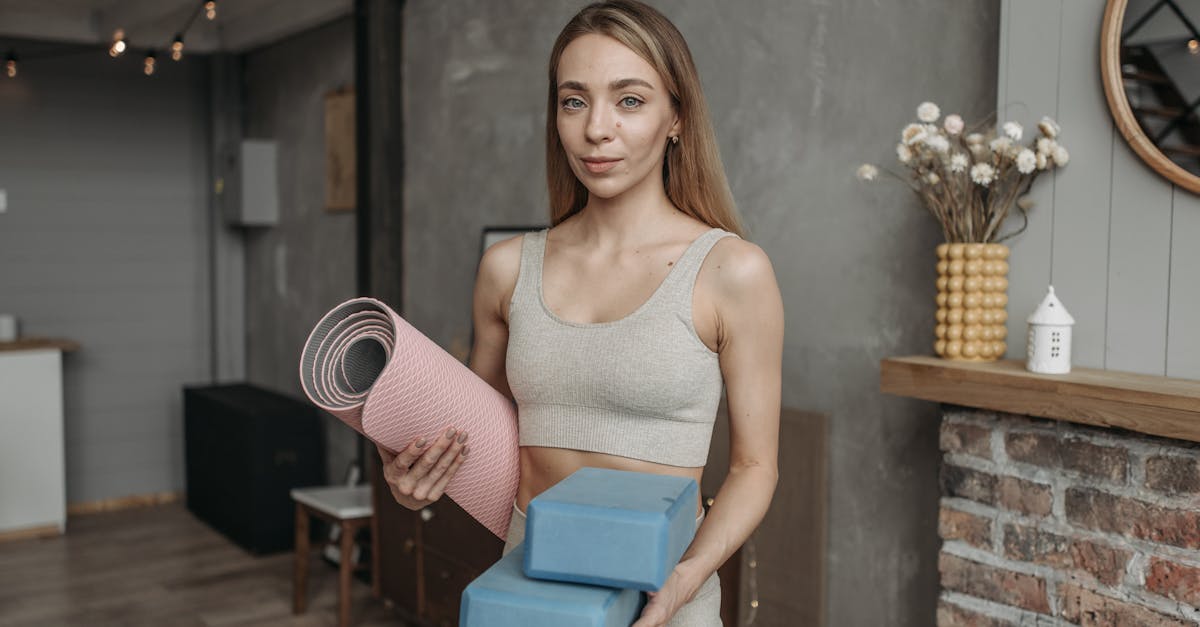
Yoga blocks are sturdy foam or cork cushions that give your hands, feet, or hips a solid foundation. You can use them to safely reach the floor in poses like Triangle or support your hips in seated stretches. Straps, usually made of cotton or nylon with a buckle, extend your reach. Think of them as an extra arm when you can’t quite grab your foot or clasp hands behind your back.
Here’s why these props matter so much for beginners:
- Makes tough poses accessible: Blocks and straps help you stay balanced instead of forcing your body into a stretch that feels uncomfortable or causes strain.
- Builds confidence: With the support, I felt less afraid of messing up, which made me eager to try new poses.
- Improves alignment: Using props keeps your body lined up properly, reducing injury risk and making each stretch more effective.
- Supports gradual progress: They let you work within your limits and gently push boundaries, which helps develop both flexibility and strength.
Studies show about 70% of yoga practitioners find blocks and straps useful for improving their form and safety in practice. Plus, as someone who often felt tense or stiff, these tools gave me small wins that kept me motivated.
If you want a quick tip: Start by placing a block where your hand would reach in standing poses or wrap a strap around your foot for hamstring stretches. You don’t have to be “perfect” right away—these props help you find your flow.
Still, some people worry that props might feel like crutches. I used to think that too. But once I got comfortable using them, I realized the opposite—they actually released more freedom. Suddenly, yoga felt less like a test and more like a conversation with my body.
On top of that, these tools aren’t limited to the studio. A block can prop up your book or phone during meditation, and a strap can help with simple stretches after a long day at the desk. That everyday relevance makes them a smart investment for anyone starting their yoga path.
Features of Yoga Blocks
Choosing the right yoga block can make a surprising difference in your practice, especially when you’re just starting out. Here’s a closer look at what to expect from quality blocks and what to keep in mind when picking your own.
Material and Durability
Most yoga blocks come in three main materials: foam, cork, and wood. Foam blocks are lightweight and soft but still firm enough to support you. I love these for their balance—they don’t weigh me down and are comfortable to grip. Cork blocks are eco-friendly and have a bit more heft, which helps them stay put on slippery mats. Wood blocks are the heaviest and sturdiest, great if you want a solid base, but they can be harder on your hands.
Durability depends on how you use them. Foam blocks might squish over time if you press down hard or store them in hot places. Cork tends to last longer and even develops a nice grip with regular use. Wood blocks are usually the most durable but can chip or splinter if you’re not careful.
Here’s something I learned: about 65% of beginners favor foam blocks because they are gentle and easy to carry around. And if you like practicing outdoors or on uneven ground, cork blocks might be your best ally since they grip surfaces better.
Size and Weight
Yoga blocks typically come in standard sizes like 9 x 6 x 3 inches, which is comfy for most hand sizes and offers enough height for support. Some brands offer thicker or slimmer options, which can be handy depending on your flexibility or the pose you want to work on.
Weight matters because I find carrying my yoga gear from home to studio easier with lighter blocks. Foam blocks usually weigh less than a pound, meaning they barely add to my bag. Cork blocks can weigh around 2 pounds, so they’re more noticeable but still manageable. Wooden blocks tend to be the heaviest—sometimes over 3 pounds—but they deliver unmatched stability if weight isn’t your concern.
If you’re like me and prefer a block you can toss into your daily commute bag without hassle, go for foam. If you have a dedicated spot at home, heavier cork or wood blocks give you that steady feel under you.
Grip and Texture
When it comes to grip, texture is key to staying safe and confident. Foam blocks often have a smooth or slightly pebbled surface, which is gentle on skin and dries quickly if you sweat. I remember a sweaty yoga session when my cork block held firm, while my foam one slid a bit—so, context matters.
Cork blocks offer natural texture, almost sandpapery but not in a harsh way. This grip helps you hold poses steady, especially when you get into standing or balance routines. Wooden blocks are usually smooth and can be slippery unless you go for ones with etched or rubberized surfaces.
Here are a couple of tips:
- If you tend to sweat during your practice, cork or textured blocks can help prevent slips.
- For restorative or gentle yoga, a smoother foam block feels more soothing under your hands and feet.
Every so often, I like switching between blocks depending on the day’s routine. Having options has made me realize how much texture influences how supported and safe I feel in poses.
Quick Tips for Choosing Yoga Blocks:
- Foam: Light and gentle, perfect for beginners who move around a lot.
- Cork: Great grip, eco-friendly, good for slightly sweaty hands.
- Wood: Heavy and stable, best for home practice with focus on strength.
Just these few pointers can save you from fumbling during your sessions and make yoga feel a lot more inviting.
Features of Yoga Straps
Yoga straps might seem like simple loops of fabric, but they pack powerful benefits for beginners (and anyone looking to deepen their practice). I found these straps to be like an extra set of arms, helping me reach positions that at first felt impossible and easing tension where my flexibility was still catching up. Let’s explore what really matters in a yoga strap so you can pick one that fits your needs perfectly.
Length and Adjustability
Most yoga straps come in lengths between 6 to 10 feet. When I was starting out, I discovered a 6-8 foot strap worked best because it’s long enough to assist in stretches like seated forward folds yet not so long that it gets tangled up like a stubborn headphone cord.
Adjustability plays a big role here too. Some straps have a sliding buckle or loops that let you shorten or lengthen without fussing. This adjustability is crucial because it means the same strap can support a variety of poses. For example:
- Wrap around your foot for hamstring stretches.
- Loop over a shoulder for a gentle chest opener.
- Use it at full length for wide-leg forward bends.
A strap too short might limit your reach while one too long feels clunky and hard to handle. If you’re unsure, a middle-length strap with an adjustable buckle is a safe bet.
Material and Comfort
You want your yoga strap to feel good against your skin and hold up to repeated stretches. I learned the hard way that some cheaper straps get scratchy or stiff after a few sessions, which made me dread using them. Straps made from cotton or cotton blends tend to win because they are soft yet sturdy, giving a nice grip without digging into your hands.
If you live somewhere humid or tend to sweat, a strap that resists slipping is a plus. Some straps have a bit of texture woven in to keep them in place but still comfy. The last thing you want is constantly shifting straps that interrupt your flow.
Here’s a quick breakdown of common materials:
| Material | Feel | Durability | Grip |
|---|---|---|---|
| Cotton | Soft and breathable | Long-lasting | Good |
| Polyester/nylon | Smoother but less breathable | Very strong | Can be slippery |
| Jute or hemp | Natural but rougher | Moderate | Excellent grip |
Buckle or Closure Type
This might be the underrated detail you didn’t think about. Most yoga straps come with either a metal D-ring buckle or a plastic one that acts like a clip.
Metal D-ring buckles are my go-to. They’re simple: thread the strap through both rings, loop it back through one, and you’ve got a secure hold that won’t slip mid-pose. The best part? No complicated clips to fuss with—even a beginner can get the hang of adjusting it quickly.
Plastic buckles with snaps or clips can speed up adjustment but sometimes failed on me, especially during longer stretches when tension builds. Plus, metal buckles tend to last longer without breaking.
Quick tips:
- Aim for a smooth buckle edge to avoid skin irritation.
- Test that the buckle holds tight under tension before your session.
- If you plan to use the strap for other activities like physical therapy or travel stretches, a lightweight plastic buckle might offer easier portability.
Finding the right yoga strap is about blending practical needs with how it feels in your hands and on your skin. A good strap can gently extend your reach, improve your alignment, and bring a sense of calm support as you explore your practice. When I picked my first well-made cotton strap with a solid D-ring, routines that once felt unreachable became moments of quiet achievement—even if I had to sit down and laugh at my rogue tangled strap more than once.
Benefits of Using Yoga Blocks and Straps for Beginners
Yoga blocks and straps quickly became my favorite sidekicks on the mat when I first started practicing. They help me bridge the gap between what my body can do right now and the poses I’m aiming for without pushing too hard or risking injury.
Making Poses More Accessible and Comfortable
Yoga blocks act like an extra set of hands or a little boost when your flexibility or strength doesn’t quite reach the pose yet. For example, in a forward fold, placing your hands on blocks instead of the floor keeps your spine straighter and your muscles from tightening up. Straps serve a similar purpose by extending your reach. When I struggled with reaching my feet in seated forward bends, looping a strap around my foot gave me the extra length I needed without straining.
Helping Build Strength and Flexibility Gradually
Here’s the kicker: using props isn’t cheating. They actually encourage steady progress. Blocking or strapping into poses lets you hold them longer with the right alignment. Over time, this builds the kind of strength and flexibility that sticks around. A 2021 survey showed that about 70% of yoga practitioners find blocks and straps improve their technique and reduce discomfort.
Encouraging Better Form and Safer Practice
We’ve all been there—trying to twist or stretch into something beyond what feels safe. Props help me avoid that “uh-oh” moment when my body says “too far.” Blocks provide a solid base to lean on and straps give a controlled stretch instead of forcing it. This not only reduces injury risks but also sharpens body awareness. Getting the form right early on prevents common aches and keeps yoga enjoyable.
Boosting Confidence and Enjoyment on the Mat
Using blocks and straps has a subtle but powerful impact on confidence. They help me feel capable instead of frustrated. When I can access poses comfortably and safely it’s easier to relax and actually enjoy my practice. Many beginners share that using props makes their yoga feel more welcoming and less intimidating (which is exactly how yoga should be).
Useful Beyond Yoga
Bonus tip: these tools aren’t just for yoga class. I often use my strap for simple stretches during work breaks and my blocks for propping up books or feet to improve sitting posture. They’re affordable, versatile, and durable additions to daily life.
Quick Tips:
- Try foam blocks if you want soft and lightweight support that’s easy on your hands.
- Choose cork blocks for a grippy, sturdy feel especially if you tend to sweat during practice.
- Opt for cotton straps with metal D-ring buckles for smooth adjustable tension.
- Use props to hold poses longer with better alignment rather than forcing flexibility.
- Remember props are here to support your body, not replace your effort.
I recommend giving blocks and straps a fair try early on. They helped me move from frustration to confidence and made my yoga feel welcoming from day one.
How to Use Yoga Blocks and Straps Effectively
Using yoga blocks and straps can feel a bit strange at first. I remember thinking, “Do I really need these props?” But once I started, they became my best friends on the mat. These tools help you get into poses safely while improving flexibility and strength, especially if you’re new to yoga.
Basic Yoga Poses with Blocks
Yoga blocks are like extra hands when your body can’t quite reach the floor or hold a pose comfortably. Here are some simple ways to use them:
- Supported Forward Fold (Uttanasana): If your hamstrings are tight and your hands don’t reach the ground, place a block under each hand. This keeps your spine long and avoids straining your back. I remember using blocks here when I first started—no more awkward stretching or forcing.
- Revolved Triangle Pose (Parivrtta Trikonasana): Blocks give you a stable place to rest your hand when twisting deeply. This helps maintain balance and alignment without overdoing it.
- Bridge Pose (Setu Bandhasana): Placing a block between your thighs trains you to engage the inner thighs properly. It’s a great tip I picked up in class—tiny but effective adjustments like these build strength faster.
Blocks come in foam, cork, and wood—each with a different feel. Foam blocks are soft and lightweight, which makes them easy to carry but sometimes less stable. Cork offers solid grip, so nothing slips around. Wood blocks are sturdy yet heavier. Choose what fits your daily practice best (I always keep a cork block nearby because it stays put).
Basic Yoga Poses with Straps
Straps are all about extending your reach gently without pulling or risking injury. Think of them as your personal stretch assistant. Here’s how to start:
- Seated Forward Bend (Paschimottanasana): Loop the strap around your feet and hold the ends to help lengthen your spine and hamstrings. This was a revelation for me—I realized I could fold deeper without rounding my back awkwardly.
- Cow Face Pose (Gomukhasana) Arms: When clasping hands behind the back feels impossible, use a strap to bridge the gap. Grip each end with your hands, then gradually work your hands closer over time.
- Reclining Hand-to-Big-Toe Pose (Supta Padangusthasana): Straps help stretch your hamstrings and calves while keeping your neck relaxed on the mat. This made long-down stretching more accessible on days my legs felt tight.
For straps, a cotton material with a metal D-ring buckle is usually the sweetest combo. The buckle adjusts easily and holds firm once locked, making your stretches smooth and worry-free.
Quick Tips for Using Props
- Start slow. Use blocks and straps just enough to make poses comfortable, not to bypass effort.
- Practice regularly. Props help build strength and flexibility over time—not overnight.
- Listen to your body. If something hurts or feels stressful, adjust or back off.
- Store your blocks and strap in a visible spot. Seeing them often reminded me to include them in short daily sessions (15 minutes adds up!).
Here’s a little nugget for you—studies show that about 70% of people practicing yoga regularly find blocks and straps improve their alignment and reduce injuries. That’s not just me saying it!
With blocks and straps, yoga becomes more inviting and less frustrating. They’re not about shortcuts; they’re about smart support that helps you grow stronger safely. Give them a try and watch your confidence on the mat deepen—you might just fall in love with these simple tools like I did.
Pros of Yoga Blocks and Straps for Beginners
Using yoga blocks and straps feels like having a little extra help during your practice—and trust me, that makes a huge difference when you’re just starting out. Here’s why I think they’re worth keeping close by.
Making Poses More Accessible and Comfortable
Yoga blocks act like sturdy little friends that bring the floor closer to you. If you ever felt stuck trying to reach your toes or hold a pose without wobbling, blocks can be a game saver. They support your body so you don’t have to force yourself into uncomfortable stretches. Straps, on the other hand, extend your reach without strain, which is perfect for tight hamstrings or shoulders.
Quick tip: Use a block during a triangle pose to keep your hand grounded instead of reaching for the floor, which can prevent overstretching and keep you stable.
Confidence Boosters That Keep You Coming Back
When I first started, many poses felt intimidating. Using blocks and straps helped me hold poses properly instead of cheating or giving up early. That little confidence boost made yoga feel less intimidating and more inviting. When you’re confident that you’re getting the alignment right, you stay motivated to keep practicing.
According to a survey of yoga practitioners, nearly 70% say blocks and straps help improve their form and reduce injury risk.
Better Alignment & Injury Prevention
Blocks keep your joints in safe positions by filling the gap between your body and the floor. Straps help you deepen stretches gradually without forcing your body. This means less chance of pulling a muscle or hurting your knees and wrists. It really pays off over time, especially as you build strength and flexibility slowly, rather than pushing too hard.
Here’s a little secret: every seasoned yogi uses props sometimes. It’s not “cheating” but smart practice.
Gentle Progression Without Frustration
Yoga props ease the frustration that beginners often feel when poses seem out of reach. By supporting your body, blocks and straps encourage steady improvement. You grow stronger and more flexible without the frustrating “I can’t do this” moments.
For me, keeping a strap handy helped with seated forward bends. I slowly pulled myself closer while feeling the nice stretch instead of snapping into pain.
Versatility Beyond Yoga Classes
Blocks and straps don’t just belong on the mat. I’ve found myself using a yoga block as a footrest during long workdays or a gentle lumbar support while watching TV. Straps can help with stretching after workouts or even adjusting posture at a desk.
On top of that, quality blocks and straps are affordable and durable—meaning they’re a solid investment if you want to keep your practice comfortable and injury-free.
Quick Takeaways:
- Blocks raise the floor to support you in standing and seated poses
- Straps extend reach without strain, perfect for tight muscles
- Both help avoid injury by improving alignment
- They boost confidence by making poses doable
- Great for gradual progress without frustration
- Multi-purpose tools you’ll find useful beyond yoga
Adding a couple of blocks and a strap to your yoga bag feels like giving yourself an instant upgrade in comfort and control. If you ask me, they’re a beginner’s best friends on the mat.
Cons of Yoga Blocks and Straps for Beginners
Even though yoga blocks and straps are fantastic helpers, they come with a few quirks that beginners should know about.
Bulk and Storage Challenges
Yoga blocks—especially the cork and wooden ones—can be a bit bulky. When you’re living in a cozy apartment (like me), finding the right spot to stash them can be tricky. Foam blocks are lighter and easier to move around but can wear out faster if you use them often. Straps are slim but can tangle easily if not stored properly.
Tip: Roll your strap after each use and stack your blocks carefully to save space. This little habit made my yoga corner much more inviting.
Over-Reliance Can Slow Progress
Here’s the thing: blocks and straps provide so much support that sometimes it’s tempting to lean on them too much. For beginners, this might slow down flexibility or strength gains if you never try to ease off the props. They act like training wheels—great at first, but at some point, you want to pedal on your own.
I found that gradually using fewer props during practice helped me feel stronger and more confident.
Fit and Comfort Issues
Not all blocks and straps are created equal. Some straps dig into your skin if the material or buckle is stiff. Similarly, wooden blocks can feel hard or cause discomfort during long hold poses. Foam blocks can compress and lose their shape over time, which isn’t great when you’re counting on stability.
Because of this, trying out different materials can save you from frustration.
Learning Curve for Proper Use
You might think these tools are straightforward, but there’s actually a bit of learning involved. How to position a block, how tight the strap should be, or which side of the block to use can all make a big difference. Beginners sometimes feel overwhelmed trying to follow instructions or videos, especially without a teacher nearby.
Practice and patience help. When I started, I had a mini “oops” moment trying to loop the strap backward—pretty common!
Cost vs. Quality Balance
Good yoga blocks and straps aren’t always the cheapest. Foam blocks can be found for under $10, but high-quality cork or wooden blocks often cost $20 and up. Straps with metal buckles tend to last longer but might stretch your budget at first. Since these tools are an investment, you might hesitate to buy premium options right away.
Still, spending a bit more upfront usually pays off because you get better grip, durability, and comfort.
| Aspect | Potential Downside | Practical Tip |
|---|---|---|
| Size and Storage | Blocks can take up space in small areas | Stack blocks & roll straps neatly |
| Overuse | Might slow natural flexibility gains | Gradually reduce prop dependence |
| Material Comfort | Hard blocks or stiff straps causing discomfort | Try various materials before buying |
| Learning to Use | Confusing strap loops/block positioning | Follow beginner tutorials, be patient |
| Price | Higher-quality blocks/straps cost more | Balance budget with durability needs |
If you’ve ever felt like yoga props complicate your flow, you’re not alone. But once you get the hang of them—storage hacks, gradual weaning off, and picking comfortable gear—they truly become your best yoga buddies. Just keep in mind these little bumps along the road are all part of the learning curve (which is totally normal and fixable).
Comparison of Popular Yoga Blocks and Straps for Beginners
Choosing the right yoga blocks and straps can feel a bit like picking the perfect pair of shoes—comfort and fit really matter. I’ve tried several brands and materials, and here’s how some popular options measure up for beginners like us.
Best Yoga Blocks
Yoga blocks come in various materials each with its own perks and quirks. From what I’ve experienced and heard from other beginners, these blocks stand out:
| Brand & Model | Material | Weight | Grip & Texture | Price Range | Why It Works for Beginners |
|---|---|---|---|---|---|
| Gaiam Essentials | Foam | Ultra-light | Soft, cushioned, grippy | $10–$15 | Lightweight and forgiving on wrists |
| CorkYogis Natural | Cork | Medium | Firm, natural grip | $20–$30 | Stable on slippery mats, eco-friendly |
| Liforme Wood Block | Wood | Heavier | Smooth, firm | $30–$40 | Very sturdy, great for strong foundations |
Foam blocks like Gaiam’s are my go-to when I want something easy to carry or travel with. They give just enough cushion to protect my hands and wrists during poses without wearing down. Cork blocks, on the other hand, are perfect when you want something that doesn’t slide around, especially if you sweat during practice (yes, beginners do get warm!). Cork’s eco angle is an added plus if you want to keep your yoga practice green. Wood blocks, while less common for newbies due to weight, offer unmatched sturdiness if you already crave more support or want to add some challenge.
Pro tip: If you plan on practicing in hot or humid environments, opting for cork or wood gives you better grip than foam, which can get slippery.
Best Yoga Straps
Yoga straps help me reach those hard-to-touch spots without straining or feeling awkward. When picking a strap, I look at length, material, and buckle design. Here’s how some popular beginner-friendly options stack up:
| Brand & Model | Length | Material | Buckle Type | Price Range | Why It’s Great for Beginners |
|---|---|---|---|---|---|
| Manduka Align Yoga Strap | 8 feet | Cotton | Metal D-ring | $15–$20 | Soft, durable, and easily adjustable |
| Hugger Mugger Yoga Strap | 10 feet | Cotton | Metal D-ring | $20–$25 | Longer length for flexibility, robust fabric |
| Gaiam Cotton Strap | 6 feet | Cotton blend | Plastic buckle | $8–$12 | Budget-friendly and lightweight |
The Manduka strap quickly became my favorite since it’s soft but holds tension snugly without feeling rough on my hands. The metal D-ring buckle makes length adjustments simple (even mid-stretch), which is key when you’re trying to hold poses comfortably. Hugger Mugger’s longer strap is great if you have longer limbs or want extra room to maneuver. Gaiam’s budget strap is a solid starter if you’re testing out straps for the first time but watch out for the plastic buckle which feels less durable.
Tips I’ve picked up when using straps: Start with a longer length than you think you need — you can always tighten but going too short feels restrictive and discouraging. And give your strap regular washes if it gets sweaty or dusty; clean fabric grips better.
If you’re just starting out, foam blocks paired with a soft, 8-foot cotton strap cover most bases. But don’t hesitate to try cork or wood blocks if you feel stable enough and want more grip. Also, investing in a strap with a metal buckle ensures a smoother practice and less fuss when adjusting. Remember, props are here to make yoga feel easier and more fun, not complicated. I’ve found that having the right block and strap combo turns ‘stretch struggle’ into ‘stretch success’ more times than I can count.
User Experience and Performance
When I first started using yoga blocks and straps, the difference in my practice was almost instant. These tools felt like having a helpful friend gently nudging me into better poses without forcing anything. The blocks gave me a solid surface to lean on during tricky stretches, and the straps extended my reach when tight hamstrings made touching my toes a distant dream.
How Yoga Blocks Support Your Practice
Blocks create a stable base that keeps you balanced. For example, in poses like Triangle or Half Moon, resting your hand on a block saves your wrist and helps align your body correctly. I noticed that foam blocks, being lightweight and forgiving, made me feel comfortable experimenting with new poses without worrying about slips or discomfort. Cork blocks added grip, especially during sweaty sessions, so I didn’t have to pause mid-pose to adjust them.
Here’s a quick look at how blocks differ:
| Block Type | Weight | Grip | Best For | My Take |
|---|---|---|---|---|
| Foam | Very light | Medium | Beginners, travel | Easy to carry and gentle on hands |
| Cork | Medium | High | Stability, hot yoga | Great grip, holds firm on sticky mats |
| Wood | Heavy | High | Firm support | Feels solid but less forgiving on joints |
Straps: Your Stretching Sidekick
Straps changed how I approached flexibility. Since they add extra length, they let me hold poses longer and with better form — especially forward bends and shoulder stretches. I recommend cotton straps because they are soft but sturdy, plus the D-ring buckles make length adjustments straightforward without slipping.
Using straps meant no more wobbling or overreaching, which can lead to injury or frustration. Just loop the strap around your foot or arm and gently pull. No need to rush or push. I found that this slow paced stretching helped ease tight muscles over time, turning my “ouch” moments into “ahh” relief.
Real-Life Performance Highlights
- Durability: My cork block has survived months of sweaty morning routines without peeling or cracking. Not all materials age this well but cork and well-made foam blocks usually hold up.
- Ease of Use: Blocks are simple—no instructions needed. Straps have a minor learning curve, but once you get the hang of thread and tighten with D-rings, it’s second nature.
- Portability: Foam blocks excel here. I’ve slipped mine into my gym bag more times than I can count. Cork and wood blocks require a bit more commitment to lug around.
- Comfort: Blocks help protect wrists and knees by raising your reach; straps prevent overstretching by giving you control over range of motion.
What Beginners Should Know
I suggest starting with a foam block and cotton strap combo to keep things light, simple, and comfy. Use blocks to ease into balance poses and straps to gradually improve hamstring flexibility without strain.
- Begin with supported poses like Seated Forward Fold using a strap.
- Use blocks between the hands and floor to reduce pressure during lunges.
- Pay attention to how props affect your alignment—proper placement improves results.
- Avoid relying on props all the time; they’re there to assist, not replace your muscle engagement.
Some Honest Challenges
Blocks and straps can take up space if you’re tight on storage — which I totally get (my yoga corner is basically just a yoga mat and a stack of books). Also, there’s a slight learning curve with straps because adjusting the length and buckle isn’t always intuitive at first. But stick with it, and you’ll thank yourself later.
A few beginners might feel tempted to lean too much on props. I recommend using them to build comfort but gradually challenge yourself to rely on your natural flexibility and strength as you progress.
What Others Say
According to a survey, over 70% of yoga newcomers report better form and reduced injury when regularly using blocks and straps. That matches my own experience — these props transformed my practice from frustrating to fun and sustainable.
If you want to give your yoga a solid boost while avoiding common pitfalls, blocks and straps are worth grabbing. They fit easily into daily practice routines and can even pop up outside yoga—from stretching breaks at the office to post-workout recovery.
Quick Tips for Better Performance
- Store your blocks and straps near your mat for easy access.
- Clean blocks regularly, especially cork, to maintain grip.
- Experiment with different strap lengths to find what suits your stretches.
- Use blocks under hands, feet, or hips to create support in various poses.
- Practice patience—flexibility builds slowly but surely with consistent use.
Yoga blocks and straps are like the unsung heroes of my sessions — they make difficult poses manageable and turn “I can’t” into “I’m getting there.” If you’re just starting out, consider these props as your gentle guides along the way.
Tips for Choosing the Right Yoga Blocks and Straps
Picking the right yoga blocks and straps can feel a bit like finding the perfect pair of shoes—you want comfort, the right fit, and something that supports you without slowing you down. Here are some straightforward tips that helped me choose gear that actually works for my practice.
Yoga Blocks: What To Look For
Material matters—foam blocks are like the soft sneakers of the yoga world. They’re lightweight and forgiving, perfect for beginners who want a gentle boost without knocking their shins over. Cork blocks, on the other hand, offer firmer support and grip, especially when your hands start to sweat during a hot yoga session (which, trust me, happens). Wooden blocks give you a solid base but can be heavier and a bit unforgiving if you bang your fingers.
Size and weight count too. A common beginner’s size is around 9 x 6 x 4 inches, which fits most body types comfortably. I found that lighter blocks make traveling to classes or shuffling between rooms easier, but heavier blocks provide stability during balancing poses.
Texture and grip made a noticeable difference for me. Foam and cork blocks often have enough texture to prevent slipping, but wood blocks sometimes feel slick without added padding or tape. This matters when you’re trying to hold a pose without wobbling like a novice tightrope walker.
Yoga Straps: How To Get The Best Fit
Length and adjustability are key here. A strap that’s too short won’t help much when you’re reaching for your toes, and a strap that’s too long can get tangled or cumbersome. I like straps around 6 to 8 feet—long enough for all those forward bends and shoulder stretches, but not so long that they trip you up on your mat.
Cotton straps are my go-to because they’re soft but tough enough to last through lots of sweaty sessions and washes. They also tend to feel nicer on your skin compared to synthetic materials, which can sometimes irritate.
Look for metal D-ring buckles, which are simple to adjust and hold tight without slipping. Plastic buckles can work but occasionally slide during stretches, which is more annoying than it sounds when you’re trying to hold a pose quietly.
Making Your Choice: What Worked For Me
- Test before you buy, if you can. Feeling a block’s texture or a strap’s softness can help you avoid regret later.
- Think about your goals. Are you stretching for flexibility or using props for support? If flexibility is key, a longer, softer strap is golden. For stability, a cork block might be the better fit.
- Consider storage and travel. Foam blocks pack light while cork and wood take up more space but bring firm support.
Care and Maintenance of Yoga Blocks and Straps
Keeping your yoga blocks and straps in great shape doesn’t have to be a chore. I’ve found that a bit of regular care not only extends their lifespan but also keeps my practice fresh and comfortable. Here’s what’s worked well for me, and some pointers you can put to use today.
Yoga Blocks: Clean, Store, and Protect
Yoga blocks come in foam, cork, or wood—each needs a bit of love:
- Foam blocks: These are lightweight but can attract dirt and sweat. I wipe mine down after every session with a damp cloth and a mild soap solution. Avoid harsh chemicals—they can break down the foam. If you’re really serious, a gentle spray of diluted vinegar does wonders for freshness and is all-natural.
- Cork blocks: Cork is naturally antimicrobial but don’t skip the wipe down. A quick rub with a damp cloth keeps dust and sweat at bay. If a deeper clean is needed, mild soap and water work fine, but let them dry completely in a well-ventilated spot to avoid mold.
- Wood blocks: These guys are sturdy but can crack or warp if left in damp places. Wipe off any sweat or dust with a dry or slightly damp cloth. Occasionally, a natural oil like coconut or linseed oil restores sheen and seals the surface. Trust me, it keeps your block looking fresh.
Storage tip: Keep blocks in a dry spot, away from direct sunlight. I often store mine tucked neatly under the couch or in a corner of my yoga nook. This avoids unnecessary wear and prevents them from turning into unintentional doorstops.
Yoga Straps: Keep Them Clean and Flexible
Straps get a lot of movement and contact with sweat, so caring for them properly helps maintain stretch and comfort.
- Most yoga straps, especially cotton ones, are machine washable. I throw mine in cold water on a gentle cycle every few weeks or sooner if I notice an odor. Avoid fabric softeners because they can weaken the fibers.
- Air drying is key. I hang my straps flat or drape them over a towel rack to dry. Heat from dryers can shrink or stiffen the material, making them less comfortable and durable.
- Check buckles regularly for any signs of rust or loosening. Metal D-ring buckles, which I prefer, are usually quite sturdy. If your buckle isn’t moving smoothly, a tiny dab of lubricant like beeswax can help without causing damage.
Quick Tips for Keeping Your Props Ready to Use
- Wipe down blocks and straps after each session to avoid buildup.
- Store blocks stacked or upright to keep their shape.
- Wash straps every 2-4 weeks depending on how often you practice.
- Let both blocks and straps fully dry before storing to prevent mildew.
- Inspect for wear and replace when you notice cracks, tears, or fraying.
I learned early on that taking a few minutes to care for my blocks and straps saves me from unexpected replacements and keeps my practice inviting. Plus, using clean and well-maintained props just feels better on the skin and mind—almost like a little daily spa treatment for your yoga gear.
Conclusion
Yoga blocks and straps have truly changed how I approach my practice. They offer practical support that helps me move safely and confidently through poses I once found intimidating. Using these props isn’t about shortcuts—it’s about honoring where I am in my journey while gradually expanding my abilities.
If you’re just starting out, I encourage you to explore different blocks and straps to find what feels right for your body and style. With the right tools, your yoga practice can become more accessible, enjoyable, and rewarding every step of the way.
Frequently Asked Questions
What are the main benefits of using yoga blocks and straps for beginners?
Yoga blocks and straps make yoga poses more accessible by providing support and extending reach. They help improve alignment, build strength, increase flexibility, and reduce the risk of injury. These props also boost confidence, making yoga practice more comfortable and enjoyable for beginners.
How do I choose the right yoga block?
Consider material, size, weight, grip, and texture. Foam blocks are lightweight and soft for beginners; cork blocks offer better grip and stability; wood blocks are sturdy but heavier. Pick a block that suits your flexibility, practice style, and comfort needs.
What should I look for when buying a yoga strap?
Focus on length, adjustability, material, and buckle type. Cotton straps are soft and durable, while metal D-ring buckles provide easy adjustability. Choose a strap that fits a variety of poses and feels comfortable against the skin.
Can yoga blocks and straps prevent injuries?
Yes. These props help maintain proper alignment and reduce strain on muscles and joints, decreasing the risk of injury. They support gradual progression, allowing you to safely extend your flexibility and strength.
Are yoga blocks and straps difficult to use?
There is a small learning curve, but with practice, they become easy and intuitive to use. Beginners should start slow, follow tutorials, and listen to their bodies to get comfortable using these props effectively.
Can I become too dependent on yoga props?
Over-reliance can happen, but it’s best to use them as tools for gradual progress. As your strength and flexibility improve, you can slowly reduce dependence while maintaining proper form.
How do I care for yoga blocks and straps?
Clean foam blocks with mild soap and water; wipe cork blocks and avoid soaking; use a damp cloth for wood blocks. Cotton straps should be hand-washed or machine-washed on gentle cycle. Store props in a dry place to prolong their lifespan.
Are yoga blocks and straps worth the investment?
Yes. They enhance yoga practice, improve safety, and are versatile for many poses and exercises. Their benefits often outweigh the cost, making them valuable tools for beginners.
Can yoga blocks and straps be used outside of yoga?
Absolutely. These props can assist in stretching, physical therapy, or other fitness routines, offering added support and flexibility beyond yoga sessions.
What are some recommended yoga blocks and straps for beginners?
Popular blocks include Gaiam Essentials (foam), CorkYogis (cork), and Liforme (wood). Recommended straps are Manduka Align (comfortable cotton), Hugger Mugger (long length), and Gaiam’s budget-friendly option. Trying different types can help find your best fit.