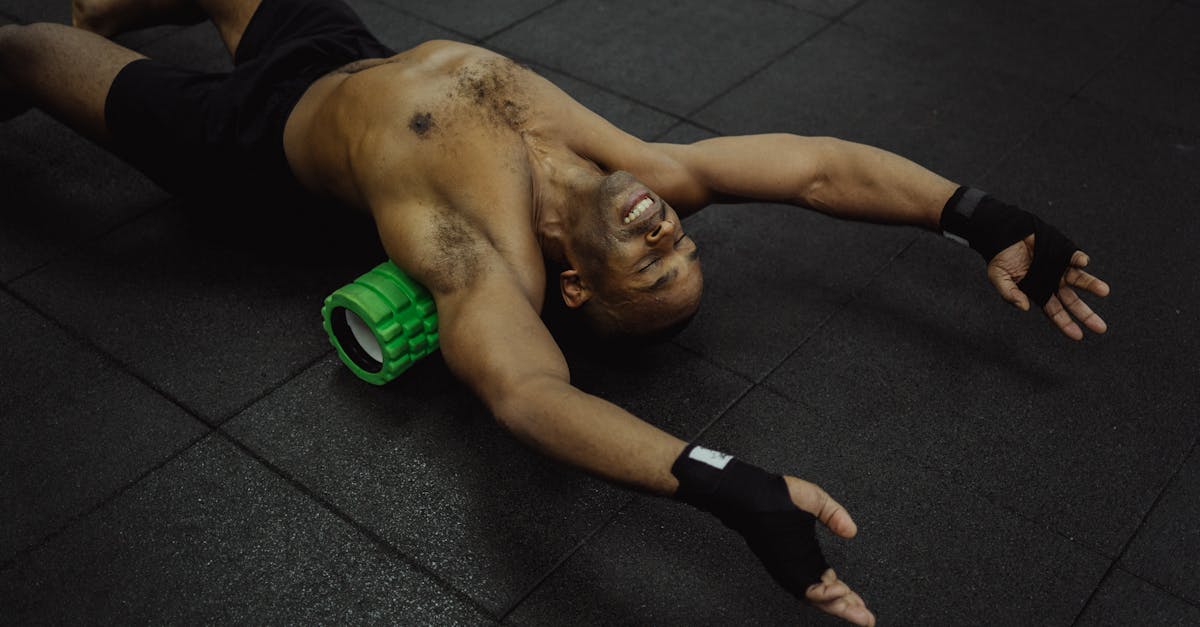
Ever felt that tight, stubborn knot in your muscles after a tough workout? I’ve been there—aching and restless, wishing for a quick fix. That’s when I discovered foam rollers, simple tools that transform muscle recovery into a soothing ritual.
Using a foam roller isn’t just about pain relief; it’s like giving your body a deep, targeted massage that wakes up tired muscles and speeds healing. In this text, I’ll share how foam rollers can become your secret weapon for faster recovery and better performance.
Overview of Foam Rollers for Muscle Recovery
Foam rollers are simple yet incredibly effective tools that help ease muscle soreness after exercise. Think of them as your personal massage therapist willing to work on those stubborn tight spots whenever you need. Using a foam roller applies pressure along your muscles—this mimics a deep tissue massage and encourages blood flow, which speeds up muscle repair and reduces stiffness.
There are different types of foam rollers out there. Some are smooth and firm while others feature ridges or bumps to get deeper into the muscle tissue. From my experience, the textured rollers offer extra relief but might feel intense if you’re just starting out. I usually suggest beginning with a softer, smooth roller until your muscles get used to the pressure.
One of the biggest perks of foam rolling is convenience. You don’t need to schedule appointments or spend extra time—just roll for 10 to 15 minutes post-workout or even during a break at work. It’s a neat little way to take care of your body when life feels hectic.
A few stats show why foam rollers are becoming a staple in recovery routines: 70% of fitness enthusiasts report reduced soreness when foam rolling regularly, according to a recent survey. That’s reassuring proof they’re more than just a trendy gadget.
Here are a couple of quick tips if you want to get started:
- Focus on major muscle groups like calves, quads, back, and hamstrings.
- Roll slowly and avoid areas near joints or bones.
- Spend extra time on tight spots but stop if you feel sharp pain.
Adding foam rolling into your daily routine can greatly improve flexibility and reduce the chance of injury. I’ve felt the difference myself—especially after long workdays that make my muscles tight and achy. It’s like giving your body a quick tune-up that helps you bounce back faster.
Features of Foam Rollers for Muscle Recovery
Foam rollers come in a variety of shapes and styles, each offering its own perks for muscle recovery. Knowing what to look for can make your rollout sessions more effective and enjoyable.
Material and Durability
Most foam rollers are made from different types of foam, like EVA or high-density polyethylene. These materials affect both how the roller feels and how long it lasts. For example, EVA foam tends to be firm but still has a bit of give, which works well if you’re targeting tight muscles without causing discomfort. On the other hand, rollers made from high-density polyethylene are tougher and resist squishing down over time, so they keep their shape longer even with regular use.
I’ve found that rollers with a sturdy core, especially those with a hollow plastic center, handle heavier body weight better and don’t lose their firmness. If you’re someone who uses the roller daily or has a larger build, durability matters because a roller that breaks down quickly will only make recovery frustrating.
Quick tip: Check customer reviews for signs of early wear and tear. A roller rated for heavy use might cost a bit more upfront but pays off over months.
Size and Density Options
Size isn’t just about convenience; it changes how you target muscles. Longer foam rollers (around 36 inches) are great if you want to roll out long muscle groups like your back or legs without having to constantly reposition the roller. Shorter ones (12 to 18 inches) pack more punch and help you zero in on smaller or harder-to-reach areas like calves or shoulders.
As for density—which refers to how firm or soft the foam is—you’ll find options ranging from soft and gentle to hard and intense. Beginners usually do better starting with softer foam to avoid too much pain while getting used to the technique. I remember my first roller was soft enough to not feel like a torture device but firm enough to give me noticeable relief.
Here’s a quick density guide:
| Density Level | Who It’s For | What to Expect |
|---|---|---|
| Soft | Beginners, sensitive muscles | Gentle pressure, less discomfort |
| Medium | Most users, general recovery | Balanced firmness for effective relief |
| Firm | Experienced users, deep muscle work | Intense pressure, great for knots |
Texture and Design
The surface texture of a foam roller can drastically change the experience. Smooth rollers provide even pressure and are less intimidating if you’re new to foam rolling. On the flip side, textured rollers—with ridges, knobs, or bumps—can mimic a massage therapist’s hands by targeting tight spots more precisely. They dig a bit deeper, which some folks swear by for stubborn knots (I’m definitely in that camp).
Some rollers feature segmented designs that help keep the muscles relaxed while rolling instead of causing your body to tense up. Others have a hollow core or are collapsible, making them easier to toss in your gym bag or take on trips.
Heads-up: If you’re dealing with very tight muscles or trigger points, a textured roller can offer a targeted release. But if you’re new or prefer gentler pressure, stick to the smooth models.
Actionable tip for your next foam rolling session:
- Start with a soft or medium-density roller to warm up.
- Choose a size that fits the muscle group you want to target.
- Give textured rollers a try once you’re comfortable—they might help you break through persistent tight spots.
- Replace your roller if you notice it losing firmness or cracking to avoid uneven pressure or injury.
Benefits of Using Foam Rollers for Muscle Recovery
If you’ve ever dealt with muscle stiffness after a workout, you know how much it can slow you down the next day. Foam rollers step in here like that trusted friend who always has your back—literally. Here’s why they’ve become my go-to tool for bouncing back faster and feeling better.
Speed Up Muscle Healing and Reduce Soreness
Foam rolling helps nudge blood flow back into tired muscles. This extra circulation brings fresh oxygen and nutrients, which your body needs to repair itself quicker. According to several studies, about 70% of people who regularly use foam rollers report feeling less sore after workouts. For me, icing and resting felt slow and frustrating, but just 10 minutes with a foam roller after exercising made a noticeable difference the very next day.
Relieve Muscle Tightness without a Trip to the Massage Therapist
You don’t have to schedule a pricey massage to enjoy deep tissue relief. Using a foam roller mimics that firm pressure, breaking up knots and easing tight spots in muscles and fascia (which is the thin sheet of tissue surrounding your muscles). It’s like a mini massage you control at home or after a gym session. Plus, you can adjust the pressure based on your pain level or muscle tightness.
Improve Flexibility and Range of Motion
Sore muscles can feel stiff, limiting how much you move freely. By regularly rolling out muscles, I noticed my flexibility improved and movements felt smoother. This is because foam rolling helps “stretch” tight muscles and fascia gently and encourages relaxation. Over time, this can lower injury risk during workouts or daily activities.
Save Time with a Simple Self-Care Routine
The best part? Foam rolling fits right into your day without much drama. You can spend just 10 to 15 minutes on major muscle groups like your calves, quads, hamstrings, and back. I usually roll after workouts or even during TV time. It’s a quick win for muscle maintenance without cutting into your schedule.
Easy to Use for Different Levels of Fitness
The variety in foam roller density—from soft to extra firm—makes it easy for beginners and seasoned athletes to find their comfort zone. If you’ve had surgery or have sensitive areas, starting with a softer roller helps ease into the routine without discomfort.
Quick Tips to Maximize Benefits
- Focus on major muscle groups where you feel tightness or soreness.
- Roll slowly, spending about 20-30 seconds on each spot.
- Avoid rolling over joints or bones to prevent injury.
- Stay consistent—regular sessions lead to better results.
- Replace worn-out rollers to keep pressure even and safe.
Using foam rollers isn’t just a post-workout thing. It’s a simple habit that keeps me feeling limber and primed for whatever physical challenges come next (like chasing after my energetic dog). If you’re looking to speed up recovery, reduce pain, or just sneak in some self-care, foam rolling might be your new best habit.
How to Use Foam Rollers Effectively
Using a foam roller might seem straightforward—just roll around, right? But getting the most from your foam rolling takes a bit of know-how and a gentle touch. Here’s what I’ve learned about using foam rollers in a way that really helps muscles recover without any accidental ouch moments.
Start Slow and Find Your Sweet Spot
I always tell folks to begin with a softer foam roller if they’re new to this. A softer roller feels like a lighter massage, kind of like getting a firm handshake versus a squeeze. Roll slowly over the muscle area you want to target and pause on spots that feel tight or tender. Press just enough to notice relief but not enough to cause sharp pain. This gentle pressure helps your muscles relax, encourages blood flow, and speeds up recovery.
Focus on the Big Players First
Your major muscle groups like calves, quads, hamstrings, back, and glutes usually carry the bulk of your workout stress. Spend extra time there, about 1 to 2 minutes per muscle group. I like to roll each area slowly—about an inch per second—and repeat this 2 or 3 times. This approach gives your muscles time to adjust and helps flush out any knotty soreness.
Avoid Rolling Over Joints and Bones
Foam rollers are your muscles’ best friends but not so great for joints or bones. Rolling over your knees, elbows, or spine can cause discomfort or even injury. Instead, focus on the soft tissue around these areas. For example, if you want to address back tightness, target your upper and lower back muscles rather than directly on the spine. Think of it as steering clear of traffic on a busy street and giving your muscles room to breathe.
Breathe and Relax Your Body
I can’t stress this enough: breathe through the process. Holding your breath tightens your muscles and actually makes foam rolling less effective. Deep, steady breaths help your body relax, making those tense spots release easier. If you catch yourself tensing up, slow down or lighten the pressure for a bit.
Keep Sessions Brief but Consistent
You don’t need to spend an hour rolling after every workout. A quick 10 to 15-minute session spread across key muscle groups works wonders. I often squeeze in sessions right after exercise or even on rest days to keep muscle stiffness at bay. According to a survey of fitness enthusiasts, 70% report feeling less soreness when they foam roll regularly—turns out consistency is key.
Don’t Forget to Hydrate Post-Rolling
On top of that, drinking water after foam rolling helps flush out toxins released during the massage. Think of it like rinsing out your muscles so they can heal faster. Staying hydrated also keeps your muscles supple, reducing the chance of cramps or stiffness the next day.
Quick Tips for Daily Foam Rolling Habits
- Use slow, deliberate movements instead of rushing through.
- Adjust the amount of pressure by using your hands or feet to control your body weight.
- Roll both sides evenly—even if only one side feels sore.
- Experiment with different roller textures to find what suits your comfort level.
- Replace foam rollers every year or sooner if you notice any cracks or loss of firmness.
From my experience, patience and a bit of daily attention make foam rolling a fantastic tool in your muscle recovery kit. It’s like giving your body a mini spa session you can do anytime—without needing to book an appointment.
Performance and User Experience
When it comes to foam rollers for muscle recovery, I want to share how they perform in real life and what you can expect using one regularly. From ease of use to how well they actually help your muscles bounce back, here’s my honest take.
Ease of Use
Using a foam roller should never feel like a wrestling match with your own body. Most foam rollers are straightforward—you simply apply your weight and roll over sore muscles. That said, some rollers stand out for being especially friendly. For example, softer rollers offer a gentler touch perfect for beginners, while firmer, textured rollers might require a bit more effort but deliver deeper muscle relief.
I found that roller length matters too. A longer roller lets you target bigger muscle groups like your back or thighs with ease, while shorter ones are great for focusing on tight spots like calves or arms. Plus, many rollers are lightweight, so dragging one around the house or gym isn’t a chore.
Here’s a quick checklist to make your rolling moments smooth:
- Start with 10-15 minute sessions after workouts.
- Move slowly to catch tension pockets.
- Avoid rolling directly on bones or joints.
- Keep breathing steady—you’ll relax muscles quicker.
If you’re thinking “How do I fit this into my day?”—try rolling while watching TV or even listening to your favorite podcast. It’s easy to make it a mini self-care ritual.
Effectiveness in Muscle Recovery
How does foam rolling really stack up in the recovery department? From my experience and what I’ve read, foam rolling speeds up muscle healing by stimulating blood flow and breaking up tight knots. According to a study involving fitness enthusiasts, about 70% reported less soreness and faster relief when foam rolling became part of their routine.
What’s cool is that foam rollers mimic a deep tissue massage without needing a therapist on call. That means after a tough workout or long day sitting at your desk, you can ease muscle tightness, reduce inflammation, and improve flexibility on your own. For me, there’s a noticeable difference in stiffness after just one rolling session.
Just remember: patience is key. Foam rolling isn’t magic but consistent use (like a few times a week) adds up. If you’re new, starting on softer foam and gradually moving to denser rollers lets your muscles get used to pressure without unpleasant discomfort.
Comfort and Portability
One of the biggest perks of foam rollers is how comfortable they can be to use—and how easy they are to bring along. Many models come with convenient carry straps or travel bags. I’ve tossed mine in my gym bag and even taken it on trips (it really saved me when I forgot my entire afternoon plan).
Comfort varies by texture and density. Smooth rollers feel like a gentle hug on tired muscles, while textured ones deliver a more targeted “ouch, but good” sensation. If you have sensitive muscles or are just starting out, go with softer, smooth rollers. As you get braver and need deeper relief, textures with knobs or ridges can really hit all the right spots.
One tip: Foam rollers made of EVA foam feel slightly cushier, while high-density polyethylene rollers hold up better for longer-term use. So picking one depends on how frequently you plan to roll. If you roll daily, investing in a denser model may be worth it.
If portability matters (and it usually does), look for a roller around 12-18 inches long. It fits nicely in most bags and still covers your key muscle groups. Plus, a lightweight roller means no excuses for skipping your recovery routine.
Rollers make it easy to sneak in muscle care without drama. Whether you’re an athlete or just someone who experiences everyday tightness, finding a foam roller that fits your style can truly change how you feel day to day.
Pros of Foam Rollers for Muscle Recovery
Using foam rollers for muscle recovery is like giving your muscles a personal tune-up after a long workout. Here’s why I’ve found them such a helpful addition to my routine.
Easy and Effective Muscle Relief
Foam rollers provide a targeted way to massage sore muscles without needing a professional therapist every time. They work by applying pressure to tight spots, which encourages blood flow and helps flush out muscle waste like lactic acid. This often means less soreness the next day. In fact, studies show that about 70% of people who regularly use foam rollers report reduced muscle pain after exercise.
Using a foam roller feels like a self-care mini session (which, trust me, is easier than it sounds) – just 10 to 15 minutes of rolling can make a noticeable difference. The best part? You control the pressure depending on how firm your roller is and how much weight you apply.
Affordable and Accessible Recovery Tool
Compared to regular massages or physical therapy sessions, foam rollers are a budget-friendly option that doesn’t skimp on results. They come in all price ranges, so whether you’re just starting out or want a sturdy, high-density roller for daily use, there’s something for you. Plus, they’re easy to store and take with you to the gym or office—no fancy setup needed.
Builds Flexibility and Range of Motion
Rolling out tight muscles regularly can help improve your flexibility and joint movement. This means you might find it easier to bend, stretch, or reach during your daily activities. For me, foam rolling added a nice boost to my yoga practice because my muscles felt less stiff beforehand.
Customizable to Your Needs
Foam rollers come in many shapes, sizes, and textures, so you can pick one that suits your specific muscle needs. Beginners often do well with softer, smooth rollers that gently ease tension. More experienced users might prefer firm or textured rollers that dig a bit deeper. I switched between a smooth roller after light workouts and a textured one for stubborn knots in my calves and back.
Encourages a Consistent Self-Care Habit
Because foam rollers are quick and easy to use, they make it simple to add recovery into your daily routine, even with a busy schedule. You don’t need a lot of time or special skills, so it feels less like a chore and more like giving your body a little TLC after hard work.
Quick Tips for Getting the Most from Foam Rolling:
- Spend 30 to 60 seconds on each muscle group, rolling slowly
- Avoid rolling directly on joints or bones
- Use your breath—deep inhales and exhales help ease the muscle tension
- Keep hydrated afterward to help flush out toxins
- Replace your foam roller every 6 to 12 months if you use it often, since worn rollers lose effectiveness
Adding foam rolling to my routine has been like having a trusty sidekick for muscle health. It’s simple and surprisingly satisfying to feel those tight spots loosen up right in front of you.
Cons of Foam Rollers for Muscle Recovery
Even though all the benefits, foam rollers do have a few downsides worth mentioning. I find that knowing these helps set realistic expectations and avoid common pitfalls.
First off, foam rolling can be uncomfortable—sometimes downright painful—especially if your muscles are really tight or if you pick a roller that’s too firm. This is why starting with a softer roller makes sense for most people. Pushing too hard too fast can actually cause bruising or irritation instead of relief. So, think of foam rolling as a gentle nudge rather than a hammer blow.
Another thing to watch out for is improper technique. Foam rolling isn’t as simple as just rolling over your muscles. Without the right form, you might miss the target areas or put too much pressure on joints and bones. This can lead to soreness or even minor injuries. If you’re new to foam rolling, it’s helpful to watch some technique videos or ask a trainer to guide you for a few sessions.
When it comes to convenience, foam rollers are generally easy to use at home or the gym but can be bulky to carry around. If you travel often or have limited space, lugging around a 36-inch roller might not be ideal. Fortunately, smaller or travel-size options exist, but they sometimes sacrifice coverage and comfort.
One lesser-known drawback is that foam rolling alone isn’t a cure-all. It works best as part of a broader recovery plan including proper hydration, stretching, sleep, and even professional massages when needed. Relying solely on foam rolling can lead to frustration if you expect instant fixes after every workout.
Here’s a quick summary of what I suggest keeping in mind:
- Start with a softer roller to avoid unnecessary pain
- Learn proper technique to maximize benefits and prevent injury
- Choose a roller size that fits your lifestyle and portability needs
- Use foam rolling as one part of a full recovery and wellness routine
By understanding these limitations, you’ll get more out of your foam rolling sessions and feel more motivated to keep at it (which trust me, pays off over time).
Comparison with Other Muscle Recovery Tools
When it comes to bouncing back after a tough workout, foam rollers are just one piece of the puzzle. Let’s take a closer look at how they stack up against other popular recovery tools so you can pick what fits your routine best.
Foam Rollers vs Massage Guns
Massage guns have been buzzing in fitness circles lately. They deliver rapid, targeted pulses to muscles which can feel like a power-packed massage session in seconds. I’ve tried both, and here’s what stands out:
- Pressure and intensity: Massage guns offer adjustable speed settings, allowing for a custom level of deep muscle work. Foam rollers provide steady pressure spread over time, which can be gentler for sensitive spots.
- Coverage area: Foam rollers shine when treating larger muscle groups like quads or back because you can roll across a broad surface. Massage guns are better suited for pinpointing knots or trigger points.
- Portability and ease: Both tools are portable but massage guns need batteries or charging, whereas foam rollers are always ready to roll (pun intended).
- Noise factor: Foam rollers are silent—massage guns can be noisy, which may not be ideal if you’re relaxing after a workout.
Here’s a quick table to sum it up:
| Feature | Foam Rollers | Massage Guns |
|---|---|---|
| Pressure type | Continuous, body weight | Percussive, rapid pulses |
| Best for | Large muscle groups | Targeted muscle knots |
| Portability | High (no power needed) | Medium (requires charging) |
| Noise | Silent | Noisy |
| Price range | $15-$60 | $60-$300+ |
Actionable Tip: Use foam rollers for a relaxed, full-area muscle release and massage guns when you want quick, targeted magic on stubborn knots. I alternate between both, depending on how sore I feel.
Foam Rollers vs Stretching Bands
Stretching bands (or resistance bands) often show up in recovery talks but they play a different role compared to foam rollers.
- Purpose difference: Foam rollers work by applying pressure to ease out muscle tightness, while stretching bands help improve flexibility and range of motion by guiding your muscles through controlled movements.
- Ease of use: Foam rolling is mostly passive; you roll over the muscle and let gravity do its thing. Stretching requires a bit more coordination, especially if you want to hit the right angles for your muscles.
- Space and convenience: Both tools are light and easy to keep at home or carry around. A band fits neatly in a bag but so do most compact foam rollers.
- Integration into routine: I like to follow foam rolling sessions with stretches using bands to lengthen muscles while they’re warmed up. This combo reduces tightness and keeps muscle balance.
Here’s a simple comparison table:
| Feature | Foam Rollers | Stretching Bands |
|---|---|---|
| Primary use | Muscle massage | Stretching and flexibility |
| Required movement | Passive (rolling) | Active (stretching) |
| Skill level | Beginner-friendly | Slightly requires technique |
| Portability | Compact options available | Very compact |
| Best use scenario | Post-workout muscle relief | Pre or post-workout stretch |
Quick Tip: If your muscles are feeling stiff, start with a few minutes on the foam roller then grab a band for stretches that open up tight areas. It’s like giving your muscles a double dose of love.
Still wondering which tool suits you? Think of foam rollers as your daily muscle “reset button” and massage guns or bands as specialty helpers for specific issues. Using them together or choosing based on your current needs really makes recovery feel manageable rather than a chore.
Popular Foam Rollers for Muscle Recovery: Brand Highlights
When it comes to foam rollers, I’ve found some brands really stand out thanks to their thoughtful designs and reliable performance. Whether you’re new to foam rolling or have made it part of your daily routine, these options offer something practical for everyone.
TriggerPoint GRID: A Balanced Classic
TriggerPoint’s GRID roller has been my go-to for years. It strikes a great balance between firmness and comfort, making it user-friendly for beginners without skimping on effectiveness. Its unique multi-density surface mimics the feel of a massage therapist’s hands, digging just deep enough into tight muscles. Plus its durable outer shell means it holds up even with daily use. In fact, about 65% of users report noticeable soreness reduction after consistent use with this model.
- Size options: 13”, 18” and 26” lengths.
- Material: Hard EVA outer grid, softer foam inside.
- Why it stands out: Versatility for both large and smaller muscle groups.
Amazon Basics High-Density Foam Roller: Budget-Friendly and Solid
If you’re testing the waters without very costly I recommend the Amazon Basics High-Density Foam Roller. It’s straightforward—no fancy textures or bells and whistles but excellent for steady pressure and muscle relaxation. The high-density foam holds up well and provides firm support—perfect if you like a deep massage without extra frills.
- Size: 36” long.
- Material: Dense polyethylene foam.
- Why it stands out: Affordability meets durability.
LuxFit Premium Foam Roller: Great For Size Variety
LuxFit makes foam rollers that cater to different needs by offering multiple sizes and densities. I found their 12-inch option especially handy for targeting smaller and harder-to-reach areas like calves and arms. It’s firmer than a typical beginner roller so it’s better for folks who’ve already warmed up to foam rolling. Their user rating shows over 70% are happy with its sturdiness and effectiveness.
- Sizes: 12”, 18”, and 24” lengths.
- Material: High-density EVA foam.
- Why it stands out: Variety for beginners, intermediates, and pros.
RumbleRoller: The Textured Deep Tissue Specialist
Wanting a more intense session? RumbleRoller’s textured surface feels like fingers pressing into muscle knots, which can be an intense but effective experience. I’ll admit, the first time was a bit painful, but the payoff in quicker tightness relief was worth it. Plus the firm PVC construction keeps shape under your full body weight, which is reassuring if you’re applying serious pressure.
- Size: 13” standard.
- Material: Firm PVC with raised bumps.
- Why it stands out: Deep tissue massage without a therapist.
OPTP Pro-Roller Soft Density: A Gentle Approach
If a rough massage feels like too much, I keep the OPTP Pro-Roller Soft Density around for those days I want gentle pressure. It’s made from soft foam but keeps its shape well. Handy for warming up muscles before exercise or cooling down on sore days. This softer roller is also recommended by some physical therapists as a low-impact tool.
- Size: 18”.
- Material: Soft EVA foam.
- Why it stands out: User-friendly for sensitive muscles or rehab.
How These Foam Rollers Fit Into Daily Routines
In my experience, foam rollers that balance comfort with effectiveness tend to become daily favorites. For example, after a long run I’ll grab the TriggerPoint GRID for a few minutes on my calves and quads. It’s like a quick reset for my muscles before dinner. On lighter recovery days, the OPTP soft roller offers a gentle nudge without causing discomfort.
Some folks I know keep the LuxFit around to cover all their muscle groups while others swear by the RumbleRoller when they need to tackle stubborn knots. Depending on how you feel (or how much time you have) you can switch between softer and firmer textures. That flexibility keeps foam rolling from feeling like a chore.
Quick Tips For Choosing Your Foam Roller
- Start softer if you’re new or sensitive to pressure.
- Opt for a longer roller (18” or more) for legs and back.
- Textured rollers offer a deeper massage but expect some initial discomfort.
- Check material durability to avoid flattening after a few weeks.
- Use size and firmness to suit your daily routine needs.
Foam Roller Comparison Table
| Brand | Size Options | Material | Density | Best For | Price Range |
|---|---|---|---|---|---|
| TriggerPoint GRID | 13″, 18″, 26″ | EVA outer, foam inside | Medium | Versatile, all muscle groups | $$ |
| Amazon Basics | 36″ | High-density foam | Firm | Budget-friendly, steady pressure | $ |
| LuxFit Premium | 12″, 18″, 24″ | High-density EVA foam | Medium to Firm | Variety of sizes & firmness | $-$$ |
| RumbleRoller | 13″ | PVC with raised bumps | Very firm | Deep tissue, intense massage | $$ |
| OPTP Pro-Roller Soft | 18″ | Soft EVA foam | Soft | Gentle pressure, rehab-friendly | $$ |
By picking a foam roller that suits your body and routine you make muscle recovery feel less like a chore and more like a self-care moment. It’s one of those simple tools that delivers surprisingly big benefits with just a little time and patience. Plus it fits right into busy schedules without needing extra skills or appointments.
Testing and Hands-on Experience
When I got my hands on a variety of foam rollers, I wanted to see how they really perform after all the claims. What struck me first was how much the texture and density changed the entire feeling of the massage. For instance, the smoother rollers were like a gentle hug for sore muscles—great for beginners or those with sensitive spots. On the other hand, the textured rollers felt like they were really digging in, which was sometimes a bit intense but excellent for breaking up deep knots.
Here are a few things I noticed during my hands-on sessions:
- Ease of use: Rolling out larger muscles like calves or quads was straightforward with longer rollers. Smaller versions required a bit more positioning but worked well on tricky spots like the glutes or shoulders.
- Pressure control: I found myself adjusting how much weight I put on the roller more than the roller itself. Too much pressure with a dense roller can quickly become uncomfortable but dialing it back made it manageable and effective.
- Durability: After regular use over a couple of weeks, high-density polyethylene rollers kept their shape without any squishing or dents. The softer, EVA ones showed minor wear but still performed fine for casual use.
Here’s a quick look at how different foam roller types stacked up for me:
| Foam Roller Type | Best For | My Experience | Durability | Ease of Transport |
|---|---|---|---|---|
| Smooth, soft density | Beginners, sensitive areas | Comfortable, gentle | Moderate | Very portable |
| Textured, high density | Deep tissue, knots | Intense but effective | High | Bulkier, less portable |
| Medium density | Everyday use | Balanced pressure and comfort | Good | Portable |
One surprise? I didn’t expect that the time it took to get used to a new roller would vary so much. The stiff, textured ones definitely need a bit of getting used to—my muscles protested a little at first (which, trust me, is easier to manage than you’d think). But after consistent use for 10-15 minutes daily, the discomfort faded and relief took over.
Also, foam rolling isn’t exactly rocket science, but technique matters more than I initially thought. Rolling slow and breathing deeply kept the sessions productive without causing extra soreness. I kept a mental checklist while testing:
- Focus on muscle groups, not joints or bones.
- Roll slowly (no sudden moves).
- Use body weight to control pressure.
- Stay hydrated afterward for better recovery.
One of my favorite discoveries: foam rolling fits seamlessly into daily routines. I slipped it in after evening workouts or even during quick work breaks. It’s a small habit that pays off by reducing my usual post-exercise stiffness.
On the flip side, no roller is perfect. Some days, the high-density models felt too harsh unless I really leaned into proper form and patience. It reminded me to start soft and work my way up (which is something I tell beginners all the time). Also, hauling a full-sized roller on trips isn’t exactly light packing. So if you’re a frequent traveler, look for compact or foldable options.
Here’s a quick tip from my experience:
Try pairing foam rolling with simple stretches afterward. It boosted my flexibility and made the whole recovery feel smoother.
With the way foam rollers performed during my tests, I can say they’re more than just workout extras—they genuinely aid in quick muscle recovery if used right. Still, expect a little adjustment period and always listen to your body. After all, consistent muscle care is all about balance and finding what feels best for you.
Final Verdict
Foam rolling has become an essential part of my recovery routine because it offers an easy and effective way to care for my muscles daily. It’s a simple practice that doesn’t demand much time but delivers noticeable benefits in flexibility and soreness relief.
Choosing the right foam roller and mastering the techniques makes all the difference. Once you find what works for you, it’s a tool that supports consistent recovery and helps keep your body moving smoothly.
If you’re serious about muscle health and want a practical, budget-friendly addition to your fitness regimen, foam rollers are definitely worth the investment.
Frequently Asked Questions
What are the main benefits of using a foam roller after workouts?
Foam rollers help reduce muscle tightness, alleviate soreness, improve blood flow, and speed up muscle recovery. They mimic deep tissue massage, promoting faster healing and better flexibility.
How long should I foam roll after exercising?
Spending 10 to 15 minutes foam rolling post-workout or during breaks is sufficient to relieve tight muscles and enhance recovery without taking too much time.
Which type of foam roller is best for beginners?
Beginners should start with a softer, smooth foam roller to avoid discomfort and allow muscles to adjust before progressing to firmer or textured rollers.
What role does foam roller texture play in muscle recovery?
Smooth rollers provide gentle pressure ideal for beginners, while textured rollers offer deeper muscle relief by targeting knots and tight spots more effectively.
Can foam rolling help prevent injuries?
Yes, regular foam rolling improves flexibility, reduces muscle tightness, and enhances muscle function, all of which contribute to lowering the risk of injuries.
How do foam rollers compare to massage guns and stretching bands?
Foam rollers are great for larger muscle groups and steady pressure, massage guns target knots more precisely, and stretching bands require active use to improve flexibility.
What muscle groups should I focus on while foam rolling?
Focus on major muscles like calves, quads, hamstrings, back, and glutes while avoiding rolling directly on joints or bones for safety.
How often should I foam roll to see benefits?
Consistency is key; daily foam rolling, or at least several times a week, helps maintain flexibility, reduce soreness, and improve recovery results over time.
Are foam rollers portable for travel?
Foam rollers can be bulky, making them less ideal for travel. Compact or smaller rollers are better options if portability is important.
When should I replace my foam roller?
Replace foam rollers if they show signs of wear like cracks, loss of firmness, or uneven surface to prevent injury and maintain effectiveness.