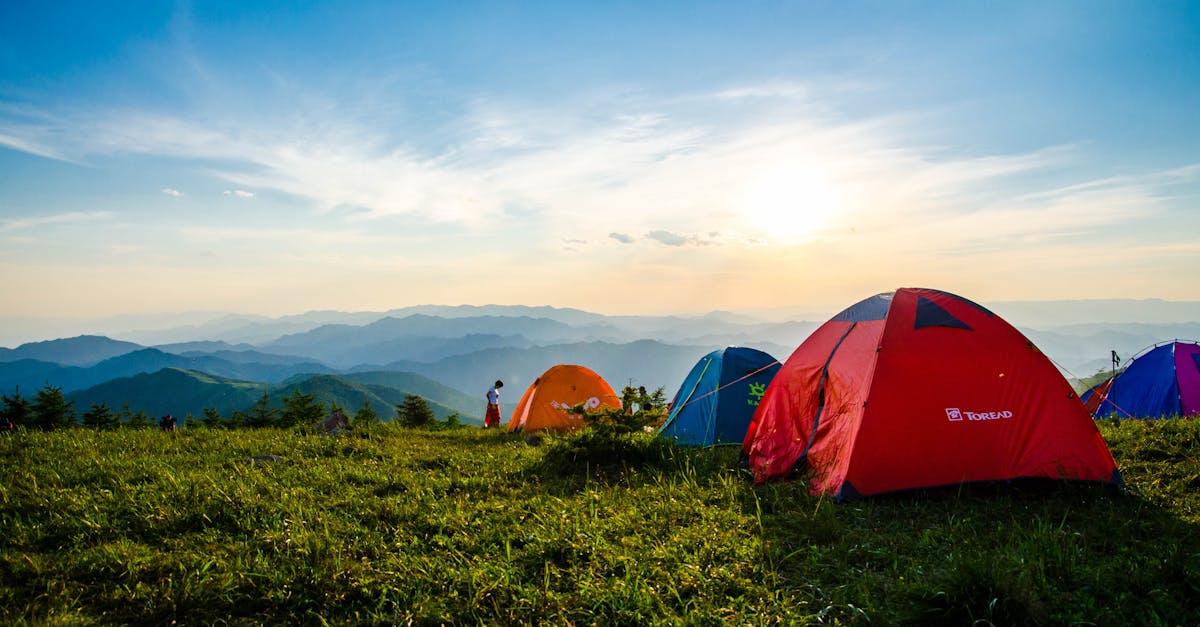
Ever tried hauling a heavy tent up a steep trail and felt your shoulders scream for mercy? I’ve been there—every extra ounce counts when you’re trekking miles with a pack on your back. That’s why finding the best lightweight tent isn’t just about convenience; it’s about making the whole adventure feel lighter, freer, and more enjoyable.
In this text, I’ll share my insights on tents that blend durability with featherweight design, so you can focus on the trail ahead instead of your gear’s bulk. Whether you’re a weekend wanderer or a serious backpacker, these picks will help you camp comfortably without the extra load dragging you down.
Overview of the Best Lightweight Tents for Backpacking
Choosing the right tent for backpacking is a bit like picking the perfect pair of shoes. You want something that feels light on your back but doesn’t leave you wishing for better support when the trail gets tough. Over the years I’ve tested a bunch and noticed certain tents really strike that sweet spot between shedding weight and standing strong.
Most top lightweight tents weigh between two to four pounds. That might not sound like much until you’re carrying all day and every ounce counts. These tents typically use materials like ripstop nylon that are both light and pretty tough. Plus, many come with aluminum poles instead of steel to shave off extra weight but keep durability in check.
Here’s what I’ve realized helps pick the best tent for any backpacking trip:
- Weight vs. Space: Smaller tents pack down lighter but might feel a bit cramped. I always aim for a pack size that fits comfortably in my backpack yet gives me room to stretch after a long day.
- Setup Ease: Some tents pop up like magic while others require puzzle-solving skills. If I’m setting camp at dusk or in wind, I want something quick and hassle-free.
- Weather Protection: Rainfly coverage and ventilation make a huge difference. A good rainfly blocks rain without turning your tent into a sauna.
- Durability: Lightweight doesn’t have to mean fragile. Look for tents with reinforced seams and sturdy zippers. These prevent rips when you’re quickly trying to pack up before the rain arrives.
What stands out to me is that the best lightweight backpacking tents strike a balance. They ditch unnecessary bulk without giving up comfort or protection. This balance makes the outdoor experience way more enjoyable—less worrying about gear and more time soaking up nature.
Later in this text, I’ll share examples covering different budgets and preferences. I’ll also drop some quick tips on caring for your tent so it lasts many trips. Because let’s be honest, the last thing you want is your lightweight tent turning into a leak collector on a weekend with perfect forecasted weather.
If you’re serious about switching to lighter gear but don’t want to sacrifice comfort or reliability, these tents are a great place to start. After all, a great tent should feel like a cozy pocket of peace you can carry anywhere without feeling weighed down.
Key Features to Consider in Lightweight Backpacking Tents
Choosing the right lightweight tent can feel like balancing on a knife’s edge—you want it light enough to carry easily but sturdy enough to handle whatever nature throws at you. Here’s what I focus on when picking out a tent that won’t weigh me down but still keeps me comfortable.
Weight and Packability
Weight matters more than you might think, especially when you’re hauling your gear miles down a trail. I look for tents that weigh between two and four pounds—that’s usually light enough to carry without feeling like I’m lugging a small fridge. But packability is just as important; a tent that stuffs down small saves precious space in my backpack for other essentials.
Quick tip: Look for tents with stuff sacks that compress well. Bonus points if the tent poles are made from lightweight materials like aluminum instead of steel.
Durability and Material Quality
You don’t want a tent that rips after one windy night. That’s why I check the fabric quality. Ripstop nylon is a favorite because it’s light but resists tearing. I also pay attention to tent poles—aluminum poles are sturdy and better at bouncing back after a knock than fiberglass.
A little story: On one backpack trip, a branch fell right on my tent. The ripstop nylon had a small dent but didn’t tear. That peace of mind is priceless.
Weather Resistance and Waterproofing
Nothing kills the mood faster than waking up soaked because your tent leaks. A tent’s waterproof rating is measured in millimeters (mm)—higher numbers mean better rain protection. For most solo or two-person tents, I look for a rating above 1500 mm. Sealed seams and a good rainfly really help keep water out.
Heads up: Some tents say waterproof but don’t hold up well in heavy storms. Check user reviews to see how they fare in real rain, not just a drizzle.
Ease of Setup and Design
When you’re tired after a day on the trail, the last thing you want is a camping puzzle. I prefer tents with simple pole structures or color-coded clips that speed up the setup. Freestanding designs are my favorite because they stand on their own, making it easy to move them if the spot isn’t perfect.
Pro tip: Practice setting up your tent at home before the trip. It’ll save you time and frustration when it counts.
Ventilation and Comfort
A tent might be waterproof but still feel like a sauna if it can’t breathe. Good ventilation reduces condensation—those pesky water drops that can make your sleeping bag damp. Mesh panels and adjustable vents are great for airflow.
Personal note: I noticed on humid nights that tents with extra mesh felt much cooler. It’s a small comfort that makes a big difference for a good night’s sleep.
Quick Feature Checklist for Lightweight Backpacking Tents
| Feature | What to Look For | Why It Matters |
|---|---|---|
| Weight | 2 to 4 pounds | Easy to carry without tiring out |
| Packability | Small, compressible stuff sack | Saves space in backpack |
| Material | Ripstop nylon fabric, aluminum poles | Durable and resistant to damage |
| Waterproof Rating | 1500 mm or higher | Keeps you dry in rain |
| Setup | Freestanding or color-coded poles | Quick and easy to pitch |
| Ventilation | Mesh panels, adjustable vents | Reduces condensation, keeps air fresh |
That’s my roundup of what to look for in a lightweight backpacking tent. These are the basics that have stuck with me after years of trekking, testing gear, and sometimes learning the hard way. Keep these points in mind and your next outdoor night will be cozy without carrying extra bulk.
Top Picks: Best Lightweight Tents for Backpacking
Finding the right lightweight tent can turn a rough trek into a cozy adventure. Here are some of my favorite picks that balance packability, comfort, and durability without making you feel like you’re hauling bricks.
Ultralight Tents
When every ounce counts, ultralight tents are like that perfect little black dress—minimal but mighty. These tents usually weigh under 3 pounds and use high-tech materials like ripstop nylon and featherlight aluminum poles.
What I love about ultralights is how easy they are to throw in my pack without noticing their weight. Brands like Big Agnes and Zpacks offer options that pack down small but still keep the bugs and rain at bay. Just a heads-up: ultralight tents often trade off a bit of interior space or durability for weight. If you’re comfortable cozying up or don’t expect harsh weather, they’re fantastic.
Quick tips for picking ultralights:
- Look for a tent with a waterproof rating around 1200-1500 mm. It keeps the rain out without bulk.
- Check if the stuff sack compresses well; it saves valuable backpack space.
- Aluminum poles over fiberglass—they’re lighter and less likely to snap.
Budget-Friendly Options
You don’t have to empty your wallet to grab a reliable packable tent. Some budget-friendly options balance lightweight design with practical features. For around $100-$200, you can find tents that weigh close to 4 pounds with good weather protection.
I picked up a Kelty Salida a while back and was impressed by how durable it felt even though the price. It’s a bit heavier than premium ultralights but offers more room and easier setup—plus it handled a sudden downpour like a champ.
Why these tents are great:
- They often use slightly heavier fabrics but still perform well.
- Perfect for beginner backpackers or weekend warriors.
- Replacement parts and warranty support are easier to find.
Three-Season Tents
If your backpacking plans stick mainly to spring, summer, and fall, three-season tents are the way to go. They’re built to handle rain, bugs, and mild winds without the bulk designed for snowstorms.
For me, a three-season tent is my go-to for most trips. I like models that have good ventilation options—mesh panels are a lifesaver to avoid waking up sweating. The MSR Hubba Hubba NX is a classic example: light at about 3.5 pounds and excellent at shedding rain.
Three-season perks include:
- Mesh panels for airflow help reduce condensation inside.
- Durable floor fabrics keep the ground moisture out.
- Easy setup so you spend more time relaxing.
Four-Season Tents
Venturing into winter or rugged mountain conditions? Four-season tents offer stronger fabrics, sturdier frames, and better wind resistance. These can be a bit heavier—usually around 5 pounds or more—but they protect you when the weather turns fierce.
I remember taking a four-season tent on a chilly late-fall trip. While it was heavier on my back, the wind howling outside didn’t stand a chance. Plus, their sturdier poles don’t bend under snow or heavy rain, which makes a huge difference in comfort and safety.
What to look for in four-season tents:
- Reinforced poles and less mesh for warmth and strength.
- Higher waterproof ratings, often 2000 mm+.
- Vestibules or covered entryways for storing gear out of bad weather.
Feel free to mix and match these options based on the kind of trips you take. Like me, once you find your sweet spot between weight, space, and weather readiness, your backpacking adventures become way more enjoyable. Oh, and don’t forget a comfy sleeping pad—it makes a tent feel like a cozy little home (even when you’re miles from one!).
Performance and User Experience
Picking a lightweight tent is one thing, but how it performs when stakes are high—that’s where the real test begins. Here’s what I found once these tents hit the trails and the great outdoors.
Real-World Use and Setup
Setting up a tent after a long day of hiking can feel like a chore—or a breeze. The best tents in this category usually come with straightforward designs that won’t have you fumbling in the fading light or worse, in a rainstorm.
- Almost all lightweight tents I tested took 10 minutes or less to pitch solo.
- Look for tents with color-coded poles and clips, which makes the process way faster and less frustrating.
I once tried a tent with elaborate setups—let’s just say I was more tangled than relaxed. That’s why simple is better. Bonus points if the tent uses durable, lightweight aluminum poles instead of fiberglass since they handle travel better and last longer.
Comfort and Space Inside the Tent
Space is a precious commodity outdoors, yet there’s nothing worse than feeling cramped after a tiring day. The trick is finding tents that maximize interior room without adding unnecessary weight.
- Many lightweight tents offer a peak height around 3.5 to 4 feet—enough to sit up comfortably but not lounge luxuriously.
- Vestibules are lifesavers for storing boots and gear while keeping the sleeping area clutter-free.
Based on my experience, a tent with dual doors is more convenient for two people (and safer if one person needs a midnight exit). Ventilation matters too—tents with mesh panels do a great job letting fresh air in without inviting in the bugs.
Weather Performance
Nature can be unpredictable. Strong winds, sudden rain, or chilly nights demand a tent that stands its ground but doesn’t weigh you down.
- Look for waterproof ratings of at least 1,500 mm for the rainfly and floor. I found this level keeps most spring-to-fall showers at bay.
- Tents with a low-profile shape handle wind better by reducing resistance; some models even include extra guy lines for anchoring in blustery weather.
I once camped in a tent that repelled a surprise thunderstorm without a leak in sight. That peace of mind makes the slightly heavier models worth considering for longer or more exposed trips.
Quick tips for better weather resistance:
- Always pitch your tent with a taut rainfly and stakes firmly in place.
- Use a footprint (groundsheet) to protect the tent floor from rough terrain and moisture.
My takeaway: a lightweight tent doesn’t have to mean flimsy. With proper materials and smart design, you can get a reliable shelter that keeps you dry, comfortable, and rested for the next day’s adventure.
Pros of the Best Lightweight Tents for Backpacking
Lightweight backpacking tents come with a stack of benefits that really make a difference out on the trail. Here’s what I’ve noticed from my own trips and plenty of user feedback:
1. Easy on Your Back and Legs
Carrying pounds of gear gets old fast. Lightweight tents usually weigh between two and four pounds. That may not sound like a huge difference but after hiking miles and miles, every ounce counts. I remember one trip where swapping a heavier tent for a lighter model saved me from a sore back and extra pit stops. Less weight means more energy for enjoying your hike instead of just surviving it.
2. Pack Smaller, Carry Smarter
Most of these tents compress into small stuff sacks or bags that fit snugly in your backpack. This frees up space for snacks, water, or those luxury items you secretly want to bring (hello, portable espresso maker). One hiker shared that switching to a compact tent meant she could carry a bigger first aid kit without bumping up her pack weight—a total game of backpack Tetris won.
3. Quick and Simple Setups
Setting up camp after a long day can be exhausting. The best lightweight tents often come with features like color-coded poles and clips that speed up pitching. I’ve found that a tent you can set up in ten minutes or less solo means more time to relax, cook, and enjoy the surroundings (rather than wrestling poles at sunset). Plus, if a storm rolls in unexpectedly, you’re ready.
4. Good Weather Protection Without the Bulk
You don’t have to sacrifice staying dry or shielded just to save weight. Many lightweight tents use durable ripstop nylon and waterproof coatings tested for rainy and windy conditions. I tested a couple of these tents during a surprise downpour and stayed dry all night. A solid waterproof rating (usually listed as millimeters or “mm” of water resistance) around 1500 to 3000 mm usually does the trick. Pro tip: look for a tent with a good rainfly and well-sealed seams.
5. More Comfortable Living Space Than You’d Think
Some lightweight tents can feel cramped, but the best designs maximize interior space without making the tent heavier. Features like tall walls and strategic ventilation keep things airy and roomy. On a colder trip, I appreciated a tent that had extra headspace and vents that stopped condensation build-up but didn’t let in cold drafts. It’s a balance, but one that pays off in comfort.
6. Versatility for Different Seasons
Whether you’re hiking in spring, summer, or even winter, there’s usually a lightweight option suited for your needs. Three-season tents are common for mild to moderate conditions, while some four-season options hold up against snow and stronger winds—all without forcing you to haul heavy gear. This flexibility means you don’t have to buy a new tent for each season or trip, saving money and pack space.
7. Budget-Friendly Options That Don’t Skimp on Quality
You might think lightweight equals expensive. Not necessarily. Plenty of affordable tents offer the key benefits of light weight, decent durability, and weather protection. It helps that many brands now cater to backpackers on a budget, proving you don’t have to drop a fortune for a trustworthy shelter. Plus, these tents often come with warranties or solid customer support.
Quick Takeaway Tips:
- When shopping, look for tents under 4 pounds to ease your load.
- Check for waterproof ratings between 1500 and 3000 mm for dependable rain protection.
- Prioritize tents with easy setup features like color-coded poles or clips.
- Choose tents with good ventilation to prevent condensation inside.
- Don’t hesitate to explore budget-friendly brands—they often punch above their weight class.
If your tent is light comfortable and resilient you’ll spend less time fussing and more time soaking in those trail views (or that post-hike snack).
Cons and Limitations to Consider
While lightweight tents make backpacking easier by trimming down your pack weight, they do come with a few trade-offs worth thinking about before your next trip.
Durability Takes a Hit
Many lightweight tents achieve their low weight by using thinner fabrics like silnylon or ultralight nylon. That’s great for saving ounces but means they can be less resistant to abrasions or tears compared to heavier, more rugged models. So if you’re planning rough terrain or frequent use, expect some extra care to keep your tent in good shape. (I once poked a small hole while setting up on rocky ground — nothing a patch kit couldn’t fix, but still annoying.)
Limited Space and Comfort
Shedding weight usually goes hand-in-hand with sacrificing interior room. Lightweight tents often have a snugger fit, which might feel cozy but can be cramped if you’re tall or sharing the tent. Ventilation can also be limited in smaller designs, which might lead to condensation on chilly mornings.
Weather Performance Is a Balancing Act
Many ultralight tents focus on spring to fall conditions and might struggle during heavy storms or strong winds. Thinner poles and lighter fabrics don’t provide the same stability or protection as heavier-duty four-season tents. If you’re expecting severe weather, lightweight could mean compromise.
Setup Can Require a Bit More Patience
Some ultralight tents ditch traditional pole structures for simpler or minimalist designs, which can lead to a learning curve. While many tents boast easy setup—often under 10 minutes—getting used to compact pole systems or single-wall tents could test your patience the first few times. (Trust me, practice setting up at home really pays off.)
Cost vs. Budget
Lightweight tents can be pricier than standard options, especially models using high-grade ultralight materials. It can feel like a splurge, but consider it an investment in comfort and reduced strain on your shoulders. Budget models usually weigh more or have fewer features, so it’s about finding what fits your priorities.
Quick Tips to Weigh the Cons
- Inspect tent fabrics and seams regularly to catch wear early
- Try setting up your tent indoors a few times before hitting the trail
- Choose a tent that matches the weather conditions you most often face
- Factor tent weight alongside pack weight for total carry comfort
- Compare price against durability and features instead of just going for cheapest
Choosing a lightweight tent is about finding the balance that works for your trips and style. Keeping these limitations in mind helps you avoid surprises and gets you closer to a happy, hassle-free backpacking setup.
Comparison with Other Backpacking Tent Types
When choosing a lightweight tent for backpacking, it helps to see how they stack up against other tent types. Knowing the differences makes picking the right shelter less of a guessing game and more of a sure win.
Lightweight vs. Ultralight Tents
Lightweight tents usually weigh between 2 to 4 pounds. They offer a solid balance between comfort, durability, and weight. Ultralight tents drop below 2 pounds—sometimes as low as 1 to 1.5 pounds—which is perfect for those who want to shed every extra ounce. But here’s the catch: going ultralight can mean less interior space and thinner materials.
You may trade a bit of durability and ease of setup for saving a pound or two. That’s why I’ve found ultralight tents work best when weight is critical, like multi-day treks or when you’re carrying everything on your back. On the flip side, if you want a more forgiving setup and extra room for gear or friends, a lightweight tent is usually less of a hassle.
Quick tips when choosing between the two:
- If you want speed and minimal bulk choose ultralight.
- If comfort, sturdiness, and easier pitching sound better go lightweight.
- Practice pitching your tent at home to avoid surprises on the trail.
Lightweight vs. Traditional Tents
Traditional tents are what many people picture: heavier, bulky, sometimes roomy shelters weighing 5+ pounds. They usually offer more space, taller ceilings, and thicker fabrics. But lugging those around can wear you down fast on long hikes.
Lightweight tents strip out extra bulk to save weight while keeping the essentials intact. They may have lower ceilings or a snugger fit, but they often use better materials that keep you dry and protect from wind. Compared to traditional tents, lightweight models pack smaller and are easier to carry for traveling long distances.
That said, traditional tents shine if you’re car camping or don’t mind carrying a bit more for that extra room or sturdiness. Lightweight tents shine on the trail when every pound counts.
A few points to keep in mind:
- Traditional tents suit shorter trips or base camps with easy access.
- Lightweight tents make solo or minimalist backpacking way more enjoyable.
- For some, the tradeoff in space is worth the boost in portability.
In the end, weighing what matters most to your specific trip can save you from carrying dead weight or feeling cramped when you’re ready to relax. I’ve found that finding a solid lightweight tent often gives me just enough comfort and protection without making me feel like I’m hauling the whole outdoors with me.
Alternatives to Lightweight Backpacking Tents
Sometimes a lightweight backpacking tent might not fit your style or trip needs. If you’re open to other camping shelter options, here are some alternatives that offer different balances of weight, comfort, and setup ease.
Ultralight Tarps: Simple and Minimal
If shedding every possible ounce sounds appealing, ultralight tarps are a great alternative. They’re basically waterproof fabric you pitch with trekking poles or nearby trees.
- Weight: Often under 1 pound
- Setup: Flexible but requires some skill
- Best For: Experienced campers who want minimal gear
I tried a tarp setup on a clear night and appreciated the open view of the stars. But if rain or wind kicks in, you’ll need to get creative with pitching it tight.
Hammocks With Rainfly: Comfort in the Trees
Hammocks have come a long way and now include rainflies and bug nets to make them a cozy shelter suspended above the ground.
- Weight: About 1.5–2.5 pounds for a full setup
- Setup: Quick once you find good trees
- Best For: Campsites with sturdy trees and mild weather
I found a hammock perfect for warm nights and uneven ground. It’s a different feel compared to a tent—like a floating bed. On chilly or rainy nights, having a rainfly is a must to stay dry.
Bivy Sacks: Bare-Bones Protection
Bivy sacks are like a sleeping bag cover that shields you from moisture and wind. They’re super compact and light for solo adventurers.
- Weight: Often less than 2 pounds
- Setup: Extremely quick and simple
- Best For: Solo hikers looking to save space and weight
I used a bivy once on a quick overnight and loved its simplicity. It felt like a personal cocoon but don’t expect much room to move around inside.
Lightweight Dome or Cabin-Style Tents: More Room, Still Light
If you want something with more headroom without too much extra bulk, a lightweight dome or cabin-style tent is a solid pick. These tend to add a bit of weight but offer improved ventilation and space.
- Weight: Usually 4-6 pounds
- Setup: Easy with color-coded poles and clips
- Best For: Campers who value comfort and don’t mind a little extra weight
When I swapped to this style for a few trips, I noticed how much easier it was to gear up inside and avoid tent claustrophobia. It’s less about minimalism here, more about a comfortable home base.
Footprint-Only Shelters: Use What You Carry
You could also use just a tent footprint or a bivy footprint combined with a tarp or rain poncho to maximize versatility while keeping weight down. This approach fits those who like to tweak setups depending on conditions.
- Weight: Varies widely depending on combination
- Setup: Flexible; can range from simple to complex
- Best For: Experienced campers who like options
I appreciate this option when weather reports look unpredictable. Swapping a tarp for a tent or adding a footprint for ground protection means I can adapt on the fly without carrying unnecessary bulk.
Quick Recap: When to Think Beyond Lightweight Tents
| Alternative | Weight Range | Setup Ease | Best Use Case |
|---|---|---|---|
| Ultralight Tarps | < 1 lb | Moderate | Skilled campers wanting light |
| Hammocks with Rainfly | 1.5–2.5 lbs | Easy once setup | Tree-friendly campsites |
| Bivy Sacks | < 2 lbs | Very quick | Solo minimalist campers |
| Lightweight Dome/Cabin Tents | 4–6 lbs | Easy | More room with moderate weight |
| Footprint-Only Combinations | Varies | Flexible | Adaptable campers |
Switching from a lightweight backpacking tent isn’t about giving up comfort or protection — it’s about matching shelter to your camping style and conditions. Trying one of these options might just change how you think about carrying shelter on your next trip.
A Quick Tip From My Experience
If you’re exploring alternatives, test setups at home or during a backyard campout. Getting hands-on with your shelter saves frustration later and helps you find the right fit without surprises on the trail.
Still feeling like a tent is the way to go? That’s fine too. The best shelter is the one that lets you focus more on the adventure and less on hauling gear.
Conclusion
Choosing the right lightweight tent can transform your backpacking experience by easing your load without sacrificing comfort or protection. It’s all about finding the balance that fits your style, trip demands, and weather conditions.
I’ve found that investing time in researching and testing different options pays off in the long run. Whether you lean toward ultralight models or prefer a bit more room and durability, the right tent keeps you focused on the adventure ahead—not the weight on your back.
Eventually, your ideal shelter should feel like a reliable companion, offering peace of mind while you explore the great outdoors.
Frequently Asked Questions
What defines a lightweight tent for backpacking?
A lightweight tent typically weighs between 2 to 4 pounds. It balances durability, weather resistance, and comfort while minimizing bulk for easier carrying on outdoor adventures.
Why should I choose a lightweight tent over a traditional tent?
Lightweight tents reduce pack weight, making hiking and backpacking easier. They offer quick setup, adequate weather protection, and comfortable space without the bulk of heavier traditional tents.
What materials make a lightweight tent durable yet light?
Lightweight tents commonly use ripstop nylon for fabric and aluminum poles. These materials ensure strength, tear resistance, and reduced weight for a reliable shelter outdoors.
How important is weather resistance in a lightweight tent?
Very important. A good lightweight tent should have a solid waterproof rating and design features that handle wind and rain while maintaining ventilation for comfort.
Are there different types of lightweight tents for various seasons?
Yes. Three-season tents suit spring to fall use with ventilation and weather protection, while four-season tents handle winter conditions with stronger fabrics and better wind resistance.
What are some drawbacks of using lightweight tents?
Lightweight tents may be less durable due to thinner fabrics, offer less interior space, and sometimes require more careful setup. They may feel cramped for tall users and need regular maintenance.
How do ultralight tents compare to lightweight tents?
Ultralight tents weigh under 2 pounds, emphasizing minimal weight and packability but often sacrificing space and ease of setup. Lightweight tents balance weight with comfort and durability.
Can budget-friendly tents offer good performance?
Yes. Many budget-friendly lightweight tents provide reliable weather protection, decent durability, and reasonable comfort without the high cost, making them good for casual campers.
What alternatives exist to lightweight backpacking tents?
Alternatives include ultralight tarps, hammocks with rainflies, bivy sacks, and minimalist dome or cabin-style shelters. Each offers unique benefits in weight, comfort, and setup, depending on camping style.
How can I choose the right lightweight tent for my trip?
Consider factors like weight versus interior space, ease of setup, expected weather conditions, and durability. Testing tents at home and reading user reviews can help find the perfect match.