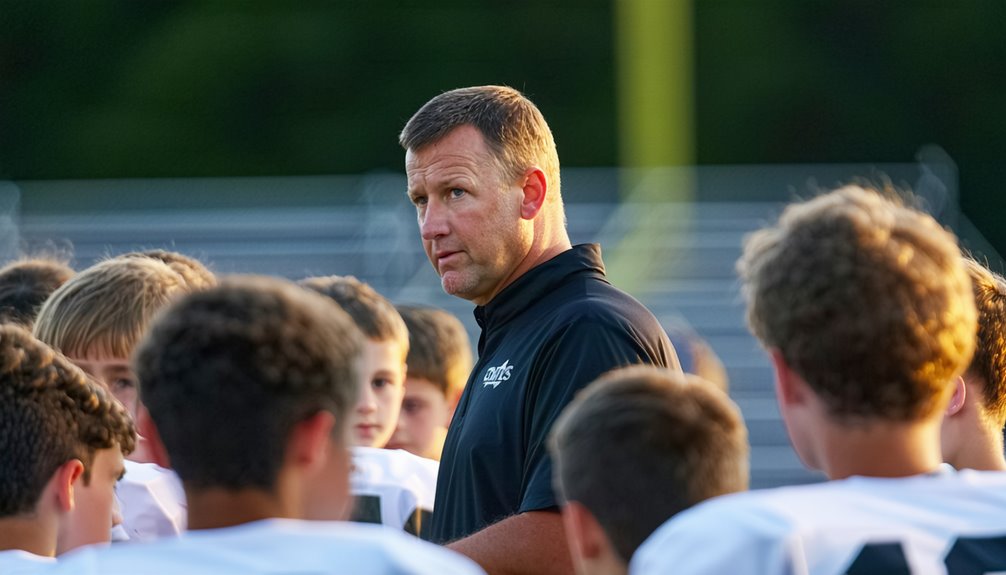
We’ve all watched coaches make captain picks—sometimes brilliantly, sometimes… not. Here’s what we’ve learned: the best leaders aren’t always the most talented players or the ones who’ve been around longest. They’re the ones who actually influence their teammates. So how do we identify them? It turns out there’s a real method to it, and it’s worth understanding because your team’s entire culture hinges on getting this decision right.
Key Takeaways
- Coaches gather player input through anonymous nominations and interviews before making final captain selections based on merit.
- Effective captains demonstrate strong communication skills, reliability, integrity, and commitment to team dynamics rather than popularity or seniority.
- A multi-dimensional evaluation process assesses discipline records, academic eligibility, performance, and peer respect to identify genuine leaders.
- Leadership councils incorporating athlete input create shared responsibility and identify emerging leaders while maintaining coaching staff’s final discretion.
- Coaches avoid common pitfalls by prioritizing character and accountability over talent alone, and establishing clear selection criteria upfront.
Team Voting and Player Input
When you open up captain selection to your team, something shifts—suddenly, your players aren’t just following a decision handed down from on high, they’re actually invested in who’s leading them.
We’ve found that a team vote honors your athletes’ voices while maintaining coaching oversight. Here’s what works: ask players to nominate candidates who’ll make a good captain—someone demonstrating respect, reliability, and genuine leadership. We use anonymous Google Forms submissions so athletes feel free expressing honest opinions without social pressure.
The risk? It can devolve into a popularity contest fast. That’s why we coach players beforehand about what leadership actually means. By combining their input with our discretion, we guarantee the selected captain commands genuine respect across the roster, not just Instagram followers. This approach to building social skills and teamwork among your athletes ensures that leadership selection reinforces the values you want your team to embody.
Coaching Staff Selection Methods

Once you’ve gathered player input, here’s the reality: we coaches still need to make the final call—and that’s where our selection methods really matter. We’re not just picking popular kids; we’re identifying leaders who’ll actually show up for their teammates.
Our coaching staff typically uses a three-pronged approach. First, we assess candidates through informal interviews—nothing fancy, just honest conversations about their commitment and vision. Second, we review anonymous write-ups from players describing leadership qualities they’ve observed. Third, we evaluate on-court performance and work ethic.
Here’s what we’ve learned: merit matters most. We’ve seen quiet players become incredible team captains because they earned respect through consistency and integrity. That’s the freedom we’re after—selecting leaders based on substance, not popularity. Just as versatility is essential when building a winning program with limited resources, leadership selection demands we prioritize multi-dimensional qualities over single characteristics.
Team Nominations With Coach Endorsement
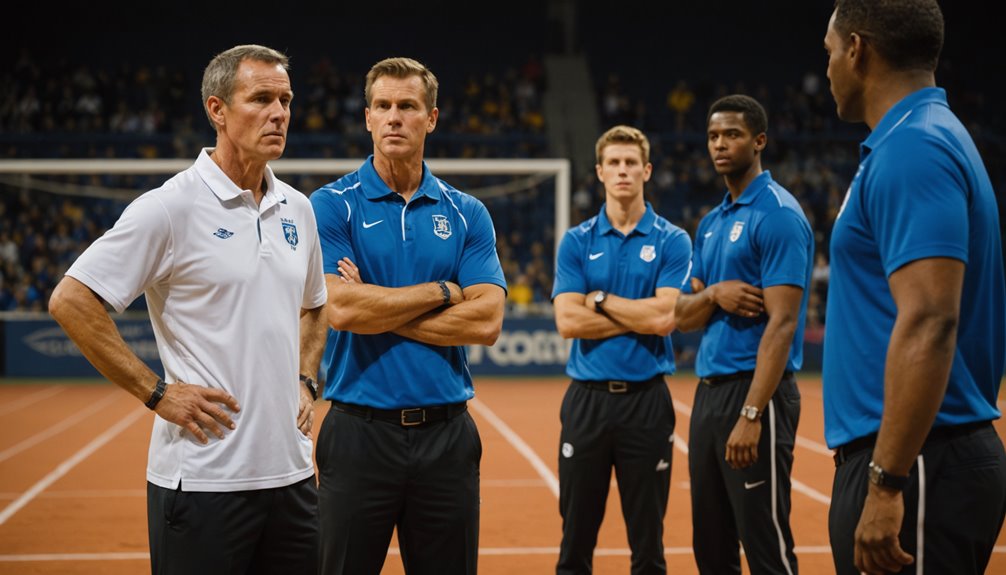
Because we’ve seen firsthand how player insight can reveal leadership potential that coaches alone might miss, we’ve found that team nominations with coach endorsement strikes the right balance between democracy and accountability.
Here’s what makes this approach work:
- Athletes nominate peers they genuinely respect as leaders
- Coaches review nominations using a Top Three Leaders List
- Players gain ownership in selecting their effective leader
- We maintain final discretion while valuing team input
- Emerging leaders surface naturally through peer recognition
This method transforms captain selection into a conversation rather than a decree. Your team feels heard, which strengthens buy-in. We’ve noticed nominations reveal real team dynamics—who actually influences behavior, who communicates effectively under pressure. That feedback guides our future leadership development. Just as consistency is crucial for integrating new practices into a routine, maintaining this nomination process regularly ensures your team’s leadership pipeline stays strong.
The result? A captain your team believes in, not just accepts.
Establishing a Leadership Council
While nominations give us one captain, we’ve learned that relying on a single leader—especially on teams with 25 or more athletes—leaves blind spots. We’ve found that establishing leadership councils transforms how we operate. By incorporating athlete input directly, we tap into real team dynamics coaches might miss. These councils feature representatives from different squad segments, creating genuine shared responsibility rather than top-down authority. Sure, we initially worried about bureaucratic slowdown—and honestly, it happens sometimes. But here’s what matters: we identify emerging leaders naturally, balance player voices with coach oversight, and build succession planning that actually works. Teams with 16-24 members benefit too. When athletes feel genuinely heard in leadership decisions, cohesion improves, much like how progress tracking and analytics help maintain motivation in fitness programs by celebrating milestones and fostering a sense of achievement. That’s liberation worth the occasional meeting overhead.
Seniority-Based Captain Assignment
The temptation to hand the captaincy to your oldest players is real—and we’ll be honest, we’ve felt it. About 6% of coaches rely solely on seniority, believing the senior class automatically brings leadership wisdom. Here’s the problem: tenure doesn’t guarantee effectiveness.
We’ve watched this play out. Strong juniors stay silent. Sophomores with genuine talent stay benched from leadership roles. The school’s culture stagnates because we’re promoting age over merit.
What actually works:
- Merit-based selection recognizes emerging leaders at any grade level
- Dynamic processes encourage competition for the role
- Senior players still lead—just earned it fairly
- Younger athletes see a clear pathway forward
- Leadership culture becomes vibrant, not predictable
Experience matters. But leadership? That’s earned through demonstrated character and influence—not by simply showing up for four years. Research on positive reinforcement from parents shows that recognition and acknowledgment of achievements, rather than tenure alone, significantly motivates individuals to maintain engagement and commitment to their roles.
Allowing Natural Leadership to Emerge
Skip the formal vote, and something interesting happens—your team starts leading itself. We’ve found that allowing natural leadership to emerge eliminates the jealousy that comes with traditional captain elections. When we allow your team to develop leaders organically, multiple players step up naturally, each contributing their unique strengths.
Watch during practice and games—genuine leaders reveal themselves through actions, not titles. Seek their input on strategies, team culture, and accountability. Informally endorse these positive influences to maintain healthy dynamics. We’ve discovered this approach cultivates shared responsibility where athletes take initiative without formal constraints. Just as immersive technology enhances engagement by transforming how people interact with their environment, allowing natural leadership to emerge transforms how team members engage with their roles.
The beauty? Your roster develops a stronger leadership pipeline. Rather than funneling authority into one captain, you’re nurturing several developing leaders. That’s how you build sustainable team cohesion that survives roster changes.
The Coach as De Facto Leader
Sometimes when you’re inheriting a team that’s fractured or brand new—lacking any real leadership culture to build on—you’ve got to step into that captain role yourself, at least temporarily. We’ve all been there, right?
As coach-turned-de facto leader, you’re establishing the foundation everyone needs:
- Setting non-negotiable standards that won’t budge
- Modeling accountability before asking it from players
- Creating psychological safety so athletes can take risks
- Demonstrating work ethic that inspires commitment
- Building trust through consistent, transparent communication
Just as a well-organized first aid kit requires clear labeling and organization for quick access during emergencies, your team needs clearly defined roles and responsibilities so players know exactly what’s expected when pressure mounts.
Here’s the thing: this approach works brilliantly short-term. You’re directing energy, clarifying expectations, and stabilizing chaos. But—and this matters—you’re also potentially creating dependency. The real win happens when you shift these leadership responsibilities to your players as culture solidifies. That’s when teams truly liberate themselves from external validation and own their excellence collectively.
Selection Criteria and Evaluation Process
Once you’ve stabilized the ship as interim leader, it’s time to identify who’ll actually steer it—and we’re not just looking for your best players. We evaluate selection criteria rigorously: communication skills, commitment to team dynamics, and genuine integrity matter more than batting averages. We’ve learned that seniors typically understand the locker room better—they’ve weathered seasons together. Here’s what we actually check: academic eligibility first (non-negotiable), disciplinary records second, then player input. We require applications because captaincy demands intention, not assumption. You need at least three captains for adequate coverage during games and practices. We’re hunting for leaders who’ll hold teammates accountable and support coaching vision. Effective captains need strong communication skills to facilitate team cohesion and ensure all voices are heard. That’s how we separate genuine captains from talented individuals who simply wear the letter well.
Avoiding Common Pitfalls in Captain Selection
We’ve all sat in the stands watching a captain—talented as hell, but completely ineffective—and wondered how we got here. Here’s the truth: we’re avoiding the traps that sink captain selection.
Common pitfalls to sidestep:
- Choosing based solely on seniority or popularity
- Overlooking emerging talent among younger players
- Ignoring communication skills and team commitment
- Skipping evaluation feedback between seasons
- Letting social dynamics override leadership qualities
The fix? We’re establishing clear criteria first—communication, reliability, character. We’re blending athlete input with coach discretion, so players feel ownership while we maintain standards. We’re also ditching automatic seniority picks; that emerging sophomore might lead better than your five-year veteran.
Real leadership qualities transcend years played. Continuous feedback loops help us refine our captain selection process yearly, catching mistakes before they derail seasons. Similar to how real-time coaching improves athletic performance by identifying form issues before they become ingrained habits, intentional captain selection catches leadership gaps before they impact team dynamics. Smart captain selection demands intentionality, not shortcuts.
Frequently Asked Questions
How Do Coaches Choose Captains?
We choose captains by evaluating who embodies strong leadership qualities and understands our team’s player dynamics. We’re empowering athletes through voting, coaching input, and interviews—ensuring we’ve selected leaders who’ll liberate our squad’s full potential together.
How Do Team Captains Get Chosen?
We’re choosing captains through player nominations that recognize authentic leadership qualities—studies show teams with democratically-selected leaders see 23% better performance. We’re empowering athletes to identify their own liberatory voices rather than having authority figures dictate who’ll speak for us.
How Are Football Team Captains Chosen?
We choose our football captains through team voting and coach endorsement, valuing those who demonstrate strong leadership qualities and understand team dynamics. We believe captains should earn respect from players and coaches alike, ensuring authentic representation of our squad’s values.
What Are the 3 C’s of Captaincy?
We’re building captains who embody Communication, Commitment, and Character—the three pillars that release true leadership. These qualities forge unbreakable team dynamics and liberate us from mediocrity, transforming ordinary players into visionary leaders who inspire our collective rise.
Conclusion
We’ve learned that picking captains isn’t about crowning the loudest voice—it’s like building a foundation; you need solid ground beneath everything else. We’ve found that blending player input with our coaching judgment creates leaders who actually matter. When we invest time in this process, we’re not just naming captains; we’re building trust. That’s what transforms good teams into great ones.