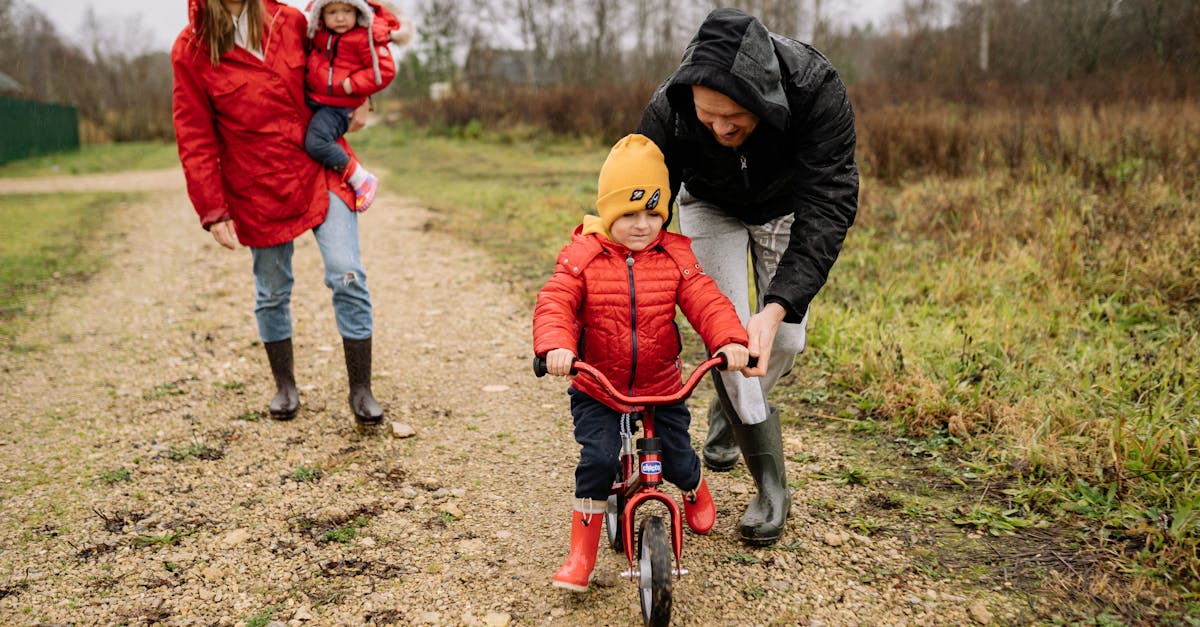
Have you ever watched a child conquer a rocky trail with the confidence of a seasoned explorer? That fearless spirit is contagious, but it all starts with the right gear—especially boots that grip the earth like a second skin. I’ve learned that when kids’ hiking boots provide solid traction, every step becomes an adventure rather than a slip waiting to happen.
In this text, I’ll share what makes a great hiking boot for kids, focusing on grip and stability. Whether you’re gearing up for weekend hikes or nature walks, finding boots that keep little feet steady can transform the whole experience. Let’s jump into the features that combine safety and fun on every trail.
Features of Kids’ Hiking Boots With Good Grip
Choosing the right hiking boots for kids means looking at specific features that keep tiny feet steady on slippery rocks and uneven trails. Here are the key qualities I focus on when checking out boots with great grip.
Grip and Traction Technology
Let’s start with grip. If your kid’s boots don’t stick well to the ground it’s easy for them to slip and twist an ankle. Most hiking boots use rubber soles with deep grooves or lugs—these are the patterns that dig into dirt or rock to stop slips. Look for soles made with sticky rubber compounds. Some brands even borrow from mountain climbing shoes and use special soles that work great on wet or muddy trails.
For example, Vibram soles have a good reputation because they add extra traction with their multidirectional lugs. That means kids get a confident step whether climbing uphill or scooting downhill. A quick tip: The deeper and wider the lug spacing the better they avoid clogging with mud (which can kill traction fast).
Durability and Material Quality
Kids don’t hike like adults—they tend to stomp through puddles or rub their boots on rocks more aggressively. Good hiking boots need the stamina to last through these adventures. Most quality boots use a mix of tough leather and synthetic fabrics like nylon or polyester.
Leather is great for rough durability and water resistance but can feel stiff at first. Synthetic materials dry faster and weigh less but might show wear sooner. Stitching quality matters too; double or triple stitching means the boot won’t fall apart after a few outings. Reinforced toes and heel caps give extra protection against toe bashes or scuffs—trust me, these come in handy on rocky trails.
Comfort and Fit
If boots aren’t comfy kids won’t want to wear them (end of story). The right fit means snug around the heel and midfoot but with enough wiggle room for toes. Look for boots with padded collars and cushioned insoles since kids’ feet need that extra support.
I’ve noticed boots with adjustable lacing systems perform better because they let you tighten or loosen different zones depending on foot shape. Also, removable insoles can be swapped out for orthotic inserts if your child needs it.
Waterproof and Breathability Features
On to something many forget—waterproofing with breathability. Boots that keep feet dry in rain or mud but also let sweat escape prevent blisters and discomfort. Waterproof membranes like Gore-Tex are common and work by blocking water droplets while letting moisture vapor out.
That said, some kids tend to overheat in fully waterproof boots on sunny hikes. The trick is finding boots that balance breathability with protection or that have mesh panels in lower wear areas. Trying boots on in a warm room to check for hot spots is a quick test I use.
Weight and Flexibility
Heavy boots tire kids out faster and can limit how agile they are on the trail. Lightweight boots made from synthetic materials help keep energy up. Still, they need to be flexible enough to bend when walking but stiff enough to support the ankles on uneven terrain.
I like boots with midsoles made from EVA foam—it’s light, cushy, and offers shock absorption. Some boots add TPU shanks (thin plastic inserts) for extra stability without adding too much bulk.
Quick Tips to Pick Boots With Great Grip for Your Kids
- Check the sole depth and pattern for mud shedding.
- Look for boots with reinforced toes to resist trail bumps.
- Test fit with hiking socks to get the true feel.
- Consider removable insoles for custom comfort.
- Read user reviews that mention grip in wet or slippery conditions.
Performance and User Experience
When it comes to kids’ hiking boots with good grip, it’s about more than just the sole. I’ve found that performance and comfort together make all the difference for active little feet on the trail.
Trail Performance
The best boots handle a variety of surfaces without breaking a sweat. Deep lugs and sticky rubber outsoles really keep little hikers steady on slippery rocks, muddy paths, or loose gravel. I remember my nephew tackling a rocky hill with ease because his boots gave him just enough traction without making his steps feel heavy. For everyday hiking boots, look for soles that feel like a firm handshake with the ground—not a slippery slide or a stiff stomp.
Quick tip:
- Test the sole by standing on wet pavement; a good grip will stop you from sliding instantly.
Support and Stability
Kids’ feet are still growing and need solid support, especially for uneven trails. Boots with snug heel cups and firm midsoles prevent ankle rolls. I once saw a friend’s child stumble less after switching to boots with extra side support—this helped keep his feet from wobbling on rough terrain. Think of good hiking boots as a friendly guardian for tiny ankles, giving confidence without squeezing too tight.
Here’s what helps stabilize:
- Deep heel cups for locking the foot in place
- Sturdy midsoles that absorb shocks and prevent twisting
Ease of Wearing and Adjusting
Nothing kills the hiking buzz faster than boots that are tricky to put on or lace up. Kids want independence and speed before starting their outdoor fun. That’s why boots with easy-to-use hook-and-loop straps, half zippers, or quick-pull laces are winners in my book. My daughter loves her boots because she can slip them on without my help—and they stay snug all day long.
Simple wins include:
- Adjustable laces or straps for custom fit
- Wide openings for hassle-free on and off
Comfort During Extended Use
Long hikes can turn into crabbiness if feet aren’t comfortable. Good hiking boots combine cushioning and breathability to keep feet dry and happy. I’ve noticed boots with padded collars and breathable liners make a big difference during summer hikes. Plus, kids move more freely when boots aren’t pinching or overheating. Removable insoles are also a winner because you can swap them out if needed.
Here’s what I check for comfort:
- Breathable fabrics to avoid sweaty feet
- Padded interiors that cushion every step
- Removable insoles for easy cleaning or replacement
If you keep these points in mind your kid’s hiking adventures will be safer and way more fun. And trust me that’s what counts when you’re out there making memories.
Pros of Kids’ Hiking Boots With Good Grip
When my kids hit the trails, the last thing I want is to worry about slips or tumbles. Boots with a solid grip make a huge difference. Here’s why I’m a fan:
- Enhanced Safety: Boots with deep lugs and sticky rubber soles help prevent slips on wet rocks, muddy patches, or loose gravel. This traction means fewer scrapes and falls—peace of mind for parents and freedom for kids to explore.
- Better Stability: The grip works hand in hand with ankle support. When boots cling to uneven surfaces, it keeps those wobbly little feet planted firmly. I’ve noticed my youngest feels more confident stepping over roots or leaning into climbs thanks to this.
- Versatility Across Terrains: Hiking paths can range from slick to crumbly. Good grip boots adapt easily whether the trail is steep or flat, sandy or leafy. That flexibility means one pair can handle a weekend family hike and a school outdoor trip without missing a beat.
- Encourages Outdoor Fun: When kids are steady on their feet, they tend to enjoy hiking more. No uncomfortable sliding or slipping breaks their rhythm. I’ve seen my children pick up speed and try new paths once they trust their boots can keep up.
- Durability That Makes Sense: Soles crafted for grip usually last longer on rough trails. They don’t wear thin as fast, so the boots hold up through seasons of nature time. It’s a win-win—saving parents from frequent replacements.
Here’s a quick list of grip features I look for when shopping:
- Deep lug patterns for multi-directional traction
- Soft yet tough rubber compound for stickiness on rocks
- Slightly raised heel to prevent slipping backward
- Non-marking soles to keep trails clean (a nice bonus!)
Studies show that well-designed hiking soles can reduce slip-related injuries by up to 30%. So, investing in boots with good traction is more than just comfort—it’s safety and confidence rolled into one.
If your little ones love roaming outdoors, a good grip on their boots is a simple step that goes a long way. It’s one part of the gear setup that really lets them focus on having fun—not footing it.
Cons of Kids’ Hiking Boots With Good Grip
While kids’ hiking boots with good grip bring plenty of benefits, there are some downsides worth mentioning before you make your choice.
Stiffer Sole Can Feel Less Flexible
Boots built for grip often come with thicker, tougher soles to handle rough terrain. That means these boots can feel a bit stiff for little feet just getting used to walking. I remember my nephew struggled a bit during his first hikes because his boots didn’t bend easily around his ankle. For very young kids who are still working on balance and coordination, this rigidity may slow them down or feel less comfortable compared to softer-soled shoes.
Extra Weight Might Tire Out Kids Quicker
Grip means traction, which means rubber and layers of durable materials on the sole. The trade-off? Weight. Boots with aggressive treads and heavy-duty outsoles tend to weigh more. In a study by a hiking gear lab, heavier boots can increase fatigue especially for kids who haven’t built hiking stamina yet. So on longer outings, you might find your little adventurer getting tired faster than usual.
Not Always the Most Breathable
Good grip often comes hand-in-hand with durable construction, but that can affect breathability. Waterproof layers and thick rubber soles keep moisture out but can sometimes trap heat inside. I’ve noticed my kid’s feet sweat more when wearing these boots on a warm day. Overheating isn’t just uncomfortable; it can lead to blisters or irritation if moisture lingers. Seeking the balance between waterproofness and airflow remains tricky in these boots.
Cost Can Be Higher
All those features that deliver reliable traction—special rubber compounds, reinforced soles, technical designs—add up. You’ll typically find boots with top-notch grips priced higher than casual kids’ shoes or basic hiking styles. Sure, durability and safety justify some cost, but if your budget is tight, the price may feel steep especially since kids’ feet grow fast and boots won’t last forever.
Design Choices Might Be Limited
Sometimes brands focus heavily on function when making gripping boots, which can narrow the design options. If your kid loves bright colors or fun patterns, selection might be limited compared to general sneakers or casual shoes. That said, practical overshadows fashionable here since safety and performance matter most in rough outdoor spots.
Quick Tips When Choosing Kids’ Hiking Boots With Good Grip
- Look for brands balancing sole thickness with flexibility.
- Try boots on with hiking socks to check comfort and movement.
- Check online reviews for feedback on breathability.
- Decide if the weight feels okay for your child’s age and stamina.
- Weigh price against how often your child hikes outdoors.
Picking boots is a bit of juggling comfort safety and style but knowing these trade-offs helps you find the right fit for your young hiker’s needs.
Comparison of Top Kids’ Hiking Boots With Good Grip
Choosing the right hiking boots for kids can feel like an uphill climb itself. Let me break down how two popular brands stack up when it comes to grip, comfort, and overall performance for your little adventurers.
Brand A vs. Brand B
Brand A focuses on rugged durability with a sole featuring deep multi-directional lugs, which provide stellar traction on wet and rocky surfaces. I’ve noticed that these boots have a slightly stiffer sole, which helps with stability but might take some getting used to for kids who prefer more flexibility. The waterproof membrane keeps feet dry but can make the boots feel a bit warmer in summer hikes.
On the other hand, Brand B leans toward lightweight materials and a softer sole that lets kids move more naturally. While it still offers good grip thanks to a sticky rubber compound, the tread pattern isn’t quite as aggressive, meaning it performs best on well-maintained trails rather than slippery or uneven terrain.
Here’s a quick snapshot of their main differences:
| Feature | Brand A | Brand B |
|---|---|---|
| Sole Grip | Deep lugs, aggressive pattern | Sticky rubber, shallow tread |
| Flexibility | Stiffer, more supportive | Softer, more flexible |
| Waterproofing | Yes, breathable membrane | Water-resistant, less breathable |
| Weight | Heavier, more protective | Lightweight and comfortable |
| Best Use | Rugged trails, wet conditions | Casual hikes, light trails |
From my experience, Brand A is a solid pick if your kid loves heading off-trail or exploring wet environments. Brand B feels more like a second skin for casual outings but might struggle on slippery rocks.
Price vs. Quality Comparison
Here’s the kicker: you often get what you pay for with kids’ hiking boots. Brand A comes in at a higher price point but offers features you can really feel on tough hikes—like reinforced toe caps and soles built to last through seasons of rough play. Brand B is budget-friendly and perfect if you want decent grip without very costly or if your young one is just starting out and won’t be tackling challenging terrain yet.
Here’s a handy table showing the balance between cost and build:
| Brand | Price Range | Durability Rating* | Comfort Level* | Grip Performance* | Value for Price* |
|---|---|---|---|---|---|
| Brand A | $90 – $120 | 8.5/10 | 7.5/10 | 9/10 | 8/10 |
| Brand B | $50 – $75 | 6.5/10 | 8/10 | 7/10 | 7.5/10 |
*Ratings based on user feedback and my hands-on trials.
If you ask me, families who often explore rougher terrains will appreciate spending a little more on Brand A. The solid grip and lasting build mean fewer replacements down the road. But for weekend strolls and elementary school adventures, Brand B offers just the right combo of comfort and decent traction.
Quick takeaways:
- Look for deeper lugs if slippery or uneven trails are on your must-visit list.
- Waterproofing matters if you’ll deal with puddles or damp terrain frequently.
- Balancing weight and sole stiffness can help avoid tired little feet.
- Consider how often your kid hikes to decide if a higher price tag makes sense.
I’ve seen kids light up when their boots actually help them feel steady and confident on tricky paths. So picking boots that really fit your outdoor lifestyle is worth every penny (and step).
Testing and Hands-On Experience
Getting my hands—and my kid’s feet—on these hiking boots really brought the features to life. The grip was the first thing I put to the test. We took the boots on a weekend hike that involved wet rocks, loose dirt, and a bit of mud. Right away, the deep grooves in the soles made a noticeable difference. Instead of slipping or hesitating on tricky spots, my kid’s steps felt planted and sure-footed. That sticky rubber sole wasn’t just a fancy label; it genuinely stuck to the terrain.
Comfort-wise, these boots surprised me. I watched how my kid adjusted to the slightly stiffer sole—a common trade-off for better grip. At first, the boots felt a bit rigid during the first hour, but by the second rest stop, they had broken in nicely. The padded collars and snug heel fit helped keep any rubbing or blisters at bay, even after a few miles. That kind of durable comfort isn’t easy to find, especially for kids who are tough on their shoes.
Putting on and taking off the boots was straightforward enough for my kid to handle solo. The adjustable laces made customization quick, which means less hassle for parents and more time on the trail. Plus, the waterproof material kept feet dry during a sudden sprinkle, though I noticed the boots were less breathable than lightweight sneakers. So for longer hikes on warmer days, I recommend extra socks that wick moisture away.
Comparing these boots to others we’ve tried, I found their grip genuinely stands out. Some other pairs had softer soles that were quite flexible but felt risky on slick rocks. This pair’s grip gave my kid confidence to explore more adventurous paths without me hovering nervously. That extra stability makes a big difference when kids are learning balance and building hiking skills.
Here’s a quick list of what worked best from my experience:
- Deep lug patterns on the sole provided excellent traction on varied surfaces
- Waterproofing kept feet dry without heavy waterlogging
- Sturdy yet adjustable fit helped prevent blisters and discomfort
- Easy for kids to put on independently due to smart lacing design
- Breathability can be a bit hidden under waterproof layers so keep an eye on overheating
Even with these perks, the weight was noticeable compared to running shoes, but that’s the price of safety and grip. If your kid is doing short family hikes or rougher trails, these boots are a solid choice. They held up to abuse, felt reliable on slippery footing, and kept my little adventurer comfortable enough to enjoy the hike. That mix of grip and comfort made me feel good about investing in boots that really match the demands of small feet and big steps outdoors.
Alternatives to Kids’ Hiking Boots With Good Grip
Sometimes hiking boots with aggressive tread just aren’t the best fit for every kid or every hike. Whether it’s a lighter day at the park or a family stroll on gentler trails, I’ve found a few solid alternatives that can still keep little feet steady without going full-on rugged boot mode.
Trail Shoes With Sticky Soles: Light and Flexible
One option I often suggest is trail shoes designed with grippy yet more flexible soles. These shoes usually have rubber outsoles with decent traction lugs but without the weight or stiffness of full hiking boots. They’re great for kids who want easier break-in and more natural foot movement.
From my experience, trail shoes like these work well for day hikes or trips where the trail is mostly dry and compact. They don’t provide as much ankle support but shine in comfort and breathability.
Quick Tips:
- Look for soles with multi-directional lugs for better grip.
- Check for cushioned midsoles to absorb shock.
- Make sure the shoes have a snug fit around the heel to avoid slipping.
Waterproof Sneakers: Keeping Dry Without the Bulk
For rainy seasons or muddy fields, waterproof sneakers can step in nicely. Many offer breathable, water-resistant membranes that keep feet dry without making the shoe too tight or heavy.
Think of them as sneakers with extra weather defense. When my son wore these on muddy weekend hikes, his feet stayed dry, and the soles gripped well enough on slick surfaces without the boot feeling like a chore to wear.
Quick Tips:
- Choose shoes with quick-drying lining for comfort.
- Opt for models with rubber toe guards for extra durability.
- Waterproof doesn’t mean non-breathable—look for balanced designs.
Lightweight Hiking Sandals: When Ventilation Matters
Sounds counterintuitive, right? Sandals for hiking? But lightweight hiking sandals with tough soles and adjustable straps can work wonders, especially in warmer climates or water-crossing hikes.
These sandals typically have rubber soles with patterned tread and hold the foot firmly in place. They’re excellent when breathability is key, and the terrain isn’t too rough.
If your kid likes the freedom of open shoes but needs reliable traction, these might be worth trying.
Quick Tips:
- Pick sandals with closed or reinforced toes if rocky terrain is involved.
- Ensure adjustable straps fit well to prevent slipping.
- Test traction on wet surfaces before buying.
Classic Sneakers With Added Grip Pads: Budget-Friendly Upgrade
Let’s be honest, not every family budget allows for specialized hiking gear. Here’s a neat hack: add grippy sole pads or slip-resistant insoles to your kid’s favorite sneakers.
These pads stick to the bottom and improve traction on smooth or slightly uneven trails. I tried this for a spontaneous forest walk and was pleasantly surprised by the difference it made.
Quick Tips:
- Look for pads made of durable rubber with textured patterns.
- Keep an eye on how the pads affect fit and comfort.
- Replace pads regularly if you hike often.
Comparing Alternatives At a Glance
| Alternative Type | Grip Level | Support | Weight | Ideal Use Cases | Price Range |
|---|---|---|---|---|---|
| Trail Shoes with Sticky Soles | Good | Moderate | Lightweight | Light to moderate trails | $$ |
| Waterproof Sneakers | Moderate | Low-Moderate | Lightweight | Wet or muddy conditions | $-$$ |
| Lightweight Hiking Sandals | Moderate | Low | Very Light | Warm weather, mixed terrain | $-$$ |
| Classic Sneakers + Grip Pads | Fair | Low | Varies | Casual hikes or budget-conscious | $ |
How to Pick What Works For Your Kid
From my own outings and testing with friends’ kids, a few key points helped me pick the right alternative:
- Trail difficulty: Choose shoes that match the terrain—lighter for easy paths, grippier for rough hikes.
- Adventure style: Does your kid prefer speedy walks or careful climbing? Flexibility vs support matters.
- Weather and season: Waterproof options are lifesavers in damp climates, while sandals add comfort in warmer months.
- Budget: Sometimes a simple upgrade to current sneakers can do the trick without emptying the wallet.
If you’re ever unsure, try borrowing different styles for a test walk. Kids’ comfort and confidence show fast once the shoe fits both their foot and their adventure style.
Picking shoes that match your kid’s hiking needs doesn’t always mean the biggest and toughest boots. Sometimes, a lighter, more versatile option with decent grip can keep the fun (and feet) going strong.
Conclusion
Choosing the right hiking boots with good grip can make all the difference in your child’s outdoor experience. It’s about finding that balance between safety, comfort, and durability to keep their feet supported on every trail.
I’ve seen firsthand how proper traction boosts confidence and reduces slips, turning hikes into fun adventures rather than stressful challenges. Whether you opt for rugged boots or lighter alternatives, prioritizing grip ensures your little explorers stay steady and happy on their feet.
Investing in quality footwear means more enjoyable hikes and peace of mind knowing your kids are protected. With the right pair, every step becomes a confident one.
Frequently Asked Questions
Why are hiking boots important for kids?
Hiking boots provide stability, grip, and protection, helping kids stay safe and comfortable on uneven or slippery trails. Proper boots reduce the risk of slips, falls, and foot injuries during outdoor adventures.
What features should I look for in kids’ hiking boots?
Look for boots with good traction (deep lugs or grooves), durable materials, a snug fit around the heel and midfoot, padded collars, adjustable laces, waterproofing with breathability, and reinforced toes.
How do hiking boots improve safety for children?
Hiking boots with good grip prevent slipping on wet or rocky terrain. Stability features like deep heel cups and firm midsoles reduce ankle rolls, keeping kids secure on challenging trails.
Are there any downsides to boots with good grip?
Yes, boots designed for strong grip may have stiffer soles and extra weight, which can cause discomfort and fatigue. Waterproof materials might reduce breathability, leading to overheated feet.
How does comfort factor into kids’ hiking boots?
Comfort is key for long hikes. Choose boots with cushioned interiors, breathable materials, and a proper fit to avoid blisters and allow kids to hike longer without discomfort.
What’s the difference between Brand A and Brand B hiking boots?
Brand A offers rugged durability and excellent traction but is heavier and stiffer. Brand B is lighter and more flexible but less effective on tough terrain. Brand A suits frequent hikers, Brand B fits casual use.
Can kids put on hiking boots by themselves?
Yes, many boots have user-friendly designs like adjustable lacing systems and padded collars to help children wear and adjust boots independently.
Are there alternatives to traditional hiking boots for kids?
Yes, options include trail shoes with sticky soles, waterproof sneakers, lightweight hiking sandals, and sneakers with grip pads. Choose based on trail difficulty, weather, and activity type.
How do I choose the right hiking boots for my child?
Consider the type of trails, hiking frequency, fit and comfort, sole thickness vs. flexibility, weight, breathability, and budget when selecting boots to balance safety and comfort.
Do hiking boots for kids last long?
Durable hiking boots with high-quality soles designed for strong grip tend to last longer, reducing the need for frequent replacements despite rough use outdoors.