
We’ve all felt that crushing moment when someone assumes athleticism means you’re basically Usain Bolt with legs. Here’s what we’ve discovered through years of training: speed‘s just one card in a much bigger deck. We’ve watched powerlifters deadlift 500+ pounds, gymnasts nail impossible balance moves, and endurance athletes crush marathons—none relying on pure sprinting. So what actually separates the truly athletic from the rest? It’s more layered than you’d think.
Key Takeaways
- Athleticism encompasses strength, power, stability, mobility, coordination, and mental resilience—not just speed.
- Powerlifters and heavyweight boxers demonstrate dominance through strength and force generation without explosive speed.
- Technical mastery and refined movement patterns enhance agility and decision-making beyond raw speed capabilities.
- Agility, coordination, balance, and stability enable instant direction changes and controlled athletic performance independently.
- Mental resilience and discipline differentiate elite athletes, complementing physical training for overall success.
Redefining What It Means to Be Athletic
When we talk about athleticism, most of us picture someone sprinting down a track or darting across a basketball court—speed seems to be the ultimate measure of athletic prowess. But here’s what we’ve discovered: that’s incomplete thinking.
We’re redefining athletic performance to include ten critical components—strength, power, stability, mobility, coordination, and mental resilience matter just as much as velocity. Think of it this way: a powerlifter moving 500 pounds demonstrates extraordinary athleticism without explosive speed. That’s athletic development in action.
We’ve found that strength training builds foundational capability. Mobility work prevents injury. Mental resilience keeps us pushing when it’s tough. These aren’t secondary—they’re primary. By embracing this broader definition, we’re liberating ourselves from speed obsession. You’re athletic if you’re strong, stable, coordinated, and mentally tough. Period. Additionally, full-body engagement through compound movements enhances overall athletic performance by boosting metabolism and building the muscular foundation necessary for sustained athletic development.
The Ten Components of Athleticism Beyond Speed
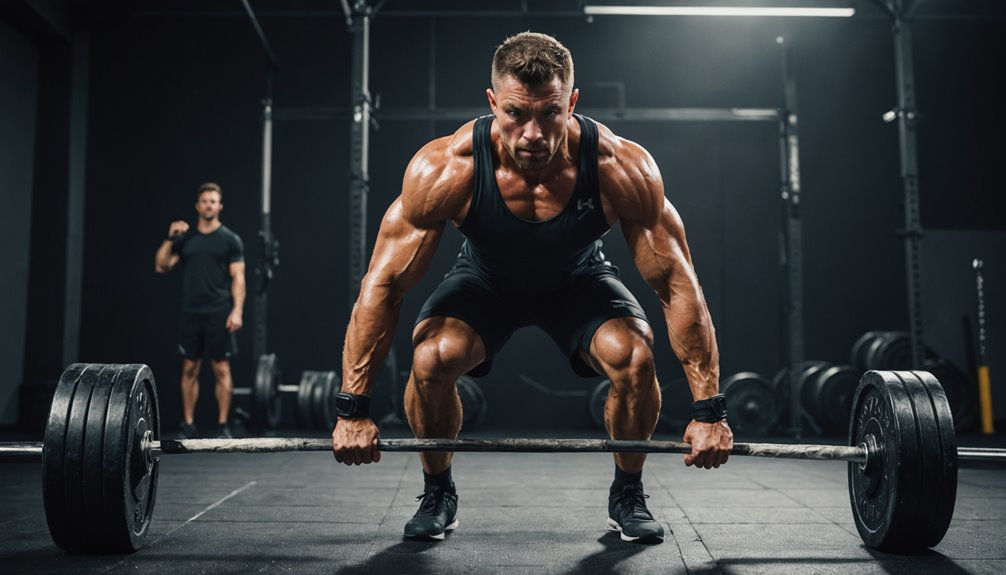
Because we’ve spent years chasing the wrong metrics, we’re now unpacking what actually makes someone athletic—and it’s messier and more interesting than a stopwatch reading.
Here’s what we’re actually talking about:
- Strength and power: The ability to generate force quickly—think explosive movements that matter in real life, not just sprints.
- Aerobic and anaerobic capacity: Your engine’s endurance, whether you’re going distance or all-out intensity.
- Mental resilience and balance: Pushing past discomfort while staying grounded, literally and figuratively.
- Coordination and stability: Moving with control, the unglamorous foundation of everything athletic.
We’ve discovered that athleticism isn’t one-dimensional. It’s coordination meeting mental toughness. It’s strength paired with aerobic capacity. These ten components work together—they’re interdependent, not competitive. Speed? Sure, it matters. But it’s just one instrument in a much richer symphony.
Proper recovery through tools like foam rolling can significantly enhance your ability to train consistently and develop these athletic components without compromising your body’s capacity to perform.
Strength and Power as Primary Athletic Qualities
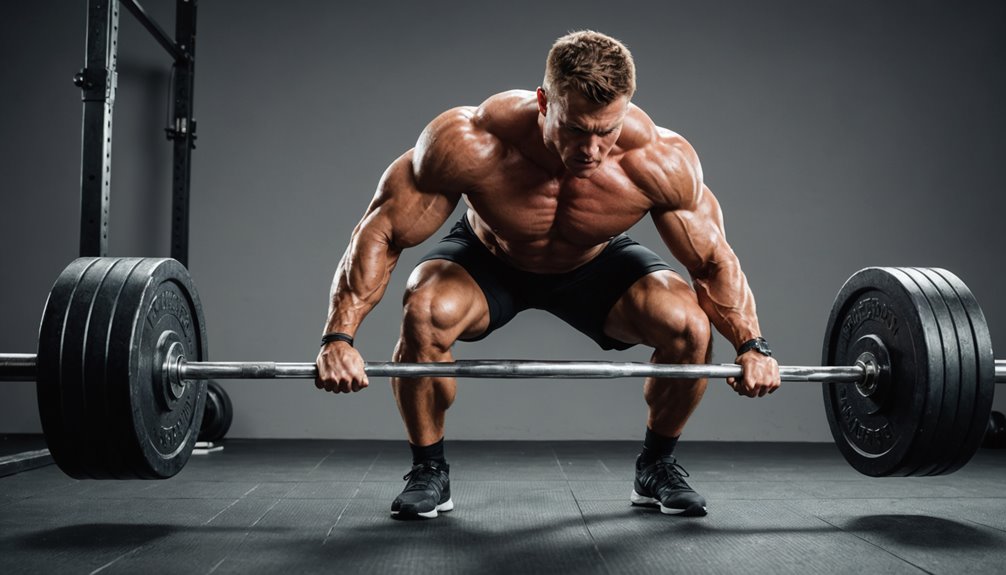
Now that we’ve mapped out athleticism’s bigger picture, let’s zoom in on the quality that actually changes what your body can do—strength, and its explosive cousin, power. We’re talking about the capacity to generate force and apply it rapidly. Here’s the truth: you don’t need blazing speed to dominate your sport. A heavyweight boxer with devastating power? Unstoppable. A weightlifter? Speed’s irrelevant. These athletes prove that strength and power drive performance across countless disciplines—lifting, throwing, tackling. When you develop these qualities through targeted training, you’re building muscle mass and teaching your body to fire forcefully and fast. Monitoring your progress through heart rate variability and recovery metrics can help optimize your training intensity and ensure you’re building strength sustainably. That’s where real athletic freedom lives: not in how quickly you move, but in the force you command. Speed’s just one piece of the puzzle.
Agility, Coordination, and Balance in Sports Performance
These three elements work together to release your potential:
- Agility lets you change direction instantly without losing control—think basketball cuts or soccer pivots
- Coordination connects your limbs smoothly, making complex movements feel natural rather than clunky
- Balance keeps you stable during dynamic action, preventing injuries and sloppy execution
- Training focus on these skills boosts athletic performance regardless of your speed
You don’t need to be lightning-quick to dominate your sport. We’ve seen athletes transform their game through dedicated training programs targeting body control. Proper footwear with arch support and stability technology can further enhance balance and prevent ankle rolls during dynamic movements. That’s where real liberation happens—mastering movement itself.
Endurance and Aerobic Capacity Without Sprinting
Mastering your body’s movement patterns—those cuts, pivots, and balance points we just covered—sets the foundation for something equally powerful: building the engine that keeps you performing when it matters most. We’re talking endurance and aerobic capacity, the unglamorous superpowers that separate true athletes from sprinters-only wannabes.
Your VO2 max—basically how efficiently your body uses oxygen—becomes your secret weapon. We’ve seen countless long-distance runners, cyclists, and swimmers demolish speed-obsessed competitors through cardiovascular fitness alone. Steady-state cardio and high-intensity interval training (HIIT) systematically expand your aerobic capacity without relying on sprinting. These physical activities forge resilience. Many endurance athletes rely on wearable technology like GPS watches with topo maps to track their training metrics and monitor performance over extended distances. We’re liberating athleticism from the tyranny of pure speed, proving that consistent conditioning beats raw explosiveness. That’s where real endurance lives.
Technical Mastery Over Raw Speed
While we’ve built your aerobic engine and perfected your movement patterns, here’s what separates athletes who truly dominate from those who merely compete: they’ve stopped chasing speed and started chasing precision.
We’re talking about technical mastery—the kind that makes agility and quick decision-making trump raw velocity. Your running technique directly impacts performance; studies show immediate speed gains simply from refining form. Strength and conditioning combined with proper movement patterns creates efficiency that slower competitors can’t touch. Just as adjustable pulleys and weight stacks allow precise resistance adjustments in strength training, optimized movement patterns provide consistent, measurable improvements in athletic performance.
- Optimized movement saves energy across every rep
- Strategic footwork beats pure sprinting in directional changes
- Refined coordination transforms average athleticism into excellence
- Stability training reveals hidden performance reserves
You don’t need to be fastest. You need to be smartestmoving deliberately, recovering efficiently, and executing flawlessly when it counts. That’s liberation.
Building Your Athletic Foundation With the Performance Pyramid
Before you chase power or speed—before you even think about the explosive work that gets Instagram likes—you need to build the base that everything else sits on. We’re talking mobility, stability, and range of motion. These foundational elements aren’t sexy, but they’re non-negotiable.
Think of it this way: skipping Layer 1 is like building a house on sand. You’ll hit the risk of injury hard when you jump into advanced training. We’ve seen athletes plateau—or worse, break down—because they rushed past coordination and balance work.
Building strength without stability? That’s a recipe for disaster. Your body needs proper alignment and control first. Master these basics, and you’re not just preventing injuries; you’re revealing your actual athletic potential. Just as solid metal handles and durable plates ensure durability in training equipment, your foundation ensures durability in your athletic career. Everything else follows naturally.
Developing Mental Resilience and Discipline
You can have all the mobility in the world and still crumble when things get hard—that’s where mental resilience enters the picture.
We’ve discovered that discipline and mental resilience aren’t luxuries; they’re foundational to athletic capabilities. Here’s what we’re talking about:
- Visualization practice: Picture yourself executing perfectly before competition arrives
- Positive self-talk: Replace doubt with actionable affirmations during tough training sessions
- Goal-setting frameworks: Break performance into manageable milestones, not just finish lines
- Pressure simulation: Deliberately train under stressful conditions to build confidence
We condition our minds alongside our bodies—it’s non-negotiable. When you’re exhausted during that final rep, mental discipline separates those who quit from those who breakthrough. Regular mental conditioning isn’t woo; it’s legitimate performance enhancement. Real-time feedback from coaches and training partners reinforces proper execution and keeps you accountable during the moments that matter most. You’re not just building strength; you’re building an athlete who won’t fold under pressure.
Frequently Asked Questions
How to Tell if You’re Naturally Athletic?
We’d recognize our natural abilities through physical coordination, competitive mindset, and how we respond to endurance training. We’ll notice our skill development accelerates when we’re genuinely engaged—that’s athleticism breaking free from speed myths, revealing our true potential.
Do Athletes Have to Fast?
No, we don’t have to be fast—athleticism’s like a toolbox with many tools. We’re breaking free from that myth. Our fasting benefits, nutrition timing, and endurance training build athletic performance and muscle recovery without sprinting obsession.
What Is the 5-3-1 Rule?
We use the 5-3-1 rule to build serious strength training through progressive lifts. We’re breaking free from plateaus by combining endurance building, flexibility exercises, sports nutrition, and mental toughness. This framework liberates us from guesswork, delivering consistent gains.
What Is the 4-2-1 Rule for Athletes?
We’ve got the 4-2-1 rule: four strength days, two cardio sessions, one mobility day weekly. This training strategy delivers real benefits—we’re building foundational strength, boosting endurance training, and tracking performance metrics that matter. We’re developing athletic freedom without relying on natural speed alone.
Conclusion
We’ve learned that athleticism isn’t a speed contest—it’s a multifaceted toolkit. You can be genuinely athletic through strength, coordination, mental toughness, and endurance. We’ve seen powerlifters dominate without sprinting, yogis excel through balance, and swimmers crush it via aerobic capacity. Stop measuring yourself against one metric. Your athletic potential lives in your unique strengths. Build there. Master your foundation. That’s real athleticism.