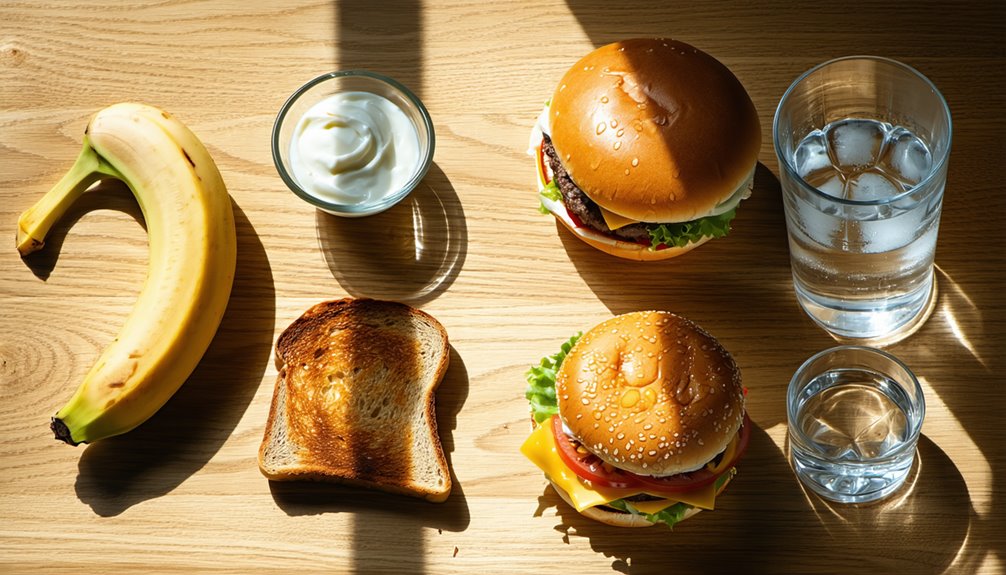
Your body’s like a car that needs premium fuel before hitting the highway—and we’ve all felt that game-day crash when we’ve fueled it wrong. Here’s what we’ve learned the hard way: timing and choices matter tremendously. We’re talking about the difference between crushing it on the court and hitting a wall midway through the second half. The right pre-game nutrition strategy isn’t complicated, but it does require knowing what actually works.
Key Takeaways
- Eat a carbohydrate-rich meal with lean protein 3-4 hours before competition for sustained energy.
- Consume a light snack like a banana or nuts 30-60 minutes before play.
- Hydrate with water and electrolyte drinks throughout the day, avoiding caffeine and sugary options.
- Avoid high-fat foods, dairy, and processed snacks that upset the stomach and cause sluggishness.
- Maintain proper hydration by drinking half your body weight in ounces daily for optimal performance.
Why Pre-Competition Fueling Matters
When you’re about to step onto the field or court, your body’s already running on empty—and we haven’t even started playing yet. Here’s the truth: pre-competition fueling isn’t optional; it’s your secret weapon. Our muscles crave carbohydrates for high-intensity action, and without them, we’re basically coasting on fumes. That’s where smart eating comes in.
A balanced meal with complex carbs and moderate protein—consumed 3-4 hours before game time—stabilizes blood sugar levels and keeps our mental focus sharp. We’re talking sustained energy, not crashes. Hydration matters equally; even slight dehydration tanks athletic performance and invites cramps mid-game. Just as adjustable dumbbells require regular inspection to maintain performance, your body needs consistent fueling to function at its best.
We’ve all felt that sluggish feeling when unprepared. Don’t be that player. Proper fueling transforms how we perform, ensuring we’ve got the endurance and readiness to dominate when it counts.
Best Foods to Eat Before Your Game
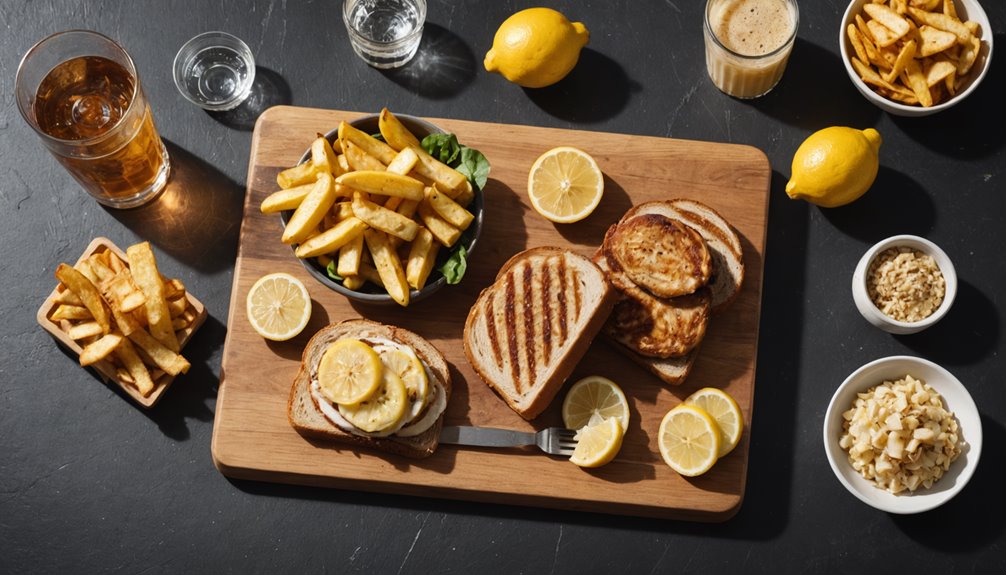
Since your body’s energy tank empties fast during competition, you’ve got to fill it strategically—and that means knowing exactly what fuels actually work. We’ve found that a carbohydrate-rich meal three to four hours before game day—think whole-grain pasta or brown rice—gives you sustained energy without the crash. Pair it with lean protein like grilled chicken to keep hunger at bay and support muscle function. About 30-60 minutes before kickoff, grab a small portion snack: a banana or handful of nuts work perfectly. Stay hydrated throughout, choosing water and electrolyte-based energy drinks over sugary alternatives that’ll tank your performance. Just as minimalist camping gear prioritizes multi-functional items, your pre-game nutrition should focus on versatile foods that deliver multiple nutritional benefits in one meal. Foods to avoid? Anything greasy, heavy, or loaded with fiber that’ll mess with your stomach. Smart fueling means peak performance.
Hydration Strategies for Optimal Performance
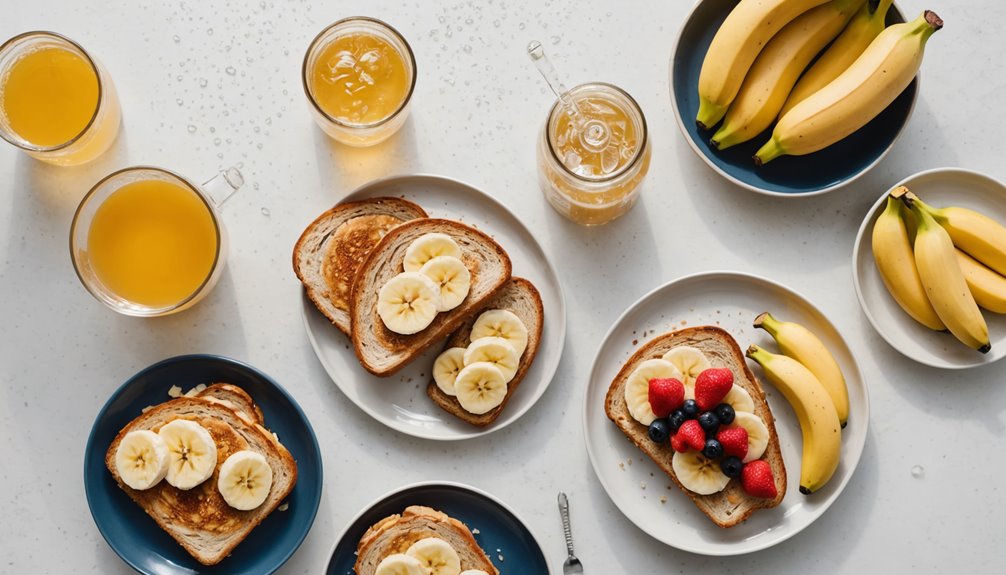
You’ll notice the difference hydration makes the moment you step onto the field—or you’ll feel it when you don’t. We’re talking about real performance gains here. Athletes need to drink half their body weight in ounces daily, adjusting for heat and intensity. Don’t wait until game time; stay hydrated throughout the day instead. About 1-2 hours before competition, grab a sports drink like Gatorade to maintain electrolyte balance and prevent cramping—your muscles will thank you. Here’s the thing: avoid caffeinated beverages before playing. They’ll actually dehydrate you and mess with your focus when you need it most. Proper hydration also enhances your energy and focus during workouts, which directly translates to better decision-making and reaction time on the field. Consistent hydration isn’t glamorous, but it’s non-negotiable for releasing your best performance.
Foods and Drinks to Avoid
Just as important as knowing what to eat is understanding what’ll sabotage your game—because the wrong pre-competition snack can derail hours of preparation. We’ve learned the hard way that high-fat foods like pepperoni and beef jerky? They’ll wreck your stomach during crunch time. Skip caffeinated energy drinks too; they cause jitters and crashes when you need steady focus. Ultra-processed snacks triggering blood sugar spikes are equally problematic—your energy tanks fast. Here’s what we understand: athletes should eat foods that fuel performance, not undermine it. Avoid dairy and heavy desserts; they upset your system. And messy foods requiring utensils? They’re distractions you don’t need. Eating the right foods means choosing wisely. Stick with clean, simple options that keep you performing strong. Pairing proper nutrition with real-time feedback from wearable devices can help you monitor how different foods impact your performance during competition.
Sample Pre-Game Meal Plan
Three solid options work best when we’re prepping our bodies for competition—and we’ve tested each one enough times to know what actually works. We’ve found that timing matters as much as what’s on your plate.
| Pre-Game Meal | Timing | Why It Works |
|---|---|---|
| Whole-grain pasta with grilled chicken and steamed broccoli | 2-3 hours before | Balanced carbs and protein for sustained energy |
| Bagel with turkey and banana | 1-2 hours before | Easy digestion, quick energy without stomach problems |
| Oatmeal topped with fruit and nuts | 2-3 hours before | Complex carbs and healthy fats for fuel |
We avoid eating heavy, high-fat foods that’ll slow us down. Your pre-game meal should energize you, not weigh you down. Studies show that 60 minutes of moderate activity daily boosts brain function and athletic performance, so fueling properly before competition is essential. Don’t forget hydration—water or electrolyte drinks keep performance sharp. These combinations work because they respect your body’s needs during competition.
Frequently Asked Questions
What to Avoid Eating Before a Game?
We’ve got to ditch heavy foods, sugary snacks, and fried foods before competition. Skip dairy products, processed meats, spicy dishes, and energy drinks—they’ll sabotage your performance and freedom on the field. Keep your body light and powerful.
What Is the 3 3 3 Rule for Eating?
We’re breaking free from confusion with the 3 3 3 rule: eat three hours before competition with balanced portions of complex carbs, lean protein, and healthy fats. This digestion timing optimizes our energy foods and hydration tips, ensuring we’ve got peak nutrient balance when we take the field.
What Is the 4 2 1 Rule for Game Day?
We’re building our bodies like strategic fortresses: the 4-2-1 rule structures game day nutrition timing with a carb-rich meal, moderate protein snack, then light fuel. We’ve liberated ourselves from digestive issues while maximizing performance impact and energy levels through intentional hydration strategies.
What Is the 4 2 1 Eating Rule for Athletes?
We follow the 4-2-1 eating rule by balancing four parts carbohydrate sources, two parts protein intake, and one part fat. We’re optimizing our pre-game nutrition and energy levels through strategic meal timing while considering digestion, ensuring we’re liberated from performance limitations.
Conclusion
We’ve learned that proper fueling isn’t just nice—it’s essential. Studies show athletes who eat balanced pre-game meals perform 11% better than those who skip them. We’re talking real energy, sharper focus, and fewer mid-game crashes. You’ve got this. Stick with whole grains, lean protein, and hydration 3-4 hours out, then grab that banana 30 minutes before kickoff. Your body—and your team—will thank you.


)