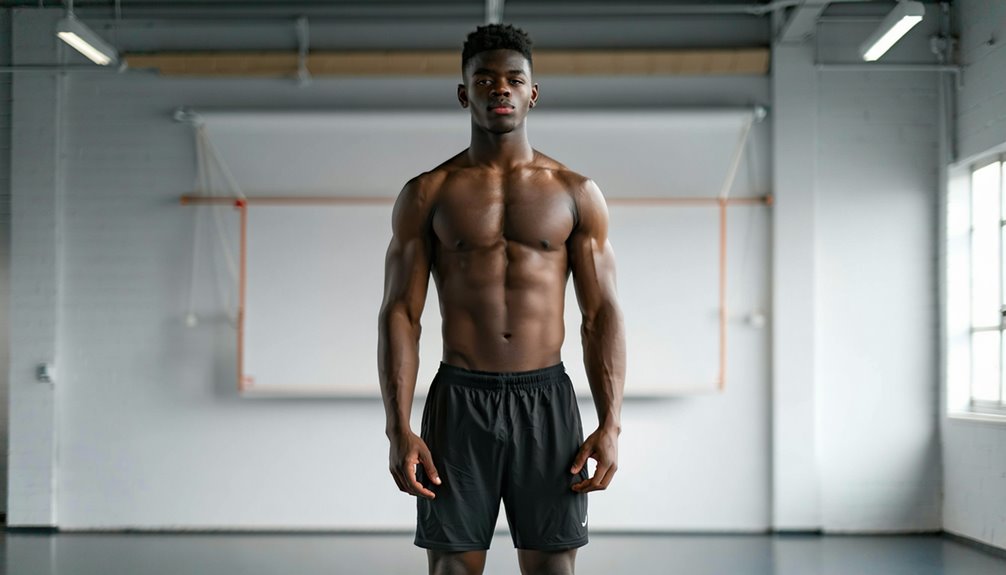
Picture yourself stepping onto that court or field—your palms sweating, your heart hammering against your ribs. We’ve all been there, and here’s what we’ve learned: that nervous energy? It’s actually your body preparing you to perform, not sabotaging you. The real secret to nailing tryouts isn’t about being perfect—it’s about showing up prepared, staying locked into your own game, and discovering what happens when you stop worrying about judgment. Let’s explore how.
Key Takeaways
- Focus on your own performance and personal improvement rather than comparing yourself to other candidates.
- Volunteer for drills proactively to demonstrate confidence, initiative, and willingness to embrace challenging opportunities.
- Reframe nervousness as a sign of readiness and care, transforming anxiety into fuel for execution.
- Embrace fundamentals and process-oriented goals instead of trying to impress coaches with risky plays.
- Maintain a positive, enthusiastic attitude throughout tryouts—joy promotes sharp execution and coachability.
Master Your Mental Game
Anxiety isn’t your enemy at tryouts—it’s actually a signal that you care, and we can redirect that energy into laser-focused performance. Here’s the truth: we’ve all felt those pre-tryout jitters. The key? Develop a solid mental strategy that transforms nervous energy into confidence.
Start by embracing your nerves rather than fighting them. It may sound counterintuitive, but acknowledging anxiety actually weakens its grip. Next, cultivate a positive mindset focused on *your* performance, not competing against others. Set process-oriented goals—nail that first drill, communicate effectively, move with purpose. Research shows that positive reinforcement from parents and coaches significantly boosts motivation and performance during high-pressure situations.
We’ve found that athletes who concentrate on controllable factors perform measurably better. Skip the comparison trap. Instead, find genuine joy in the experience itself. When you’re having fun, your body relaxes, your skills sharpen, and coaches notice immediately.
Transform Nervousness Into Confidence

When your heart’s pounding before you step onto that court or field, that’s not a warning sign—it’s your body telling you that you’re ready to perform. We’ve all felt that nervous energy, and here’s the truth: acknowledging it prevents panic from taking over.
Instead of fighting nervousness, we redirect it. Recognize what you’re feeling—the butterflies, the doubt—and name it. This self-awareness transforms anxiety into fuel.
Set process-oriented goals: focus on executing your fundamentals rather than impressing scouts. When you concentrate on your performance alone, comparison loses its grip.
Volunteer for drills first. This proactive move demonstrates confidence while building it simultaneously. You’re not just performing; you’re showing coaches your character through action. Maintaining controlled movements and good posture during tryouts helps you execute these fundamentals consistently.
Embrace enjoyment throughout tryouts. Genuinely having fun signals mental strength and resilience to everyone watching.
Stay Focused on Your Own Performance

I’ve discovered that reminding myself of personal objectives throughout tryouts anchors my mind. This mental strategy keeps external pressure at bay. By showcasing individual improvement and skill execution, you’ll naturally stand out to coaches. You’re not competing against them—you’re competing against yesterday’s you. Tracking key performance metrics like pace and heart rate during practice sessions helps you measure tangible progress and stay motivated by your own achievements rather than comparing yourself to other athletes.
Demonstrate Courage Through Bold Action
While keeping your focus locked on personal growth works wonders for your mindset, it’s not enough to just think confidently—you’ve got to act like it too. Here’s tip number one: volunteer for drills. Seriously. When coaches ask for volunteers, your hand shoots up first—that’s how you make the team.
We’ve all felt that flutter of fear before attempting a challenging play. Push through it. Taking calculated risks—showcasing unique skills, attempting difficult moves—reveals your potential in ways safe plays never will.
But courage isn’t just about flashy athleticism. It’s initiating conversations with coaches, asking for genuine feedback, and visibly encouraging teammates. These actions scream leadership and collaboration. Just as protective clothing serves as a first line of defense in challenging outdoor environments, strategic communication and visible support create a protective foundation for team success.
Remember: failure isn’t embarrassment; it’s education. Every stumble teaches you something competitors won’t learn. That’s your competitive edge—embracing boldness when others hesitate.
Embrace Joy and Positivity
| What You Project | What Coaches See | Your Result |
|---|---|---|
| Anxiety | Doubt | Poor decisions |
| Joy | Confidence | Sharp execution |
| Enthusiasm | Coachability | Higher assessment |
| Stress | Rigidity | Mistakes compound |
| Enjoyment | Relaxation | Best self |
When you embrace the experience rather than fear it, you release something powerful: authentic performance. That’s not fake positivity—it’s liberation from self-sabotage. Your enjoyment becomes contagious, influencing how scouts perceive your abilities and character. Maintaining this mental clarity during high-pressure situations mirrors the benefits of broad-spectrum protection during intense physical exertion—both require preparation and the right approach to perform at your best.
Frequently Asked Questions
How to Calm Yourself Down Before a Tryout?
We’ll calm ourselves by using breathing techniques to ground our nervous energy and practicing visualization exercises that rehearse our success. Let’s acknowledge our nerves as fuel, then redirect that power toward the confident performance we’re capable of delivering freely.
How to Stand Out at a Tryout?
We’ll stand out by showcasing our unique skills, displaying our personal strengths, and volunteering fearlessly for every drill. We’ve got to own our confidence, radiate genuine enthusiasm, and break free from self-doubt. That’s how we command attention and liberate ourselves from mediocrity.
What Not to Do in Tryouts?
We shouldn’t compare ourselves to others, hide our abilities, or let nerves control us. Common mistakes include setting outcome-based goals instead of process-focused ones. Our preparation tips? Stay positive, volunteer for drills, and redirect anxiety toward authentic performance.
How to Not Feel Embarrassed When Working Out?
We’re here to transform those “butterflies” into fuel for growth. Build workout confidence by focusing on personal progress, not others. We’ll cultivate a fitness mindset that embraces challenges freely—nerves aren’t failures; they’re proof we’re pushing boundaries toward liberation.
Conclusion
We’ve covered the mental strategies—but here’s the thing nobody tells you: the real magic happens when you walk onto that court or field and decide you’re *done* worrying. You’ll mess up. We all do. But that moment? When you shake it off, reset, and go again? That’s when coaches notice you. That’s when you stop embarrassing yourself and start impressing everyone—including yourself. Your tryout’s waiting.