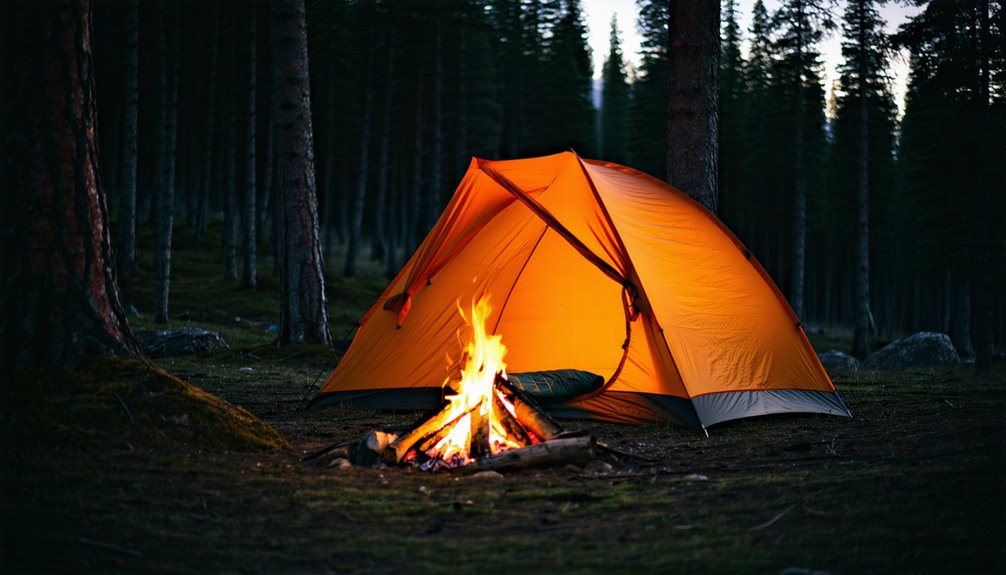
Here’s what most first-time solo campers don’t realize: the actual dangers pale compared to what our minds create in the dark. We’ve all been there—lying in a tent at 2 AM, convinced every snapping branch signals disaster. The silence amplifies everything. Your heartbeat becomes thunder. A distant owl’s call transforms into something sinister. But here’s the thing that changed everything for us—and might surprise you too.
Key Takeaways
- Fear of darkness and unfamiliar nighttime sounds triggers anxiety, but recognizing these as perception rather than reality helps shift mindset.
- Wildlife encounters concern many first-time solo campers, though most are enchanting; securing food in bear canisters ensures safety.
- Lack of gear familiarity amplifies anxiety; practicing tent setup and equipment use beforehand builds confidence and reduces uncertainty.
- Unfamiliar campsites intensify fear; choosing locations near home with basic amenities and researching safety records provides psychological reassurance.
- Anxiety decreases significantly through repeated camping trips and skill development; experience and preparedness ultimately replace fear with empowerment.
The Fear of Darkness and What Our Imagination Conjures
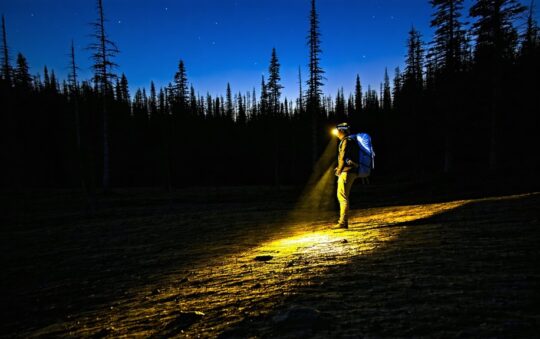
One thing we’ve all experienced—that creeping unease when the sun dips below the treeline and your campsite transforms into something unfamiliar—is the primal fear of darkness.
During our first time camping solo, we discovered that imagination becomes our worst enemy. Every snapped twig? A predator. That distant howl? Definitely closer than it sounds. Joel Stephenson nailed it: darkness amplifies vulnerability, especially when you’re alone.
Here’s what we learned: unfamiliar nighttime sounds trigger our threat-detection systems, making minor forest noises feel genuinely dangerous. Packing practical items like emergency thermal blankets can provide both physical warmth and psychological comfort, helping ease anxiety during those long, dark nights.
But here’s the liberation—most of these fears stem from perception, not reality. Recognizing this distinction shifts everything. We’re not overreacting; we’re simply processing incomplete information.
Understanding that distinction empowers us to face our fear of solo camping with clearer eyes and steadier nerves.
Wildlife Encounters: More Fascinating Than Frightening
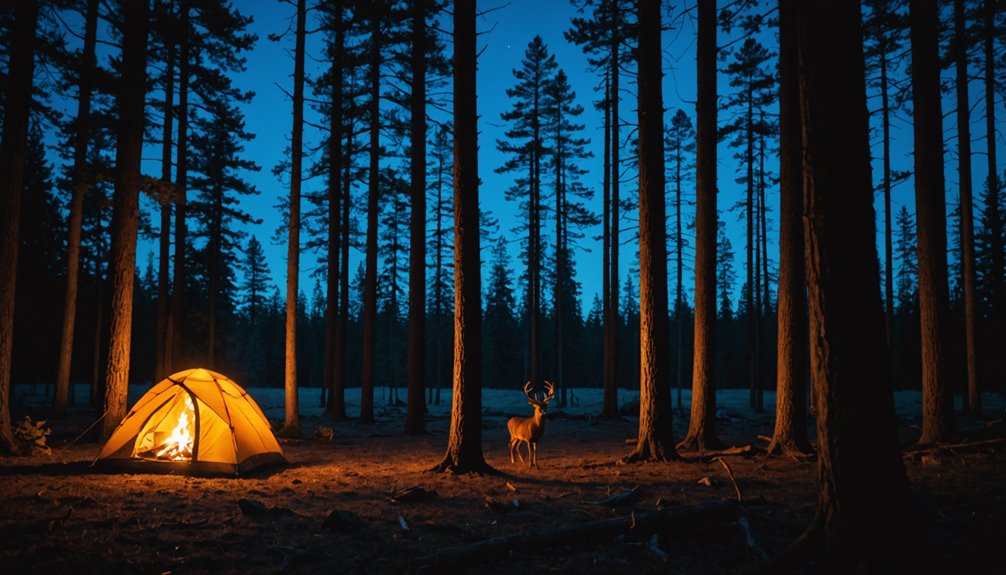
As darkness settles over your campsite and you hear rustling nearby, that initial spike of adrenaline is completely natural—but here’s what we discovered: most wildlife encounters during solo camping turn out to be far more enchanting than threatening.
We’ve watched deer graze peacefully fifty feet away, observed skunks ambling past without incident, and realized bears aren’t the midnight marauders we’d imagined. Wildlife encounters reveal nature’s rhythm rather than danger. In regions like the UK, tame wildlife makes these moments genuinely safe adventures.
Consider bringing a solar phone charger to document these encounters safely without draining your device’s battery during extended trips.
Transform fear into fascination through these approaches:
- Identify common species beforehand—knowledge demolishes anxiety
- Keep food secured in bear canisters or hung properly
- Observe from distance; respect their space absolutely
- Document encounters; they’ll become your favorite camping memories
That rustling? Usually just raccoons or deer. Camping solo becomes richer when we embrace these connections.
Preparing Your Gear to Build Confidence
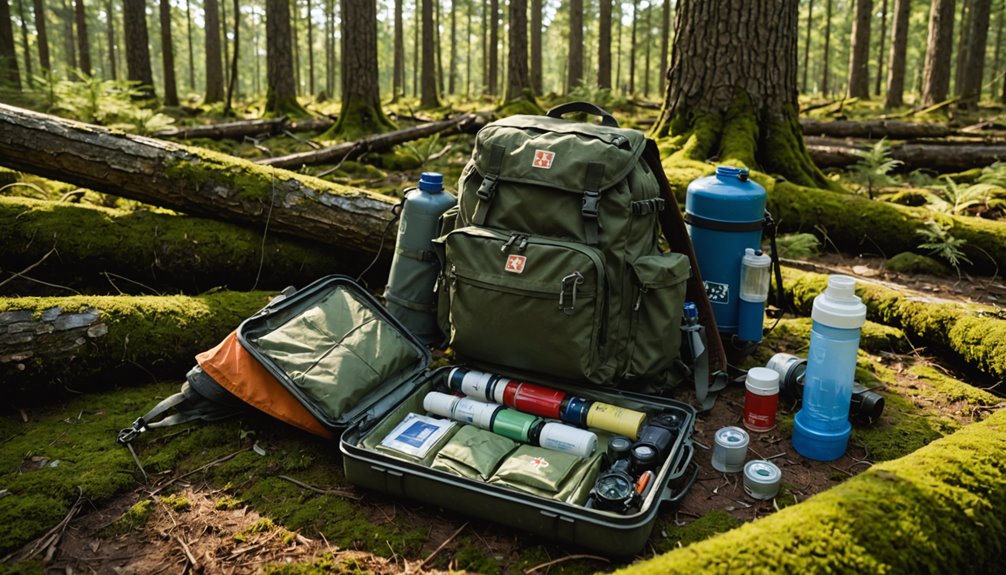
Your newfound comfort around wildlife means nothing if you’re fumbling with gear in the dark—so let’s talk about something that’ll genuinely settle your nerves: knowing exactly what you’re bringing and how to use it.
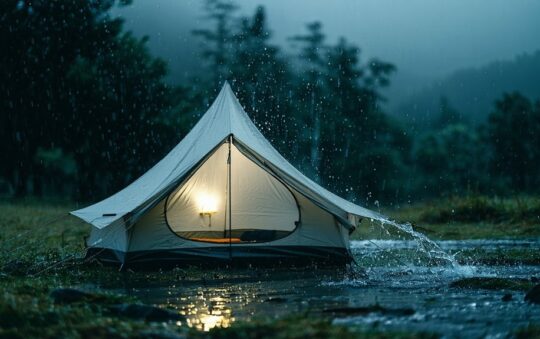
We’ve learned that your first solo camping trip demands hands-on familiarity with every single item. Set up that 2-person tent in your backyard before departure. Practice lighting your camp stove, adjusting your sleeping bag, orienting with your map.
These aren’t paranoid rehearsals—they’re confidence builders.
Create a thorough gear checklist tailored specifically to your trip’s demands. Pack lightweight, easy-to-use equipment. Research area-specific regulations beforehand. For your cooking setup, consider choosing between propane, electric, and wood fuel types based on your destination and comfort level with each option.
When you understand your gear intimately and know what to expect, anxiety evaporates. You’re not just prepared; you’re genuinely ready.
Choosing the Right Campsite for Your First Solo Trip
Because the wrong campsite can transform a manageable night into an anxious ordeal, we’re going to be strategic here—location matters far more than most beginners realize.
When we camp solo, proximity to home becomes our safety net. We’ve learned to pick sites within a few hours’ drive, keeping familiarity close.
Before committing, we investigate reservation policies—first-come, first-serve versus advance bookings—to avoid last-minute panic.
Well-established campgrounds with restrooms, water sources, and picnic tables aren’t luxuries; they’re confidence builders when you’re starting out.
Here’s what we prioritize:
- Campgrounds with proven safety records and accessibility features
- Nearby gas stations and hospitals for emergencies
- Sites offering basic amenities—running water matters more than you’d think
- Established facilities near populated areas, not isolated wilderness
A reliable camp stove with built-in ignition eliminates one major frustration point on your first solo trip, letting you focus on enjoying your campsite rather than wrestling with fuel and matches.
Research transforms fear into preparedness.
We’ve discovered that choosing thoughtfully doesn’t diminish adventure—it amplifies it.
Safety Considerations Beyond the Animals
Safety considerations extend far beyond animal encounters—they encompass human threats, treacherous terrain, and medical emergencies.
We’ve learned that establishing a communication plan with someone who knows your itinerary is non-negotiable.
Tell a trusted friend your expected return time.
Consider carrying a Personal Locator Beacon for remote areas—it’s your lifeline if things go sideways.
Stay vigilant about your surroundings.
Notice unusual activity.
Trust your gut.
We also recommend packing an extensive first aid kit and learning basic first aid skills beforehand. Studies show that 70% of users report increased confidence in treating minor injuries with well-organized, easy-to-use kits.
Pepper spray provides added security too.
These precautions won’t eliminate risk entirely, but they’ll help you camp with genuine peace of mind.
Coping Strategies for Managing Nighttime Anxiety
As darkness settles over your campsite, that creeping unease often peaks—and we won’t sugarcoat it, the first night alone in the wilderness can feel genuinely unsettling.
We’ve learned that managing nighttime anxiety requires intentional strategies.
Here’s what actually works:
- Read or journal before sleep to redirect anxious thoughts away from worst-case scenarios
- Familiarize yourself with nature sounds—owls aren’t threats, just part of the ecosystem
- Practice deep breathing techniques when panic creeps in during dark hours
- Hike hard during daylight to exhaust yourself, making sleep in your sleeping bag feel less like a battlefield
Setting up tripwires with bells provides psychological reassurance without paranoia.
We’ve found that physical exhaustion paired with distraction techniques transforms your sleeping bag from anxiety trap into genuine refuge.
Your nervous system needs both activity and comfort—it’s a good idea to address both. Having a GPS watch with topo maps can also reduce anxiety by providing navigation confidence and route planning capability, allowing you to feel more secure in your wilderness surroundings.
The Role of Community Support in Overcoming Fear
Isolation amplifies fear—that’s the hard truth we’ve discovered after years of solo camping and talking with hundreds of anxious first-timers.
We’ve learned that community support transforms your first night from a terrifying solo ordeal into something manageable.
When we share our fears in online forums, we realize we’re not alone. Other campers confess identical worries: strange sounds, wildlife encounters, the crushing weight of solitude.
This camaraderie? It’s liberating.
We’ve traded practical tactics—tripwire alerts, audiobooks for distraction, specific gear recommendations—with fellow campers who genuinely understand. A well-equipped first aid kit ensures we’re prepared for minor injuries that might otherwise amplify anxiety in remote settings.
Their encouragement didn’t dismiss our anxiety; it normalized it as part of the experience.
That community support builds confidence.
We’ve watched nervous beginners return, reporting successful solo trips. Their victories inspire us too.
Together, we’re proving that fear doesn’t stop us—it simply teaches us we’re stronger than we believed.
Essential Skills That Transform Anxiety Into Competence
Before you ever sleep under the stars alone, you’ve got to master the basics—and that’s where anxiety actually starts to crumble.
We’ve learned that building essential skills transforms fear into genuine confidence. You don’t need perfection; you need competence in the first place.
Here’s what we’ve discovered shifts everything:
- Setting up your tent at home repeatedly until it’s muscle memory
- Reading maps and using a compass before hitting unfamiliar trails
- Practicing Leave No Trace principles so you feel responsible, not helpless
- Troubleshooting gear failures and adapting to weather changes
- Investing in waterproof gaiters and other protective gear so your feet stay dry during unexpected rain or muddy terrain
These skills aren’t about becoming fearless. They’re about becoming capable.
When you’ve practiced problem-solving and wildlife awareness beforehand, you’re not just hoping things go right—you’re equipped to handle them.
That’s liberation. That’s freedom earned through preparation.
Why Solo Camping Fear Fades With Experience
Something remarkable happens when you spend your second, third, and tenth night alone in the woods—the shadows stop feeling like threats.
We’ve learned that fear doesn’t vanish overnight; it dissolves through repetition and skill-building. Each solo camping trip strengthens your competence—you know exactly what you need to bring, how your gear functions, and what darkness actually contains. Experience becomes your most reliable tool. Building practical safety skills, such as mastering the PASS technique for emergency response, provides concrete confidence that transforms anxiety into preparedness.
The psychological weight of unfamiliar sounds diminishes considerably once you’ve heard them repeatedly. Fellow campers sharing their own stories reinforce that fear’s universal but manageable.
You’ll discover that overcoming these initial anxieties transforms camping into genuine empowerment rather than white-knuckled survival. Comfort follows familiarity. Your next trip won’t terrify you nearly as much—that’s liberation earned through practice.
Frequently Asked Questions
What Is the 200 Rule for Camping?
We’re telling you straight: the 200 Rule means we set our tents 200 feet from water, trails, and other campsites. It’s essential camping safety that protects both nature and our solo gear. We’ve learned this rule gives us the freedom and solitude we crave.
What Are the 7 C’s of Camping?
We’ve discovered that the 7 C’s are camping essentials serving as our compass for solo safety: Courage, Common Sense, Comfort, Companionship, Coordination, Communication, and Conservation—each revealing our freedom to explore nature independently.
What Is Ghost Camping?
Ghost camping is where we pitch our tents in haunted locations to experience spine-tingling solo adventures surrounded by ghost stories. We’re drawn to abandoned sites and eerie battlefields, seeking thrills and paranormal encounters that break free from ordinary camping routines.
Is It a Good Idea to Go Camping Alone?
Yes, absolutely. We’ve discovered that solo camping’s like learning to swim—you’ll flounder at first, then thrive. With proper solo safety measures and mental benefits like genuine self-discovery, you’ll break free from dependence and reclaim your independence.
Conclusion
We’ve discovered that solo camping fear isn’t a wall—it’s a door. Each night we spend beneath the stars, we’re trading anxiety for competence, darkness for understanding. Your first solo trip won’t erase every worry, but it’ll rewrite them. We’ve learned that courage isn’t the absence of fear; it’s packing your gear anyway, building that campfire, and finding yourself whole on the other side.

)