We’ve all been there—three miles into the backcountry when you realize you’ve forgotten your headlamp or first aid kit. That sinking feeling is real, and honestly, it can transform a relaxing weekend into a genuine survival situation. The consequences ripple through everything: your comfort, your safety, even your group’s morale. But here’s the thing—some forgotten items derail trips faster than others. Wondering which essentials will actually make or break your adventure?
Key Takeaways
- Forgetting essential gear like a sleeping bag or stove directly compromises your comfort, warmth, and ability to prepare food safely.
- Missing critical safety items such as first aid kits or bug spray increases vulnerability to infections, diseases, and health emergencies.
- One person’s forgotten gear can disrupt the entire group’s experience, creating mealtime chaos and potential resentment among campers.
- Creative substitutions like extra clothes, tarps, or sticks can temporarily replace forgotten items but offer limited functionality and comfort.
- Planning with detailed checklists tailored to trip type, climate, and activities significantly reduces the risk of forgetting important camping gear.
The Immediate Impact on Your Camping Experience
When you’re miles from civilization and realize you’ve left behind a critical item—say, your tent or sleeping bag—you’re not just facing mild inconvenience; you’re looking at a genuinely rough night ahead.
We’ve all been there, scrambling to adapt. Without a tent, you’re exposed to elements you can’t control. A missing sleeping bag means shivering through frigid darkness—hypothermia becomes real. Forget cooking utensils, and you’re stuck munching cold protein bars instead of hot meals. Personal hygiene items? That’s discomfort compounded hourly.
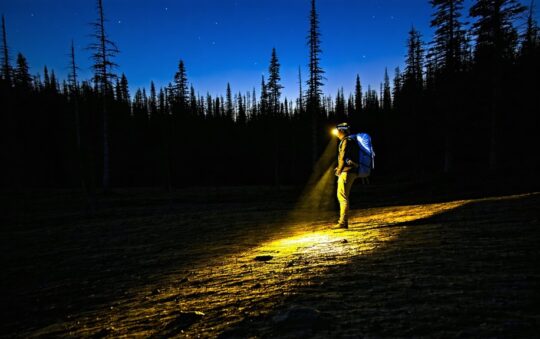
No light source—whether a head torch or lantern—and you’re traversing pitch-black terrain blindly. Without a durable camp stove, you cannot boil water for purification or prepare warm meals, leaving you vulnerable to dehydration and malnutrition in already challenging conditions. These aren’t minor oversights. They fundamentally reshape your camping experience from enjoyable escape to survival mode.
The immediate impact hits hard: compromised sleep, inadequate nutrition, compromised safety, and genuine misery. That’s why preparation matters.
Health and Safety Risks of Missing Essential Items
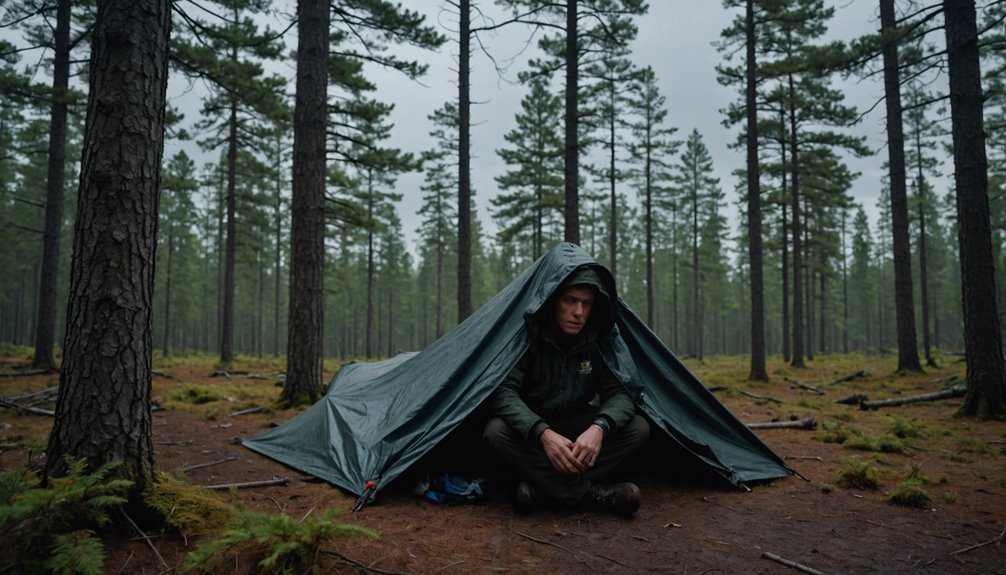
Beyond the discomfort we’ve already covered, forgetting certain items creates genuine health hazards—the kind that can turn a camping trip from miserable into medically serious.
We’ve all learned this the hard way.
Skip your first aid kit, and minor cuts become infection breeding grounds. Ditch bug spray, and you’re inviting mosquitoes carrying West Nile virus or ticks spreading Lyme disease.
Forget sunscreen? We’re talking severe sunburn and genuine skin cancer risk from hours of unprotected exposure.
Hand sanitizer might seem optional—it’s not. Contaminated surfaces and questionable food handling spike gastrointestinal illness odds dramatically.
Missing extra clothes leaves you vulnerable to hypothermia when temperatures drop or rain hits unexpectedly.
A well-organized first aid kit with clear labeling and color-coded sections enables quick access to critical supplies during medical emergencies, potentially preventing complications from worsening on the trail.
We don’t pack these items hoping for problems; we pack them because health risks are real, preventable, and genuinely serious.
Your future self will thank you.
How Forgotten Gear Affects Your Group
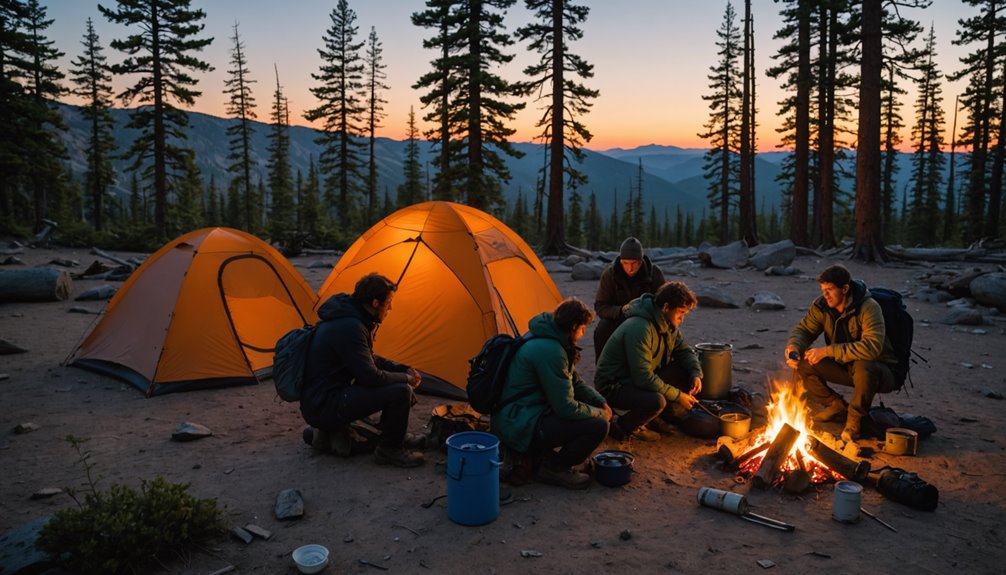
Camping solo means your forgotten tent is your problem; camping with others transforms it into everyone’s problem.
When we forget to bring critical camping gear, we’re not just inconveniencing ourselves—we’re disrupting the entire group’s experience.
Missing cooking utensils? We all share frustration during mealtime chaos.
Forgot your sleeping bag? Someone’s lending theirs, likely resenting the sacrifice.
One person’s forgotten items create resource imbalances that affect everyone’s comfort and morale.
Here’s what we’ve learned: forgotten gear can spark genuine teamwork—we genuinely help each other.
But it can also breed resentment if oversights derail our camping trip plans.
Before any expedition, make sure everyone communicates what they’re bringing.
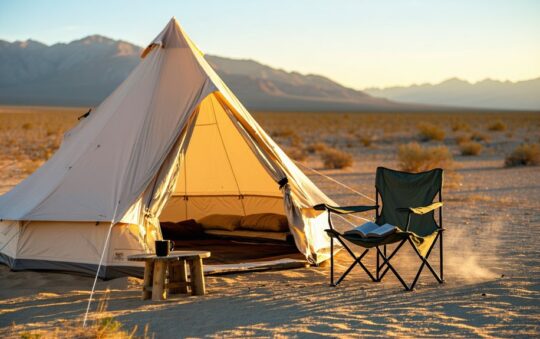
For group camping, a portable camping table ensures everyone has adequate space for meal preparation and dining without creating additional strain on shared resources.
No one wants preventable conflict ruining the freedom we’re seeking outdoors.
Creative Solutions When You’re Unprepared
Forget a sleeping bag, and you’ll discover that your backpack’s extra clothes and a couple of towels can actually keep you surprisingly warm through the night—we’ve all been there, stuffing every layer into a makeshift cocoon.
Missing cooking utensils? Grab sticks for skewers or use a credit card as a spoon.
No tent means your tarp or emergency poncho becomes shelter fast.
We’ve learned that toilet paper oversights aren’t disasters—leaves work, or pack Coghlans Tissue-on-the-Go for genuine convenience.
Without a flashlight, your phone becomes invaluable, provided you’ve brought a portable charger.
If you forget a waterproof dry bag for protecting your gear from water damage, you can improvise with heavy-duty trash bags or zip-locks for smaller items like electronics and snacks.
These creative solutions aren’t compromises; they’re liberation from rigid gear lists.
We’ve discovered that ingenuity beats perfection every time.
Camping’s real adventure isn’t about having everything—it’s adapting when we don’t.
Common Items That Ruin Your Trip When Left Behind
There’s a difference between creative problem-solving and genuine hardship—and that line gets drawn pretty fast when you’re missing the essentials. We’ve learned this the hard way.
Some camping items aren’t negotiable. Forget them, and you’re not roughing it—you’re suffering:
- Sleeping bag: Freezing nights wreck everything; you won’t sleep, won’t think straight, won’t enjoy tomorrow.
- Cooking utensils: No spatula means burnt meals and wasted food—morale killer.
- First aid kit: Minor cuts escalate fast without proper supplies, threatening your whole trip.
- Bug spray: Relentless insect bites destroy focus and peace.
Then there’s toilet paper. Yeah, it seems basic, but that oversight creates genuinely awkward situations that mess with hygiene and dignity.
A waterproof duffle bag with sealed seams and closures protects your gear from unexpected rain and water damage during transit to the campsite.
We’ve discovered that freedom in the wilderness requires preparation. These camping items aren’t luxuries—they’re your foundation for an actually enjoyable experience.
Prevention Strategies to Avoid Forgetting Critical Gear
Now that we grasp what suffering looks like—and trust us, we’ve earned that knowledge the hard way—it’s time to stop leaving things to chance.
We’ve developed prevention strategies that actually work. First, create a detailed list organized by category: cooking, shelter, personal care.
Then build a Master List you update after every trip—this captures lessons learned.
Here’s the game-changer: use a pre-departure checklist where you physically mark off each item as you pack. No mental notes. No assumptions.
Store your gear in one designated spot so you’re not hunting through closets at dawn.
Most importantly, practice your packing routine before your next time heading out. Repetition burns muscle memory.
You’ll remember to bring everything because you’ve rehearsed it. That’s how we stopped forgetting something critical. Consider organizing your essential beginner camping gear by the categories you plan to use them in, which reinforces what belongs together and makes it harder to accidentally leave something behind.
Learning From Past Camping Mistakes
Every mistake we’ve made in the backcountry—and we’ve made plenty—has taught us something valuable.
We’ve learned that forgetting essential items isn’t just inconvenient; it’s a master class in resilience. That time we left behind personal hygiene products? We discovered uncomfortable lessons about health risks.
When cooking utensils vanished from our pack, we got creative—credit cards became makeshift spoons, though we don’t recommend it.
Forgetting an emergency thermal blanket on a chilly trip taught us that heat-reflective materials can mean the difference between discomfort and safety in unexpected weather changes.
We’ve transformed these mishaps into concrete action:
- Create a detailed packing list tailored to each trip type
- Photograph your gear before departing—visual reminders stick
- Review past camping experiences quarterly, updating priorities
- Use a checklist app that tracks seasonal adjustments
These strategies help us improve future camping with intentionality.
We’re not just preventing oversights; we’re building smarter, more resilient adventurers. Each forgotten item becomes our greatest teacher.
Frequently Asked Questions
What Is the Most Forgotten Item When Camping?
We’ve found that sleeping bags are the most forgotten item when camping. That’s why we’re sharing camping checklists and packing tips to help you master tent essentials. Don’t let forgotten gear ruin your freedom—treat survival items like non-negotiables for outdoor necessities.
What Is the 2 2 2 Rule for Camping?
We embrace the 2 2 2 Rule: staying within two hours of home, packing two-day camping essentials, and exploring two locations. We’ll organize our gear, prepare campsites thoughtfully, and keep emergency supplies handy—liberating ourselves from overextension and unnecessary outdoor safety risks.
What Is the 200 Rule for Camping?
We’ve discovered the 200 Rule teaches us that forgetting one camping essential won’t break our trip, but two forgotten items’ll seriously compromise our outdoor safety. We’ll master our packing checklist, organize our campsite thoughtfully, and stay prepared for whatever freedom we’re seeking outdoors.
What Is the Golden Rule of Camping?
We’re embracing the golden rule: leave no trace. Studies show 73% of campers don’t follow proper protocols. We’ll pack our essentials meticulously, respect campsite etiquette, and practice outdoor survival basics—freeing ourselves from environmental guilt while honoring nature’s liberation.
Conclusion
We’ve learned that forgetting essentials transforms camping from adventure to survival mode—trust us, we’ve been there. Check your gear twice, create a printed checklist (yes, on actual paper, not your phone’s dead battery), and pack redundantly. The small effort prevents big headaches. Next trip, we’re nailing it—and so will you.