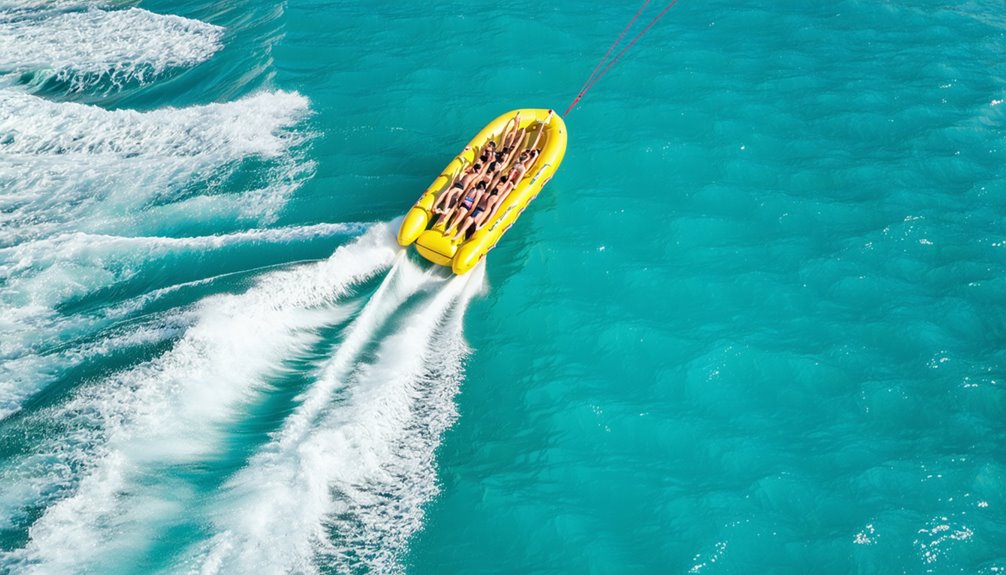
Banana boat rides can feel like riding a wild horse across choppy waters—thrilling yet unpredictable. You’re exposed to genuine risks including fractures, head injuries, and drowning, especially if you’re an inexperienced swimmer. Life jackets aren’t optional; they’re essential protective equipment. Your safety hinges on operator qualifications, weather assessment, and your own swimming ability. Before you commit, you’ll need to understand what separates a controlled experience from a preventable accident.
Key Takeaways
- Banana boat rides carry significant injury risks including broken bones, head trauma, and spinal injuries from falls and flips.
- Drowning risk increases substantially if life jackets fail, making proper fitting and usage essential safety requirements.
- Operator qualifications and strict safety protocol enforcement directly impact ride safety and injury prevention effectiveness.
- Weather conditions like choppy waters and high winds significantly elevate accident risk during banana boat rides.
- Personal swimming ability and physical fitness assessment before riding helps determine individual safety and readiness levels.
Understanding the Risks of Banana Boat Rides
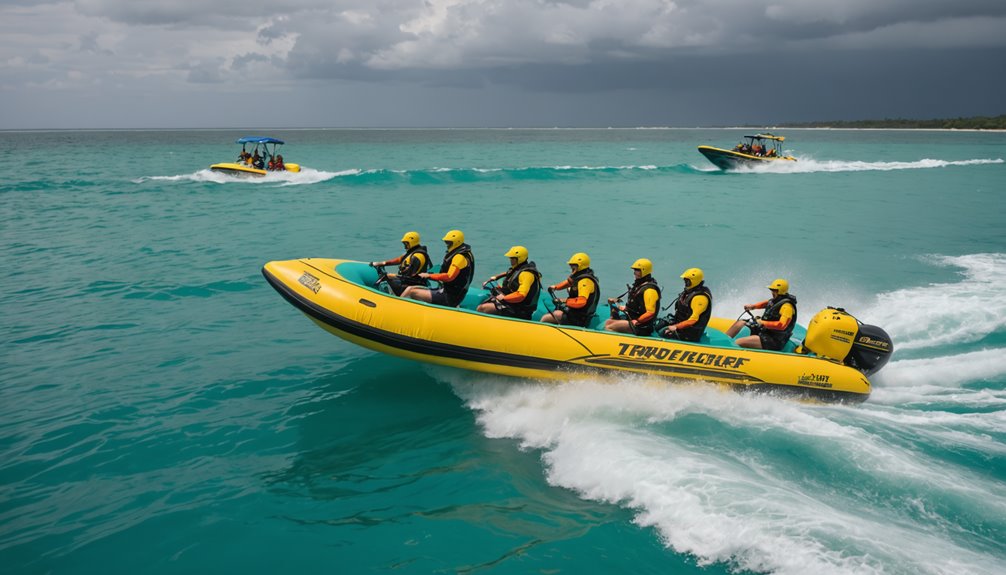
While banana boat rides offer thrilling recreation, they’re not without danger—falling off the inflatable is common, and without proper safety measures, you can sustain serious injuries. Operators have documented cases of broken bones and head injuries resulting from flips and reckless maneuvers.
Your vulnerability depends on your swimming ability and water confidence. Non-confident swimmers face elevated risk, making safety precautions non-negotiable. Life jackets are mandatory, yet incidents reveal they slip off during intense rides, compromising their protective value.
The competence of operating staff directly impacts your safety. You must verify that operators adhere to speed regulations and maintain equipment standards.
Your personal comfort level with water activities should inform your decision to participate. Understanding these risks empowers you to make informed choices about whether banana boat rides align with your risk tolerance and safety priorities.
Common Injuries and Safety Concerns
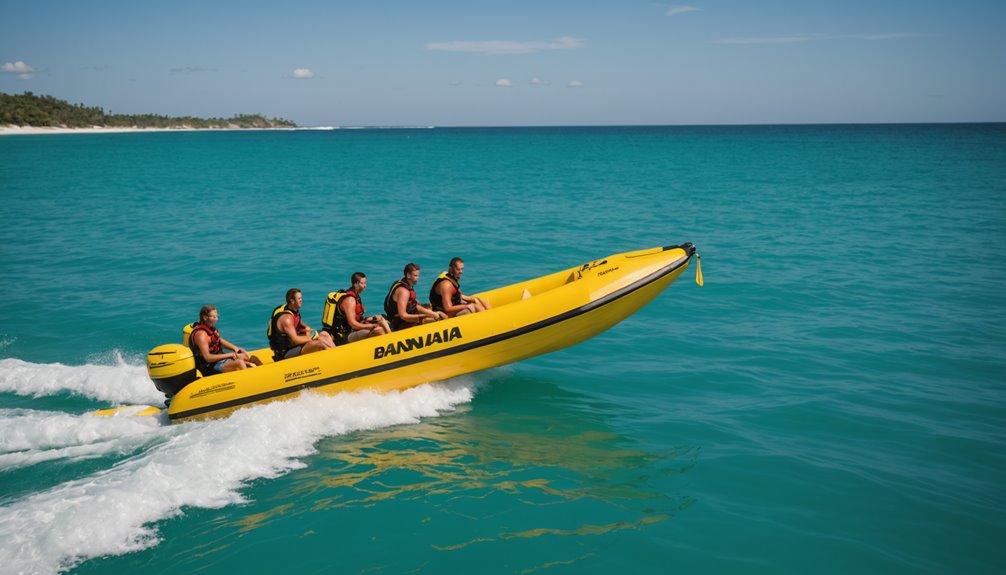
Because banana boat rides involve high speeds and unstable platforms, you’re at genuine risk of sustaining serious injuries. Common injuries range from fractures to head trauma, typically occurring when you’re ejected or the vessel flips unexpectedly.
| Injury Type | Primary Cause | Prevention Method |
|---|---|---|
| Broken Bones | Falls/Flipping | Proper technique, controlled speeds |
| Head Injuries | Impact trauma | Well-fitted helmets, safety guidelines |
| Drowning | Life jacket failure | Secure, properly-fitted equipment |
| Spinal Injuries | Sudden deceleration | Correct positioning, trained operators |
Your safety hinges on operator adherence to safety guidelines and your own compliance. Ill-fitting life jackets slip off frequently, leaving you vulnerable regardless of swimming ability. Operators who prioritize dangerous maneuvers over protocols amplify injury risks exponentially. You deserve transparent safety standards—demand trained staff, proper equipment, and speed restrictions before boarding.
The Importance of Life Jacket Usage
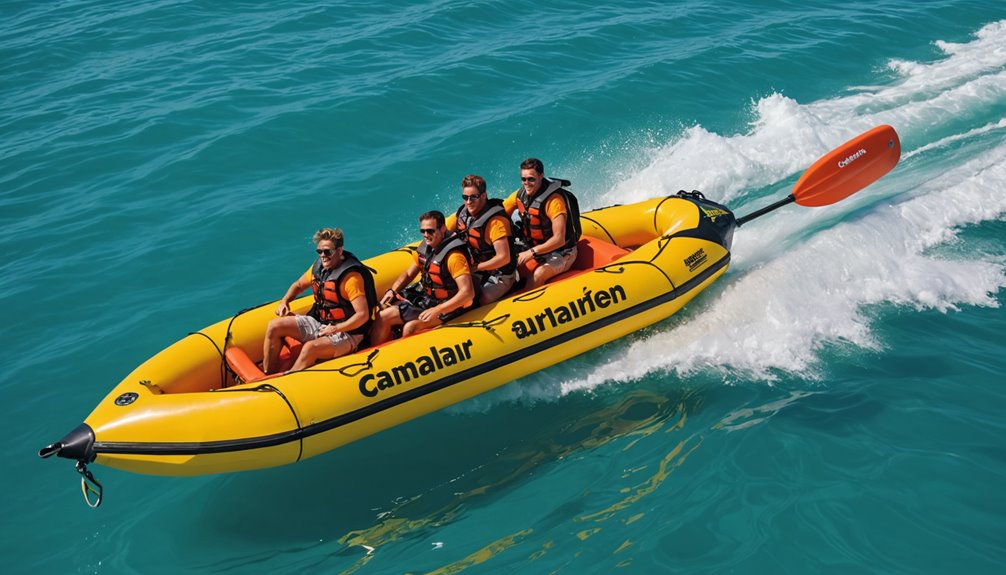
Life jackets serve as your primary defense against drowning during banana boat rides, and you shouldn’t board without one properly secured.
You’re at considerably higher risk of falling off a banana boat than during other water activities, making buoyancy equipment non-negotiable.
Operators must provide life jackets meeting safety regulations, but you’re responsible for ensuring yours fits correctly and stays fastened throughout the ride.
Reported incidents of life jackets slipping off highlight this critical step—take thirty seconds to double-check your straps.
Whether you’re a confident swimmer or still building water skills, life jackets level the playing field.
They reduce panic, conserve energy, and keep you afloat if you’re separated from the boat.
Don’t view life jackets as restrictive gear limiting your freedom—they’re your ticket to enjoying banana boat rides without unnecessary risk.
Selecting a USCG-Licensed Captain
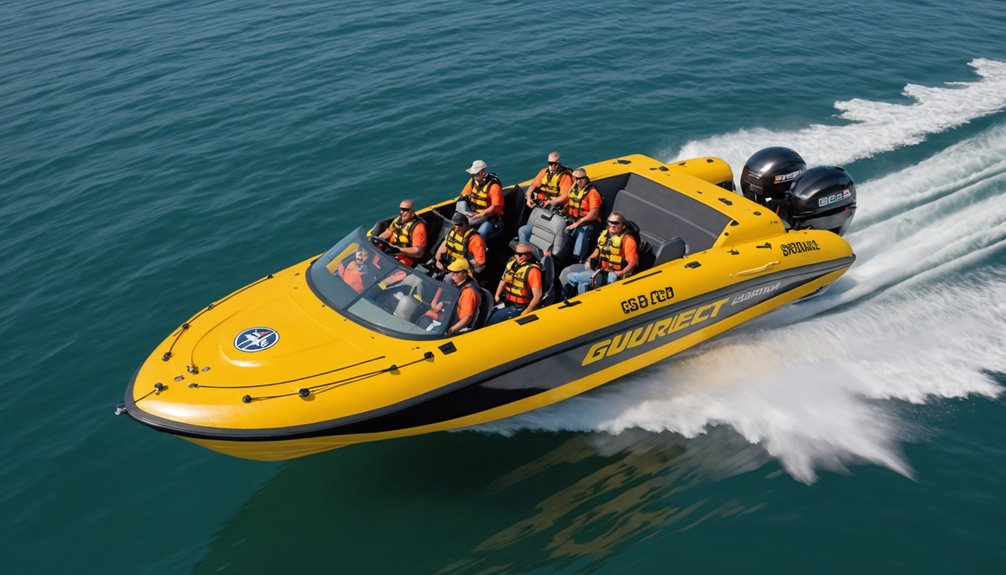
Your banana boat operator’s most critical credential is a valid USCG license for the captain, which certifies they’ve completed rigorous training in navigation, safety protocols, and emergency procedures.
When you’re evaluating operators, you’ll want to verify this documentation directly—don’t accept verbal assurances alone. Trained staff operating under a licensed captain understand safe towing speeds, water conditions, and proper passenger positioning, greatly reducing accident risks.
A USCG-licensed captain demonstrates commitment to regulatory compliance and professional standards.
You’re entitled to inspect their credentials before boarding. This certification guarantees they’ve mastered critical safety competencies that protect you during the ride.
By selecting operators with licensed captains, you’re making an informed choice that prioritizes your wellbeing and establishes accountability.
Don’t compromise on this fundamental safety requirement.
Essential Safety Instructions to Follow
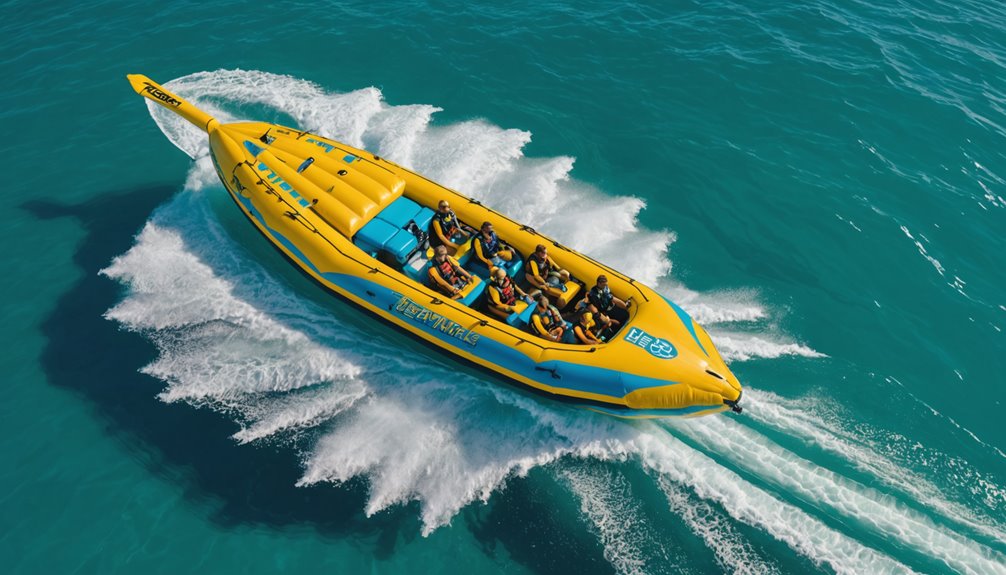
Once you’ve confirmed your captain holds valid USCG credentials, you’ll need to understand and follow the specific safety instructions they provide before boarding.
Your captain will mandate that you wear properly fitted safety equipment—a life jacket—throughout the entire ride. You’ll grip designated handles securely with both hands to maintain stability; sharing handles compromises balance and invites accidents.
Listen intently to your instructor’s guidelines, as they’re trained to navigate unpredictable water conditions and manage emergencies effectively.
Avoid performing stunts or excessive movements that disrupt weight distribution and increase tipping risks.
Should you fall overboard, remain calm; your safety equipment guarantees buoyancy while instructors deploy rescue boats immediately.
Following these instructions isn’t restrictive—it’s liberating, allowing you to experience banana boat riding confidently and safely.
Weather Conditions and Ride Safety
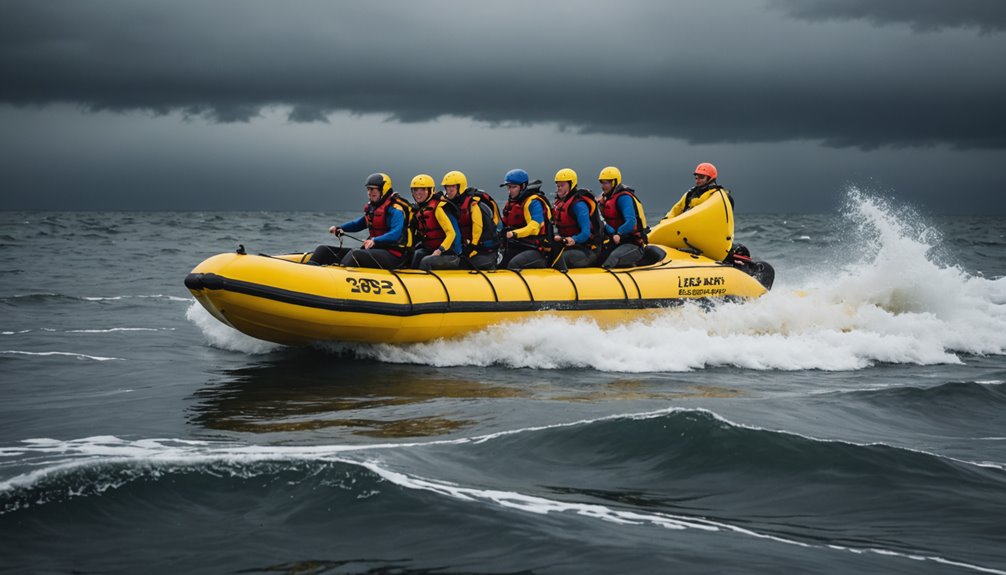
Weather conditions fundamentally determine whether banana boat operators should permit rides to proceed. You’ll face considerably increased accident risk during choppy waters or high winds, as instability compromises your grip and balance on the banana boat. Operators must assess weather before launching—this isn’t optional safety theater, it’s essential protection.
You should communicate directly with your boat driver about any weather concerns. Don’t hesitate to voice discomfort; your safety depends on honest dialogue. Rough seas and high winds prevent you from securing proper handle grip, increasing fall likelihood. Safety regulations exist for this reason: to keep you protected from preventable injuries.
Before boarding, you’ll want to observe water conditions yourself. Choppy conditions signal danger.
Operator Qualifications and Responsibility
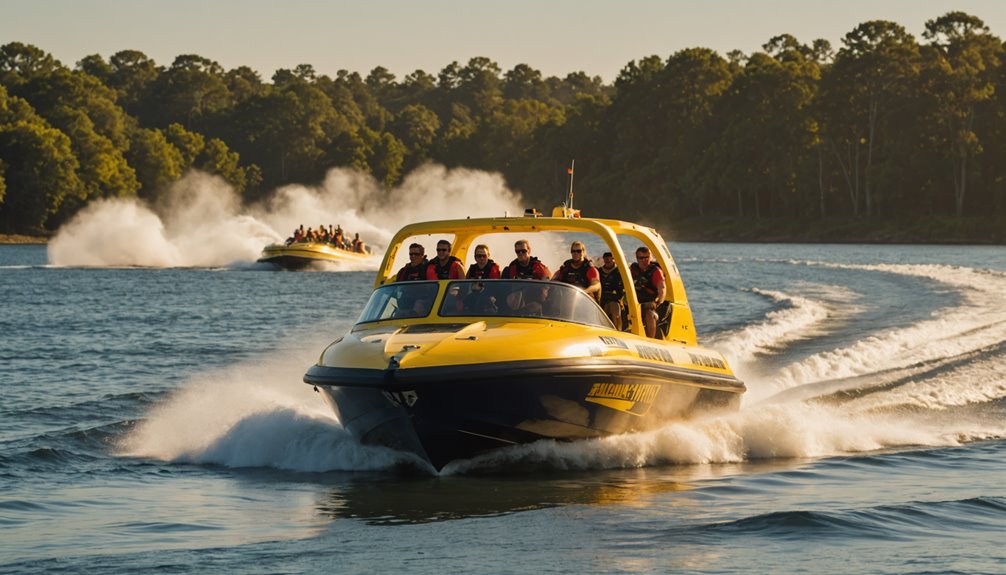
Because banana boat safety depends entirely on operator competence, regulations mandate that all operators complete thorough training and obtain proper certifications before they’re permitted to conduct rides.
You’re entitled to verify your operator’s qualifications before boarding.
Qualified operators must enforce strict safety protocols, including mandatory life jacket fittings and adherence to safe towing speeds.
They’re responsible for conducting extensive safety briefings that cover proper holding techniques and emergency procedures.
You deserve trained staff present throughout your ride—personnel equipped to manage incidents and respond swiftly to emergencies.
Operator qualifications aren’t mere formalities; they’re critical safeguards protecting your wellbeing.
These professionals bear responsibility for maintaining equipment, monitoring conditions, and ensuring participant compliance.
When you choose operators with verified credentials and demonstrated competence, you’re selecting experienced professionals committed to your safety and autonomy on the water.
Comparing Banana Boats to Other Water Sports
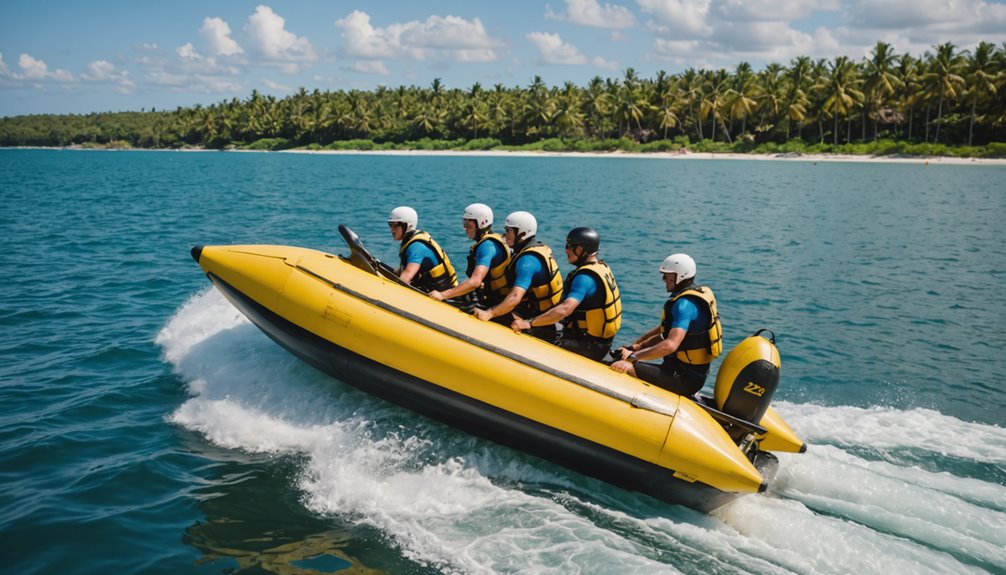
Understanding how banana boat rides stack up against alternative water sports helps you make informed decisions about which activities best suit your risk tolerance and preferences.
You’ll find that banana boat rides present distinct safety profiles compared to jet skiing and parasailing. While jet skiing demands individual control and risks high-speed crashes, banana boat rides employ trained professionals operating the vessel, potentially enhancing safety when proper safety guidelines are followed.
However, you’re more likely to experience falls on banana boats than traditional boats due to the inflatable design and wave bouncing. Unlike parasailing’s height hazards, you’ll stay closer to the water surface, reducing injury severity if you fall.
Mandatory life jackets and speed limits provide protection, though enforcement varies greatly across locations compared to highly regulated sports like scuba diving.
Making an Informed Decision About Participation
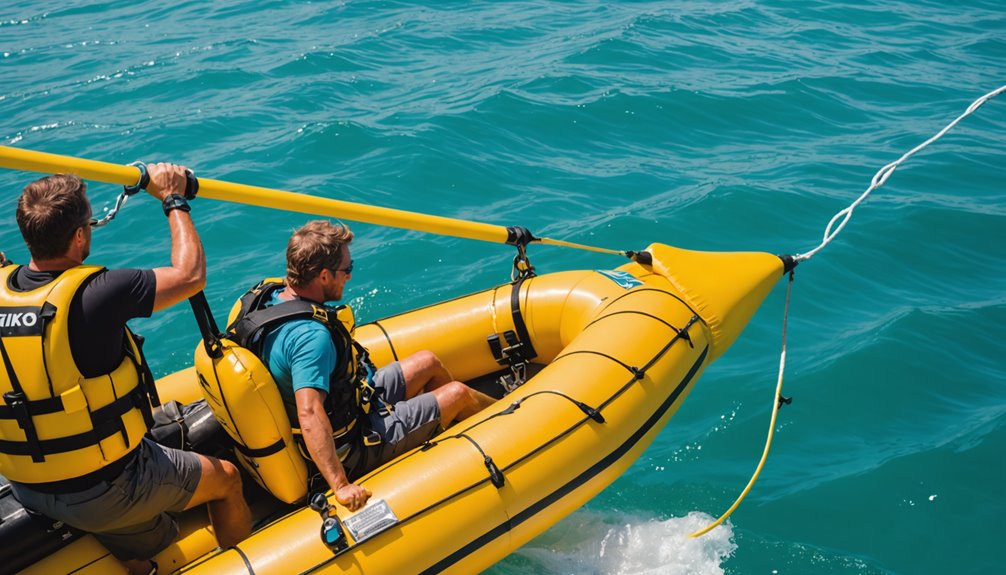
How do you know if a banana boat ride‘s thrills outweigh the risks for you or your family?
You’ll need to honestly assess your swimming capabilities and water comfort level. Evaluate whether you can confidently handle unexpected situations in unpredictable conditions.
Before committing, verify that operators provide mandatory life jackets and follow Oman’s safety regulations. Request detailed information about their safety protocols and instructor qualifications.
Consider individual factors: your age, physical fitness, and previous water experience matter considerably.
Children require extra scrutiny—their swimming abilities directly impact their safety.
Listen carefully to pre-ride instructions and ask clarifying questions. Don’t hesitate to decline participation if you feel unprepared.
You control your decision. By conducting thorough due diligence and honestly evaluating your capabilities, you’ll guarantee a safe experience that genuinely suits your comfort level.
Frequently Asked Questions
How Safe Is a Banana Boat Ride?
You’ll find banana boat rides reasonably safe when you follow proper safety precautions. You must wear a fitted life jacket, grip handles firmly, and listen to your instructor’s guidance. You’re taking control of your experience by adhering to these essential safety measures.
Is It Easy to Fall off a Banana Boat?
Yes, you’ll find it’s easy to flip off if you’re not gripping those handles tight. You’re bouncing hard over churning waves—that’s where safety precautions matter most. Uneven weight distribution or sudden movements’ll send you flying, so stay alert and secure your position.
Do You Need to Know How to Swim to Ride a Banana Boat?
You don’t need swimming skills to ride a banana boat. However, you’ll want to embrace safety precautions: wear your mandatory life jacket, assess your water comfort honestly, and recognize that falls happen—preparation guarantees you’ll stay safe and in control.
Does Banana Boat Sunscreen Have Chemicals?
Yes, Banana Boat sunscreen contains chemical sunscreen ingredients like oxybenzone and octinoxate that absorb UV radiation. You’ll want to know these active components potentially affect your hormones, so consider mineral alternatives with zinc oxide for greater bodily autonomy.
Conclusion
You’re traversing a terrain where thrills and hazards intertwine like tangled rope. Don’t let excitement blind you to banana boat dangers—they’re real and unforgiving. You’ll find safety isn’t negotiable; it’s your anchor in turbulent waters. You’ve got the knowledge now: wear your life jacket, verify your captain’s USCG license, heed safety briefings, and assess weather ruthlessly. You’re steering your own destiny—choose wisely and ride responsibly.