You’ve likely heard that water sports require ocean waves, but that’s simply not true. Lakes, rivers, and calm waters host an incredible variety of activities—from paddle-powered kayaking to thrilling towed sports like wakeboarding. Whether you’re seeking peaceful exploration or adrenaline-pumping adventures, options exist for every skill level. But which sport truly matches your abilities and interests? The answer depends on several key factors we’ll explore.
Key Takeaways
- Towed watersports like wakeboarding, water skiing, and tubing provide thrilling experiences without requiring wave conditions.
- Paddle-powered activities including kayaking, canoeing, and stand-up paddleboarding work on any calm water body.
- Electric surfboards and efoils use jet propulsion and hydrofoil technology to glide independently of waves.
- Cable skiing systems offer wave-free alternatives in landlocked areas without motorized boats.
- All skill levels from beginners to advanced riders can enjoy these activities on flat water.
Towed Behind a Boat
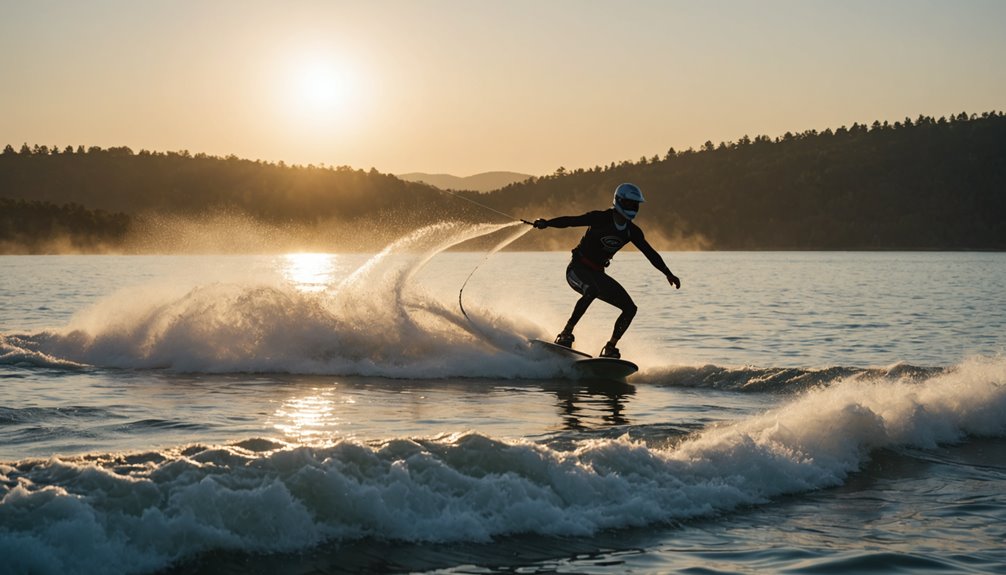
When you’re ready to trade calm waters for pure adrenaline, towed watersports deliver an unbeatable rush. You’ll find several options that combine speed and balance, each offering distinct thrills.
Wakeboarding and water skiing represent the pinnacle of towed behind excitement, demanding skill and courage as you’re propelled across the water.
If you’re seeking something more accessible, tubing requires minimal experience—just an inflatable tube and a rope—making it perfect for families and beginners.
Kneeboarding provides a stable alternative where you kneel rather than stand, easing your entry into towed water sports.
For those craving innovation, wakesurfing lets you ride the boat’s wake without a rope, delivering a mellow yet exhilarating experience.
Hydrofoiling takes things further, lifting you above the water on a specialized board for an unmatched sensation of freedom and flight.
Paddle-Powered Activities
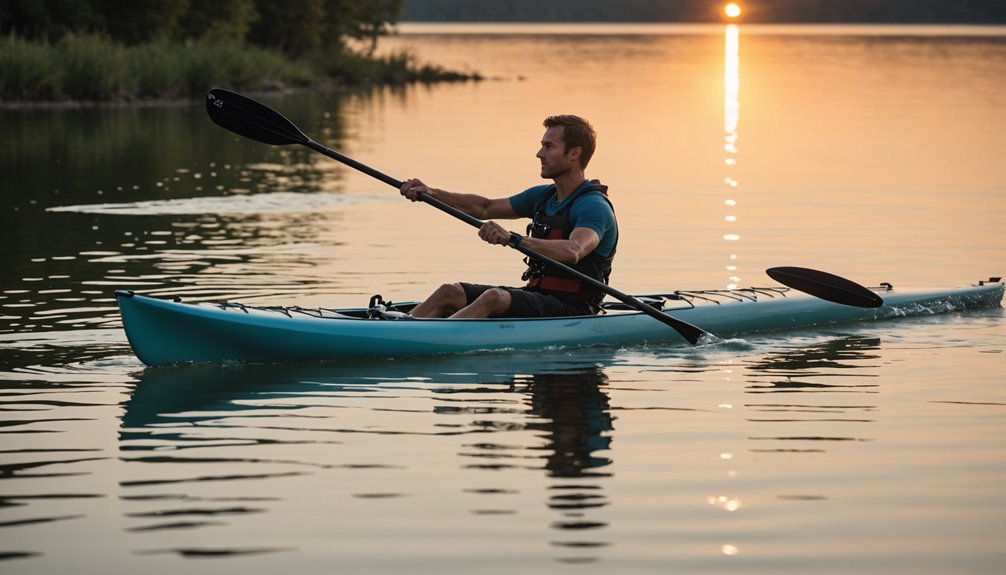
Three exceptional paddle-powered activities—stand-up paddleboarding, kayaking, and canoeing—offer you accessible alternatives to towed watersports while delivering impressive full-body workouts.
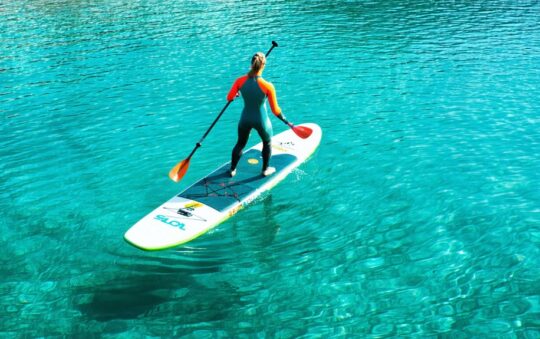
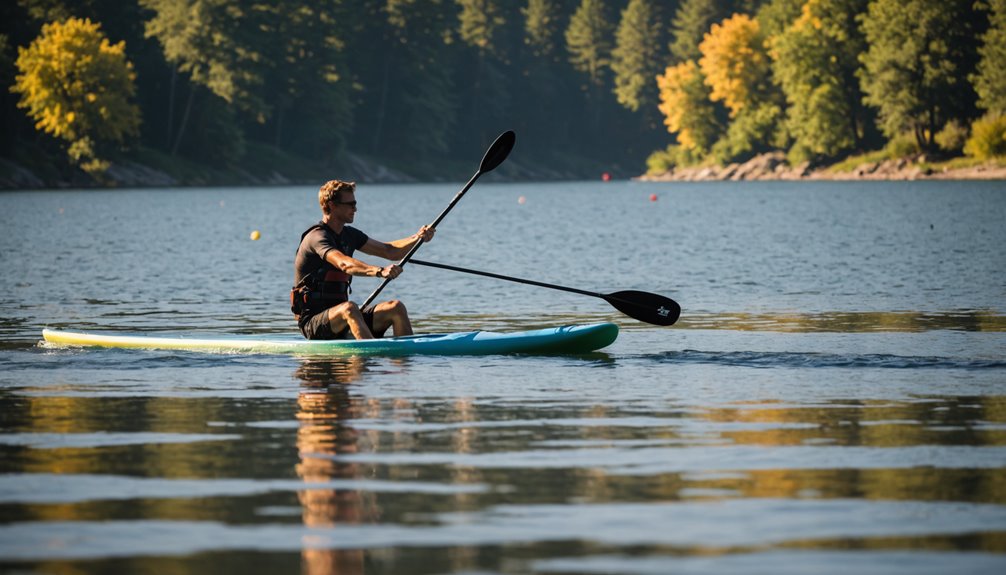
Stand-up paddleboarding gives you a low-impact experience suitable for any age or skill level. You’ll strengthen your core and improve your balance while enjoying calm waters at your own pace.
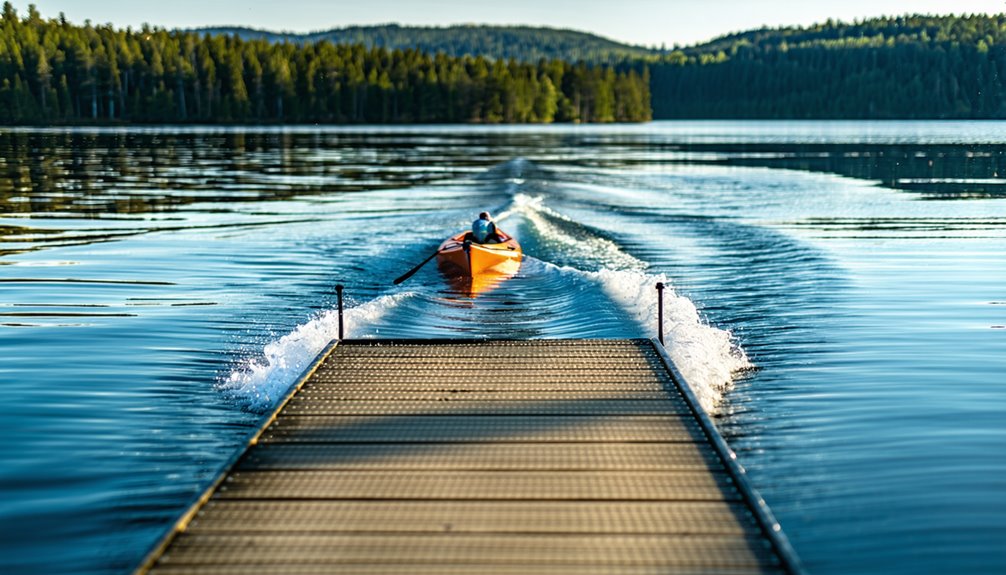
Kayaking lets you explore solo or with a partner across lakes, rivers, and oceans. You’ll develop paddling proficiency while building cardiovascular fitness.
Canoeing emphasizes teamwork through its open-deck design and single-sided paddle. You’ll communicate and coordinate with your partner, transforming this water sport into a social adventure.
All three paddle-powered activities adapt effortlessly to your abilities, whether you’re beginning your water sports journey or seeking more challenging explorations on tranquil waters.
Powered Water Alternatives
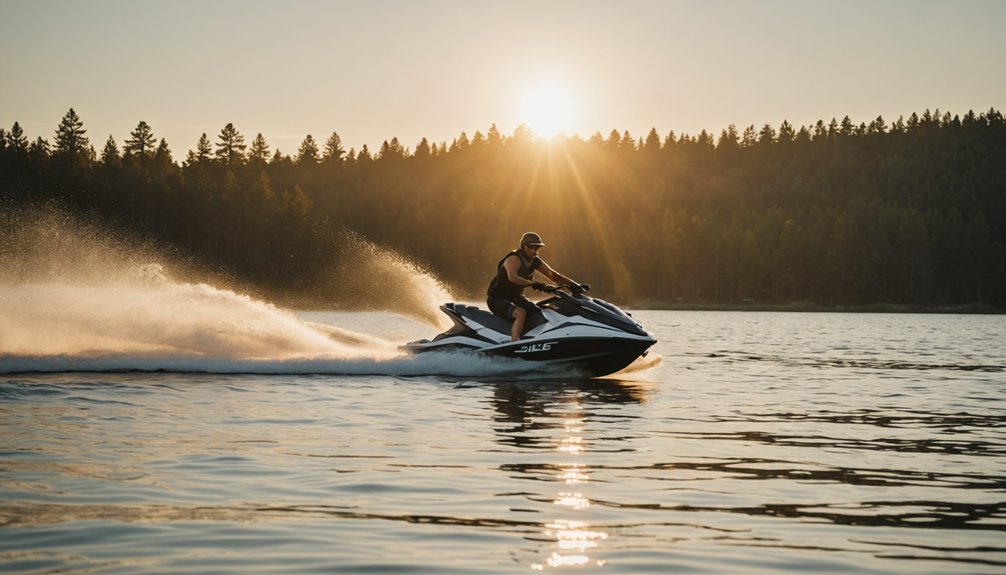
Beyond the paddle-powered domain, you’ll find an exciting category of motorized water sports that don’t depend on waves or natural conditions. Electric surfboards like the Lampuga Boost deliver pure adrenaline, reaching speeds of 32 mph through jet propulsion.
Efoiling represents the pinnacle of powered water alternatives, combining hydrofoil technology with electric motors for smooth flat-water gliding that defies traditional limitations.
You’re not confined to coastal regions anymore. Hydrofoiling lifts you above the water’s surface, merging sensations of water skiing and wakeboarding into something entirely new.
Cable skiing systems provide accessible alternatives where natural water bodies don’t exist, democratizing board sports across landlocked areas.
These powered water alternatives free you from wave dependency and geographical constraints. Whether you’re seeking speed or finesse, a hydrofoil board or motorized system reveals unprecedented freedom on water.
Skills and Difficulty Levels
As you shift from powered alternatives to traditional towed water sports, you’ll discover that skill progression doesn’t follow a single path. Each watersport for beginners offers distinct advantages tailored to your experience level and goals.
| Watersport | Starting Point | Key Skill |
|---|---|---|
| Tubing | Complete beginner | Grip strength |
| Kneeboarding | Post-tubing | Stability |
| Wakeboarding | Athletic foundation | Balance |
| Water skiing | Snow skiing experience | Coordination |
| Wakesurfing | Intermediate rider | Agility |
You’ll find tubing demands minimal skill, allowing you to experience thrills immediately. Kneeboarding bridges the gap toward challenging pursuits by providing stability as you kneel. Water skiing suits those familiar with snow sports, while wakeboarding combines those elements for quick progression. Wakesurfing demands moderate challenge, promoting advanced balance without rope dependence. Choose your entry point based on your existing abilities and desired liberation from wave-dependent constraints.
Equipment Essentials
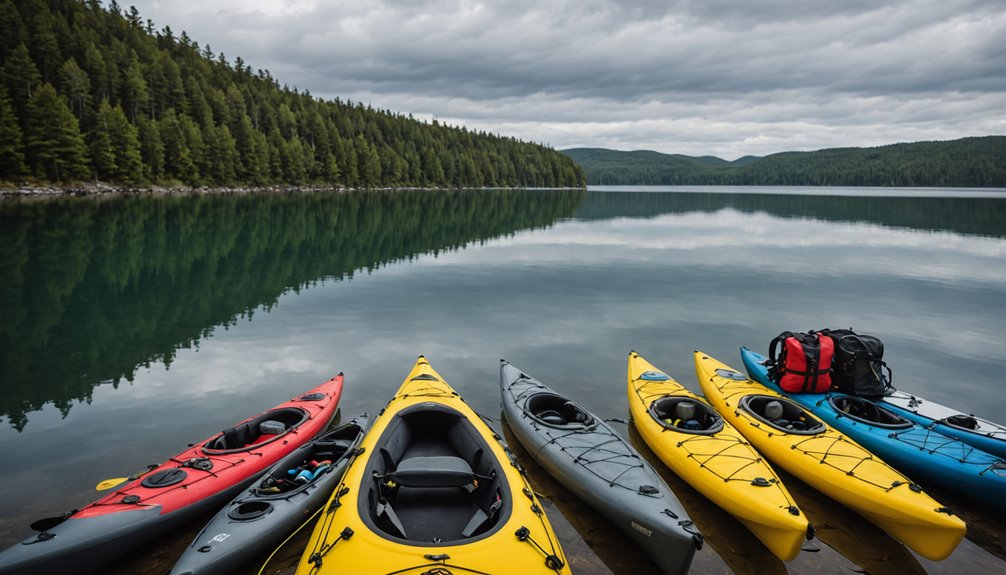
Your success in towed water sports hinges on having the right gear, and each discipline requires a specific combination of equipment tailored to its demands.
On flat water, you’ll find that different activities demand distinct setups:
- Wakeboarding: wakeboard, tow rope, life vest, and motorized vessel
- Tubing: inflatable tube, compatible tow rope, and safety gear
- Kneeboarding: kneeboard, tow rope, and life vest
- Water skiing: skis, tow rope, life vest, and optional training skis for beginners
Stand-up paddleboarding stands apart, requiring only a paddleboard and paddle for independent movement across water.
Each sport prioritizes safety and performance through specialized equipment.
Whether you’re seeking adrenaline-fueled towing experiences or peaceful paddling adventures, investing in proper gear guarantees you’ll master your chosen discipline while staying protected.
Your liberation on the water begins with understanding what you actually need.
Best Locations and Conditions
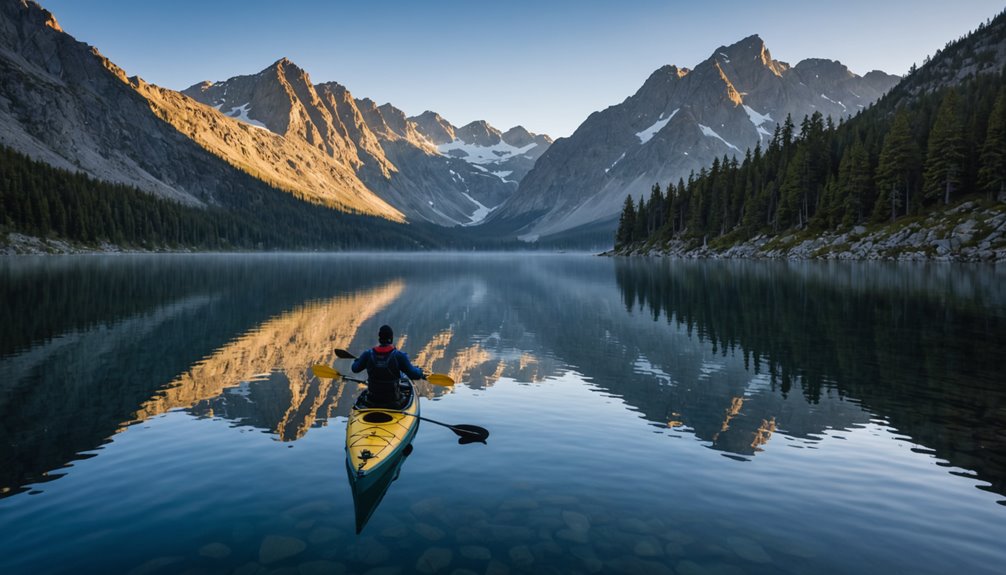
Where should you head to master flat-water sports?
You’ll find the best watersports in locations designed specifically for your skill development. Lakes and rivers give you calm conditions perfect for kayaking, canoeing, and stand-up paddleboarding without wasting an amount of time fighting waves.
Cable parks offer controlled environments with consistent pull, letting you progress quickly on wakeboards and kneeboards. Flat-water lagoons at resorts provide stability for tubing and wakesurfing.
Urban waterfronts deliver designated zones for hydrofoiling and electric surfboarding, keeping you safe from ocean turbulence. Coastal sheltered bays work well when rough conditions dominate elsewhere.
Each location removes obstacles to your progress, maximizing your training time and letting you focus entirely on technique mastery and skill advancement.
Getting Started as a Beginner
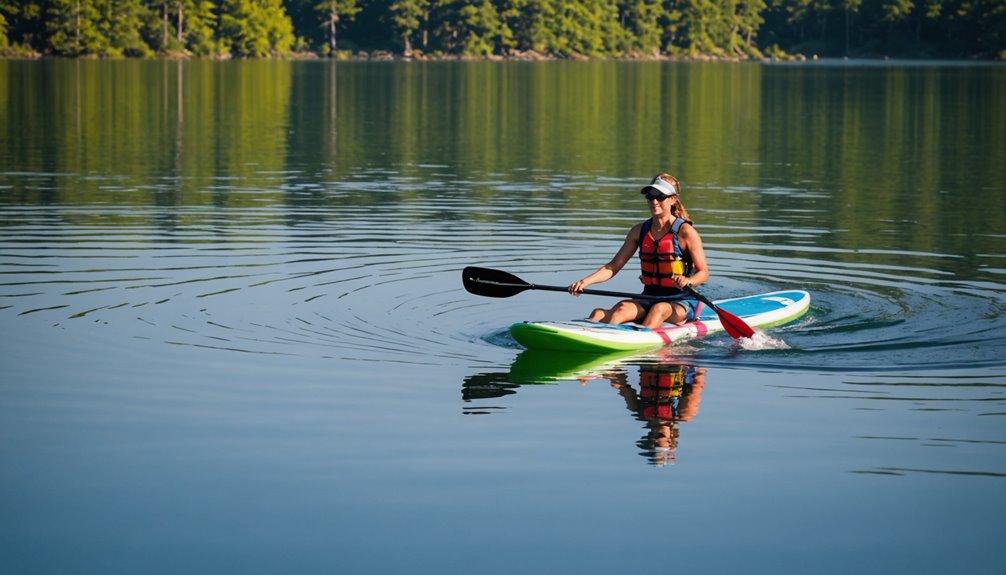
Beginning your flat-water sports journey doesn’t require expensive gear or advanced skills. You’re holding onto the freedom to explore water activities at your own pace while building confidence gradually.
Start with accessible options before attempting something new and challenging:
- Begin with tubing or kayaking—minimal equipment needed for all skill levels
- Take lessons or watch instructional videos to master wakeboarding basics
- Invest in a quality life vest and verify your water comfort
- Practice balance on paddleboards in calm conditions
Join a local water sports community where experienced participants share tips and encouragement. They’ll help you progress safely while keeping costs manageable.
This social support transforms your learning into an enjoyable experience rather than intimidating challenge. You’ll discover that starting simple creates a sustainable foundation for advancement.
Frequently Asked Questions
What’s the Easiest Water Sport to Learn?
You’ll find stand-up paddleboarding the easiest water sport to learn. You’ll master paddleboarding basics quickly, and if you’re seeking freedom, you can progress at your own pace. Kayaking techniques also offer accessible entry points for liberating yourself on the water.
How to Practice Surfing Without Waves?
You can master surfboard balance through efoiling, wakesurfing, or electric boards that simulate wave conditions. You’ll develop core strength and technique on flat water, breaking free from wave dependency and building skills whenever you choose.
What Is the Water Sport That Is Not Swimming?
You’ll discover kayaking techniques and paddleboarding benefits aren’t swimming—they’re liberating water sports. Back in the future, you’re mastering propulsion without strokes, exploring waterways freely. You’re building strength, independence, and adventure on your own terms through these empowering activities.
Which Water Sport Is the Most Relaxing?
You’ll find that mindful kayaking and serene paddleboarding are the most relaxing water sports. Both let you escape routine constraints, explore tranquil waters at your own pace, and experience meditative freedom while enjoying a gentle, full-body workout without demanding intensity.
Conclusion
You might think you’re limited to coastal destinations for water sports thrills, but you’re actually opening yourself to year-round adventures anywhere there’s water. Whether you’re paddling serene lakes or conquering motorized challenges, you’ll find activities matching your fitness level and budget. The accessibility of wave-free water sports means you’re never far from your next aquatic experience—you just need to take that first step and plunge into.